Home / Roof Systems / Acrylic Commercial Roof Coatings
Acrylic Commercial Roof Coatings in Chandler, AZ
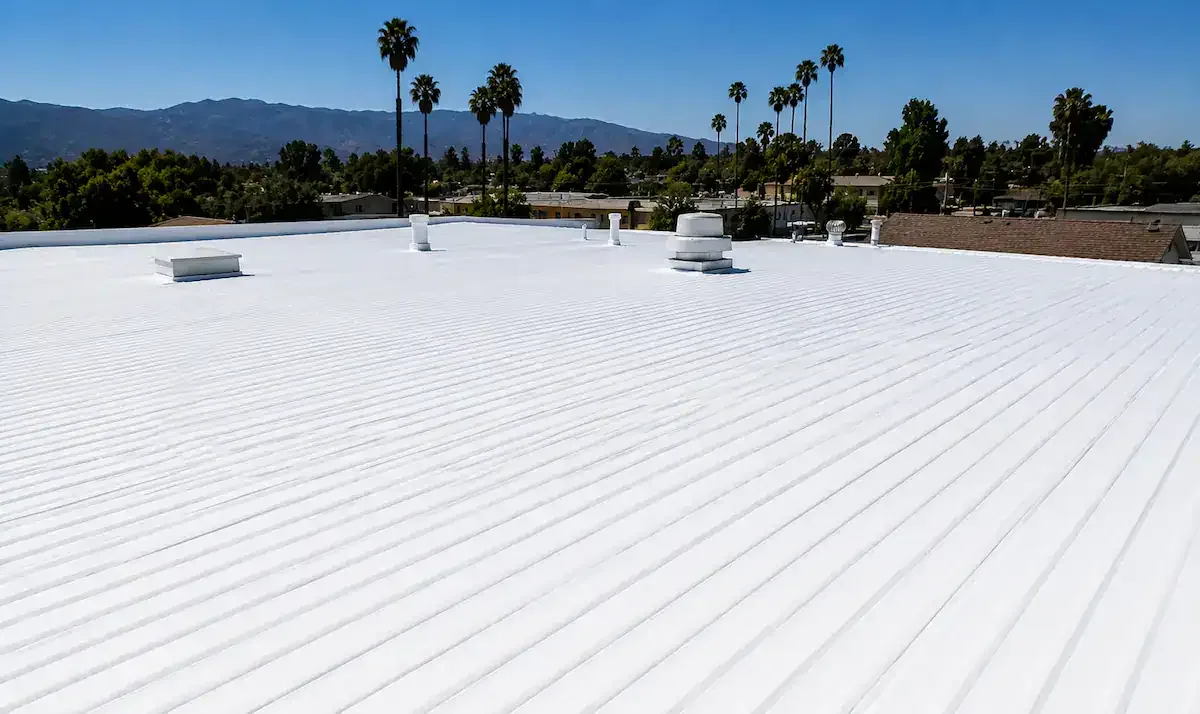
Acrylic roof coatings in Chandler, AZ: when a base and top coat system fits your roof, the repairs and prep that must come first, and the weather limits that affect application.
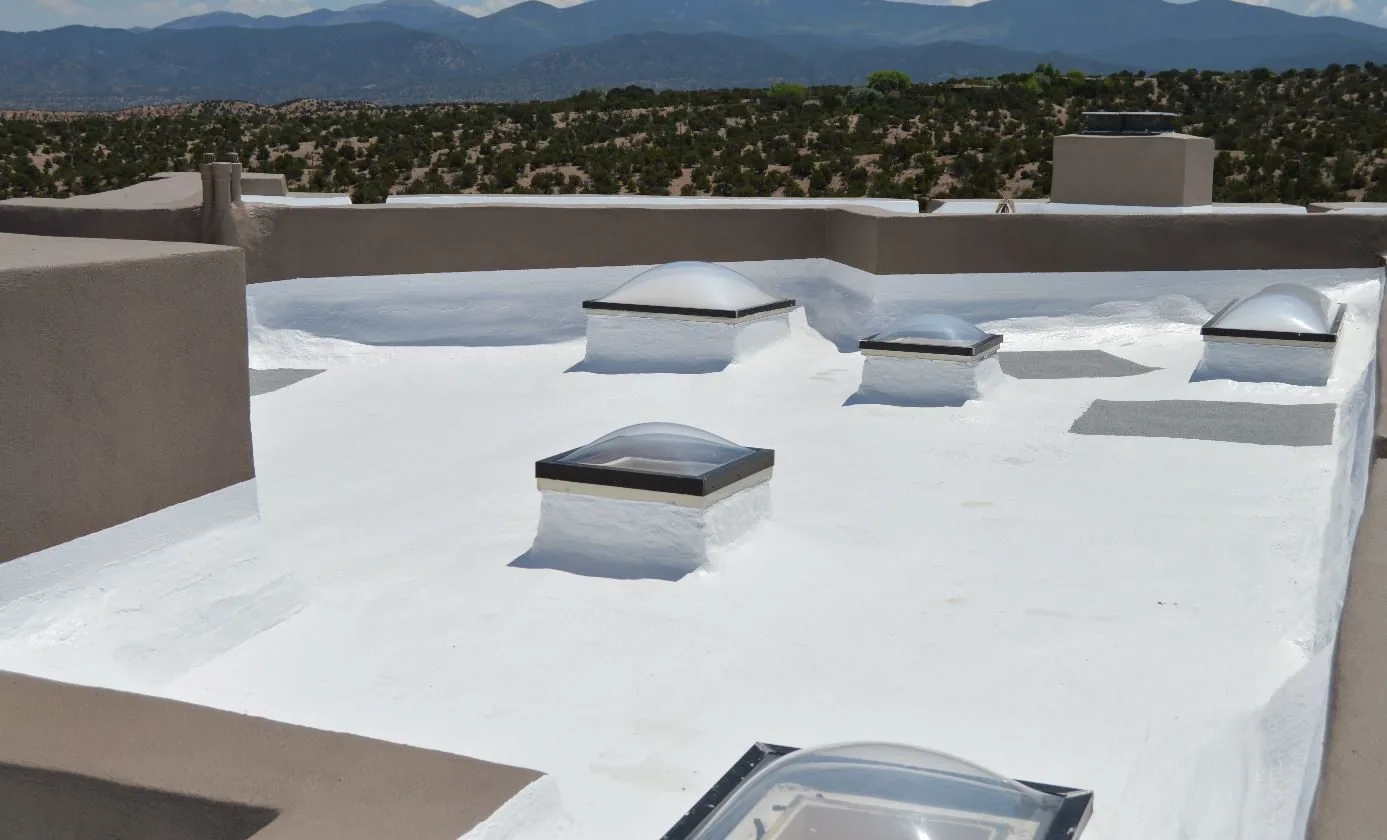
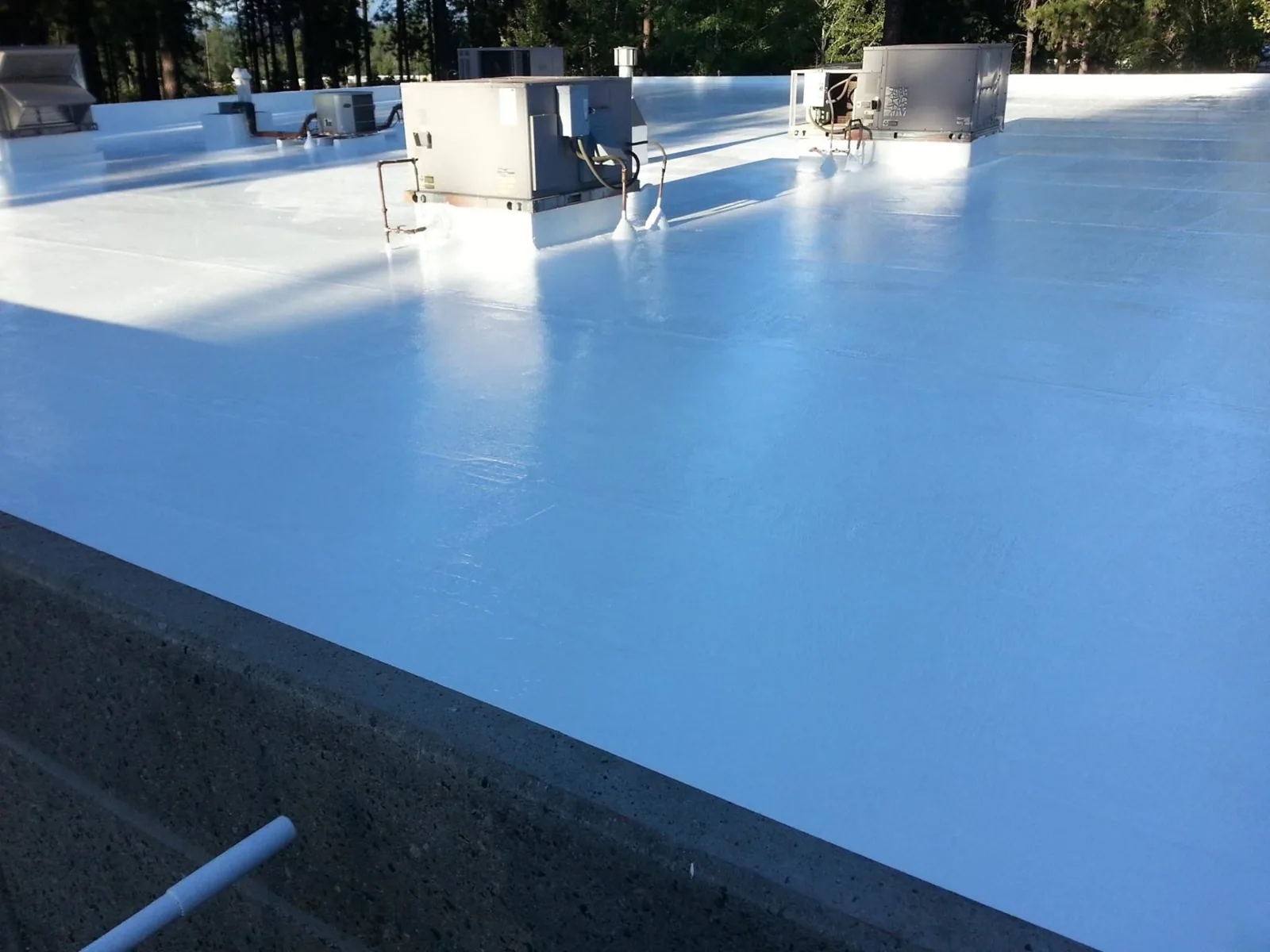
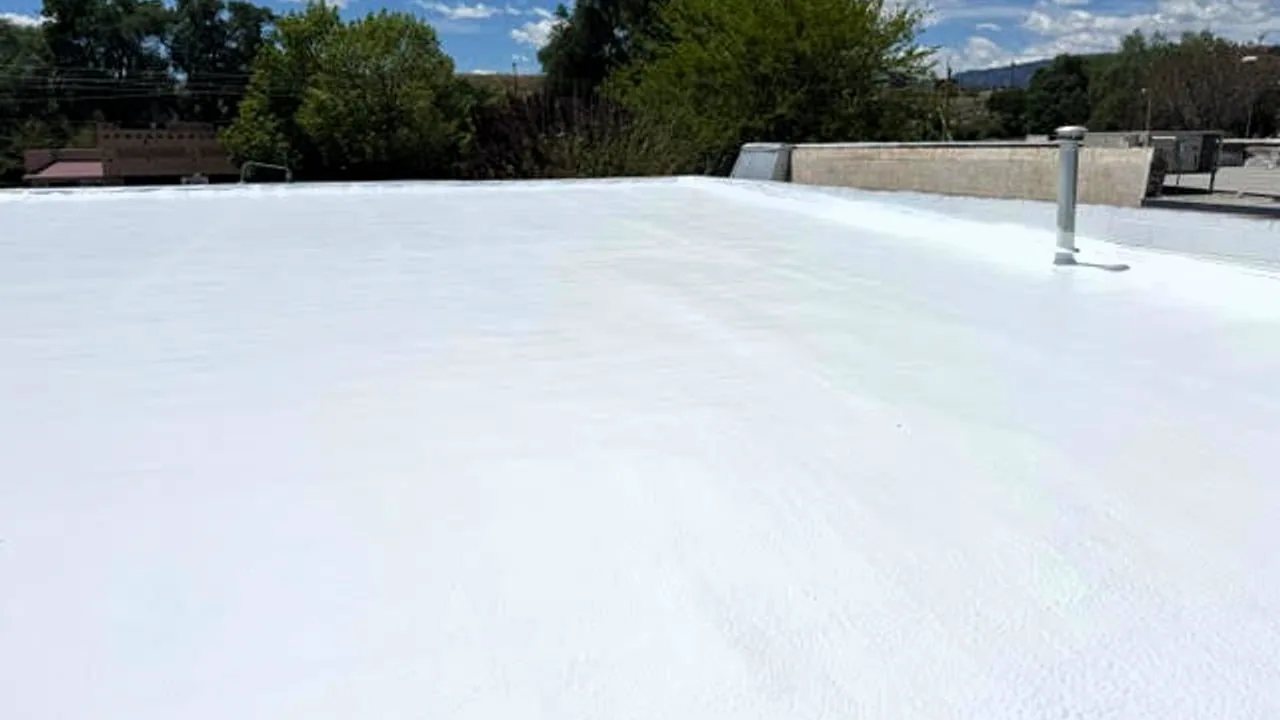
An acrylic coating is a bright, water-based finish rolled or sprayed over an existing roof to reflect sun and extend the roof's life. In Chandler's heat, that reflectivity is a big part of the appeal. But a coating is only as good as the roof under it. Before we recommend acrylic for a school, office or warehouse roof, we look at what the existing roof is made of, what has been patched or coated before, and whether there is damage that needs to be fixed first. The base coat and top coat are chosen as a system, not just by color.
Schools, offices and retail buildings all over Chandler are candidates for coating, but not every roof qualifies. We start with roof records if you have them and a close look at the area you want coated. Our recommendation is based on what we find. Repairs to seams, flashing and equipment curbs are listed separately from the coating itself, because a new acrylic finish will not fix existing leaks or wet insulation on its own.
Base coat and top coat
GAF's acrylic system pairs a water-based elastomeric Acrylic Top Coat with an Acrylic Base Coat underneath. The base coat helps the top coat stick and blocks the bleed-through that aged asphalt roofs can push into a light-colored finish. Using the two together, as the manufacturer intends, is what makes the system work.
The details matter. According to the GAF product documents, the top coat lists EPDM as an acceptable surface, but the base coat does not. That means an EPDM roof needs a careful look at which products and primers apply before anyone promises an acrylic system. Both products also exclude gravel-surfaced roofs and shingle roofs.
Old patches and earlier coatings complicate things further. A roof that has been patched with three different materials over the years may not accept one coating evenly. We find those areas and sort out what needs to be removed or primed before quoting. You will know what is confirmed and what still needs a product decision.
Repairs come first
A coating is not a repair. Before any acrylic goes down, we find and fix split seams, failed flashing, damaged curbs and wet insulation. If insulation underneath is soaked, coating over it traps the moisture and the roof keeps deteriorating out of sight. Test cuts tell us whether the roof underneath is dry enough to keep. The coating quantity on the estimate covers only roof area that is sound once repairs are done.
A good roof coating restoration estimate lists repairs and coating prep as separate items: what is damaged, how it will be fixed and what has to happen before the coating starts. We photograph repairs before they are covered, because once the coating is on, you cannot see them anymore. If we find more damage during prep, we show you why the repair area changed.
The same goes for any building, from a downtown library to a suburban office. We confirm the exact roof area to be coated and review any past records. The base and top coat recommendation is tied to that roof's actual material, not to a general assumption about the property.
Surface prep and adhesion testing
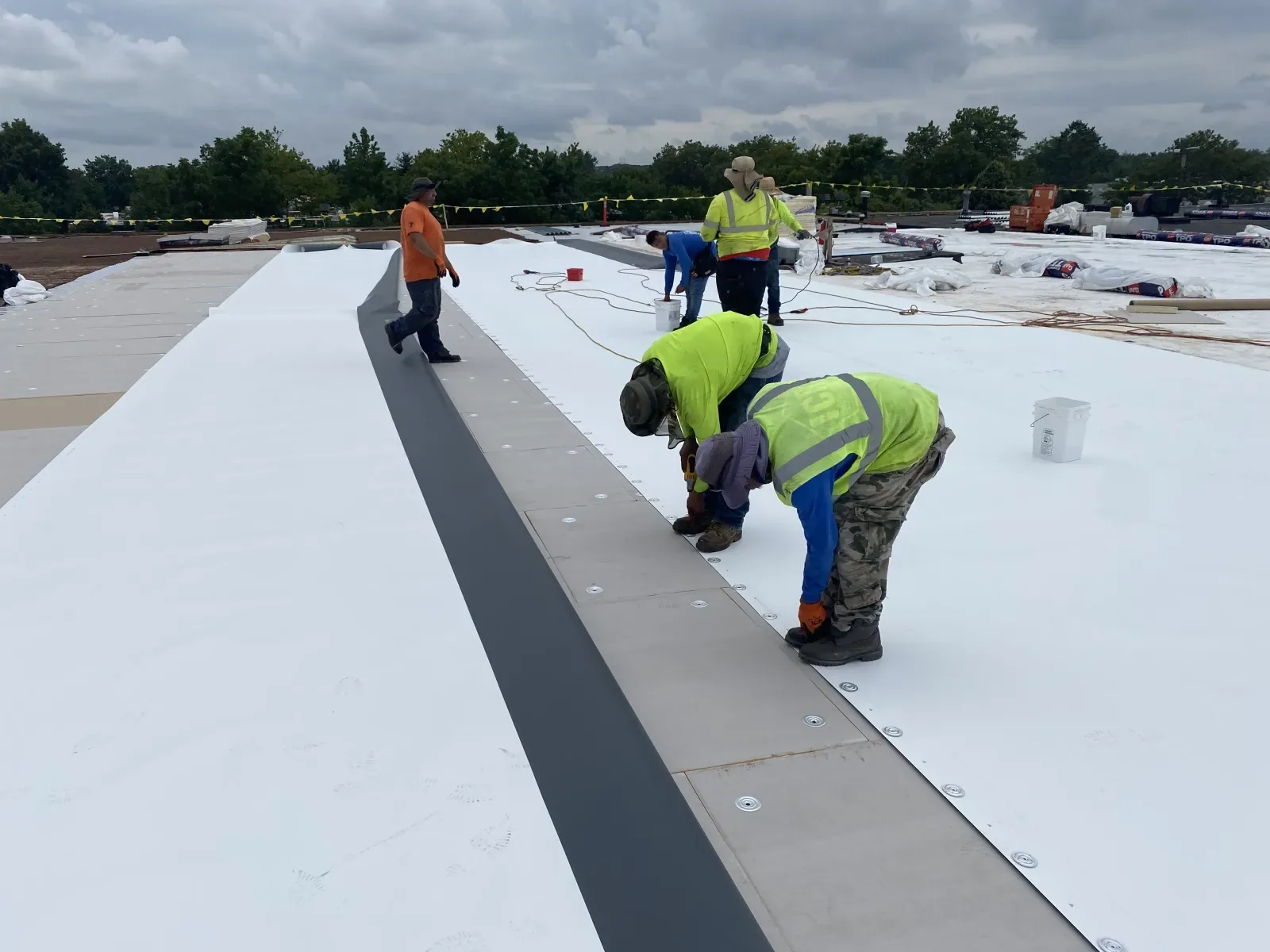
GAF's instructions call for a clean, dry roof with positive drainage, meaning water should not pond on it, and no trapped moisture underneath. Damaged membrane and flashing must be repaired first. Adhesion test patches are applied to confirm the coating will bond, and some surfaces may need a primer. We follow those steps for the product and surface involved, not a generic "power wash and roll" approach.
Test patches are placed on the different surfaces on the roof, including old patches made from different materials, since each can behave differently. If a patch fails to bond, that area gets more prep or a different product before coating goes down. The crew knows exactly which areas are ready and which still need work.
Comparing acrylic with silicone roof coatings means looking at each system's own prep and application requirements. Many of the repairs are the same either way, and we show those in both estimates. The differences, such as how each handles ponding water and what primers each needs, are spelled out so you are comparing real scopes, not just product names.
Weather and coat sequence
GAF limits application of its acrylic top coat around freezing temperatures and when moisture like condensation, fog, dew or rain is present or expected. Cooler temperatures and higher humidity slow curing. In Chandler, freezing is rarely a problem, but monsoon storms and early-morning dew can be. We plan coating days around the forecast and the product's requirements.
The work follows a set order: repairs, cleaning and prep, base coat, then top coat. Each coat needs to be ready before the next goes on. We check the previous coat before moving forward. That keeps the job on the manufacturer's requirements and avoids problems like peeling or soft spots later.
Foam roofs are a special case. On a sprayed foam roof, spray polyurethane foam roofing damage, such as hail dings, soft spots or UV-worn foam, must be repaired before any recoat. We assess the foam first, then choose the coating that fits. A new finish does not replace an inspection of what is underneath it.
Curbs, drains and site logistics
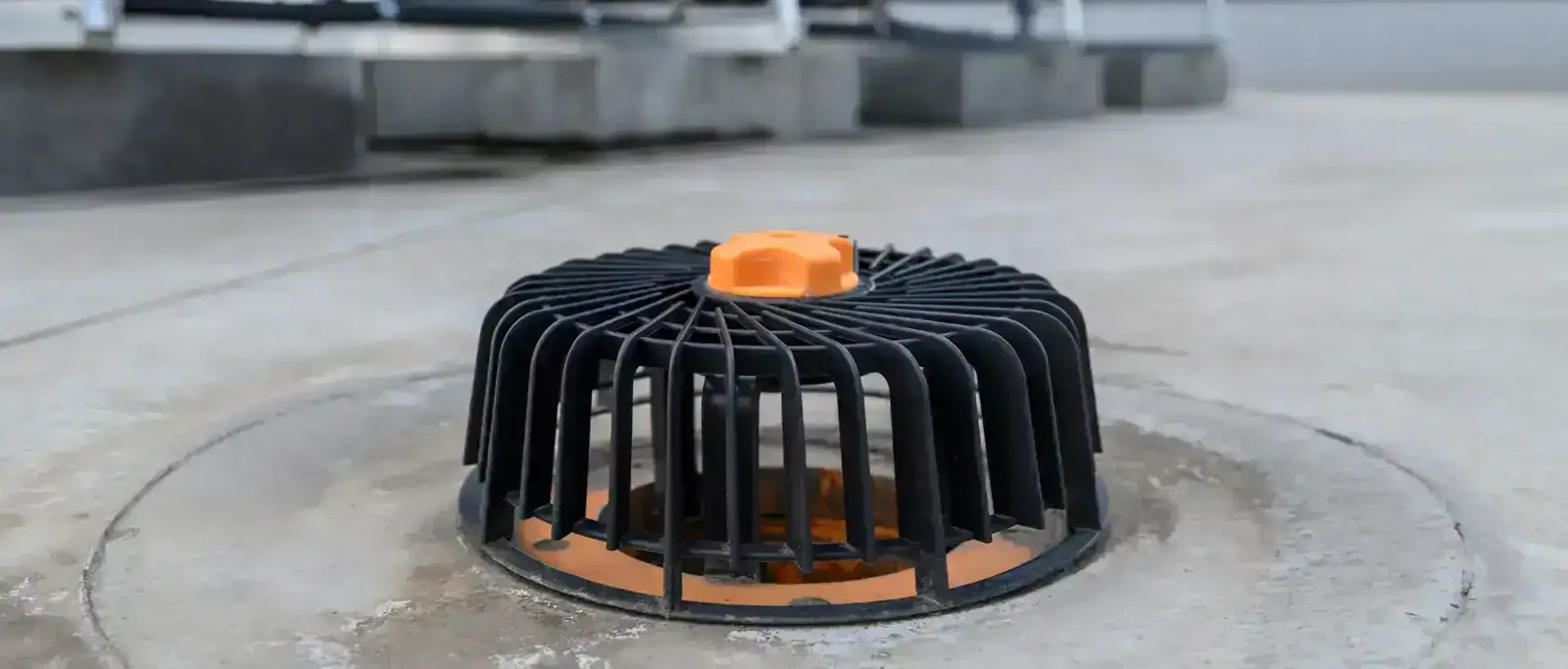
Curbs, pipes, drains and other details are where coatings often fail. We check each one in the coating area, the condition of the flashing around it, and what products were used there before. Details get reinforced with compatible fabric or flashing materials before coating. If a curb or pipe needs repair by another trade, we list it and wait for them before finishing that detail.
Coordinating with roof drain and scupper work matters too. If a plumber is resetting a drain or a scupper is being enlarged, we wait for that to be finished before completing the coating detail around it. Otherwise we would be coating a shape that is about to change.
For acrylic coating projects in Downtown Chandler or anywhere else, we arrange roof access, material delivery and staging with the property manager, and work around any building rules about hours, odors or deliveries.
Records for the future
When the job is done, you get a record of the base and top coat products used, the areas coated, adhesion test results and where repairs were made before coating. Photos of repairs taken before they were covered let anyone see what is underneath later.
Anything outside the coating job, like recommended future repairs or areas we did not coat, is listed separately. That way, the next contractor on the roof knows exactly what was done, what products are there and what still needs attention, which helps with warranty questions and recoat planning down the road.
Commercial Roofing Questions
What makes up an acrylic coating system?
A base coat and a top coat used together. The base coat helps adhesion and blocks asphalt bleed-through, and the top coat provides the weathering finish. Both have their own approved surfaces and prep steps.
Can acrylic go over an EPDM roof?
It depends on the products. GAF lists EPDM for its acrylic top coat but excludes it for the base coat, so an EPDM roof needs a careful product and primer review before an acrylic system is recommended.
What needs to happen before coating a damaged roof?
Split seams, failed flashing, damaged curbs and wet insulation all get repaired first. Coating over wet insulation traps moisture and the roof keeps deteriorating.
How does weather affect acrylic coating work?
Acrylic should not go down in freezing conditions or when rain, dew, fog or condensation is present or expected. Cooler, humid weather slows curing, so we plan around the forecast.
What records should we get after coating?
The products used, areas coated, adhesion test results, photos of repairs made before coating, and a list of any recommended work outside the coating job.
Find out if acrylic fits your roof
We will inspect your roof, identify repairs that must come first and tell you whether an acrylic base and top coat system is the right fit.
Request a Roof AssessmentAll Roof Systems