Home / Commercial Roofing Services / Roof Coating Restoration
Roof Coating Restoration in Chandler, AZ
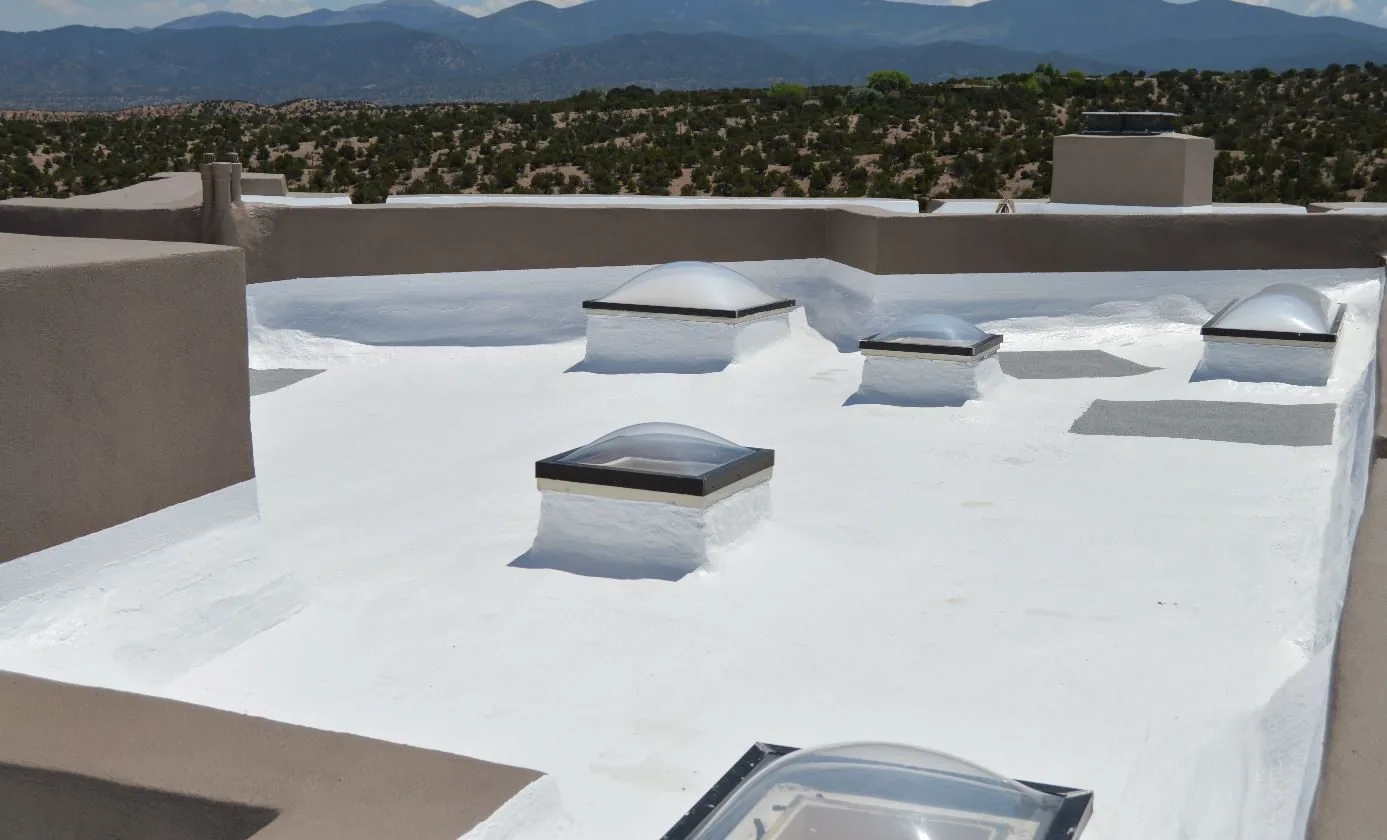
Commercial roof coating restoration in Chandler, AZ: inspection, wet-area repairs, cleaning, adhesion testing and primer decisions before silicone or other coatings go down.
A roof coating can add years to a commercial roof, but only if the roof underneath is a good candidate. In Chandler, the sun and heat age membranes fast, and many warehouse and industrial owners look at coatings to put off a full replacement. Our first step is always the existing roof. We look at the membrane, the old patches and any coating already on it, and we find the damage that has to be fixed before anything gets sprayed or rolled.
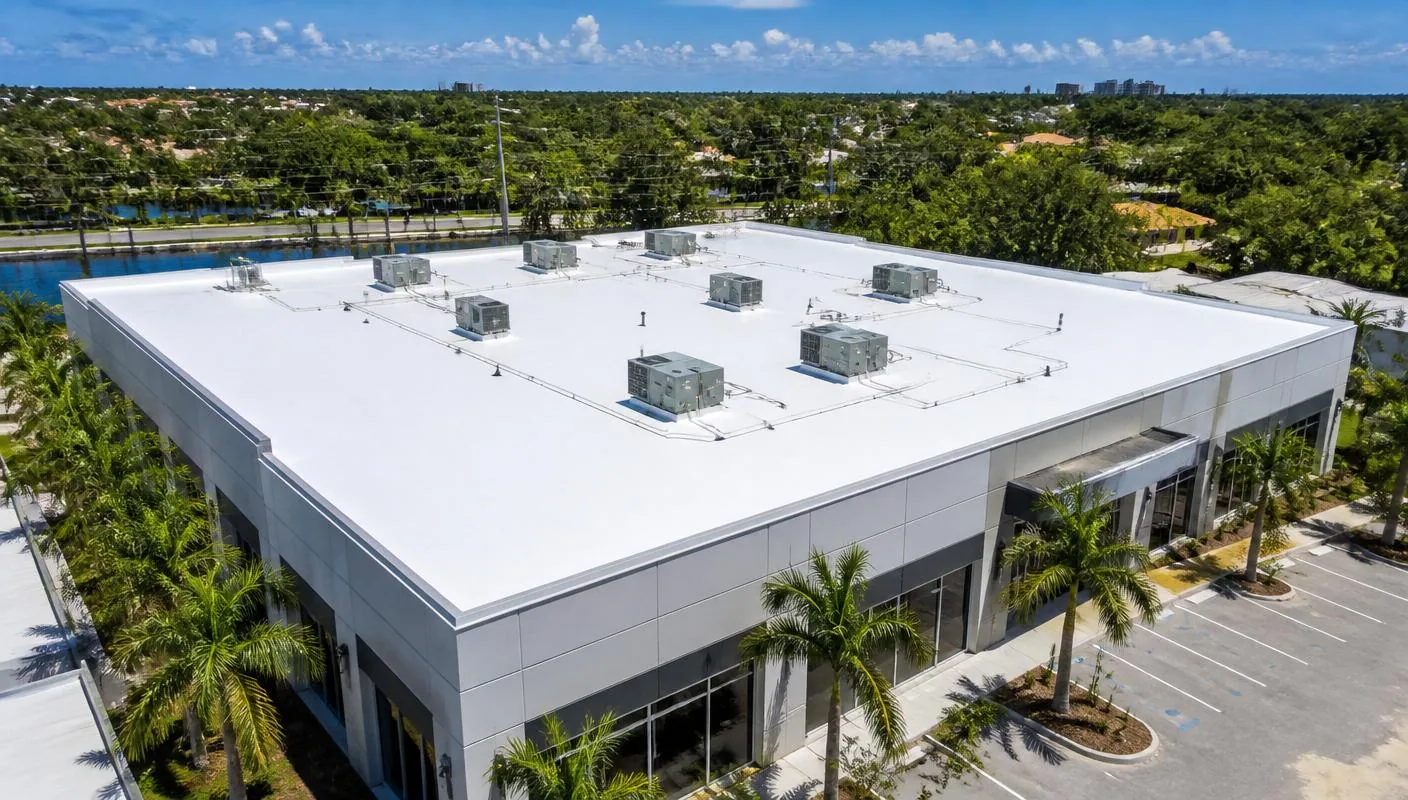
Industrial buildings in the Price Corridor and around the Intel Ocotillo campus often have large, simple roofs that suit coatings well. Size alone doesn't make a roof a good candidate, though. We check for wet insulation, failed seams and poor drainage, then explain what repair, cleaning and prep the chosen coating needs. If we can't confirm something without testing, we say so and do the test before the coating area and price are final. The product choice comes after the findings, not before.
Existing roof and old repairs
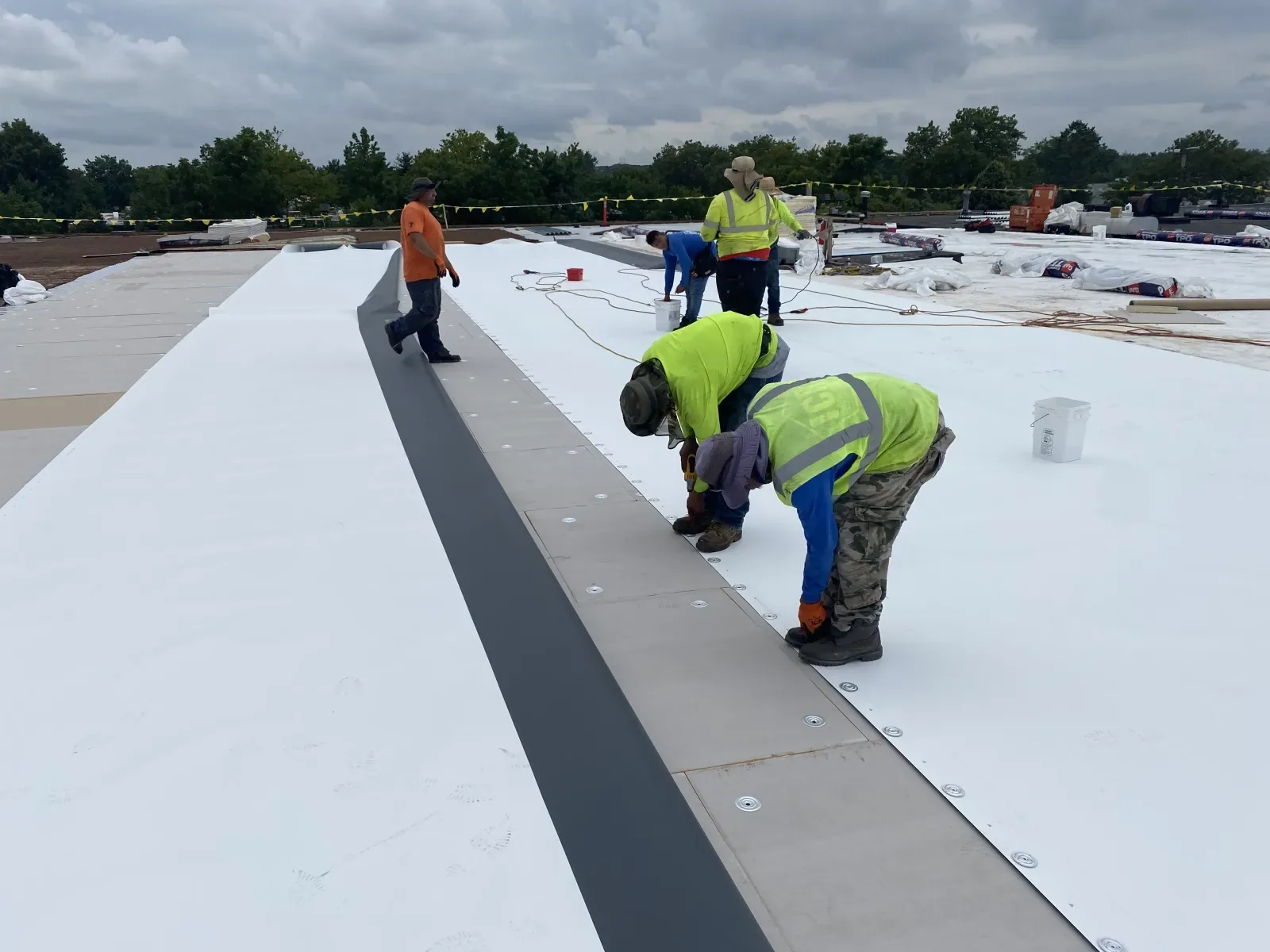
Most roofs we look at for coating have a history. There might be a TPO or modified bitumen membrane, mastic patches from past leak calls, or an older acrylic coating that's chalking or peeling. Each surface accepts a new coating differently. A product's brochure won't tell you whether it will stick to your particular mix of materials. We note every type of surface in the areas to be coated.
A roof inspection before coating identifies those materials and their condition. Where we can't tell what an old patch or coating is made of, we test it rather than guess. Damaged areas, like a split seam or blistered patch, get their own repair line in the proposal. That way you see exactly where the prep money goes, instead of a vague allowance spread across the whole roof. It also helps you compare bids, because two contractors quoting the same coating can have very different plans for the repairs underneath it.
Wet insulation and spot repairs
Coating over wet insulation is one of the most common mistakes in restoration work. The surface may look fine, but water trapped under the membrane keeps rotting the insulation and can blister the new coating. A coating doesn't fix a problem below it. Wet areas have to be cut out, replaced and dried in first. We mark those areas and size the repairs before quoting the coating.
An infrared moisture survey is a good way to find suspect wet spots across a large roof. A thermal image only points to likely problems, though, so we confirm with core samples before deciding what to remove. The cores also tell us how deep the damage goes. You'll see the confirmed wet areas next to the larger coating area, so the cost difference makes sense. And we never coat over a section we haven't confirmed, because a new finish on top only hides the problem until it shows up again as a leak or blister.
Prep for the chosen coating
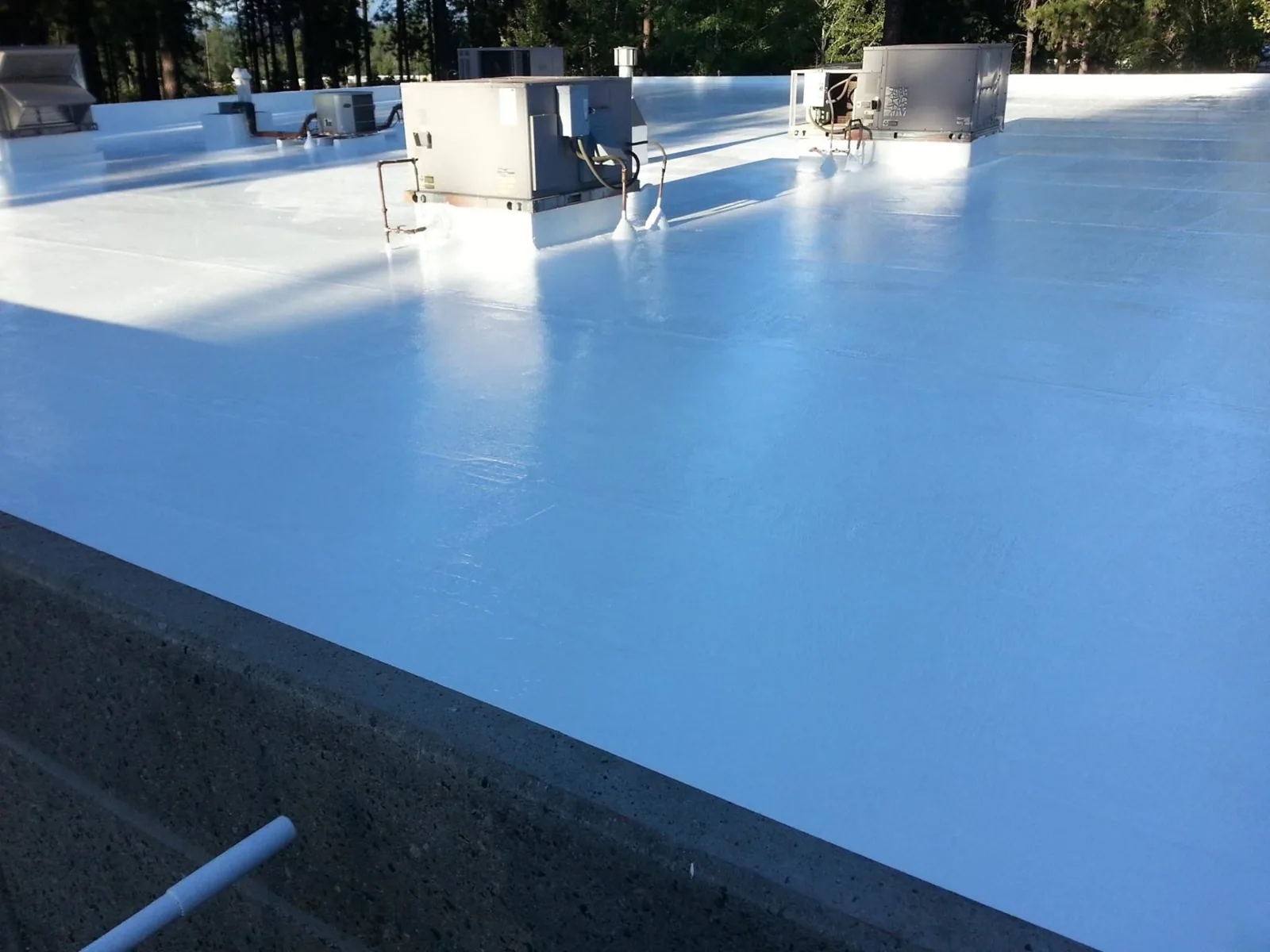
Every coating comes with its own prep requirements, so we pick the product before we finalize the prep plan. For example, GAF's data sheet for High Solids Silicone Roof Coating calls for positive drainage and a clean, dry surface with no trapped moisture. It also calls for damaged membrane, flashing and penetrations to be repaired before coating. Those steps belong in the scope, not buried in a square-foot price.
For silicone roof coatings, our proposal lists the cleaning method, the repairs at seams, flashing and penetrations, and any areas where drainage needs to improve first. If another trade must handle something before we coat, such as resetting a unit or fixing a drain, we note that too. You can see how the roof gets from its current state to ready. A coating bid that leaves out the prep is hard to compare and easy to underbid, and the gap usually shows up later as a change order or a coating that fails early.
Adhesion tests and primer
Before coating a whole roof, we test adhesion on the actual surfaces. GAF's silicone data sheet calls for test patches before work starts and recommends primer, noting it may be required. A single roof can have bare membrane, old coating and mastic patches side by side, and each may behave differently. We place test patches on each type of surface and check them before we finalize prep and primer.
If we're using a GAF coating system, the test results and primer decision are written into the proposal and the closeout record. When a patch fails or the results change what the prep needs, we revise the scope and tell you why. Civic, school and office buildings across Chandler often have years of mixed repairs, so we treat each roof on its own results. The final coating scope matches what the tests showed, not a primer assumption made before anyone pulled a test patch.
Flashing, details and application
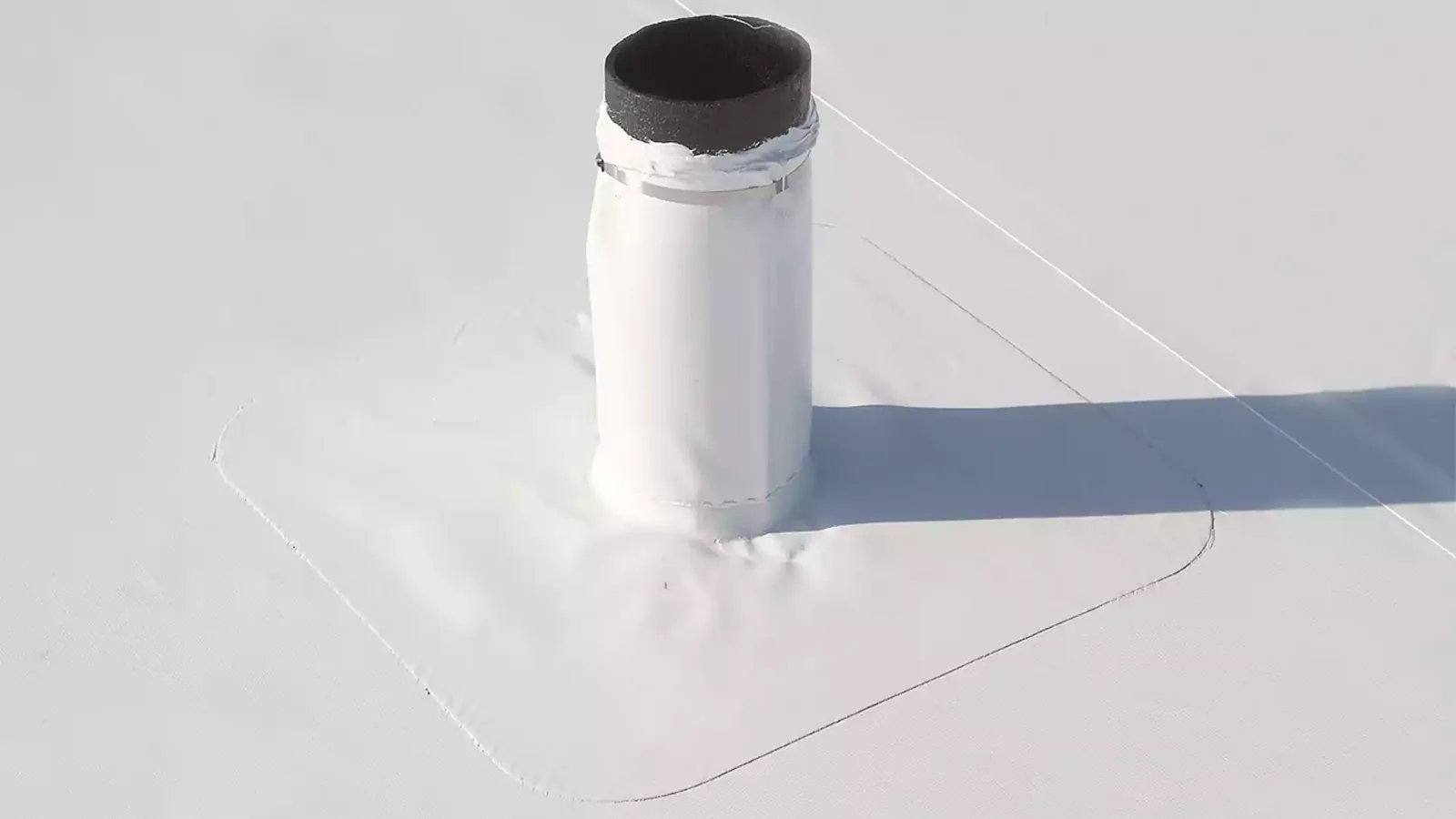
The field of the roof is the easy part. Leaks on coated roofs usually start at curbs, walls, drains and penetrations. Before coating, we repair loose or cracked flashing, reinforce seams and treat each penetration according to the product instructions. We also decide where the coating stops against walls and edge metal. Anything that depends on another trade's work is scheduled first.
Our skylight and penetration flashing work often runs right before a coating job. Application itself depends on the weather. Coatings have temperature, humidity and cure-time limits, and summer heat or monsoon storms in Chandler can push the schedule around. If conditions aren't right, we hold the work rather than risk a bad cure. You'll know the order from repairs to final coat, and you'll know we won't apply product just to hit a date when the roof or the weather isn't ready for it.
What's recorded when the job is done
When the coating is finished, we record the product, the areas coated and the thickness we applied. Prep work, adhesion test results and primer use are noted by area. Photos of repairs are taken before the coating covers them. Any change from the original scope is listed with the reason. We also note the existing materials left under the coating, because they still matter later.
On restoration jobs around the Intel Ocotillo campus, that file becomes the starting point for every future maintenance visit. A new leak can be checked against the repairs we made. A recoat years from now can be planned around the product already on the roof. A white roof in a photo looks the same no matter what's underneath, so the written record of products, prep and repair locations is what the next contractor actually needs.
Commercial Roofing Questions
Is my Chandler roof a good candidate for a coating?
It may be, if the membrane is still mostly sound, the insulation is dry and water drains off. We inspect the roof, test any suspect areas and tell you honestly whether coating or replacement makes more sense.
Can a coating fix wet insulation or damaged areas underneath?
No. Wet insulation and damaged membrane have to be cut out and replaced before coating. We confirm those areas with core samples and price the repairs separately.
What prep does a silicone coating like GAF High Solids Silicone need?
GAF's data sheet calls for positive drainage, a clean and dry surface with no trapped moisture, and repairs to damaged membrane, flashing and penetrations before the coating goes on.
Why do adhesion tests before coating the whole roof?
Different surfaces on the same roof can accept coating differently. Test patches show whether primer or extra prep is needed, so the coating actually bonds.
What records do we get after a coating job?
The product used, areas coated, prep and primer decisions, adhesion results and photos of repairs made before coating. That record guides future repairs and recoats.
Find out if a coating fits your roof
Send us your roof's repair history and any information on existing coatings. We'll inspect the roof, test the surfaces and tell you what prep the coating needs before giving you a price.
Request a Roof AssessmentAll Commercial Roofing Services