Home / Roof Systems / KEE Commercial Roofing
KEE Commercial Roofing in Chandler, AZ
Chandler KEE roofing develops a named membrane assembly with defined deck condition, attachment, retained layers and component details for the commercial roof.
A manufacturing roof proposed for KEE needs an assembly decision before a material order. Identify the deck and retained construction. Confirm the intended attachment and detail products. Chandler KEE roofing should describe how those parts belong together at the assigned building. The facility director needs a developed roof proposal rather than a membrane name followed by an unexplained installation allowance.
For requested Intel Ocotillo area work, establish the building and particular roof designation. Review existing records and the accessible construction. Identify material investigation needed where the proposed installation depends on concealed condition. We would develop the roof scope with the responsible design and facility parties. The proposal should show which decisions are resolved and what further information affects retention or attachment. That lets the owner evaluate the actual work before deciding on a membrane alternative.
Named membrane and assembly
FiberTite identifies KEE as ketone ethylene ester and describes its KEE-enhanced membrane as a PVC roofing product. It offers several assembly configurations, including adhered and mechanically attached systems. Those categories are starting points. The assigned roof still needs the particular membrane, attachment and underlying layers identified. Keep the developed construction tied to the selected product documents.
An owner considering Chandler PVC roof alternatives with their identified products and developed installation details should compare complete proposals. State the removal and retained layers beside the membrane choice. Identify whether the comparison involves new installation or repair to an existing roof. An accessory intended for one selected product needs its own compatibility review before it appears in another scope.
Keep the membrane designation consistent through pricing and construction. If a product or attachment changes, review the affected details together. The facility director should review how the change affects backing, connections and work responsibilities. A substitution should not arrive as a changed material label with the rest of the assembly left unexplained.
Deck condition and attachment selection
Locate the deck construction and assess its accessible condition. A Chandler roof-condition assessment locating the available deck information and construction questions affecting KEE selection can define the investigation needed. Review supporting information needed for the proposed attachment. Identify deterioration or uncertain material where it affects that decision. The responsible design review should resolve the applicable attachment construction. A roofing proposal should not assign a generic fastener pattern to an unverified deck.
FiberTite's mechanically attached system description identifies fasteners and stress plates associated with securing insulation and cover boards to roof decks. Its adhered system description identifies membrane bonded to a substrate. Keep the selected configuration with its developed deck and layer requirements. The assigned building needs the relevant construction reviewed before a category becomes an installation instruction.
A Chandler board and insulation review for the proposed KEE assembly and its assessed retained construction can locate material correction affecting that installation. Name the boards retained or replaced. Record further investigation where concealed condition remains unresolved. The crew needs the specified backing and attachment information available before the membrane operation begins.
Removal and retained construction
Define what remains below the new membrane. Identify existing layers and their assessed condition. Show where removal is required and where retained material can support the selected construction. Keep confirmed wet or damaged material separate from unanswered concealed questions. Each finding needs a practical next operation rather than a broad assumption about the whole roof.
For a requested civic assignment, use Chandler City Hall's 175 South Arizona Avenue address to confirm the designated building. The representative would provide the available roof information and identify the relevant area. A KEE proposal would show the assessed removal and reconstruction there. Useful photographs taken while material is exposed can preserve the basis for any necessary revision.
Consider Chandler built-up roof alternatives through a separate multi-layer construction and retention decision when the owner requests another system. Compare the actual removal and underlying correction with the membrane assembly. Keep drainage and component interfaces in both proposals so the comparison does not overlook work common to the alternatives.
Connections and component changes
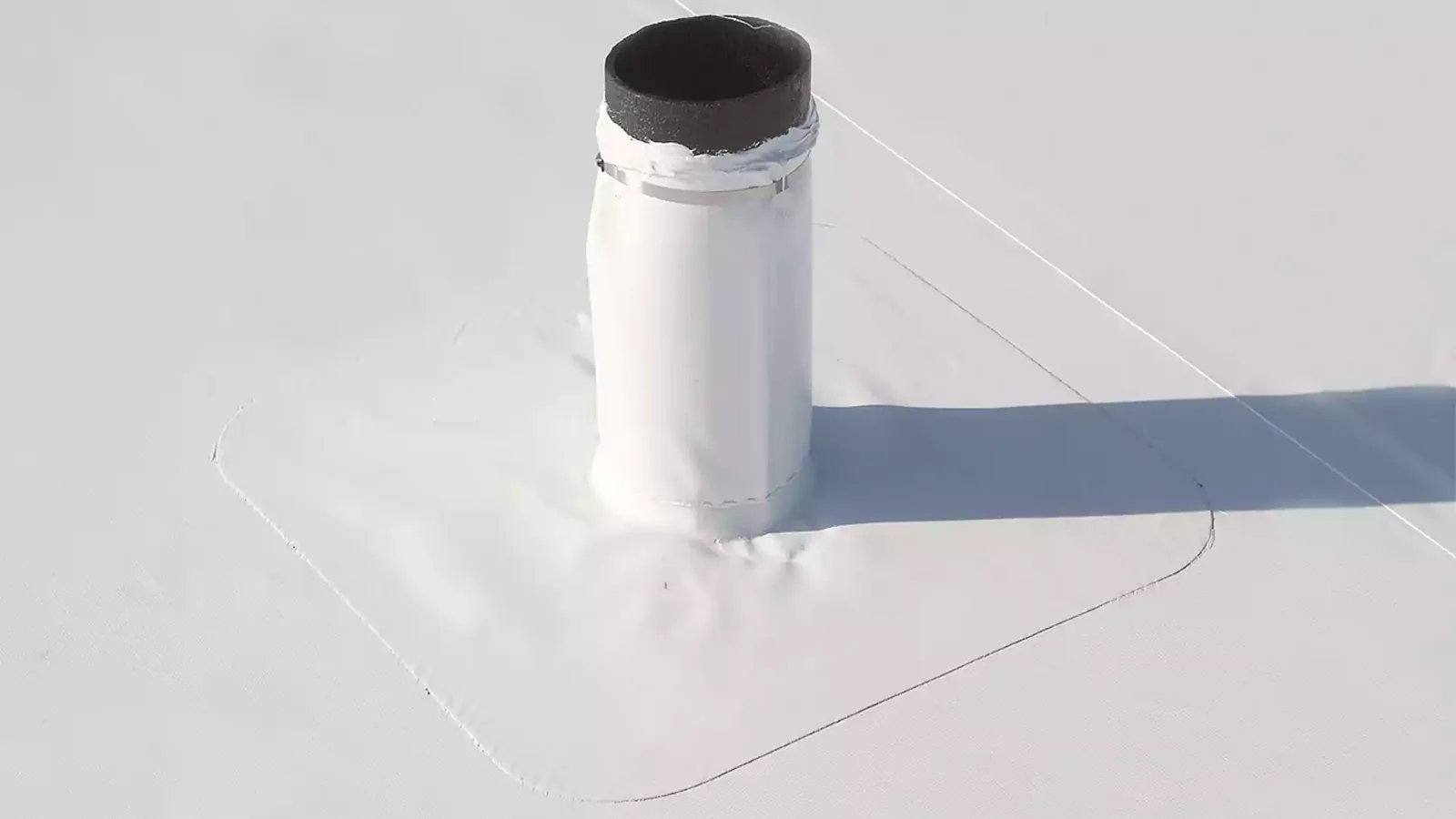
Develop the roof connections beside the selected field assembly. Measure walls, curbs and pipe groups. Identify supporting faces and component condition. Locate any change another contractor will make before roofing. The selected membrane details need to fit that final construction. A component change should trigger review of the affected connection before the roofing crew completes it.
The Chandler KEE penetration coordination identifying the supporting component and proposed membrane detail should assign those tasks separately where necessary. State the component correction and the roofing operation that follows. If removal exposes another defect, record the finding and its proposed work. Keep the facility director informed of the construction change affecting the agreed detail.
A new assembly also meets retained roof areas. Locate those transitions and identify their materials. Review compatibility through the selected product requirements. Define a separate connection where the neighboring construction differs. The permanent perimeter and transition details belong in the roof proposal alongside the field attachment.
Assigned work and installation records
Arrange delivery and roof access around the representative's confirmed requirements. Identify removal areas and the planned reconstruction sequence. Keep product documents and developed details available to the crew. Review preceding component tasks before their roofing connections begin. The facility director needs enough information to coordinate the assigned work with the relevant building contacts.
For requested Chandler Airpark KEE assembly planning tied to the designated property and proposed construction, confirm the building and roof reference before scheduling. Chandler Municipal Airport is associated with this Airpark area. The assignment's representative should establish the work arrangements applicable to that building. Develop the roofing sequence around those supplied requirements and the actual assembly selected.
The completion record should identify the membrane and underlying layers installed. Preserve material changes and useful photographs of concealed correction. Locate finished component details and keep unresolved recommendations separate. A later crew can then identify what was built at the particular area rather than start again from a general system name.
Commercial Roofing Questions
What should a Chandler KEE proposal define beyond the sheet?
Assembly selection should include the deck, underlying layers, attachment and component details. Keep those decisions with the named membrane and applicable product documents.
Does a KEE system category settle the building attachment?
Project construction still needs review. Identify the deck and relevant condition before the responsible parties resolve the selected attachment requirements.
How should retained material appear in the KEE scope?
Layer decisions need location and assessed condition. Show removal, retained construction and any investigation required before the proposed assembly can proceed.
What happens when a component changes before KEE flashing?
Affected details should be revised to the final shape. Coordinate supporting correction with the roofing operation rather than finish to an obsolete component reference.
What should the installed KEE roof records retain?
Selected membrane and underlying construction should accompany material changes, useful concealed-work photographs and finished component positions. Preserve unresolved recommendations separately.
KEE assembly selection meeting
Review deck condition and retained layers with the facility director. We will develop the selected membrane, attachment and component details for the designated roof.
Request a Roof AssessmentAll Roof Systems