Home / Property Types We Roof / Warehouse Roofing
Warehouse Roofing in Chandler, AZ
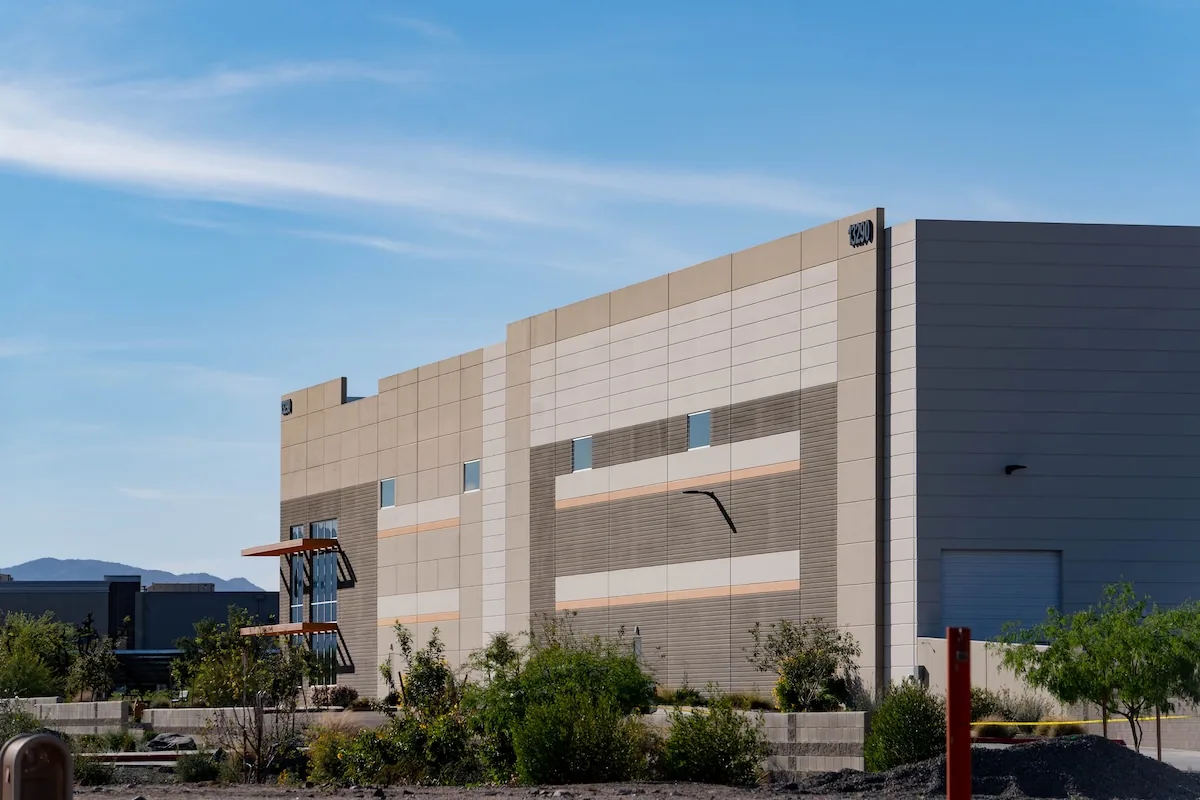
Warehouse roofing in Chandler, AZ: leak tracing over racking, drain and edge metal repairs, and phased replacement planned around inventory, forklifts and loading docks.
A warehouse roof covers inventory, racking, forklifts and the people who work there. A leak over a high rack can soak pallets before anyone notices. For warehouse roofing in Chandler, AZ, we start by learning what is stored under the problem area and how the building operates. Then we inspect the roof. The fix might be a seam, a drain or a loose edge, or it might be time for a phased replacement. Either way, we explain what we find and how the work would fit around your operation.
Send us the warehouse address, where you are seeing water and any roof drawings or past repair records. For a warehouse roof inspection in West Chandler or anywhere else in town, we arrange access with your facility manager. We inspect the roof above the problem, document what we see and flag anything that needs a closer look, like possible wet insulation. Our recommendation is based on what that roof actually shows, and we review the material route and work area with your team before any work starts.
Leaks and drains
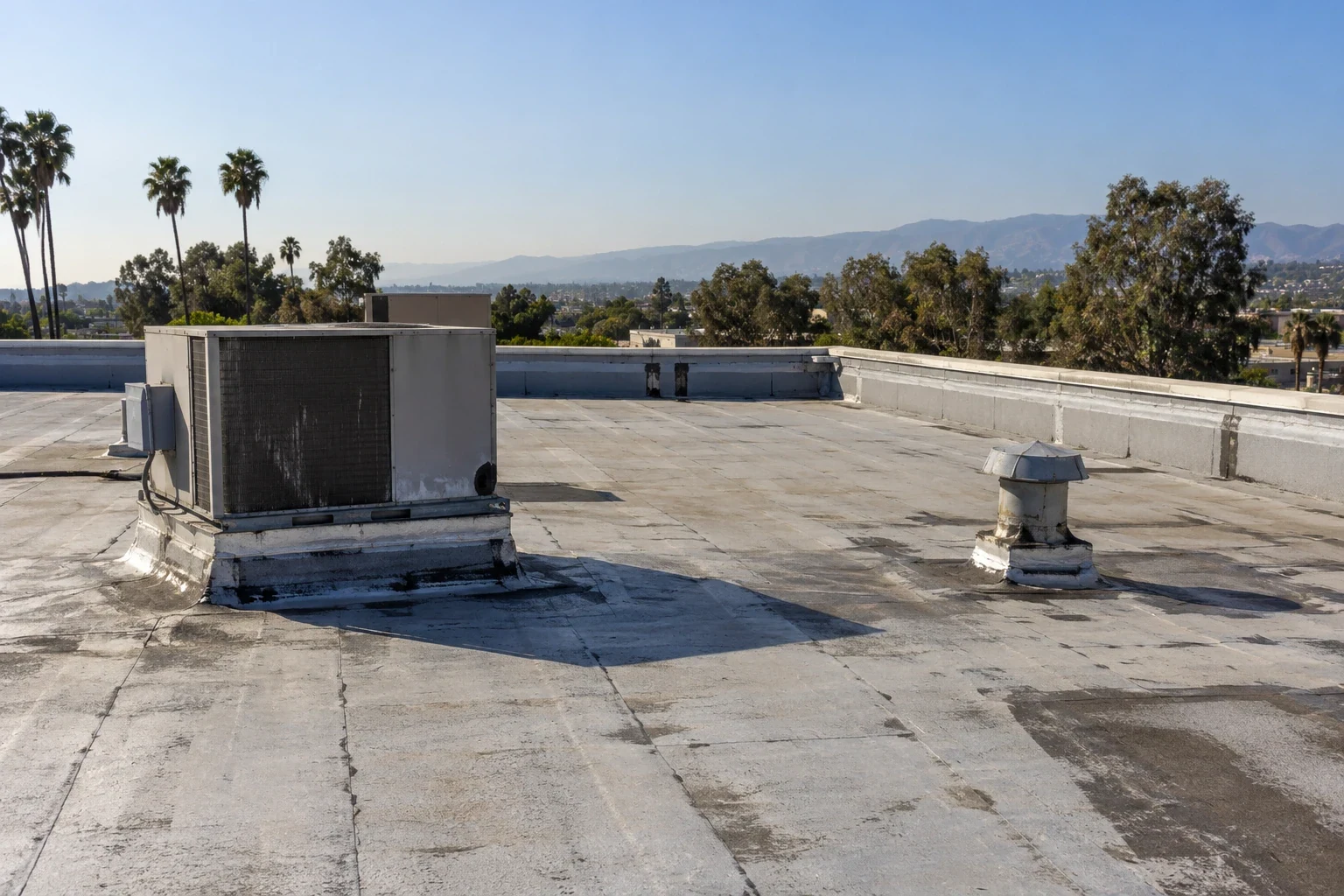
Water often travels along the deck before it drips, so the wet spot on the floor may be a long way from the hole. A commercial roof inspection starts above the wet area and works outward, checking seams, curbs, skylights, wall flashing and drains. Old skylights and abandoned penetrations are common culprits on older warehouses. Each finding is photographed and marked on a roof plan, so you can see exactly where the problems are.
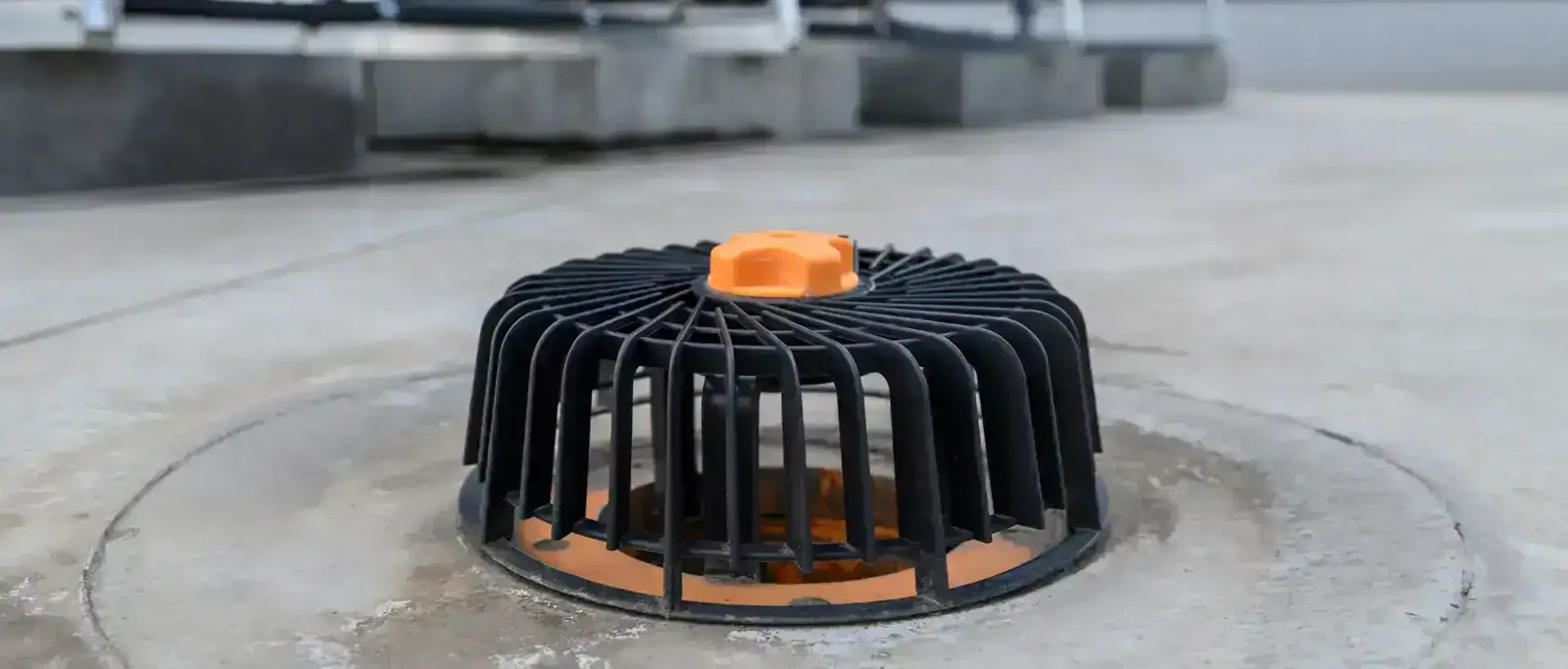
Roof drains and scuppers are often part of the problem. Debris clogs them, flashing around them cracks and ponding water finds its way under seams. Sometimes cleaning fixes it. Other times the flashing needs replacement or a plumber needs to check the line. If water stands for days, we find out why, whether it is a low spot, a sagging deck or a drain set too high, before recommending a fix.
Protecting inventory and operations
Before work starts, we review with your facility manager what is stored under each part of the roof, where forklifts and trucks run and where the lift, dumpster and crane can go without blocking docks. For reroofing while the warehouse keeps running, high-value or moisture-sensitive inventory may need to be covered or moved away from the work area. Walkways below the work are closed off, and dust and debris are kept from falling through openings. Inspection visits are simple; construction phases need more planning.
Each phase gets its own plan. Before opening a new section, we confirm with your team what is underneath and whether anything needs to be moved or protected. Each section is sealed watertight before the crew leaves. If hidden damage expands the work area, we stop and review it with your facility manager before going further. That keeps your floor plan and shipping schedule accurate throughout the job.
Edges and wall flashing
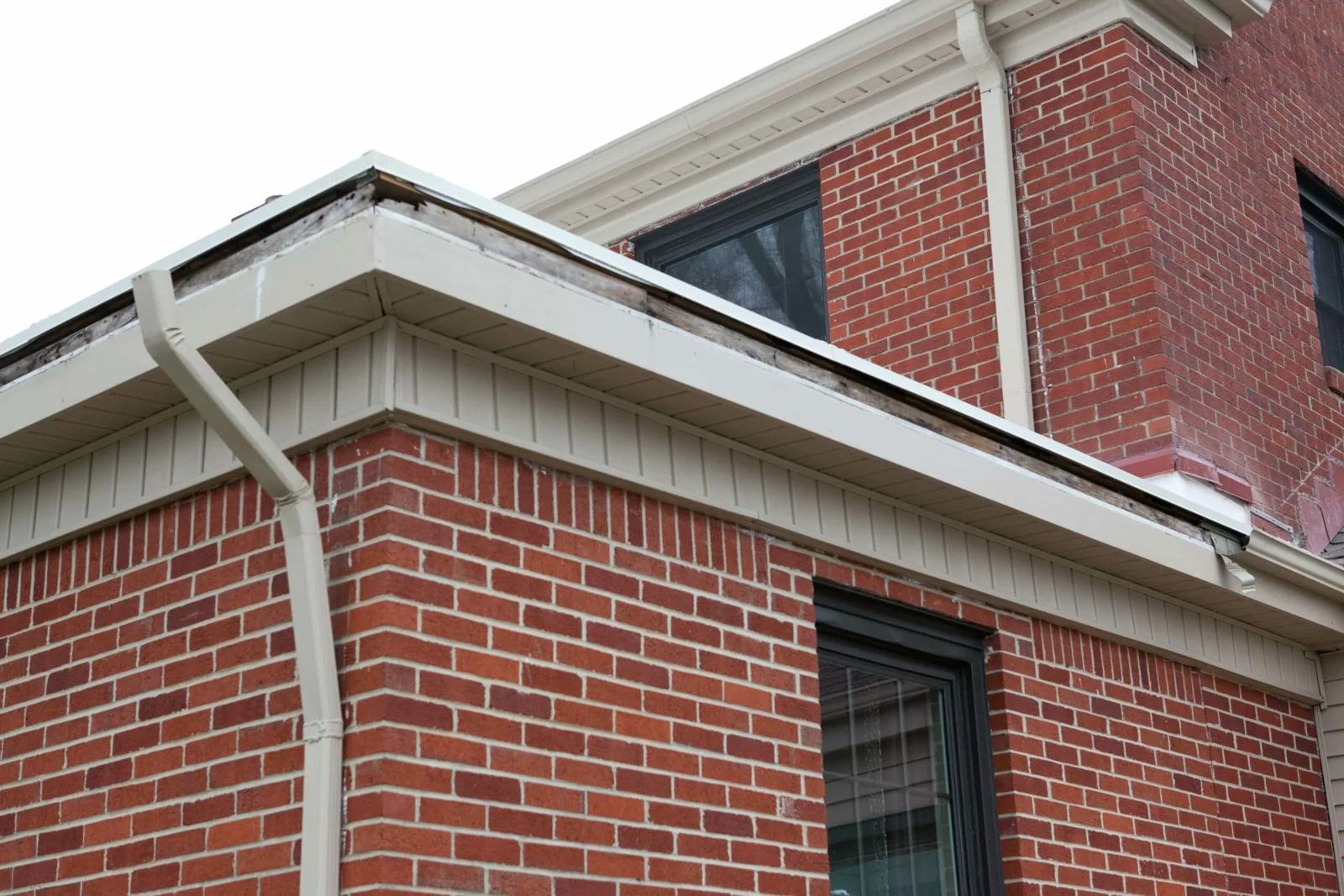
Edges take a beating on big warehouse roofs. Wind can get under loose edge metal and peel the membrane back, especially during monsoon storms. Edge metal, coping and gutter repairs start with checking how the edge is fastened and whether the wood nailer underneath is solid. Rotted or loose nailers are replaced before new metal goes on. Gutters and downspouts are checked for clogs, seams and slope.
Wall flashing on tilt-up and block walls is another common problem. New flashing needs solid backing, and the counterflashing at the top matters as much as the seam at the bottom. A distribution center roof faces the same issues at a larger scale and with more dock traffic. On your warehouse, we check each wall and edge section involved and list them in the estimate, along with any wall repairs that belong to another contractor.
Repair or replacement
A repair makes sense when the membrane and insulation around the problem are dry and sound. If insulation is wet or seams are failing across a wide area, a repair only buys time. We may take small test cuts to see how far moisture goes and patch them the same day. A coating can extend a sound roof's life but should never go over wet insulation. Access, disposal and working around operations all affect price, and we show you how in the estimate.
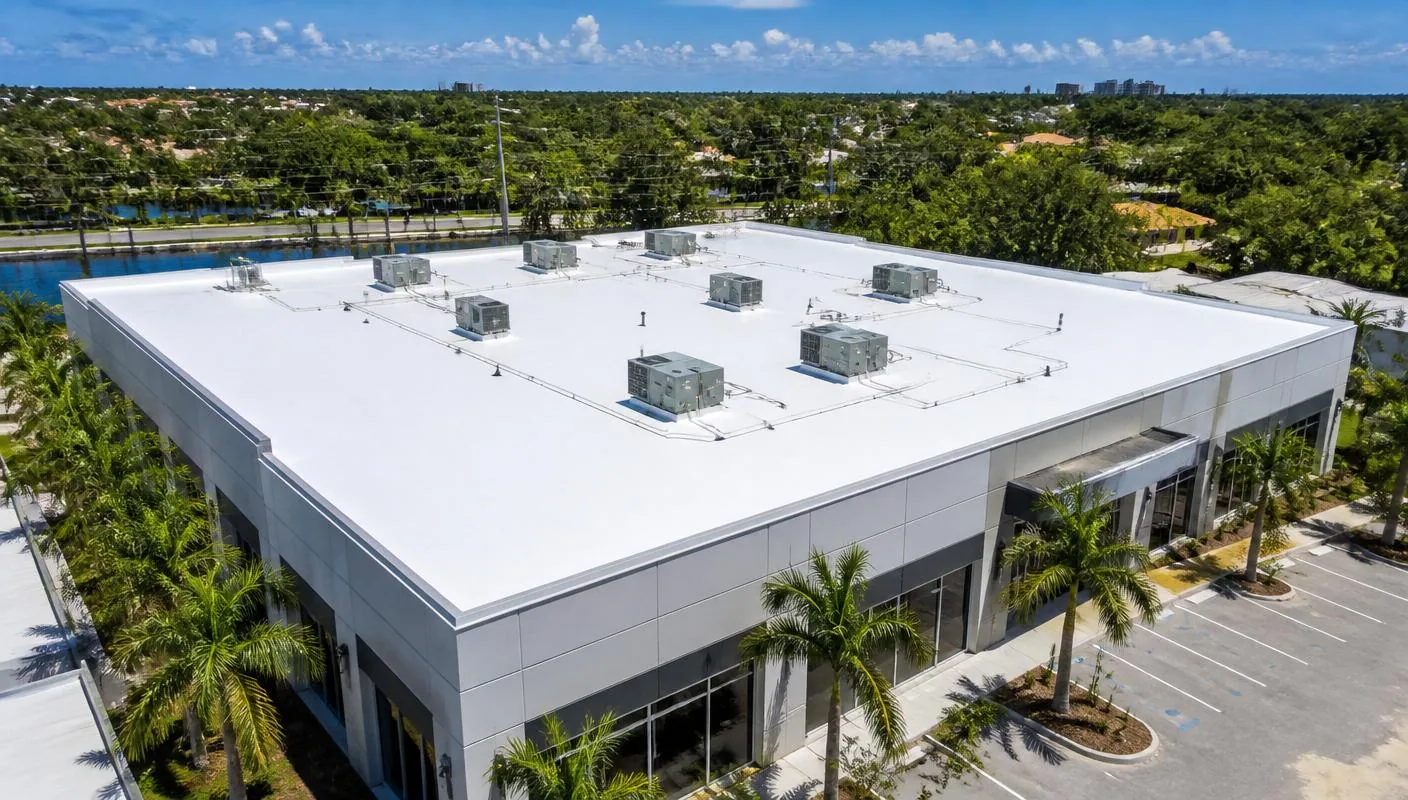
A commercial roof replacement on a warehouse is usually phased. The estimate lists what is removed, what stays, the insulation and cover board going back, the attachment method, the membrane and how edges, walls, curbs and drains are finished. Smaller phases cause less disruption but can add mobilization cost. We lay out the trade-offs so you can choose the phasing that fits your operation and budget.
Maintenance and records
Warehouses often change hands or tenants, and a flex industrial roof sees even more turnover. Good records help either way. When a project wraps up, you get photos of finished details and patched test cuts, material and warranty information, final quantities and a list of open items for other trades. Temporary patches are listed separately from permanent work, so nobody mistakes one for the other.
With regular maintenance, we clear drains, check seams, edges and curbs, and report what we found and fixed. Where hidden damage might affect a future decision, we recommend testing instead of guessing. Warranty questions are answered from the actual job paperwork and terms. If water is coming in over inventory, call any time, including nights, weekends and holidays. Your team arranges access and protects stock below, and we stop the leak and explain the permanent fix.
Commercial Roofing Questions
What should a warehouse leak inspection find before any repair?
Where water is actually entering, not just where it lands, plus whether the insulation around it is wet. We check seams, curbs, skylights, flashing and drains above and around the wet area.
How do you protect inventory during roof replacement?
We review what is stored under each phase, ask for sensitive stock to be covered or moved, keep equipment away from docks and forklift routes, and seal each section before leaving.
What pushes a repair toward replacement?
Wet insulation across a large area, widespread seam failure or a roof that keeps leaking in new places. Test cuts show how far the damage goes, and we compare both options.
What should maintenance and closeout records show?
Photos and roof-plan locations of each repair, patched test cuts, materials used, warranty information and any open items for other trades.
Plan your warehouse roof work
Tell us where you are seeing water and what is stored below. We will inspect the roof and lay out repair or phased replacement options that fit your operation.
Request a Roof AssessmentAll Property Types We Roof