Home / Property Types We Roof / Cold Storage Roofing
Cold Storage Roofing in Chandler, AZ
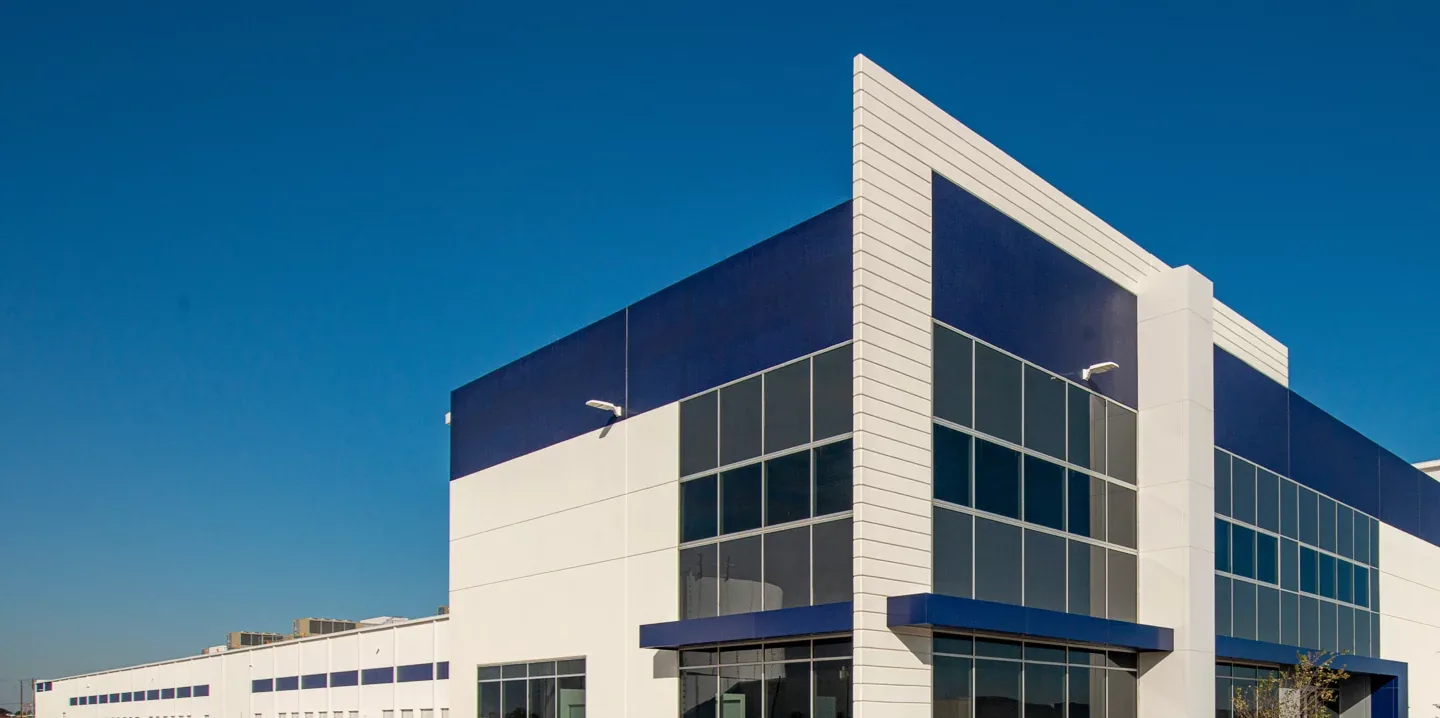
Cold storage roofing in Chandler, AZ: leak and condensation diagnosis, wet insulation surveys, vapor barrier details and repairs planned around freezer and cooler rooms.
On a cold storage building, the roof is not just a rain shield. In many buildings it is part of the insulated envelope that keeps coolers and freezers at temperature, and a bad repair can cost you energy, product and ice buildup inside. For cold storage roofing in Chandler, AZ, we first figure out how the roof relates to the cold rooms below. Drawings help, and so does a careful look at the roof and the rooms. From there we can tell whether a repair touches only the membrane or reaches into the insulation and vapor barrier.
Send us the building address, where you are seeing water or ice, and which rooms are affected. Any drawings or past repair records showing the insulation and panel layout are useful. For cold storage roof work in West Chandler or anywhere else in town, we review access and timing with your facility manager. Your refrigeration contractor tells us what conditions need to be kept stable. We inspect before recommending what to keep and what to replace, and we tell you plainly what further checking is needed and why.
The roof is part of the cold box
When the roof sits directly over a cold room, its insulation and vapor barrier work together with the room's walls to keep warm, humid outside air away from cold surfaces. Cut into that roof without a plan and you can break the seal, which leads to frost, condensation and higher energy bills. We review what the drawings show about the insulation and vapor barrier, then confirm on the roof. If restoring that seal needs an insulated-panel contractor or a design professional, we bring them in rather than guessing.
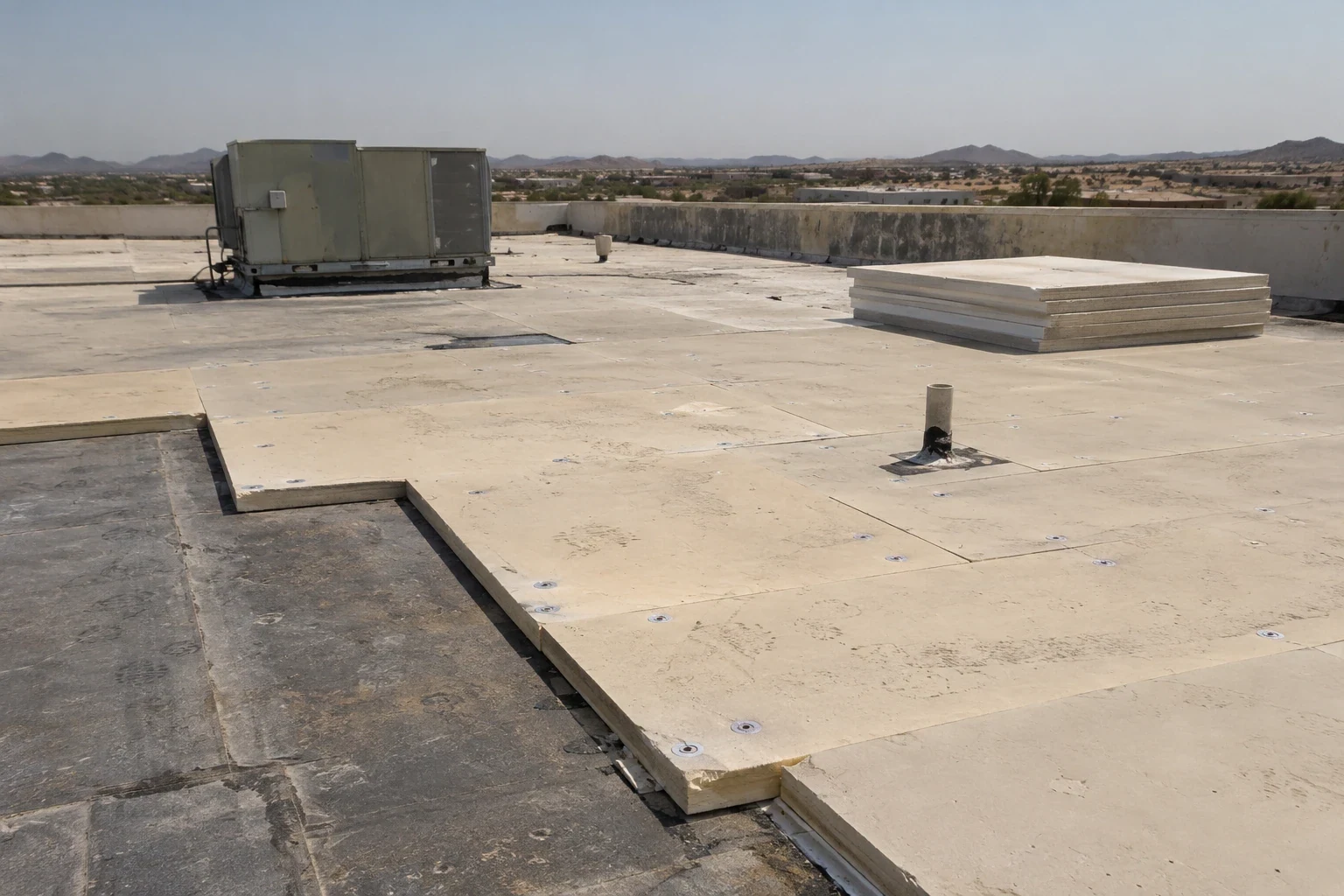
A commercial roof inspection on a cold storage building records membrane defects, penetrations and flashing problems, and flags areas where the insulation underneath may be wet. Wet insulation loses much of its value, so we check it where it matters with small test cuts, each one sealed and restored the same day, vapor barrier included. The report shows what we found at each spot. Any refrigeration or panel work goes to the right contractor, and our schedule shows which roof details are waiting on them.
Leak or condensation?
Water inside a cooler is not always a roof leak. Warm, moist air that sneaks in through a gap in the envelope can condense or freeze on cold surfaces and drip later. That is a different problem from rain getting through a split seam. We compare where the water appears with what we find on the roof and look at the seal around penetrations and edges. Your refrigeration contractor reviews room temperatures, defrost cycles and door operation. Together, that tells you whether you need a roof repair, an envelope fix or both.
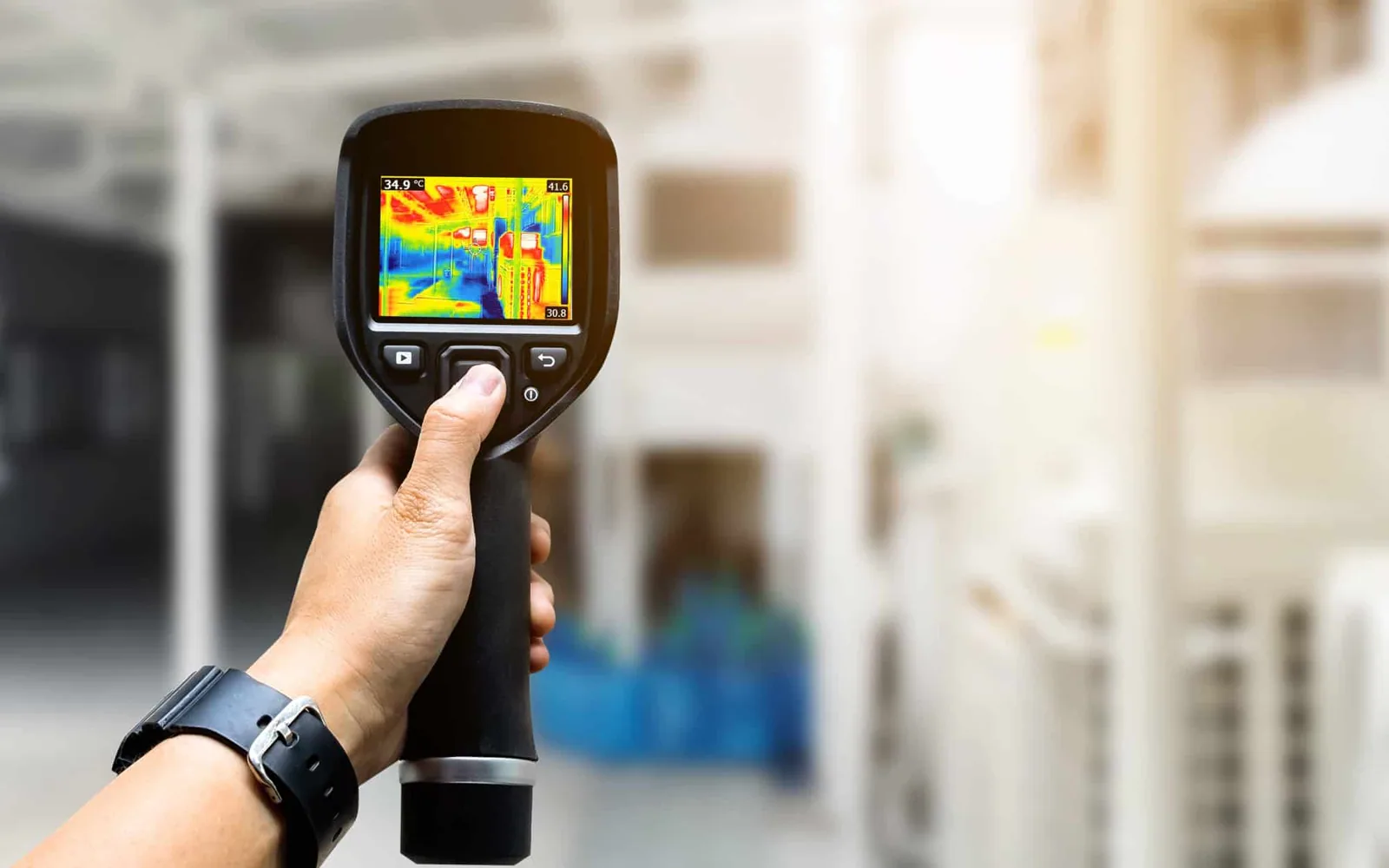
An infrared moisture survey can help, but cold storage buildings make scans tricky because the cold rooms below change how the roof surface reads. We treat the scan as a guide, not an answer. Core cuts at a few key spots show whether insulation is wet, and each is sealed and patched right away. We report only what we actually found and recommend next steps based on it. That way you are not paying to replace insulation that is dry, or leaving wet insulation in place.
Protecting rooms and product
Before we open any roof over a cold storage space that stays in use, we meet with the facility manager. We need to know which rooms sit below, what product is stored, what temperatures must be held and which equipment cannot be disturbed. Your refrigeration contractor tells us whether any units need to be shut down or protected. We agree on how debris and dust will be controlled, where materials come onto the roof and any food-safety rules for people entering the building. Those requirements are written into the daily plan.
The size of each day's opening matters. A larger area may affect more rooms, so we plan section sizes with the facility team. Each section is sealed watertight before the crew leaves, including temporary protection at any spot waiting on another contractor. If we uncover more damage and need to open a wider area, we stop, explain the added work and price, and go back over the plan for the rooms below. Nothing gets closed out until the envelope seal is restored and any work by other trades is done.
Insulation and details
Roof insulation and cover board replacement on a cold storage roof needs more care than on a warehouse. We list what insulation comes out, what stays, and what goes back, along with the vapor barrier and the attachment method. The deck has to be sound before new layers go on. If restoring the envelope at walls or panel joints requires a specialty contractor or a design review, that is called out in the estimate. Penetrations and wall flashing affected by the tear-off are included by location.
A warehouse roof may have a simpler relationship between roof and interior, but at a cold storage facility we work from its actual construction. Refrigeration lines, condensers and their supports need to be coordinated with the refrigeration contractor, including clearance for new insulation. Drain lines that run through cold rooms may need a plumber. At walls, we check the backing and the top of the flashing. Every other trade's work is scheduled before the roof detail that depends on it, and our estimate shows that order clearly.
Repair and removal
A small, isolated defect on an otherwise dry roof can usually be repaired. We check the insulation around it first. If it is wet, or if seams are failing across a wide area, more testing is needed before we can settle on quantities. The estimate explains what gets removed and what is rebuilt. A coating can extend the life of a sound roof, but it should never be used to hide wet insulation underneath. Access, disposal, envelope restoration and coordination with the refrigeration contractor all affect the price.
A commercial roof replacement on a cold storage building is usually phased to protect the rooms below. The estimate lists the new insulation, vapor barrier, cover board and membrane, plus what is being kept. The facility team reviews each phase for the rooms it affects. A data center roof involves a similar level of planning for its equipment, but here the focus is holding temperature and protecting product. If phase sizes change, we review the plan again so the estimate always shows the full scope.
Records and emergency service
When the work is done, you get a record of each repair location, the layers installed, the test cuts restored and any prep work done before the membrane went on. Photos make it easy to review. Anything still open for refrigeration, panel or plumbing contractors is listed separately. Any facility instructions that applied to the job are kept with the record. Maintenance visits cover the membrane, flashing and drains we can reach, and the report says what was checked rather than assuming hidden areas are fine.
We provide material and warranty information along with repair locations so future questions are easy to answer. Warranty coverage depends on the manufacturer's terms and the job paperwork. Temporary patches are listed separately from finished work. If water or ice shows up in a cooler, call us any time, including weekends and holidays. Your team arranges access and protects product below. We get on the roof, stop the leak and explain the permanent repair. You get a clear account of what we did and what still needs to happen.
Commercial Roofing Questions
Why does it matter how the roof connects to the cold rooms?
In many buildings the roof insulation and vapor barrier are part of the cold room envelope. Opening the roof can break that seal, so we plan how to restore it before any cutting starts.
Could the water in our cooler be condensation instead of a roof leak?
Yes. Humid air leaking into cold spaces can condense or freeze and drip later. We inspect the roof while your refrigeration contractor checks the room conditions, and we tell you which problem you have.
What do you need from us before opening the roof?
Which rooms are below, what is stored there, required temperatures, any equipment that must stay running, and any food-safety or entry rules. We build the daily work plan around those.
How do we compare repair and replacement prices?
Each option lists what is removed, what stays and what goes back, including insulation, vapor barrier and any envelope work by other trades. That keeps the comparison fair.
Get your cold storage roof checked
Call or send a request with your address and where you are seeing water or ice. We will inspect the roof, review the envelope and explain repair or replacement options.
Request a Roof AssessmentAll Property Types We Roof