Home / Property Types We Roof / Data Center Roofing
Data Center Roofing in Chandler, AZ
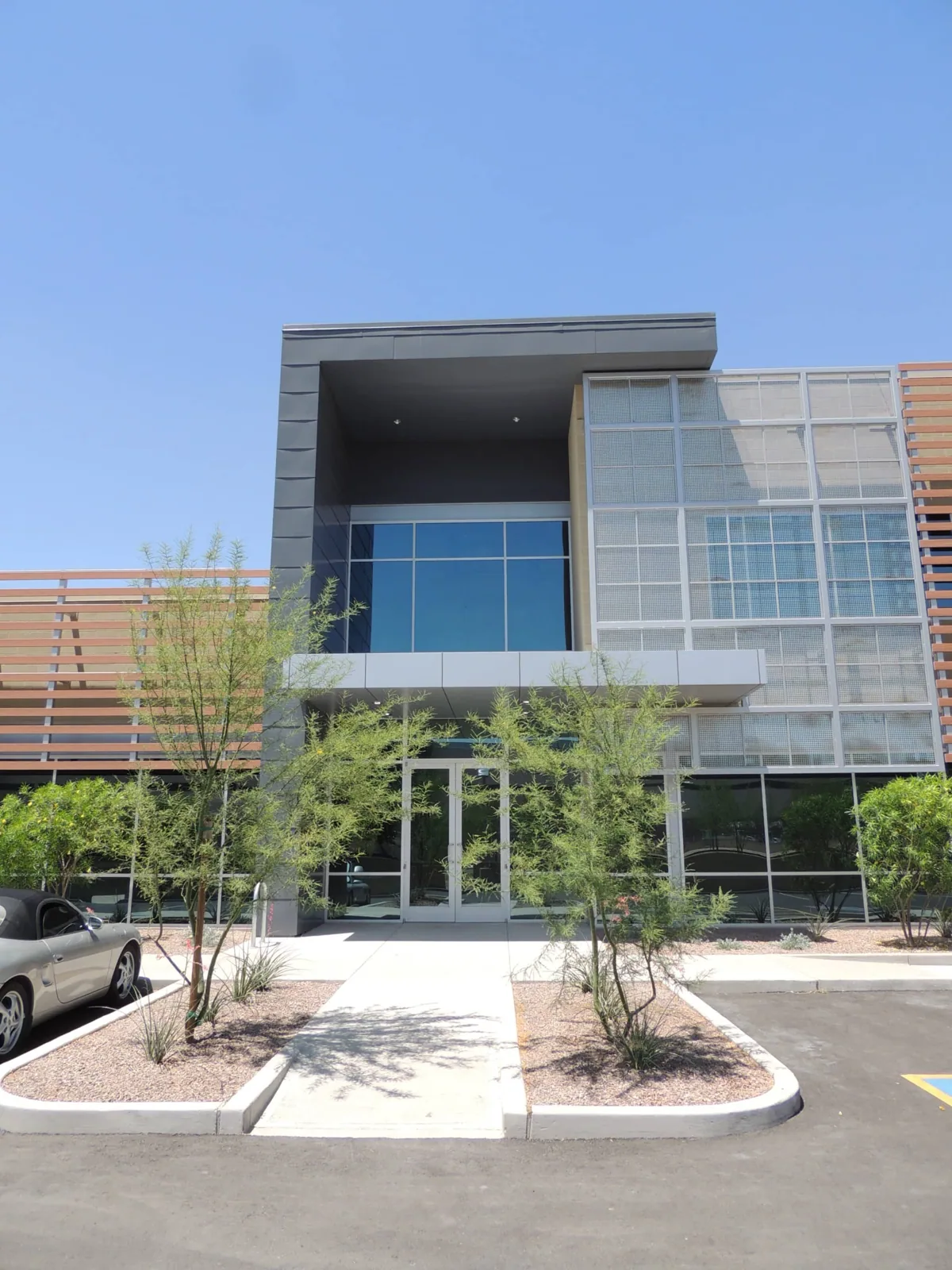
Data center roofing in Chandler, AZ: leak tracing, repairs and phased replacement planned around cooling equipment, uptime rules and the facility team's access requirements.
A roof leak over a data hall is not an ordinary maintenance call. Water near electrical gear, a contractor dragging debris past condenser units, or dust drawn into an air intake can all cause more trouble than the leak itself. We plan data center roofing in Chandler, AZ around those risks. Before anyone opens the roof, we sit down with the facility team to learn which rooms are critical, where crews can and cannot walk, and what the site's change-control process requires.
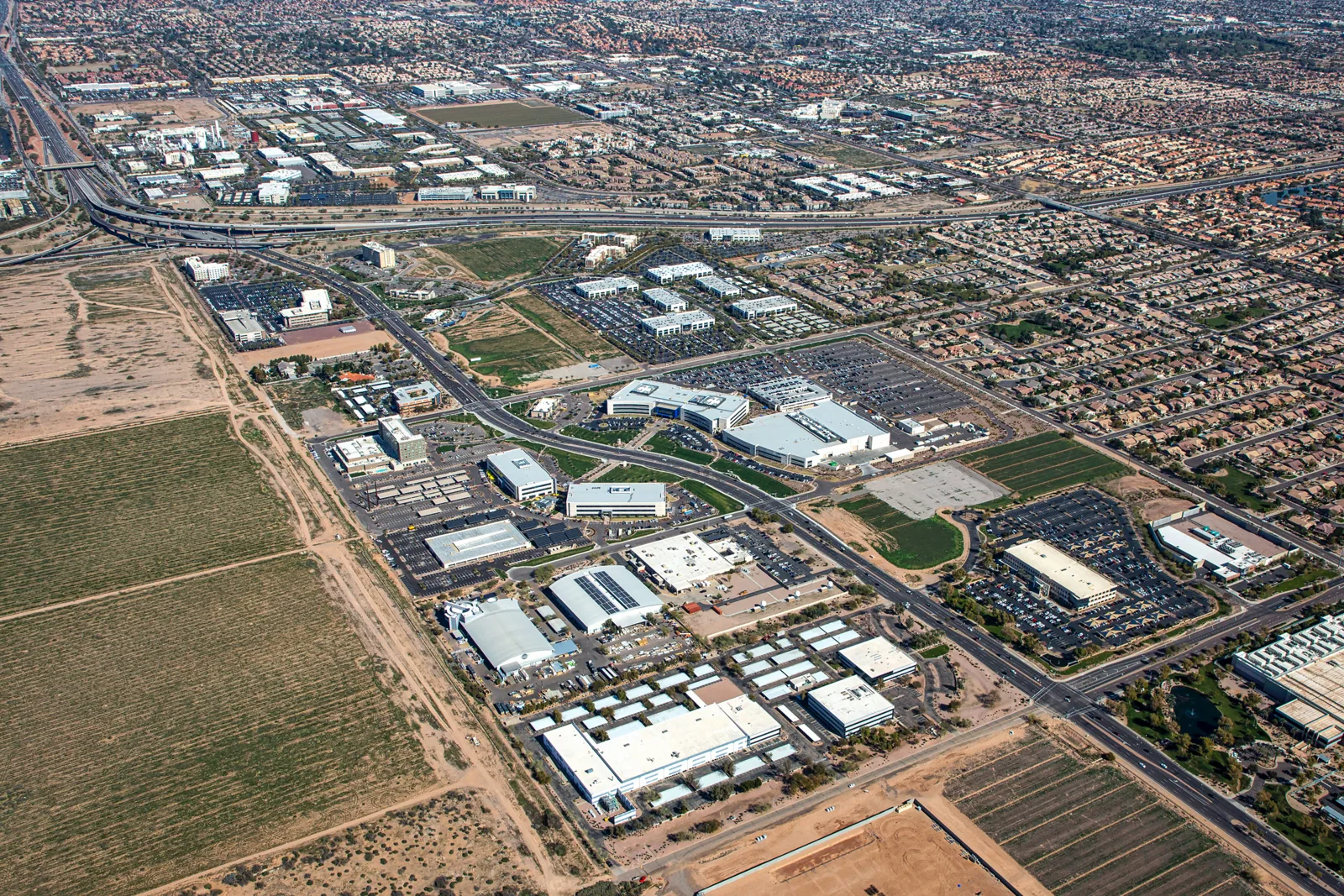
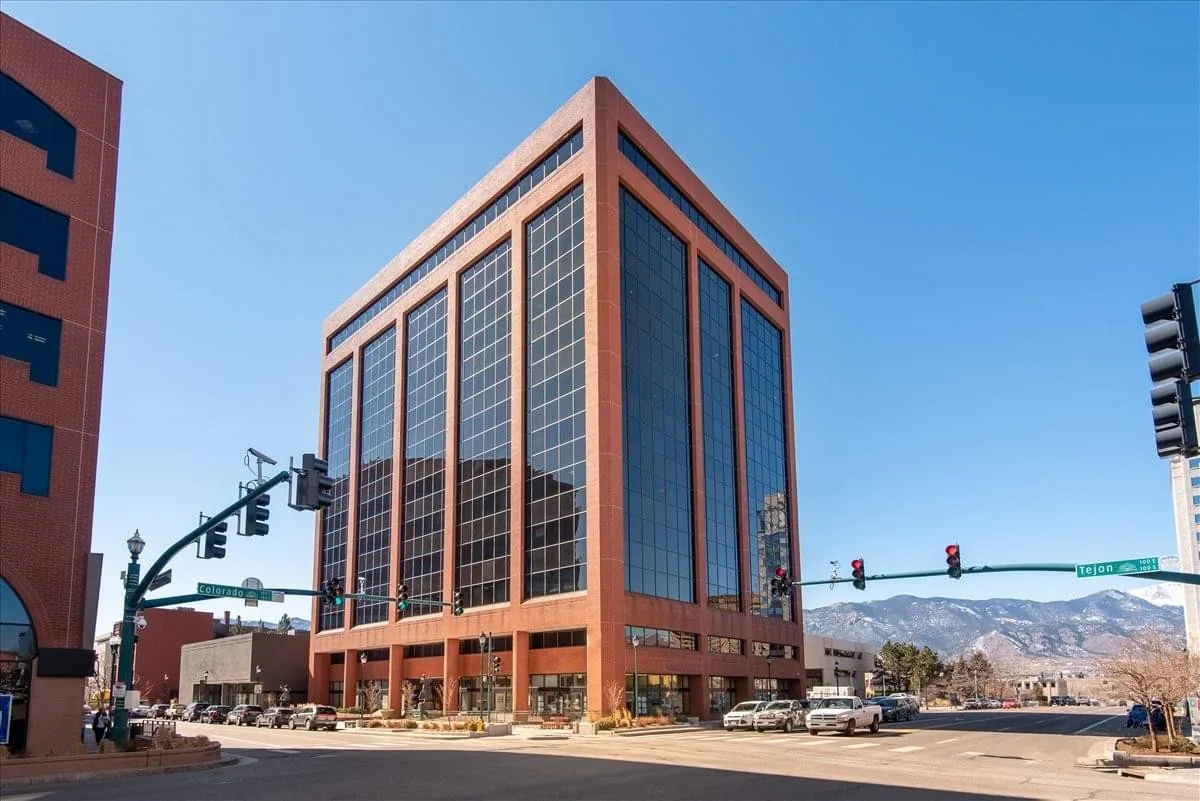
Many of the data and tech buildings we see sit in the Price Corridor, the business district where Loop 101 meets Loop 202, alongside office, flex and industrial space. Wherever the building is, we start with a roof inspection in the Price Corridor or on site at your address. Send us the location of the leak or damage, any roof drawings you have and past repair invoices. Those records save time on the roof and help us tell you what we found, what we could not see and what we would check next.
Equipment zones
Every data center has its own rules, and we follow them. The facility manager tells us which systems sit below the work area, which air intakes need to be protected from dust and fumes, and when noisy work is allowed. Electrical and mechanical contractors handle anything inside their systems; we handle the roof. We agree on the crane or hoist location, the path for carrying material across the roof and where debris goes before the first day of work. Any permits or sign-offs still outstanding get listed up front so nothing stalls once the old roof is open.
When the job is reroofing over a building that stays in service, we mark exactly which sections open each day and what sits underneath them. If a curb has to be disconnected or a unit shut down, that trade does its part first and we schedule our crew behind them. Inspection visits and construction days have different access needs, and we keep them separate. If we find more damage than expected and the work area grows, we go back to the facility team before expanding, and the revised estimate shows the extra roofing and the extra coordination together.
Water path review
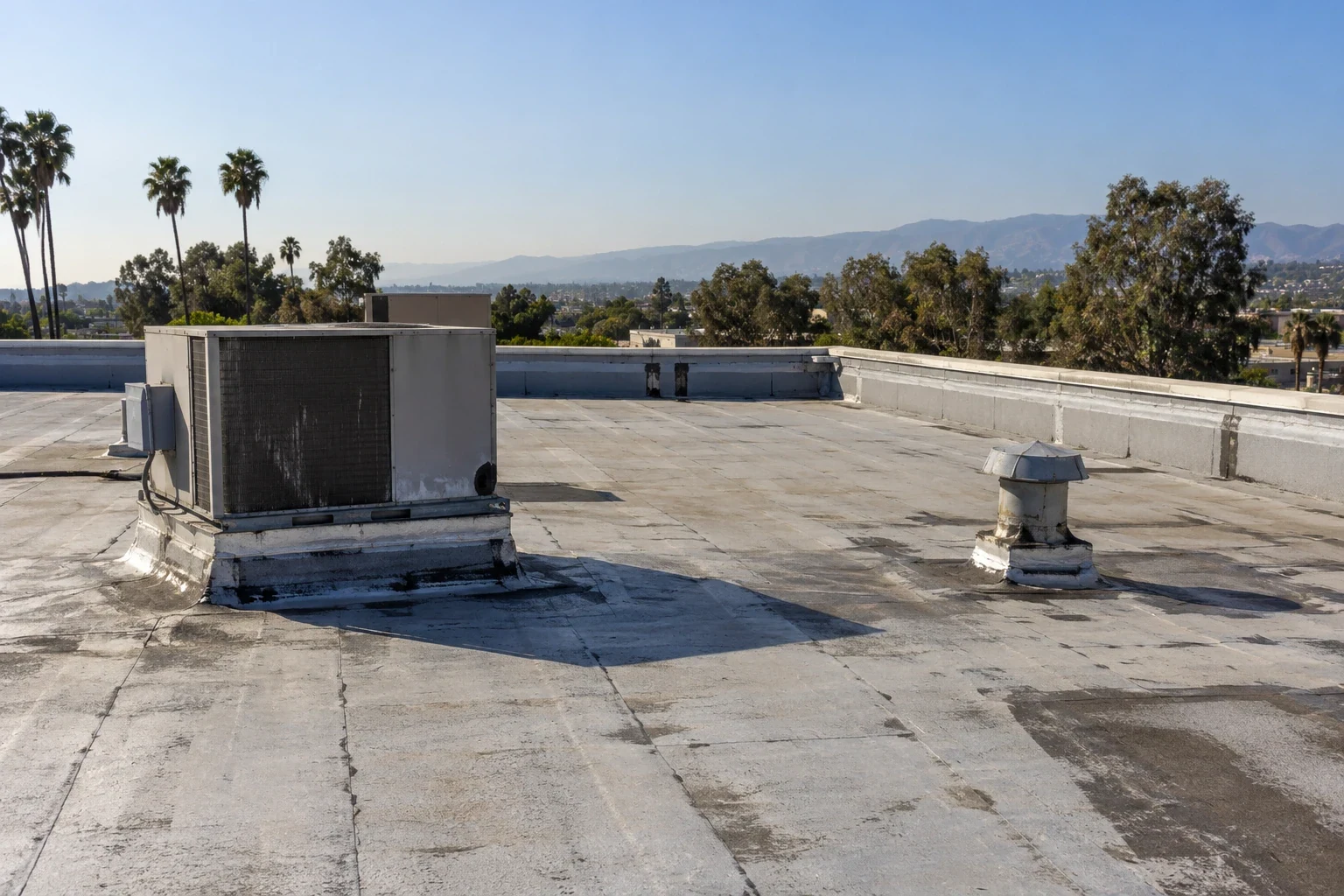
The first question on any leak is whether the water is coming through the roof at all. Condensate lines, chilled-water piping and HVAC housings can drip into a ceiling and look just like a roof leak. A commercial roof inspection checks the seams, penetrations, flashing and drains above the wet spot, and we follow the slope to see where water collects. If the roof checks out, we say so and point the mechanical contractor to what we saw. If it does not, we show you the exact defect and the fix.
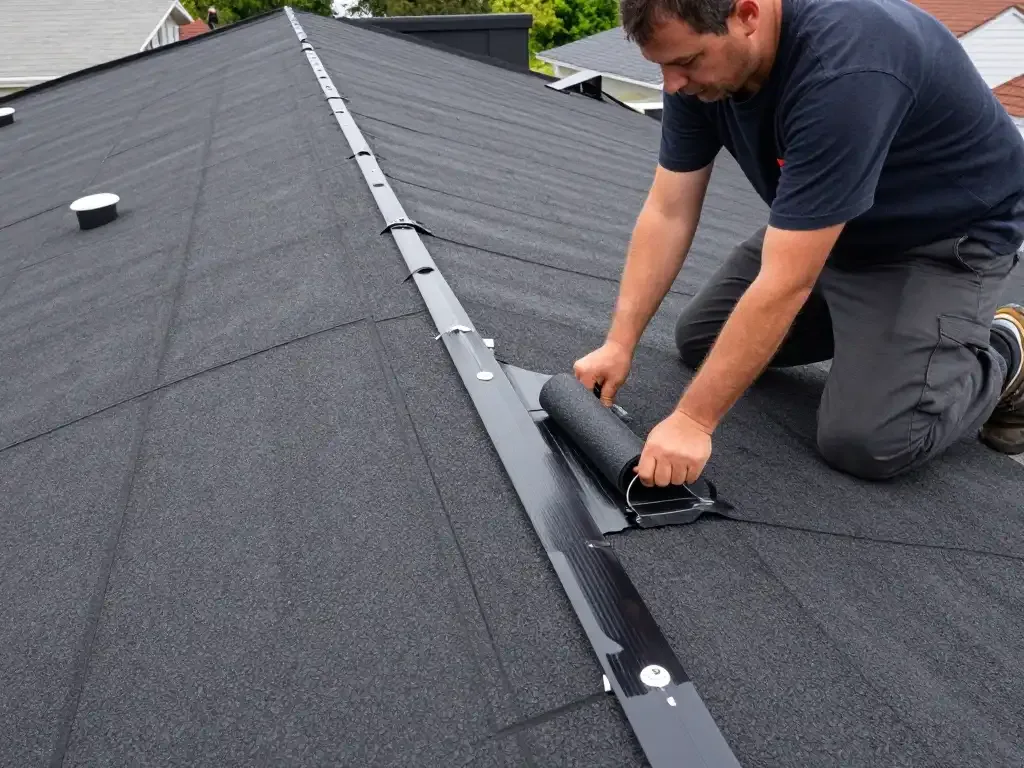
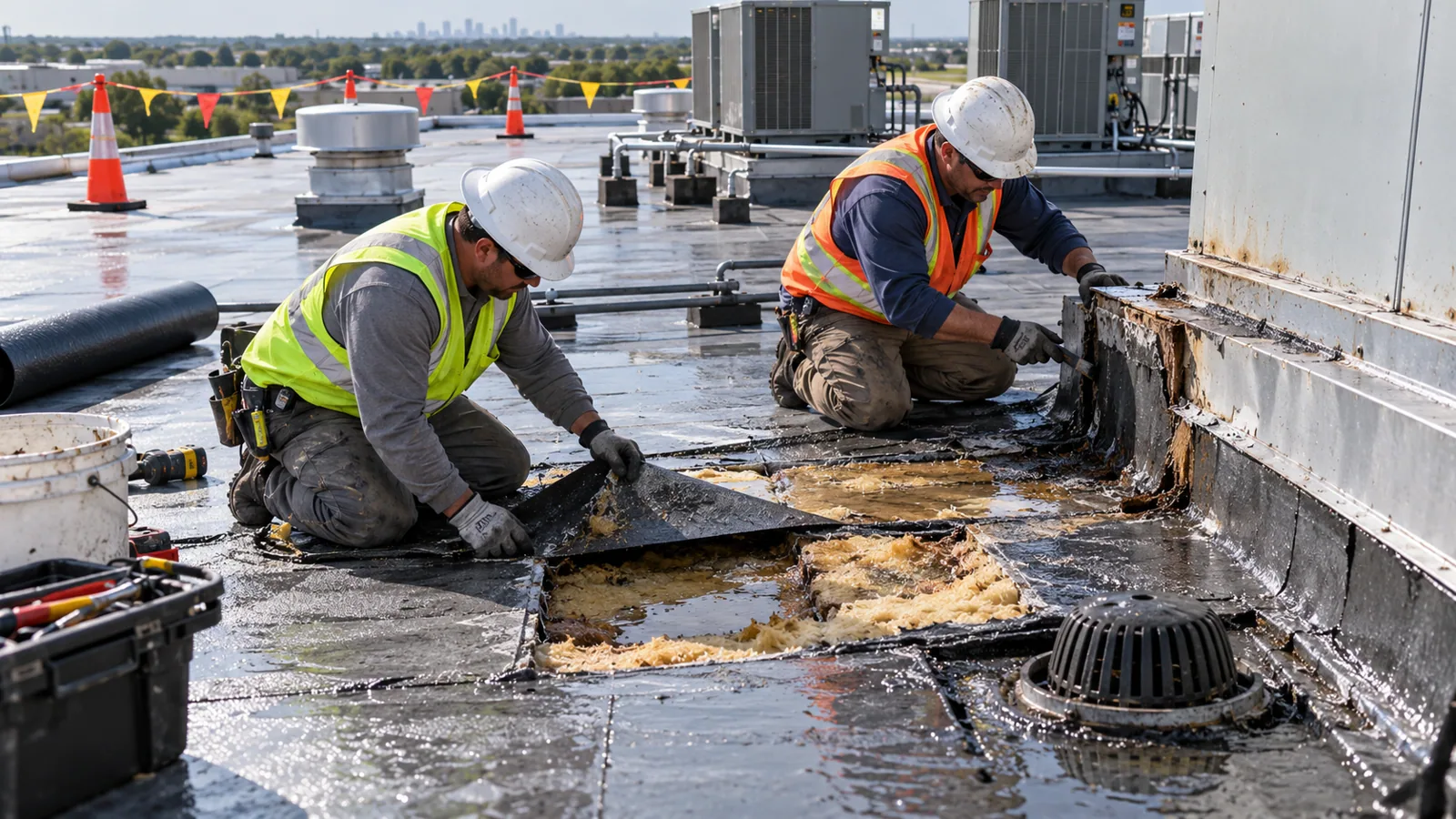
Infrared scans can help find wet insulation hidden under the membrane, but heat from equipment and sun-loaded decks can throw off the reading, so we confirm with core cuts at a few locations and patch each one the same day. A proper roof leak repair removes the failed material, dries or replaces wet insulation and installs a membrane and flashing patch that matches the existing system. If the leak traces to a pipe or a unit housing, we fix the roof side and tell you exactly what the other trade needs to address, rather than caulking over it and hoping.
Repair priorities
A small, isolated defect on an otherwise sound roof is usually a repair. We check the membrane and insulation around the problem first. If the surrounding material is dry and firmly attached, a patch or new flashing will hold. If we find wet insulation spreading under the membrane or seams failing across a wide area, a patch only buys time. Crane access, disposal and working around live equipment all raise cost, and the estimate spells out which of those apply. Coatings can extend a roof's life, but only over a dry, sound surface, never over saturated insulation.
When replacement makes more sense, a commercial roof replacement is usually phased section by section so the building never sits open. The estimate lists what comes off, what stays, and what goes back on: insulation thickness, cover board, the attachment method and the membrane. We walk the phase plan with the facility team before setting dates. The same thinking applies to an office building roof or a manufacturing plant roof, but a data center's cooling equipment and uptime rules shape the schedule more than anything else. That lets you compare a repair and a replacement side by side.
Rooftop equipment and curbs
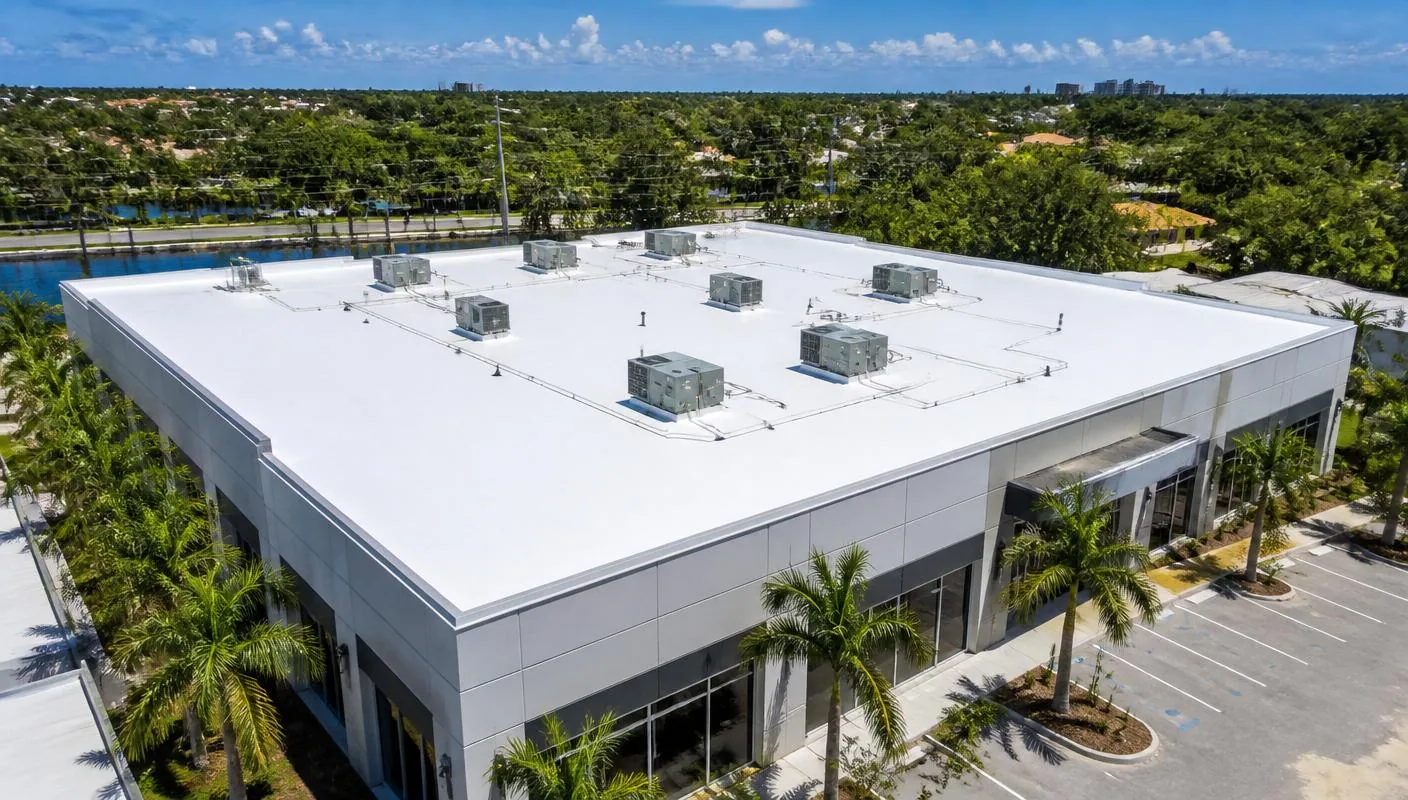
Data center roofs carry a lot of equipment: condensers, exhaust fans, cable trays, pipe racks and the supports that hold them. Work on rooftop equipment curbs and supports starts by confirming who owns each piece. If a unit needs to be raised so new insulation and flashing can go underneath, the mechanical contractor handles the disconnect and lift; we flash the curb once it is back in place. Anything that changes structural loads goes to an engineer. Our schedule shows which curbs are waiting on another trade so nobody assumes a detail is finished when it is not.
Arizona monsoon storms can roll in fast on summer afternoons, so every section opened during the day gets a watertight temporary seal before the crew leaves. Where a curb or pipe is still waiting on another trade, we leave a temporary seal there too. If tear-off uncovers rotted wood blocking, damaged deck or wet insulation beyond the original scope, we mark the area, photograph it and price it before going further. The facility team reviews any change that affects equipment or access routes. You get a revised estimate that shows the added work, not just a bigger square-foot number.
Maintenance and reports
A preventive roof maintenance visit on a data center covers drains, seams, flashing at every curb and penetration, and the condition of the membrane around equipment where service technicians walk most. We photograph what we find, make small repairs on the spot when they are approved, and flag anything that needs a closer look. The report gives the facility manager a list of locations, what was done and what still needs attention. Any equipment or plumbing issue we spot goes on the list for the right trade.
After a repair or replacement, we hand over the material information, repair locations and quantities so warranty questions can be answered later. Warranty coverage depends on the manufacturer's terms and the paperwork for that job. Planning for next year should be based on what the inspection actually found, not guesses about hidden areas. If water is coming in right now, call us any time, including nights, weekends and holidays. The facility team arranges access and protects the space below, we get on the roof, stop the water and explain the permanent repair options.
Commercial Roofing Questions
What does the facility team need to tell us before roof work starts?
Which systems and rooms sit below the work area, which air intakes need protection, when noisy work is allowed, and any change-control or access rules. We build the work schedule around those answers before the roof is opened.
How do you tell a roof leak from an equipment leak?
We inspect the roof directly above the wet area and trace the slope toward it. If the seams, flashing and penetrations are sound, the water is likely coming from condensate lines, piping or a unit housing, and we tell the mechanical contractor what we saw.
How do you decide between repair and replacement?
It comes down to the condition of the membrane and insulation around the problem. Dry, well-attached material can be repaired. Wet insulation or widespread seam failure usually means replacing sections, and the estimate shows both options with their full scope.
What do we get after a maintenance visit?
A written report with photos showing what was inspected, what was repaired, and what still needs attention, including any issues that belong to other trades. Temporary repairs are listed separately from permanent ones.
Talk to us about your data center roof
Call or send a request and we will set up an inspection with your facility team. We can review leak findings, equipment coordination and repair or phased replacement options for your building.
Request a Roof AssessmentAll Property Types We Roof