Home / Service Areas / Uptown Chandler
Commercial Roof Repair for Uptown Chandler Properties
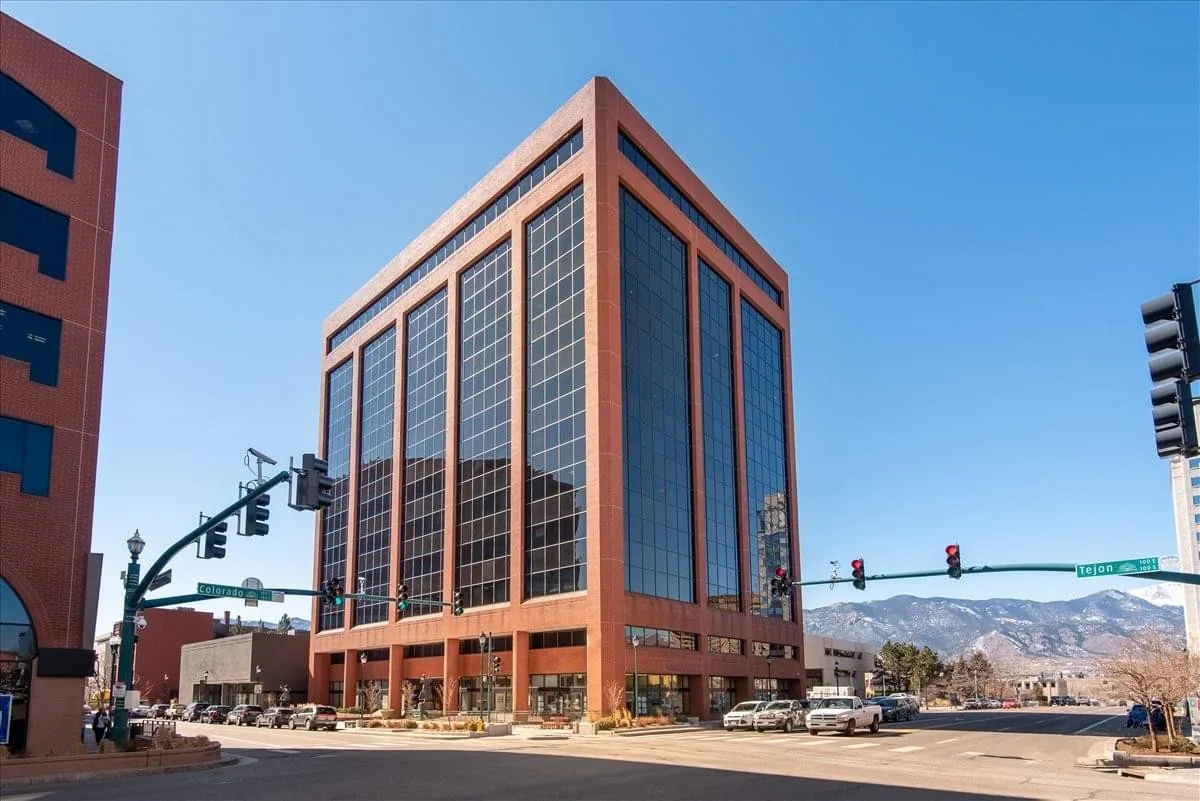
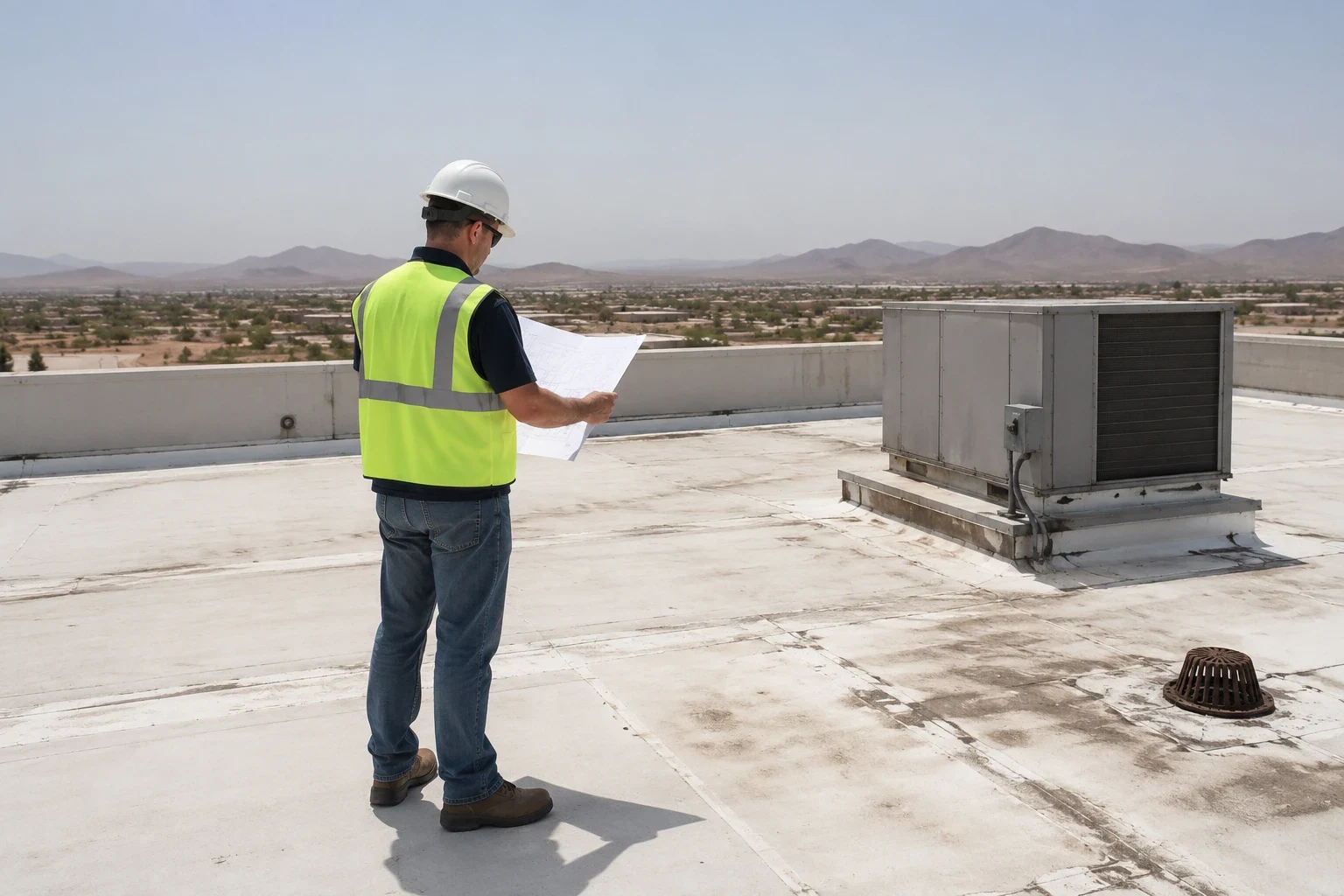
Commercial roof repair for offices in Uptown Chandler: inspections tied to tenant leak reports, flashing repair, occupied-building scheduling and long-range roof planning.
A useful leak report gives the inspector a place to start. We ask the property manager which building, which suite and exactly where the water is showing up. Then we inspect the roof above that spot and around it, looking for the defect that explains the leak. If we find it, we show you the photo and explain the permanent fix. If the water still doesn't add up, such as when it might be coming from a rooftop unit or a window, we tell you what we'll check next. Starting from a clear location keeps the job focused and the cost down.
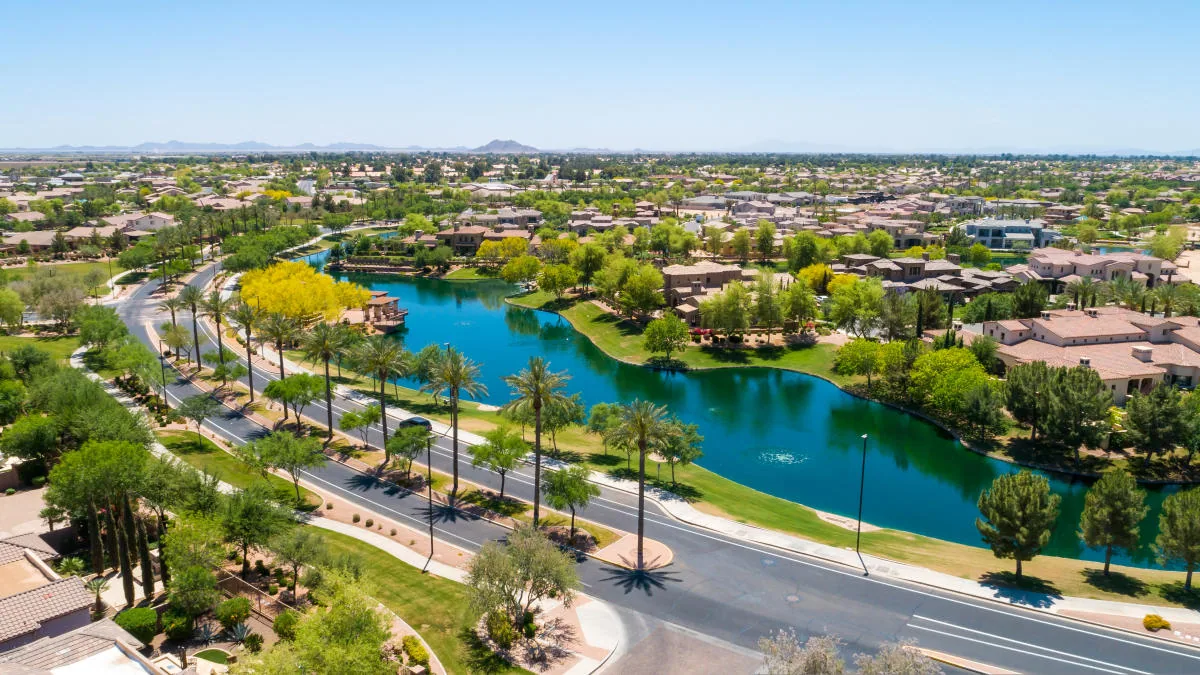
Uptown Chandler is an employment corridor in Chandler with a mix of offices and commercial buildings. Send us the property address and a contact. We also work in Downtown Chandler and around Chandler Fashion Center, and each property gets its own inspection. The building itself decides access, protection and which repair materials we use.
Water report and accessible findings
We start inside with the tenant or property manager, marking where water appears and when. Does it leak only in heavy rain? When the AC runs? Only with wind from one direction? Then we inspect the roof above and upslope, checking seams, wall flashings, drains, pipe boots and equipment curbs.
A roof inspection in Uptown gives you photos of each defect, marked on a roof plan, with a plain explanation of what's urgent and what can wait. We also note what we couldn't check, like areas behind equipment or under standing water, so nobody assumes the whole roof was cleared.
If the source isn't clear on the first visit, we say so. Water can travel along the deck before it drips, and AC condensate lines or upper-floor windows can leak in ways that look like the roof. We explain what we ruled out and recommend the next step, such as a controlled water test. Tenant notes about timing, like a drip that only appears during afternoon storms or when the cooling runs hard, often point us straight to the right detail.
Repair boundary and material connection
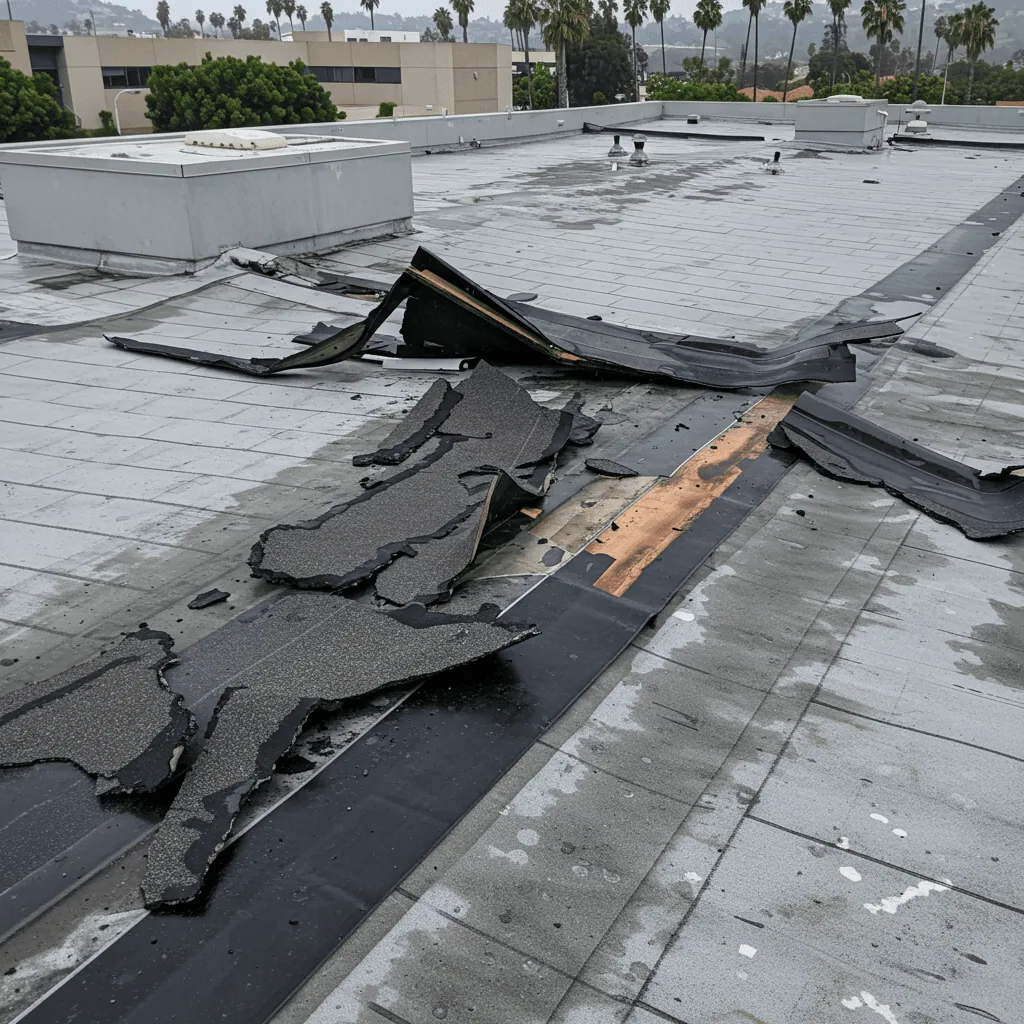
Once we've found the defect, the repair has clear limits. We probe the membrane and flashing around the damage to find where solid roofing begins, and the repair extends onto that sound material. Old patches made of the wrong product usually come off first, since new material won't bond to them.
For flashing repair, we remove the failed flashing at the wall, curb or penetration and check what's behind it. Rotted wood, cracked block or soft stucco is repaired before new flashing goes on. If a rooftop unit needs to be reset or the wall needs stucco work, that trade goes first, and we flash it after their work is confirmed.
The proposal shows exactly where the repair starts and ends and what material is being used. Every step is photographed, including anything hidden under the finished work, so the property file shows what was actually done.
Occupied building arrangements
Office buildings stay occupied while we work. We ask the property manager which suites are below the repair area, where tenants and visitors park and enter, and where our truck, lift and materials can go. Entrances under the work area may need overhead protection or a temporary detour.
For office building roofing, the property sets the rules. That can include work hours, noise limits, building security check-in and how tenants are notified. Tear-off is loud, and some adhesives and primers have a smell that rooftop units can pull inside, so we ask whether air intakes can be shut down briefly during those steps.
If water is already coming through, we recommend protecting what's below it until the permanent repair is done. Small repairs barely affect the building. Larger projects get a staging plan reviewed with the property manager before scheduling, and updated if the scope changes after we open the roof.
Supporting layers and wider options
A repair only lasts if what's under it is sound. When we suspect wet insulation or a damaged deck, we use a moisture meter or take a small test cut. If we open the roof and find more damage than expected, we stop, show you photos and explain the added cost before going further.
Roof capital planning helps owners decide when to stop patching. We assess the roof, estimate its remaining life in general terms and lay out options: targeted repairs now, a recover in a few years or replacement on a planned schedule. Owners with several buildings can budget ahead instead of reacting to the next leak.
Before recommending a recover or replacement, we check moisture across the roof, confirm how many layers exist and look at how it's attached. We then compare the options side by side, including cost, timing and how much disruption each would cause for tenants. That way the decision rests on what the roof actually needs, not on the size of the last leak.
Protected condition and job record
If a job takes more than one visit, any open area is sealed with temporary protection before the crew leaves. The property manager knows what's finished, what's temporary, what comes next and who to call if water appears. If we're waiting on an HVAC contractor or a stucco crew, we explain how that affects our return date.
Every change in scope is photographed, explained and approved before we do it. The approval stays in the job file along with the photos.
At closeout, the property manager receives before and after photos, documentation of any hidden repairs, approved changes and a list of anything we noticed but didn't fix. That record helps with tenant questions, insurance claims and budgeting, and gives the next inspector a clear starting point if a leak shows up somewhere else on the building. When a property changes hands or managers, it's often the most useful document in the roof file.
Commercial Roofing Questions
What information helps the first roof visit?
The building and suite, exactly where water appears, when it happens and any records of earlier repairs. A contact who can let us on the roof helps too.
How do you decide where a repair starts and ends?
We probe the roofing around the damage to find sound, well-bonded material, remove failed patches, and extend the repair onto that solid surface.
Who sets the rules for working on an occupied office?
The property manager or building owner. We ask about work hours, noise, security check-in, air intakes and tenant notices, then plan around them.
Why might a larger roof project need more investigation?
It covers the whole roof, so we check moisture, existing layers and attachment in several areas before recommending a recover or replacement.
What should we know after a visit that didn't finish the job?
Which areas are temporarily sealed, what's left to do, who handles the next step and who to call if water shows up before we return.
Schedule an Uptown Chandler roof inspection
Send us the building address and where tenants are seeing water. We'll inspect the roof, explain the repair and plan the work around your occupied offices.
Request a Roof AssessmentAll Service Areas