Home / Service Areas / West Chandler
Commercial Roof Repair in West Chandler
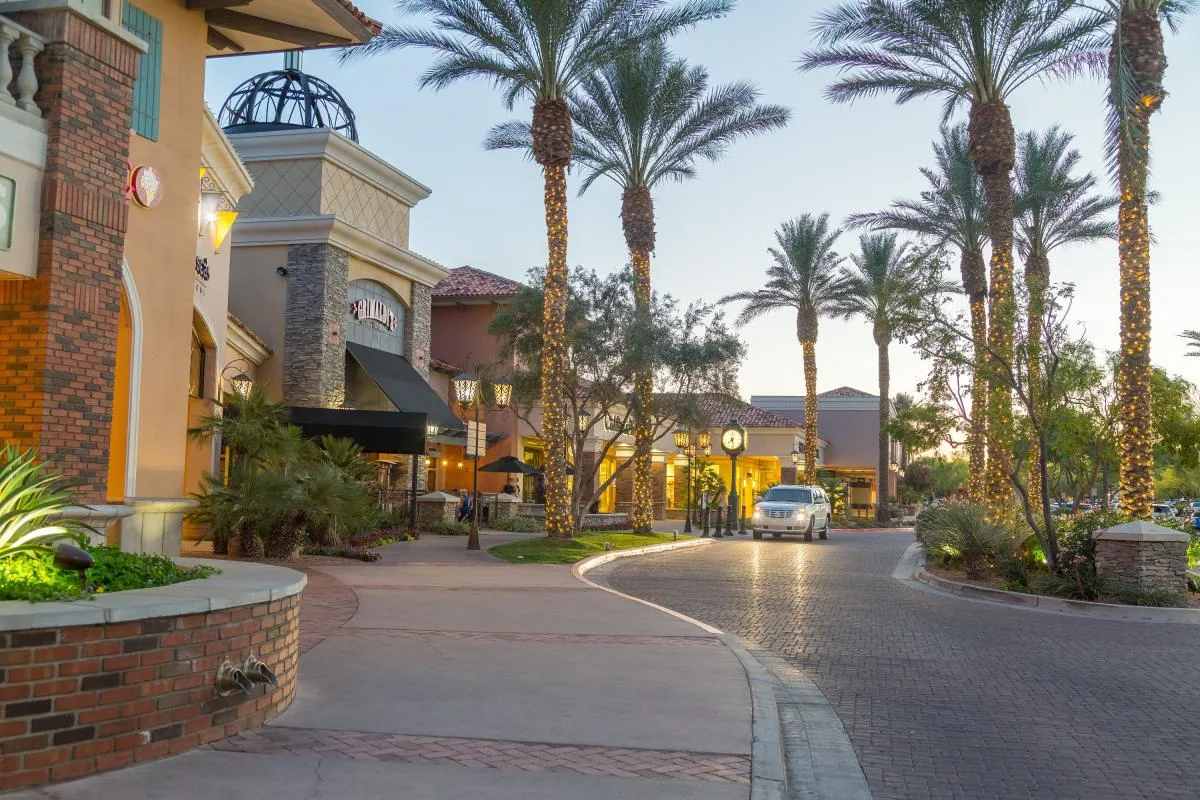
Commercial roof repair in West Chandler: manufacturing and warehouse roofs, EPDM repairs, condition reports and tear-off work planned around loading docks and production.
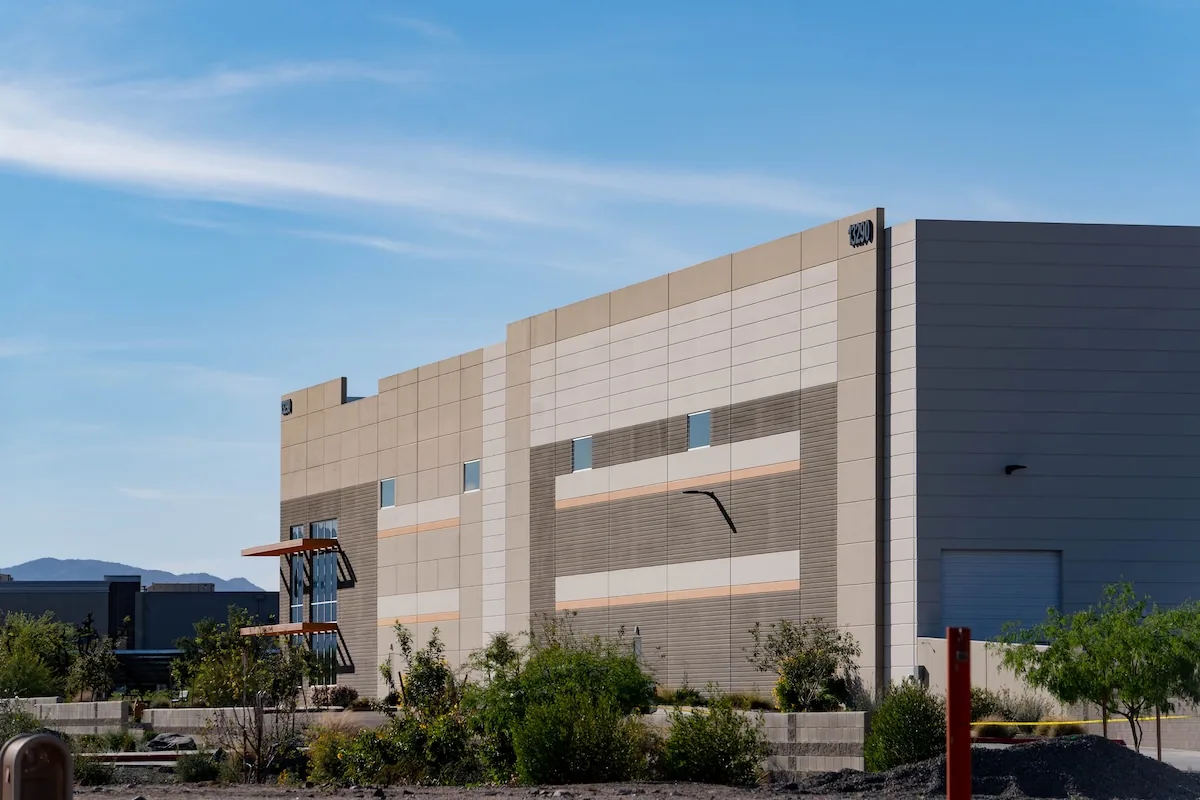
Tearing off part of a manufacturing roof in West Chandler means moving a lot of material in and a lot of debris out. Before anything is scheduled, the plant or property manager tells us which docks, drive lanes and loading areas have to stay open. We find the roof problem, mark the work area and explain how much room the job will need. A small patch and a section tear-off use very different setups. We show the deliveries and debris plan right next to the roofing scope, so the manager can see both before choosing dates.
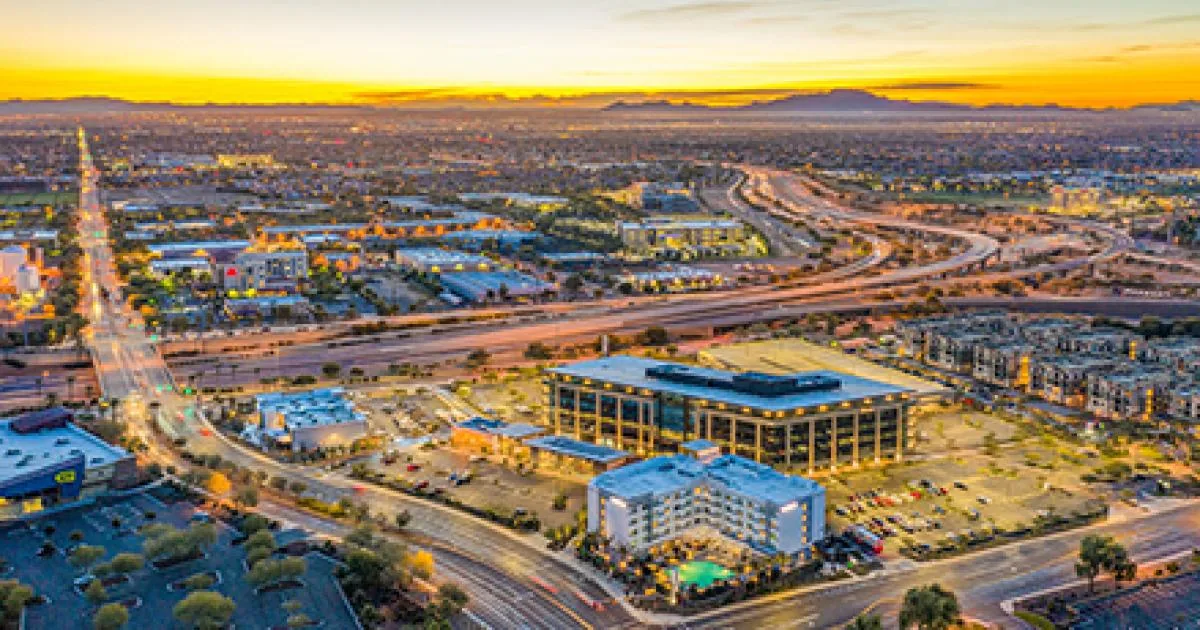
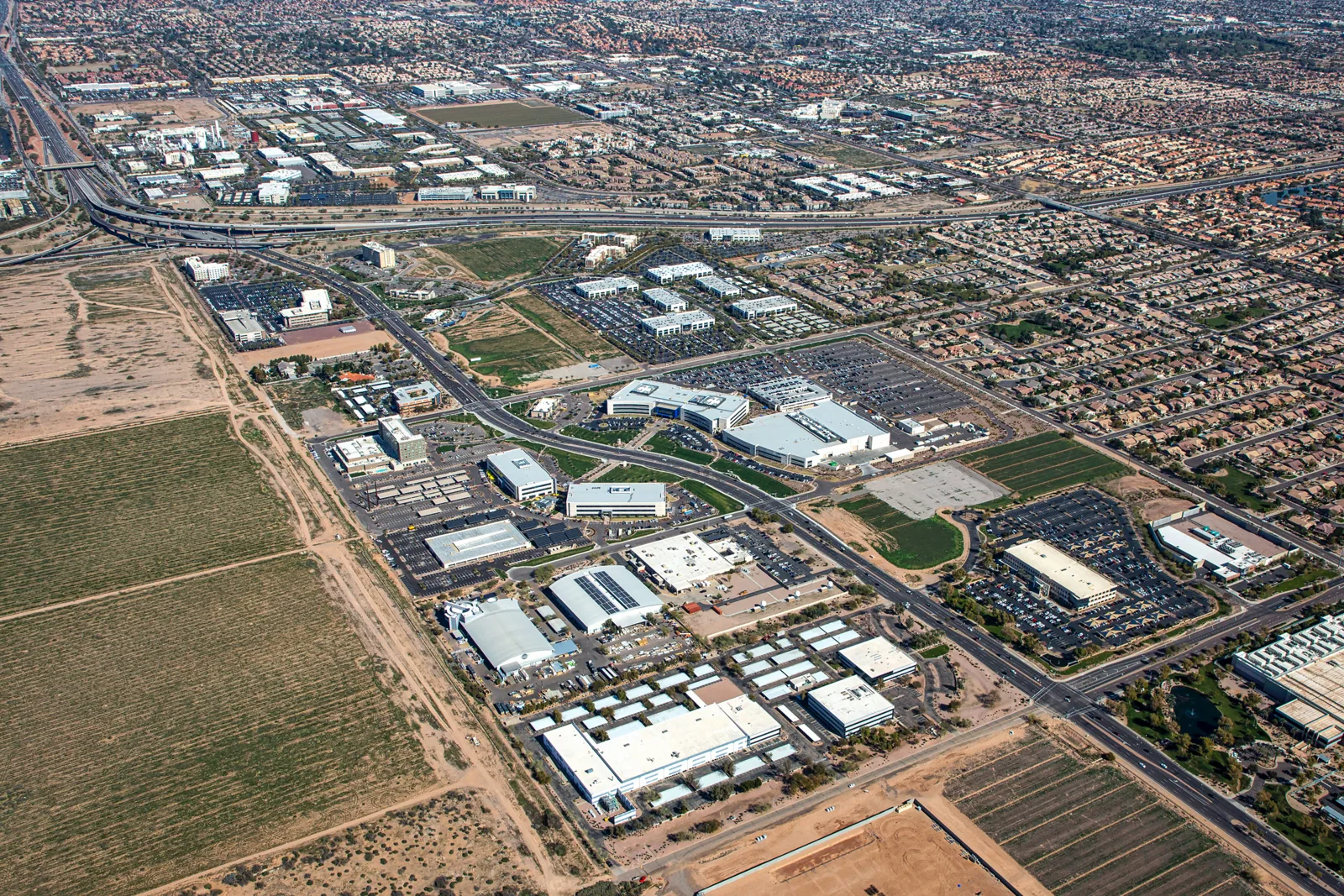
West Chandler is home to manufacturing plants, warehouses and mixed-use business parks. Send us the property address in Chandler, a contact and what's happening with the roof. We also work in the Airpark Area and along the Price Corridor. Every roof we inspect gets a defined repair, and if part of the roof needs a different kind of look, we keep those decisions separate.
Ground route and repair footprint
On an industrial site, our trucks, lift and dumpster have to fit around forklifts, trailers and employee parking. We ask the manager where we can park and stage, when trailer traffic is heaviest and which areas are off limits. If materials have to be hoisted over an active drive lane, we schedule that for a quieter time and set up barriers.
For warehouse roofing, the size of the job changes everything on the ground. A seam repair needs a ladder and a few hours. A section replacement may need a crane, a debris chute and a staging area for a week or more. We also ask what's stored below the work area, since racked inventory or equipment may need to be covered or moved before we cut into the roof.
If the scope changes once we open the roof, we walk the revised plan through with the manager before the crew continues.
Present findings and earlier work
Every inspection starts with what's happening now, but the roof's history matters too. We ask where leaks have shown up before, what was repaired and when. Then we inspect the reported area and the roof around it, checking seams, flashings, drains, curbs and earlier patches.
A commercial roof inspection gives you photos of each defect, marked on a roof plan, with a plain explanation of what's urgent and what can wait. We note whether old patches are holding or failing, and whether any area looks like it's been repaired more than once. Repeat repairs in the same spot usually mean the real problem wasn't fixed the first time.
We also list what we couldn't check, such as areas behind equipment or under standing water. That way nobody assumes the whole roof was cleared when only part of it was inspected.
Compatible membrane and detail repair
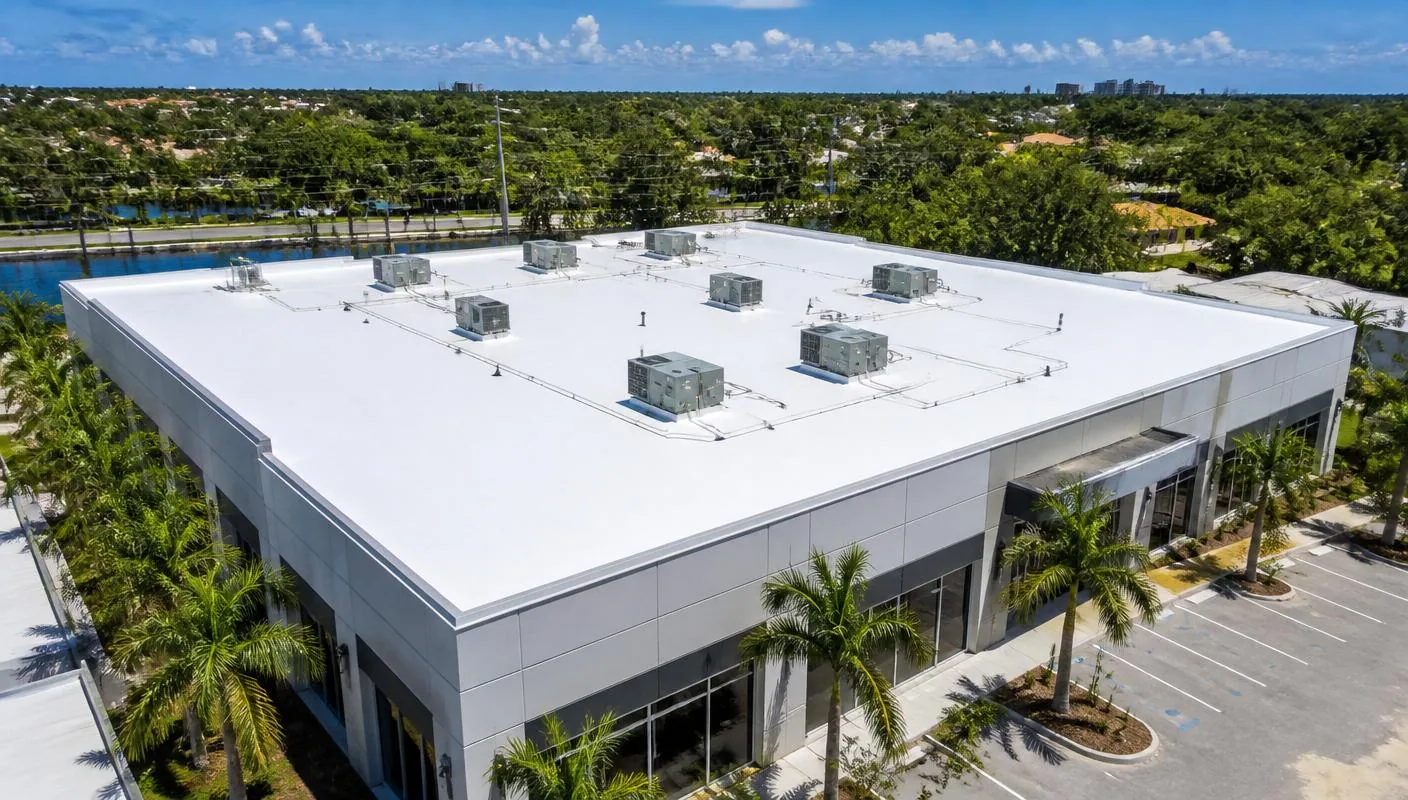
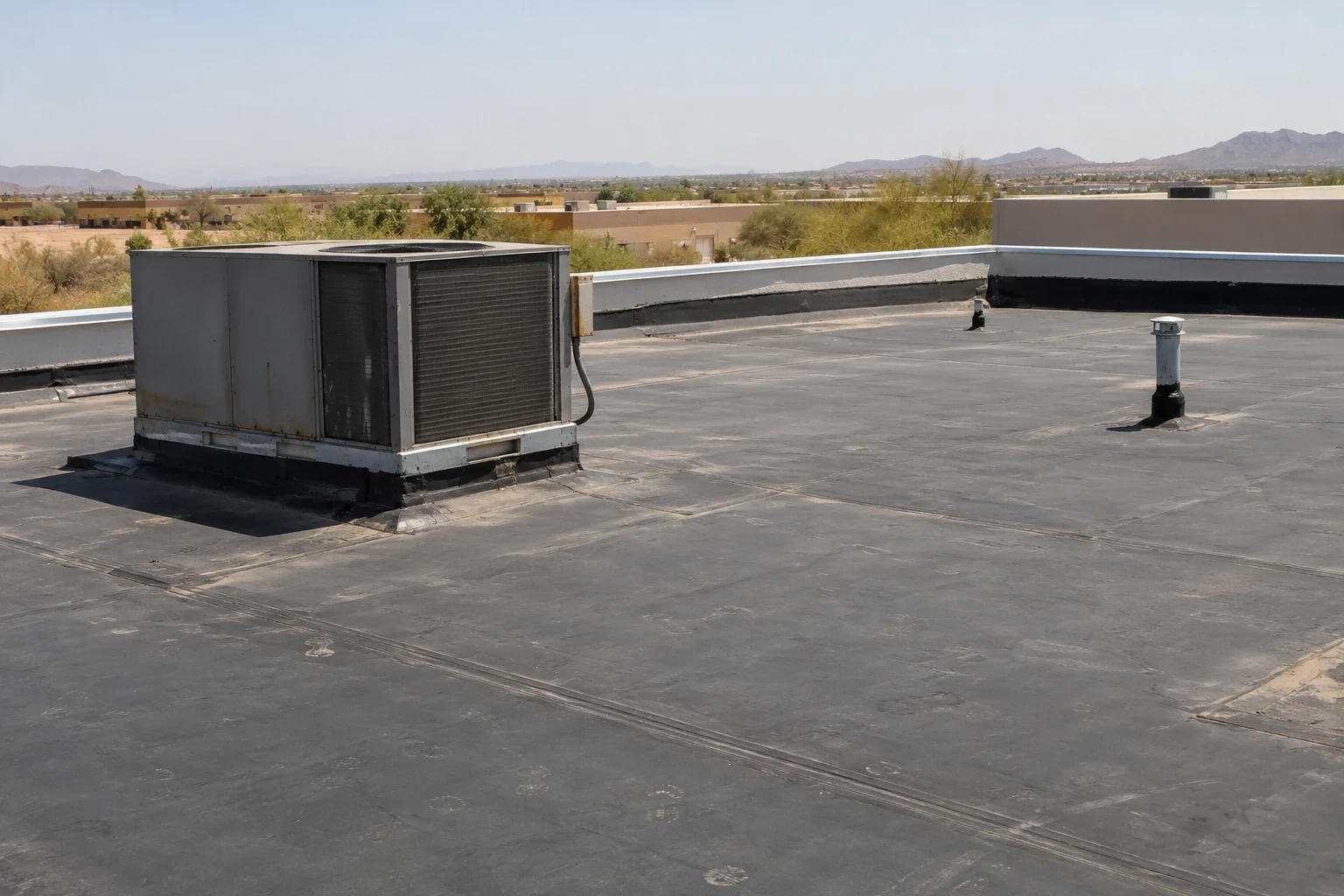
Many older industrial roofs in the area are EPDM, a black rubber membrane with taped or glued seams. EPDM holds up well, but seams can lose adhesion over time, and the membrane can shrink and pull at the edges, corners and penetrations. Punctures from foot traffic and dropped tools are common near equipment.
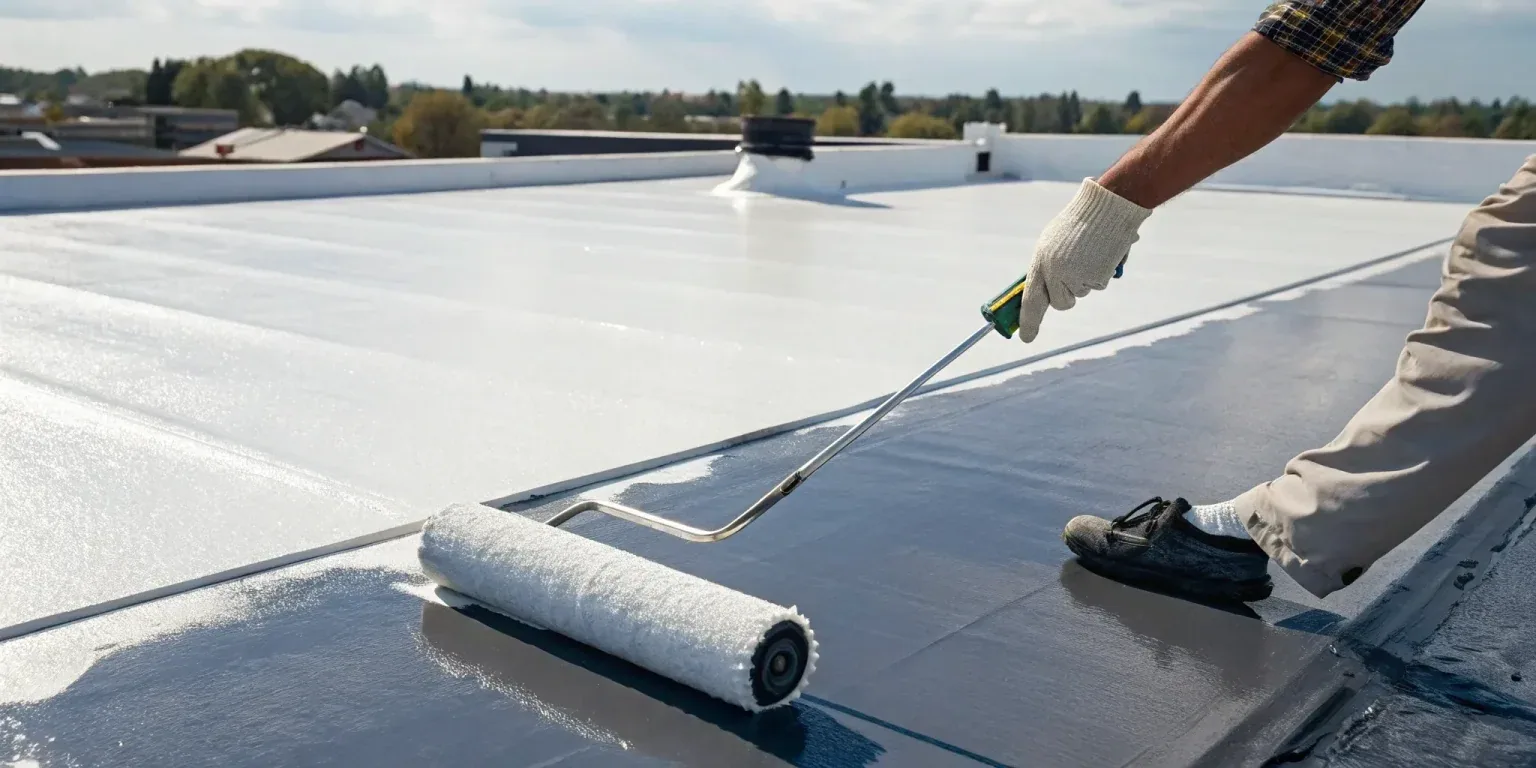
For EPDM repairs, the area has to be cleaned and primed properly; EPDM won't bond to dirty or chalky rubber. Seams are repaired with new seam tape, and patches use cured EPDM with primer and tape, extending well past the damage. Flashings at walls and curbs get new uncured flashing and sealant where needed.
Old patches of mastic or the wrong material usually come off first. If the EPDM around the damage is brittle, cracking or badly shrunk, we'll tell you. A patch may hold for a while, but the roof is telling you it's near the end of its life.
Hidden layers and option comparison
What's under the membrane matters. Wet insulation won't support a repair for long, and it slowly rusts the deck. When we suspect moisture, we use a meter or take a small test cut. If we open the roof and find more damage than expected, we stop, photograph it and explain the added cost before going further.
A roof condition report records what we found, where we found it and what we couldn't see. One test cut tells you about one spot, so the report separates what's confirmed from what's still unknown.
When a recover or replacement is worth considering, the report lays out what's needed to price it and compares it with repairs. A recover over EPDM only works if the existing roof is dry and there's only one layer in place. If moisture is widespread, replacement may make more sense, and we'll show you why.
Work periods and receiving contact
Industrial jobs often run in stages around production schedules or shipping peaks. Before the crew leaves each day, any open area is sealed with temporary protection. The manager knows what's finished, what's temporary, what's next and who to call if water shows up.
If another trade has to finish work first, like resetting a rooftop unit or repairing a wall panel, we wait for their confirmation before closing up. Every approved change in scope is recorded with photos and the reason it was needed.
At closeout, the manager receives before and after photos, documentation of hidden repairs, approved changes and a list of anything we noticed but didn't fix. That record helps with maintenance planning, insurance and capital budgets, and gives the next contractor a clear picture of what's already been done.
Commercial Roofing Questions
What site information should the manager review with you?
Where our trucks, lift and dumpster can go, which docks and drive lanes must stay open, when trailer traffic peaks and what's stored below the work area.
Why does a tear-off need a different plan than a repair?
Tear-off brings more deliveries, a debris chute or crane and a staging area for days. That affects docks and traffic, so we plan it with you before scheduling.
What makes an EPDM patch last?
A clean, primed surface, sound membrane around the damage, dry insulation underneath and a patch of cured EPDM with tape that extends well past the hole.
What if opening the roof reveals wet insulation?
We stop, photograph it and explain the added cost. Wet insulation has to be replaced before the roof is closed, and we get your approval first.
What should the manager know after each work day?
What's finished, what's temporarily sealed, what comes next and who to call if water appears before we return.
Schedule a West Chandler roof inspection
Send us the property address and what's happening with the roof. We'll inspect it, explain the repair and plan the work around your docks and production.
Request a Roof AssessmentAll Service Areas