Home / Service Areas / Tempe
Tempe Commercial Roof Repair and Scope Review
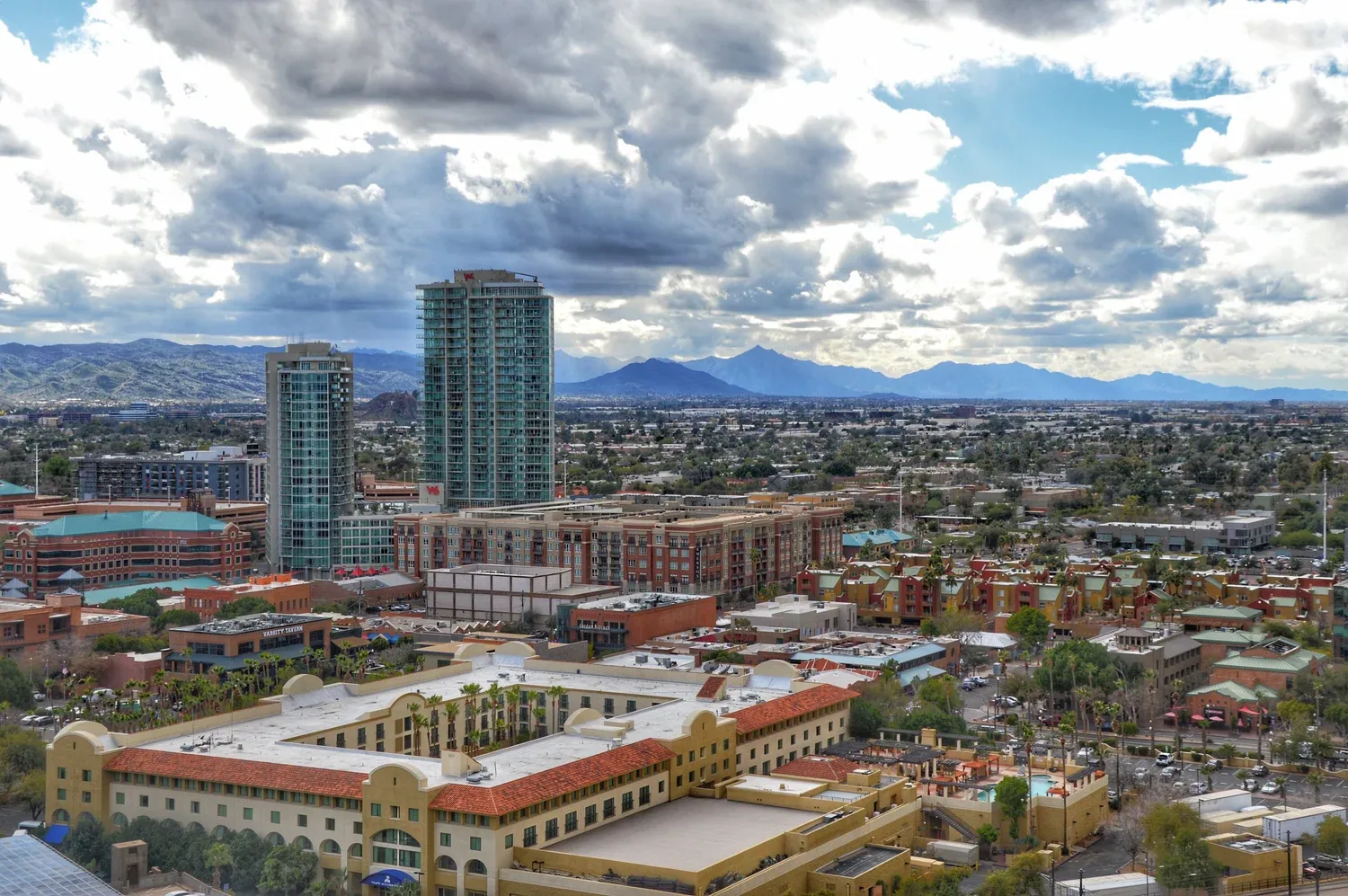
Commercial roof repair in Tempe, AZ: repeat office leaks, flashing rebuilds, wet insulation and cover board replacement, and work planned around occupied offices.
When an office in Tempe calls about a leak, one of our first questions is what's been done before. Was there a repair near this spot? What was fixed, and when? An earlier patch may have solved one problem and left a second one right next to it. We compare the repair history with where water is showing up now, then inspect the roof before recommending anything. If a rooftop unit or a window looks like the real source, we say so and tell you who should check it. You get findings you can act on, not a guess.
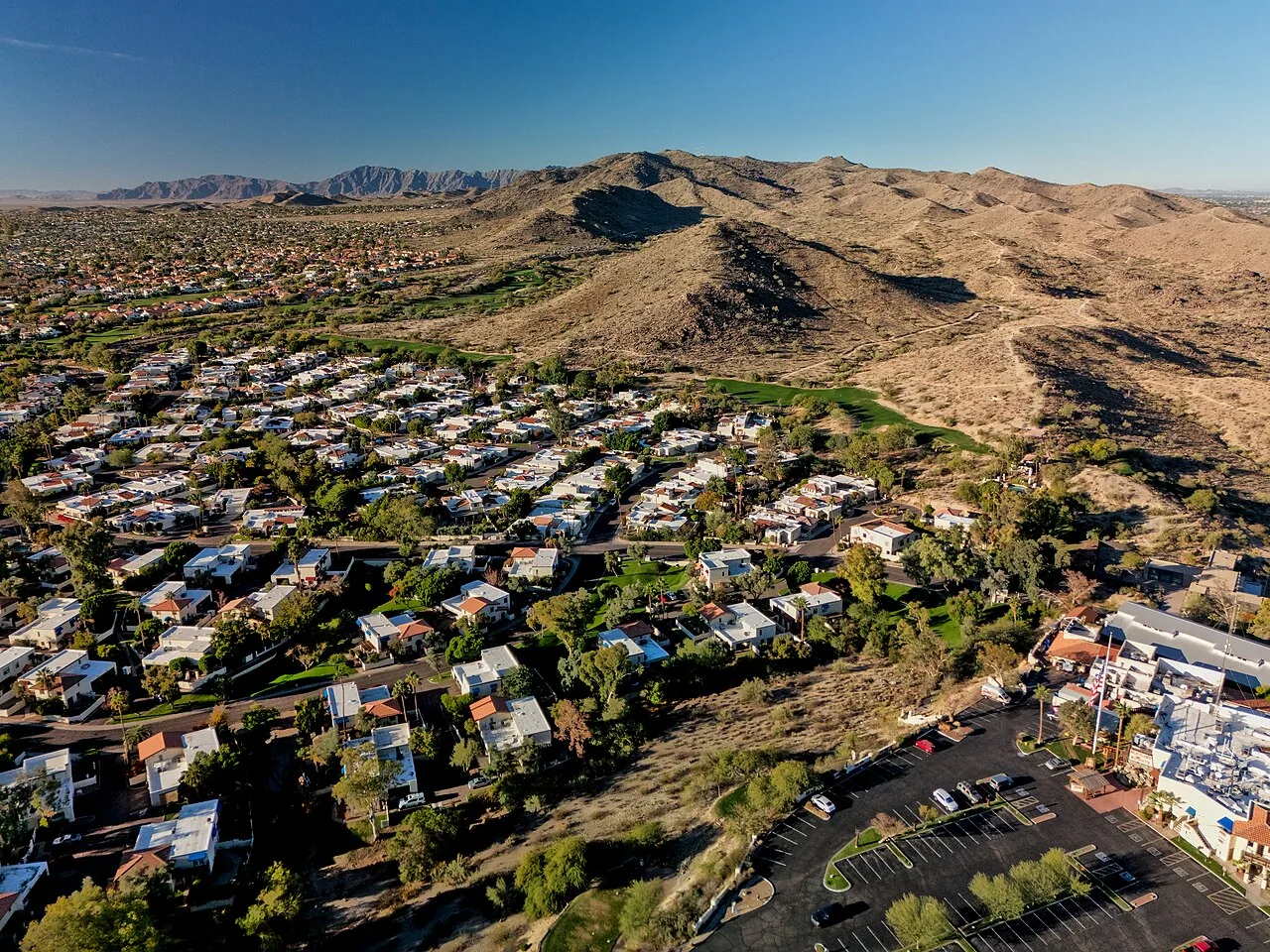
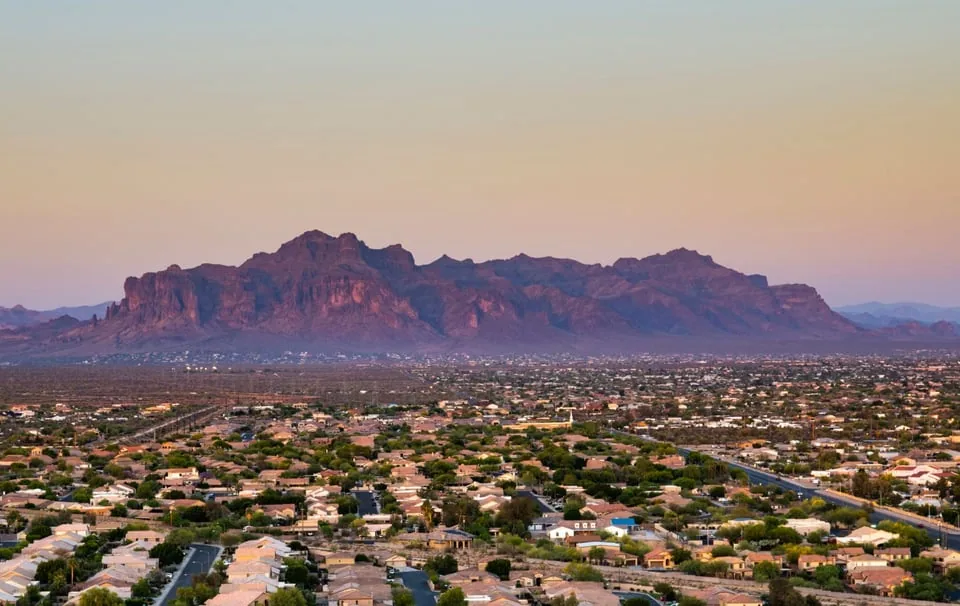
Tempe connects to Chandler by Interstate 10, Loop 202 and Loop 101, and its office, flex and campus-area buildings make up a big share of our work. Send us the property address and a contact. We also work in Ahwatukee and across Mesa. The type of roof decides the repair method and whether we need to look underneath.
Previous patch and current concern
We start inside where water appears and line it up with any repair records. Then we go up and check the old patch and everything around it: seams, wall flashings, pipe boots, drains and equipment curbs. Water can enter at one detail and run along the deck before it drips, so the stain may be some distance from the source.
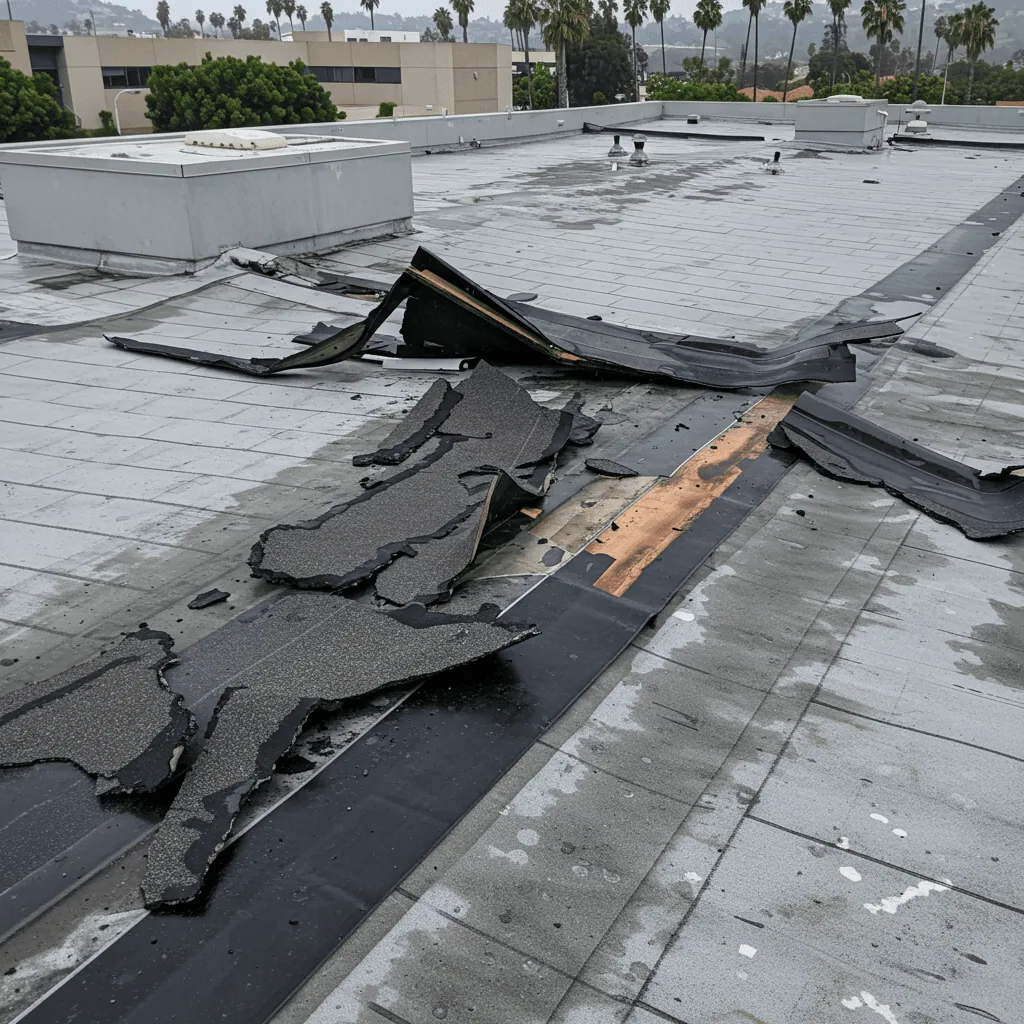
For leak investigation in Tempe, an old patch tells us a lot. If it's peeling or made of the wrong material, it may be the problem. If it's solid, the new leak is probably coming from somewhere else nearby. We also check for non-roof sources: rooftop AC condensate lines, plumbing vents and upper-floor windows can all leak in ways that look like the roof.
Every finding is photographed and marked on a roof plan. If we can't confirm the source on the first visit, we explain what we ruled out and recommend the next step, often a controlled water test on a specific seam or wall. Knowing the leak only shows up during a certain kind of storm, or only when the building is cooling hard on a summer afternoon, narrows the search a lot, so tenant notes on timing are genuinely helpful.
Membrane connection and reconstruction
Where the roof meets a parapet wall, a taller building section or a rooftop unit curb, the flashing takes the brunt of the heat. Membrane shrinks and pulls away from the wall, sealant dries out and metal counterflashing loosens. Stucco above the flashing can crack and let water run down behind it.
For flashing rebuilds, we remove the failed flashing and check what's behind it. Rotted wood nailers, cracked block or soft stucco are repaired first. Then new base flashing and counterflashing are installed and sealed. If the wall itself needs stucco repair above the roof line, or a rooftop unit needs to be reset, that trade does its work first. We wait for their confirmation, then flash it.
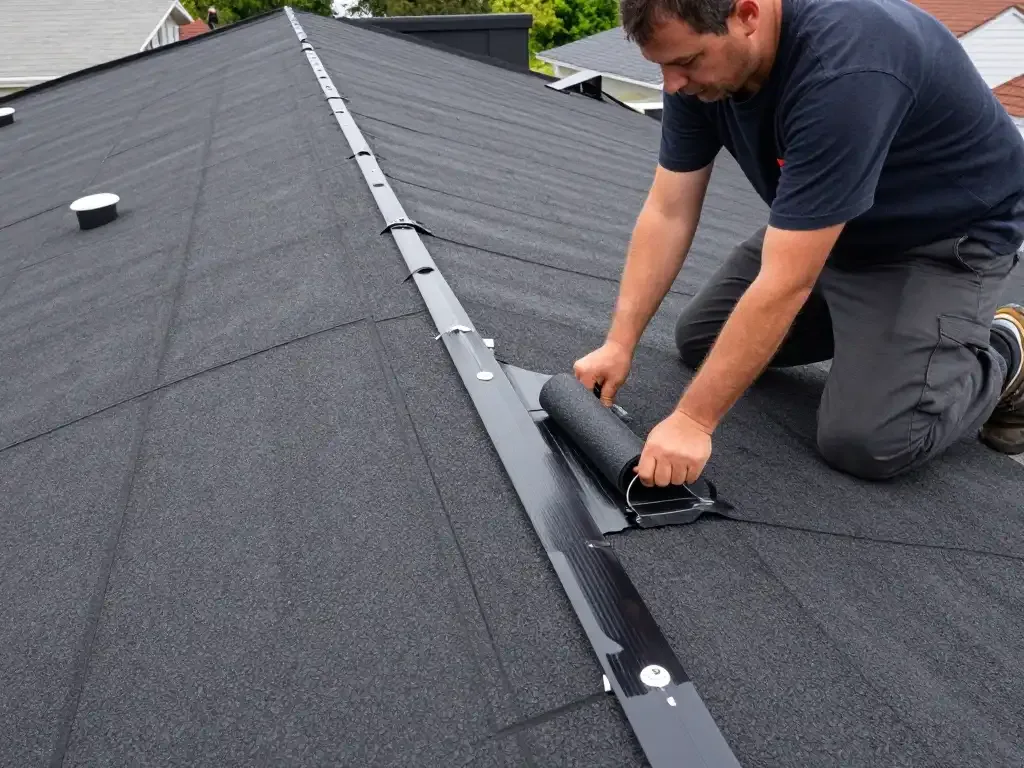
Field repairs follow the same rule. We confirm the membrane type, remove failed patches, clean and prepare the surface and use compatible material that extends well past the damage. Every step is photographed for the building file.
Supporting material and scope change
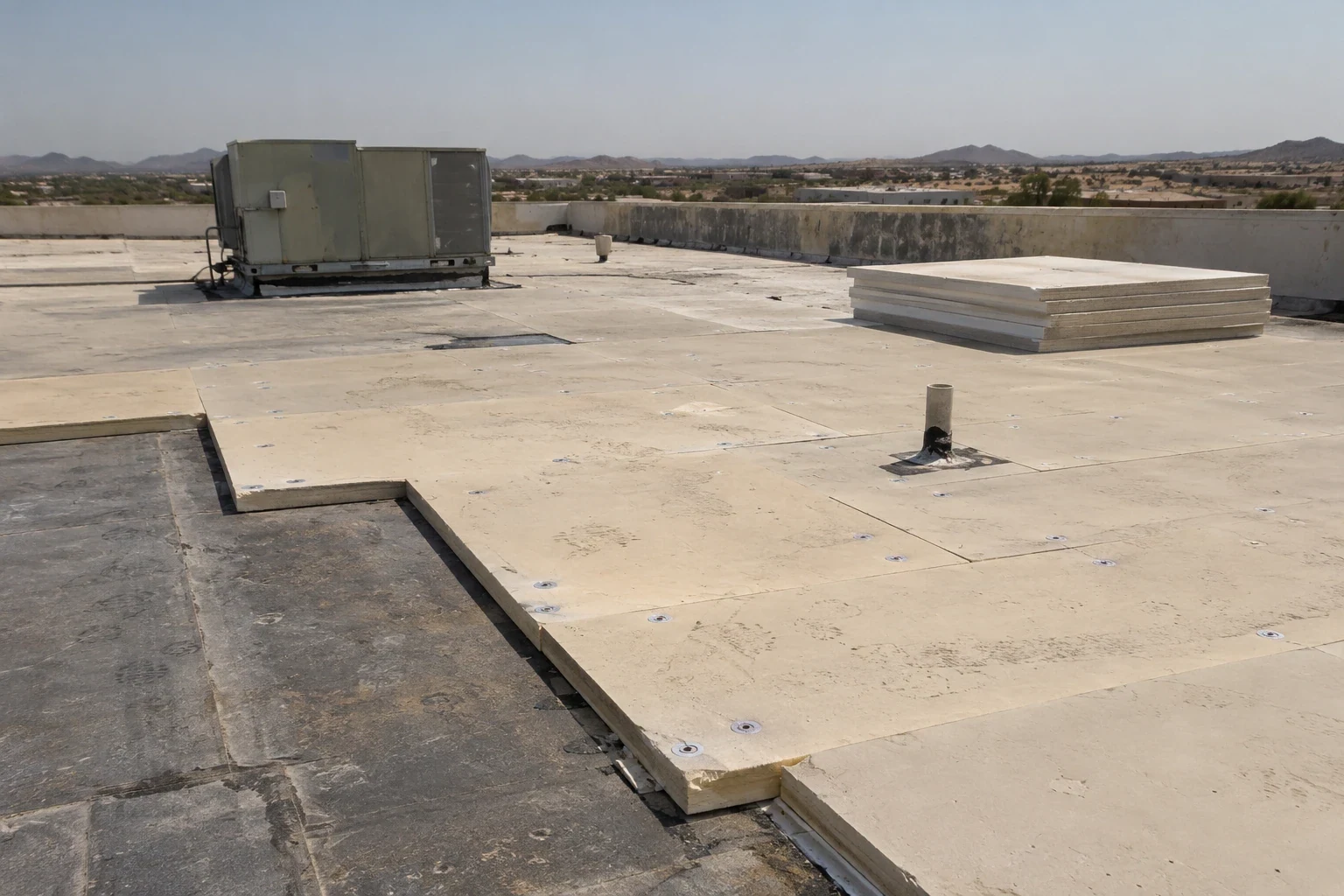
Under the membrane is a layer of insulation, and on many roofs a cover board on top of that. If water has been getting in for a while, the insulation can be soaked. Wet insulation loses its insulating value, adds weight and slowly damages the deck. A patch laid over it won't last.
For insulation and cover board replacement, we cut out the wet material, check the deck underneath and install new insulation and cover board to match the surrounding roof. Then the membrane is repaired over a dry, solid surface. We photograph the wet material and the deck before covering them.
When we find wet insulation, the repair gets bigger, so we stop and explain it before going further. You'll see photos, the size of the affected area and the added cost. If moisture turns out to be widespread, we'll say so, because at that point a recover or replacement may make more sense than a series of patches.
Office routes and protected work
Office buildings stay occupied during roof work. We ask the property manager which suites are below the repair area, where tenants and visitors park and enter, and where our truck, lift and materials can go. Entrances under the work area may need overhead protection or a detour.
For office building roofing, noise and odor are the usual concerns. Tear-off and fastening are loud, and some adhesives and primers have a smell that rooftop units pull inside. We ask whether certain hours are better, whether air intakes can be shut down briefly and who will notify tenants. Early-morning or weekend work is an option for the loudest phases.
If water is actively coming through, we recommend protecting what's below it, like moving workstations or covering equipment, until the permanent repair is finished. Small repairs barely affect the building. Larger projects get a staging plan reviewed with the property manager before scheduling. If the scope grows once we open the roof, we revisit staging and timing with the property manager before the crew continues.
Returned condition and later record
If a job takes more than one visit, any open area is sealed with temporary protection before the crew leaves. The property manager knows what's finished, what's temporary, what's left to do and who to call if water shows up. If we're waiting on another trade, we explain how that affects our return date.
Every change in scope is documented. Hidden damage is photographed, explained and approved before we expand the work, and the approval stays in the job file with the photos.
At closeout, the property manager receives before and after photos, documentation of any insulation or deck replacement, approved changes and a list of anything we noticed but didn't fix. That record is the answer to "what was done here last time?" the next time someone reports a leak in the same area. It also helps with tenant questions, insurance claims and budgeting for the roof's eventual replacement, and it gives a new manager a clear starting point.
Commercial Roofing Questions
What repair history should we share?
Where earlier repairs were made, what was done, when and by whom, if you know. Invoices or photos help. That tells us whether the new leak is the old one coming back.
How do you decide how big a patch needs to be?
We probe the membrane around the damage to find sound, well-bonded material, then extend the repair well past the damaged area onto that solid roofing.
Can another trade's work need to happen before roofing?
Yes. If the wall needs stucco repair or a rooftop unit needs to be reset, that work comes first so the new flashing isn't disturbed afterward.
Why might a larger option need more testing?
Wet insulation in one area doesn't tell you about the rest of the roof. Before recommending a recover or replacement, we test moisture in several areas.
What should the property manager know after a staged job?
What's finished, what's temporarily sealed, what comes next, who to call, and a closeout package with photos of any hidden repairs.
Schedule a Tempe roof inspection
Send us the building address, where the leak is and any repair history you have. We'll inspect the roof, explain what's causing the problem and plan the fix around your tenants.
Request a Roof AssessmentAll Service Areas