
Roof Systems in Chandler, AZ
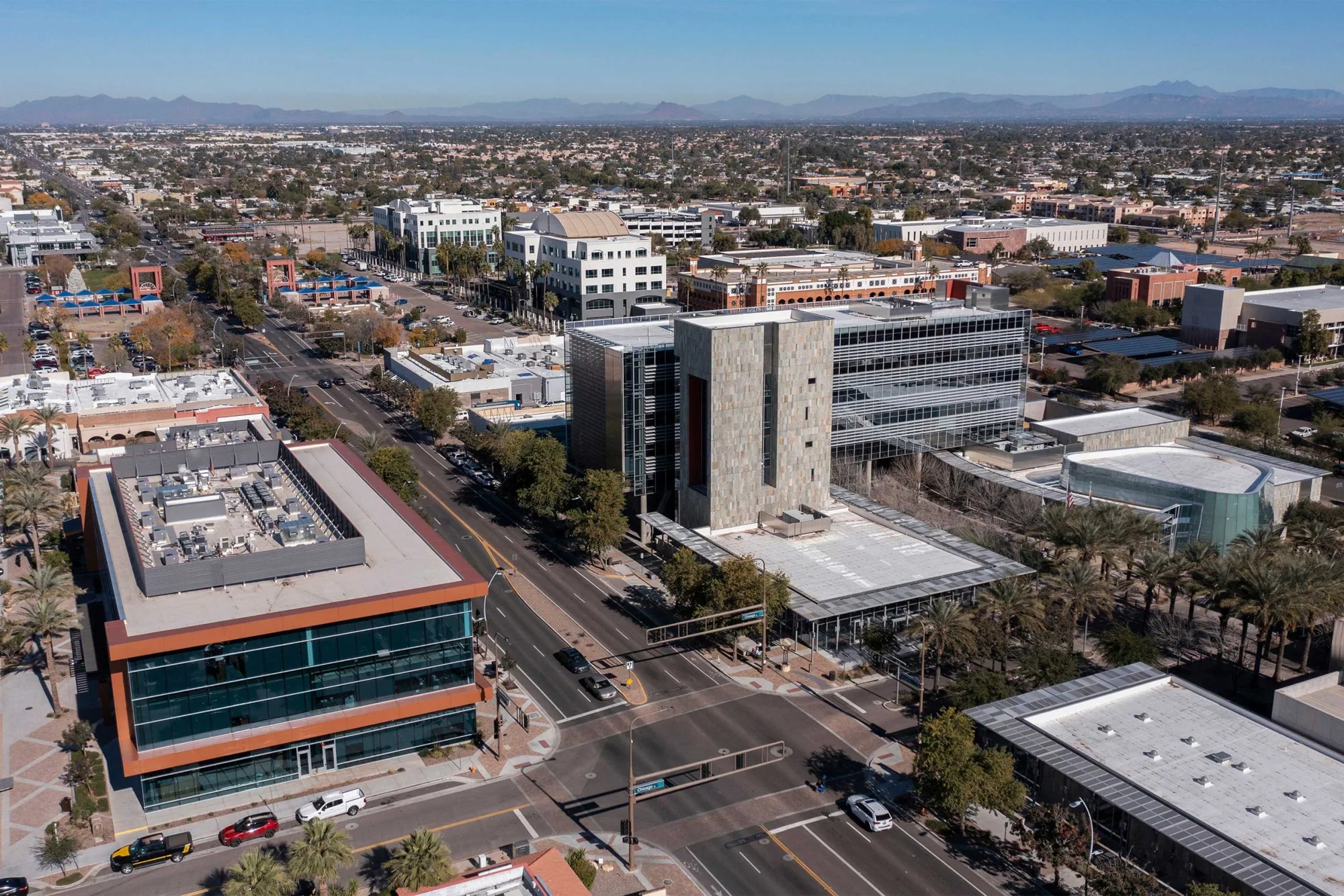
Chandler roof systems: identify existing material, compare compatible repair details and investigate retained layers before choosing roof renewal.
A fab roof system starts with its support and operating limits. We inspect deck, insulation, attachment, seams, and penetrations. Facility personnel set access, shutdown, and hot-work rules. The selected system follows the assembly and project documents.
Chandler's July average high reaches about 106 F. Heat affects installation conditions and roof exposure. We plan materials around product requirements and daily closeout.
Explore Roof Systems
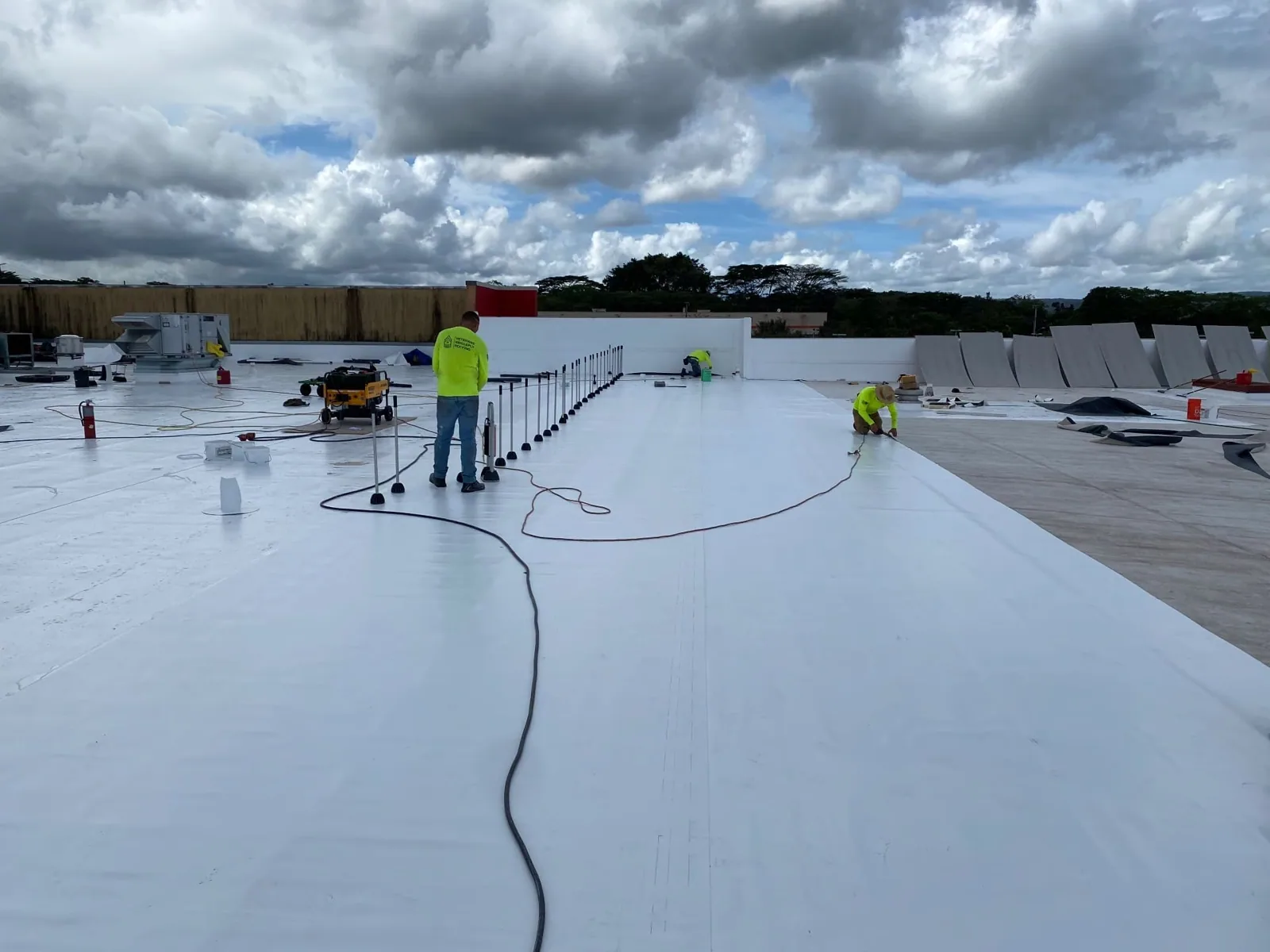 TPO Commercial Roofing
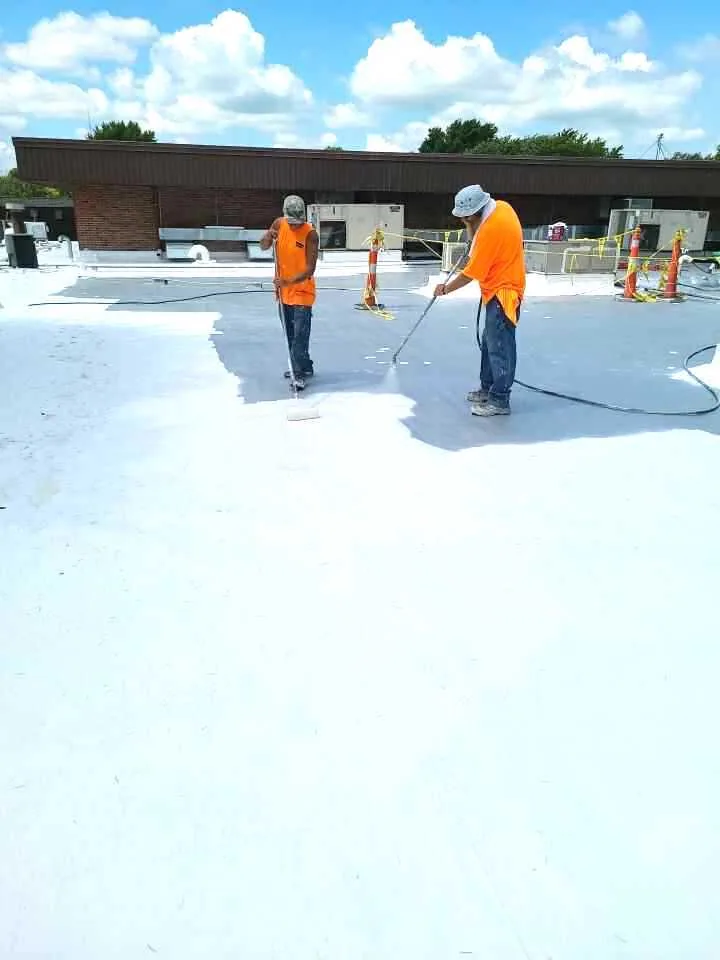 PVC Commercial Roofing
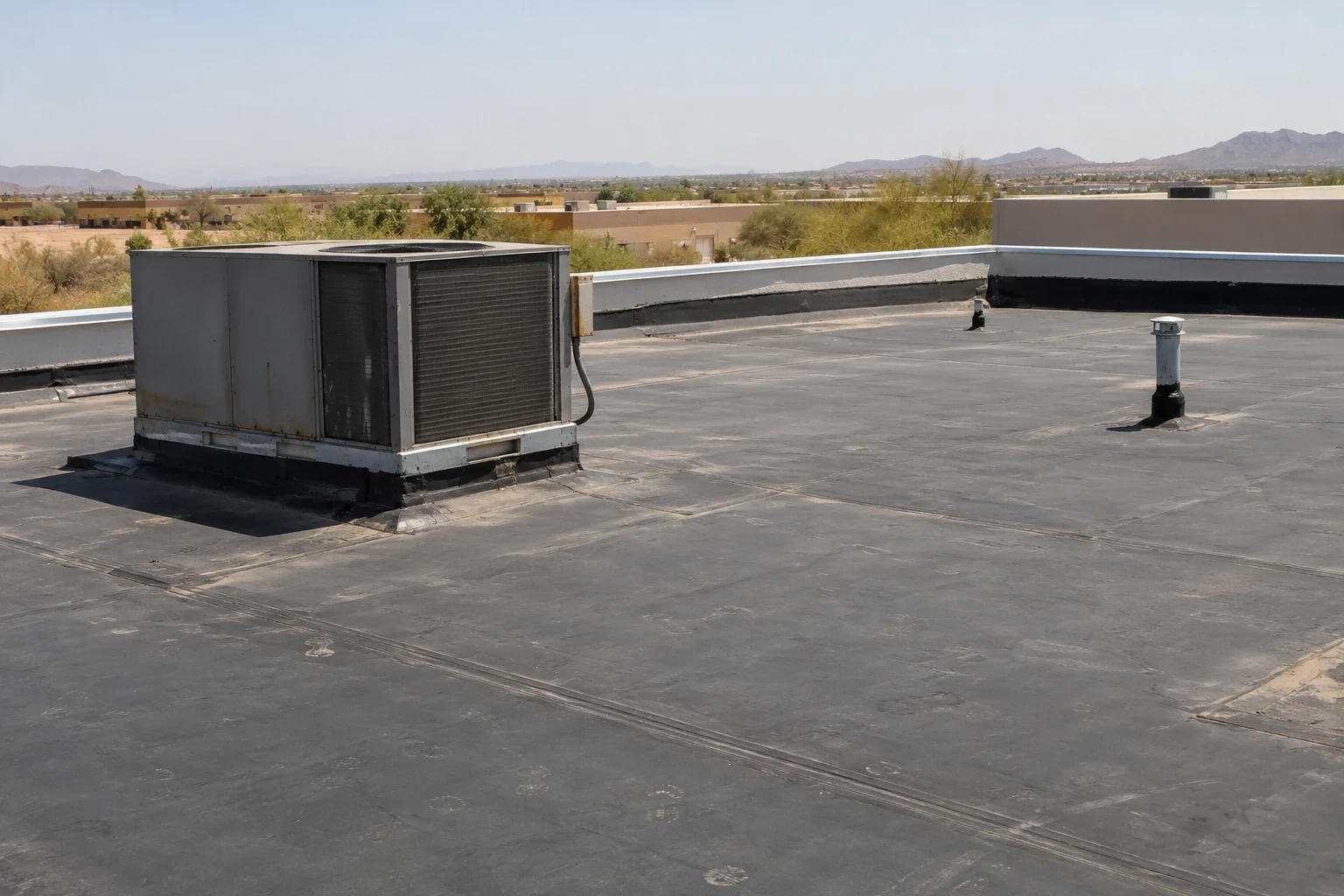 EPDM Commercial Roofing
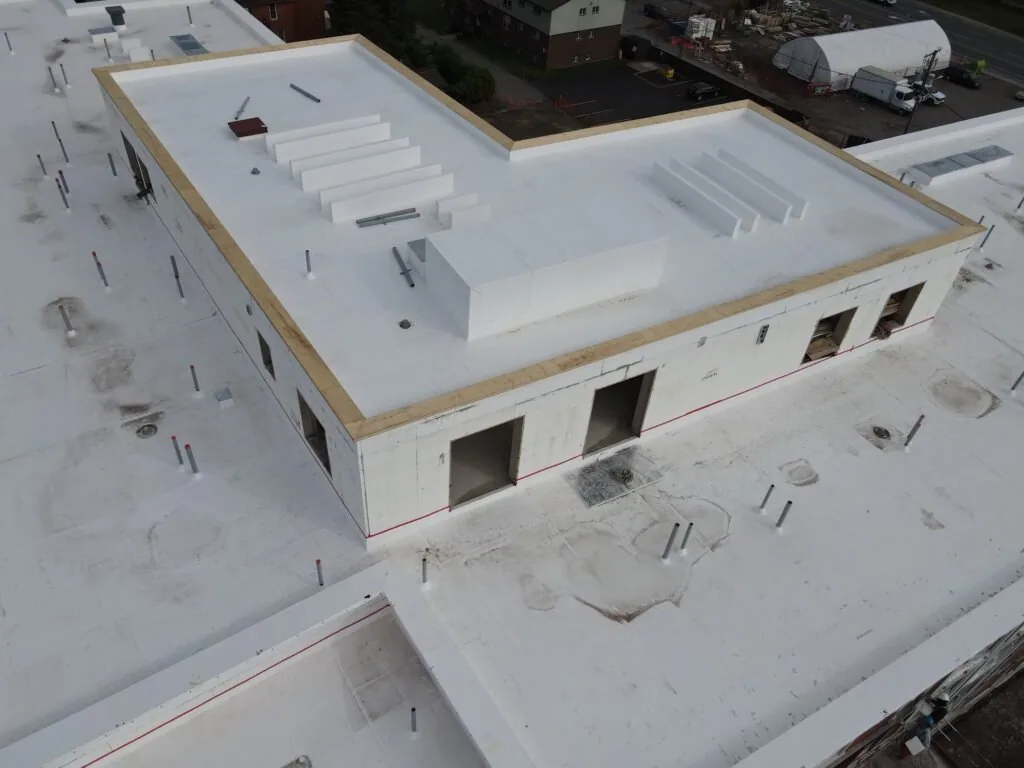 KEE Commercial Roofing
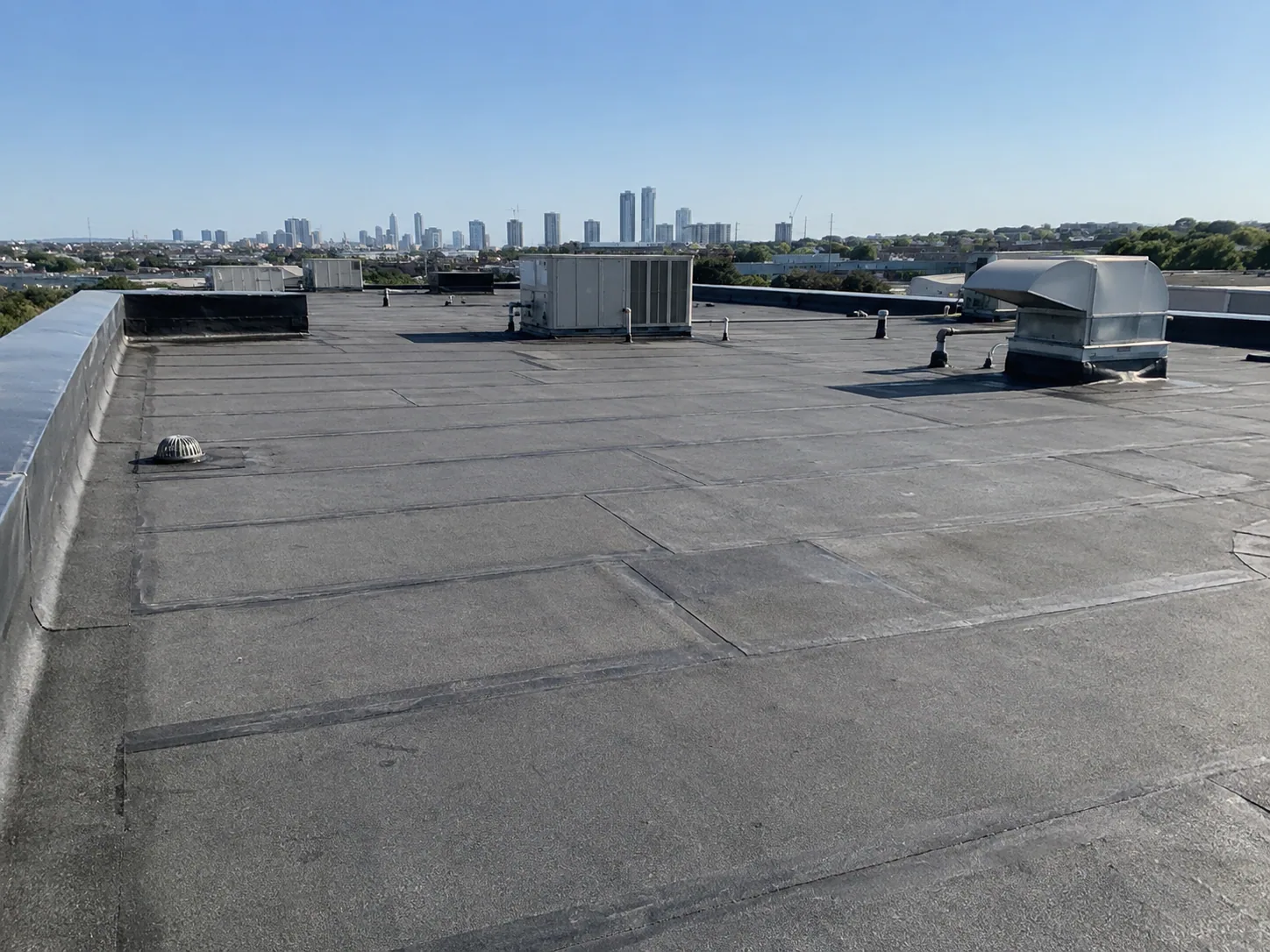 Modified Bitumen Roofing
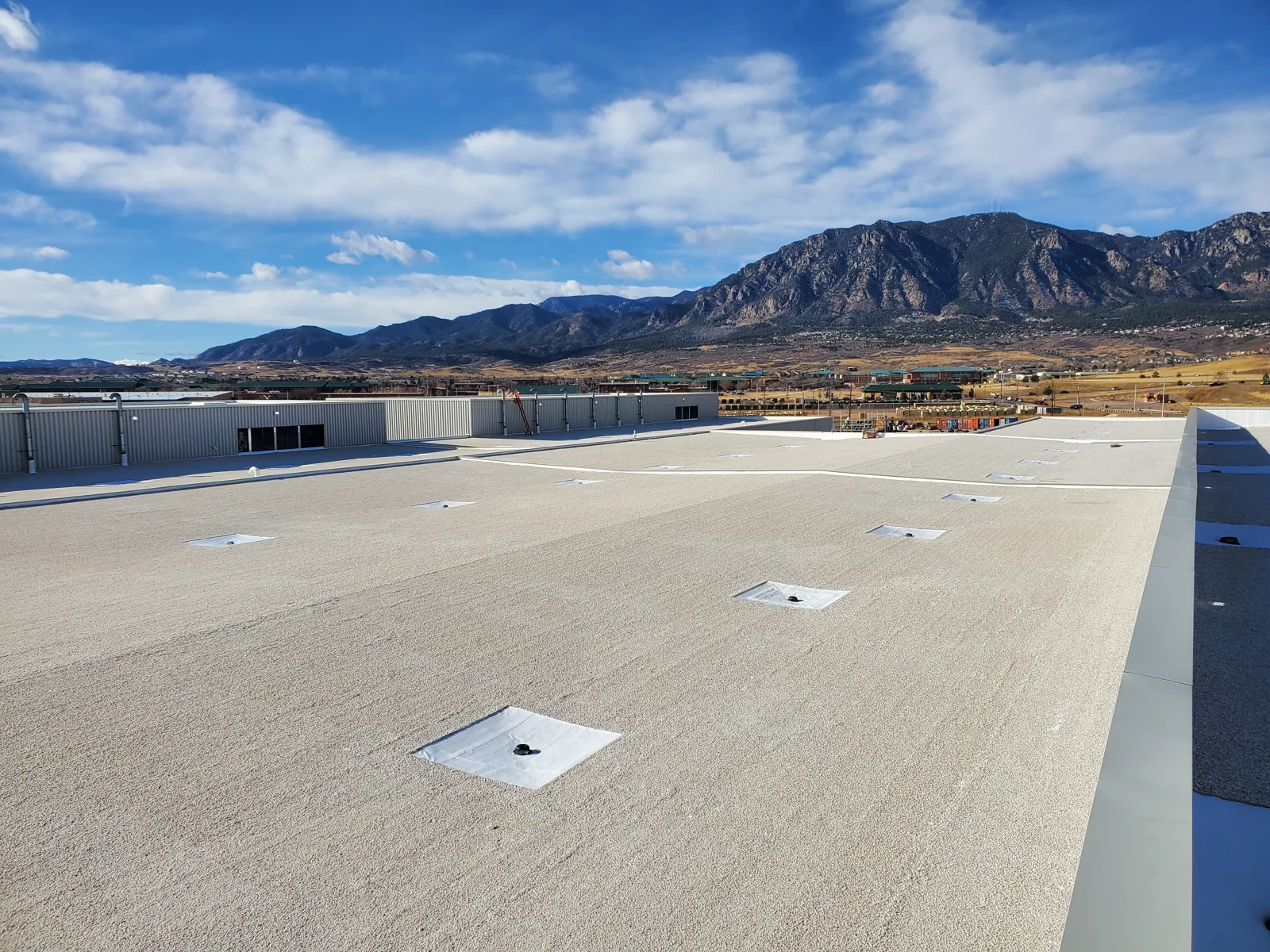 Built-Up Commercial Roofing
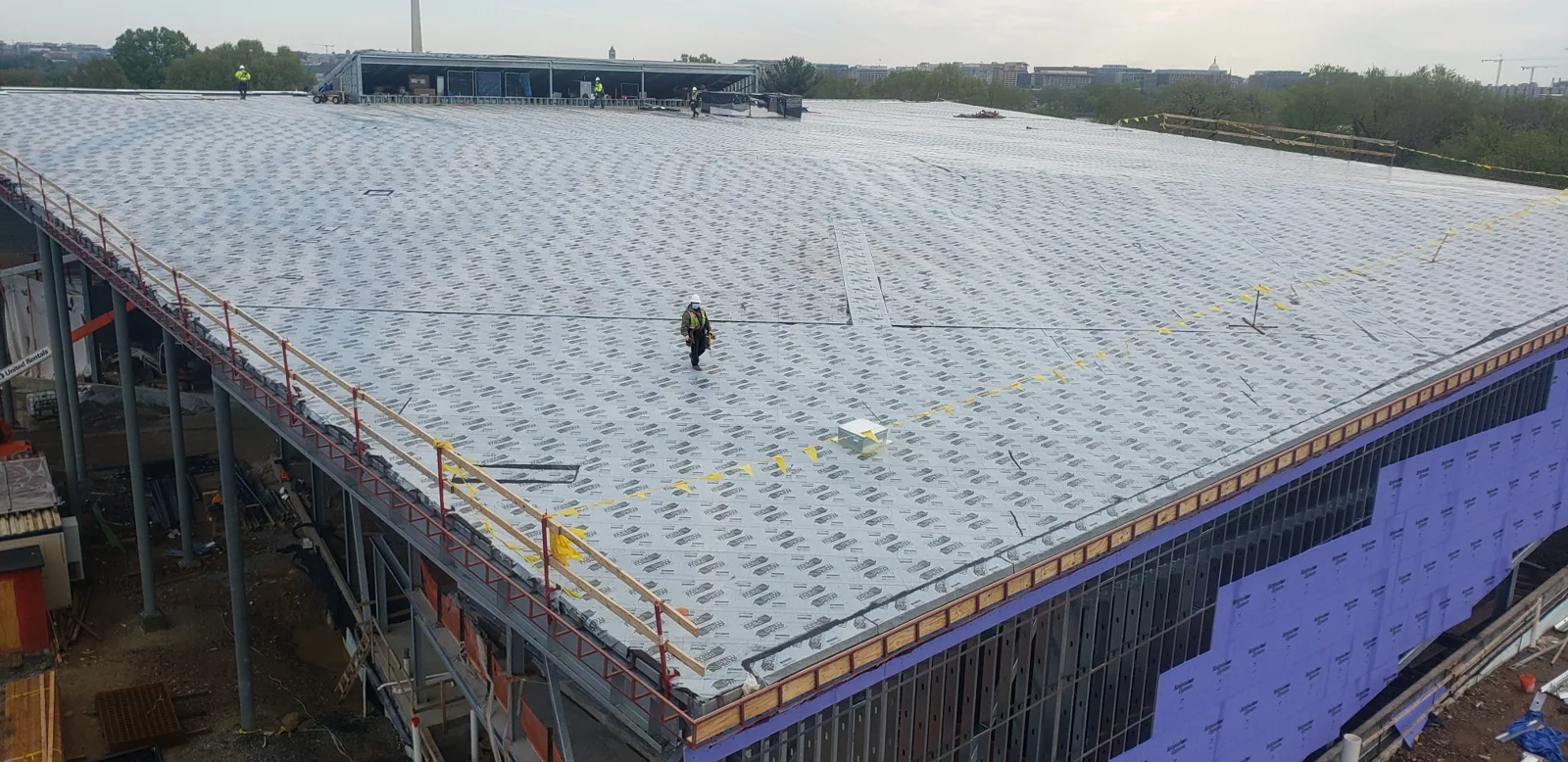 Standing Seam Metal Roofing
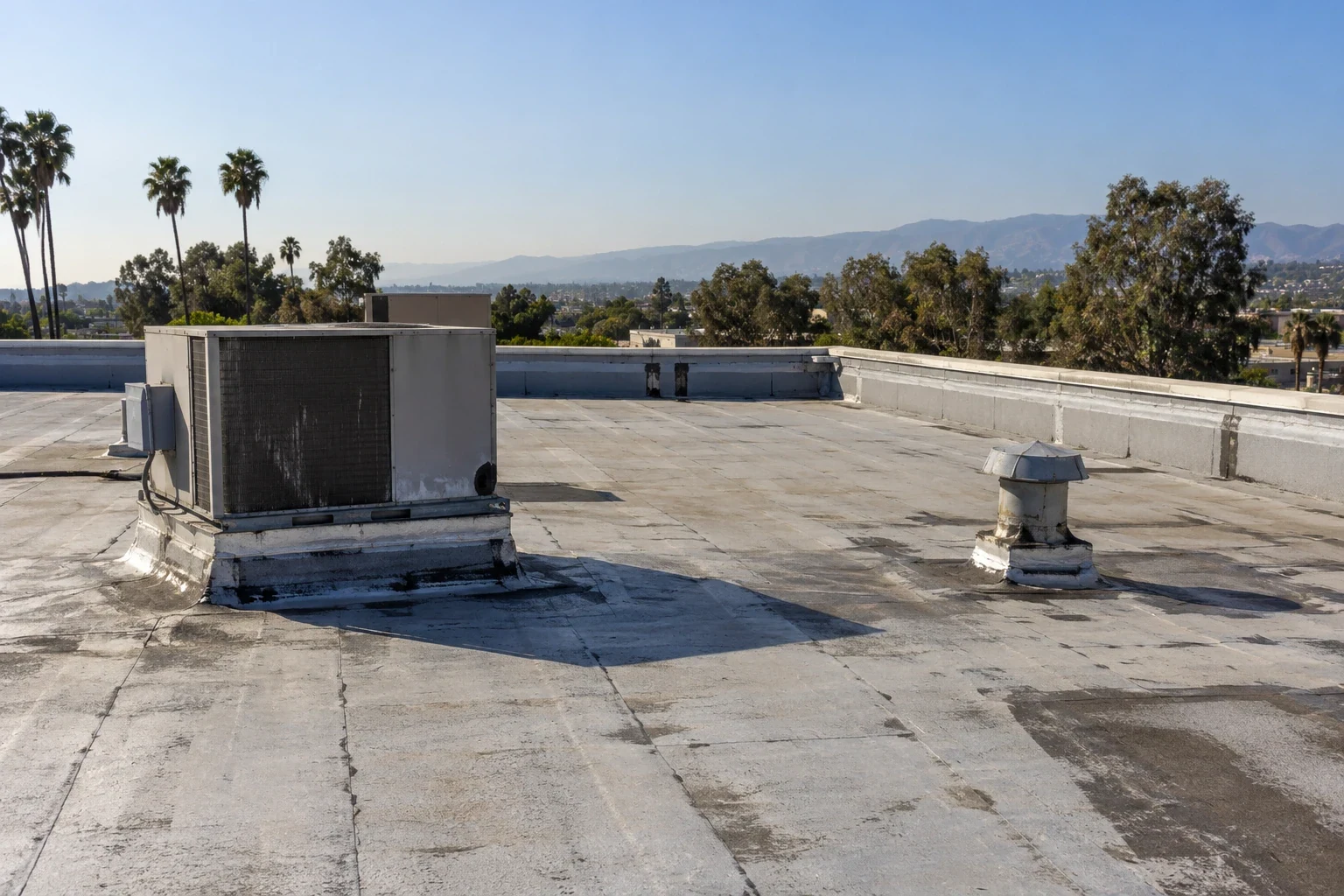 Commercial Metal Roof Retrofit
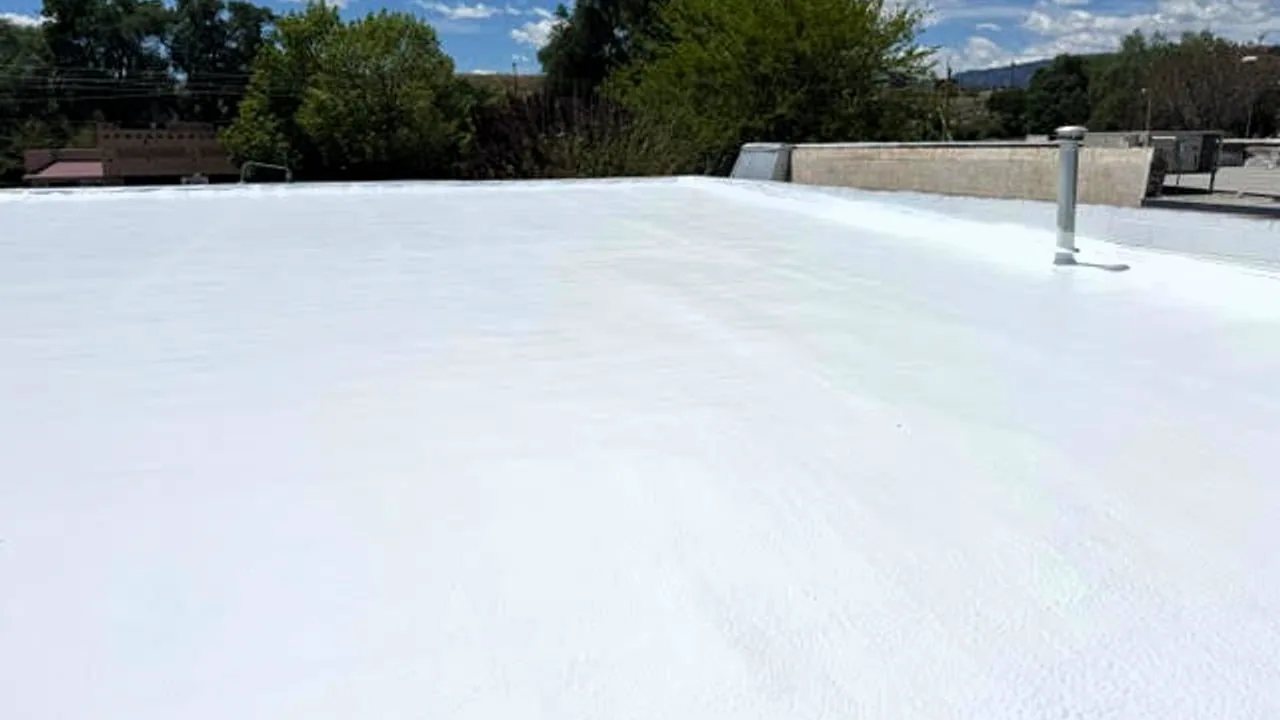 Spray Polyurethane Foam Roofing
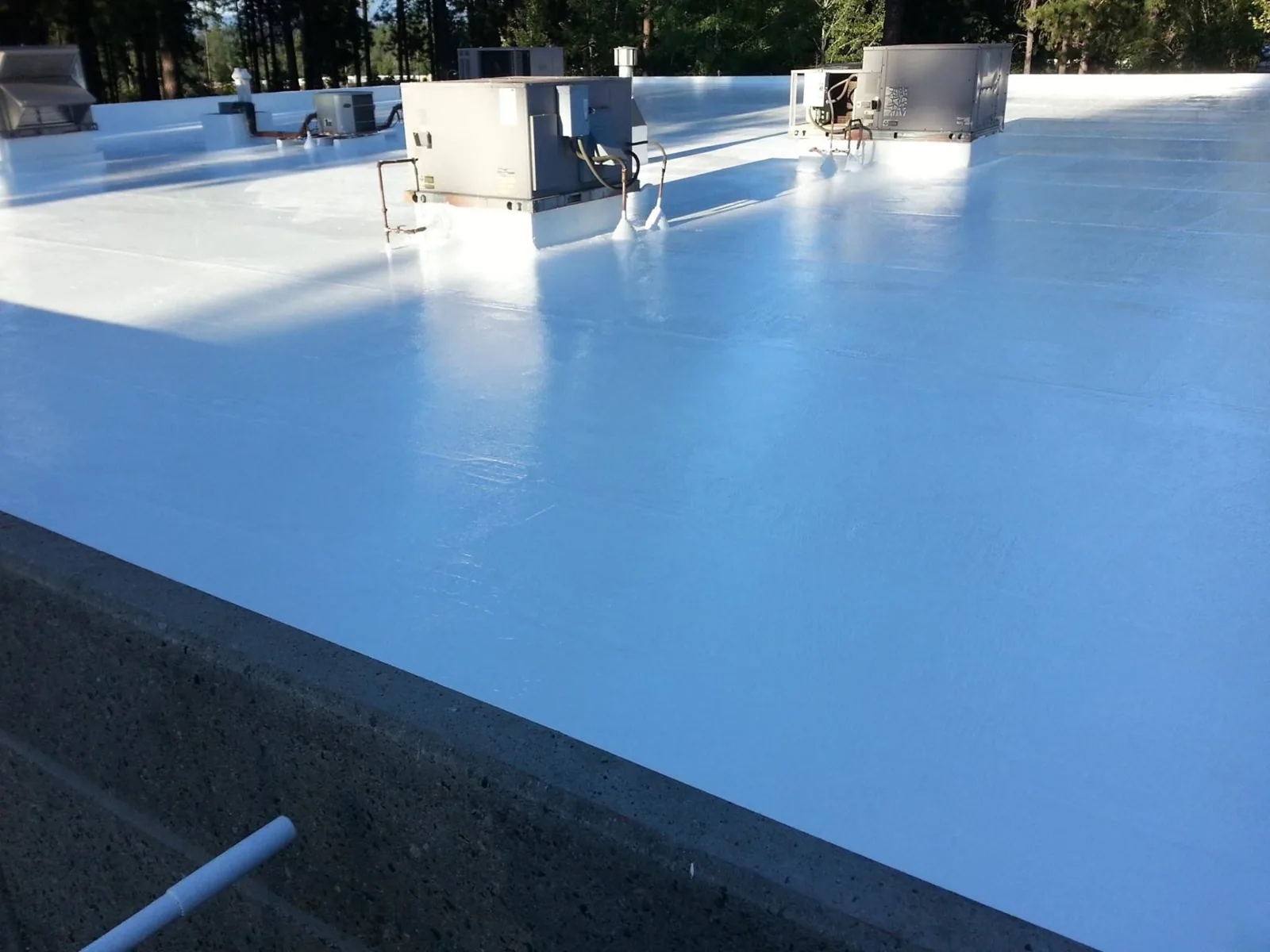 Silicone Commercial Roof Coatings
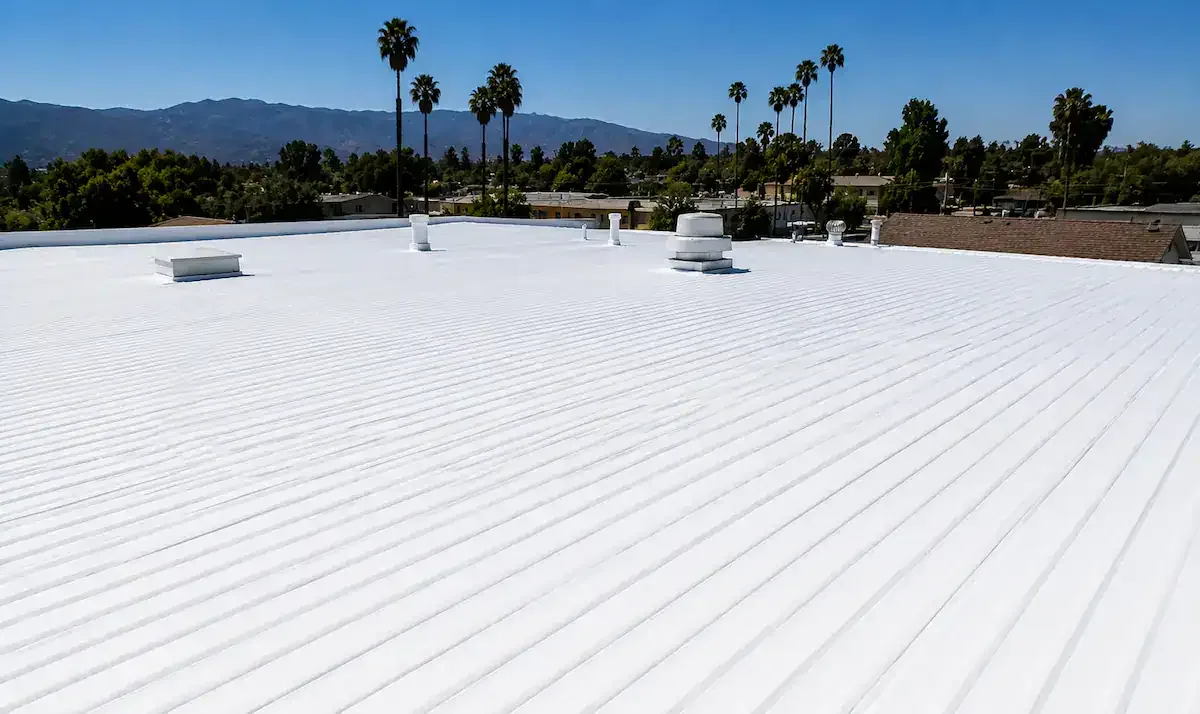 Acrylic Commercial Roof Coatings
Compare membrane details
TPO, PVC, and EPDM have different seam and repair methods. Modified bitumen and built-up systems require their own layer and surfacing review.
We inspect the installed assembly before choosing a patch. Compatibility, preparation, and sound adjoining material determine the detail. A sample can confirm hidden layers when records are incomplete.
System choice follows the building and its use. A manufacturer detail can define seam preparation. The deck and attachment support the selected assembly. We identify each material before estimating repair. A different addition can require a separate transition detail. The report keeps those connections visible for review.
Review metal and restoration options
Standing seam metal needs panel movement, clip, and perimeter review. Coatings require suitable substrate, adhesion, and drainage. We assess coating restoration only after those conditions are known.
Chandler's August 2025 storm recorded a 67 mph gust. After a wind report, we inspect edges, seams, curbs, and visible movement. Current roof findings set the repair boundary.
Check recover or replacement eligibility
A recover assessment checks moisture, attachment, height, and structural requirements. If layers cannot remain, replacement planning defines removal and new assembly. The proposal identifies insulation, attachment, flashing, and tie-ins.
Each option includes access, staging, disposal, and facility protection. We separate confirmed quantities from concealed conditions. Added work follows owner direction and revised documentation.
Arizona's monsoon season runs June 15 through September 30. Open work needs a secure daily stopping point. The plan identifies temporary cover, drainage, and the next inspection. A change in weather may move the sequence. Facility staff receive the revised work zone before crews reopen access.
Document the system installed
Closeout locates seams, transitions, test openings, and completed details. Photos and product documents stay with the roof plan. Maintenance can then revisit the same high-exposure areas.
Send the address, roof plans, material records, and access rules. We will compare the existing assembly with the construction options it can support.
Different roof zones may use separate assemblies. We label them on the plan. That record helps maintenance teams track repairs, drains, and equipment changes. Future bids can compare matching scopes.
Commercial Roofing Questions
What determines a roof system recommendation?
The existing assembly, structure, drainage, operations, and project requirements. We inspect those conditions before comparing materials.
Can a coating correct ponding?
A coating does not change slope. We inspect outlets and roof geometry before evaluating restoration.
What must be checked before a recover?
Moisture, attachment, layers, height, drainage, and structural requirements. The evaluation identifies testing still needed.
Why inspect product compatibility?
Different membranes need different preparation and tie-ins. We confirm material before selecting repair components.
Review the roof material and assembly
Identify the actual work position and available material records. We can discuss examination, compatible details and the layers relevant to the construction proposed.
Request a Roof Assessment