
About Commercial Roof Repair Chandler
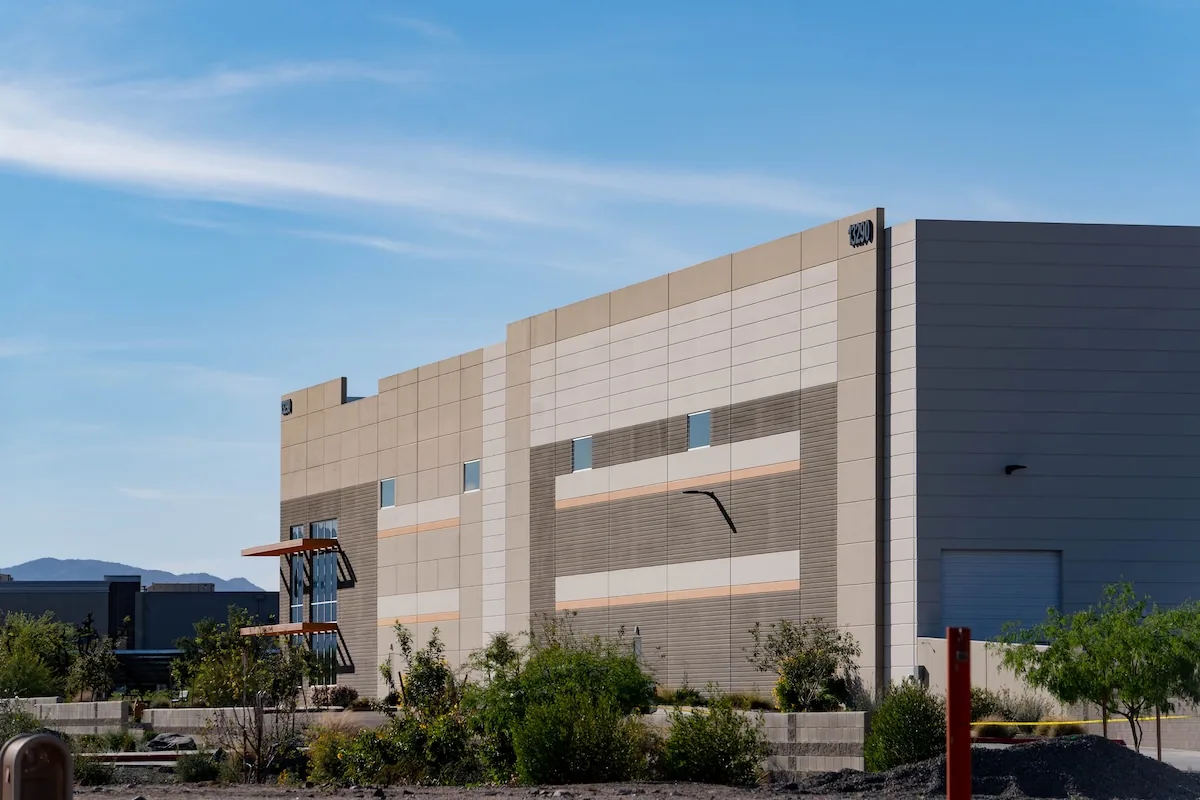
A semiconductor fab starts with the site rules. Badge escorts, intake controls, and shutdown dates shape the roof sequence. We review the affected assembly before selecting materials. The facility director sets access and operating limits. Our crew builds the roof plan around those directions.
Chandler's July average high is about 106 F. The city's record high is 119 F. Heat changes material handling and work hours. Monsoon storms also demand secure daily closeout. We tie the inspection, protection, and repair plan to each facility's actual conditions.
Inspect the reported roof condition
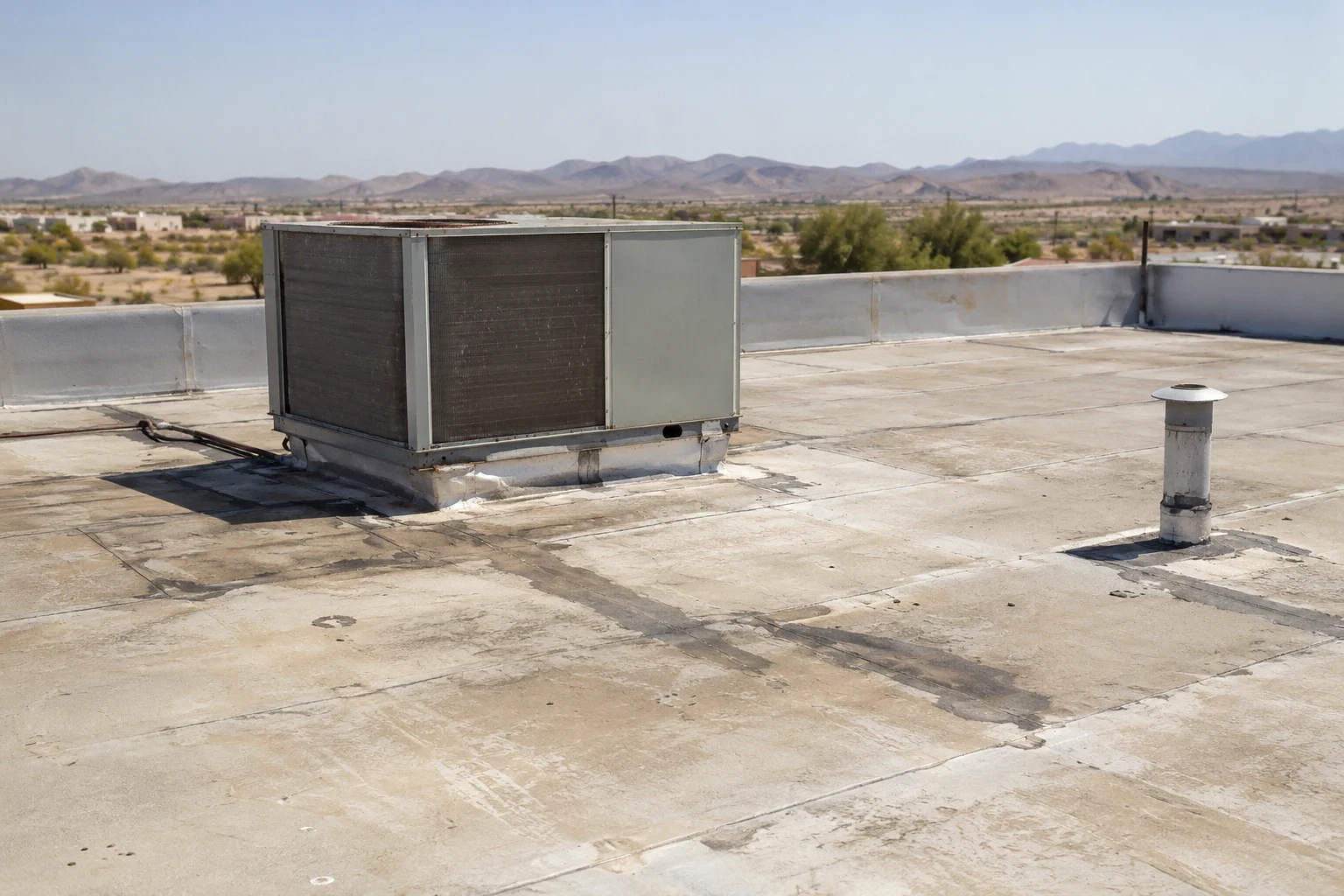
A commercial roof inspection starts at the reported area. We record seams, curbs, drains, edges, and penetrations. Photos show each finding on a roof plan. If water reached an occupied room, we compare its location with the assembly above. A test opening answers a specific question. We restore each opening after inspection.
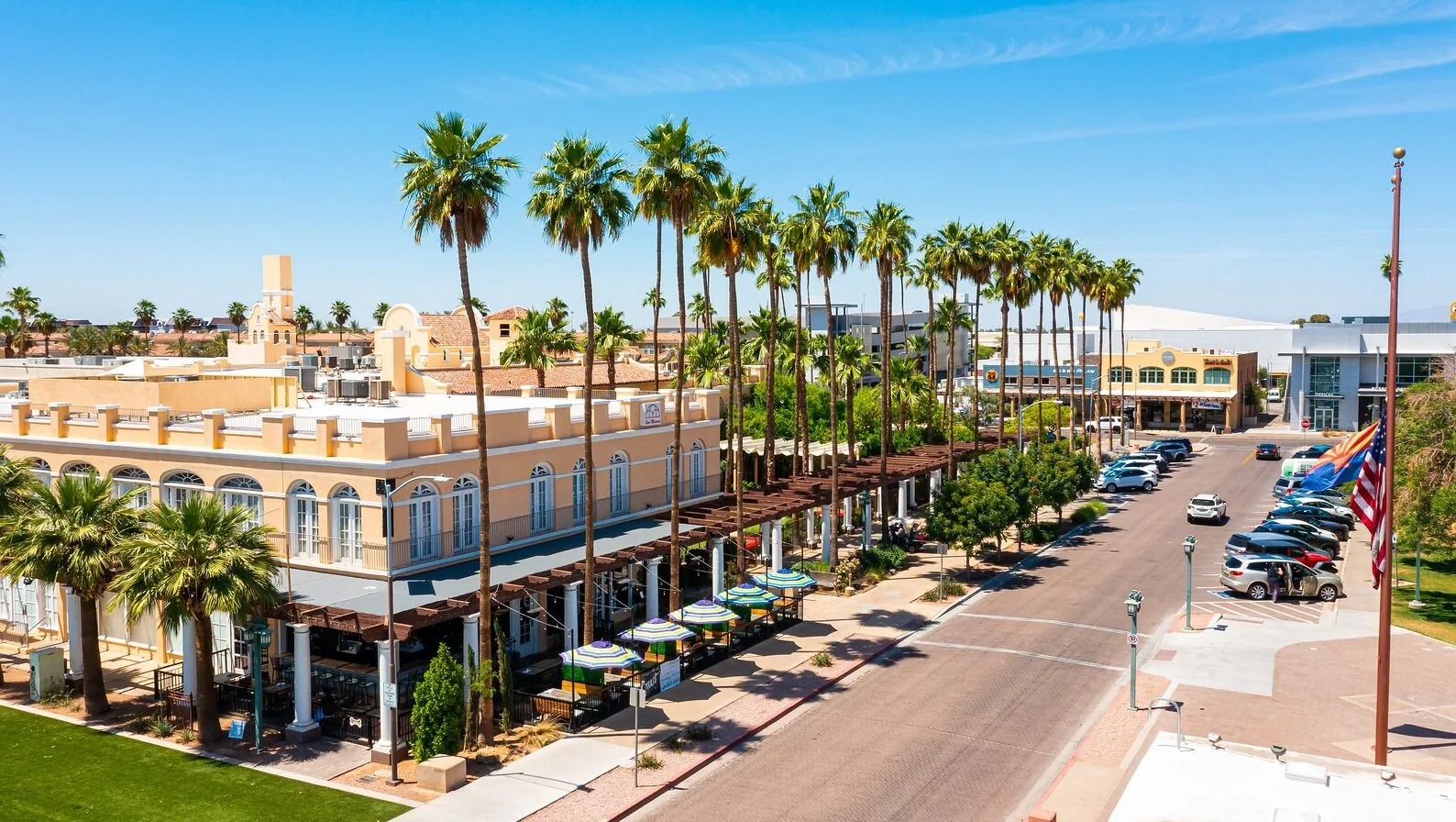
The Price Corridor sits where Loop 101 meets Loop 202. Its office, industrial, and retail properties bring different roof assemblies. We confirm the actual site, material, and support before pricing. A district name does not replace a roof examination.
Production facilities require a deliberate inspection route. We confirm badge access, escort, roof entry, and shutdown contacts first. The walk records affected sections, equipment supports, and drainage. Staff identify intakes and process areas that need protection. We photograph each detail before work begins. Any inaccessible area stays marked on the plan. That way, the report separates observed conditions from open questions.
Heat changes daily planning across Chandler. July average highs reach about 106 F. We check product limits before setting coating or adhesive work. Monsoon season brings dust, wind, and flash-flood hazards. A weather hold needs a secure stopping point. Each shift closes the exposed roof before the crew leaves.
Compare repair with full replacement
A leak investigation follows the reported water path. A roof repair should name preparation and the permanent tie-in. Wet insulation or failed attachment can expand the boundary. We explain what the inspection found and what remains concealed.
When removal is needed, a replacement scope identifies each removed and supplied layer. A coating restoration review first checks substrate and compatibility. The proposal shows access, disposal, protection, and equipment coordination beside quantities. Owners can compare complete construction options.
Repair proposals identify the work removed and supplied. They also name preparation, substrate correction, attachment, and finished tie-ins. If wet insulation appears below a seam, we locate its boundary. Photos show what was exposed. Added removal follows owner direction. The revised amount carries the condition that changed it. A broad allowance should not hide those details.
Some roofs have multiple assemblies from different construction stages. We map transitions before pricing a shared scope. An old addition may use another membrane or drain layout. Equipment changes can hide abandoned penetrations. The proposal locates each connection and assigns support work. Facility staff can then coordinate each trade before permanent material covers the detail.
Set the sequence with facility personnel
Active buildings need a sequence sheet before mobilization. It identifies badge escorts, roof routes, hot-work permits, equipment shutdowns, and material staging. For roofing above occupied areas, the plan names affected rooms and daily closeout points. Component vendors confirm their work before curb flashing begins.
Chandler's Airpark Area surrounds the municipal airport. Deliveries, airfield rules, and operating activity can affect access. The authorized facility contact sets those requirements. We record who approves a route or changed work boundary.
The sequence sheet starts with the affected area. It lists access, escorts, equipment, and active rooms below. It also records material delivery and disposal routes. Authorized staff confirm which doors or corridors stay open. A phased scope shows where work stops each day. The crew protects every unfinished edge. Operations receives a clear status before the next shift.
For night or weekend work, confirm entry contacts beforehand. Emergency response is available at all hours. The same site rules still apply. We identify temporary protection separately from permanent repair. If an active leak reaches sensitive equipment, the facility directs room access. The roofing crew documents its work boundary and contact for follow-up.
At an active campus, roof access can change during production. We split the work into approved zones. Each crew receives the current route and contact. Deliveries stay clear of protected intakes. The foreman checks the work boundary before opening material. A daily record captures completed tie-ins and temporary protection. The facility lead sees the same status before the next shift. That handoff keeps roof activity aligned with the operating plan.
Close with records and next actions
Closeout records repaired details, restored test openings, products, and photos. The maintenance file should locate each roof zone and open question. A maintenance visit can then revisit drains, seams, and equipment supports. Emergency roof response remains available nights, weekends, and holidays.
Send the address, roof plans, storm date, access rules, and repair history. The first meeting sets the inspection question and sequence. The resulting scope separates immediate protection from permanent construction.
A complete closeout file includes the roof map and dated photos. It lists products, completed details, and restored test openings. It also notes sections that were not accessible. The owner can compare later reports with the same locations. Keep equipment and mechanical records beside roofing documents. That connection helps the next inspection identify changed supports or penetrations.
Before the first visit, gather the address, roof plans, repair history, and operating limits. Include storm date and leak locations where relevant. The representative can identify the people who approve access and shutdowns. We will use that information to build a focused inspection route. The findings then support a repair, testing, maintenance, or replacement decision.
Commercial Roofing Questions
What should the first roof meeting settle?
Confirm the affected building, roof area, access contact, and operating limits. We explain the inspection question and any test opening proposed.
How do you choose repair or replacement?
We compare the damaged area, moisture, attachment, and surrounding material. The scope shows what stays, what comes out, and why.
Can roofing proceed while the facility stays open?
The facility identifies sensitive rooms and routes. We phase work, protect each opening, and close the active area daily.
What records arrive at closeout?
You receive located photos, completed details, test locations, and remaining questions. We identify any follow-up inspection or supporting trade action.
Review the building roof concern
Have the authorized representative identify the property and available records. We can discuss investigation, complete construction choices and the facility preparations needed for the roofing proposed.
Request a Roof AssessmentOur Services