Home / Commercial Roofing Services / Roof Recover and Overlay
Roof Recover and Overlay in Chandler, AZ
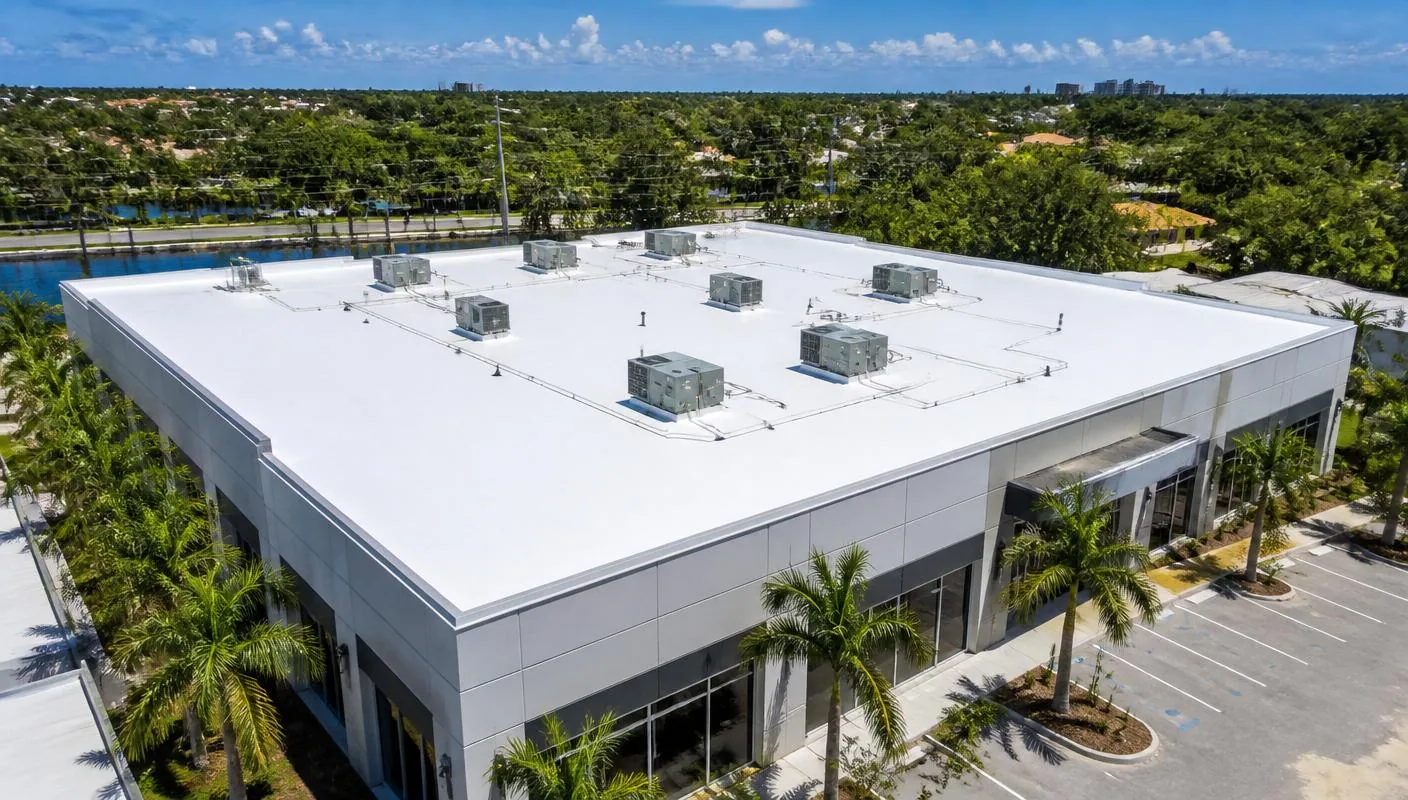
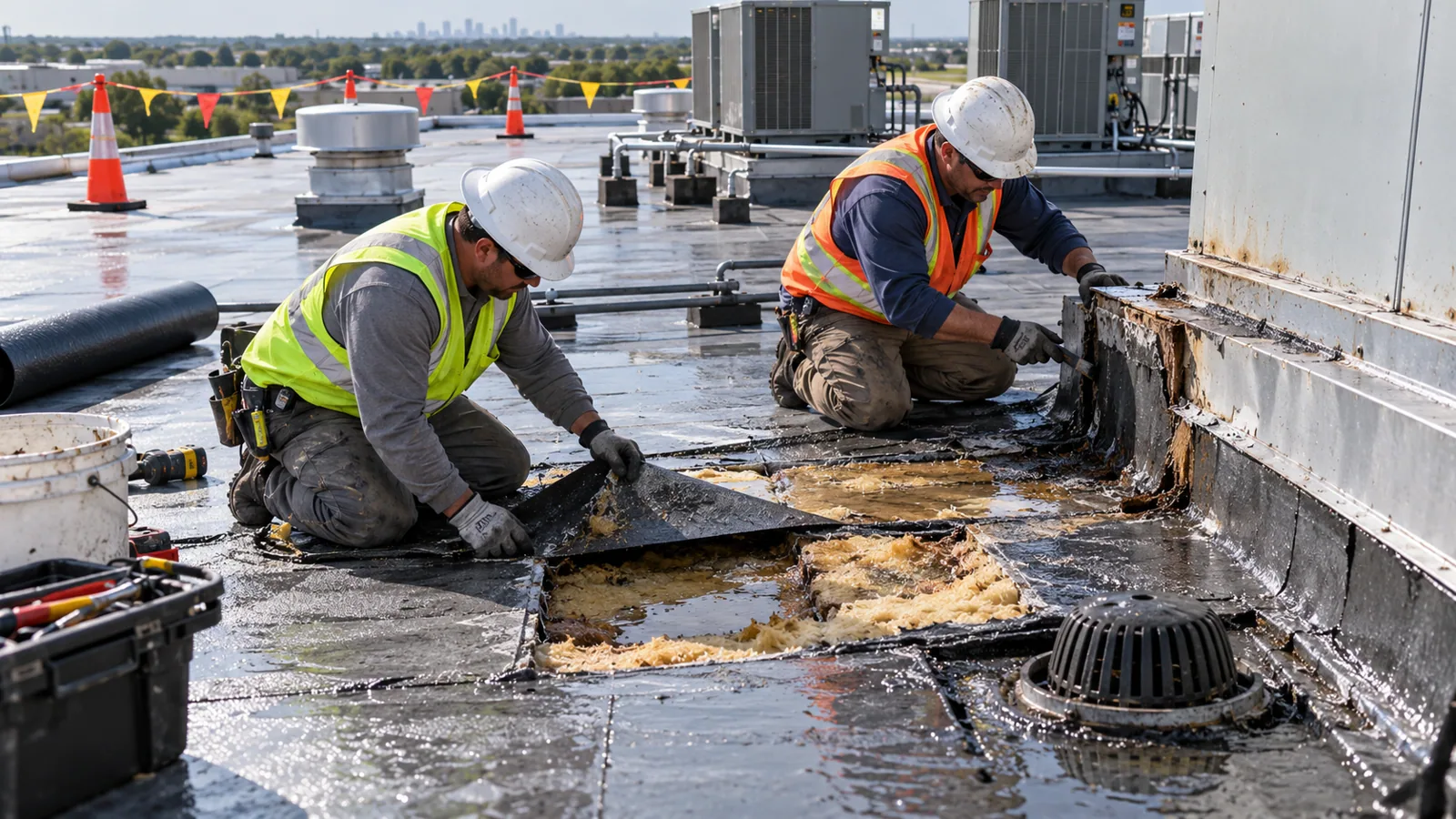
Commercial roof recover and overlay in Chandler, AZ: confirming the existing roof can stay, cutting out wet areas, and raising flashing at walls, curbs and drains for the new membrane.
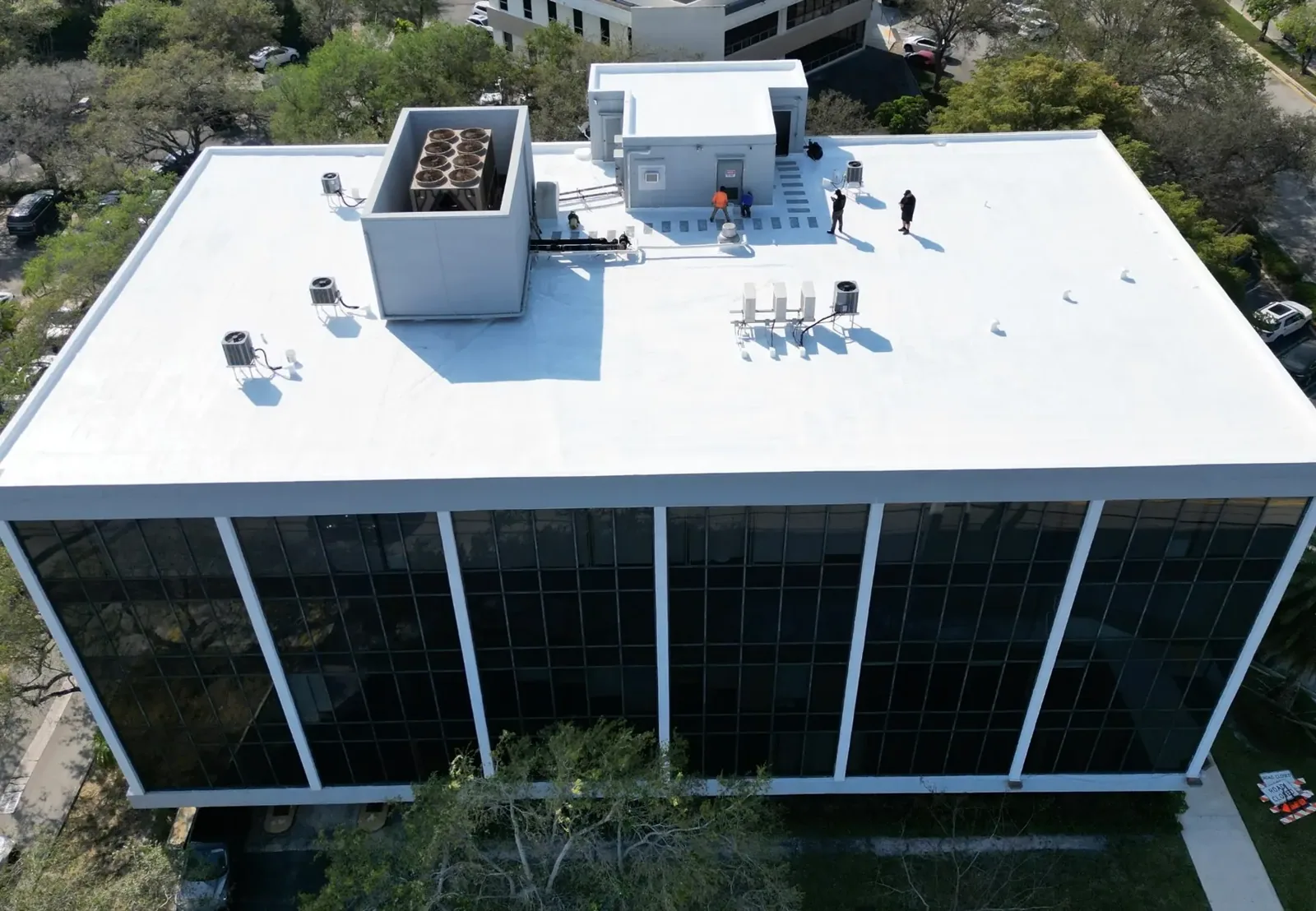
A roof recover installs a new membrane over the existing roof instead of tearing it off. On a busy retail or office building, that can mean less noise, less debris and a shorter job. It only works if the existing roof is sound enough to stay, and if the building's schedule and access are planned for. We look at both before recommending a recover, and we explain each one in the proposal.
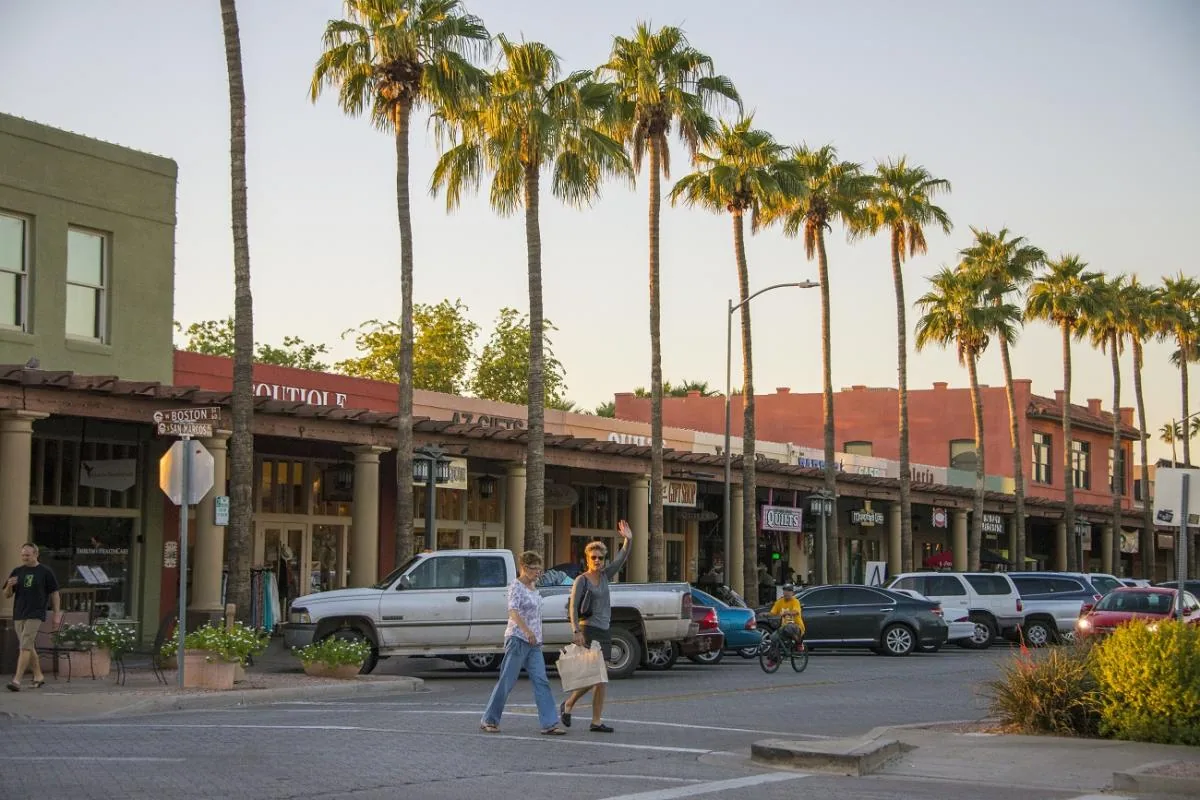
Older buildings in downtown Chandler, including civic buildings and the library, often have roofs that have already been patched or recovered once. Building code generally limits how many roofs can be stacked on a deck, so the first question is what's already there. We check the layers, find any wet or damaged areas, and confirm the building contact's rules for access and staging. The proposal then separates spot repairs from the new roof and lists the flashing changes the added thickness requires.
Is the existing roof sound?
A recover keeps the existing roof in place, so we have to be confident it's dry and well attached. We take core samples and look for soft spots, blisters, loose seams and rusted deck. A roof that looks fine from the top can still be holding water in the insulation. Each area we test is marked on a roof plan with what we found, so you can see why we're recommending the recover.
Our roof inspection separates sound areas from damaged or uncertain ones. If we need more testing before setting a final quantity, we tell you where and why. Areas that need to be cut out and replaced are drawn on the plan with clear limits. That way you know which parts of the old roof are staying and which are being repaired. We won't treat an area we haven't checked as ready for a new roof, because a wet section buried under an overlay will keep causing problems.
Moisture testing
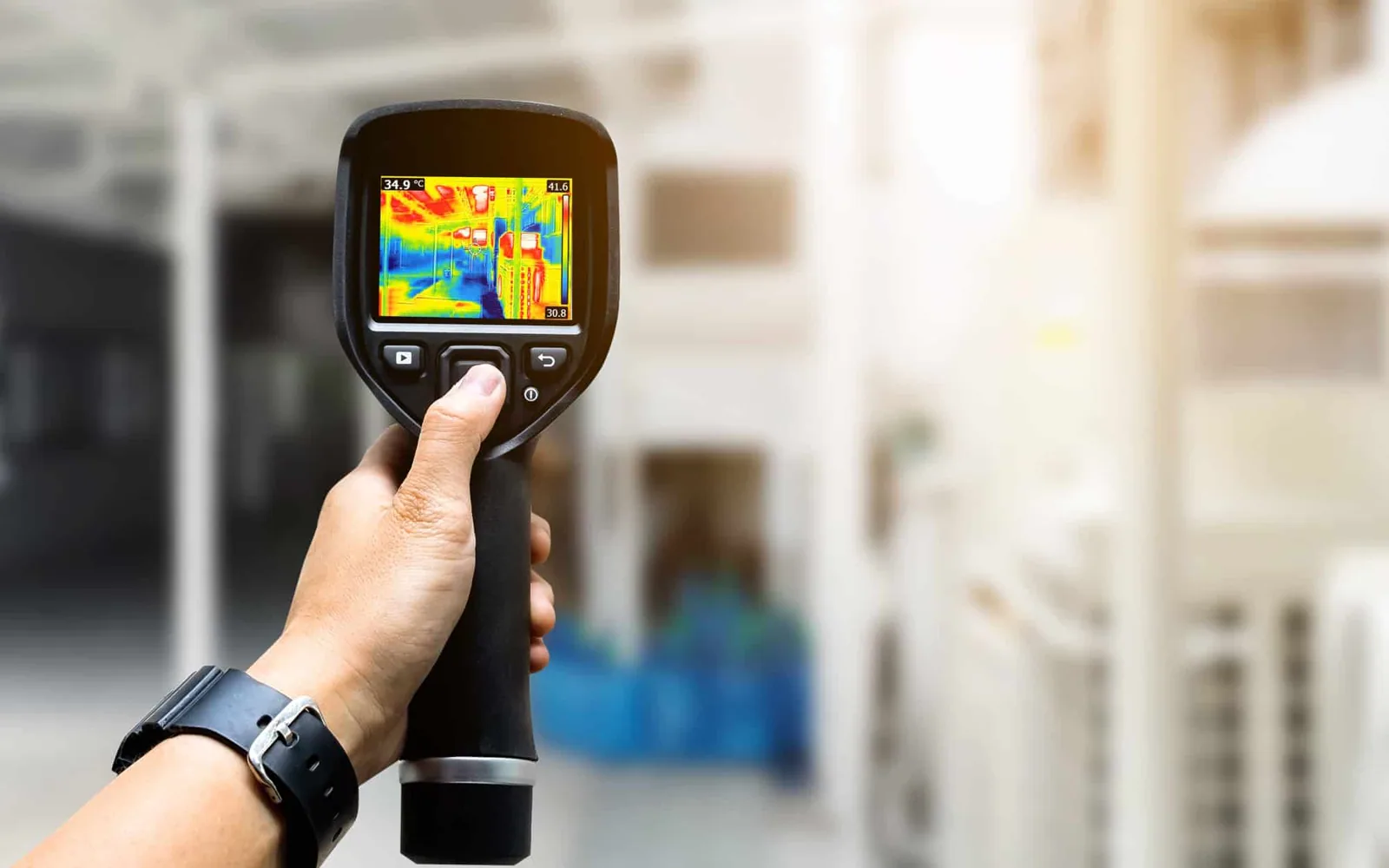
An infrared scan is a quick way to look for wet insulation across a large roof. Wet insulation holds heat longer after sunset, so it shows up warmer on the camera. A warm spot is a lead, not proof. We confirm suspect areas with core samples before deciding what to cut out. The scan narrows down where to look, and the cores tell us what's actually there.
An infrared moisture survey plus confirming cores gives us a solid wet-area map. If the cores show the wet area is bigger or smaller than the scan suggested, we adjust the removal limits and explain the change. You'll see the depth of each repair and the new insulation going in. The quantity in the proposal lines up with what the cores found. Areas we couldn't confirm stay flagged until they're tested, rather than being priced on a guess.
Spot tear-off and new layers
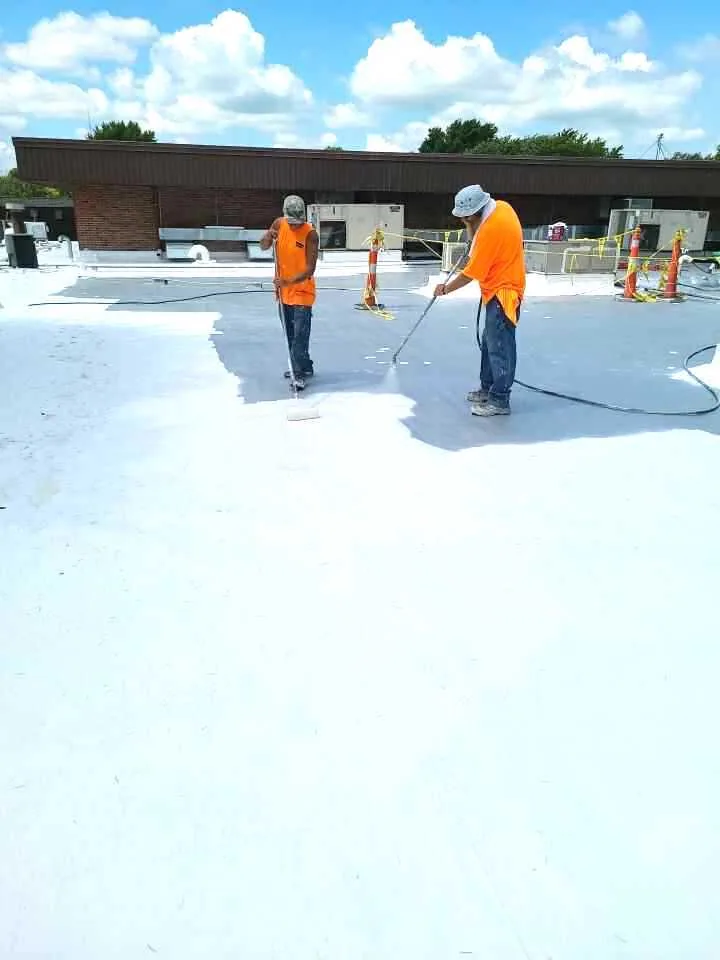
Wet or damaged sections get cut out down to dry material or the deck, then filled with new insulation to match the surrounding roof. We list the depth and size of each cut-out so you can compare bids on equal terms. The rest of the roof stays in place, but it usually still needs prep. That may include cutting blisters, fastening loose areas and laying a cover board or separation layer before the new membrane.
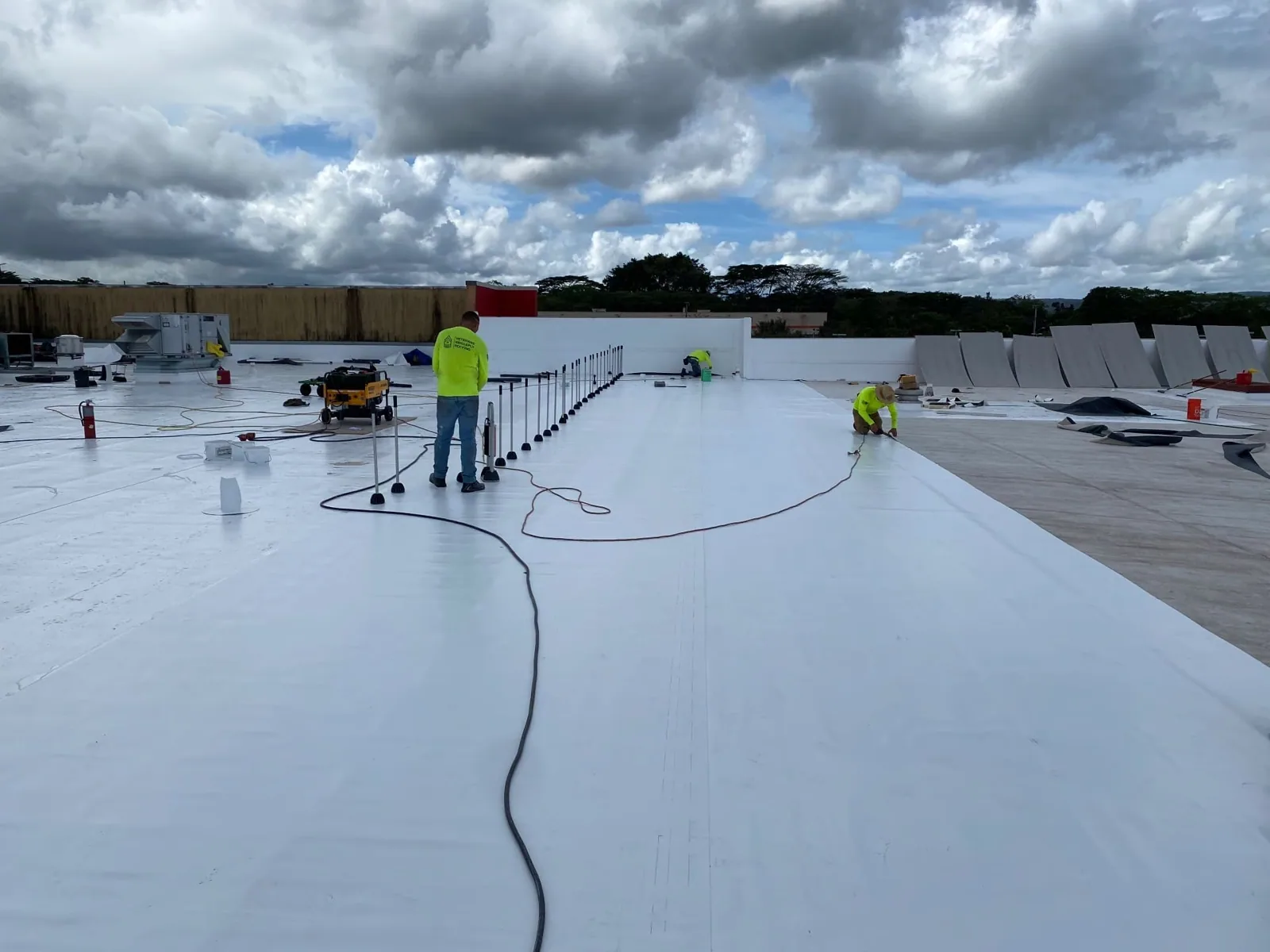
A TPO recover is one common approach. Depending on the existing roof, it may need a cover board or a separation sheet between the old and new membranes, and those parts are named in the proposal along with the fastening plan. If a different product is substituted, we recheck the whole build-up. A recover bid that only lists the new membrane leaves out most of the work that makes it last, so we spell out the prep and repairs underneath.
Walls, curbs and drains
A recover adds thickness to the roof, which affects every place it meets something else. Wall flashing may end up too short, curbs may sit too low, and drains may need extension rings to stay at the low point. We check each wall, curb, edge and drain to see what needs to be extended, raised or rebuilt. A component can stay in place and still need new flashing to work with the higher roof.
Civic buildings like those along South Arizona Avenue often have parapets and older edge metal that need attention during a recover. A PVC recover is another option we price, with its own flashing details at walls and curbs. The proposal lists the detail work for each system. That way you can compare a recover that keeps the existing edge metal with one that replaces it, and see the full cost of each before deciding.
Scheduling and other trades
We confirm the building's access rules, delivery times and staging areas with the property contact before we start. Recovers produce less debris than tear-offs, but they still bring in a lot of material. Rooftop units may need to be lifted for curb work, and that's usually an HVAC contractor's job. We schedule that work before our crew reaches those areas. Keeping the old roof doesn't eliminate the coordination.
We often price a recover alongside a full roof replacement so you can compare. The recover shows the spot repairs and prep. The replacement shows the full tear-off. Both list the flashing work, equipment coordination and any quantities still waiting on test results. That helps you weigh the cost, schedule and long-term value. A smaller tear-off doesn't mean everything else about the job gets simpler, and we point out where it doesn't.
Recording what stays under the new roof
We photograph every cut-out and repair before the new membrane covers it. The record lists what was installed in each area, what existing roof was left in place, and any changes from the original plan. That matters more on a recover than on a tear-off, because the next contractor will be working with two roofs on the deck instead of one.
For buildings in downtown Chandler and beyond, that record makes the next project much easier. When this roof is eventually replaced, the contractor will know how many layers to remove and where the old repairs are. If a leak shows up, it can be traced against the repair map. A note saying "roof recovered" doesn't tell anyone what's underneath. The repair map and layer record do.
Commercial Roofing Questions
How do you know if my Chandler roof can be recovered?
We take core samples to confirm the existing roof is dry and well attached, check how many roofs are already on the deck, and look for damage that would need to be cut out first.
Is an infrared scan enough to decide what to remove?
No. A scan shows likely wet areas. We confirm them with core samples before setting removal limits and pricing the repairs.
Why are spot repairs priced separately from the recover?
Because each wet or damaged area needs its own tear-off depth and new insulation. Listing them separately shows exactly what you're paying to fix before the new roof goes on.
What has to change when a recover adds thickness?
Wall flashing, curbs, roof edges and drains may need to be extended, raised or reset so they still work with the higher roof surface.
What records do we get after a recover?
Photos of each repair before it was covered, the materials installed, what existing roof was left in place, and any changes from the original plan.
See if a recover fits your building
Send us what you know about your current roof. We'll test it, tell you honestly whether a recover makes sense, and show you the repairs and flashing work it would take.
Request a Roof AssessmentAll Commercial Roofing Services