Home / Roof Systems / Modified Bitumen Roofing
Modified Bitumen Roofing in Chandler, AZ
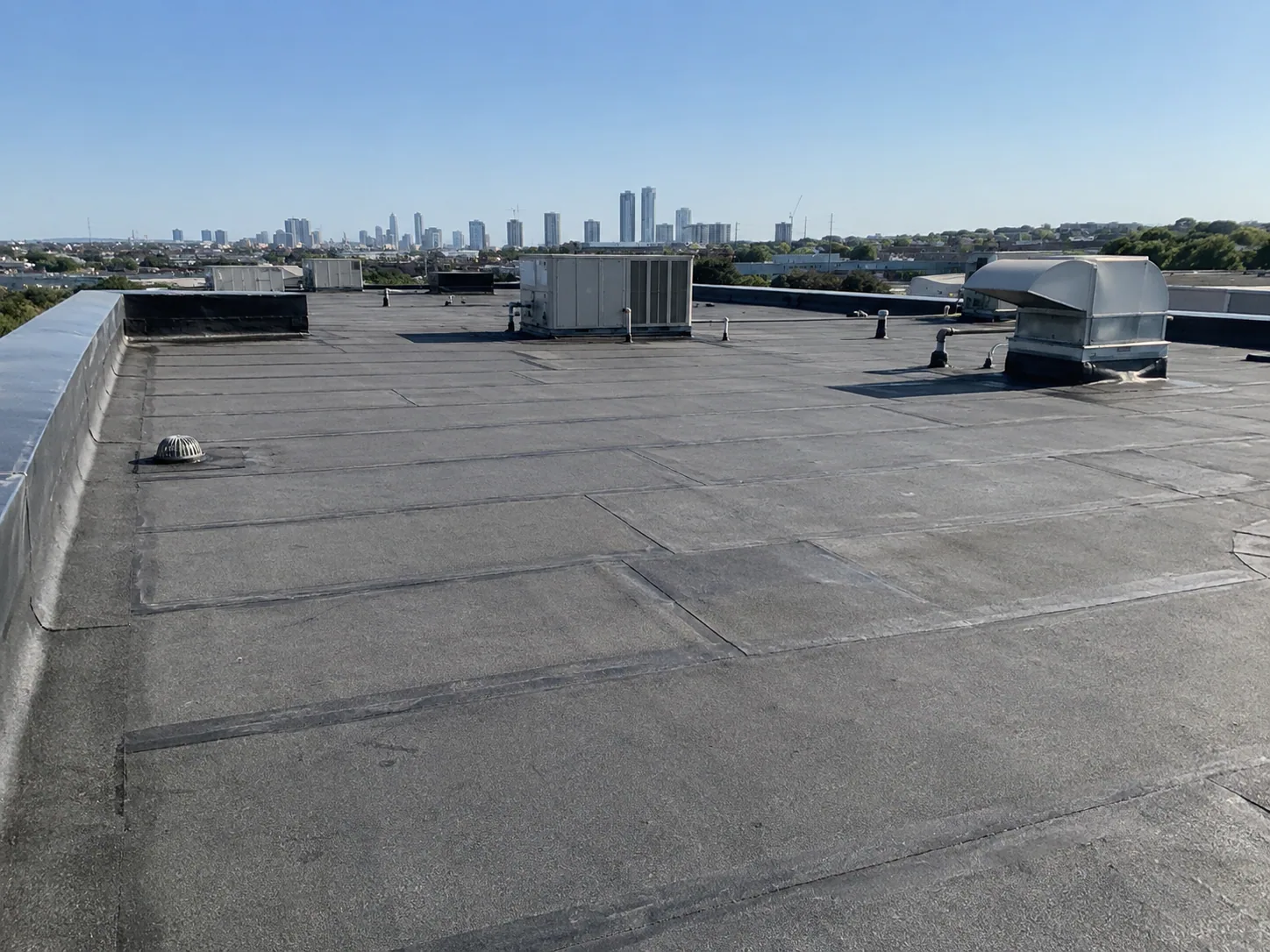
Modified bitumen roofing in Chandler, AZ: SBS sheet selection, torch, cold, self-adhered and mechanically fastened installs, deck prep, lap repairs and flashing.
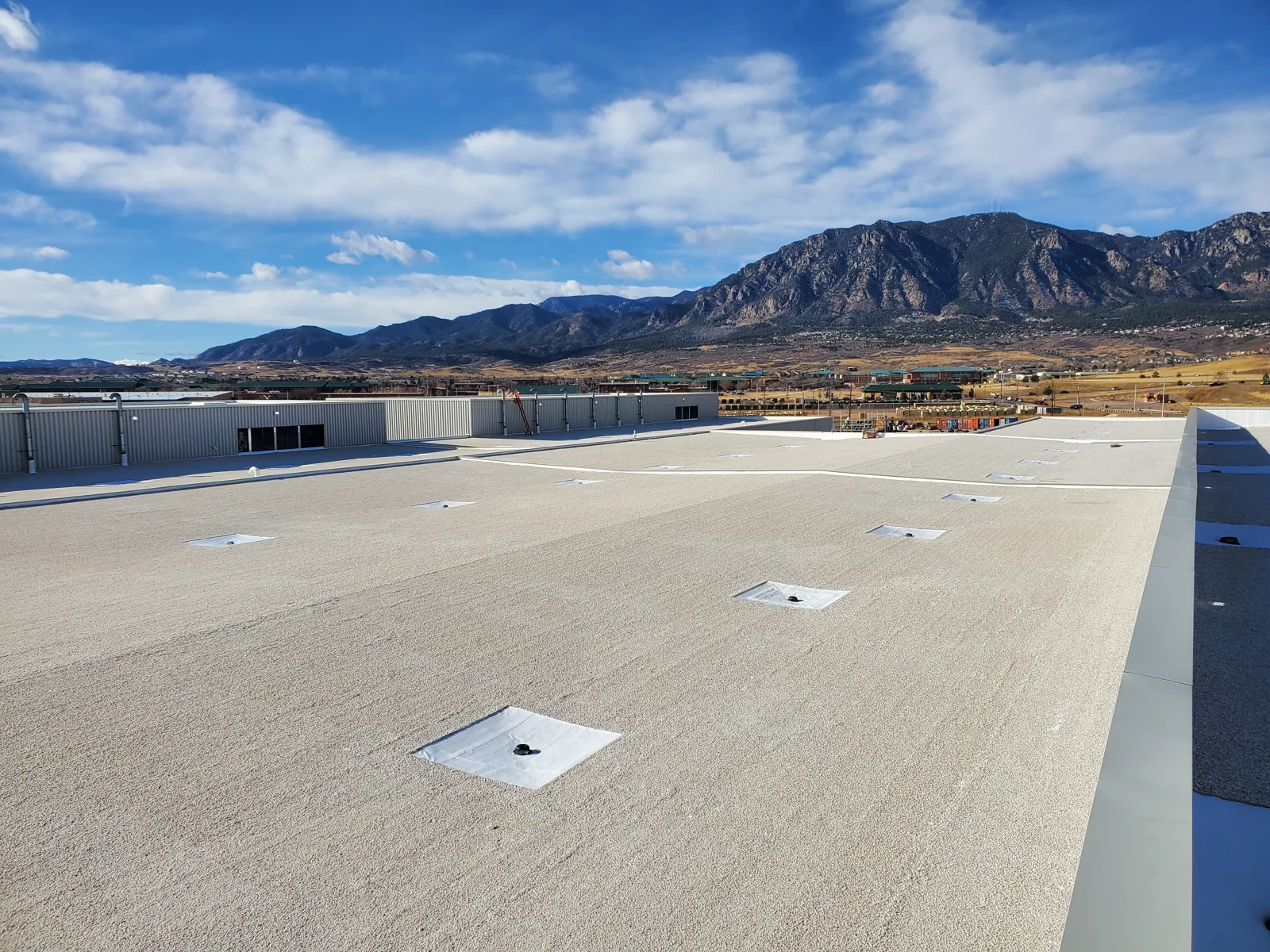
Modified bitumen is a tough, asphalt-based sheet roof used on many schools, offices and retail buildings in Chandler. It is usually installed in two or more layers, with a granule-surfaced cap sheet on top. Before we repair or replace one, we identify what is on the roof now, what the deck and insulation look like and how the new sheets will be installed. Then you can compare tear-off, prep and installation options side by side.
Sheets and installation methods
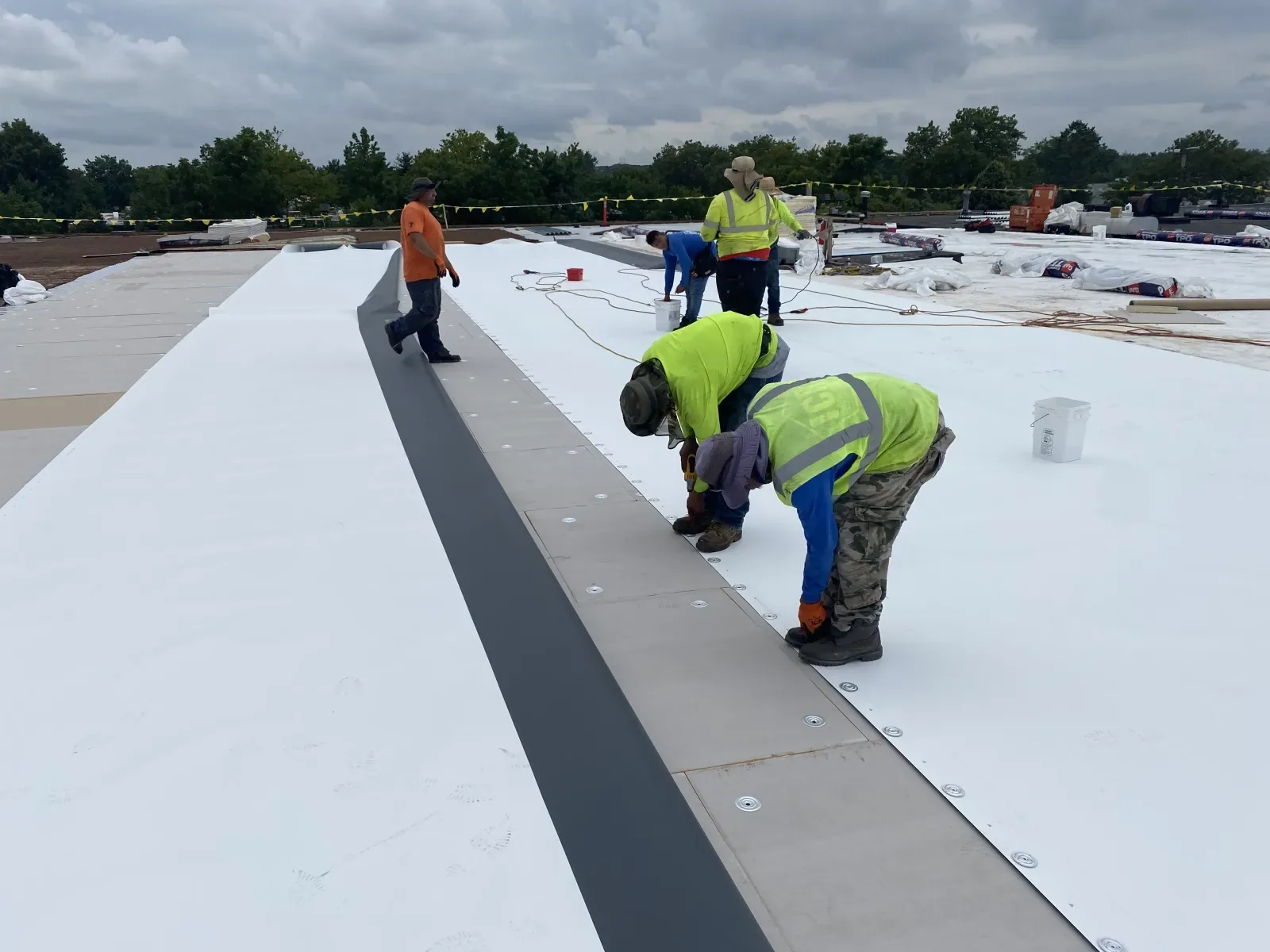
GAF describes its SBS sheets as asphalt modified with styrene-butadiene-styrene, a rubber-like polymer that keeps the sheet flexible. These sheets can be installed several ways: heat welded with a torch, cold applied with adhesive, hot mopped, self-adhered or mechanically fastened. But not every sheet works with every method. Each product has its own installation instructions, and the estimate states exactly which sheets and which method are being used.
The GAF modified bitumen product line includes base sheets, cap sheets and matching flashing and accessories. We confirm which products are in the system and keep the accessories and flashing method matched to them. If the installation method changes, for example from torch to self-adhered, the products and details have to be rechecked.
The method matters for the building, too. Torch work brings fire-safety requirements, and hot mopping produces odor. Self-adhered and cold-applied systems avoid open flame and hot asphalt, which can suit occupied schools and offices. We review those trade-offs with the facility manager before choosing, and the schedule is built around the method selected.
Getting the deck and insulation ready
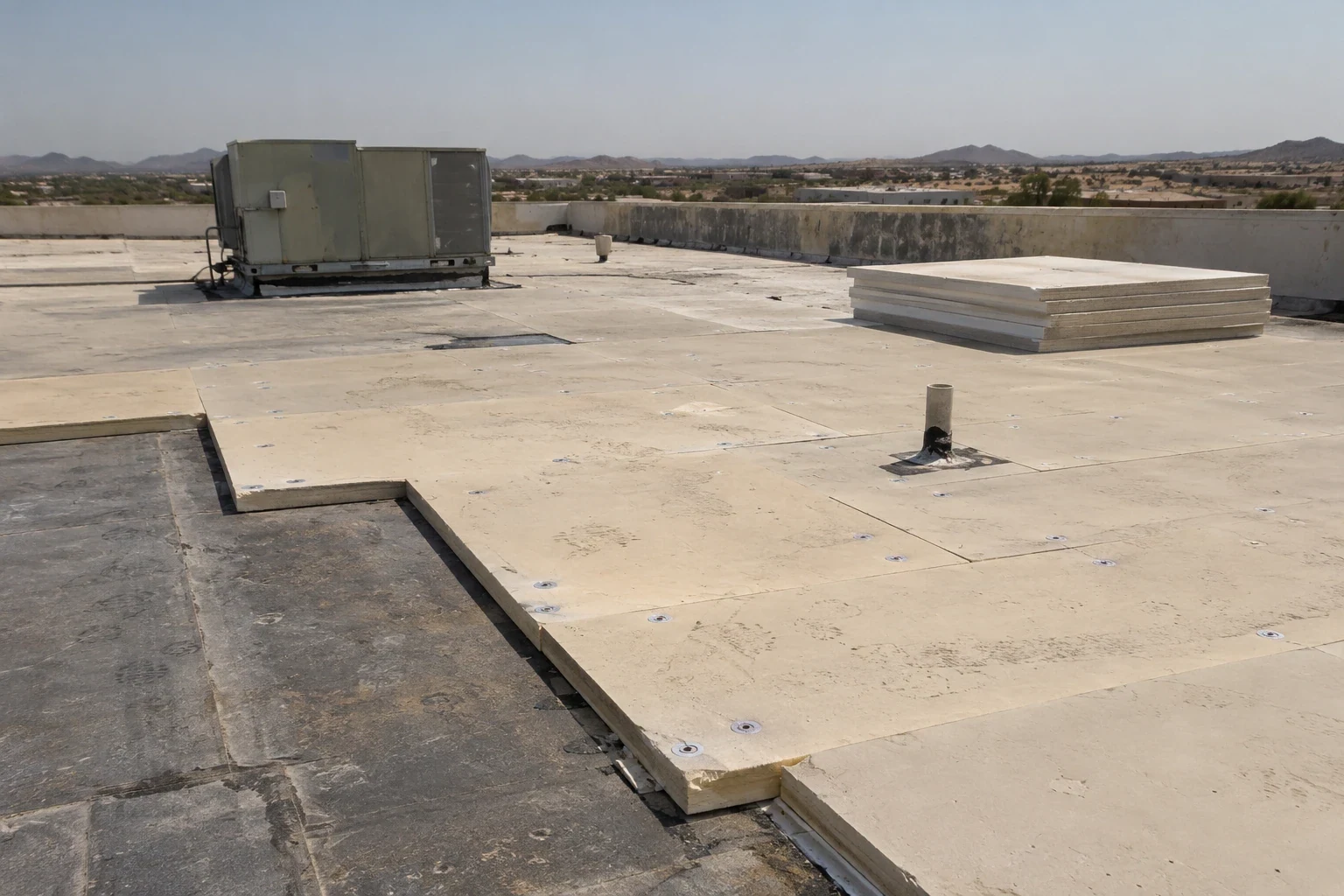
New sheets are only as good as what they are applied over. We check the deck, insulation and cover board for damage, soft spots, gaps and uneven transitions. Wet or crushed insulation is replaced. If the existing roof is staying in place under a recover, we confirm it is dry and sound with test cuts first. All prep work is finished before sheets go down.
Roof insulation and cover board work is listed by location and quantity on the estimate. If we uncover more damage during tear-off, we photograph it and explain why the removal area grew, rather than hiding it inside a general allowance.
Public buildings like city offices often have long roof histories and older layers underneath. On any building, we confirm the exact roof area, review available records, and show the prep work and new layers planned for that area. Photos of the deck and insulation before they are covered become part of the job record.
We document any repaired deck or replaced insulation before covering it, along with the materials used.
Laps, splits and layered repairs
Leaks on modified bitumen roofs often start at laps, where one sheet overlaps the next, or at old repairs. We check the laps, earlier patches and the sheet around the problem. A split in the cap sheet alone is a different repair from damage that goes through to the base sheet or insulation. The estimate says which layers are affected and how they will be fixed.
Some buildings have built-up roofing instead, made of felt plies and hot asphalt. The two systems look similar from the ground but are repaired differently, so we confirm which one you have. If you are switching systems, old patch methods do not carry over to the new roof.
We set the repair area based on what we find. Damaged material is cut out, or the new sheet is bonded over sound material around it, following the product instructions. You will know what is staying under the repair and whether anything still needs testing before a final decision.
Flashing at walls, curbs and drains
Walls, curbs and drains are where modified bitumen roofs most often fail. We check the base flashing, the counterflashing above it and the wall or curb it is attached to. If the curb is loose or the wall surface is damaged, it is repaired first. The flashing sheets match the field sheets, so the whole system works together.
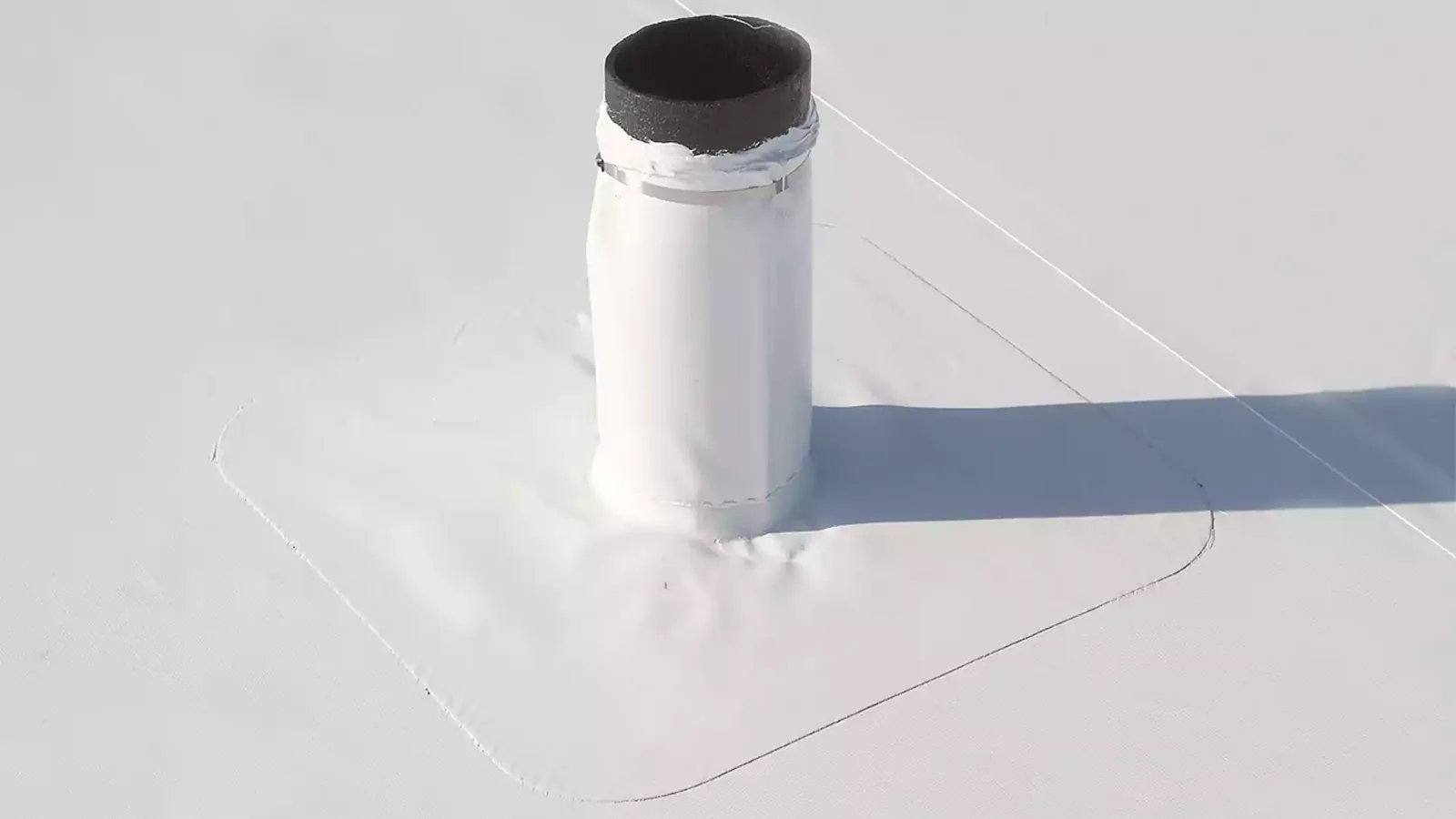
Skylight and penetration flashing is done once any curb or equipment work by other trades is finished. We measure the final curb height and size and adjust our details if they changed. A finished sheet should never cover a curb that still needs repair.
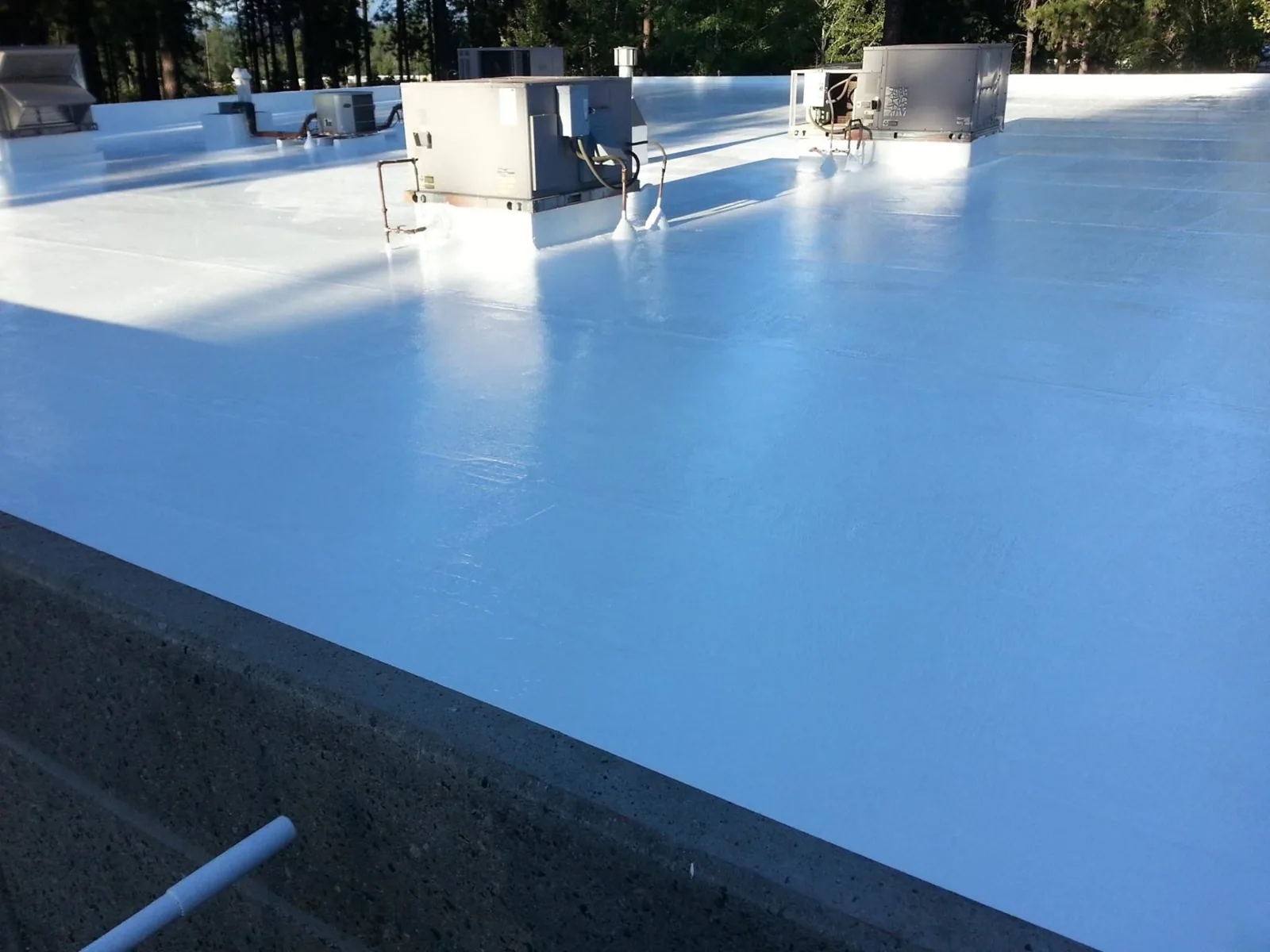
Some owners ask whether silicone roof coatings could be an alternative. On a sound modified bitumen roof, a coating can extend its life. But damaged sheets and wet insulation still need repair first, and the coating has its own prep requirements. We lay out both options so you can compare them fairly.
Scheduling and records
We plan the work around the building's schedule, with tear-off areas, material delivery and roof access agreed in advance. The installation method affects timing, especially torch work, which needs a fire watch and safe distances from intakes and combustibles. Deck repairs and any curb or drain work happen before new sheets go down.
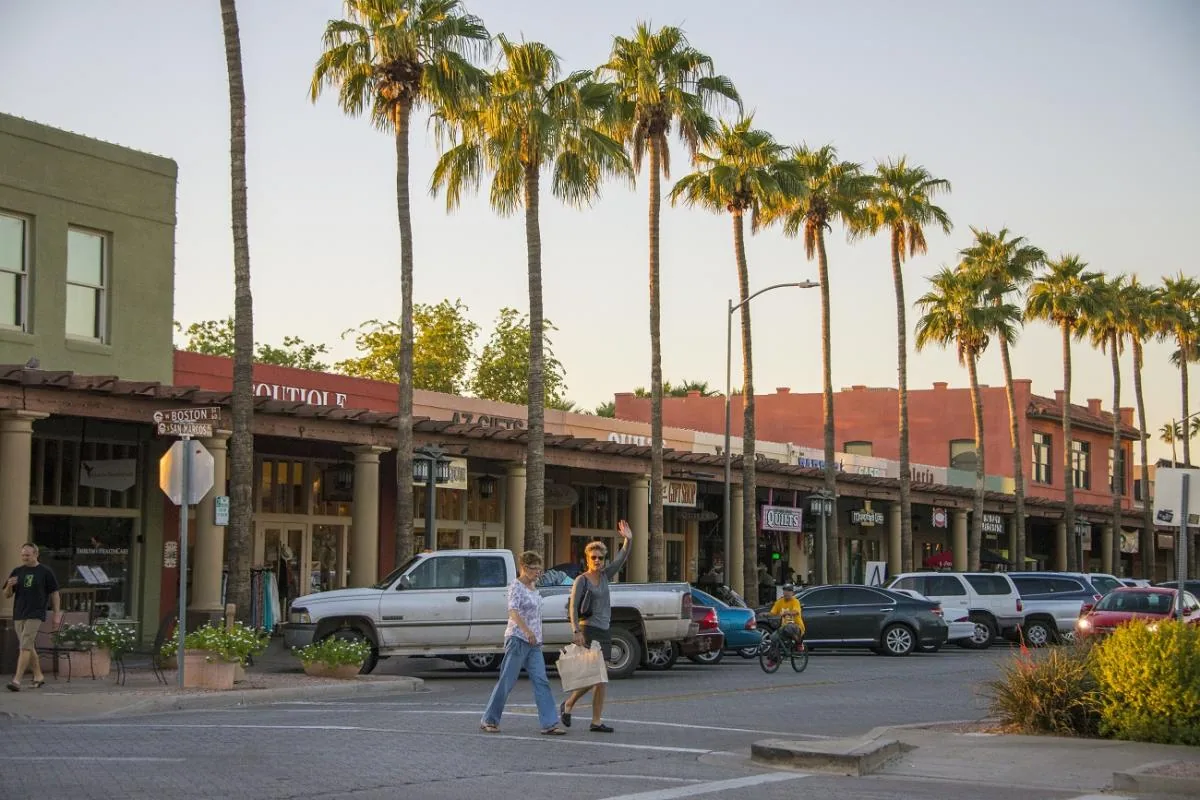
For modified bitumen roofing in Downtown Chandler and elsewhere in the city, we confirm the exact roof area, review records and set access with the property manager. Older downtown buildings can have tight access and limited staging space, which shapes how materials get onto the roof. The crew works from a plan showing the method, materials and prep for each area.
At the end of the job, you get the sheet products and installation method used, photos of deck and insulation repairs before they were covered, and the locations of repairs and new flashing. Recommendations for future work are listed separately. That record lets anyone who works on the roof later see what is under the cap sheet without guessing.
Commercial Roofing Questions
What should a modified bitumen estimate specify?
The base and cap sheets, the installation method, deck and insulation repairs, how laps and flashing are handled, and what existing layers are removed or kept.
Can any SBS sheet be installed any way?
No. SBS sheets can be torched, cold applied, hot mopped, self-adhered or mechanically fastened, but each product has its own approved methods and instructions.
How do you assess a split in the cap sheet?
We check whether the damage stops at the cap sheet or goes into the base sheet and insulation. That decides whether a surface repair is enough or more layers need to be replaced.
Why fix curbs and walls before flashing?
Flashing needs a solid, final surface. If a curb is loose or about to be changed, new flashing on it will pull apart or need to be redone.
What information should we keep after the job?
The products and installation method, photos of deck and insulation repairs, locations of repairs and flashing, and a list of any recommended future work.
Talk to us about your modified bitumen roof
We will check the sheets, laps and flashing, review the deck underneath and explain the right repair or replacement method for your building.
Request a Roof AssessmentAll Roof Systems