Home / Commercial Roofing Services / Commercial Roof Inspection
Commercial Roof Inspection in Chandler, AZ
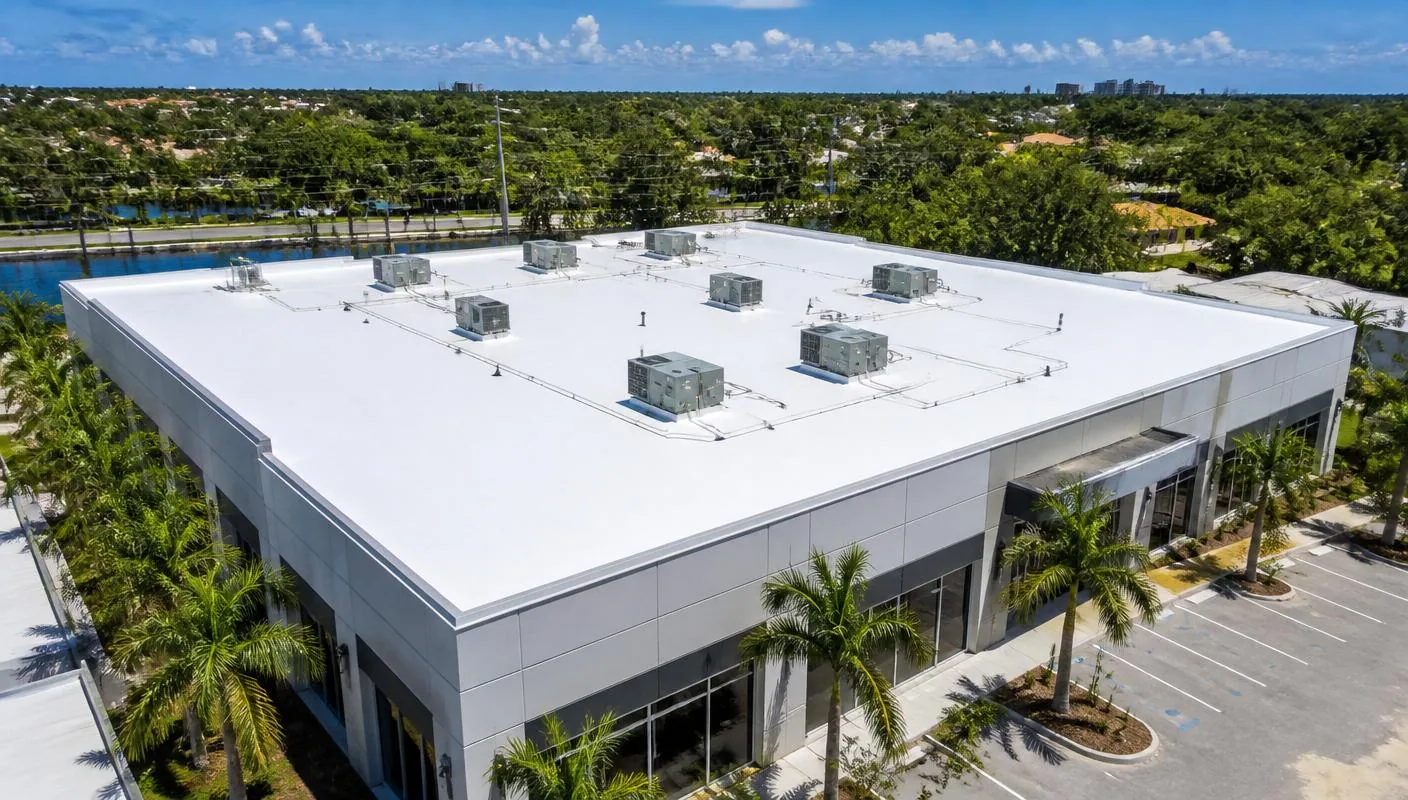
Chandler commercial roof inspection records individual roof areas, observed material conditions, assessment limits and the next actions supported by findings.
A school inspection needs the assigned buildings identified separately. The facility director should provide the available roof information. We organize Chandler commercial roof inspections by recognizable areas. Identify the materials documented for each one. Confirm actual access arrangements with the representative. Then develop the observation record around the requested assessment. Different construction should retain its own findings throughout the report.
For requested Chandler Unified School District work, we would confirm the assigned campus and buildings. The district contact address is 1525 West Frye Road. That contact reference would help establish the representative for the assignment. The actual campus instructions would govern inspection coordination. We would record accessible observations by roof area. Any limitation would appear beside the finding it affects. The recommendation would distinguish an observed condition from a concealed question requiring another assessment before a repair quantity is finalized.
Area register
Prepare a useful reference for the roofs included in the visit. Identify adjoining areas and changes in construction. Use supplied records where available, with their relevant locations. Do not assume separate buildings share the same material. An addition can have its own arrangement. The inspection record should preserve that distinction when findings are compared.
A roof condition report should map each area, condition, and supporting evidence. Show the assessed locations and the information supporting their material identification. Keep an uncertain layer description distinct from documented construction. The facility director can then identify what was inspected. A later proposal can use the same area references. Several roofs should not become an indistinguishable condition summary simply because the inspection was requested under one assignment.
Surface observations
Record accessible roofing conditions with useful photographs. Locate splits, punctures, damaged patches or other observed material defects. Describe what the inspection establishes at that position. Keep the observation separate from an unconfirmed cause. A surface photograph cannot explain every concealed layer. The report should identify when another assessment is needed to develop that construction.
An inspection-to-repair recommendation should connect each defect with the correction proposed. Show the affected material beside the proposed work. If a local opening is appropriate, identify the question it would address. Arrange its authorization and correction under the actual assignment. The manager needs the reason for that investigation. An unresolved depth should not quietly become a settled removal quantity within a surface inspection report.
Connections and components
Inspect accessible seams, flashing and adjoining components. Locate the roof connection in each useful photograph. Review existing repairs where they affect that detail. Identify damaged support or component construction separately from the roofing. A membrane finding and a component duty need distinct descriptions. The recommendation should explain how they relate without hiding either task.
A penetration and flashing review should record each accessible connection and support condition. Name the observed location and affected material. Show further investigation where the component cannot be assessed during the visit. Keep that limitation beside the recommendation. The facility director can then arrange the relevant next step. A flashing correction should not reach installation with its supporting responsibility still buried in a general observation that the detail needs attention.
Drainage observations
Locate outlets and accessible drainage connections within the inspection reference. Record visible debris, damaged components and relevant water marks. Distinguish an observation from a completed flow assessment. A mark may warrant investigation without establishing its cause. The report should explain what was seen during the visit. Any proposed cleaning or further assessment needs its own task.
A drainage inspection should record outlets, observed conditions, and proposed cleaning or connection work. For requested civic work, Chandler City Hall would be referenced at its municipal location, number 175 on South Arizona Avenue. The assigned roof observations would establish the tasks. Record who arranges any component operation. The manager should understand whether the inspection observed an outlet or included additional drainage work. Those are different completion states and should remain distinguishable in the account.
Assessment limits
Identify areas inaccessible during the inspection. Explain the limitation affecting each relevant recommendation. Review actual building instructions before arranging a return visit. Keep equipment-related restrictions with the responsible representative. The roof assessor should not assume permission to move or operate another trade's component. The report should identify the next coordination required.
A due diligence inspection should state observed conditions and further access required before a purchase decision. Identify what the available findings support. Show where concealed information remains unresolved. The owner needs that distinction before comparing roof options. An inaccessible area should not inherit the condition of its accessible neighbor. A later visit should use the same location reference so its additional findings can be connected with the original assessment rather than becoming a separate unexplained conclusion.
Action record and comparison
Link each recommended action with its observed condition. Separate a proposed repair from further investigation and later observation. Explain the reason for the recommended sequence. Do not predict a definite failure date from a limited visit. The facility director needs a practical next task. Its location and supporting finding should remain recognizable on the first action sheet. Identify the person arranging that next task.
For West Chandler inspection records, keep useful dated photographs. A subsequent inspection can revisit the same locations. A completed repair can be marked against the earlier recommendation. Additional findings can explain a changed quantity. The manager can then compare actual observations across visits. A clear report remains useful because it preserves the condition, limitation and action behind the summary instead of reducing the whole roof to one unsupported forecast.
Commercial Roofing Questions
How should several Chandler roofs be organized in one inspection?
Give individual areas recognizable references and material descriptions. Keep each location and its findings separate so another building does not inherit the same condition summary.
Does a surface inspection establish every concealed roof layer?
Additional assessment may be needed where concealed information affects the recommendation. Identify the question and location before treating removal depth as a settled quantity.
What belongs beside an inaccessible inspection area?
Explain the limitation and the next access coordination required. Keep the affected recommendation conditional until the relevant location can be assessed.
Does observing a drain mean its flow has been assessed?
Visible observations and completed drainage work are different tasks. Record what the visit included and identify cleaning or further component assessment separately.
How can the inspection record support a later visit?
Retain locations and dated photographs with their findings. Compare new observations against the same references and identify completed repairs or changed recommendations.
Inspection planning meeting
Bring the facility director and available roof records. We will identify the assigned areas, confirm access instructions and develop the observation and action references for the visit.
Request a Roof AssessmentAll Commercial Roofing Services