Home / Property Types We Roof / Manufacturing Plant Roofing
Manufacturing Plant Roofing in Chandler, AZ
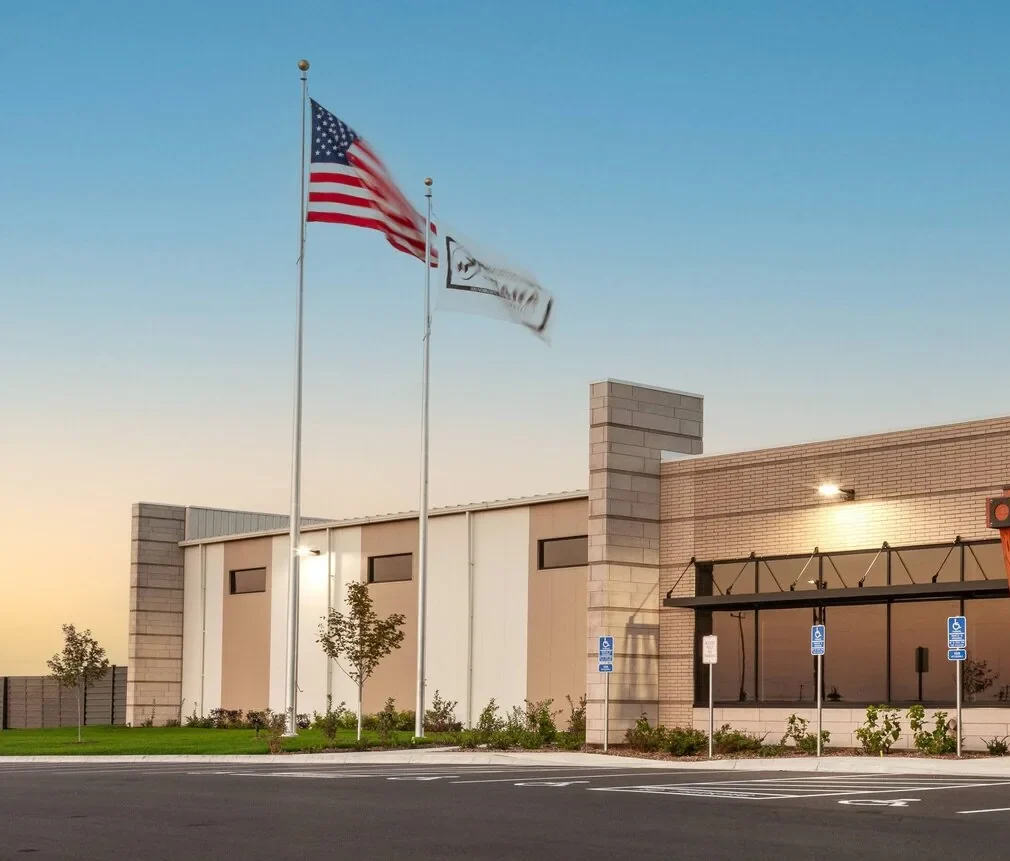
Manufacturing plant roofing in Chandler, AZ: leak diagnosis around process equipment, PVC and single-ply repairs, curb flashing and phased replacement planned with plant teams.
A manufacturing plant's roof sits over production lines, clean areas, chemical storage and expensive equipment. A leak can stop a line; dust or fumes from roof work can be just as disruptive. For manufacturing plant roofing in Chandler, AZ, we start with the plant team: what runs below the roof, which areas are sensitive, and when work can happen. Then we inspect the roof and explain whether the problem calls for a repair or a larger project.
Send us the plant address, where you are seeing water or damage, and any roof drawings or repair records. For plant roof work in the Price Corridor or elsewhere in Chandler, we coordinate access through your facility or maintenance manager. We inspect the roof above the problem, document what we can see and flag what needs a closer look. The estimate is based on what we actually find. Your team then reviews how the work fits around production before anything is scheduled.
Working around production
Every plant has its own rules. Some areas cannot have dust. Some processes cannot be interrupted. Some equipment exhausts through the roof and cannot be shut down without planning. We meet with the plant team to learn which areas are under the work, which air intakes need protection, what safety training or permits are required, and when noisy or odor-producing work is allowed. The material route, crane placement and dumpster location are chosen to stay clear of forklift traffic and loading docks.
Each phase of work gets its own plan. Before opening a new section, we go back over what is underneath with the plant team. Any equipment that needs to be shut down or protected is handled by your maintenance staff or their contractors first. Each section is sealed before the crew leaves. If hidden damage expands the area, we stop and review it with the plant team before going further, so production planning stays accurate.
Membrane, seams and the deck
Many plants have single-ply roofs, and a PVC roof is common where exhaust carries oils or chemicals, since PVC holds up better to them than some other membranes. Repairs have to match the existing membrane. PVC is heat-welded, and older membrane needs to be cleaned and tested before a new patch will weld properly. We check the seams, the membrane condition and how it is attached before choosing the repair method.
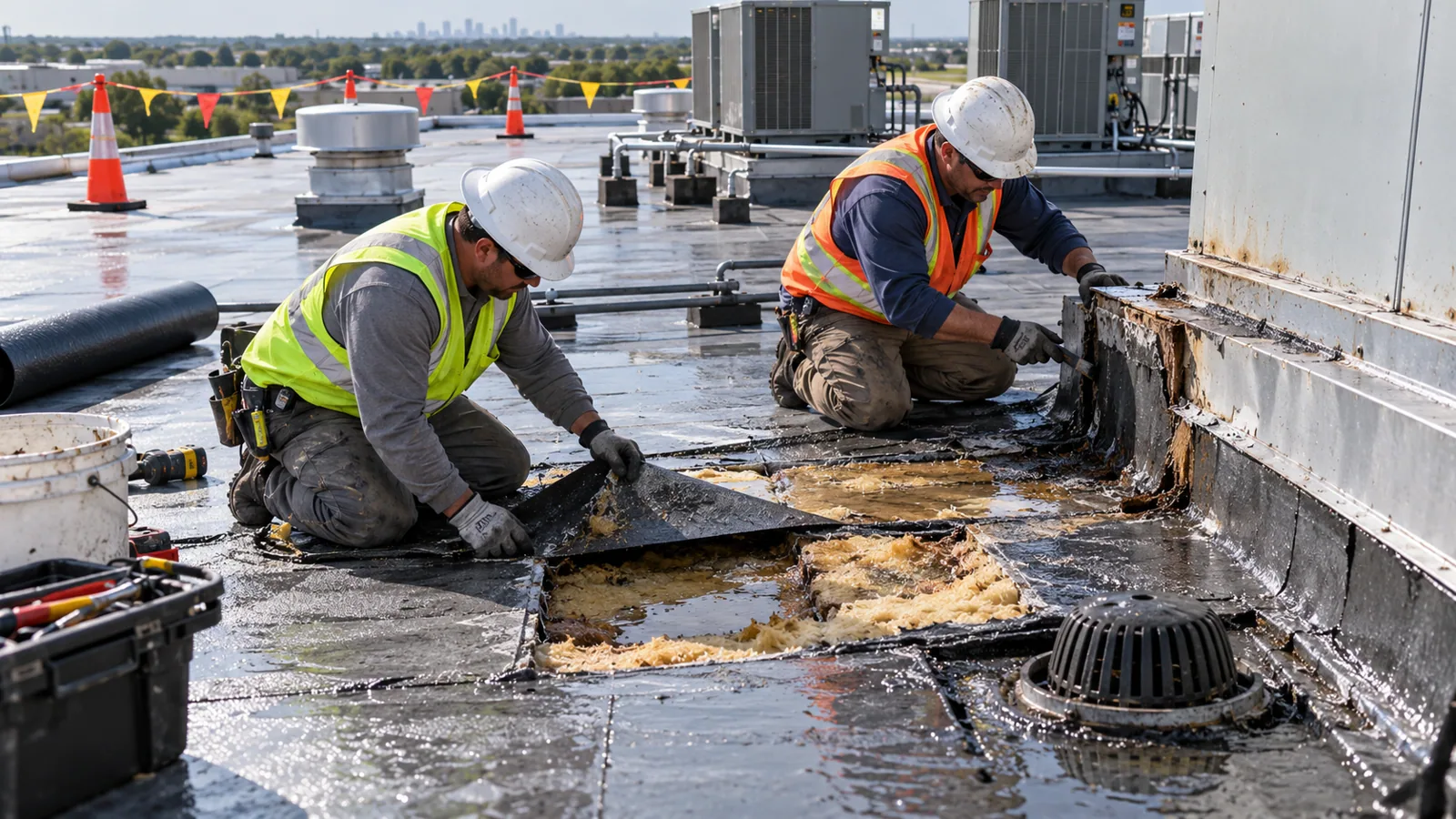
Under the membrane, the insulation and deck matter just as much. Wet insulation loses its value and can lead to deck corrosion over time. If we suspect moisture, small test cuts confirm it. At walls, we check the backing behind the flashing; rotted wood or loose metal needs to be fixed before new flashing goes on. The estimate lists what comes off and what goes back, so it is clear what you are paying for.
Roof leaks vs. process and equipment water
Plants produce a lot of water that is not rain: process exhaust condensate, cooling tower drift, compressed-air drains and leaking pipes. A commercial roof inspection starts above the wet spot inside and works outward, checking seams, penetrations, curbs and drains. If the water is coming from equipment rather than the roof, we tell the plant so their maintenance team or contractor can fix it at the source. Each finding is photographed and marked on a roof plan.
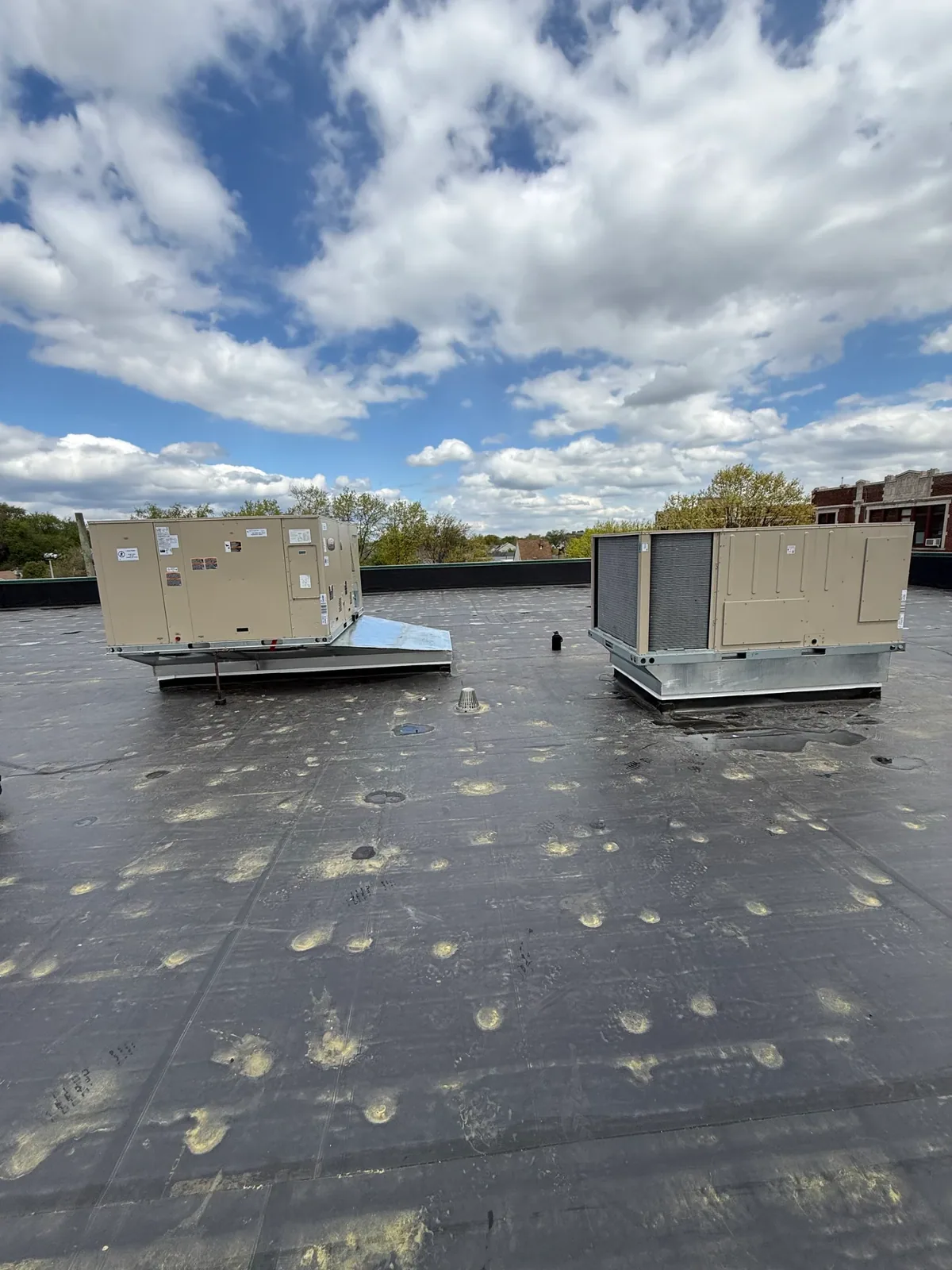
Rooftop exhaust fans, process vents, ductwork and pipe racks put a lot of holes in a plant roof. Work on rooftop equipment curbs and supports is coordinated with whoever owns the equipment. If a fan or duct needs to be lifted so we can flash it properly, plant maintenance handles that first. Anything structural goes to an engineer. Curbs waiting on another trade get temporary protection.
Repair and phased replacement
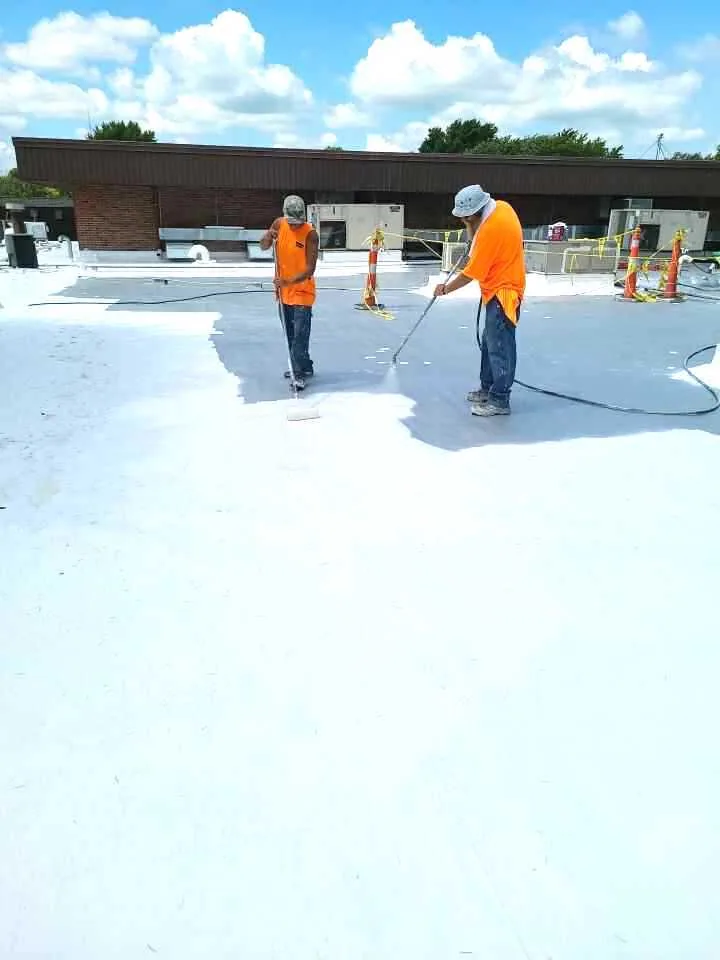
A good commercial roof repair starts with checking the membrane and insulation around the problem. If they are dry and sound, a repair will hold. If insulation is wet or seams are failing over a wide area, a repair only buys time. A coating can extend a sound roof's life, but it should never go over wet insulation. Access, disposal and coordination with plant equipment can change the price significantly, and we show you how.
A commercial roof replacement on a working plant is usually phased. The estimate lists insulation, cover board, attachment, membrane and details at curbs, walls and drains for each phase. For reroofing while the plant keeps running, phases are sized around production areas below. Smaller phases can mean less disruption but more mobilization cost. We lay out those trade-offs so you can make the call.
Records and maintenance
Plants change over time, adding equipment and openings. A flex industrial roof sees the same churn from tenants, and a data center roof has similar equipment density. At a plant, good records matter because many contractors work on the roof. When a project wraps up, you get photos of the finished work and patched test cuts, material and warranty information, final quantities and a list of open items for other trades.
Regular maintenance visits check drains, seams, curbs and recent penetrations and report what we found and fixed. Debris and process residue can be cleared from drains. Where hidden damage might affect a future decision, we recommend testing rather than guessing. Warranty questions are answered from the actual paperwork and terms. If a leak threatens production, call any time, including nights, weekends and holidays. Your team arranges access and protects equipment below, and we stop the water and explain the permanent fix.
Commercial Roofing Questions
What does the plant team need to tell us before roof work?
Which areas and equipment are below, which processes cannot be interrupted, which air intakes need protection, required safety training or permits, and when noisy work is allowed.
How do you repair a PVC or other single-ply roof on a plant?
Repairs must match the existing membrane. PVC is heat-welded, and older membrane needs cleaning and a test weld first. We also check the insulation and deck underneath before choosing the repair.
How do you tell a roof leak from process or equipment water?
We inspect the roof above the wet area and check nearby exhaust fans, vents, condensate drains and pipes. If equipment is the source, plant maintenance fixes it; if the roof is the source, we repair it.
What should a replacement estimate include?
Insulation, cover board, attachment, membrane and details at curbs, walls and drains, plus access, disposal and coordination with plant equipment. Phasing choices also affect cost.
Plan your plant roof work
Have your facility or maintenance manager contact us with the plant address and the problem. We will inspect, coordinate with your team and lay out repair or phased replacement options.
Request a Roof AssessmentAll Property Types We Roof