Home / Service Areas / Gilbert
Gilbert Commercial Roof Repair and Work Planning
Commercial roof repair in Gilbert, AZ: retail and shopping center leaks, coating restoration prep, recover and replacement planning, with work scheduled around tenants and shoppers.
On a shopping center roof, a leak usually shows up first as a complaint from a tenant: a wet ceiling tile over a register, a drip in the stockroom, a stain spreading near the front entrance. We start by asking the property manager which suite and which spot, then inspect the roof above it before we plan deliveries or crew time. A leak repair and a coating proposal need different information, and we'll tell you which one the roof actually calls for. If something under the surface still needs checking, we say that too, so your next decision is based on facts.
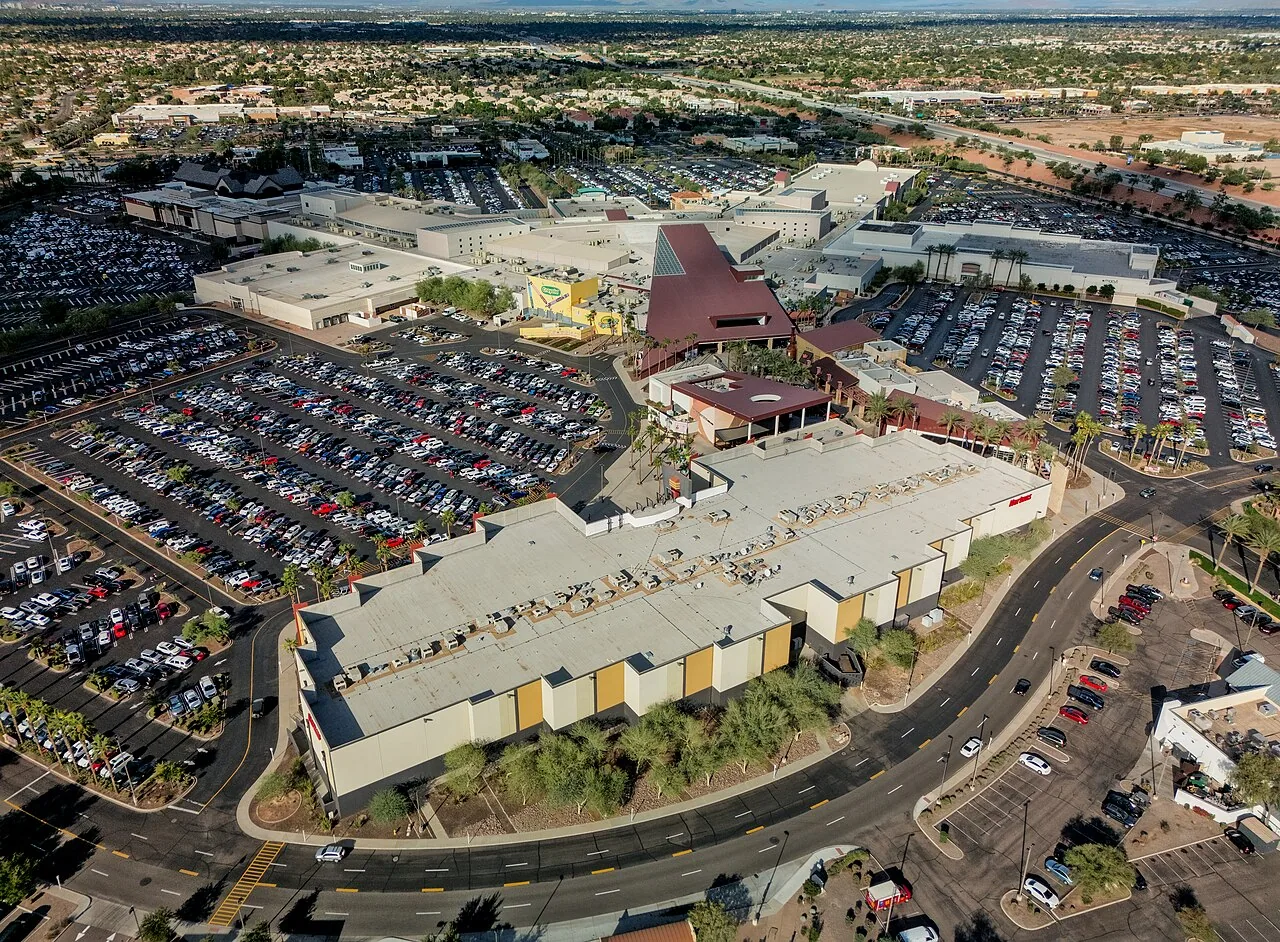
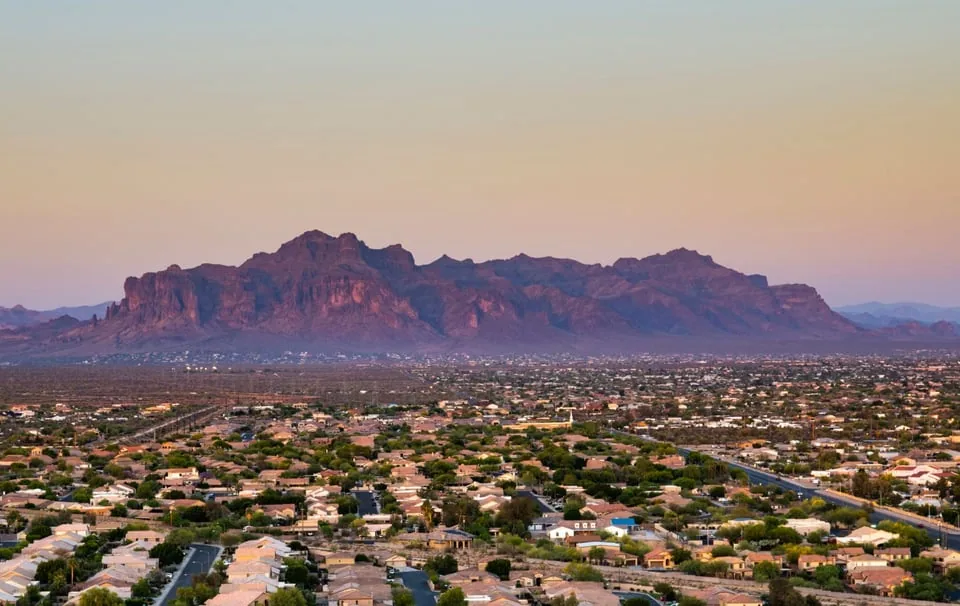
Gilbert borders Chandler to the east, with Loop 202 running along its southern and eastern edge. Send us the property address and what tenants are reporting, and we'll inspect the roof. We also work around Chandler Fashion Center and across Mesa. Each property gets its own inspection and access plan.
Leak report and exterior connection
We start inside with the tenant or property manager, marking where water appears and when. Does it leak only during heavy monsoon rain, or every time the rooftop unit runs? Then we go up and check the seams, flashings, curbs, drains and penetrations above and upslope of that spot.
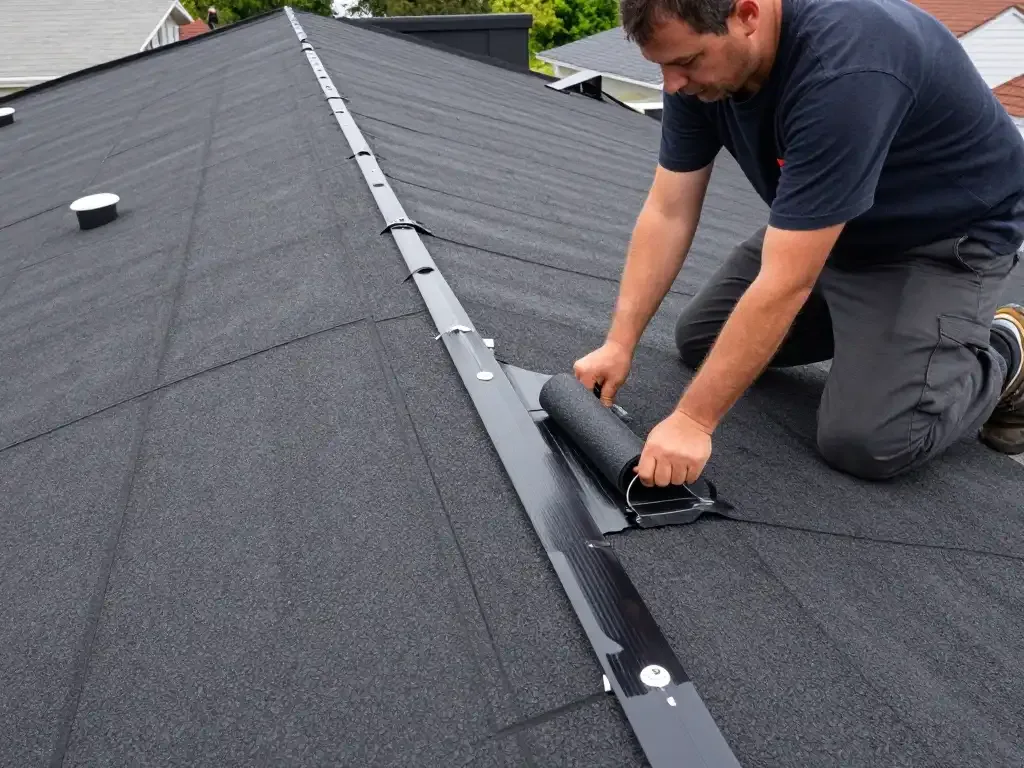
For leak repair in Gilbert, we look for the actual opening rather than patching everything nearby. Water often travels along the deck before it drips, so the stain may be several feet from the source. Rooftop HVAC units on retail buildings are another common culprit. A clogged condensate line or cracked drain pan can look exactly like a roof leak from inside, and that's a job for the mechanical contractor.
Every defect we find is photographed and its location marked. If we can't pin down the source on the first visit, we explain what we checked, what we ruled out and what the next step is. That's how you avoid paying for three patches in the wrong places while the tenant keeps complaining.
Retail routes and interior coordination
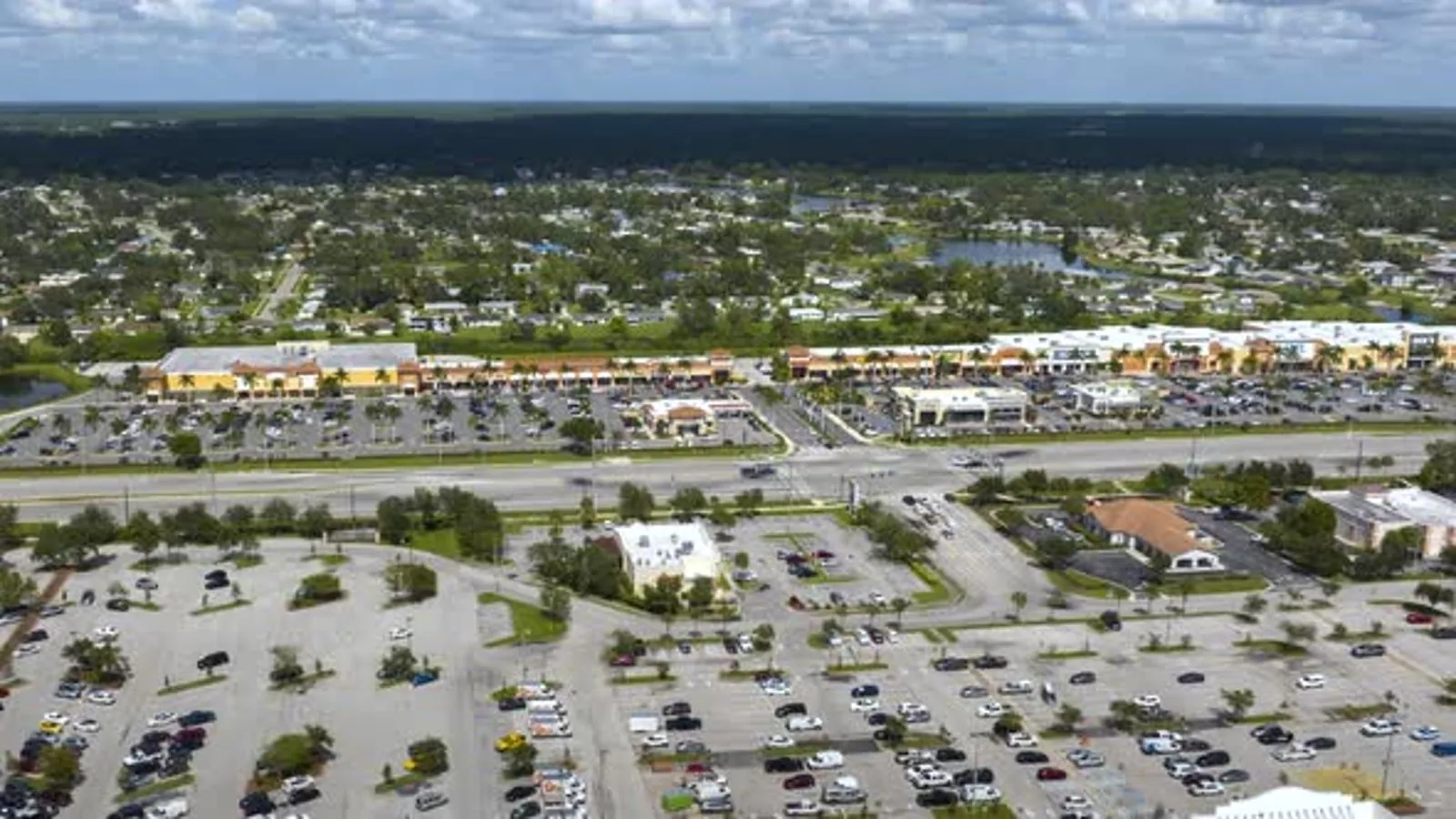
Retail centers stay open during roof work, so planning access matters as much as the repair. We ask which entrances must stay clear, when tenants receive deliveries and where we can put a lift, ladder or dumpster without blocking customers, fire lanes or loading areas. If materials need to be hoisted near storefronts, we set up barriers and may schedule that part early in the morning.
For shopping center roofing, tenant mix matters. A restaurant receives deliveries early and has kitchen exhaust on the roof. A medical or dental suite may be sensitive to noise and odors. A grocery anchor may have refrigeration equipment that can't be disturbed. We ask who should notify tenants and what hours to avoid.
Inside, if water is actively coming through, we ask whether merchandise or equipment needs to be covered or moved. Small repairs barely affect the center. Larger projects need a staging plan, and we review it with the property manager before scheduling. If the scope grows once the roof is opened, we walk through the revised access and barriers again before the crew continues, so tenants aren't caught off guard by a dumpster that suddenly moved to their back door.
Coating suitability and preparation
Roof coating restoration can add years to a retail roof, but only if the roof underneath is a good candidate. Coating doesn't fix wet insulation, open seams or failed flashings. Those have to be repaired first, and if moisture is widespread, coating is wasted money.
Before recommending a coating, we check for moisture with a meter or test cuts, inspect seams and flashings and confirm the coating is compatible with the existing membrane or spray foam. The wrong coating on the wrong roof can peel within a season or two.
Preparation is most of the job. The roof is power-washed or cleaned to remove dirt and chalking. Wet sections are cut out and replaced. Seams are reinforced, blisters are repaired and flashings are rebuilt where needed. Ponding areas get attention, since some coatings don't tolerate standing water. If the roof qualifies, we explain what the prep covers and the maintenance the coating will need over time.
Recover replacement and material findings
When a retail roof has had repeated leaks or the coating keeps failing, it may be time for a recover or replacement. We check moisture across the roof, confirm how many layers already exist, inspect the deck where possible and look at how the roof is attached. Those findings decide which option makes sense.
Roof capital planning helps owners of multi-building centers budget ahead. We assess each roof section, estimate its remaining life in general terms and recommend a sequence: repair now, coat later, or replace on a planned schedule. Tackling the worst roofs first prevents emergency work on buildings that should have been replaced already.
A larger project needs more information than a leak repair. We may take additional test cuts or moisture readings before giving a price. We also explain how the work would affect tenants, including deliveries, noise, staging and how much roof would be open at once. On a center with several buildings, phasing one building at a time often keeps disruption manageable and spreads the cost over more than one budget year.
Protection and completion record
Not every job finishes in one visit. If we're waiting on materials, a mechanical contractor or an approval, any open area is sealed with temporary protection before the crew leaves. The property manager knows what's finished, what's temporary, what's next and who to call if water appears.
If we find hidden damage once the roof is open, such as wet insulation, a rotted curb or a corroded deck, we stop and show the property manager before expanding the work. Every approved change is recorded with photos and the reason it was needed.
At closeout, management receives before and after photos, pictures of any hidden repairs, approved changes and a list of anything we noticed but didn't fix. That record helps with tenant questions, insurance claims and budgeting. It also gives the next roofer a clear starting point if a leak shows up elsewhere on the building, and it helps if the property is sold or management changes hands.
Commercial Roofing Questions
What should a Gilbert leak report include?
The suite, the exact spot where water appears and when it happens, whether during rain or when the HVAC runs. Photos of the interior damage help too.
What has to happen before a roof can be coated?
Moisture testing, repairs to wet insulation, seams, blisters and flashings, and a thorough cleaning. The coating must also be compatible with the existing roof.
How do you plan around open stores?
We confirm which entrances stay open, tenant delivery times, where equipment can go and who notifies tenants, then schedule loud or overhead work for quieter hours.
Why might a bigger project need more investigation?
Recover or replacement covers the whole roof, so we test for moisture and check deck and attachment in more places before recommending an option or a price.
What does management get when work is done in stages?
A summary of what's finished and what's temporarily sealed, what comes next, who to call, and a closeout package with photos and any approved changes.
Schedule a Gilbert roof inspection
Send us the property address and what tenants are reporting. We'll inspect the roof, explain the repair or coating options and plan the work around your tenants.
Request a Roof AssessmentAll Service Areas