Home / Commercial Roofing Services / Drone Roof Inspection
Drone Roof Inspection in Chandler, AZ
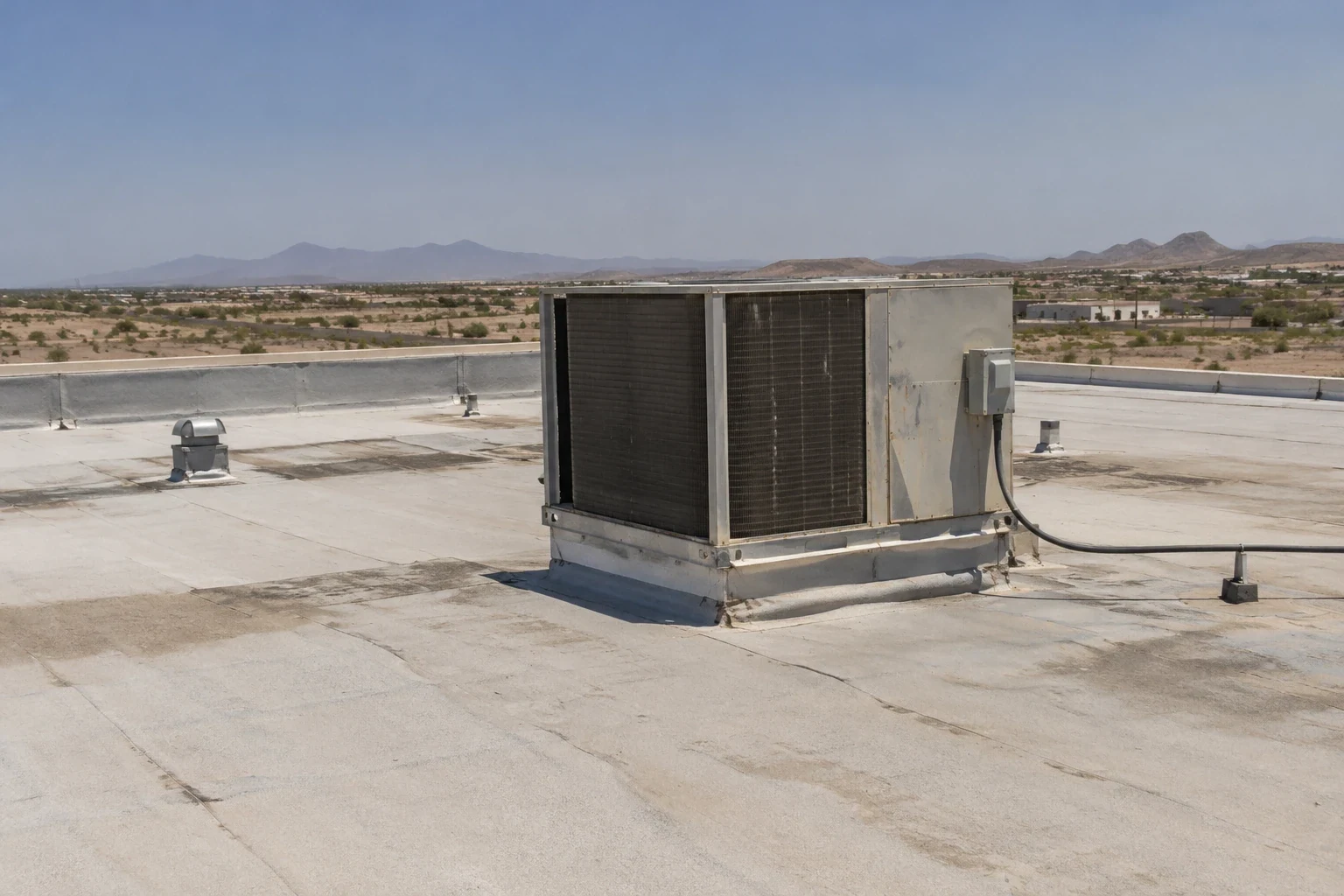
Chandler drone roof inspection organizes aerial images by roof area, records visible findings and directs the close inspection needed before repair decisions.
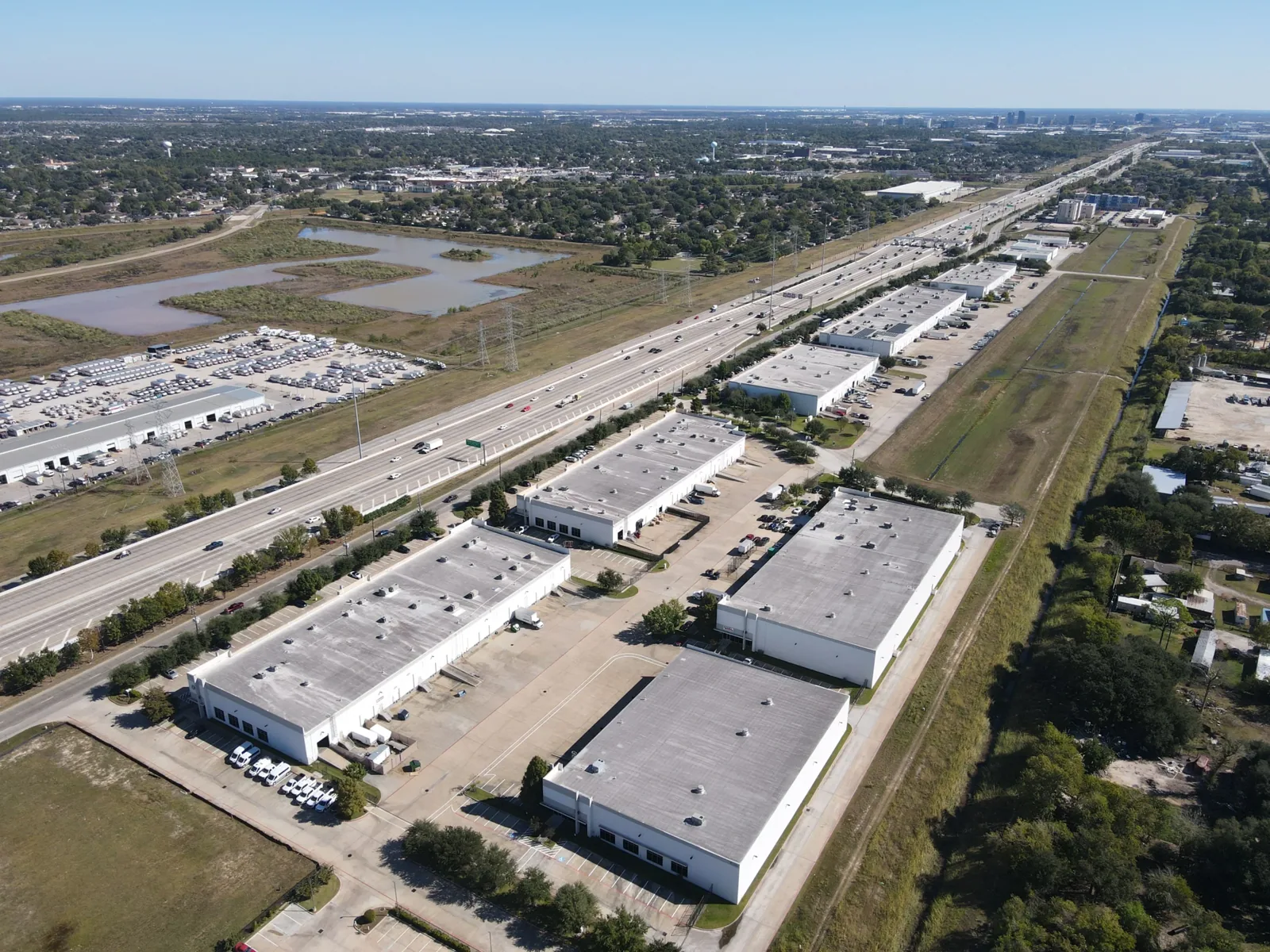
An industrial campus image set needs individual roofs distinguishable. Establish the assigned buildings before proposing a drone inspection. Chandler aerial roof assessment starts with a defined imaging purpose. Identify which areas the representative wants reviewed. Discuss the property's actual camera and access instructions. The operator must assess the proposed flight separately. Building coordination alone cannot settle the aviation requirements applicable to that operation.
For a requested Intel Ocotillo campus assessment, we would confirm the assigned roof references. Intel identifies the campus in Chandler. Available building information would guide the imaging locations. The representative would identify actual site instructions for the assignment. The operator would review the proposed operation before a flight is arranged. Images would then use the agreed roof-area references. Visible findings would remain distinct from construction questions needing close inspection or another suitable investigation.
Imaging purpose
Decide what the requested images need to show. A broad roof reference and a close view of a detail serve different purposes. Locate the areas included in the assignment. Identify useful connections between buildings and roof sections. The report should explain its image coverage. A large collection of photographs is difficult to use without those references.
A Chandler aerial roof reference organizing assigned buildings and image locations for a defined multi-property assessment can develop the comparison. Keep each property's findings with its own location account. Explain when an image does not cover the requested detail adequately. Arrange the next assessment around that limitation. The facility director should understand which roofs the image set represents. A neighboring building should not acquire a condition conclusion merely because it appears beside an assessed roof in the same aerial view.
Operator and property coordination
The operator reviews the proposed flight against applicable FAA requirements. Assess the actual operation and airspace before it proceeds. The property representative identifies the building instructions affecting the assignment. Keep those responsibilities distinguishable. A site contact cannot replace the operator's aviation review. The flight plan should reflect the actual assessed operation.
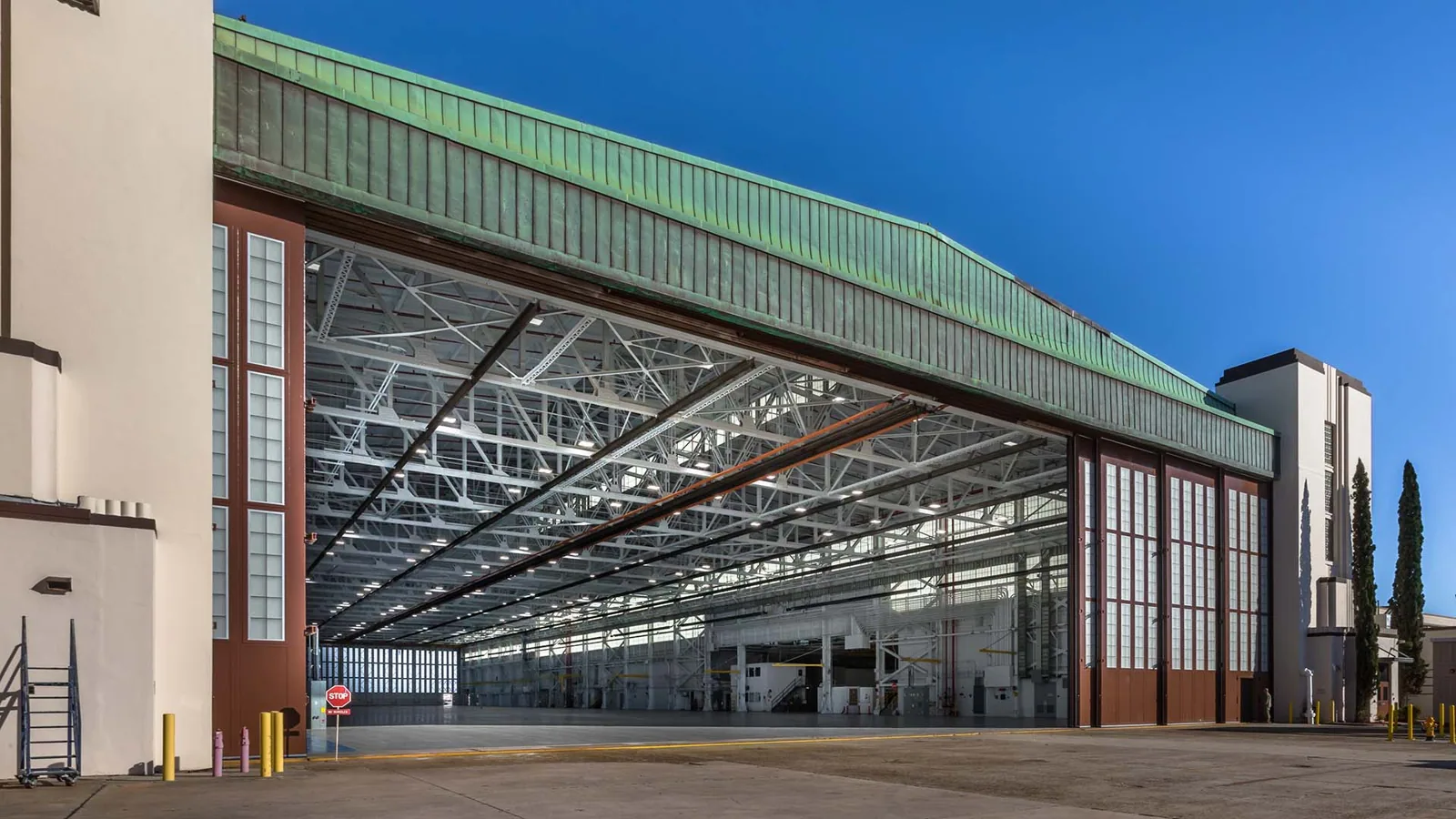
Chandler Municipal Airport is within the Chandler Airpark district. A requested roof flight there requires its own operational assessment. An Airpark hangar imaging assignment separating actual property coordination from the operator's flight and airspace review can develop those arrangements. Confirm proposed imaging areas and delivery instructions with the representative. Identify unresolved coordination before arranging the visit. The facility director needs a clear account of the next step. Do not infer permission for a particular flight from the district name or an earlier operation at another property.
Visible findings
Review images for the conditions they actually resolve. Locate visibly displaced material, damaged details or debris where identifiable. Keep the photograph and observation together. Image angle and coverage can limit interpretation. A shadow or obscured connection may require closer assessment. The report should describe the visible finding without turning an uncertain image into a confirmed defect.
A Chandler aerial damage review locating visible roof changes and the close assessment needed before corrective construction is developed can organize those findings. Distinguish a clearly observed condition from an item flagged for investigation. Show the relevant image reference in either case. Keep reported cause separate from the condition visible in the photograph. The manager can then arrange the appropriate follow-up. An image should support a specific roof question rather than becoming a broad declaration that the whole system failed.
Close inspection
Aerial photographs do not establish every connection or concealed layer. Identify details requiring direct assessment before a repair is selected. Keep the inspection location tied to the image that raised the question. The crew should know what it needs to investigate. The follow-up should record its own observations. An aerial flag and a confirmed construction finding remain different states.
A Chandler aerial-to-close inspection handoff connecting image findings with direct material and detail observations at the assigned roof can develop the recommendation. Arrange access under the actual building instructions. Locate the inspected seam, flashing or component on the same roof reference. Explain whether the additional finding changes the proposed correction. The facility director can then see how the image review informed the visit. A close assessment should add useful construction information rather than merely repeat the photograph's earlier uncertain description.
Thermal work and dimensions
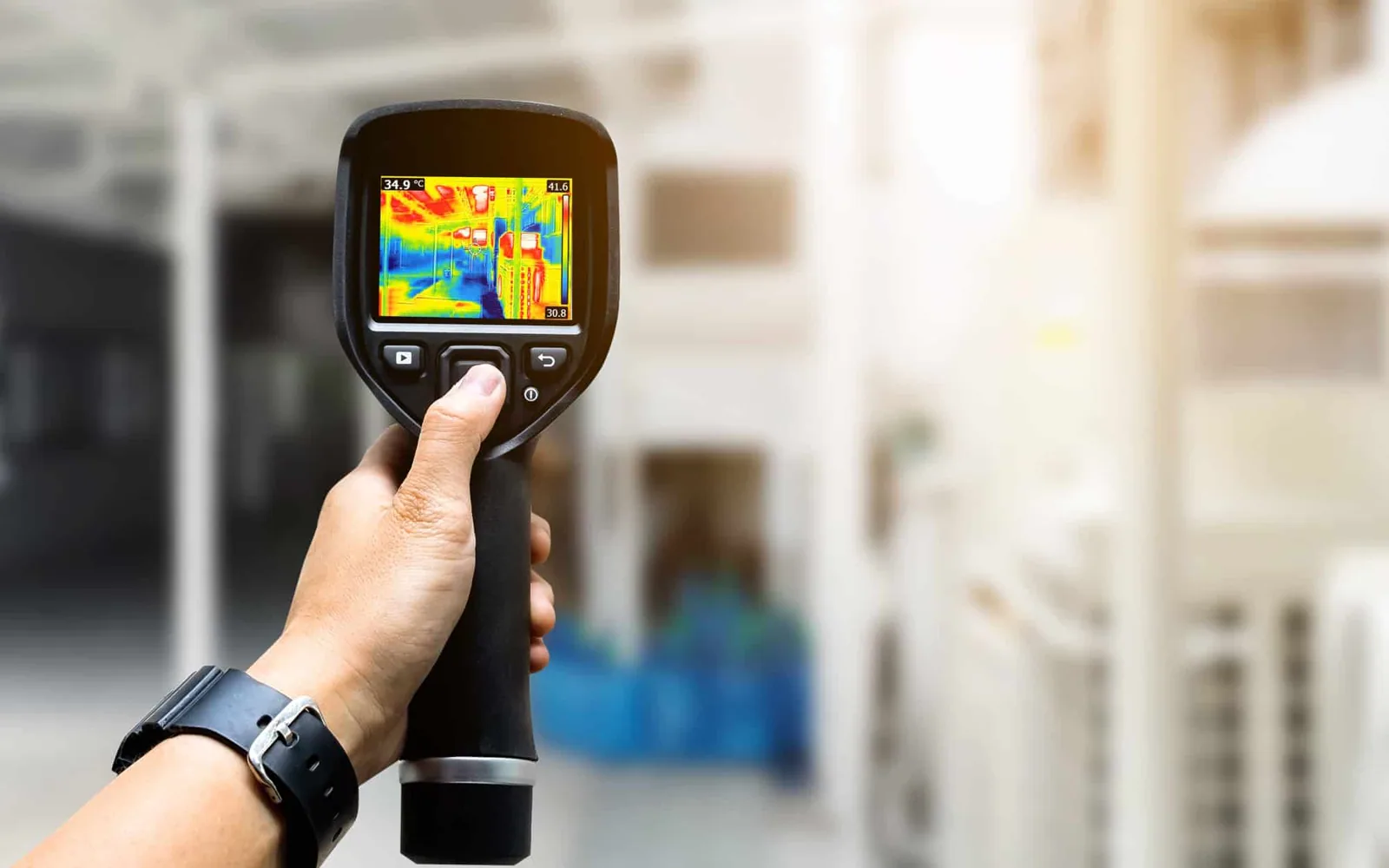
Keep a requested thermal investigation separate from ordinary visual imaging. Define the moisture question and assess the method's suitability. Thermal indications require relevant confirmation before they establish a removal boundary. An aerial platform does not change that interpretive requirement. The report should identify the findings behind any proposed concealed-material correction. A colored image alone is insufficient.
A Chandler thermal investigation review separating image indications from confirmed material findings and the resulting removal decisions can develop that account. Treat image-based dimensions according to their assessed purpose. Identify further measurement where a construction quantity needs confirmation. Do not attach an unreviewed accuracy promise to every image map. The manager should understand what supports the proposed quantity. A useful visual reference and a finalized installation measurement should remain distinguishable when the aerial report is handed to the person pricing the work.
Image delivery and action register
Organize the delivered files by recognizable building and roof area. Keep useful annotations with the original observations. Identify items requiring further assessment and the person arranging it. Confirm actual file-delivery instructions with the representative. The image account should remain usable after the visit. A photograph collection without an action reference leaves the facility director to reconstruct its purpose.
For Intel Ocotillo area roof image records connecting assigned building references with visible findings and follow-up inspection locations, preserve the assessment sequence. A later crew can locate the flagged connection. Another visit can compare a revised observation against the earlier view. A completed correction can be recorded at that same position. Keep the image findings alongside the additional inspection results. The owner then receives a developing roof account rather than a disconnected set of aerial pictures with no clear construction decision.
Commercial Roofing Questions
What should define a Chandler drone roof assignment?
Identify the buildings, roof areas and purpose of the images. Confirm actual property instructions while the operator assesses the proposed flight under applicable aviation requirements.
Does property coordination settle the flight requirements?
The operator still needs to review the actual operation and airspace. Keep aviation assessment separate from the representative’s building and image-delivery instructions.
Can an uncertain aerial detail be listed as a confirmed defect?
Explain the image limitation and arrange closer assessment. Keep the flagged photograph connected with the later material or detail observation supporting a repair recommendation.
Does aerial thermal imaging finalize a concealed removal area?
Relevant confirmation remains necessary for interpretive thermal indications. Identify the material findings supporting the boundary before it becomes a settled correction quantity.
How should aerial findings be handed to an inspection crew?
Use recognizable roof references and image locations. State the question each follow-up addresses and retain the additional observations alongside the original image account.
Aerial assessment planning
Bring the facility director and assigned roof references. We will define the imaging questions and property instructions while the operator reviews the proposed flight.
Request a Roof AssessmentAll Commercial Roofing Services