Home / Roofing Capabilities / Roof Warranty Management
Roof Warranty Management in Chandler, AZ
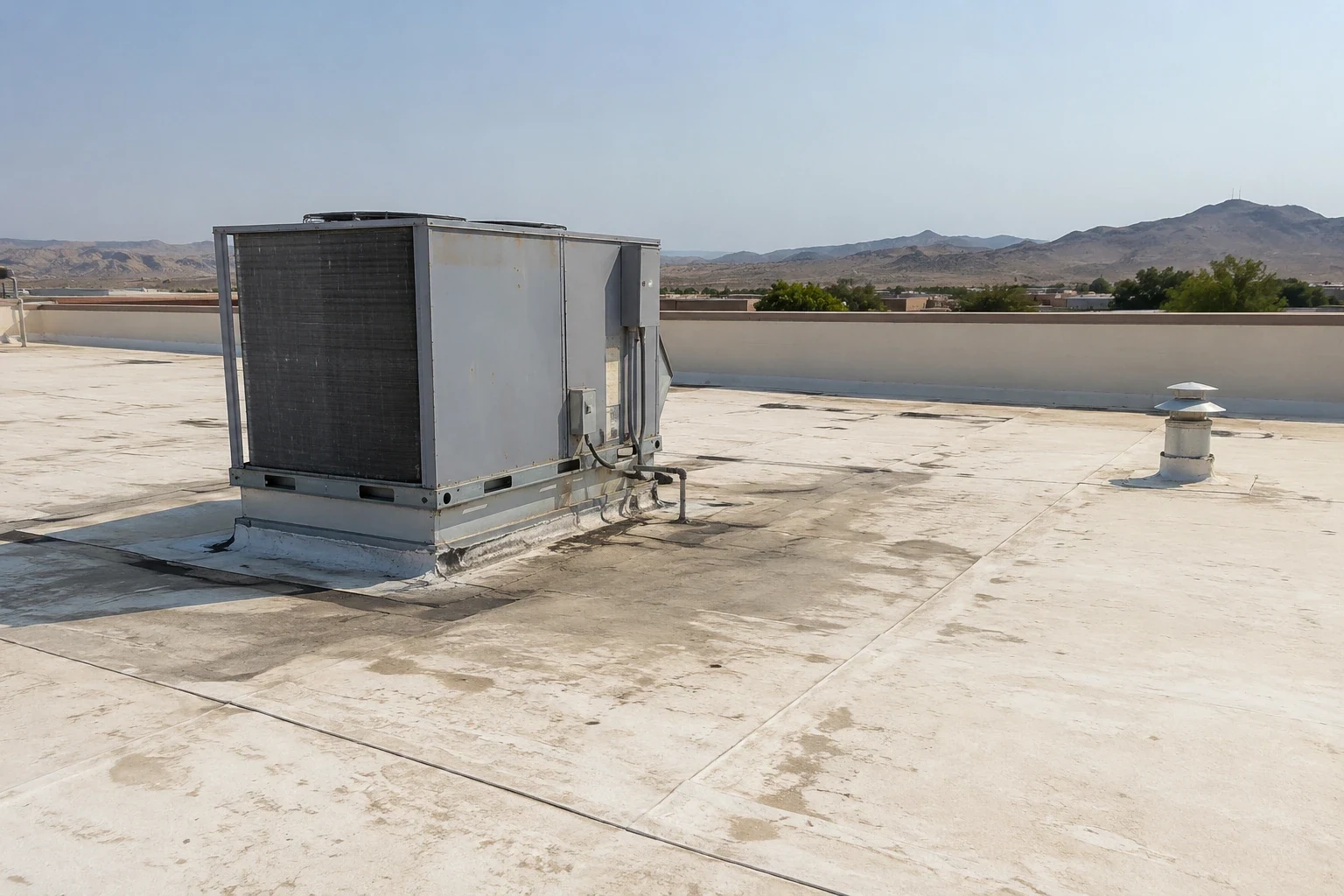
Roof warranty management for Chandler, AZ buildings: keep warranty paperwork, leak reports, claims and repair records organized so a covered problem gets handled the right way.
A roof warranty only helps if you can find it, understand it and follow its rules when something goes wrong. Many Chandler office and retail owners discover during a leak that nobody knows where the certificate is, whether it transferred with the sale, or who is supposed to make the warranty call. Roof warranty management keeps the paperwork, leak history and manufacturer correspondence in one place, so the next claim goes smoothly.
It starts with the actual warranty documents. A manufacturer's logo on the membrane does not mean the roof is still covered. The warranty certificate names a specific building and roof system, and the terms say what is covered and how to file a claim. A well-kept roof file holds that certificate alongside repair records and leak reports. We inspect the problem area and put together the photos and descriptions the manufacturer needs. The coverage decision is theirs to make, and we keep their written answer in the file. Before any permanent repair, we check that it will not violate the warranty terms.
Getting the paperwork straight
First, we confirm the warranty actually names your building and covers the roof system on it. We note the warranty number, the manufacturer and the claim process exactly as written. Material invoices show what was bought, not that a warranty was issued. A proposal shows what was planned, not what was installed. We keep each document labeled so you know which one actually governs your roof.
A due diligence roof survey often turns up missing pieces, such as an attachment the warranty refers to or proof of required inspections. If the building has changed hands, the warranty may need a formal transfer. We help you ask the manufacturer the right questions and keep their answers on file with dates.
Manufacturer warranties and the installing contractor's workmanship warranty are usually separate documents with different terms and different people to call. We keep them apart in the file so one party's answer is not mistaken for the other's.
Documenting the problem
When a leak is reported, we write down what the tenant or property manager saw, where and when. Then we inspect the roof above it. Water often travels before it drips, so the stain location and the actual roof defect may be several feet apart. We photograph the seam, flashing or penetration involved, along with the surrounding area, and note anything we suspect but cannot see without opening the roof.
A roof leak repair visit for a warranty claim is documented carefully. We note any temporary patch, what it was for, and what more investigation is needed before a permanent fix. Temporary work is kept clearly separate from the permanent repair, so the manufacturer can review the claim on its own terms.
We describe what we see without blaming anyone. Whether a problem is covered is a contract question, not something a photo can settle. Past repair invoices from the owner are included and labeled, with a note that they may not show everything that was done.
Filing the claim
Most warranties spell out how and when to report a problem: who to contact, what information to include, and sometimes a deadline. We follow those instructions. Your facilities contact confirms who is allowed to file on the owner's behalf. A dated copy of everything sent goes in the roof file, along with any reply or request for more information. Sending a claim is not the same as having it approved, and the file keeps those two steps clearly apart.
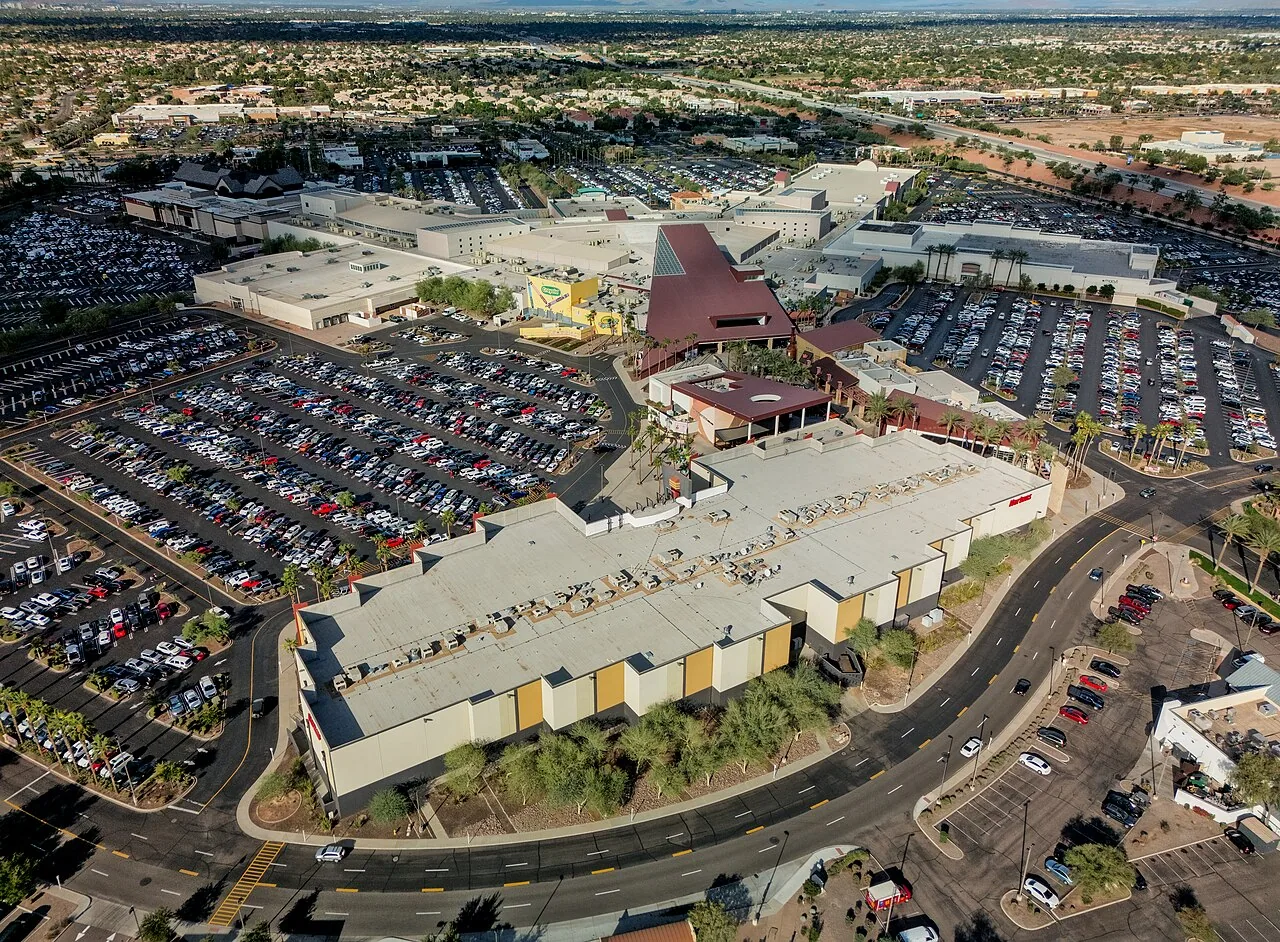
For properties near Chandler Fashion Center or elsewhere in the area, each building keeps its own warranty correspondence. We use the warranty that names that specific building and confirm who handles its claims.
If planned work could affect the warranty, such as adding a rooftop unit or cutting a new penetration, we ask the manufacturer first and describe the work clearly. Silence or an old approval for a different repair is not permission.
When water is coming in now
An active leak cannot wait for a claim to be processed. We work with your building contact to get safe roof access, find the problem and put down temporary protection to stop the water. Many warranties allow emergency measures to limit damage but have rules about what can be done, so we keep the manufacturer's instructions handy. If the manufacturer has not responded yet, we record what was reported and what we did, so your interior is protected without jeopardizing the claim.
Our emergency roof repair crews are available nights, weekends and holidays. We note the materials used and the exact spot patched, and we photograph the damage when it is safe to do so. The temporary fix is clearly labeled as temporary, and your property contact can send our notes along with the claim.
The permanent repair
The manufacturer needs to know exactly what repair is being proposed. We describe the defect, the material that will come out and how the new material will be tied in. If the repair depends on plumbing, wall or HVAC work, we list that too. Photos show where the problem is and what we found. Your contact can send that scope to the manufacturer, and their response is filed with the version they reviewed.
A commercial roof repair sometimes grows once the damaged area is opened. If we find more wet insulation or deck damage, we photograph it, explain the extra work and update the scope before relying on an earlier warranty response. You approve the work, and the manufacturer decides what is covered. We record both decisions with the repair.
Keeping the record
When the job is finished, the final service report goes in the file with the warranty documents. Completed repairs are pinned to the roof plan with photos, and any approved changes are noted with the reason. Manufacturer letters are kept exactly as written. Anyone reviewing the file later can see the original problem, what was sent in and what was done.
A future roof condition report picks up from there. Past repairs are part of the history, but the rest of the roof still needs its own inspection. Keeping each claim, response and repair clearly labeled is what makes the file worth having.
Commercial Roofing Questions
Does a manufacturer's name on the membrane mean the roof is under warranty?
No. Only the issued warranty certificate and its terms show whether a roof is covered and for how long. If coverage is unclear, the manufacturer has to answer that question.
What should go with a warranty claim?
Follow the claim instructions in the warranty, identify the building and include our located photos and description of the problem. Keep copies of what was sent and any replies.
How is a temporary patch handled while a claim is pending?
We record where it went, what materials were used and why. The permanent repair stays open as a separate item. A patch does not mean the manufacturer has accepted the claim.
Why does the repair scope need to match what the manufacturer reviewed?
Their answer applies to the work they were shown. If the repair grows once the roof is opened, we send an updated scope rather than assuming the first approval still covers it.
Who decides whether a problem is covered?
The warranty holder, usually the roofing manufacturer, decides under the terms of the warranty. We provide the roof findings, and the owner keeps the written decision in the building file.
Get your roof warranty organized
Contact us with your warranty paperwork and the problem you are seeing. We will inspect the roof, document the issue and help you follow the claim process for your Chandler building.
Request a Roof AssessmentAll Roofing Capabilities