Home / Roofing Capabilities / Roof Asset Management
Roof Asset Management in Chandler, AZ
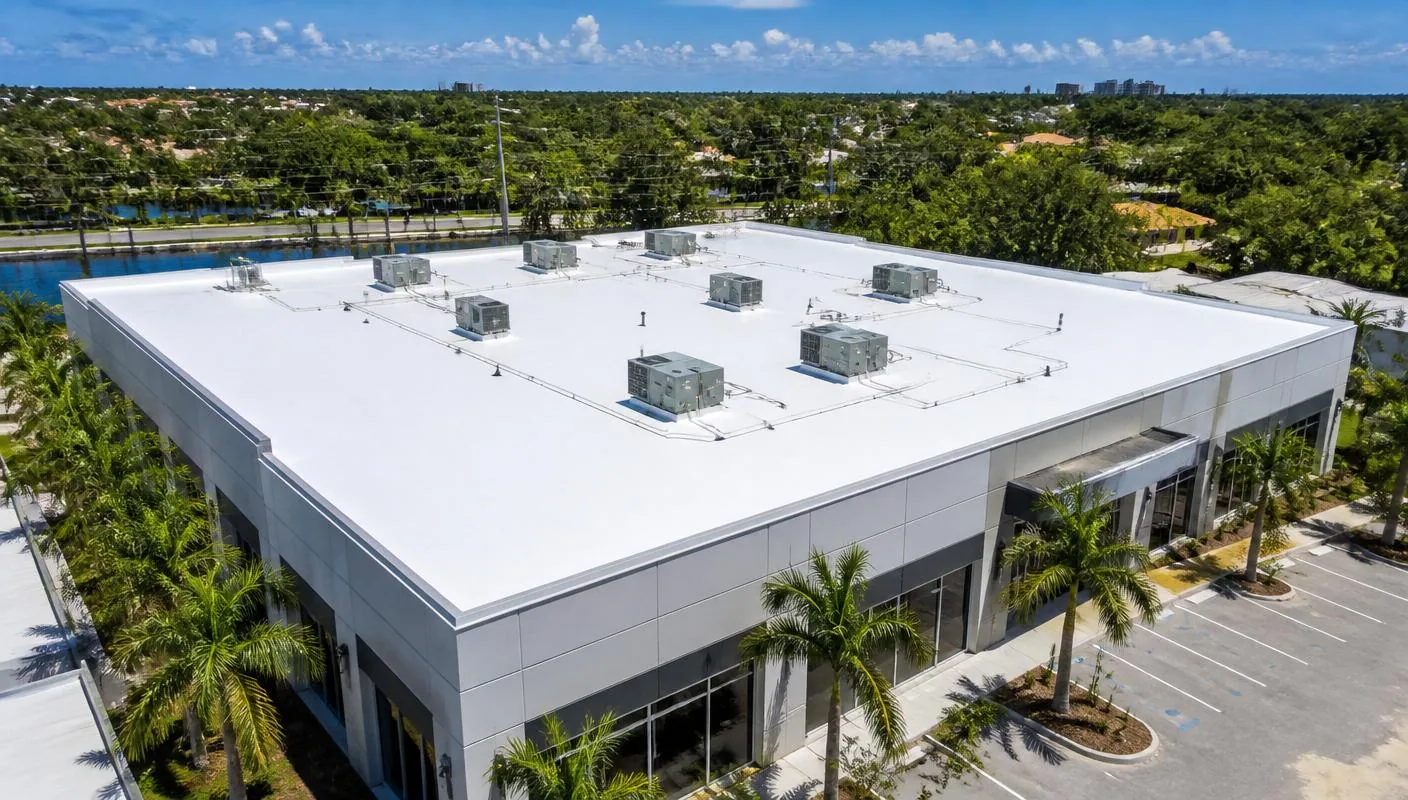
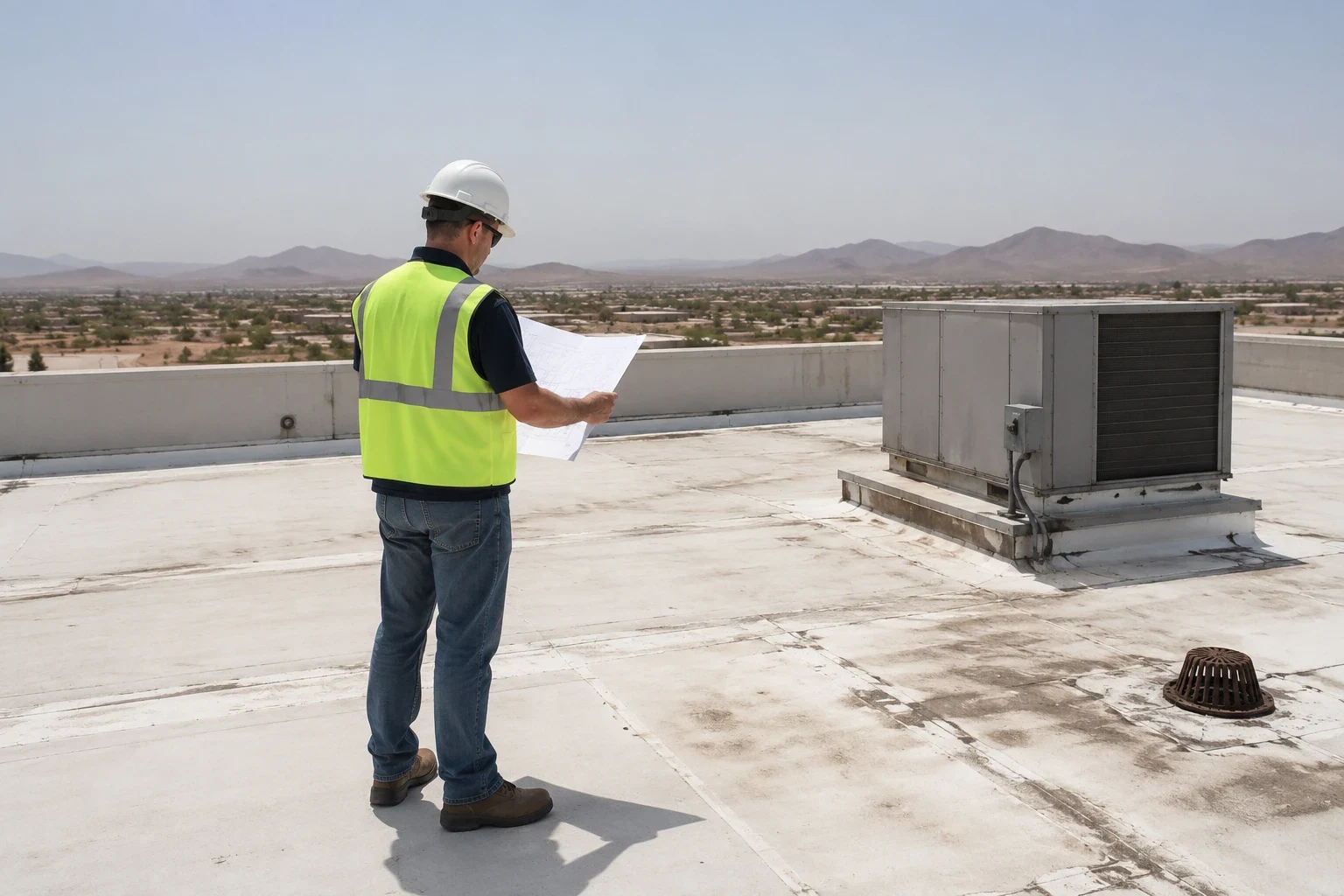
Roof asset management for Chandler, AZ buildings: a living roof file with inspections, repairs, warranties and open items so every facilities decision starts from real information.
Most building owners know roughly how old their roof is and not much else. Roof asset management fixes that. We keep a running file for each roof: what system it is, when it was installed, what has been repaired, where it has leaked, what the warranty covers and what is likely to need money next. When a leak shows up or a budget is due, your facilities team starts from facts instead of a hunt through old invoices.
Whether your building is an office downtown near City Hall on Arizona Avenue or a flex space out by the Loop 202, the file starts with the address, the current concern and the person who can get us on the roof. A Chandler roof inspection sets the baseline. From there, completed repairs, pending HVAC work and test cut locations all live in one place. When a new property manager takes over, they can see what has been done and what is still waiting on approval, with every photo tied to a spot on the roof plan.
The roof file
Each roof section gets a fixed name and a place on the building plan. We attach whatever records exist: installation documents, past repairs, warranty paperwork and inspection reports. Dates that come from records are kept separate from best guesses passed along by a previous manager. Additions and later re-roofs are tracked on their own, since they often have a different system and a different age than the original roof.
Leak calls are logged with the room or suite where water showed up and what we found on the roof above it. A ceiling stain tells you where to start looking, but water often travels along the deck before it drips, so the file records the actual entry point once we find it. Over time, you can see whether one curb or drain keeps causing trouble or whether leaks are spread across the roof.
Each roof condition report shows the inspection date, the areas we walked and any we could not reach. New findings sit next to the old ones, so you can see what has gotten worse and what has held up.
Planning work on an occupied building
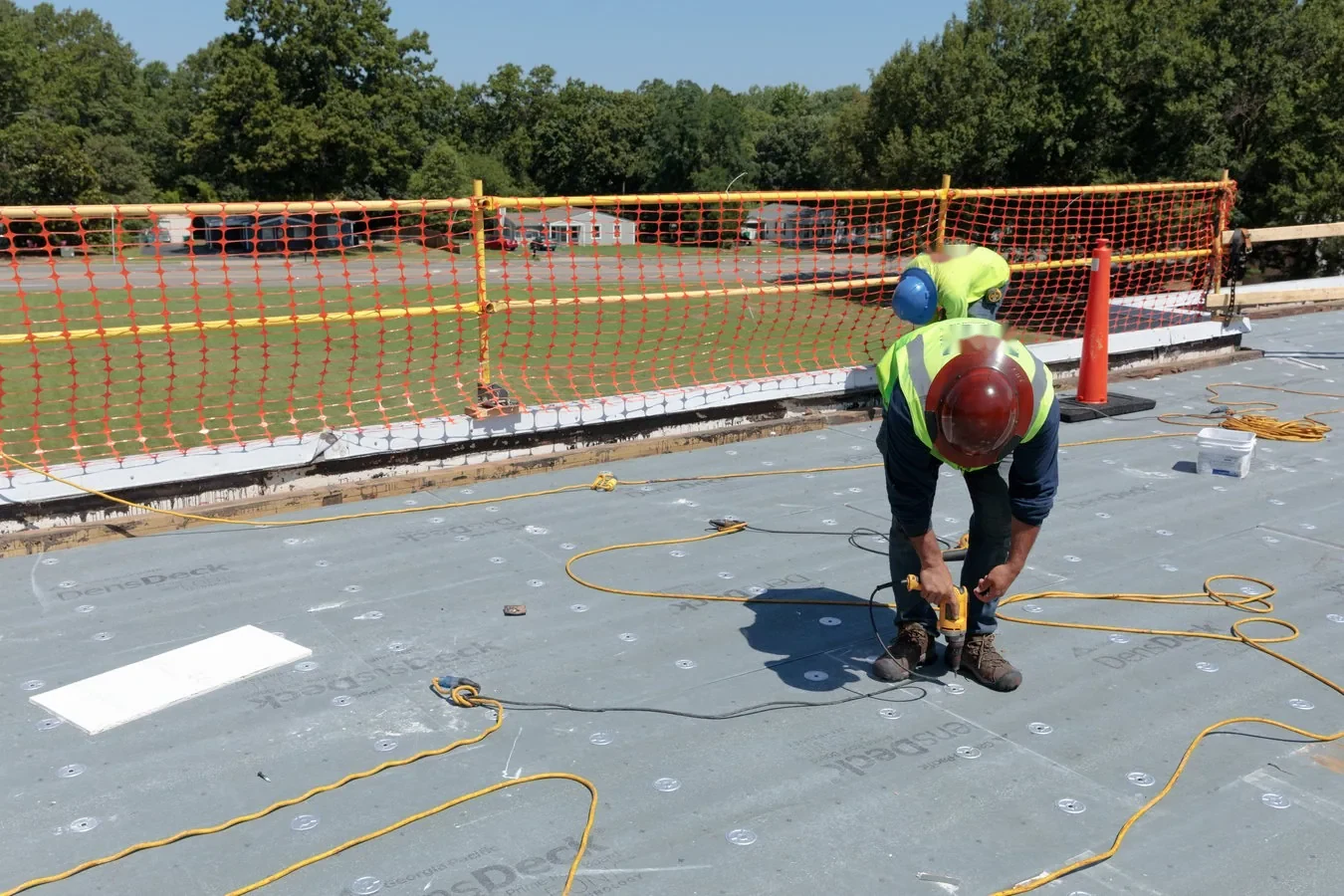
Big roof work on an occupied building needs planning with the people inside it. Before a tear-off, we sit down with your building contact to agree on where the crane or hoist goes, where materials and the dumpster sit, and which hours are off-limits. Tenants under the work area get notice. If an HVAC or fire system contractor needs to shut something down, they make that call. All of it goes into the work order.
Our occupied building reroofing plan breaks the roof into sections we can seal completely at the end of each day. Those stopping points are set by the roof layout, not just by a quiet afternoon on the calendar. If a section has to wait on another trade, we put temporary protection on it until we can finish.
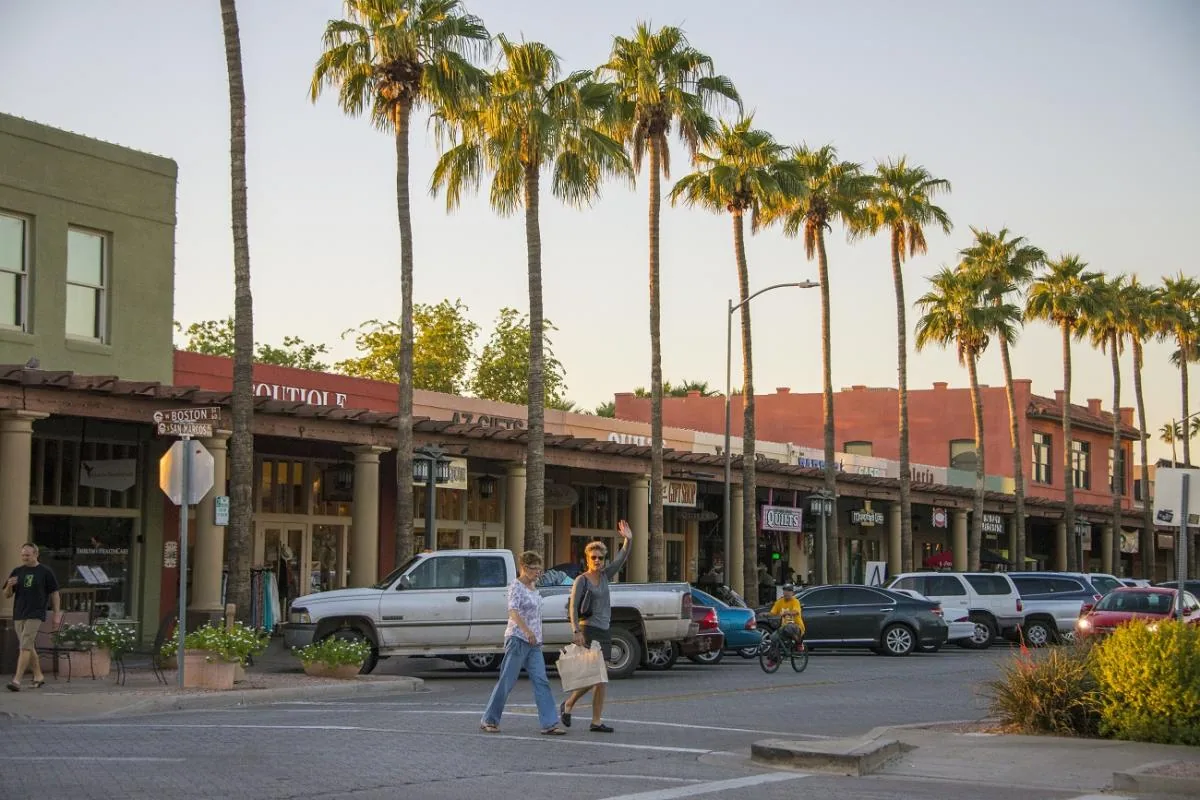
For buildings in Downtown Chandler, where parking and street access can be tight, we confirm the route for deliveries and debris with the property contact before scheduling any removal.
Work that has to happen first
Some roof repairs depend on other work getting done first. A parapet wall with rotted backing needs that backing replaced before new flashing will hold. A new membrane across the field does nothing for a failed wall detail. We list both jobs in the file, in the order they need to happen, along with who is doing each one. A photo of a finished field does not mean the wall flashing is done.
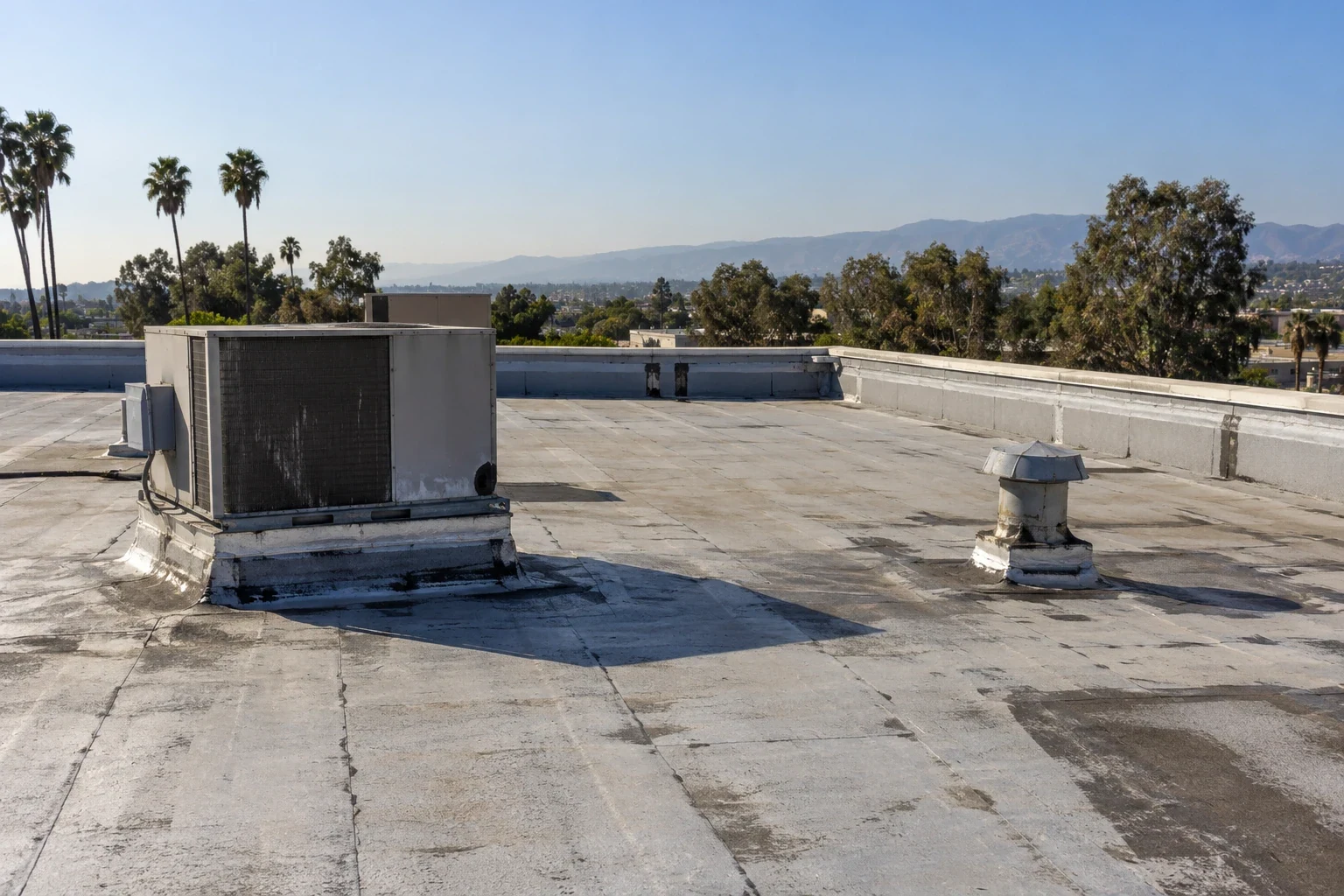
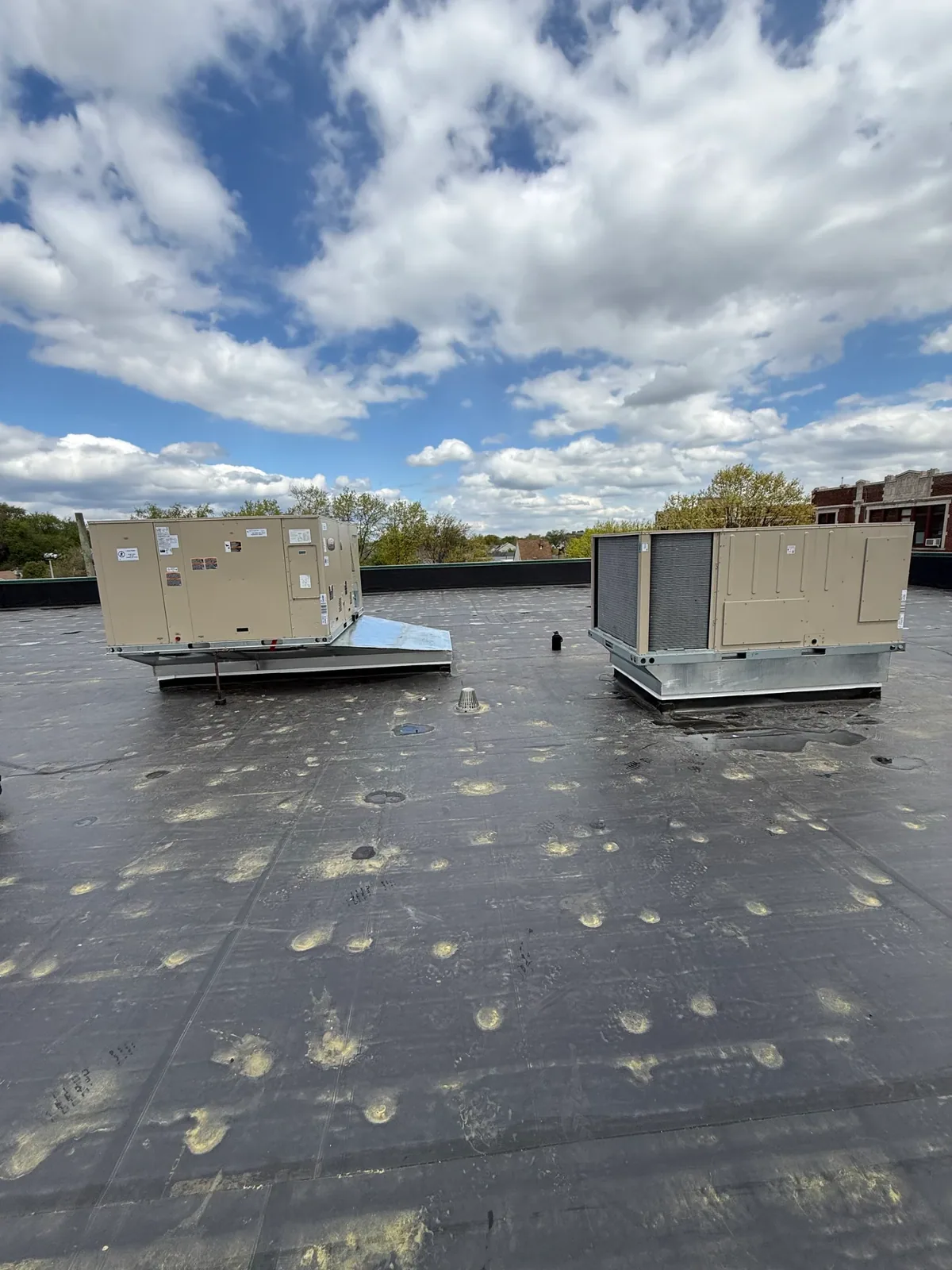
Rooftop units work the same way. Our curb and equipment review notes what each unit sits on and what it would take to flash it properly. The mechanical contractor handles moving or replacing the unit, and if a heavier unit means the curb or deck needs reinforcing, an engineer weighs in. We flash the curb once it is ready. A completed HVAC visit alone does not mean the curb is ready for us.
The file shows where each job stands, so you can see what is ready to go and what is waiting on someone else.
Repair, recover or replace
We sort inspection findings into repairs, routine maintenance and larger projects. A single puncture gets a patch. Repeated leaks in one area, a soft deck or problems across several sections call for a closer look before anyone spends serious money. Every recommendation in the file comes with the reason behind it and any questions still open. The goal is a clear next step, not a growing pile of photos.
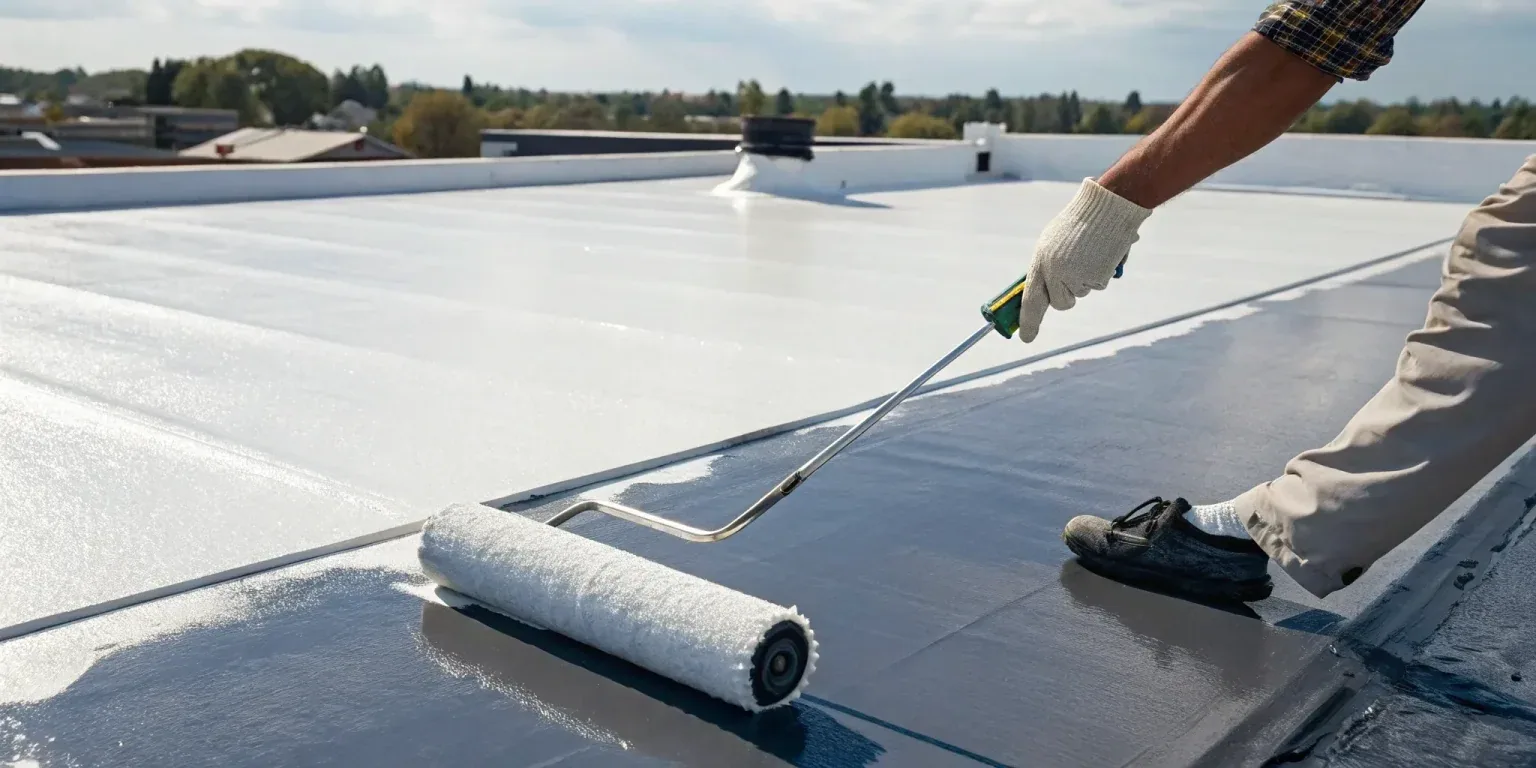
A roof capital plan uses those findings to compare repair, recover and full replacement where each makes sense. Recovering over an existing roof only works if the layers underneath are dry and code allows another layer, so we flag wet areas for testing or removal. Every option lists insulation, drains, flashing and equipment work, so you are comparing full projects rather than a membrane price.
When you approve, defer or ask for more testing, that decision goes into the file with the reason. Next year's reviewer will know whether a repair was turned down, put on hold or pushed to a later budget.
Keeping the file current
The open-item list gets updated after every inspection, repair and leak call. Urgent items stay separate from routine maintenance and long-range projects. Each item has a name next to it and a current status. A repair waiting on approval stays visible even when everything else on the building is finished, so nothing falls through the cracks.
New findings are compared with what we saw last time in the same spot. Did the patched seam hold? Did the leak come back? Were we finally able to get onto the section that was locked last year? If a tear-off turns up more wet insulation or rusted deck than expected, the photos and the change order are attached to the original approval. That history is what makes the file useful for warranty claims, future inspections and the next replacement budget.
Closing out completed work
Before new membrane goes down, we photograph any deck repairs, new insulation and wall backing that will be hidden afterward. Finished flashing and seams are photographed too, along with any approved extra work and its measured quantities. Anything still waiting on another trade or more testing stays on the open list. Finishing one detail does not mean the rest of the roof is in good shape.
Leaks do not keep office hours, so we offer emergency service nights, weekends and holidays. Each emergency visit is logged with what we covered and what permanent repair is still needed, so a temporary patch is never mistaken for a finished job.
Commercial Roofing Questions
What makes a roof asset file useful?
It ties every finding to a specific spot on the roof and connects each leak to what we found and fixed. Areas we have not inspected are marked, along with what it would take to check them.
Can access arrangements from one property be used at another?
No. Each building has its own contact, tenants, hours and access routes. Even with the same owner, we confirm staging and access with the people who run that specific property.
What should I compare alongside each repair price?
Look at what is included: prep, tear-off, insulation, flashing, edge metal and curb work. Also check for work by other trades that has to happen first. A low number often leaves something out.
What happens if a tear-off uncovers more damage?
We stop, photograph it, cover the area and explain the extra work and cost. You approve the change before we go further, and the change is recorded with the original job.
What do I get when a repair or replacement is finished?
Photos of hidden prep work and finished details, any approved changes with quantities, and a list of anything still open. It covers the work we did, not roof sections we did not inspect.
Start a roof file for your building
Contact us to schedule an inspection at your Chandler property. We will set up a roof file with findings, repair history and open items so your next facilities decision is easier to make.
Request a Roof AssessmentAll Roofing Capabilities