Home / Industries We Serve / Insurance Restoration
Commercial Roofing for Chandler Insurance Restoration
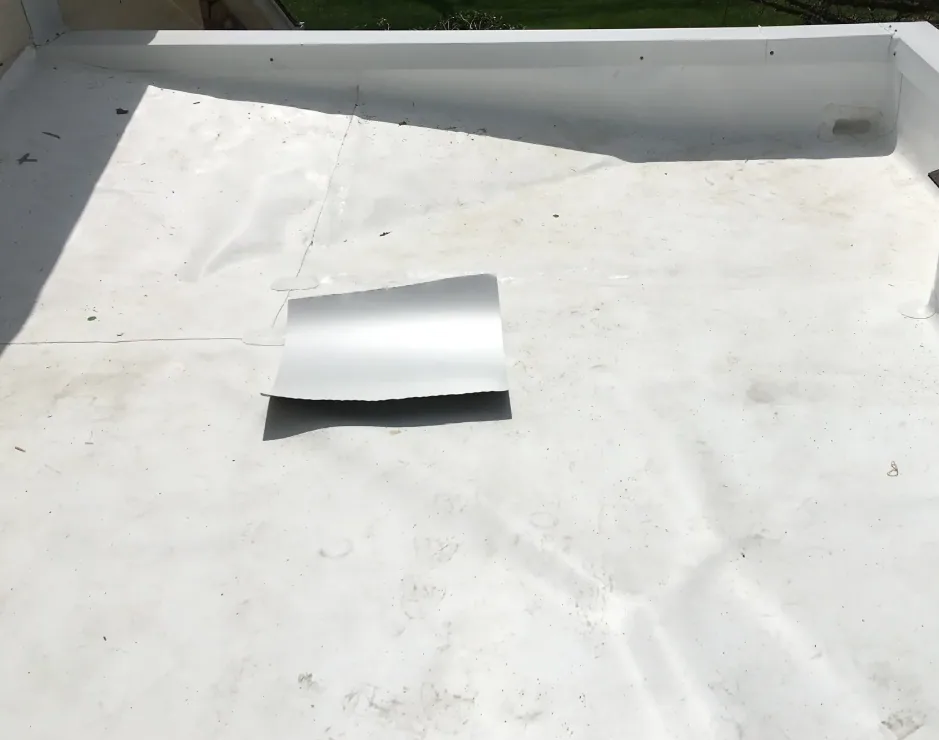
Insurance restoration roofing in Chandler, AZ: located damage photos, clear repair scopes and quantities, emergency dry-in and permanent repairs that adjusters and owners can follow.
When a roof is part of an insurance claim, the paperwork matters almost as much as the repair. Adjusters, restoration contractors and building owners all need to see the same thing: where the damage is, what the repair involves and how the quantities were measured. We work with Chandler restoration firms and property owners to document roof damage clearly and repair it properly. The storm history comes from the owner or the claim file. Our job is to describe what we find on the roof today and what it takes to fix it.
Every restoration job starts with the property and the reported problem. On larger losses, a general contractor often manages the project, and our roofing scope sits next to the other trades' work. We photograph each finding in place and note where hidden damage may need testing. Temporary dry-in is kept separate from the permanent repair. Coverage is up to the insurer under the actual policy. We explain the roof damage and the repair.
What was reported and what we found
We record the reported problem along with where it came from and who reported it. Water inside the building tells us where to look on the roof, but it does not prove where it got in. We keep the reported storm date separate from what we can see today. Photos from other people are labeled with who took them and when. An undated photo may not show what the roof looks like now. A weather report alone does not prove the roof was damaged.
Our roof inspection pins each finding to a recognizable spot on the roof. We note what we could see and what we could not reach. If more testing would answer an open question, we explain what it would show. Any test opening is patched the same day.
Engineers, adjusters and other experts may weigh in on the same building. Their conclusions are kept with their names on them. Our records describe the roof we inspected, and we do not merge other people's opinions into our findings or assume a cause we cannot see.
Defining the repair area
A restoration estimate needs a roof area that someone else can find and measure. We mark the damaged field area, wall details and curbs on photos and a roof plan. The scope shows what comes off and what stays. A square footage for membrane does not automatically include insulation, edge metal or damaged deck, so we list those separately when we find them. Each quantity ties back to a visible condition or a test still to be done.
A commercial roof repair scope for a claim spells out what is removed and how the new material ties in. We confirm the existing membrane before choosing a repair method, and if it cannot be identified, we explain how that affects the plan. Optional upgrades are kept separate from the repair of the actual damage.
Revisions are easy to follow. If tear-off reveals wet insulation or rotted backing, we note the location, photograph it and explain the added quantity. The original scope stays next to the revision so everyone can see what changed. Our documentation supports the change, and the claim team decides how it is handled under the policy.
Photos that hold up
Every photo is labeled with the roof section and detail it shows. We photograph prep work before new material covers it. A clear location makes it easy for an adjuster or reviewer to find the repaired area later. A photo only shows what is in the frame, and we do not use it to make claims about hidden conditions elsewhere.
When a property management company handles the building, we work through their contact and keep the work area clearly defined. Building staff handle arrangements for tenants and affected spaces. HVAC and other trades make their own decisions about their equipment. We describe the prep our repair needs, and another contractor's appointment does not mean their part is done.
If a roof support or rooftop unit needs an engineer's review, we note exactly what they are looking at. Structural decisions stay with the engineer. We confirm the adjacent work is ready before closing up the roof, and the project manager coordinates the timing.
Emergency dry-in
Emergency work and the permanent repair get separate records. We note the leaking or damaged detail, what we did to stop the water and what still needs inspection. The temporary protection holds while the permanent scope is reviewed. The property contact gets a clear next step, and nobody mistakes a dry-in visit for a finished repair. The date of the emergency visit and the reported storm history are kept separate from findings made later.
Our emergency roof repair crews respond nights, weekends and holidays. The property contact confirms access and tells us which spaces are affected. If equipment or another trade is blocking the inspection, we note it and who is responsible. Permanent work is scheduled once the scope, approval and materials are in place.
Each building in West Chandler and elsewhere gets its own file. Temporary protection, testing and permanent repair are tracked as separate stages, and before each stage begins we confirm which roof area is cleared and what protection stays in place.
Quantities and changes
Every quantity in our scope ties to a specific part of the roof. Tear-off, prep and new installation are listed as separate items. Insulation and backing are listed when they are included, not assumed. Equipment and wall work by other trades is kept separate. The scope explains the work. Coverage and settlement are decisions for the insurer and the policyholder.
If opening the roof reveals something new, both the repair area and the cost can change. We explain where it is and what it means, then submit the added work for approval and keep the area protected while it is reviewed. An approved allowance does not mean the roof is ready for the work. The permanent repair goes ahead once the material is sound and the scope is approved.
Open questions stay next to the options that depend on them. Another contractor's estimate does not tell us what is installed on this roof, so we note where each piece of information came from.
Final documentation
The final package lets the owner and adjuster match the approved scope to the completed work. We list the repaired areas, attach photos of prep work and finished details, and explain any approved quantity changes. Permanent repairs are separated from any temporary measures still in place, and any remaining roof testing or related trade work is listed with who is responsible.
Invoices and completion records are tied to the work they describe. Each revised scope keeps the finding that prompted it and the approval that followed. That lets a reviewer follow the job without assuming every reported problem came from the same roof defect. Coverage and settlement remain separate decisions. Our turnover explains what was fixed, what is still open and where the next inspection should start.
Commercial Roofing Questions
Does the storm date prove what caused the roof damage?
No. We record the reported storm history and where it came from, then inspect the roof separately. Timing alone does not prove the cause of every condition.
What makes roof photos useful for a claim?
Each photo is labeled with the roof section and detail it shows. Photos only show what is in the frame, so we do not use them to make claims about hidden areas.
How do you explain repair quantities?
Each quantity ties to a specific area and task: tear-off, prep, insulation, membrane, flashing. Work by other trades is listed separately, and open questions are noted.
Is the roof restored once the emergency dry-in is done?
No. A dry-in stops water temporarily. Testing and the permanent repair are still needed, and we track them separately.
Who decides coverage and settlement?
The insurer and policyholder, under the terms of the policy. We document the roof damage and the proposed repair. We do not decide what gets paid.
Document and repair the roof damage
Contact us with the Chandler property and the reported damage. We will inspect the roof, document what we find with located photos and give you a clear scope for the permanent repair.
Request a Roof AssessmentAll Industries We Serve