Home / Industries We Serve / General Contractors
Commercial Roofing for Chandler General Contractors
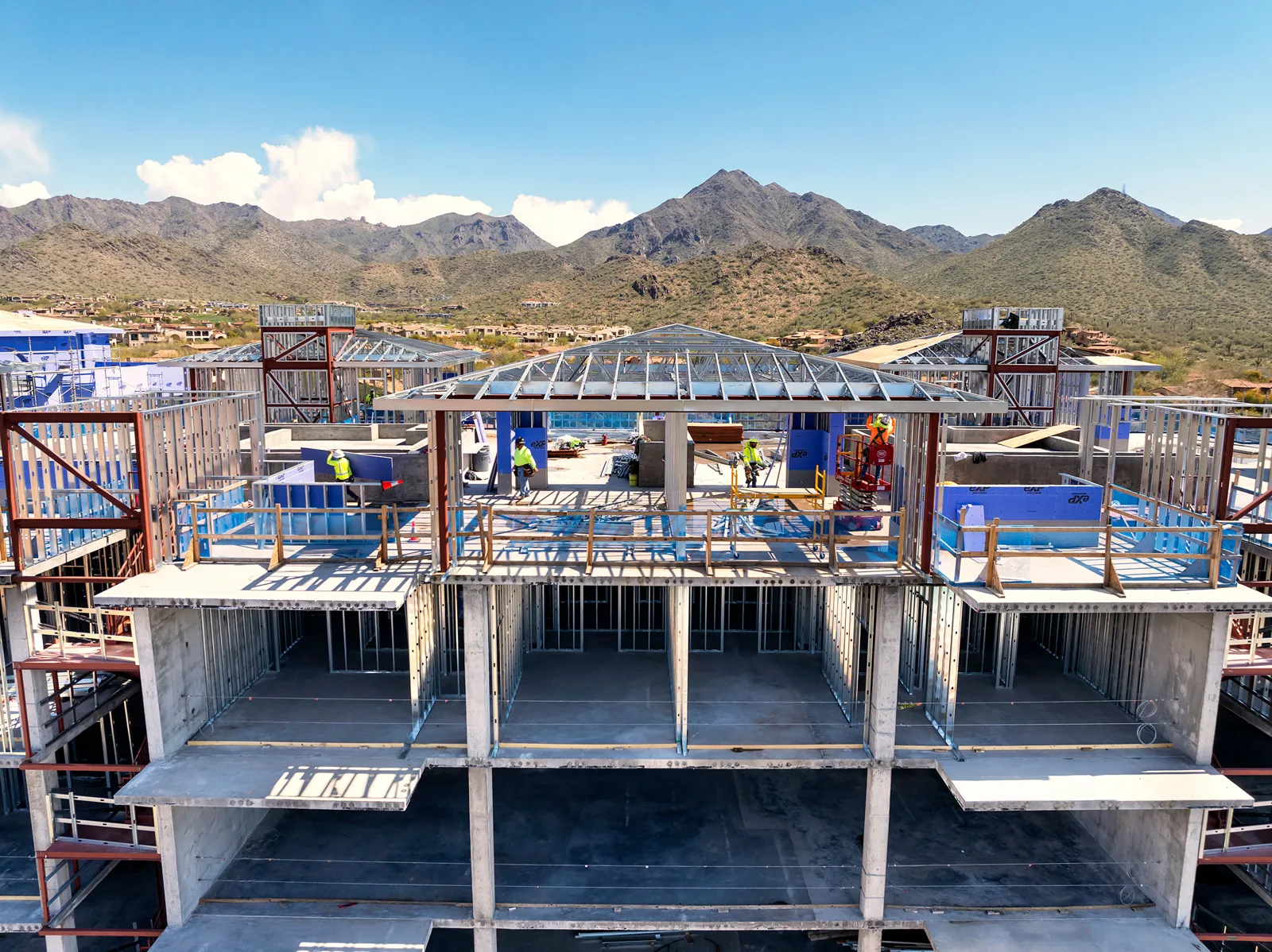
Roofing subcontractor support for Chandler, AZ general contractors: clear scopes, defined tie-ins with other trades, realistic sequencing and clean closeout documents.
On a commercial project, the roof is where a lot of trades meet. Mechanical sets curbs, framers build parapets, plumbers set drains and the roofer ties it all together. When one of those pieces is late or not built the way the roofing needs it, the whole roof stage stalls. We work with Chandler general contractors to spell out exactly what each tie-in needs before we show up, so the superintendent knows what has to be ready and when we can close each area.
At the pre-roofing meeting, bring the roof details and the schedule for the trades working ahead of us. We will point out the blocking, curb heights, wall sheathing and drain setting we need before we can install the membrane. The same clarity helps on public agency roofing projects, where approvals and construction steps have to stay clearly separated. If a preceding trade runs late, we plan temporary dry-in for that area. The superintendent sees what has to be ready, how the permanent tie-in will be made and what comes next.
Where roofing meets other trades
We identify every spot where roofing ties into another trade's work: walls, curbs, drains, edge metal and penetrations. On renovation work, we also note what existing material stays and how the new roof will meet it. Drawings show the design intent, and we note the revision we worked from. Existing buildings often differ from the drawings, so we flag any differences before the GC assigns prep work. A detail on a drawing does not prove the wall backing behind it can be reused.
Our roof inspection on existing buildings shows what we could see versus what was reported from inside. Areas we could not reach are noted in the project file. If we need a test opening, we explain what we are checking and how it will be patched.
When two scopes meet at the same spot, we keep them separate. Roofing often needs a finished wall or curb first. We describe the surface we need for our tie-in. Another trade having the contract does not mean the work is ready, and we confirm the actual condition at each detail before starting.
A roofing price you can compare
A GC needs a roofing number tied to a clear scope. Ours lists the roof area, the system and the details included. Field membrane is separated from curbs, wall flashing and edge metal. If the proposal keeps existing insulation or backing, we say what testing supports that and what is still unknown. A price per square foot alone makes it impossible to compare bids that include different tear-off or rebuild work.
For a commercial roof repair scope, we show where the repair ends and how it ties into the existing roof. For a replacement alternate, we list the larger tear-off area and the details included. The GC can compare the actual work, not just the price.
Changes are tied back to the original scope. If we find something different once the roof is opened, we document where it is, provide photos, explain the extra work and give the quantity. We keep the area protected while the change is reviewed, and the revised scope shows what was already included and what needs approval. A rotted nailer we found on site stays separate from a new owner request.
Curbs, walls and edges
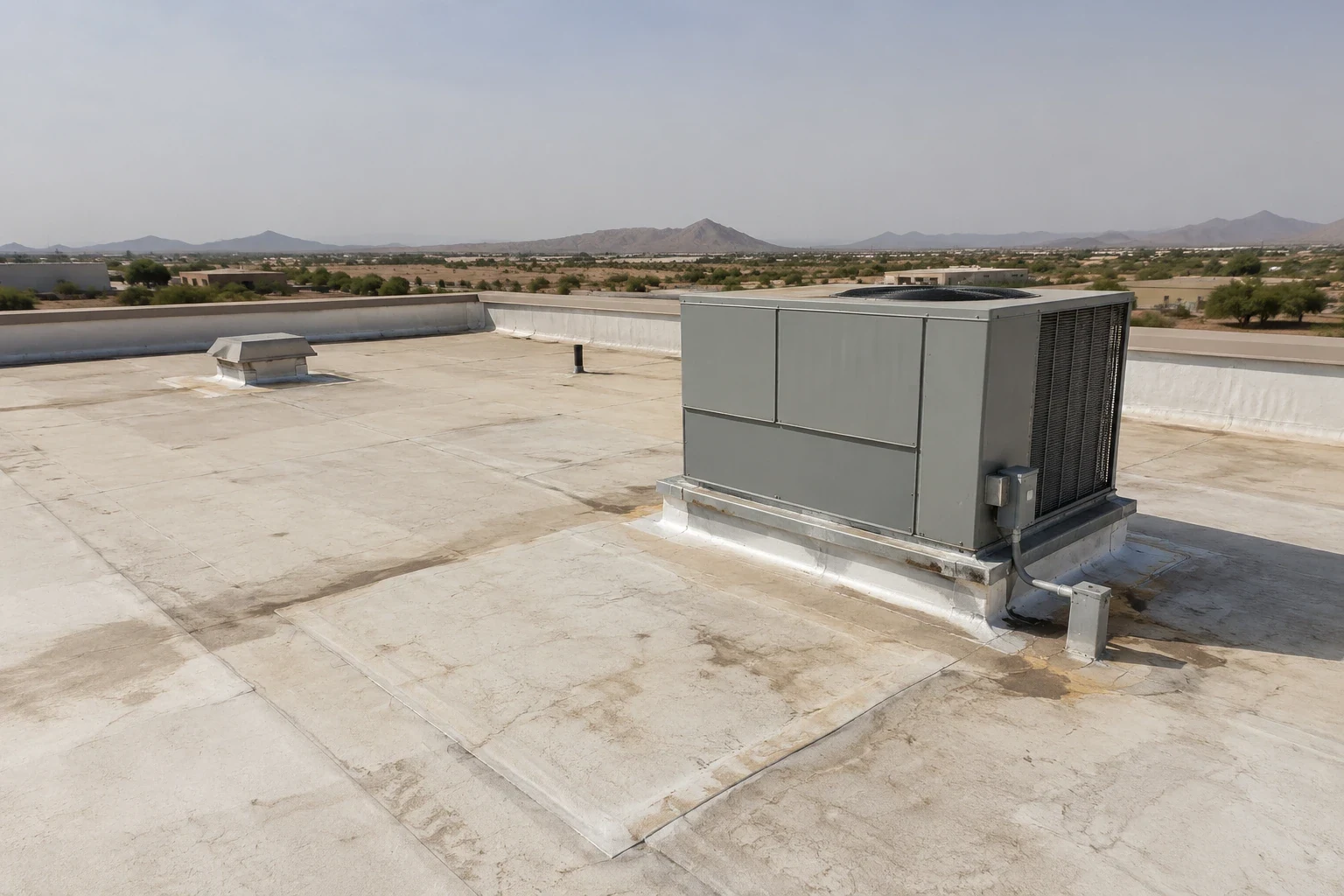
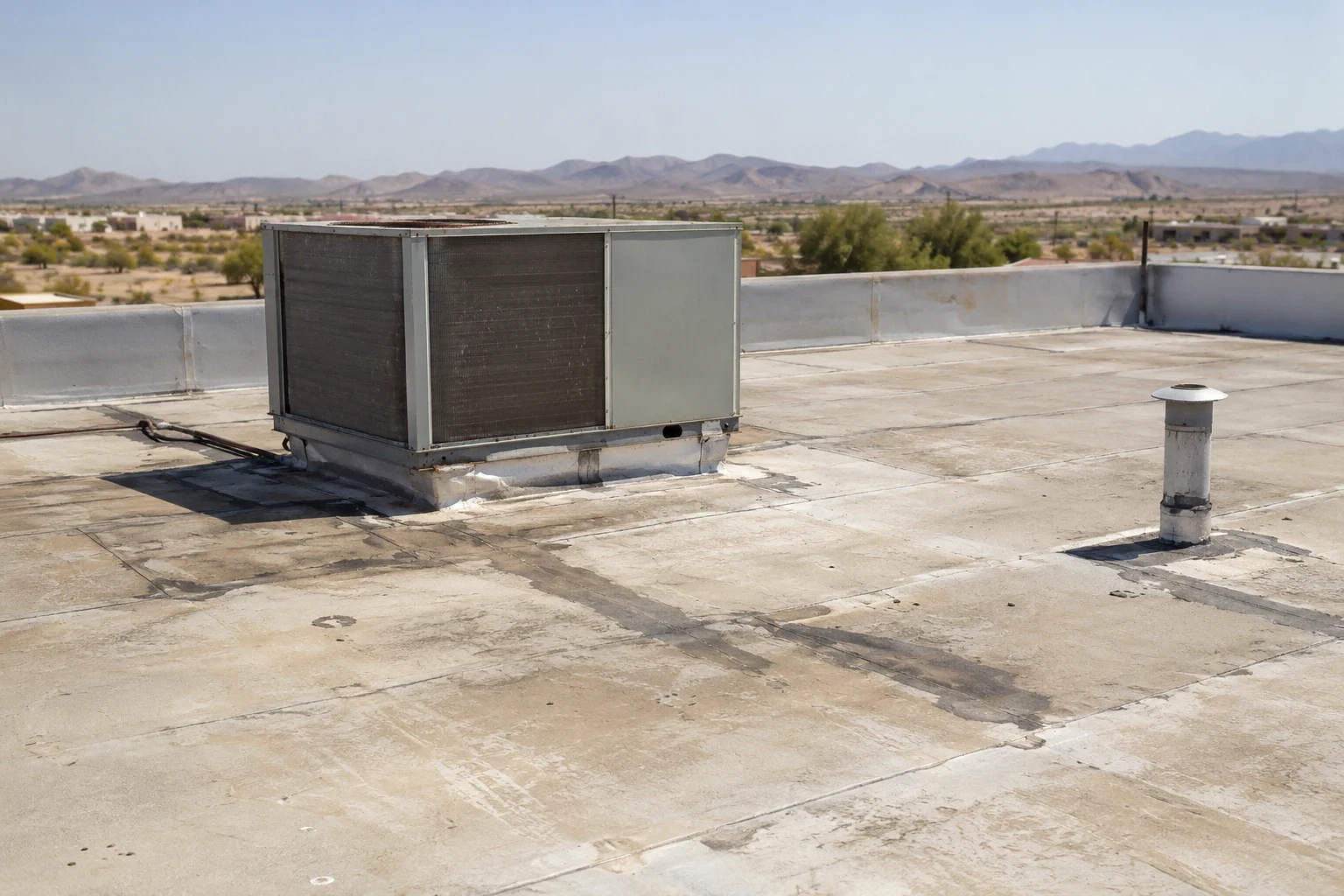
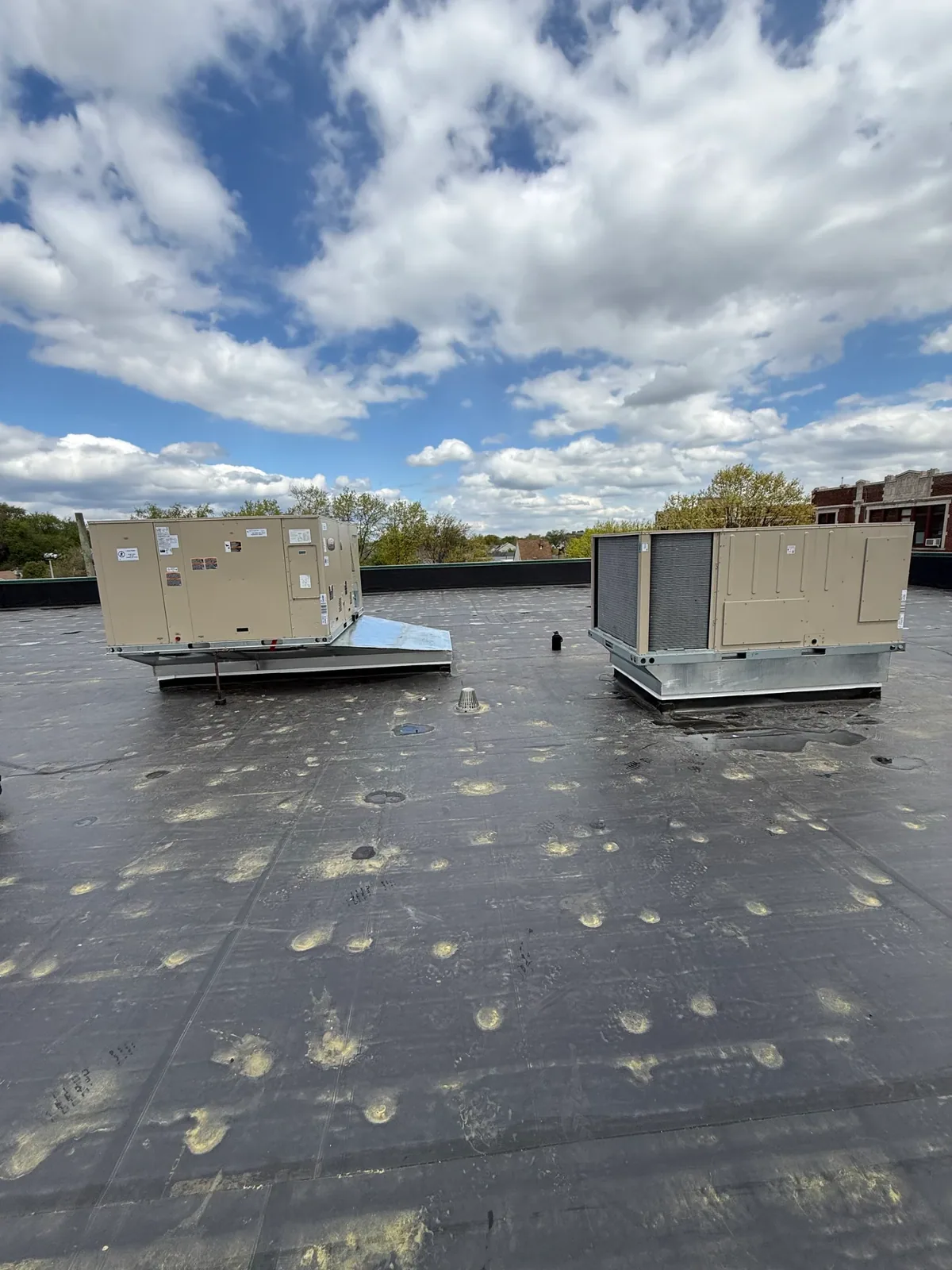
The mechanical contractor decides how to set and run their equipment. We tell them what the curb needs to look like for us to flash it: height, material and a clean, solid surface. Their visit on the schedule is not the same as a finished curb, so we confirm before we come. If a unit or support needs structural design, the engineer handles that, and the superintendent coordinates the work.
Our rooftop curb and equipment work covers flashing at each unit. We note what we find at existing curbs and any questions about the backing. If equipment changes during the project, we check how that affects the flashing before we close the area.
Walls and edges work the same way. Framers or masons need to finish their work before we flash the roof side. Finished work next door does not mean the detail we need is ready. Photos show the condition of a specific spot, not the whole wall.
Releasing each section
We give the GC a section-by-section plan showing when other trades need to be done and when we can close each area. For each section, we list what has to be ready, what we will install and what comes after. Wall prep, equipment setting and structural items are assigned to the right trades. We confirm readiness before opening a section that depends on them. A milestone on the master schedule does not finish a curb.
For occupied building reroofing, we plan tear-off and dry-in within the agreed work hours. If the job takes several visits, we show how each area will be sealed between them. The GC can plan deliveries, other trades and tenant impact around those steps. If a preceding trade slips, we update the sequence right away.
Projects in the Chandler Airpark area follow each building's scope. Before we release a section, we confirm the roof area, the approval and the readiness of other trades. If a section has to stay closed, we note what is holding it up.
When the roof is not what the drawings showed
Opening a roof sometimes reveals conditions that differ from the bid: extra layers, wet insulation, rotted nailers or deck damage. We document where it is and what work has to change, along with the extra quantity. The change goes through the project's change order process, and the area stays protected while it is reviewed. The permanent tie-in waits for sound material and an approved scope.
On insurance restoration projects, we keep our findings to what we actually saw. A damaged area does not prove what caused it. We note anything that needs more testing and keep the adjuster's or engineer's findings attributed to them. That lets the GC coordinate without mixing reported history into our roof findings.
We offer night, weekend and holiday response for urgent leaks on active projects. We record where we put temporary protection and why. The permanent repair is a separate item, and a temporary fix does not mean the other trades' work is finished.
Closeout
Our closeout matches the work completed to the contract scope. We list finished roof areas and details, approved changes and photos of prep work that is now covered. Product information is filed by area, so future service crews know what was installed. Remaining roofing items are listed separately from wall, equipment or structural work by other trades.
The superintendent gets a clear punch list. Each item has a location, the action needed and who is responsible. A finished field does not hide an open curb. Revised quantities and approvals go into the final package, so when another trade comes back, everyone knows what is done and what is still open.
Commercial Roofing Questions
How do you decide a detail is ready for roofing?
We check the actual condition of the curb, wall or drain at that spot and confirm who is responsible for it. A completion date on the schedule is not enough.
How do you use drawings on an existing roof?
We note the drawing and revision we used, then compare it with what we see on the roof. Anything hidden that we cannot confirm stays listed as an open question.
What do you provide for a change in roofing quantities?
The location, photos, an explanation of the extra work and the added quantity. It goes through the project's change order process for approval.
Why list other trades' work separately?
Their work often has to be finished before we can tie in, but it is not part of our contract. Listing it separately keeps responsibility clear.
What is in your roofing closeout?
Completed areas and details matched to the scope, approved changes, photos of covered prep work, product information and a list of anything still open.
Bring us into your next project
Send us the drawings, schedule and roof scope for your Chandler project. We will review the tie-ins with other trades, price the roofing clearly and plan a sequence your superintendent can work with.
Request a Roof AssessmentAll Industries We Serve