Home / Property Types We Roof / College and University Roofing
College and University Roofing in Chandler, AZ
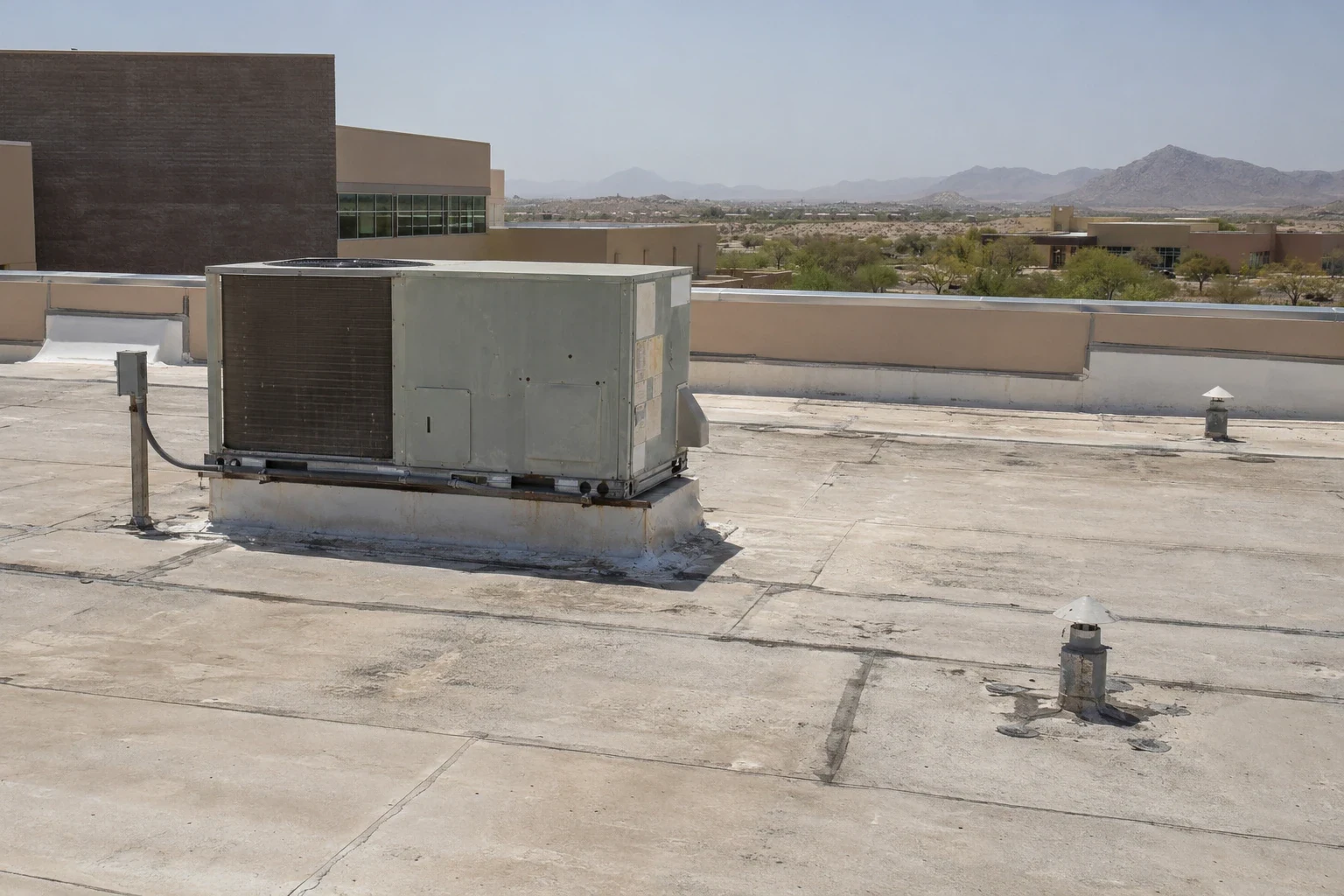
College and university roofing in Chandler, AZ: campus roof inspections, prioritized repairs, TPO and metal roof work, skylight flashing and phased replacements.
A campus facilities team usually has a list: one building with an active leak, another with a roof that is aging out, and a few more nobody has looked at in a while. For college and university roofing in Chandler, AZ, we help sort that list. Tell us which building, where the problem is and what decision you are trying to make. We inspect the roof before recommending anything, and our report explains what the work fixes and what still needs a closer look.
Chandler-Gilbert Community College's Pecos Campus sits at 2626 East Pecos Road, and any campus has many buildings with their own roofs, so we always confirm the exact building first. Drawings, old inspection reports and repair records help. For a roof inspection near the Pecos Campus or elsewhere in Chandler, we schedule access with your facilities office and focus on the problem area first. The result is a report you can use to decide what to fund next.
Setting repair priorities
An active leak, a worn-out flashing detail and a roof nearing replacement each call for a different kind of inspection. We start with whatever needs action now. Our report shows each problem with a photo and location, not a blanket grade for the whole roof. Where the surface looks fine but we suspect wet insulation underneath, we say so and recommend testing. That keeps you from paying for work you do not need, or skipping work you do.
A commercial roof inspection on a campus building should leave behind a report the next person can use. Each recommendation ties to a finding. Roof repairs are separated from issues that belong to HVAC or plumbing. Areas needing more testing are marked. We also note what we could and could not reach, so future reviewers know the limits of the inspection. Those reports help facilities rank projects across buildings and plan budgets over several years.
Roof materials
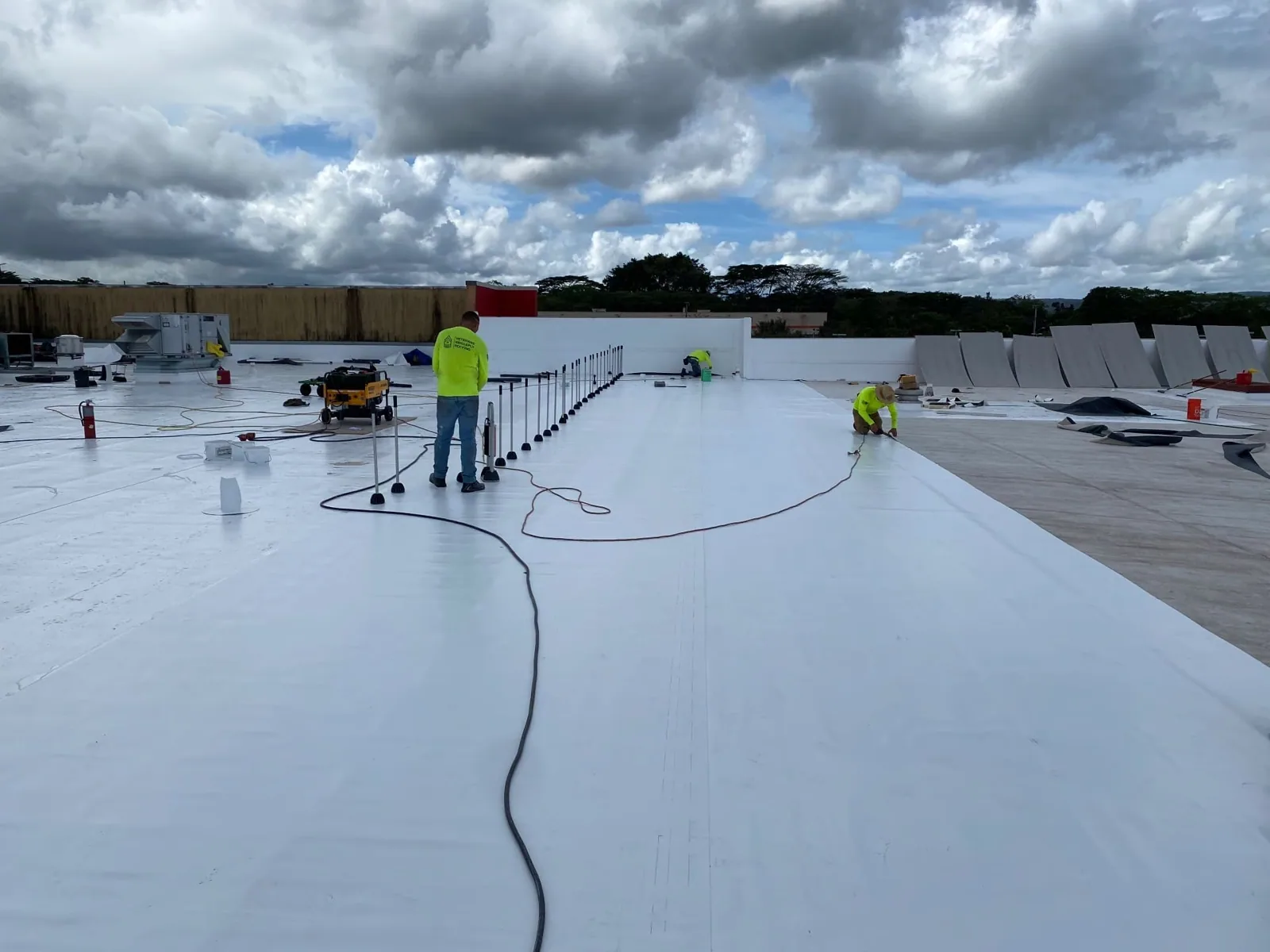
Repair materials have to match what is on the roof. TPO and PVC membranes are heat-welded, EPDM is glued or taped, modified bitumen is torched or adhered, and metal roofs need fastener and panel work. At walls, we check the backing and counterflashing along with the membrane. A good patch on rotted wood blocking will not last, so if the backing is bad, we replace it first. The estimate explains what we are removing, what we are installing and how it ties together.
On a TPO roof, an older membrane can be hard to weld to, so we test it before promising a heat-welded repair. A coating can extend a sound roof's life, but leaks have to be fixed first. A recover depends on what is under the existing membrane and how many layers are already there. A school roof or a flex industrial roof gets the same kind of material check, and each campus building gets an estimate written for the system it actually has.
Leaks, skylights and equipment
We trace leaks from the roof above the wet spot outward, checking seams, flashing, penetrations and nearby drains. Water often travels before it shows up in a classroom ceiling. If an HVAC unit or a pipe is the cause, we tell facilities so the right shop can handle it. If we suspect wet insulation, a few test cuts confirm how far it goes before we set the repair size. Those cuts are patched the same day.
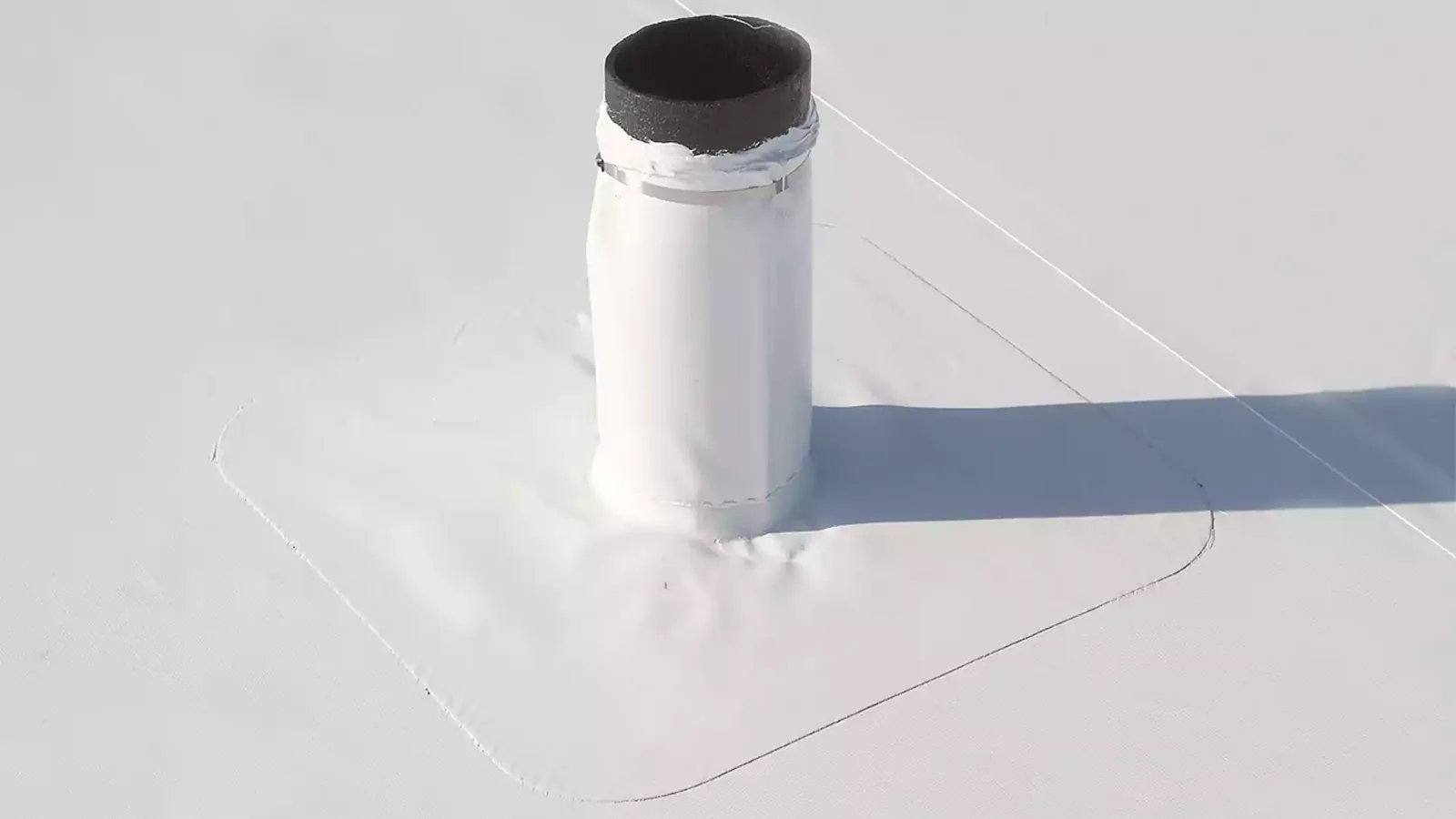
Classroom and lab buildings often have skylights and penetrations that need proper flashing: skylights, exhaust fans, plumbing vents and lab hoods. Sometimes the curb itself needs work before we can flash it. When a unit or hood needs to be lifted or disconnected, the campus HVAC shop or its contractor handles that first. Structural changes go to an engineer. We schedule our flashing work after theirs and list those dependencies in the estimate, so nothing gets sealed over an open problem.
Working on an active campus
Campuses have students and staff moving between buildings all day. We plan the material lift, dumpster location and walkways with facilities so people stay clear of the work area. Noise, adhesive odors and fumes near air intakes get discussed ahead of time, and loud tear-off can be scheduled around class times or exams. Anything inside the building, like ceiling protection in a lab or library, is planned with the building's own staff. If the work area grows, we check in again before continuing.
A phased commercial roof replacement on a campus building lists what comes off and what goes back: insulation, cover board, attachment, membrane and details. Any HVAC or plumbing prep that has to happen before roofing is called out. Smaller phases can work around the academic calendar but may add cost. Summer break is often the best window. We lay out the trade-offs so facilities can weigh disruption against price before setting dates.
Finishing and records
Every section opened during the day is sealed watertight before the crew leaves, with extra attention during the summer monsoon. If a detail is waiting on another shop, it gets temporary protection. If hidden damage expands a section, the scope, price and protection plan are updated together. A section is only marked complete when the specified insulation, membrane and flashing are in place. Temporary patches stay flagged until they are replaced with permanent work.
With preventive roof maintenance, we agree on a checklist and report what we found, what we fixed and what needs more attention. Closeout photos help facilities find the finished work later. You also get material information and quantities for warranty files, plus a list of open HVAC, plumbing or structural items. That record makes the next inspection easier. For an emergency leak over a classroom or lab, call any time, including nights, weekends and holidays. Your facilities contact can arrange access and we will get the water stopped.
Commercial Roofing Questions
What should facilities bring to the first meeting?
The building and the specific problem, any drawings or past repair records, and the name of the person who can arrange roof access. That lets us plan the inspection and report clearly.
How can we prioritize roofs across several buildings?
Start with active leaks, then use inspection findings for each building to rank the rest. We separate immediate repairs from items that need more testing, so you can fund the most urgent work first.
Does the type of roof change how it is repaired?
Yes. TPO, EPDM, modified bitumen and metal each need compatible materials and methods, and the backing behind flashing has to be sound. We match the repair to the system you have.
What has to be settled before a replacement phase starts?
The area being opened, the material and debris route, campus safety rules, any HVAC or plumbing prep work and the daily protection plan. We confirm all of that with facilities before setting dates.
Schedule a campus roof review
Have your facilities office tell us the building and the problem you are seeing. We will inspect, prioritize what we find and lay out repair or replacement options.
Request a Roof AssessmentAll Property Types We Roof