Home / Service Areas / Pecos Campus Area
Pecos Campus Area Commercial Roof Repair in Chandler
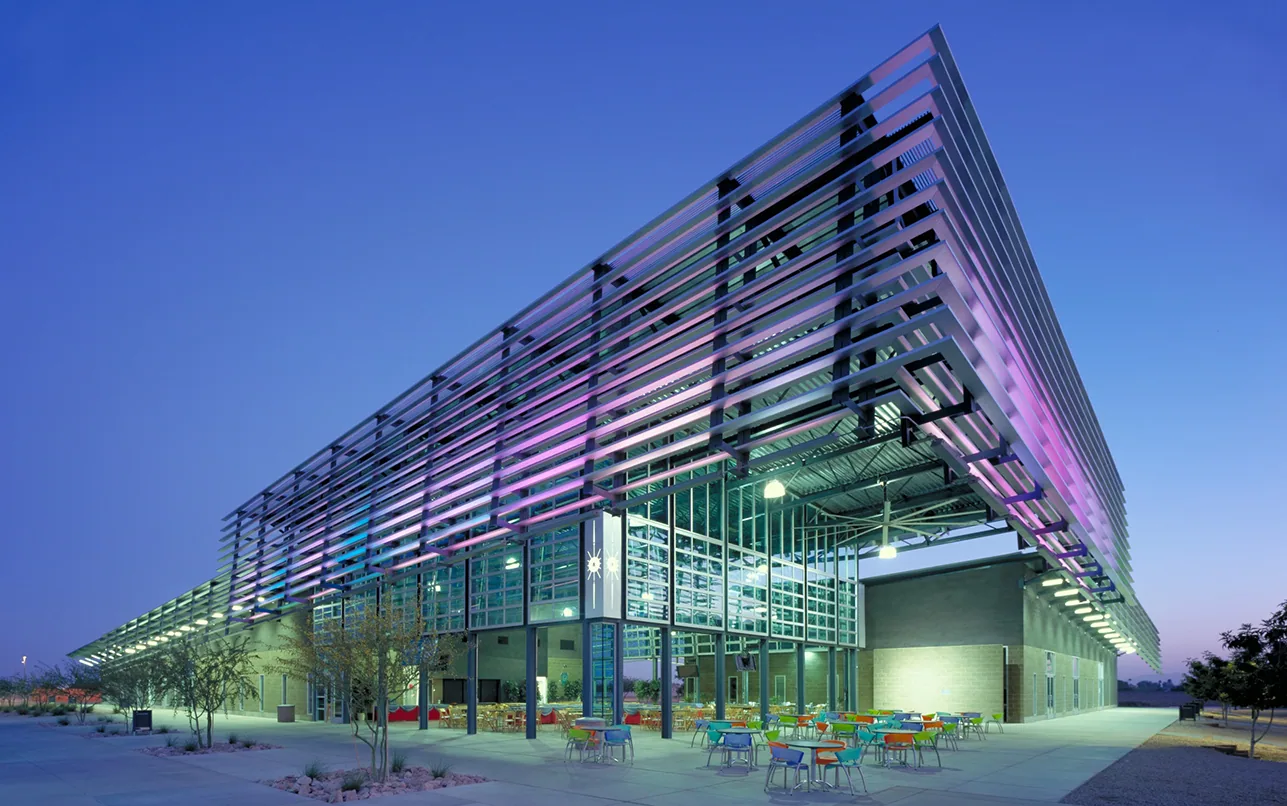
Commercial roof repair near Chandler-Gilbert Community College's Pecos Campus: inspections, skylight and penetration flashing, campus-style scheduling and long-term roof planning.
Campus roofs and other multi-building properties come with their own logistics. We start by identifying the building, the facilities contact and the problem: a leak in a classroom, a damaged skylight, a worn-out section of roof. Then we look at how to get there. Where can trucks park, where can materials sit and which walkways need to stay open? A single flashing repair is a quick job. A large tear-off is a different project, and we lay out both so facilities can plan around them.
Chandler-Gilbert Community College's Pecos Campus is on Pecos Road between Cooper and Gilbert roads, surrounded by schools, offices and commercial buildings. Tell us which building you manage and what's wrong, and we'll inspect it. We also cover Gilbert and properties along the Loop 202 corridor. Each building gets its own inspection and access plan.
Building identification and first findings
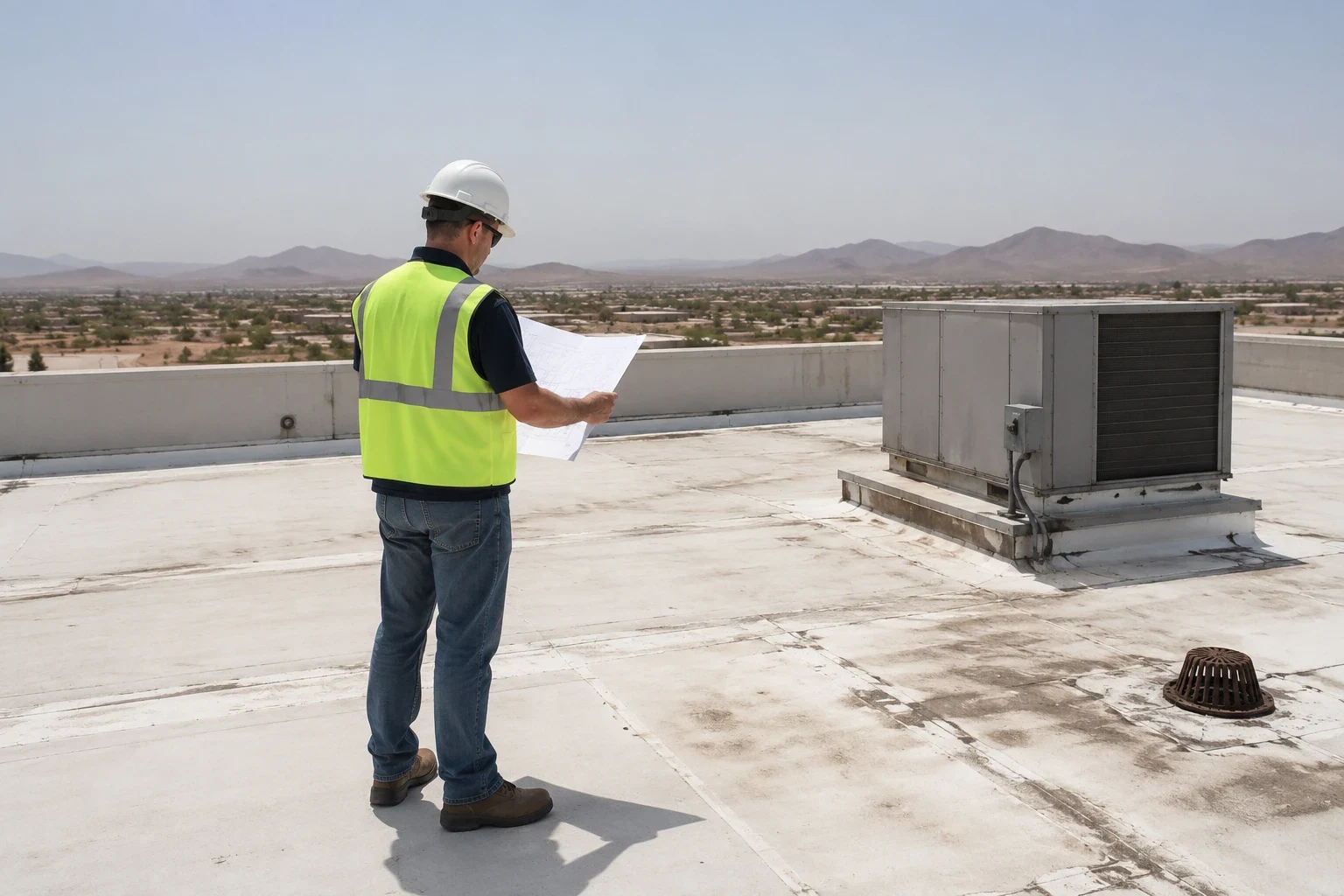
The first visit should give facilities something it can act on. We start inside with the reported leak or damage, then go up and inspect the roof directly above and upslope. We check seams, flashings, drains, skylights, rooftop units and any area that's been patched before. Every problem gets a photo and a marked location on a roof sketch.
A commercial roof inspection separates what needs fixing now from what can wait. A torn seam over a classroom is urgent. A chalky coating or a worn walkway pad can go into next year's budget. We also note what we couldn't check, such as areas behind equipment or under ponding water, so nobody assumes the whole roof was cleared.
If the building has a history of leaks, bring the records. Knowing where earlier patches were placed helps us tell whether a problem is new or the same one coming back. It also shows whether the last repair was done with compatible materials, which matters more than most people think.
Campus instructions and occupied areas
On campus-style properties, the owner usually has rules for contractors: where to park, when deliveries are allowed, where to check in and which areas are off limits. We ask for those rules up front and build the work plan around them. If the building is occupied during the work, we find out what's underneath the repair area, whether it's classrooms, labs, offices or storage.
For college and university roofing, the main concerns are noise during classes, odors reaching air intakes and keeping students and staff away from overhead work. Loud tear-off can often be scheduled for breaks, evenings or weekends. Entrances below the work area may need barriers or a temporary detour. We ask who sends notices to building occupants and who signs off before each phase.
The larger the job, the more planning it needs. A full section replacement brings lifts, dumpsters and daily deliveries. We show facilities exactly where those will go and how long they'll be there, so they can work it into the campus calendar.
Roof detail and component responsibility
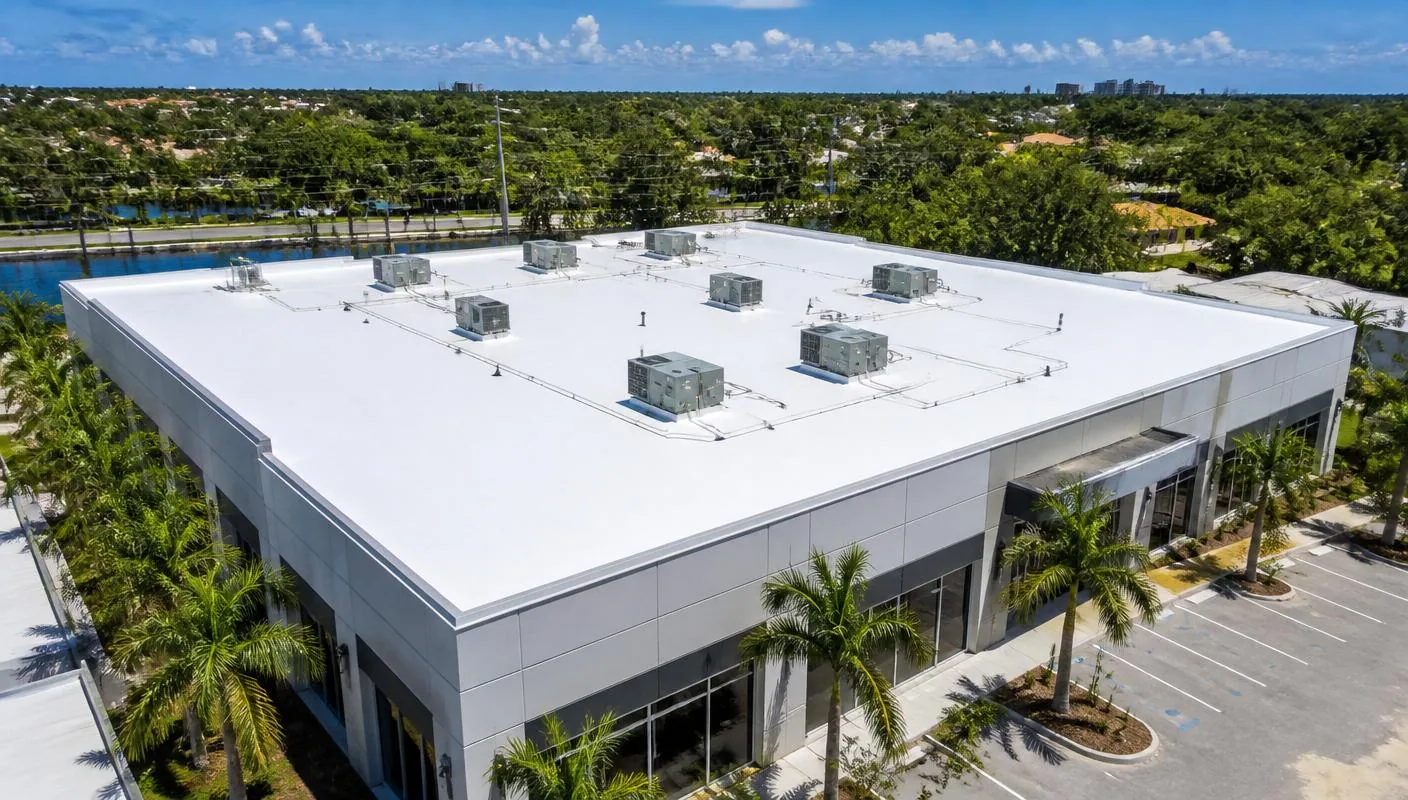
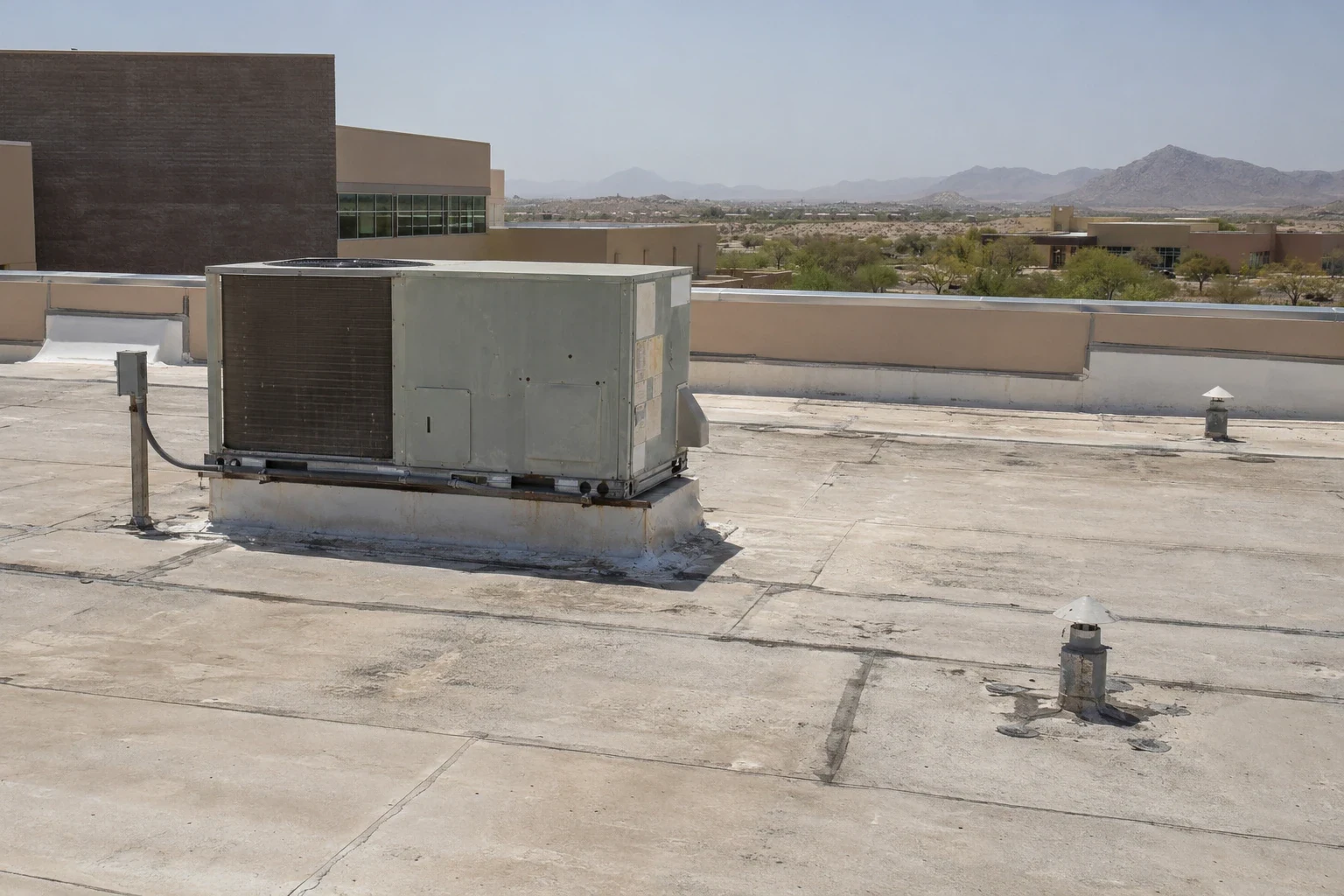
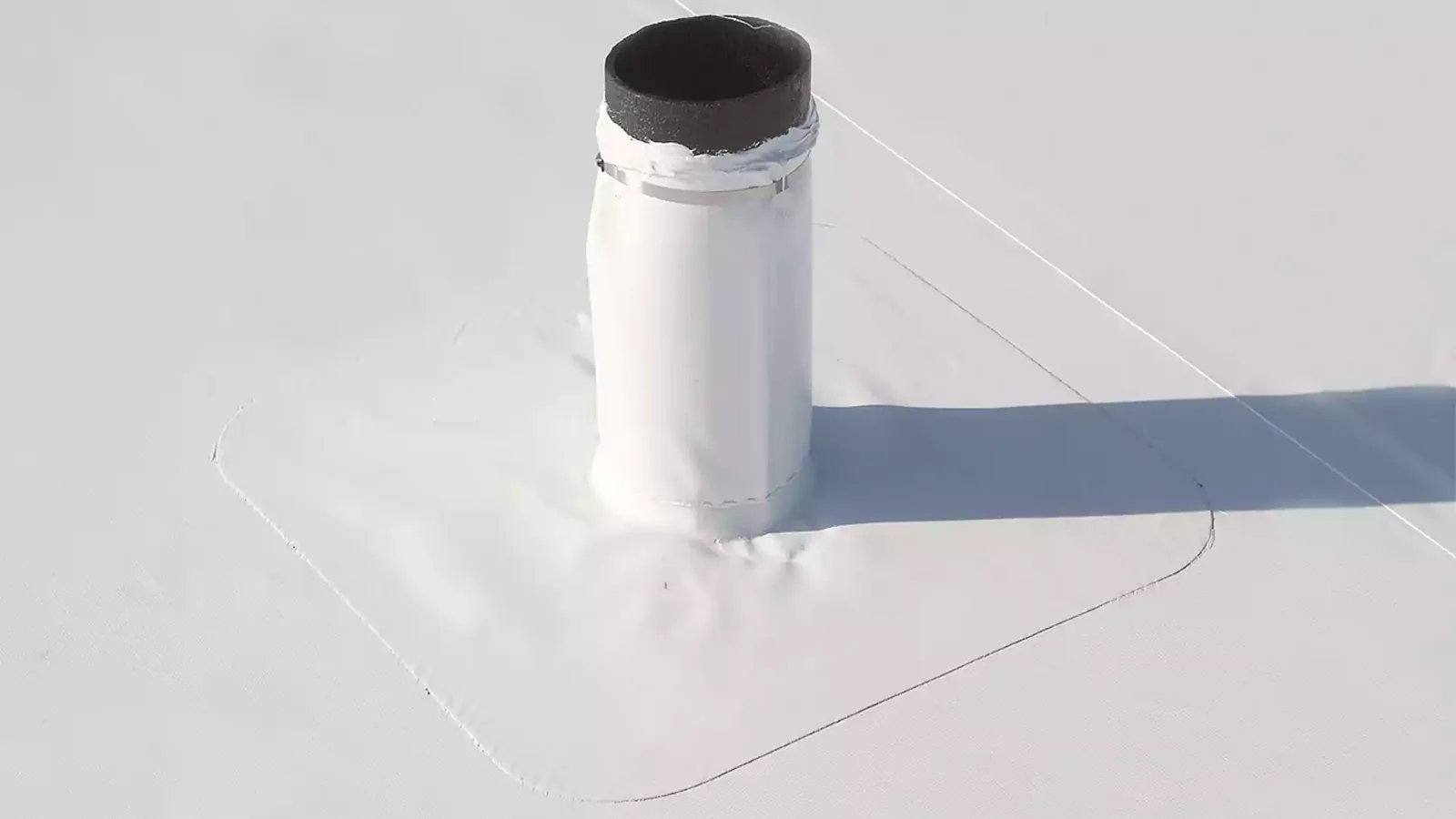
Skylights, vent pipes, exhaust fans and HVAC curbs are where most roof leaks start. The flashing around each one ages differently than the roof field, and sealant breaks down quickly in Arizona heat. We inspect each penetration individually, looking at the flashing, sealant, curb and the condition of the equipment itself.
For skylight and penetration flashing, the problem sometimes isn't the roofing at all. A cracked skylight lens, a rusted fan housing or a unit that wasn't set level on its curb can let water in no matter how good the flashing is. When that happens, we tell facilities which trade should fix the equipment and coordinate so we flash it after their work is done, not before.
When the problem is roofing, we remove the old flashing, check the curb and the deck around it, and install new flashing with compatible materials. If the curb is rotted or too short to flash properly, it's rebuilt. We photograph each step so facilities has a record of what's under the finished work.
Support condition and broader removal
Sometimes a leak is a symptom of a roof near the end of its life. We check the insulation for moisture, look at how the roof is attached and inspect the deck where we can. Wet insulation means a small patch won't hold up for long. If the damage is widespread, we explain whether a recover over the existing roof is possible or whether a full tear-off is needed.
Roof capital planning helps facilities teams budget years ahead instead of reacting to leaks. We rate each roof section's condition, estimate its remaining service life in broad terms and lay out a sequence of repairs and replacements. That lets you put the worst roofs first and avoid paying for emergency work on buildings that should have been replaced.
A larger option needs more information than a leak repair. We may take additional test cuts or moisture readings across the roof before giving a replacement price. We also explain how a large project would affect campus operations, including staging, noise and how much roof would be open at once.
Construction handback and later review
On multi-visit jobs, we never leave a roof open without protection. Before the crew leaves each day, any open area is sealed. Facilities knows which areas are finished, which are temporary, what comes next and who to call if a storm hits. That matters during monsoon season, when afternoon storms can roll in quickly.
If we find hidden damage, like wet insulation or a rotted curb, we stop and show the facilities contact before expanding the work. Approved changes are recorded with photos and the reason they were needed. If another trade has to finish something before we can close up, we wait for their confirmation.
At closeout, facilities receives before and after photos, a list of completed repairs, any changes approved during the job and anything we noticed but didn't fix. That record goes into the building file. The next time someone reports a leak, the next inspector can see exactly where work was done and what was already known. It also helps when budgeting for future roof projects across multiple buildings.
Commercial Roofing Questions
What should facilities tell you first?
Which building, where the leak or damage is, who can let us on the roof and any records of earlier repairs. That lets the first visit focus on the right area.
Who sets the rules for working on campus-style properties?
The owner or facilities department. We ask for their contractor rules on parking, deliveries, work hours and occupied areas, then plan the job around them.
What if the leak is coming from equipment, not the roof?
We tell facilities which trade should fix the skylight, fan or HVAC unit, then flash it after their work is complete so the repair holds.
Why does a replacement quote need more testing than a repair?
A repair covers one area. Replacement covers the whole roof, so we check moisture, attachment and deck condition in more places before pricing it.
What happens between visits on a longer job?
Open areas are sealed before we leave. Facilities knows what's finished, what's temporary, what comes next and who to call if water appears.
Schedule a roof inspection near the Pecos Campus
Tell us which building you manage and what's wrong with the roof. We'll inspect it, explain the repair and plan the work around your schedule and contractor rules.
Request a Roof AssessmentAll Service Areas