Home / Service Areas / Ahwatukee
Ahwatukee Commercial Roof Repair
Commercial roof repair in Ahwatukee: leak tracing, drain and flashing repairs, coating prep and replacement planned around open storefronts, tenants and deliveries.
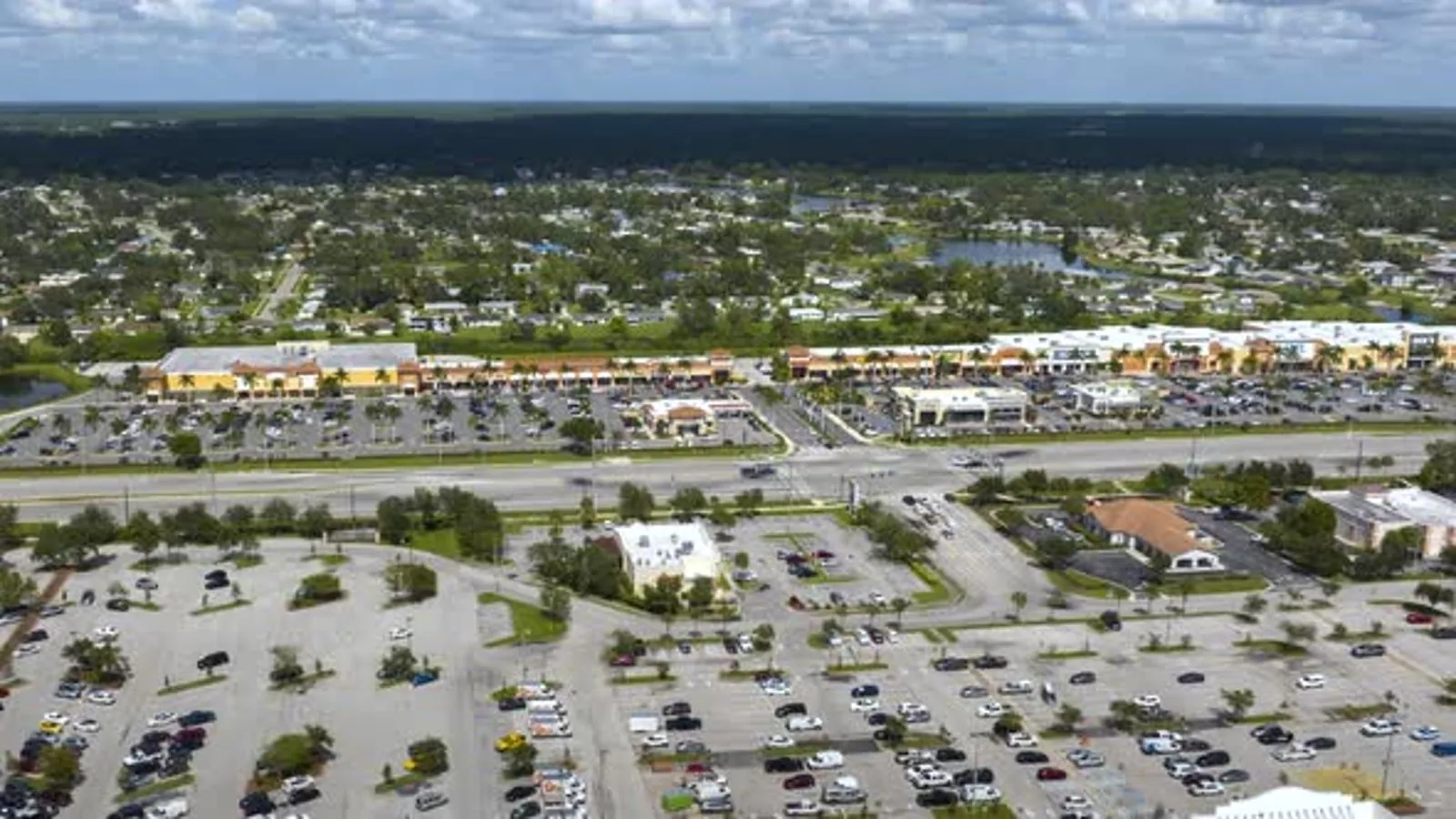
Most commercial roofs in Ahwatukee sit over businesses that stay open while we work: shopping centers, offices, medical suites and restaurants along the main corridors. A roof repair over a storefront entrance needs different planning from a repair over a back stockroom. We mark the problem on a photo or roof sketch, show you the work area and ask how deliveries and customer entrances are handled before scheduling. A drain repair and a larger tear-off involve very different footprints, and we explain both the repair and the logistics.
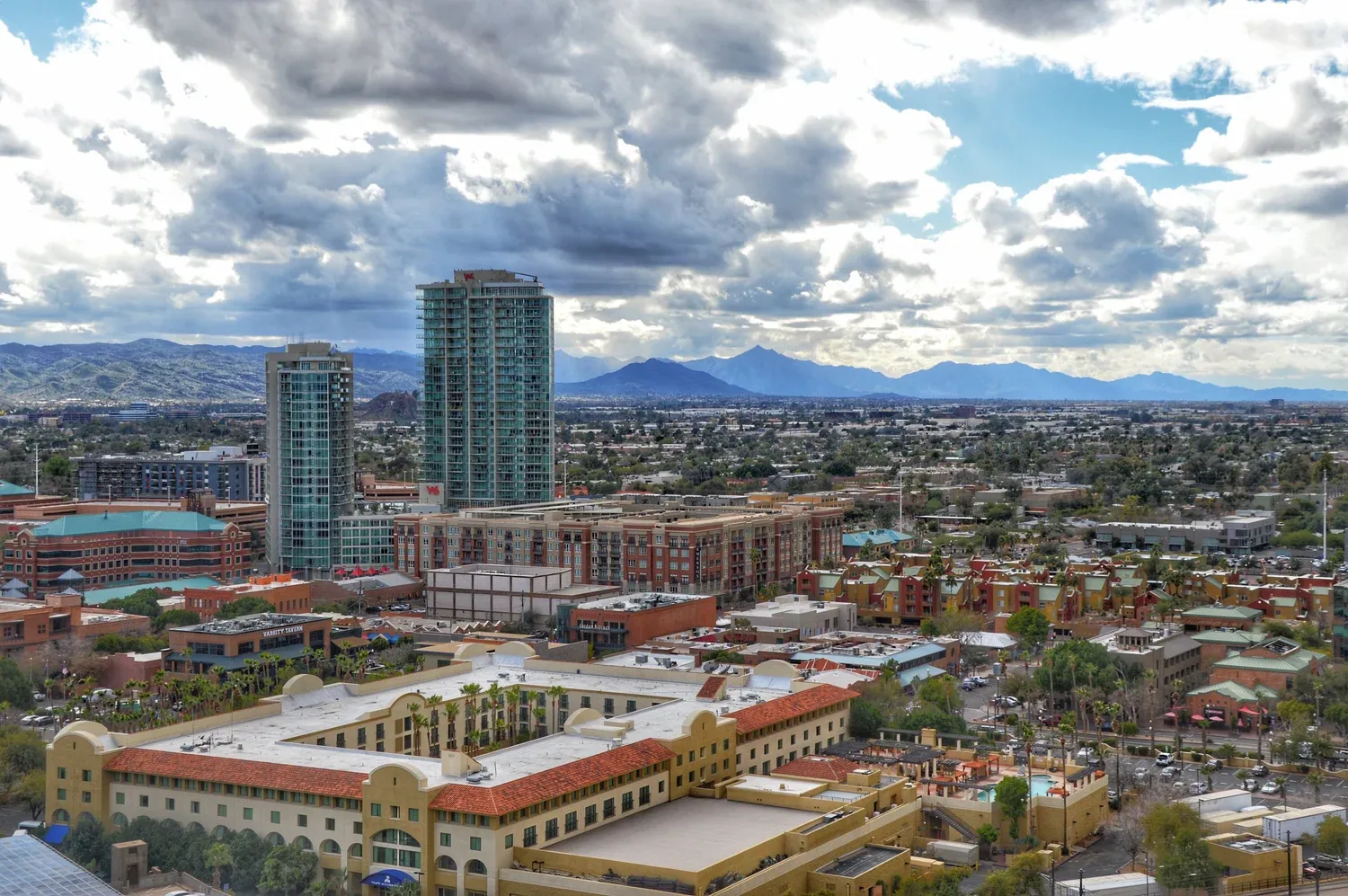
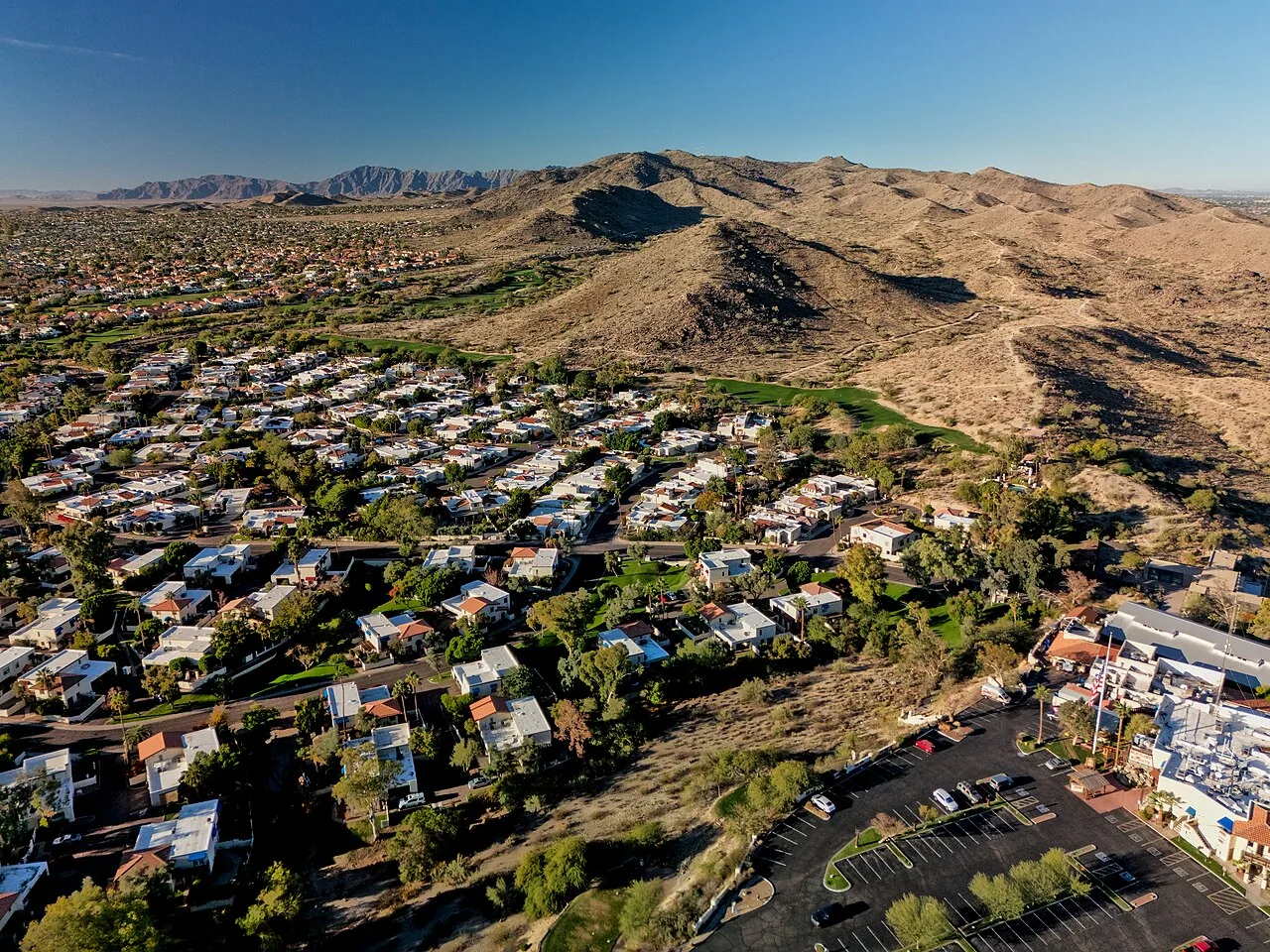
Ahwatukee Foothills is a village of Phoenix, tucked between South Mountain and the Gila River Indian Community. Tell us the property and who manages it, and we will inspect the roof and recommend a permanent fix. Nearby, we also handle commercial roof repair in Tempe and roof work in Sun Lakes, each based on that building's own roof and history. The type of roof we find decides the repair method. If something else needs a closer look, we say so and plan the next step with you before any work is approved.
Planning around entrances and deliveries
We give the property manager a photo or sketch showing exactly where on the roof we will work and what is underneath. We ask which entrances, delivery doors and parking areas need to stay open, where the lift and dumpster can go and how debris will leave the site. If tenants need notice or interior protection, the manager tells us and we build it into the schedule. All of that is agreed before the crew shows up.
On shopping center roofs, the size of the job changes the plan. A small repair might need one ladder and a few bundles of material. A larger tear-off needs staging space, a dumpster and protection over walkways. We explain those differences alongside the roof options, and ask which tenants need to be warned about noise, odors or blocked doors during the work.
If we open the roof and find more damage, we show the manager the larger area and any change in staging or protection before going further. If the lease or property rules require a new tenant notice, we wait for it. The approved change and the access plan stay together, so the manager can keep tenants informed and the owner can see what the added work costs and why.
Drains and wall flashing
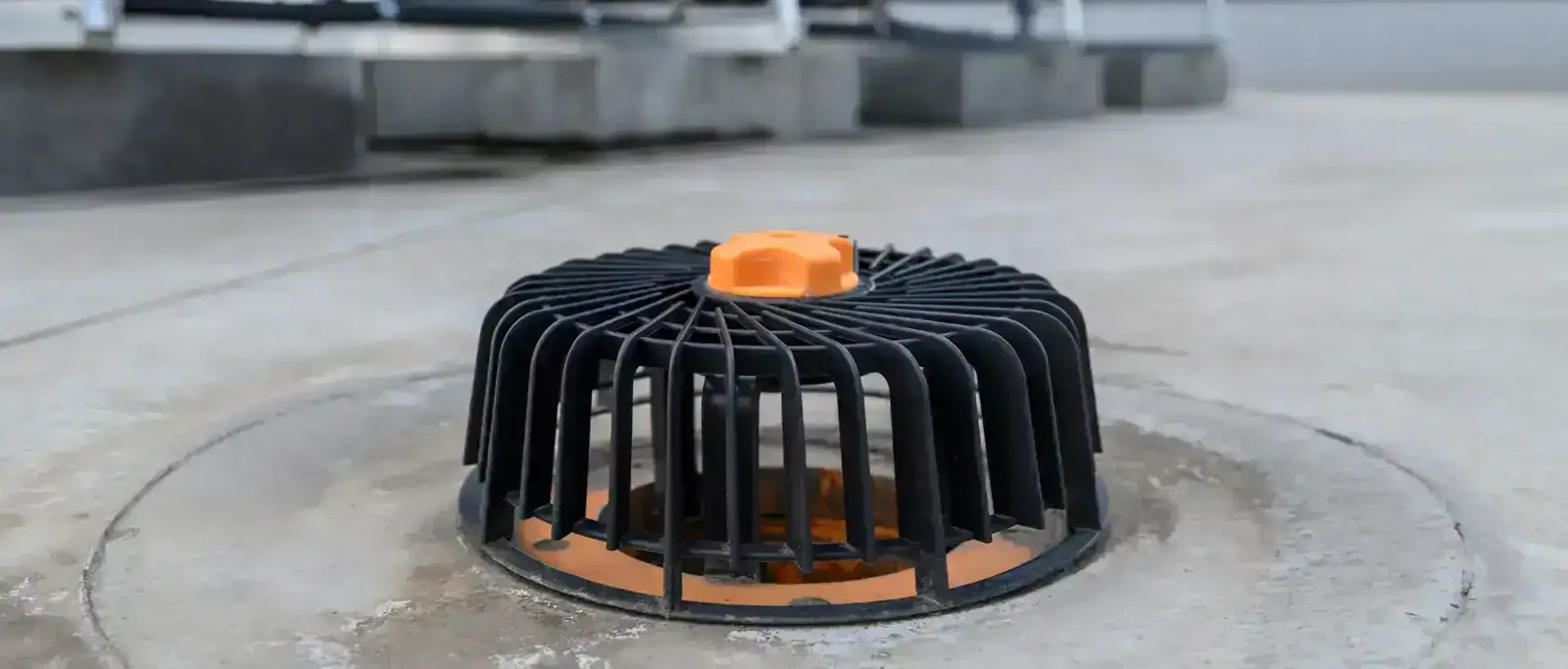
When we clear a clogged drain, we also check the drain flashing and the membrane around it. Cleaning debris often reveals cracked flashing or split membrane that has been hidden under leaves and silt. We fix the roofing at the drain, and if the drain body or pipe is damaged, we tell you a plumber needs to look at it. If water keeps ponding after cleaning, the cause may be a low spot or a drain set too high, and we recommend the right next step.
For roof drain and scupper work, the estimate spells out what roofing work is included and what belongs to a plumber. We check the insulation and deck around the drain, since the new flashing depends on what is underneath. If the insulation is wet or the deck is damaged, we show you before asking to remove or rebuild more. You approve work based on the real cause.
Where a roof meets a parapet or a taller wall, we check the flashing and the wall above it. Missing or rotted wood, cracked stucco or loose coping has to be repaired before new flashing will stay attached. We sort out who does that wall work and when it will be ready, then flash the roof to the repaired wall. The manager gets a clear list of what each trade is doing and in what order.
Tracing leaks and repairing the membrane
We start by asking where water showed up inside and when, and whether there have been earlier repairs. Then we check the seams, penetrations and flashing on the roof near that spot, along with any rooftop equipment nearby. Water often enters in one place and travels under the membrane before it drips somewhere else. If what we find on the roof does not explain the leak, we say so and recommend further investigation instead of guessing.
A commercial roof leak repair report shows where the defect is, what we fixed and what is still open. If an HVAC unit or a pipe might also be leaking, we list it for the right contractor. A failed seam we found justifies a seam repair; a possible equipment leak stays on the list beside it. The manager can see both clearly and follow up on each.
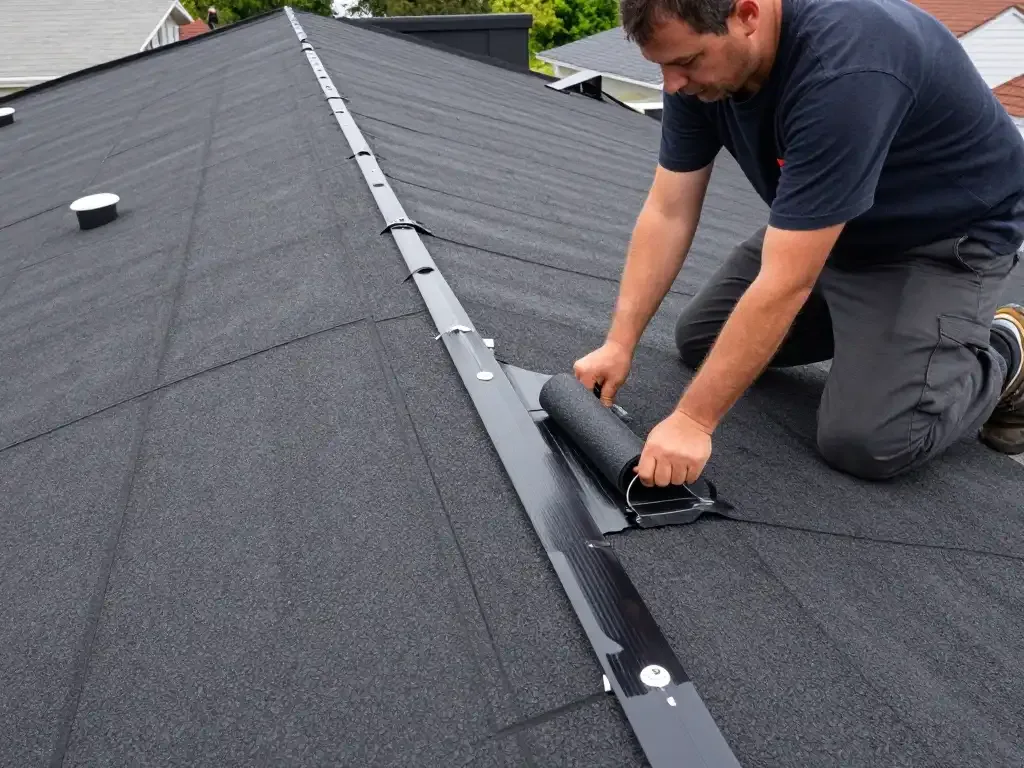
Before repairing the membrane, we confirm what kind of roof it is, since TPO, PVC, EPDM and modified bitumen each use different materials. We check the membrane around the damage and remove failed patches that would not bond to the new repair. Nearby seams and flashing are fixed too. Then the area is cleaned with the right method and the patch goes on. We photograph each step before it gets covered.
Coatings, recovers and replacement
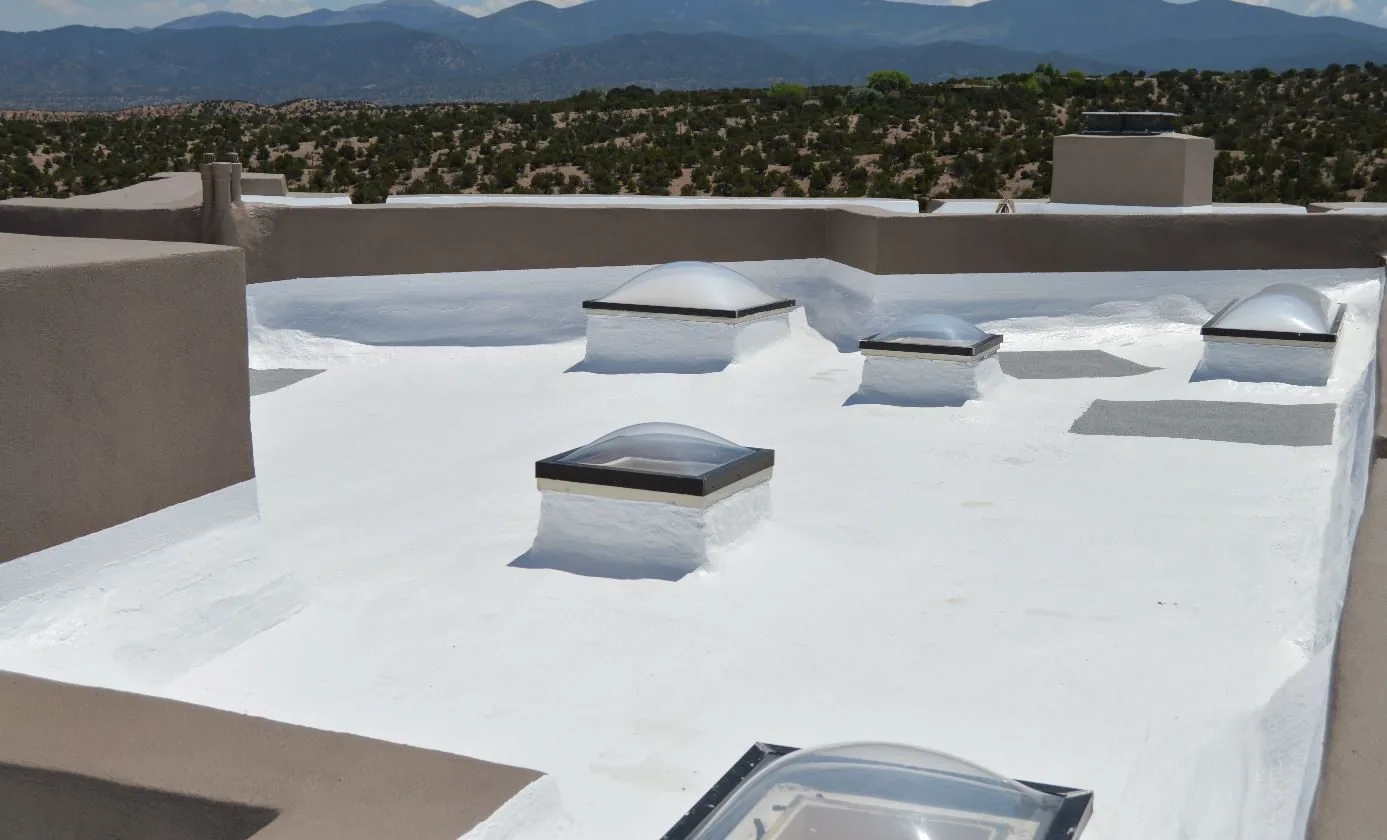
A coating can extend the life of an older roof, but only if the roof underneath is in good enough shape. We identify the existing roof, check for damage across the area to be coated and look for wet insulation. Wet or badly deteriorated areas need to be cut out and rebuilt first. Failed seams and flashing are repaired before any prep. The coating goes on only after those repairs are done.
Roof coating restoration follows a set order: repair failed details, remove patches that will not hold, clean the roof the way the coating manufacturer requires, then coat. We photograph the repairs before the coating covers them. If part of the roof has not been inspected, we check it before coating. The manager gets what they need to choose the right coating, or decide whether coating is the right choice at all.
A recover or full replacement needs an inspection of the whole area involved. We check the layers, how the roof is attached and the condition of edges and curbs before deciding what can stay. One test cut tells you about one spot; a larger project may need more. We price repair, recover and replacement based on what we actually found, so the owner can compare full scopes, including access and protection.
Finishing each visit
At the end of each visit, we tell the manager what is finished and what is temporarily sealed. For any spot still open, we say what the next step is, who is doing it and who to call if it leaks before then. If more approval is needed before we come back, we note that too. The manager has what they need to schedule the next visit.
We keep photos of the original damage, the work in progress and the finished repair together. Approved changes are listed with the findings that caused them. Any other roof problem we noticed is listed separately, with the recommended next step and who should handle it. That way, anyone checking the roof later can find the repair and see what still needs attention.
Cost depends mostly on how big the repair is, what needs fixing underneath and how hard the roof is to reach. Wall repairs, extra tear-off, added protection or working in separate shifts around a business can all add cost. We explain those factors when we review the estimate, and any approved additions are tied to what we found. The manager and the owner can see exactly what was done and what the money paid for.
Commercial Roofing Questions
What do you need to know about the property before roof work starts?
Which entrances, delivery doors and parking areas need to stay open, where equipment and a dumpster can go, and whether tenants need notice or interior protection.
Does clearing a clogged drain fix the problem?
Sometimes. Often it reveals cracked flashing or split membrane around the drain, which we repair. If the drain pipe itself is damaged, a plumber needs to look at it.
How do you choose the right membrane repair?
We confirm the roof type, check the membrane around the damage, remove old patches that will not bond, fix nearby seams and flashing, clean the area properly and then install a compatible patch.
What has to happen before a roof can be coated?
The roof is identified and inspected, failed seams and flashing are repaired, wet or damaged areas are rebuilt and the surface is cleaned the way the coating maker requires.
What do we get at the end of each visit?
A summary of what is finished and what is temporarily sealed, the next step for anything still open, who is responsible for it and who to call if it leaks in the meantime.
Schedule an Ahwatukee roof inspection
Tell us the building and who manages it. We will check the leak, drains and flashing, recommend the right repair and plan the work around your tenants and customers.
Request a Roof AssessmentAll Service Areas