Home / Service Areas / Sun Lakes
Sun Lakes Commercial Roof Repair and Material Review
Commercial roof repair in Sun Lakes, AZ: senior living and community building roofs, leak tracing, flashing repair and roof planning with careful resident notice and protection.
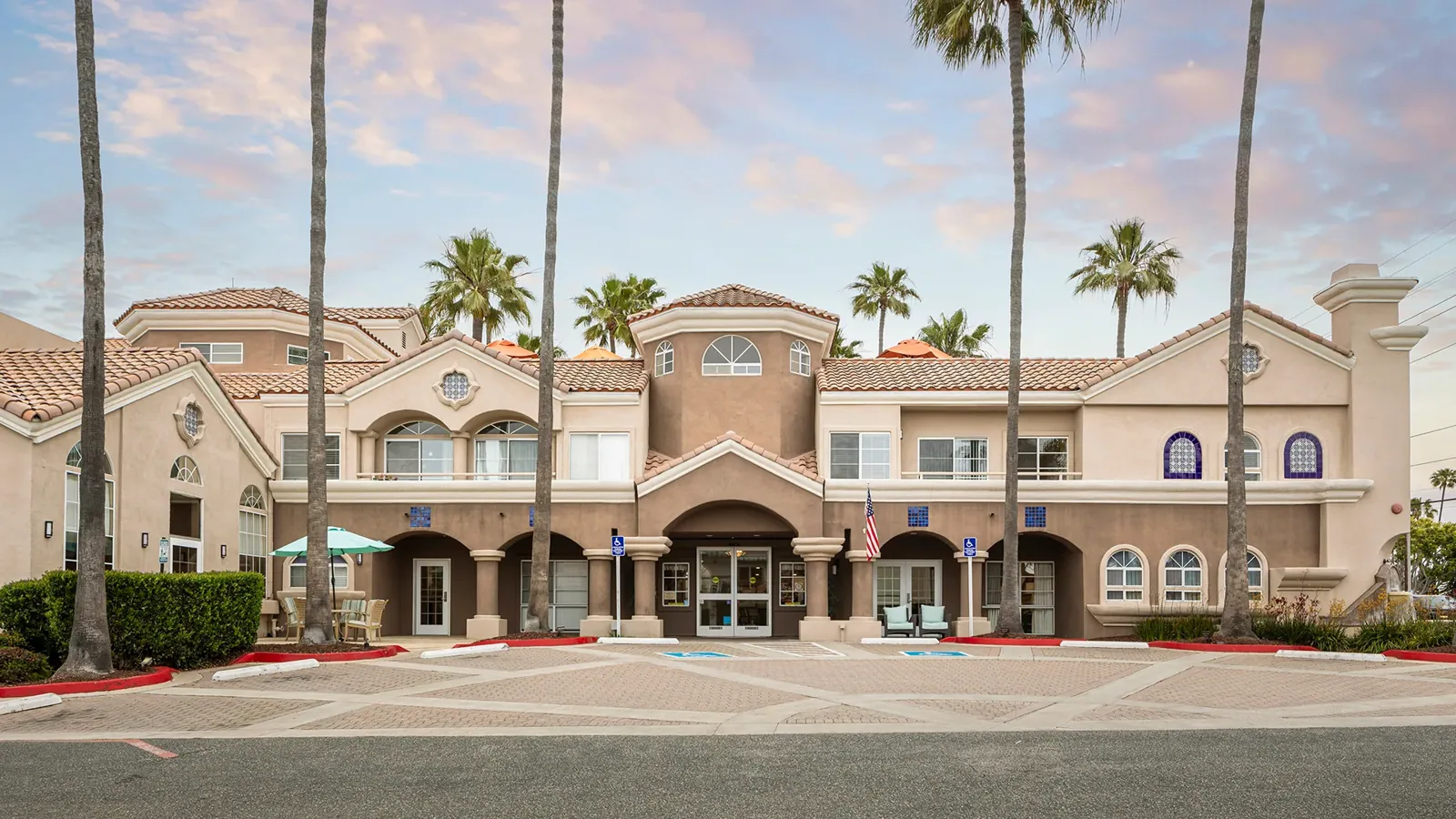
Roof work over a senior living building has to be planned around the people inside. We ask the property manager exactly where the repair sits over the building, which apartments, common rooms or dining areas are below and which entrances and walkways residents use most. We also ask what notice residents should receive and whether any areas need extra protection. A small flashing repair barely affects anyone. A larger tear-off means noise, deliveries and equipment on site for days, and we explain that difference clearly so the visit can be scheduled with care.
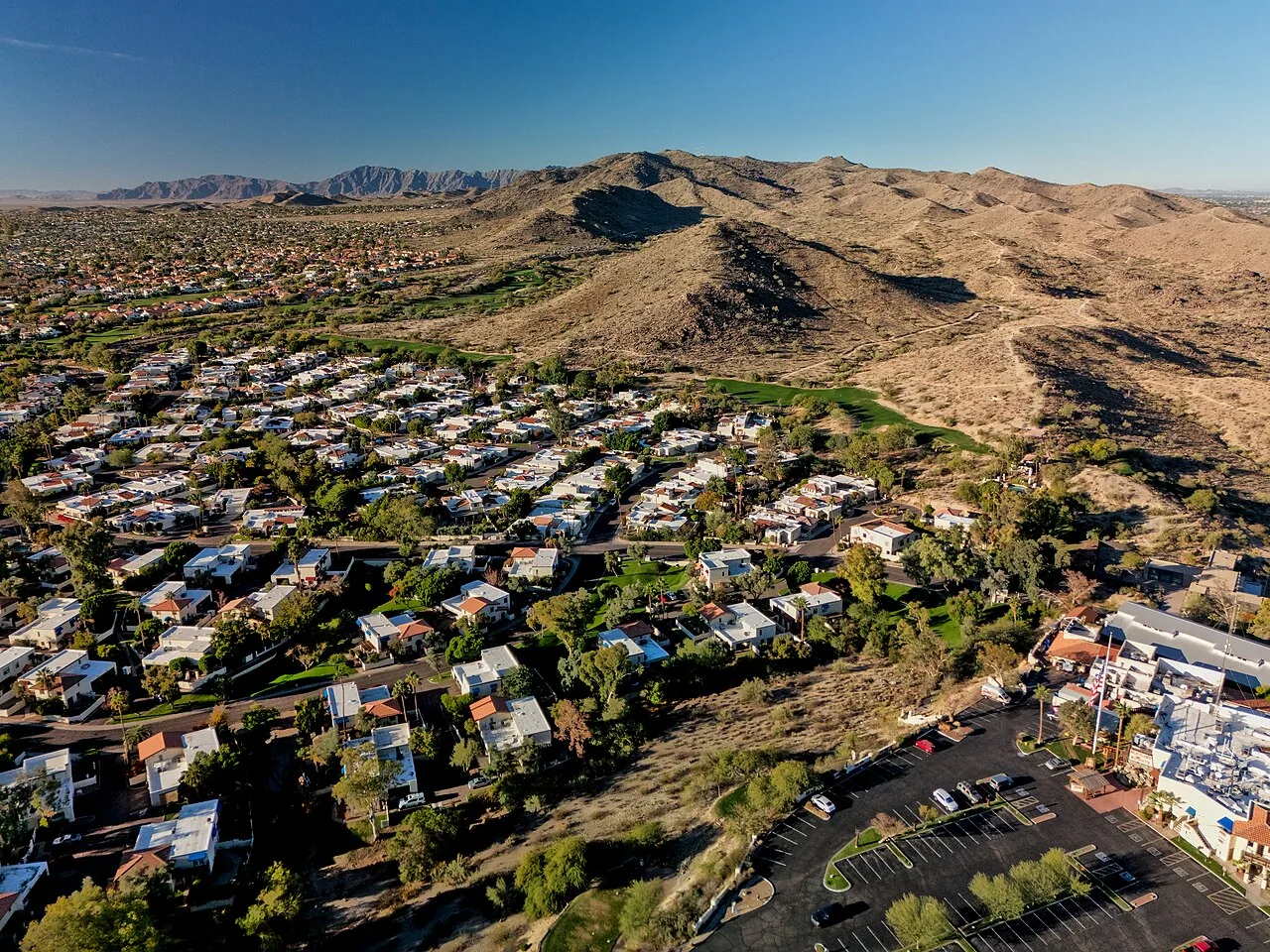
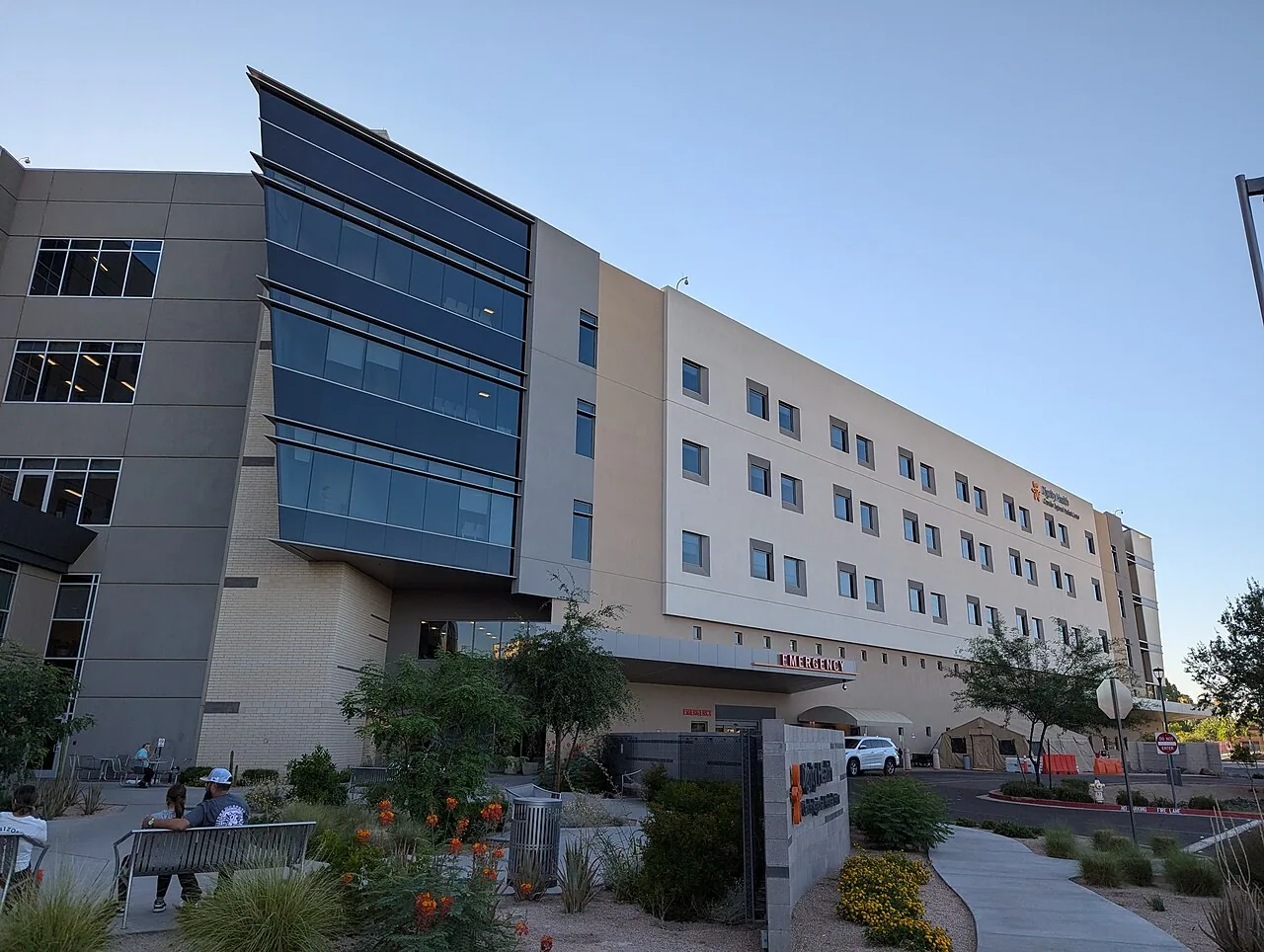
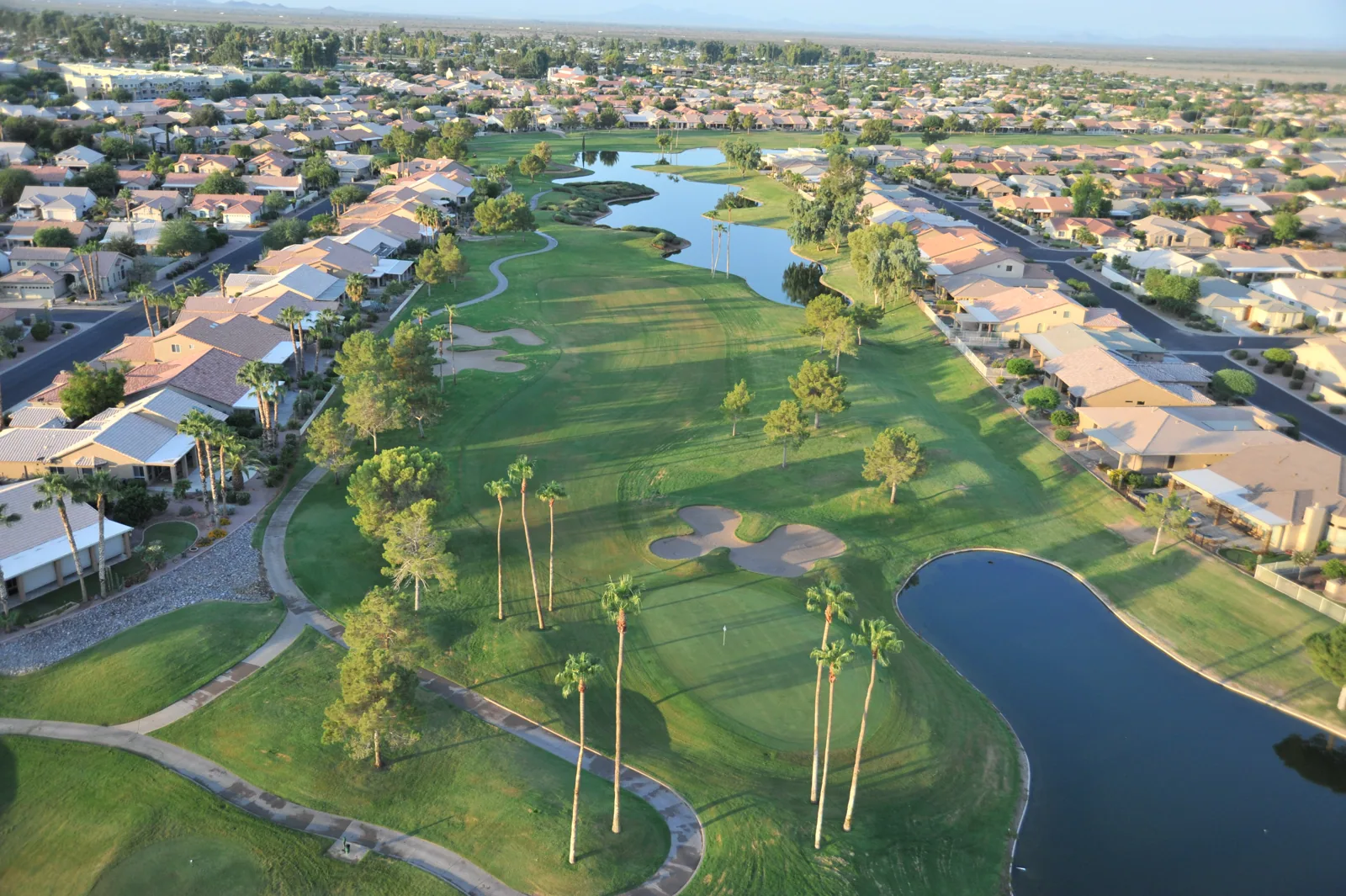
Sun Lakes is an active adult community east of Interstate 10, bordered by Chandler to the north and east, with clubhouses, community buildings and commercial properties alongside its neighborhoods. Send us the property address and a contact, and we'll inspect the roof. We also work in Ahwatukee and near Chandler Regional. Each property gets its own inspection and plan.
Occupied spaces and material route
Residents shouldn't have to dodge trucks, cords or overhead work. We plan truck parking, lift placement and material staging away from main entrances, walkways and resident parking whenever possible. Entrances that have to stay open under the work area get overhead protection or a clearly marked detour. Cleanup happens daily, including a magnet sweep for nails and screws.
For senior living roofing, we follow the property's rules on work hours, noise and resident notices. Tear-off and fastening are loud, and some roofing adhesives have a smell that air units can pull inside. We ask whether certain hours are better, whether air intakes can be shut down briefly and who will notify residents and families.
We also ask about residents with medical needs, such as oxygen use or sensitivity to fumes, so the property can make arrangements if needed. Our crew checks in with the property contact each day so staff always know where we're working. If plans change during the job, such as a new staging spot or an extra day of noisy work, we tell staff first so they can update residents before it happens rather than after.
Reported water and detail investigation
Leaks in a senior living building often show up as a stain in an apartment ceiling, a drip in a hallway or water near a window. We match the interior location to the roof above and inspect seams, flashings, drains, pipe boots and equipment curbs in that area. Water can travel under the membrane before it drips, so the stain isn't always directly below the source.
For leak repair in Sun Lakes, we also rule out non-roof sources. Rooftop AC condensate lines, plumbing vents and window seals can all leak in ways that look like roof leaks from inside. If the roof isn't the source, we tell you who should look at it.
If we can't confirm the source on the first visit, we explain what we ruled out and recommend the next step. Every finding is photographed and marked on a roof plan. When a resident's apartment is involved, we coordinate with staff before entering so the resident knows what to expect. We keep those visits short, protect floors and furniture, and leave the space as we found it.
Membrane details and wall correction
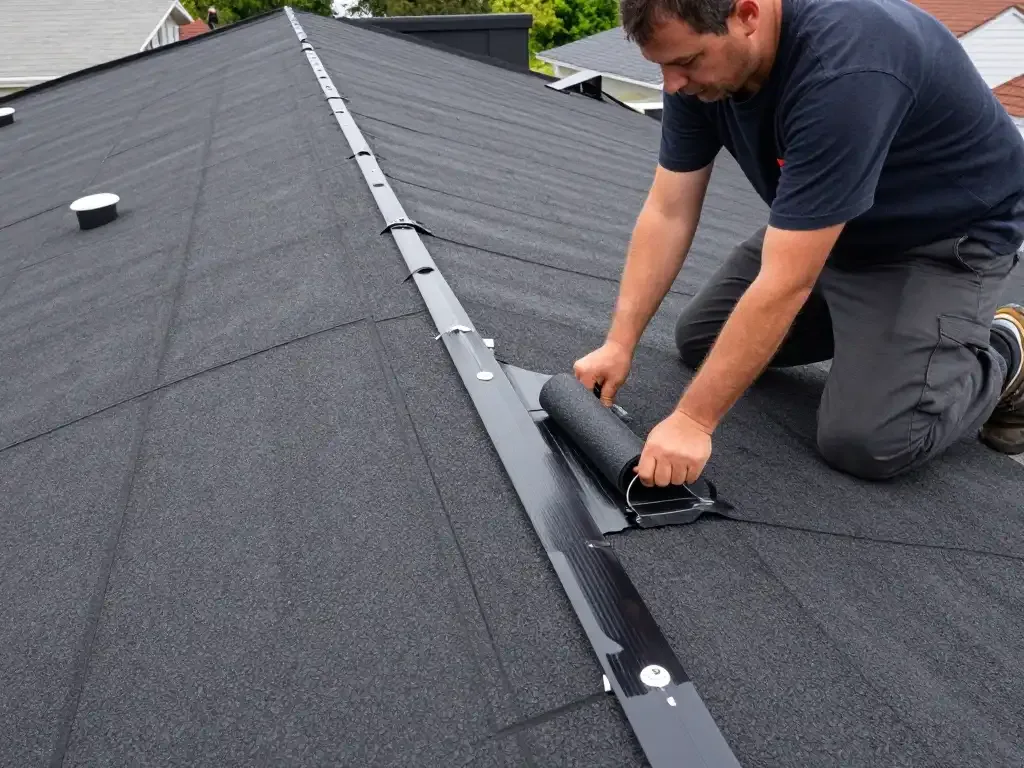
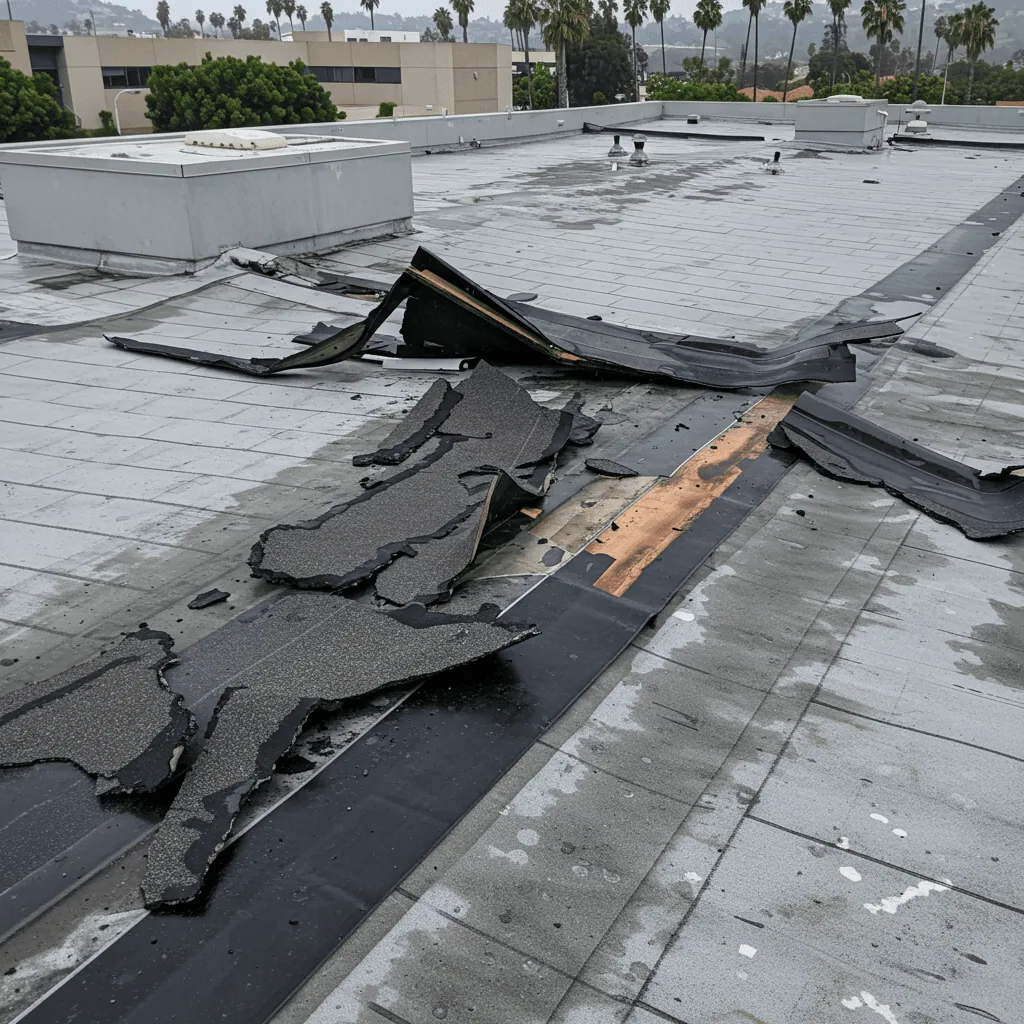
Many leaks start where the roof meets a wall, a parapet or a rooftop unit. Flashing pulls loose as the membrane shrinks in the heat, sealant dries out and stucco above the flashing can crack and let water run in behind it. Pipe boots and vent flashings crack with age too.
For flashing failure repair, we remove the failed flashing and check what's behind it. Rotted wood, cracked stucco or damaged block is repaired before new flashing goes on. If the wall above the roof needs stucco work, that may be a separate trade, and we explain who does what and in what order so the new flashing isn't disturbed later.
Membrane repairs follow the same approach. We confirm the roof type, remove failed patches, clean and prepare the surface and install compatible material. Each step is photographed so the property's records show what's under the finished repair.
Support condition and roof options
A repair only lasts if what's underneath is sound. When we suspect wet insulation or a damaged deck, we use a moisture meter or take a small test cut. If we open the roof and find more damage than expected, we stop, photograph it and explain the fix before expanding the work.
Roof capital planning helps community associations and owners budget ahead, which matters when reserve funds and board approvals are involved. We assess each roof, estimate its remaining life in general terms and recommend a sequence of repairs, recovers and replacements. That lets the worst roofs be addressed first and helps avoid emergency spending.
Before recommending a recover or replacement, we check moisture across the roof, confirm how many layers exist and look at how the roof is attached. We lay out the options side by side, including cost, timing and how much disruption each would cause for residents. That gives the board or owner a clear basis for the decision.
Protected positions and finish record
If a job takes more than one visit, any open area is sealed with temporary protection before the crew leaves. The property contact knows exactly where those areas are, what's left to do, who handles the next step and who to call if water appears. If we're waiting on an HVAC contractor or a stucco crew, we explain how that affects our return date.
When hidden damage turns up, we photograph it, explain the fix and the cost and wait for approval. Every approved change is recorded with the reason it was needed. Residents affected by a schedule change get updated notice through the property.
At closeout, the property receives before and after photos, documentation of hidden repairs, approved changes and a list of anything we noticed but didn't fix. That record is useful for board reports, reserve studies, insurance questions and the next leak call. When staff or management changes, the next person can see exactly what was done to each roof and what still needs attention.
Commercial Roofing Questions
What should the property tell you before work starts?
What's below the repair area, which entrances and walkways residents use, work-hour and noise rules, how residents will be notified and any residents with medical needs.
How do you trace a leak into a resident's apartment?
We match the stain to the roof above, inspect nearby seams, flashings and equipment, and rule out windows, vents and AC lines. We coordinate with staff before entering any apartment.
What has to happen before new flashing goes on?
The failed flashing comes off and anything rotted or cracked behind it is repaired. If stucco work is needed above the roof line, that trade goes first.
Why might a larger project need more assessment?
A recover or replacement covers the whole roof, so we test for moisture and check layers and attachment in several areas before recommending one.
What happens between work days?
Open areas are sealed. The property knows where they are, what's left to do, who handles the next step and who to call if water appears.
Schedule a Sun Lakes roof inspection
Tell us the property address and who manages it. We'll inspect the roof, explain the repair and plan the work carefully around your residents.
Request a Roof AssessmentAll Service Areas