Home / Roofing Capabilities / Roof Capital Planning
Roof Capital Planning in Chandler, AZ
Roof capital planning for Chandler, AZ facilities: compare repair, recover and replacement with complete scopes, realistic phasing and clear notes on what still needs testing.
A roof budget is only as good as the scope behind it. Two replacement numbers can look similar on paper while one leaves out wet insulation removal, curb raises or the extra setup that comes with working over an occupied hospital wing. Roof capital planning in Chandler means pricing each roof section with everything it actually takes to finish, then laying those projects out over the years your facilities budget can handle.
For a medical building, the conversation starts with what sits under each roof section. Operating rooms, imaging suites and patient floors all limit when and how we can open a roof, and the facility's own staff set those rules. A roof condition report gives us the starting point. From there, each option lists tear-off, deck and insulation repairs, the new roof system and any work by other trades. If a project is split into phases, the plan explains the temporary tie-ins and when the rest gets finished, so you are not comparing a full job against half of one.
What the plan is based on
We begin with the roof sections you are budgeting for and the problems you already know about. Old drawings and repair invoices help us know where to look, but the plan is built on what we find on the roof today. One test cut tells you about that spot, not the whole roof, so we say which conclusions are confirmed and which still rest on assumptions.
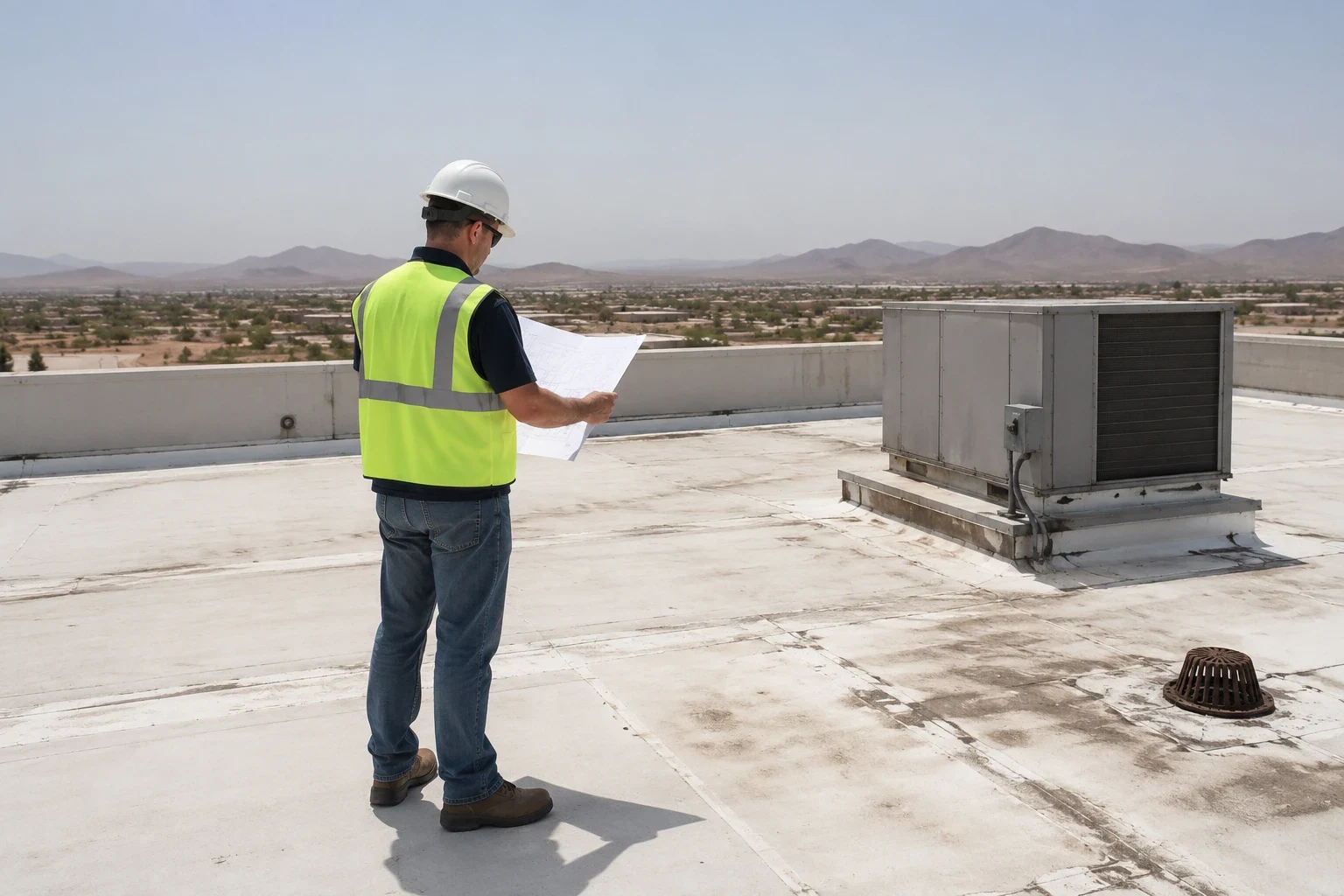
Our roof inspection pins each finding to a spot on the roof plan. Close-up photos are paired with wider shots so anyone can find the area later. If a section was locked or unsafe to walk, it stays marked as not inspected, and its budget number is flagged as an estimate.
Where hidden conditions could swing the cost, such as wet insulation under a dry-looking membrane, we recommend a moisture scan or core cuts and explain how the openings will be patched. That small cost up front can save you from approving a recover that turns into a tear-off halfway through.
Repair, recover or replace
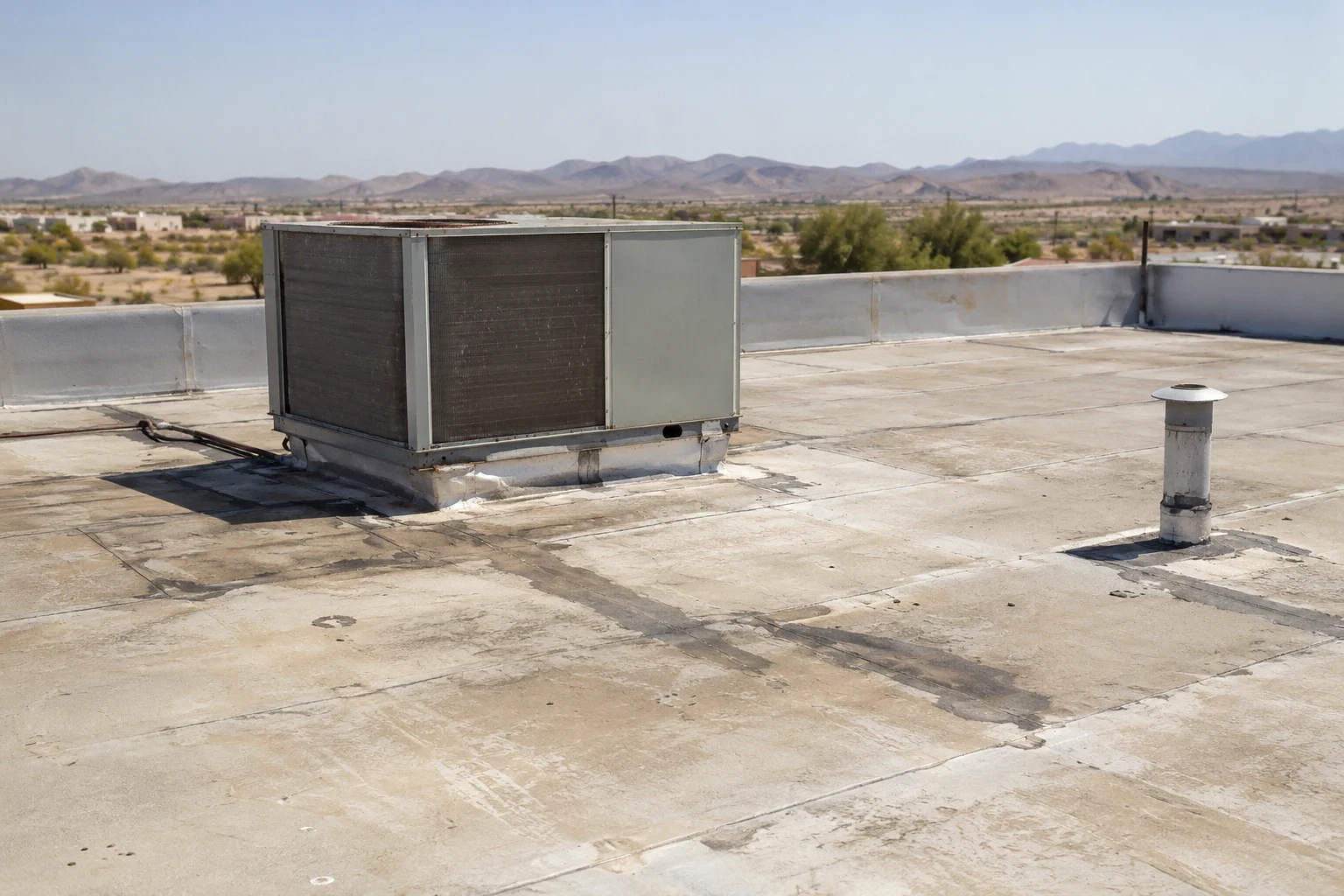
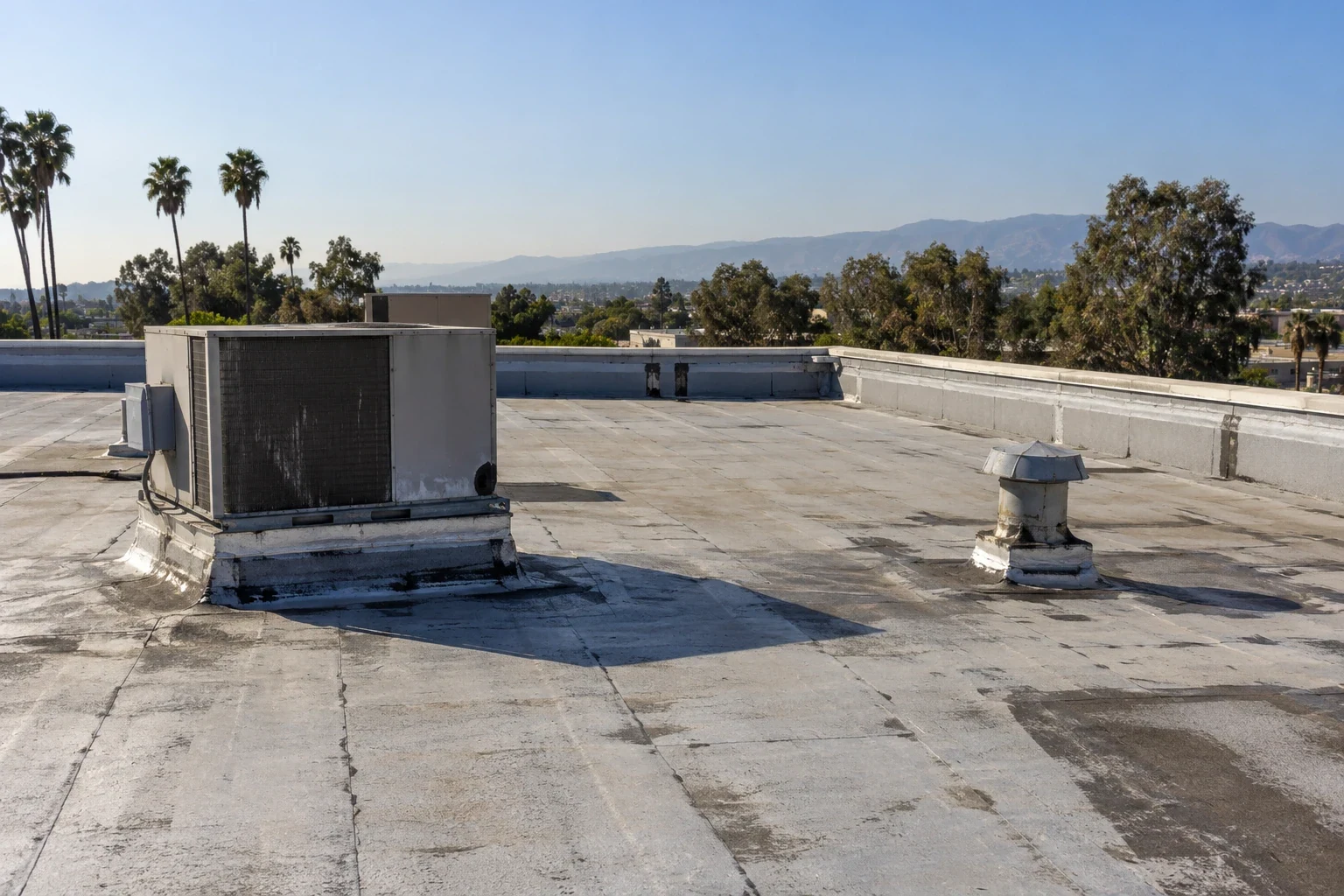
Each option solves a different problem. A targeted repair fixes isolated damage and leaves the rest of the roof in place. A recover adds a new membrane over the existing roof, which only works if the layers below are dry and sound and code allows another layer. A full replacement strips the roof to the deck, which also lets us see and fix whatever is underneath. Age alone does not decide which one is right. The findings on that section do.
For targeted roof repairs, we spell out the problem, the repair method and how much surrounding roof stays in place. We also say whether you are fixing one bad spot or the first of many. If wet insulation or a soft deck is suspected, we note the testing needed before we can put a firm quantity on it.
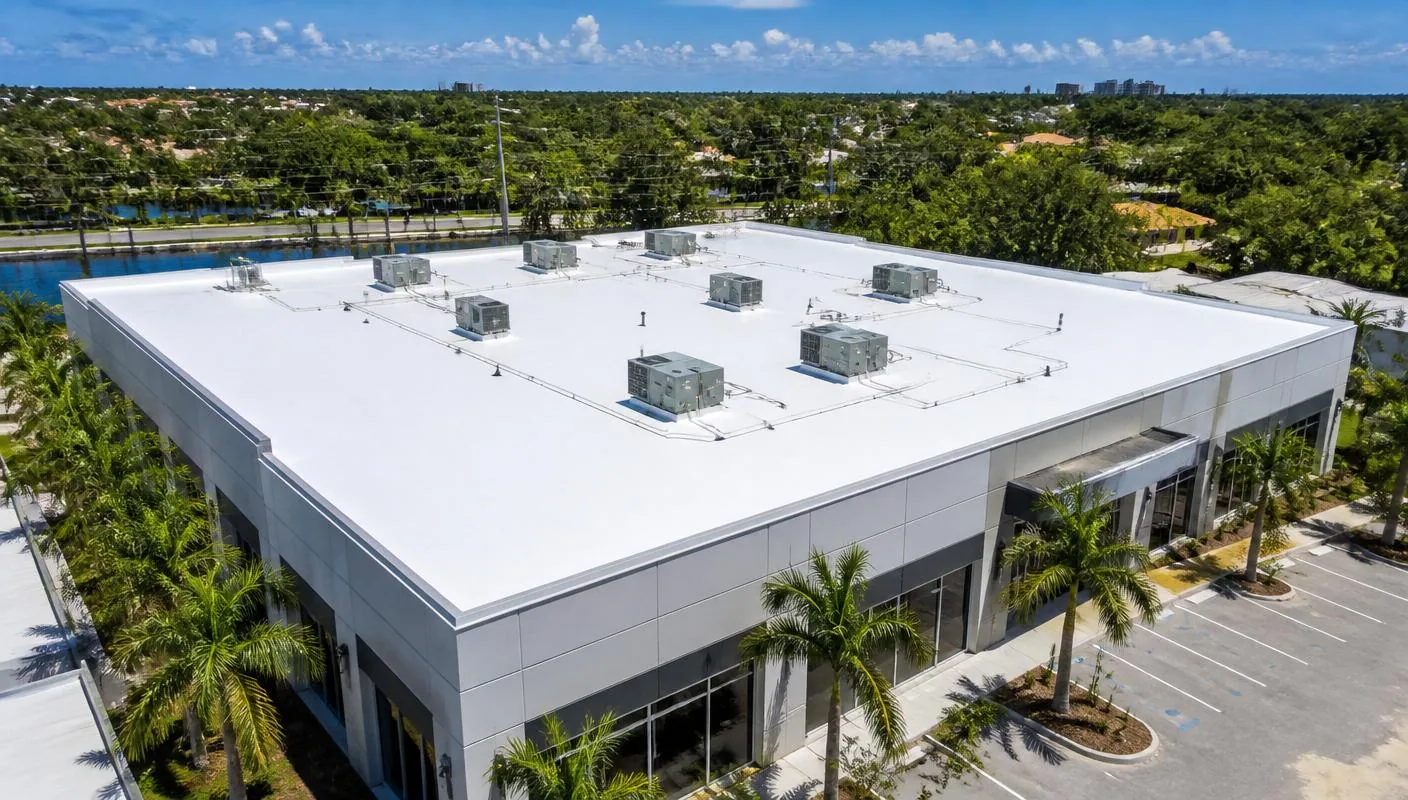
Every option includes insulation, drains, edge metal, wall flashing and equipment curbs where the project touches them. A membrane-only price can look cheap because it leaves those out. We list exclusions and any work by other trades so you can see what each option delivers.
Working in an occupied building
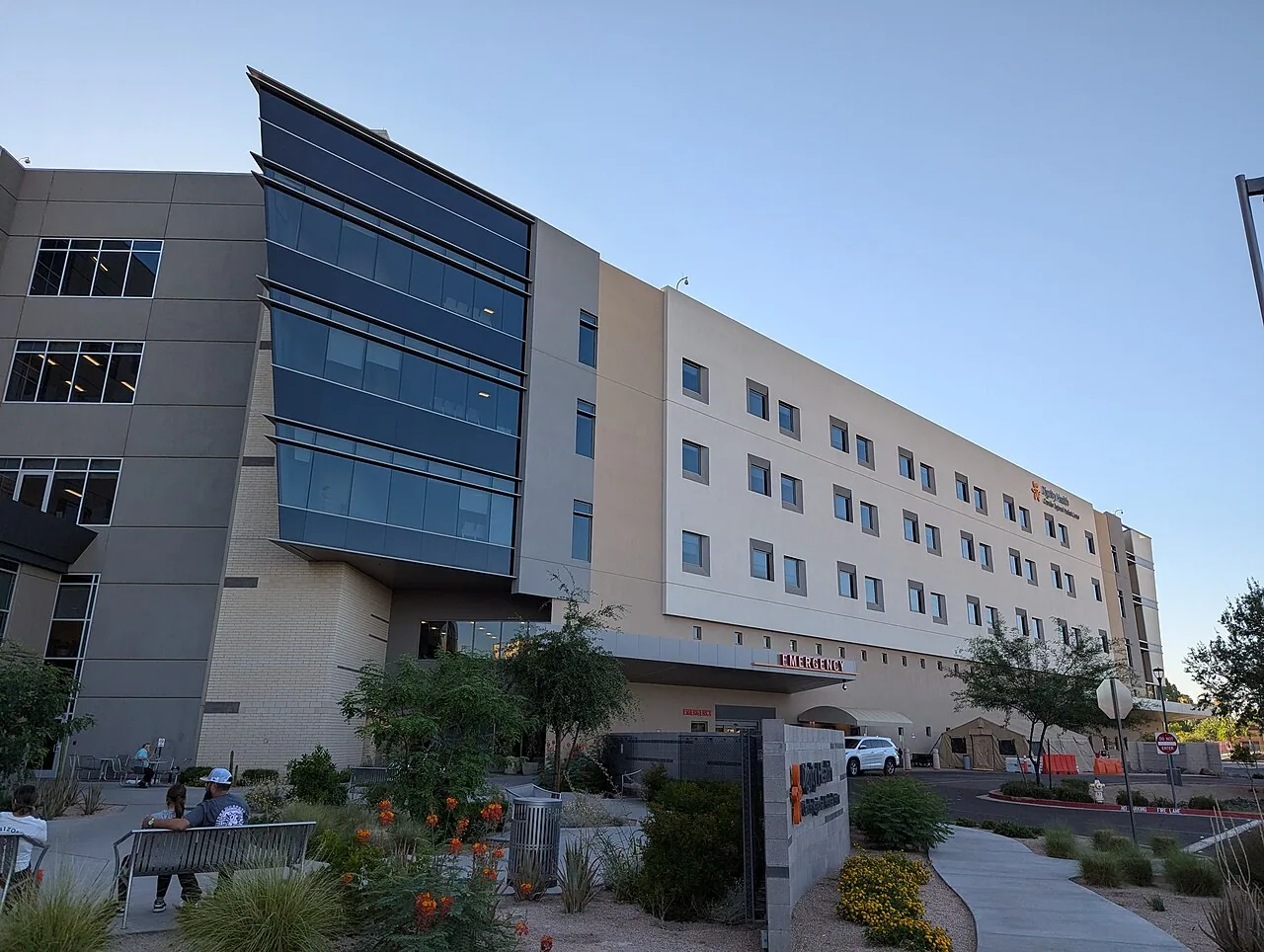
On a hospital or clinic, the facility team decides how roof work fits around patient care. Before we price a section, we review the tear-off area, crane and hoist locations, and debris routes with them. Infection control, air intake protection and fire system impairments are handled by the people responsible for those systems. The precautions they require go into our price, so the budget reflects the real job.
A phased reroofing plan explains where each phase stops and how it is sealed watertight. Those stopping points follow the roof layout, not just a convenient gap in the hospital's schedule. If a phase has to wait on mechanical work, it gets temporary protection, and the extra mobilization is included in the cost.
Properties near Chandler Regional Medical Center are handled one building at a time. Each property contact gives us the address, roof records and access instructions for that building.
Setting the order of work
The spending schedule is built around roof sections and why each one is a priority. Active leaks come first. Maintenance items such as resealing flashing and clearing drains come next. Larger replacement projects get planned for the years they are likely to be needed. A section with repeated leaks usually needs a different decision than one with a single bad seam, and the plan explains what happens if each item waits.
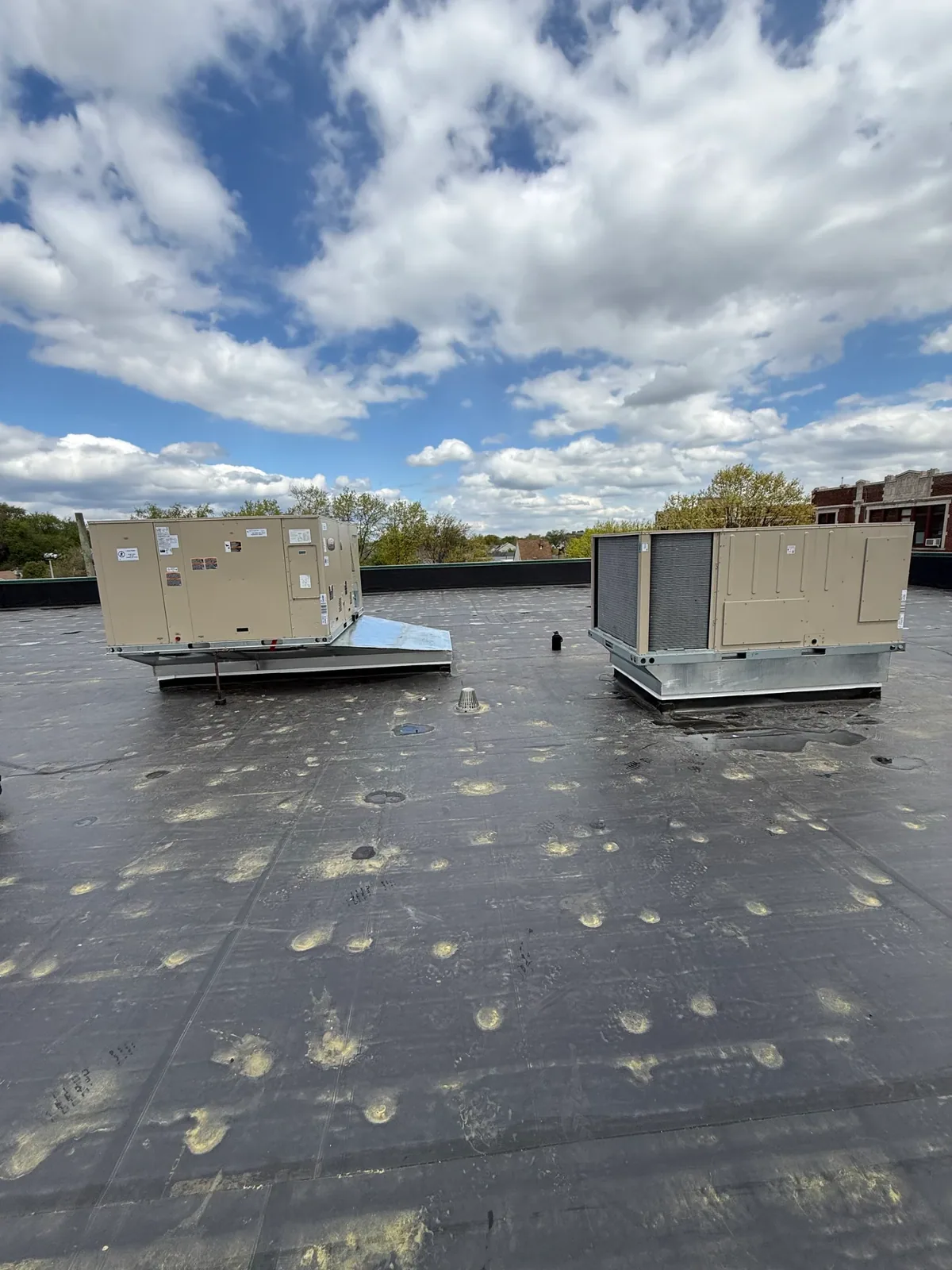
Our rooftop equipment review lines up roofing with planned HVAC work. If a unit is being replaced in two years, it often makes sense to time the roof work so the new curb is flashed once, instead of opening the roof twice. The plan shows those trade-offs.
For phased projects, we list which sections are in each phase, how they tie together in the meantime and what has to happen later. Phasing spreads the cost, but extra setups and temporary tie-ins add some expense. Dates stay flexible until the building confirms its schedule and you approve the scope.
Making the funding decision
When a project goes up for approval, you get the recommended scope, the alternatives we considered and any assumptions that could change the number. Quantities confirmed by testing are separated from allowances still waiting on it. Hidden damage is handled with a clear unit price instead of being buried in a lump sum. That way you know which number is ready to approve and which needs more information first.
A due diligence roof survey can answer questions before a purchase or a large spend. Its findings stay tied to the roof sections they describe. When you compare bids, check that they cover the same work, exclusions and testing. A lower number often means a smaller scope, and the scope tells you why.
Once you approve an option, we record it along with anything pushed to a later year. If tear-off uncovers more damage, the change request includes the location, photos and revised quantities. Keeping those records together helps next year's budget separate planned spending from surprises.
After the work is done
We photograph deck repairs, new insulation and other hidden work before the membrane covers it. Finished seams, flashing and curbs are documented next to the approved quantities, along with any extra work and the reason for it. Anything still waiting on another trade stays on the open list. One finished section does not mean the rest of the roof is sound.
Monsoon storms do not wait for budget season. We offer emergency roof service nights and holiday weekends, and every temporary repair is recorded separately from the permanent work. That keeps your spending history clear about what was a stopgap and what was a finished project.
Commercial Roofing Questions
How do I compare two roof budget options fairly?
Make sure both cover the same areas and include tear-off, insulation, flashing, edge metal and curb work. Any work by other trades that has to come first should be listed the same way in both.
What if part of the roof has not been tested?
That part of the budget is marked as an allowance, with a note on the testing needed to confirm it. You can decide whether to test first or carry the allowance until the project starts.
Who decides how roof work happens over a hospital?
The hospital's facilities, infection control and safety staff set the rules for their building. We review the work area with them and include their required precautions in our price.
Why does HVAC work show up in a roofing budget?
Rooftop units sit on curbs that have to be flashed into the roof. If a unit is being replaced, timing the roofing around it avoids paying to open and reseal the same area twice.
How are cost changes handled during tear-off?
If we find more wet insulation or deck damage than expected, we photograph it, keep the area protected and present the extra quantity for approval. The change is tied to what we actually found.
Build a roof budget you can defend
Contact us to inspect your Chandler roofs and put together a capital plan. We will price each section with its full scope and explain the trade-offs between repair, recover and replacement.
Request a Roof AssessmentAll Roofing Capabilities