Home / Service Areas / Loop 101 Corridor
Commercial Roof Repair along Chandler Loop 101
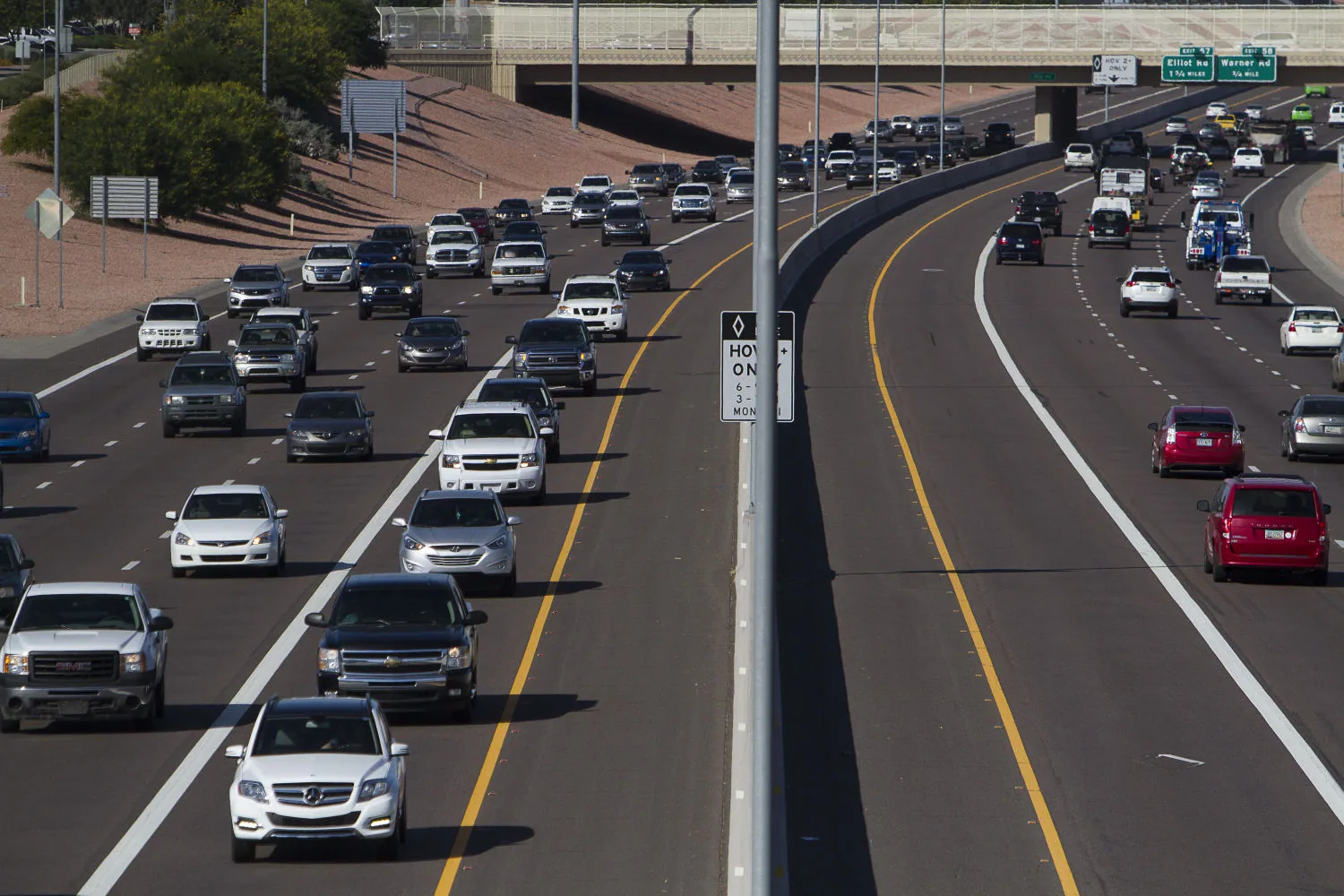
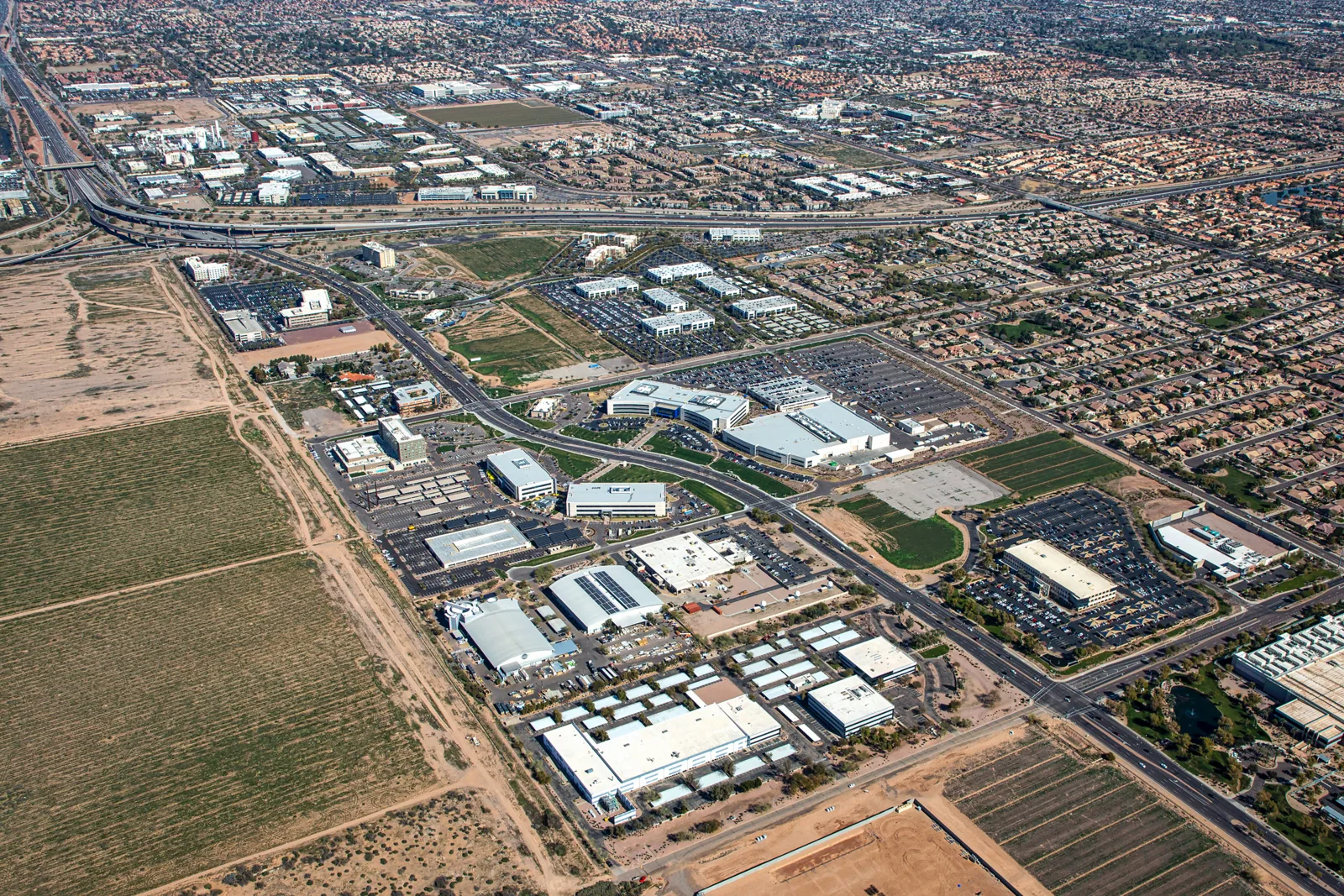
Commercial roof repair for flex-industrial and business park buildings along Chandler's Loop 101 Price Freeway: inspections, TPO repair, recover assessments and shared-site planning.
Business parks along the freeway often have several buildings on one site, and sometimes several roof sections on one building. The first step is making sure everyone is talking about the same roof. We confirm which building and which area with the property contact, find out who can approve the repair and then look at access. If part of the problem belongs to another trade, like a leaking rooftop unit, we flag it separately. The property manager gets a clear task for that roof, and decisions about materials and access follow from what we find.
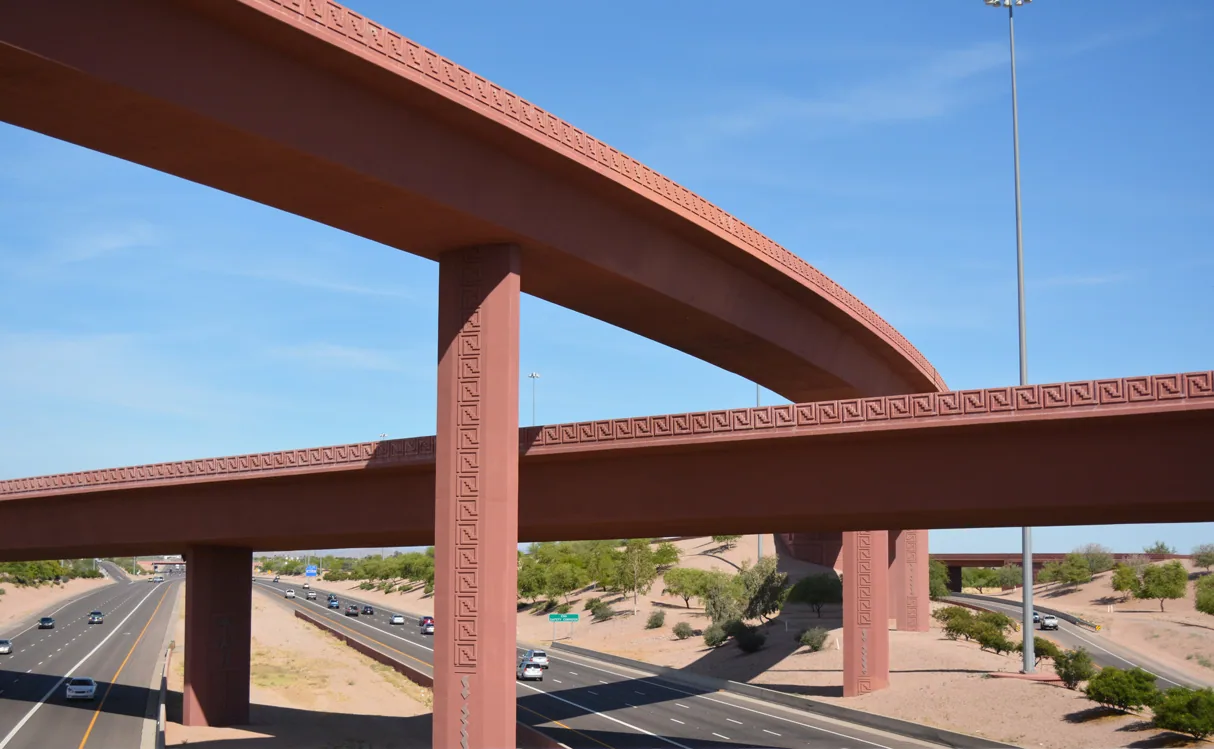
In Chandler, Loop 101 is called the Price Freeway, and it's lined with flex-industrial buildings, offices and distribution space. Send us the property address and which building needs attention. We also work along the Price Corridor and the Loop 202 corridor. A small damaged detail and a full roof replacement call for very different plans, and we'll explain which one you're looking at.
Building position and investigation area
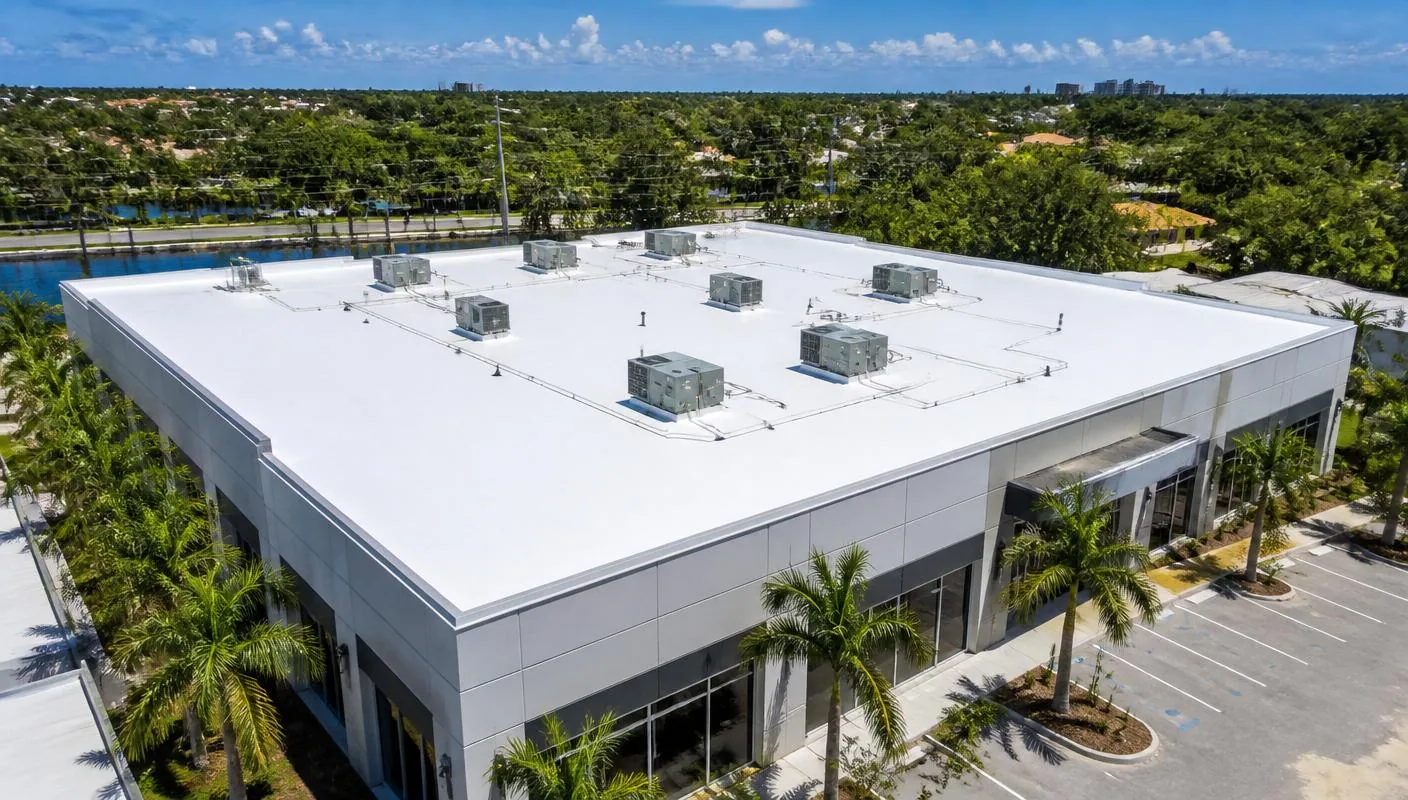
Every inspection starts with the location of the problem. We ask the tenant or property manager where water appears and when. Then we inspect the roof directly above and upslope, checking seams, flashings, curbs, drains and penetrations. On flex buildings, roofs often have multiple tenants' rooftop units, each with its own curb and condensate line.
A roof inspection along Loop 101 gives you photos of each defect, marked on a roof sketch, with a plain explanation of what's urgent and what can wait. We note areas we couldn't reach, like behind equipment or under standing water, so nobody assumes the whole roof was checked.
If equipment is causing the leak rather than the roof, we tell you which tenant's unit is involved and recommend the HVAC contractor take a look. On multi-tenant buildings, that distinction matters, because the cost of the repair may fall on a different party.
Membrane assembly and compatible correction
Many flex and industrial buildings in Chandler have TPO roofs. TPO is a single-ply membrane with heat-welded seams, and it holds up well in the sun when properly installed. Over time, though, seams can open, the membrane can puncture or crack near equipment, and flashings at walls and curbs can pull loose.
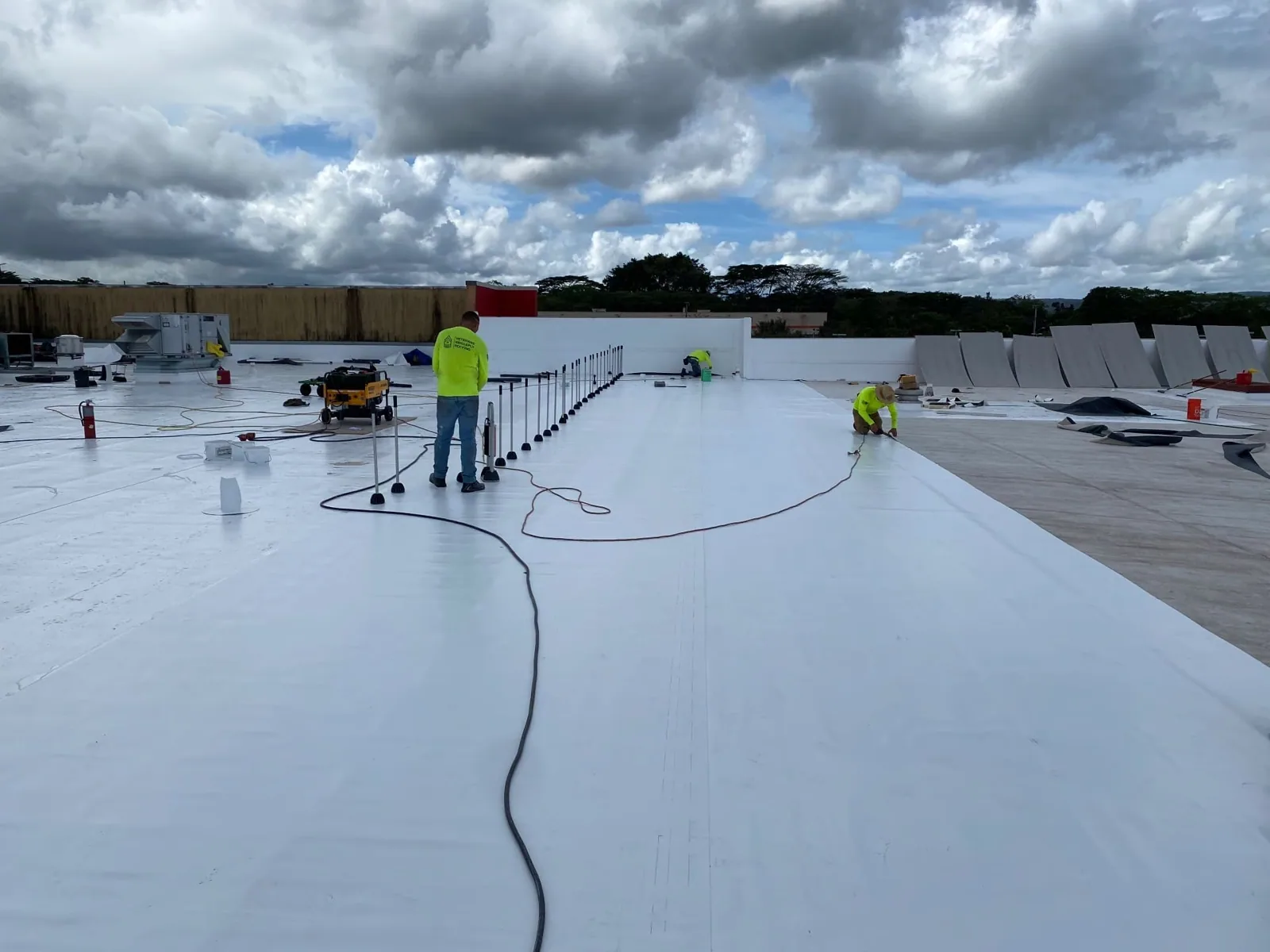
For TPO roof repair, we confirm the membrane is actually TPO, not PVC, since they look similar but won't weld to each other. We clean the area thoroughly, since older TPO needs extra prep to weld well, then heat-weld new TPO to sound material. Patches extend well past the damage, and corners and pipe boots use prefabricated pieces where possible.
Old patches made of tape, mastic or the wrong membrane usually have to come off first. If the TPO around the damage is brittle or cracking, we'll tell you. A patch may hold for a while, but the roof is getting close to the end of its useful life.
Concealed material and option boundary
What's under the membrane matters as much as the membrane itself. Wet insulation won't support a repair for long, and it slowly damages the deck. When we suspect moisture, we use a meter or take a small test cut. If we open the roof and find more damage than expected, we stop and get approval before expanding the repair.
A roof recover can be a cost-effective option for an aging flex building. A new membrane goes over the existing roof, often with a layer of new insulation or cover board. It only works if the existing roof is dry and there's only one layer already in place. Wet sections have to be cut out and replaced first.
Before recommending a recover, we check moisture across the roof, confirm the number of layers and look at how the roof is attached. Edges, walls and curbs usually need new flashing as part of the job. We lay out a repair, a recover and a replacement side by side so the owner can compare.
Shared site routes and assigned instructions
Shared sites take extra planning. A business park might have several tenants sharing one parking lot, loading area and drive lane. We ask the property manager where our trucks can park, where a lift or dumpster can go and which docks and entrances must stay open. If the site has rules for contractors, such as hours, check-in or insurance documentation, we follow them.
For flex-industrial roofing, the space under the roof can be anything from an office to a warehouse to a light manufacturing shop. We ask what's below the repair area and whether any tenant is sensitive to noise, dust or odors. Tenants who receive frequent deliveries need their docks clear.
We also ask who notifies the tenants. Small repairs barely affect anyone. Larger projects need a staging plan reviewed with the property manager before scheduling, and updated if the scope changes once the roof is opened.
Finished detail and further duties
When a repair is finished, the property manager gets before and after photos, pictures of any hidden damage we found and repaired, and a list of anything we noticed but didn't fix. On multi-tenant buildings, we note which tenant spaces were affected and whether any equipment issues were referred to the HVAC contractor.
If the job took more than one visit, any open area was sealed with temporary protection in between, and the property manager knew what was finished, what was temporary and who to call. Any approved change in scope is documented with the reason and the photos behind it.
That record is useful long after the crew leaves. It helps with tenant questions, lease discussions about who pays for what, insurance claims and capital budgeting. It also gives the next inspector a clear starting point if a leak is reported elsewhere on the building. On a business park with several buildings, keeping those records consistent across every roof makes long-term planning much easier.
Commercial Roofing Questions
What should the contact confirm on a site with several buildings?
Which building and which roof section need attention, where the leak shows up inside, which tenant is affected and who can approve the repair.
How do you choose the right repair material?
We confirm the existing membrane, such as TPO, PVC or another system, and use a matching material. TPO and PVC look similar but don't weld to each other.
Why does a recover need its own assessment?
A recover only works over a dry roof with no more than one existing layer. We check moisture and layers across the roof before recommending it.
What access details should we discuss before work starts?
Truck parking, lift and dumpster placement, which docks and entrances must stay open, site rules for contractors and who will notify tenants.
What comes with the finished repair?
Before and after photos, pictures of any hidden damage we repaired, approved changes, affected tenant spaces and a list of anything we noticed but didn't fix.
Schedule a Loop 101 corridor roof inspection
Send us the property address and which building needs attention. We'll inspect the roof, explain the repair and plan access around your tenants and shared site.
Request a Roof AssessmentAll Service Areas