Home / Service Areas / Loop 202 Corridor
Roof Repair for Chandler Loop 202 Corridor Properties
Commercial roof repair for warehouses and properties along Chandler's Loop 202 Santan Freeway: clear repair proposals, seam repair, dock-friendly access planning and roof capital planning.
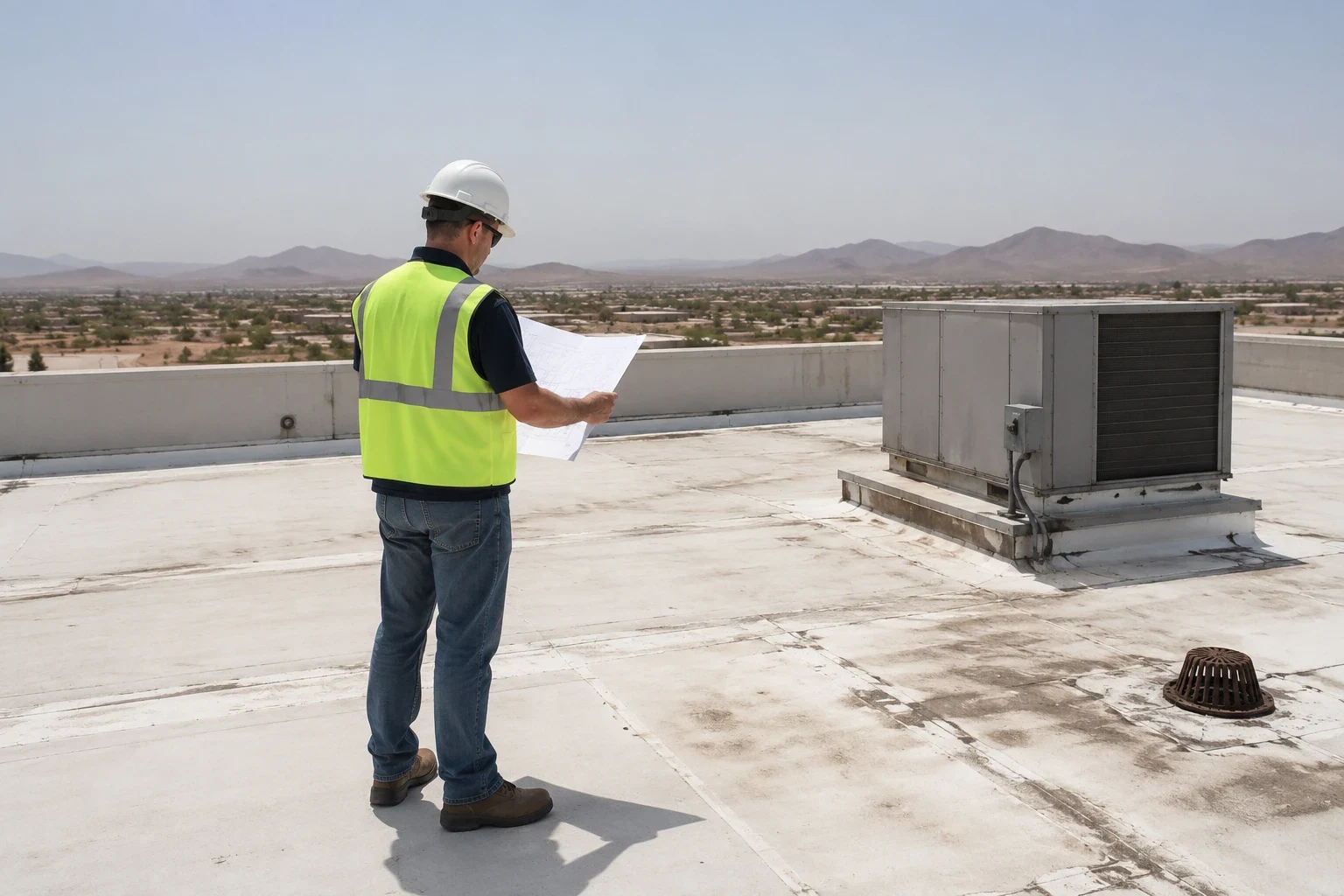
A warehouse roof proposal should show exactly where the work will happen. Before you compare prices or schedules, we find the problem on the roof and mark it on a sketch. Then we work with the property contact on deliveries and roof access, and show how much roofing the repair will open or remove. A seam repair might take a few hours in one corner. A section replacement could take over part of the lot for a week. We explain those differences in plain terms so the property manager can compare proposals and plan around operations.
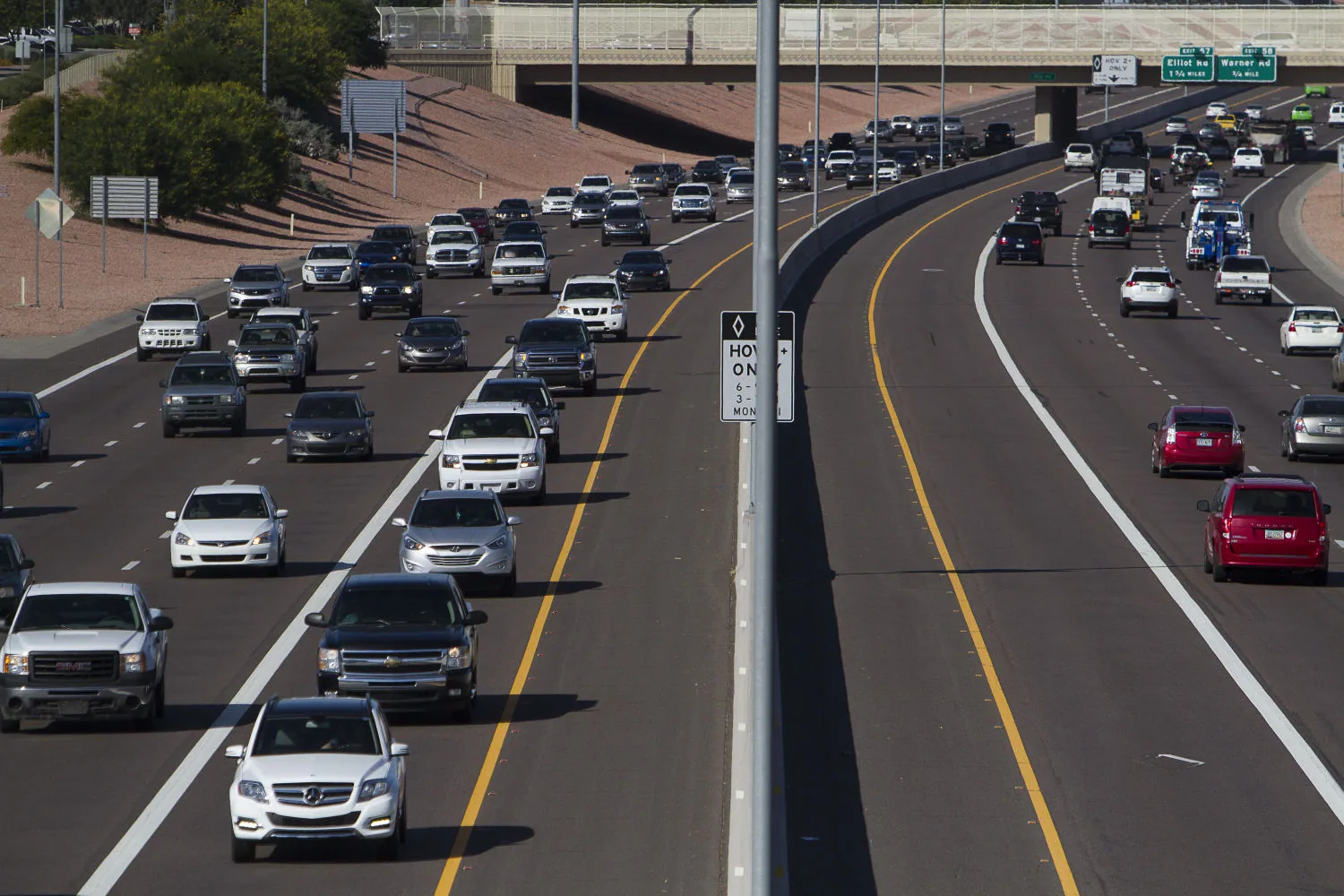
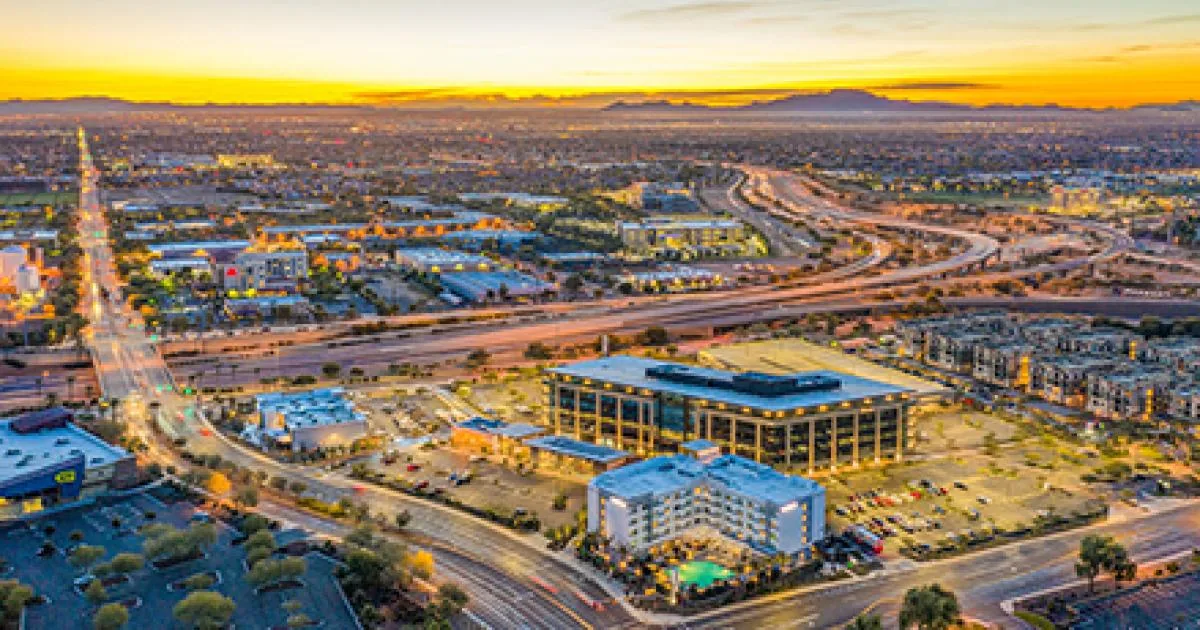
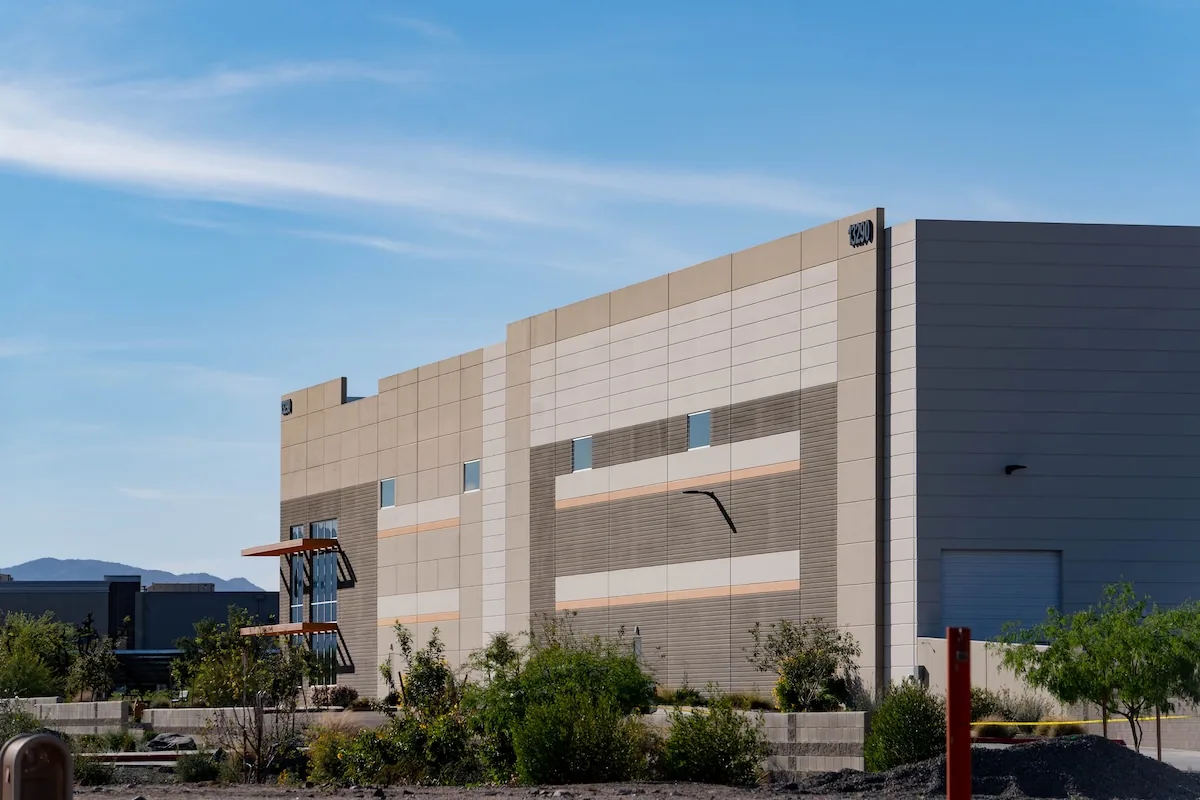
Loop 202 is the Santan Freeway through the Chandler area, lined with warehouses, distribution centers and business parks. Send us the property address and what's happening on the roof. We also work along Loop 101 and in the Chandler Airpark area. Each property gets its own inspection and access plan.
Proposal position and scope comparison
When you're comparing roof proposals, the first question is whether they cover the same work. One contractor may price a patch over a seam while another prices cutting out the damaged area, replacing wet insulation and welding in new membrane. The second costs more but may last years longer.
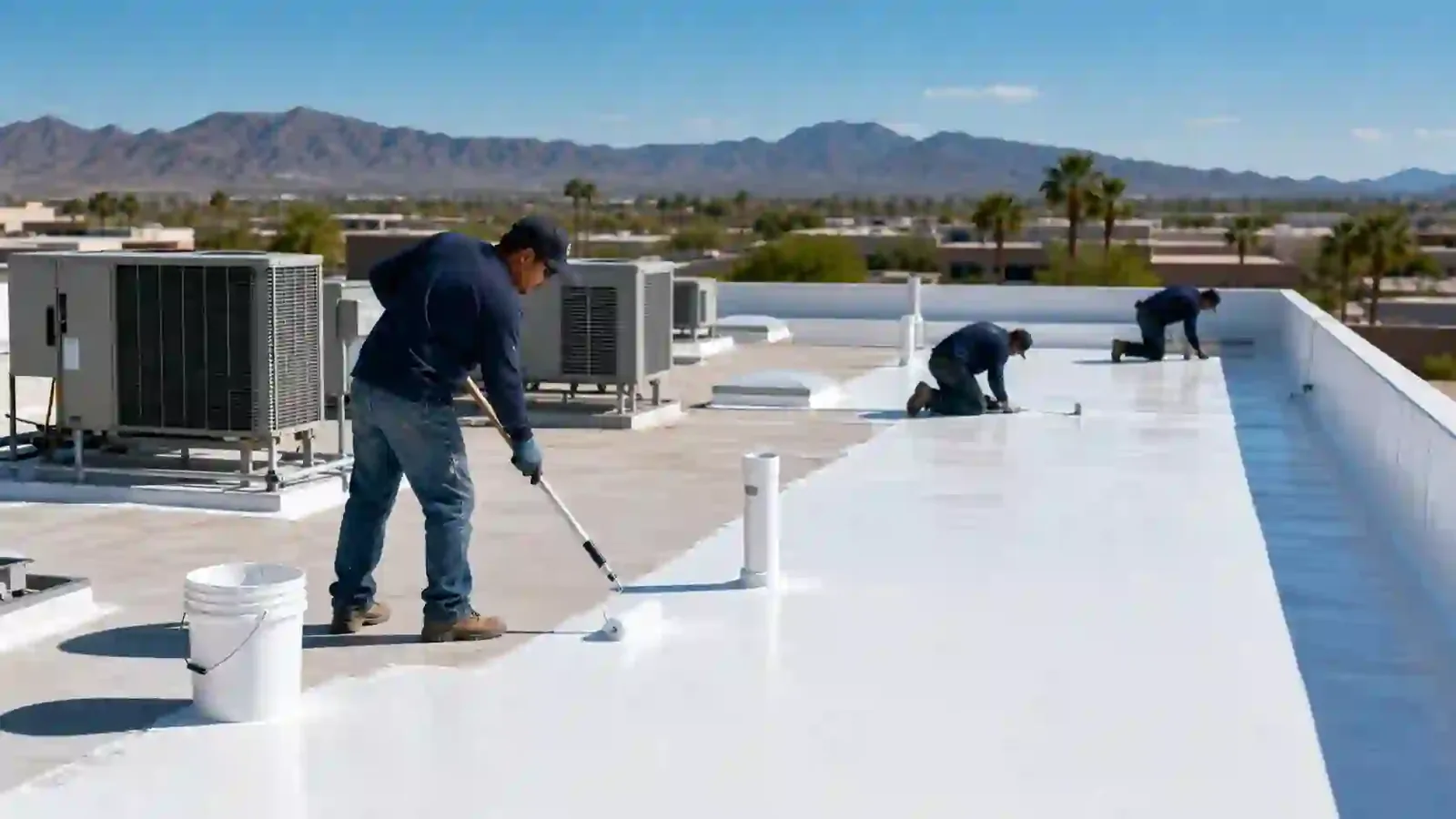
Our commercial roof repair proposals mark each repair on a roof sketch, list what's being removed and replaced and include photos of the damage. We separate roofing work from anything another trade needs to handle, like a leaking rooftop unit or a broken downspout. Access, debris removal and temporary protection are spelled out, not left as surprise extras.
If something can't be priced until the roof is opened, like the extent of wet insulation, we say so and explain how it will be handled. That way you're comparing real scopes, not guesses, and you know where the price could change before the work starts.
Seam correction and damaged support
Seams are the most common failure point on warehouse roofs. Heat, building movement and age all work on them, and a seam that opens over a large roof can let in a lot of water before anyone notices. Once we find an open seam, we check how far the separation runs and inspect the membrane on both sides.
For seam failure repair, the method depends on the membrane. TPO and PVC seams are cleaned and heat-welded. EPDM seams get new tape and primer. Modified bitumen seams are torched or set in adhesive. Old patches over the seam usually come off first so the new repair bonds to sound material.
We also check what's underneath. If water has been getting in for a while, the insulation may be wet or the deck may be rusted. Wet insulation has to come out, or the new seam sits on soggy material and the repair fails again. We photograph that before closing up and get approval if it makes the job bigger.
Delivery routes and occupied access
Warehouse operations don't stop for roof work. We ask the property manager where our trucks can park without blocking docks, where a lift or dumpster can go and when trailer traffic is heaviest. If materials need to be hoisted over an active drive lane, we schedule that for a quieter time and set up barriers.
For warehouse roofing, we also ask what's stored below the repair area. Racked inventory, finished goods or equipment may need to be covered or moved if water is coming through or if we're cutting into the roof. Some facilities have strict rules about contractors on the floor, and we follow them.
Small repairs barely affect operations. A larger section replacement needs a staging area, daily deliveries and a debris plan, and we lay that out before anything is scheduled. If the scope changes once we open the roof, we revisit the plan with the property manager before going further.
Wall and equipment connection sequence
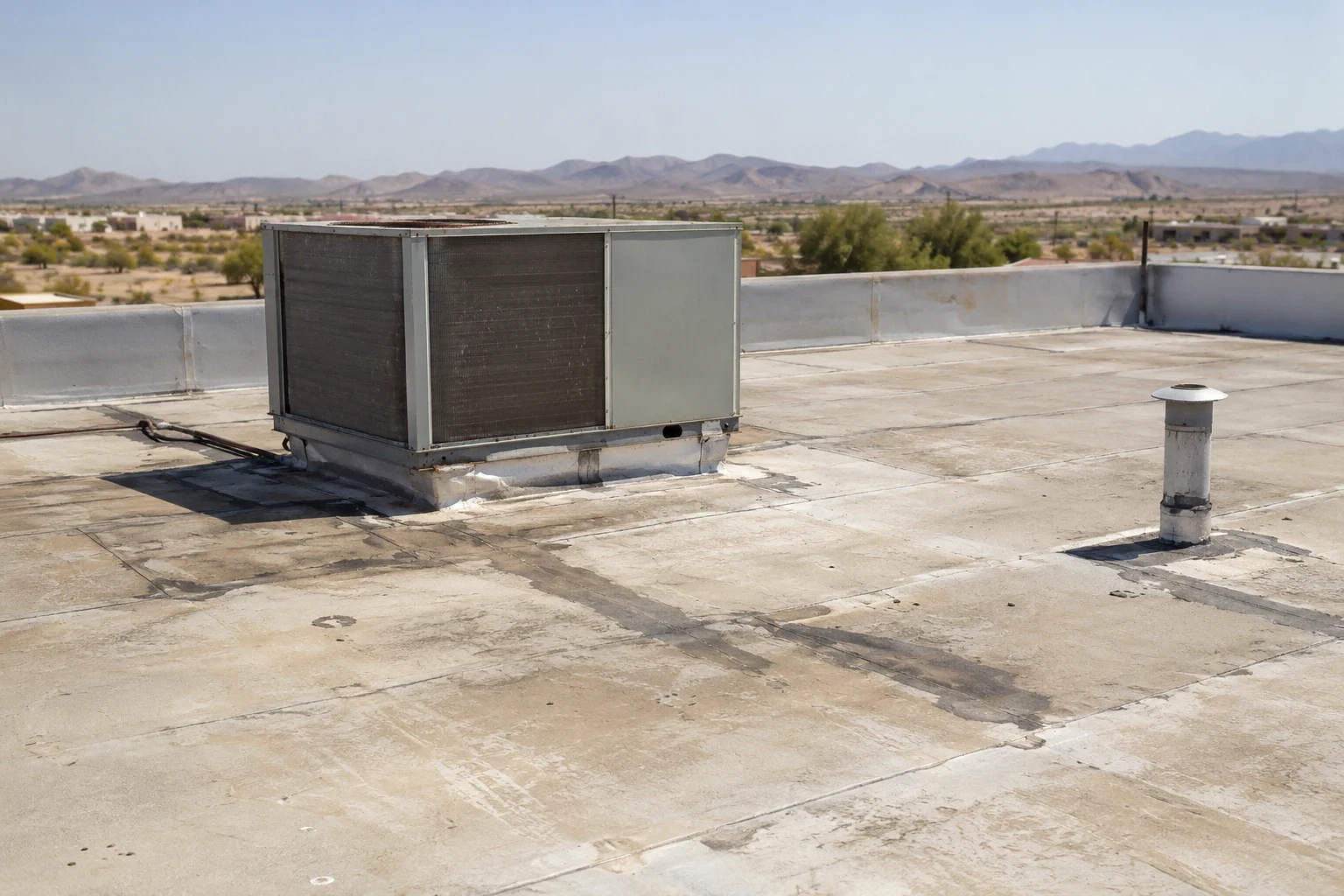
Walls and rooftop equipment are where many warehouse leaks start. Where the roof meets a parapet or a taller wall, flashing can pull loose, sealant can dry out and the metal counterflashing above it can separate. At equipment curbs, flashing breaks down from heat and vibration, and units that were replaced may not fit the old curb properly.
We remove failed flashing and check what's behind it. Rotted wood nailers, cracked block or loose wall panels have to be repaired before new flashing goes on. If a rooftop unit needs to be lifted, reset or repaired, we coordinate with the HVAC contractor so their work is done first and the flashing is installed afterward.
The sequence matters. Flashing a curb and then having the mechanical contractor tear it up a week later wastes everyone's money. We spell out who does what and in what order, and wait for confirmation before closing up the roof. Each step is photographed so the property file shows what's under the finished work.
Larger roof plan and final account
When a warehouse roof has had repeated repairs or is nearing the end of its life, it's worth looking at the bigger picture. Roof capital planning rates the condition of each roof section, estimates remaining life in general terms and lays out a sequence of repairs, recovers and replacements. Owners with several buildings can budget years ahead instead of paying for emergency work.
Before recommending a recover or replacement, we check moisture across the roof, confirm how many layers are in place and inspect the deck where possible. We then compare repair, recover and replacement side by side, including how much of the building would be affected at once and how long each option would take.
At the end of any job, the property manager receives before and after photos, documentation of hidden repairs, approved changes and a list of anything we noticed but didn't fix. If another trade was involved, their part is noted too. That record helps with budgeting, tenant questions and the next leak call.
Commercial Roofing Questions
What should be included alongside the price in a roof proposal?
A marked roof sketch, photos of the damage, what's being removed and replaced, how wet insulation will be handled, and the access, debris removal and protection plan.
How do you plan deliveries at a busy warehouse?
We work with the property manager on truck parking, lift and dumpster placement and trailer traffic times, then schedule hoisting and staging around dock operations.
Can a seam repair turn into insulation work?
Yes. If water has been getting in under the seam, the insulation may be wet. It has to be replaced before the new seam goes on, and we get approval first.
When should we start comparing larger roof options?
When repairs keep recurring, the membrane is brittle or moisture is widespread. Capital planning helps compare repair, recover and replacement over several years.
Who handles problems with rooftop equipment?
The HVAC contractor. We identify the problem, tell the property manager who should fix it and coordinate so their work is done before we install new flashing.
Schedule a Loop 202 corridor roof inspection
Send us the property address and what's going on with the roof. We'll inspect it, give you a clear repair proposal and plan the work around your docks and operations.
Request a Roof AssessmentAll Service Areas