Home / Commercial Roofing Services / Cool Roof Installation
Cool Roof Installation in Chandler, AZ
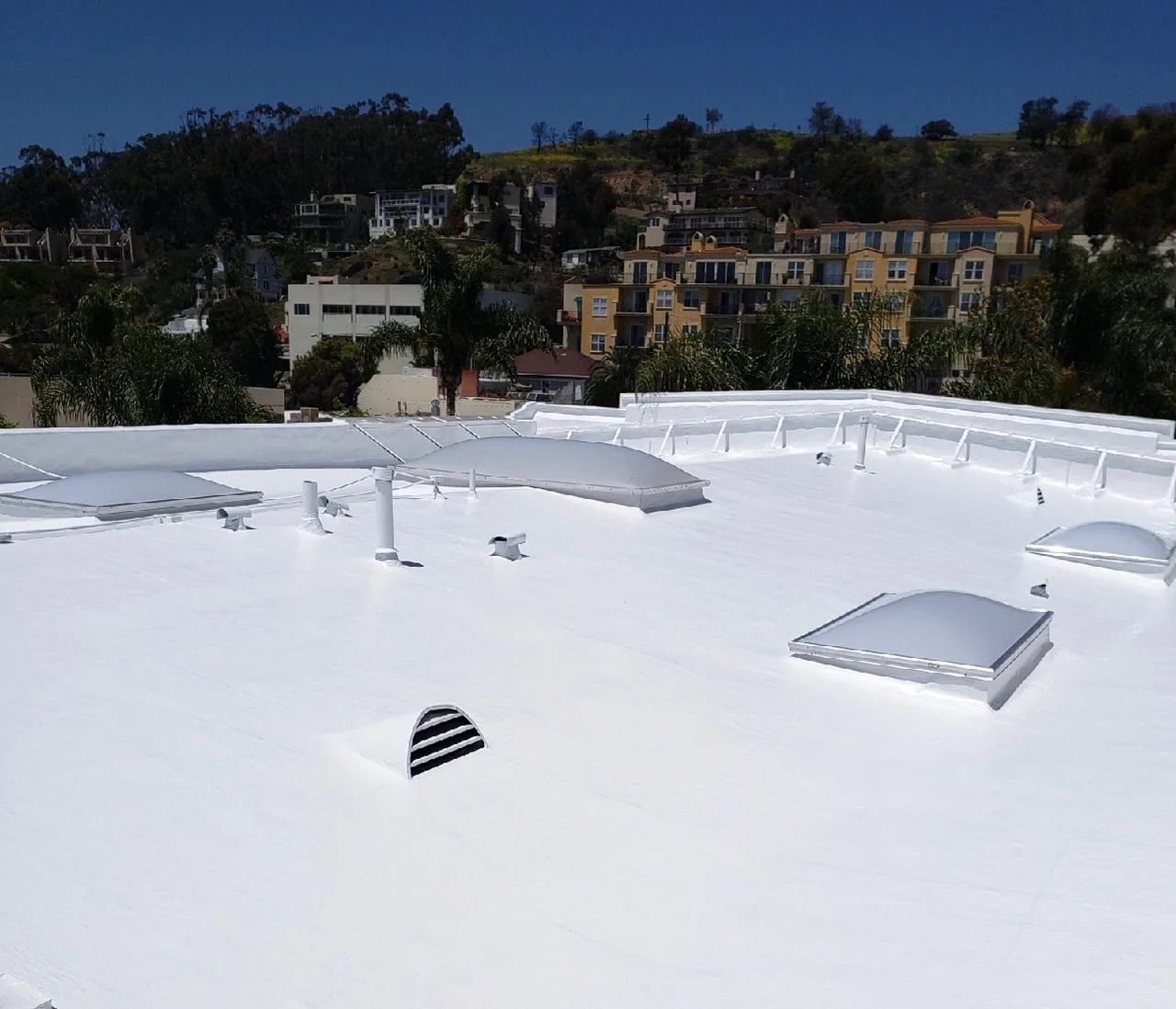
Cool roof installation in Chandler, AZ: reflective TPO, coatings and silicone systems installed over a properly prepared roof, with flashings, insulation and repairs spelled out.
A cool roof is more than a white surface. The reflective membrane or coating is only as good as the roof underneath it and the work done to prepare it. In Chandler, where summer sun is relentless, a cool roof can help reduce how much heat the roof absorbs, but only if it's installed on a sound, dry roof with flashings that hold up. We start by inspecting the existing roof, then recommend a membrane or coating and explain the prep and detail work it needs.
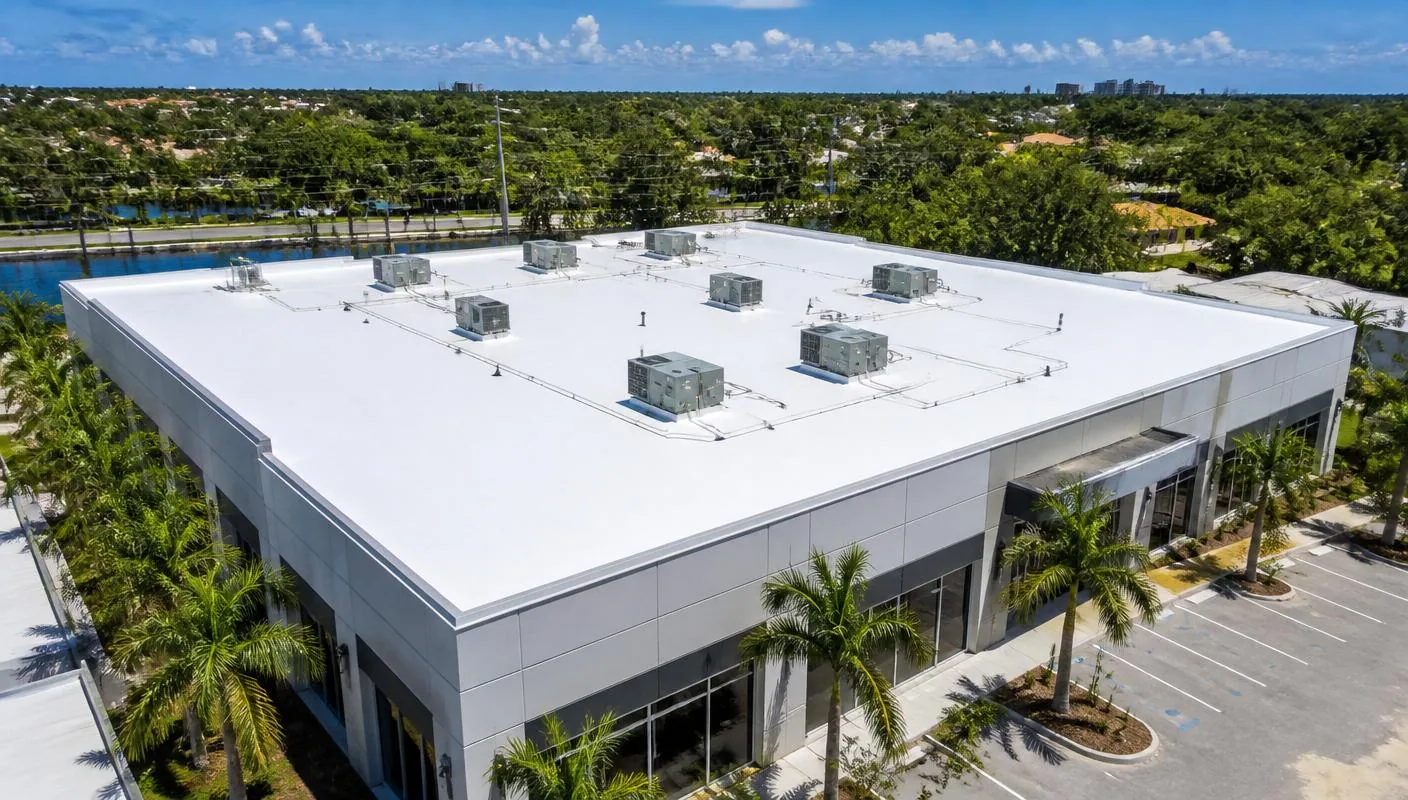
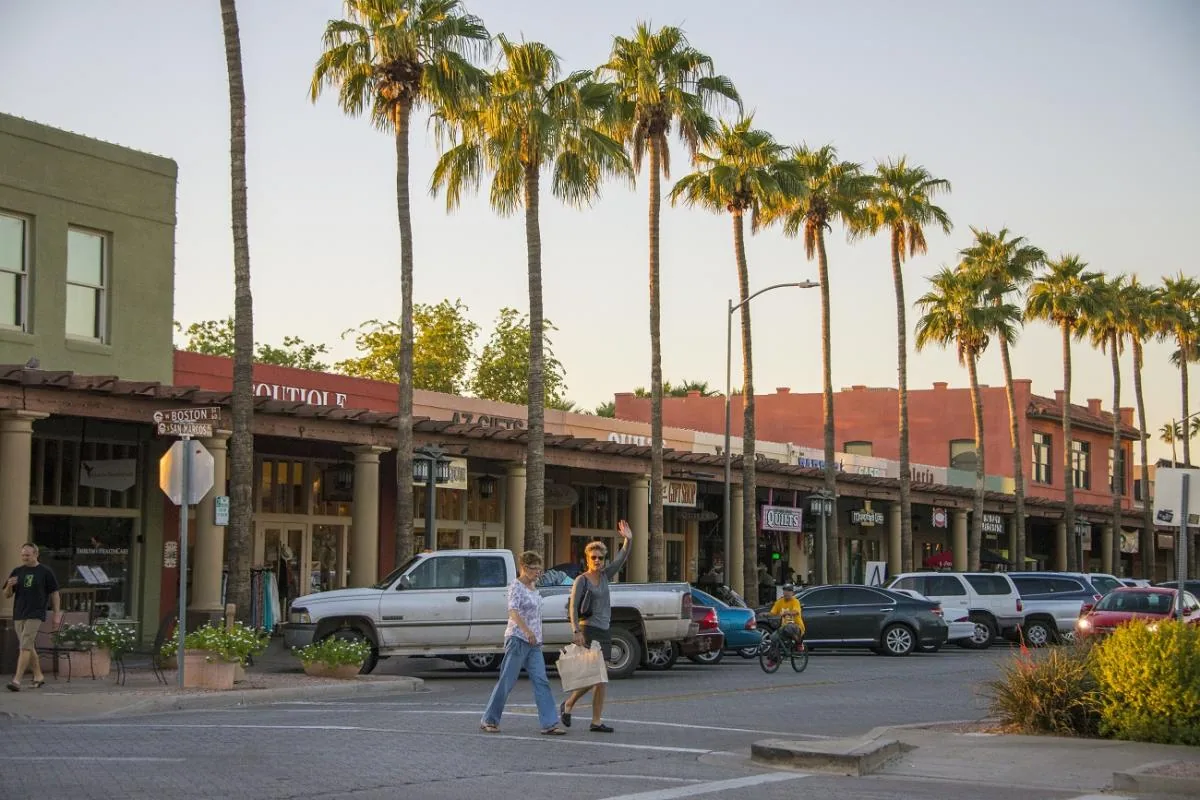
We install cool roofs on offices, retail centers, warehouses and public buildings across Chandler, from the downtown core to the business parks along the freeways. Before quoting, we review any records of the existing roof and inspect it ourselves. If some layers can stay, a curb needs rebuilding or flashings need to be raised, that's shown right next to the reflective product. The proposal describes the whole job, not just the color of the finish.
Reflection and heat release
Two terms come up with cool roofs. Solar reflectance is how much sunlight the roof surface reflects. Thermal emittance is how well the surface releases the heat it does absorb. ENERGY STAR explains both in its cool roof guidance. A roof that looks white may still perform differently from another white product, so we look at the actual product data for whatever we're recommending.
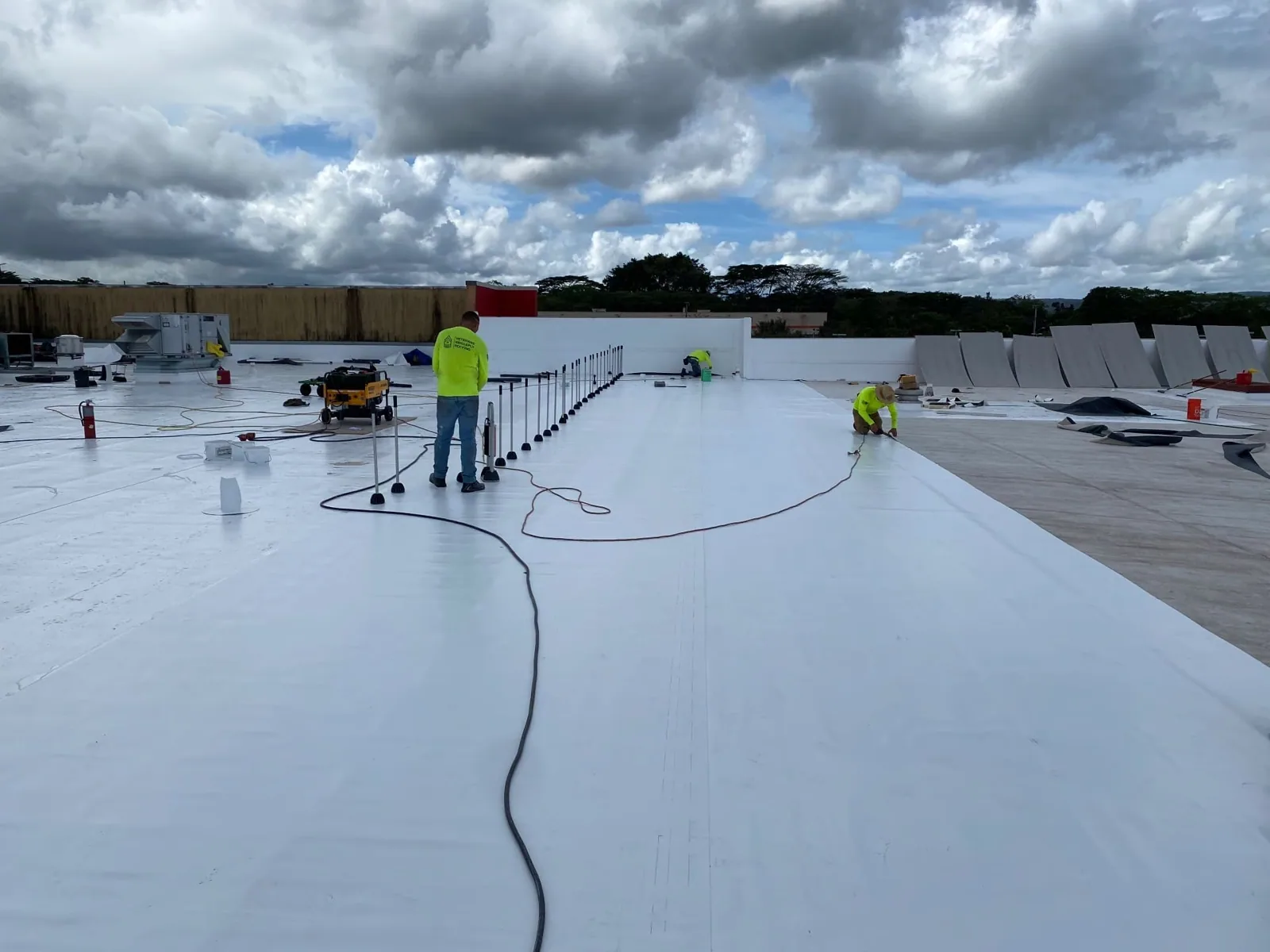
A white TPO membrane is one of the most common cool roof choices in Chandler. It's heat-welded, reflective and widely available. But the membrane is only one part of the job. Insulation, cover board, attachment and flashings all go into the price, and different products need different prep. We spell out those tasks before talking about benefits.
We don't promise specific energy savings. Savings depend on the building, its insulation, its HVAC system and how it's used. If you want an energy analysis, that's a separate evaluation of your specific building, not a number taken from a product brochure.
Existing roof and option boundary
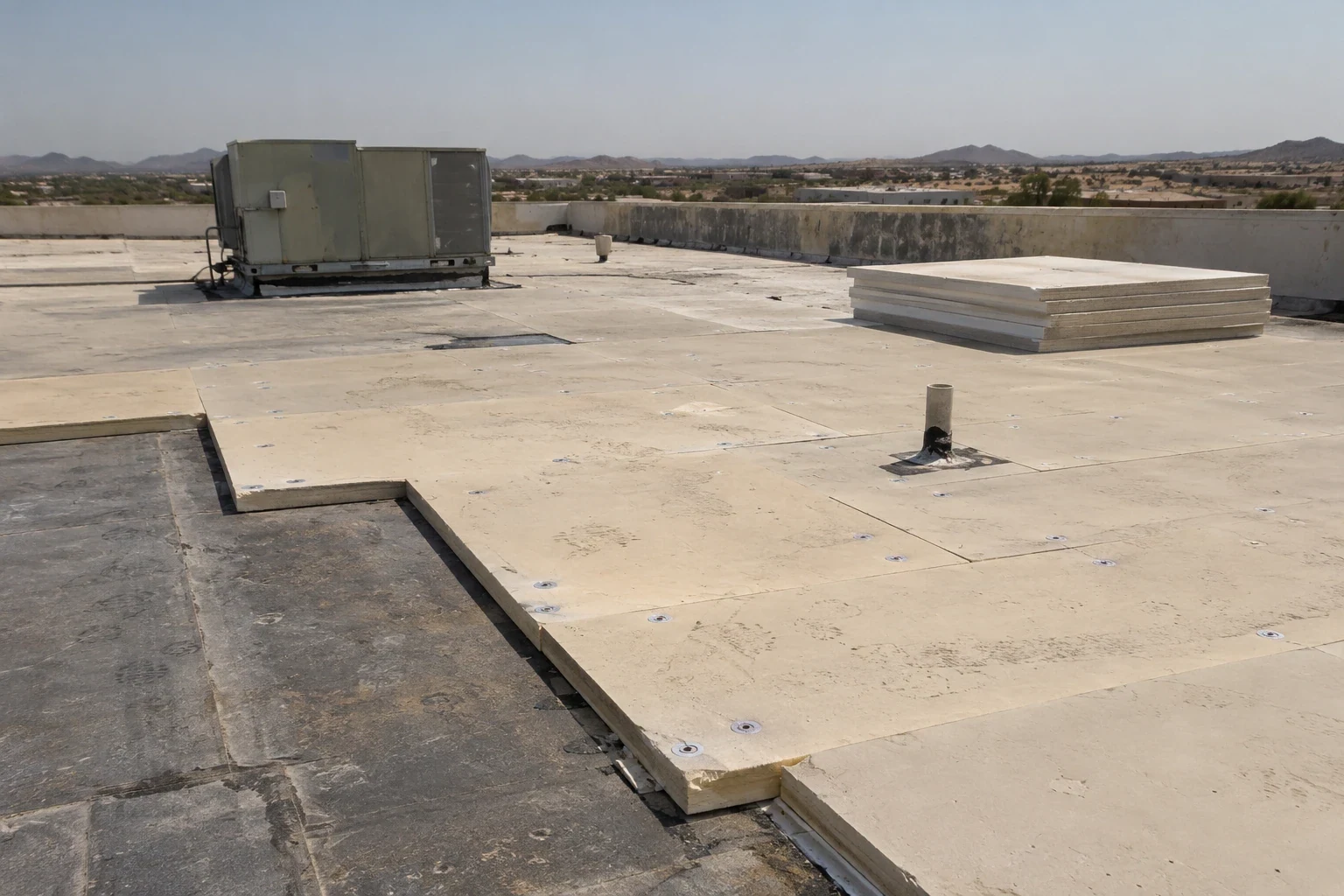
Before installing anything new, we document what's already there: the membrane type, its condition, earlier repairs and whether the insulation is dry. A reflective product doesn't tell you whether the existing roof is sound enough to stay. That's a separate question, and it needs its own answer.
A commercial roof inspection with moisture testing shows which areas can remain under the new surface and which need repair or removal. Wet insulation has to come out. Damaged areas get repaired with matching material. Where we haven't been able to check an area, the proposal says so and keeps that quantity flexible until we can.
The finished roof may look uniform, but the work underneath often isn't. One section might need only cleaning and priming, another a new layer of insulation and another full tear-off. Those differences are spelled out before the final price is set, so you know exactly what you're getting in each area.
Membrane or coating preparation
The prep depends on whether you're installing a new membrane or applying a coating. A new membrane needs its insulation, cover board and attachment method defined. A coating needs the existing surface cleaned, repaired and tested for adhesion. These are very different jobs, and the proposal should make clear which one you're getting.
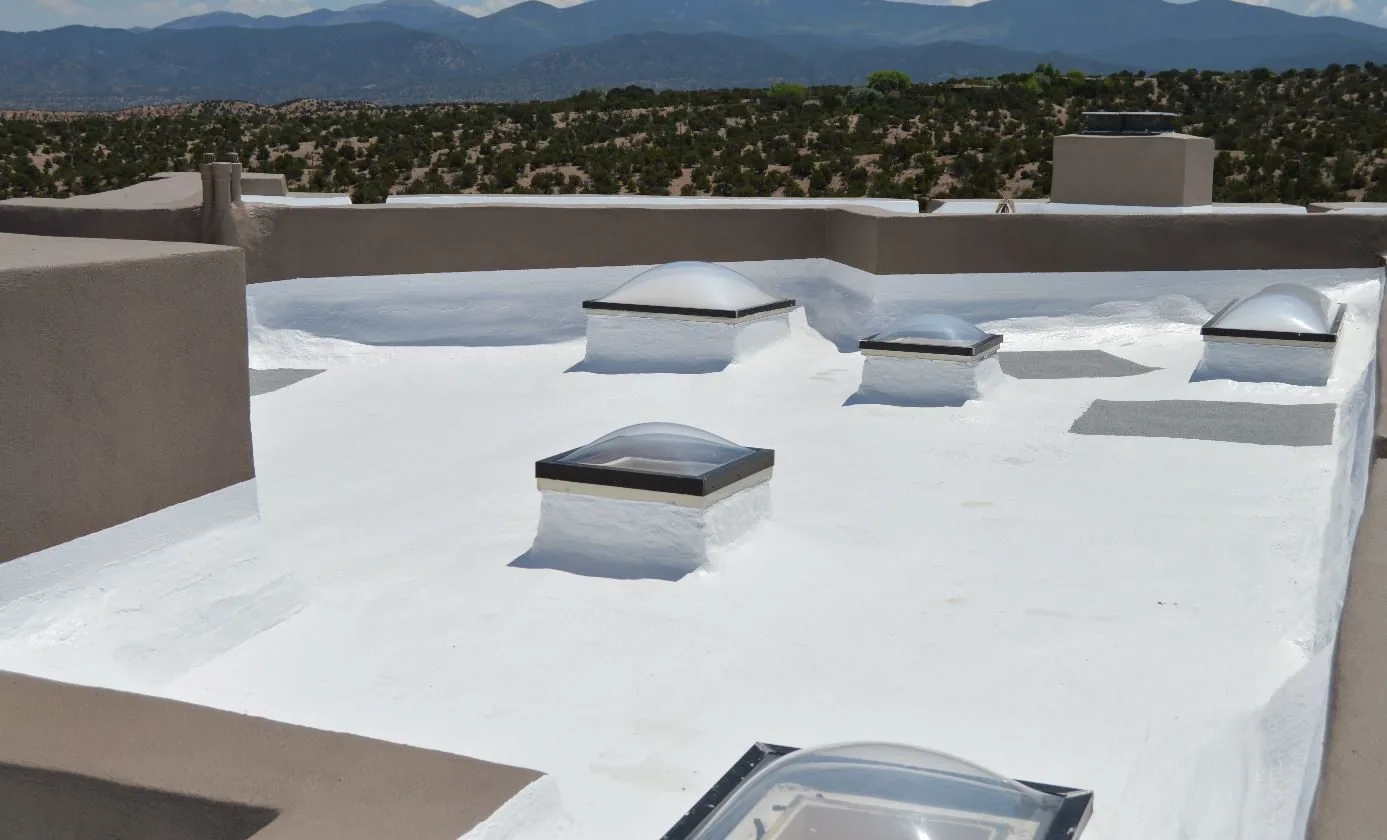
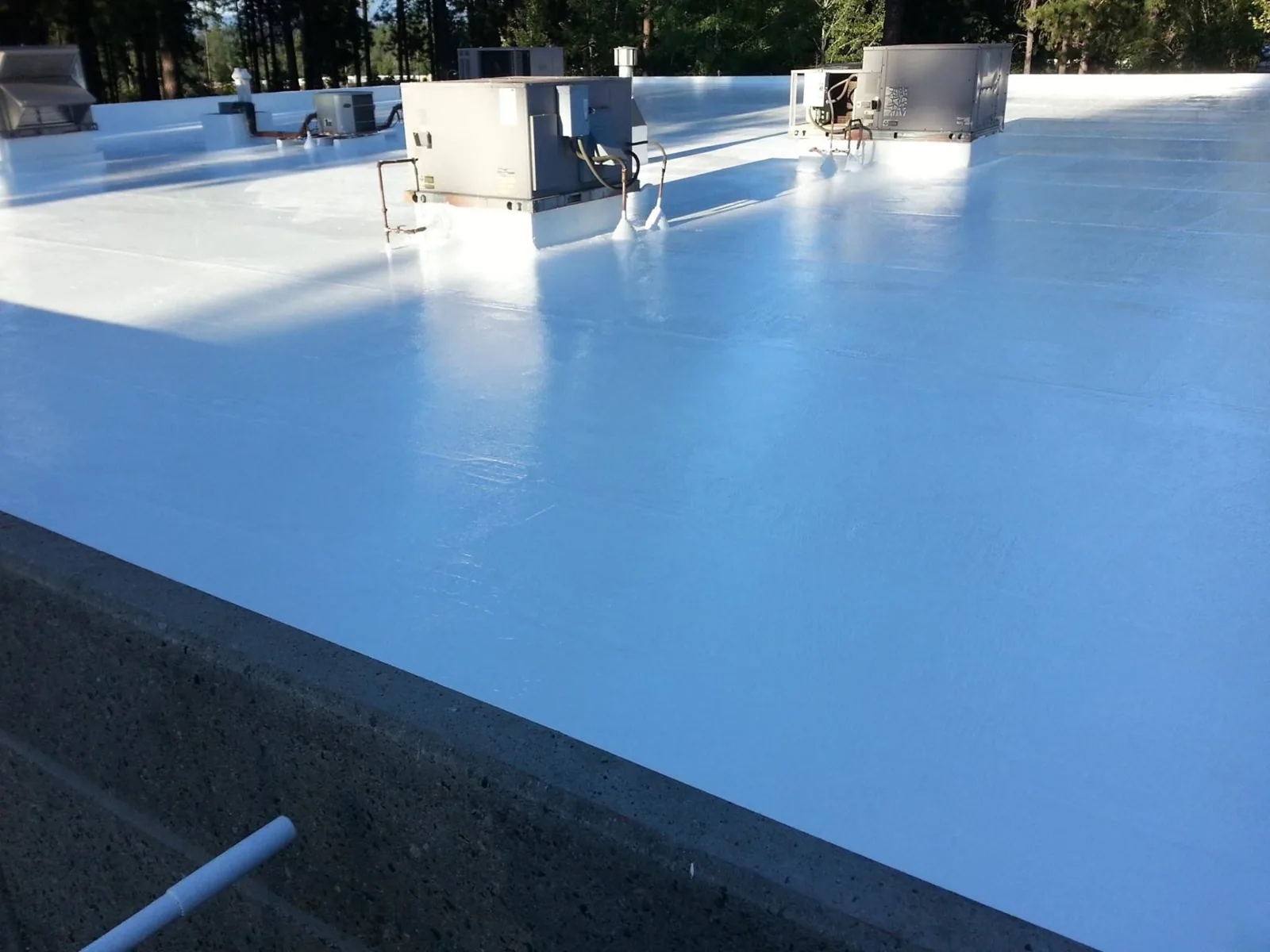
A reflective roof coating works on many existing roofs if they're prepared correctly. We check the existing membrane or old coating against the new product's requirements, test adhesion where needed and repair seams, blisters and flashings first. Some products require a primer, and that's listed with the product. Silicone roof coatings are popular here because they hold up well to UV and tolerate ponding water better than many other coatings. If the product changes, we review the prep again, because a new coating may need different surface preparation.
Each coating also has application limits for temperature, humidity and surface moisture. Arizona summers can push surface temperatures past what some products allow, so timing matters. We confirm deliveries and staging with the building, and the crew knows which prep steps come first. If an area isn't ready, we note what still needs fixing and keep it separate from the areas ready to coat. A color choice isn't permission to coat over problems.
Flashings and changed construction
Every cool roof job includes the details: walls, curbs, roof edges and drains. If new insulation is added, the roof surface rises, and flashings at walls and curbs may need to be raised to stay at the proper height. Edge metal may need to be extended. A coating job may require reworking failed flashings before the coating goes on.
Adding insulation and cover board under a new reflective membrane improves energy performance but changes how the roof meets everything around it. We check each curb, wall and edge against the new roof height and spell out what has to be rebuilt.
On public buildings and offices with rooftop equipment, some of that work may belong to another trade. If a rooftop unit needs to be lifted or a curb extended, we coordinate with the mechanical contractor and schedule it before our crew reaches that area. The finished roof shouldn't stop at a curb that was never addressed.
Selected option and installed account
Before you approve a cool roof, the proposal should name the product, show which existing layers stay and which get repaired or removed, and describe the prep, attachment and flashing work. The product's reflectance and emittance data are included. If you're comparing options, each one should be based on the same inspection, so the comparison is fair.
After installation, we keep a record of the job: product names, which layers were left in place, photos of repairs before they were covered and the details completed at walls, curbs and edges. For buildings in areas like downtown Chandler, where properties change managers over time, that record is often more useful than the warranty paperwork.
When a leak shows up years later, or someone wants to add a rooftop unit, the next contractor can see exactly what's on the roof and how it was built. When it's time to recoat, they'll know which product is already there. A photo of a bright white roof is nice to have, but the detailed record is what helps the next crew do the job right.
Commercial Roofing Questions
What should a cool roof proposal explain besides the color?
The specific product, which existing layers stay, what gets repaired or removed, the prep work, and the flashing and edge details, all tied to the inspection.
What's the difference between solar reflectance and thermal emittance?
Solar reflectance is how much sunlight the surface reflects. Thermal emittance is how well it releases absorbed heat. We check the product data for both.
Does a reflective coating mean the existing roof is in good shape?
No. The existing roof needs its own inspection and moisture testing. Wet or damaged areas have to be repaired or removed before anything goes on top.
Can a membrane and a coating use the same prep?
No. A new membrane needs insulation, cover board and attachment defined. A coating needs cleaning, repairs and adhesion testing. Each product has its own requirements.
What records should we get after installation?
Product names, which layers were left in place, photos of repairs before they were covered and the completed details at walls, curbs and edges.
Talk to us about a cool roof
Send us the building address and any information on the existing roof. We'll inspect it, recommend a reflective option and explain the prep, insulation and detail work it needs.
Request a Roof AssessmentAll Commercial Roofing Services