Home / Industries We Serve / Logistics and 3PL
Chandler Logistics and 3PL Roof Repair Planning
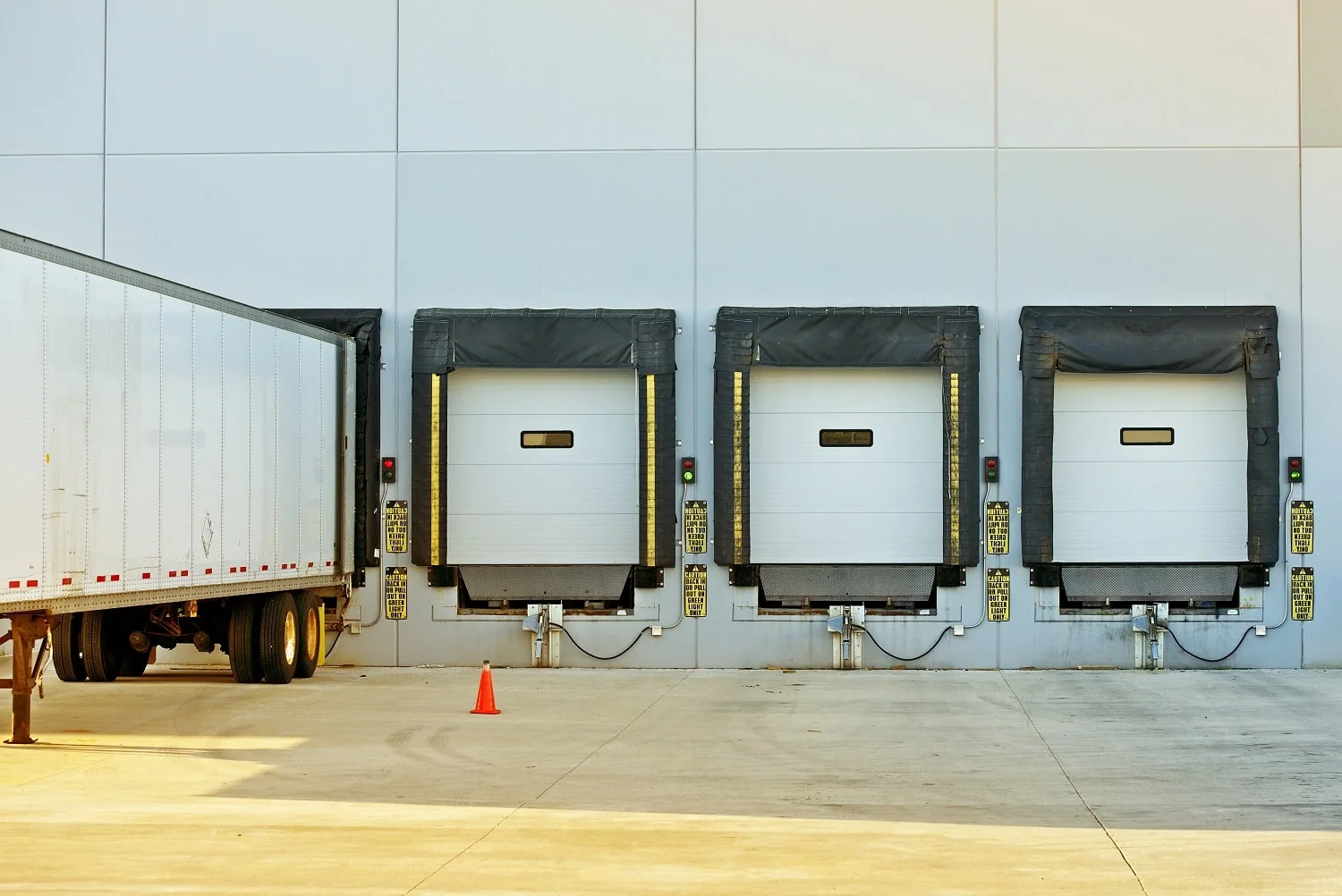
Roof repair for Chandler, AZ warehouses, distribution centers and 3PL buildings: work planned around dock schedules, staging that stays out of the truck court.
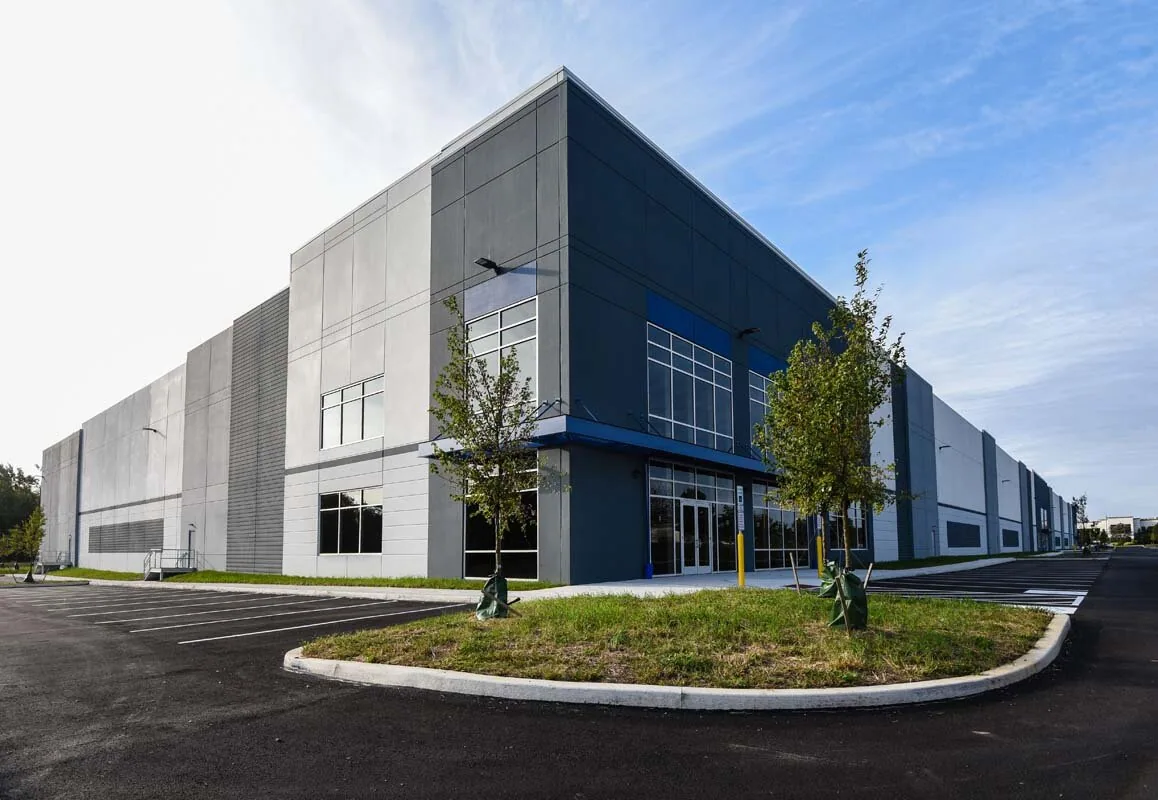
On a distribution building, the roof crew has to work around the trucks, not the other way around. Before we schedule a repair, we need to know which dock doors are busy, when inbound and outbound loads peak, and where we can put a material lift and a dumpster without blocking the truck court. A quick membrane repair might need one pickup and a ladder. A phased tear-off needs a staging plan. Either way, the roofing work is planned around the operator's own receiving and shipping rules.
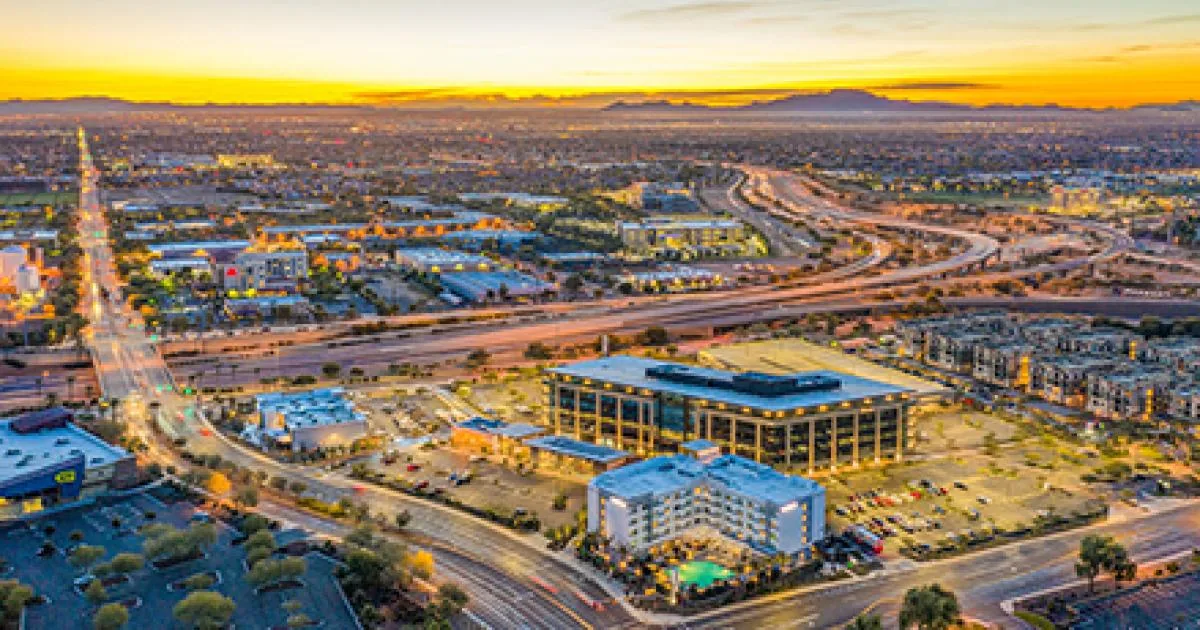
The Chandler Airpark area, around Chandler Municipal Airport, has a lot of warehouse and flex space. For any building there, we start with the address and the site contact. Our Airpark area work is coordinated one building at a time. If a property management company handles the building, they usually approve access. If the warehouse supports a production line, we coordinate the way we do for manufacturers. We inspect the roof, recommend the repair and plan deliveries around the actual work area.
Dock schedules and staging
We ask the site or warehouse manager which receiving and shipping windows we need to avoid. Then we find the dock doors near our delivery and debris areas and ask for the rules covering that part of the yard. We also get the name of the person who can settle a conflict on the day. Where trucks and forklifts move is the operator's call, and we follow it. Those rules go into the work plan for each phase.
For distribution center roofing, the size of the job drives the staging. A short repair at one detail needs very little. A larger tear-off may need a bigger dumpster, repeated material lifts, or work split across nights and weekends. We show how the staging plan fits around the dock schedule, so the manager can approve the logistics along with the roofing scope.
Every building gets its own access plan. We confirm the roof access point, the delivery spot and the receiving contact for that specific property before anything is ordered or delivered.
Finding and fixing the damage
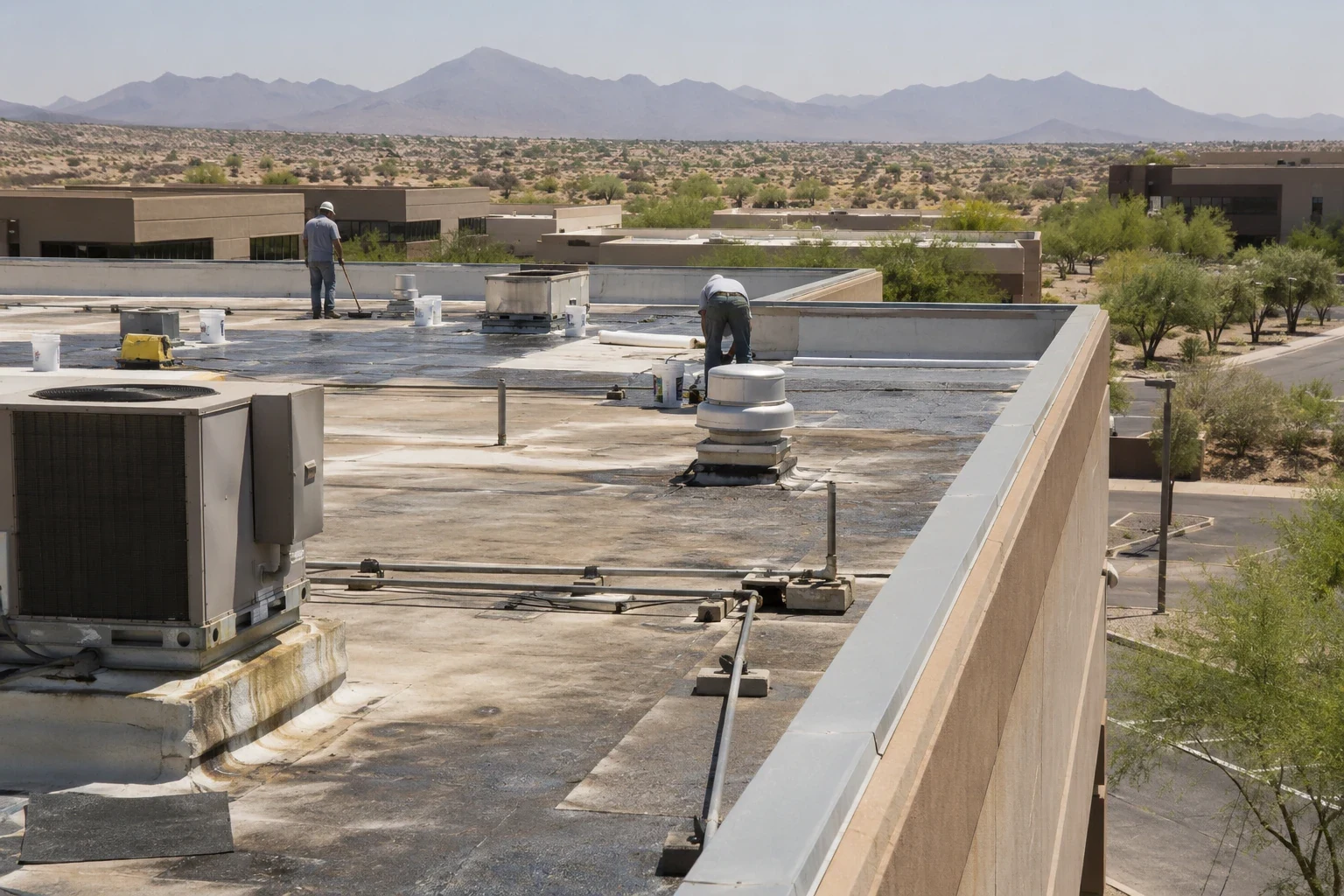
We start with the leak location or visible damage the site contact reports, along with when it happened and any past repairs. Then we check the seams, flashing, drains and equipment curbs nearby. The repair we recommend has to match a real defect on the roof. If the source is unclear, we say what more testing is needed. HVAC, dock seals or wall panels may need their own contractor.
Before choosing a repair, we confirm the roof system: single-ply membrane, modified bitumen, foam or metal panels. We check the material around the damage and remove old patches that will not bond. Nearby seams and flashing get repaired within the work area. The surface is cleaned and prepped for the new material. If we suspect wet insulation, we test it. The repair has to fix both the failure and anything damaged underneath it.
Our membrane puncture repair work shows how far the damage goes. Forklift-height racking and stored product make a wet ceiling expensive, so even an isolated puncture gets a check underneath. If insulation is wet, we replace it. If that makes the job bigger, we show you the new area and photograph the hidden work before we close it up.
Leaving the roof sealed
Before work starts, we agree on how the roof will be left at the end of each shift. Areas that will be finished that day are sealed permanently. Anything still in progress gets temporary protection. We tell the site contact what is open, what is sealed and who to call. If we are waiting on another trade before we can finish, we say so.
Emergency roof repair can stop a leak before the full inspection is done. We make sure the site manager knows what is temporary and who to call if it leaks again. We also note who is scheduling the next inspection or equipment visit, so follow-up does not fall through the cracks.
If tear-off uncovers more damage, we review the protection plan along with the scope. A bigger opening can mean more material handling and different staging. We check with the operator on any changes to dock or yard use and get approval for the added work. You see the new work area and the plan for each shift together.
Spot repair or phased replacement
We compare options based on what we find. A spot repair fixes the failed detail and ties into sound roofing around it. A larger project needs the whole area checked: insulation, attachment, drains and wall flashing. If we are not sure the existing layers can stay, we recommend testing. You see which findings support tearing off and which support keeping the existing roof.
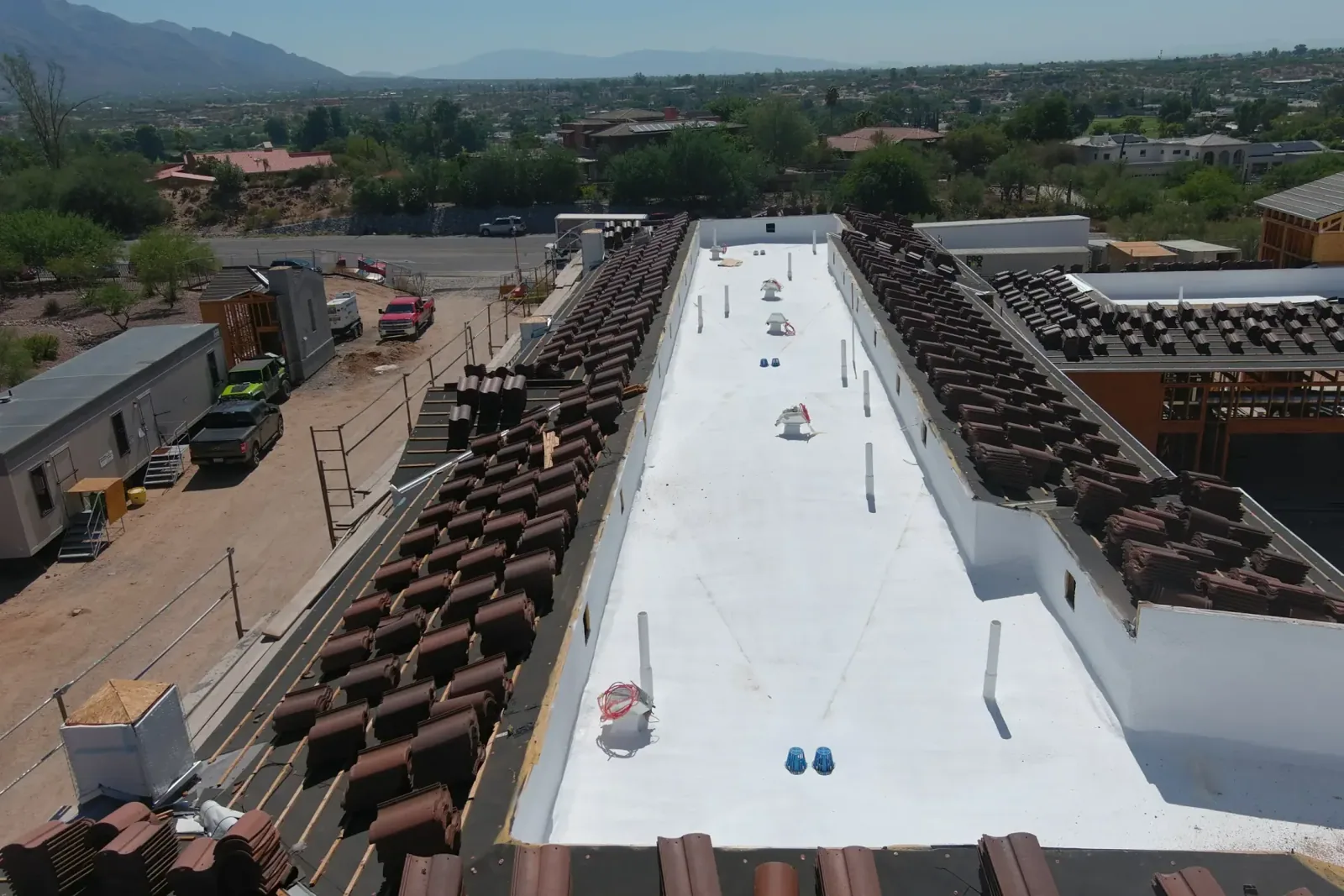
For commercial roof replacement on a working warehouse, we break the project into phases and plan the staging for each one. Larger phases mean more material deliveries and more debris. We review each phase against the dock and receiving schedule and plan for the roof to be sealed between phases. The price includes those logistics along with the roofing.
Sometimes equipment or curb work needs its own approval before we can finish the flashing. We note who is responsible and how they will tell us it is ready. If phases are split, the open area stays protected until that work is done, so every handoff has a clear owner.
Pricing and records
Cost depends on how much damage there is and how much of the roof can stay. Hidden wet insulation can add tear-off and rebuild work. Larger staging or debris needs change the logistics. The operator's requirements may split the work into more phases, and temporary protection may need to stay in place while other trades finish. If the price changes, we show what changed and why.
Our scope lists roofing, insulation and deck repairs, and work by other trades separately. We note any dock or receiving rules that affect the schedule, along with any leak or insulation questions still open. Approved additions are tied to what we found. Finance sees what the price includes, and the operations manager sees what still needs a decision.
At turnover, we provide photos of finished repairs alongside photos of any hidden work taken from the same spot. Open areas are listed with their next step. We name the site contact for status updates and urgent calls, and any leak still under investigation is listed with the test needed. The manager knows exactly what is done.
Commercial Roofing Questions
What do you need to know before staging materials?
The dock schedule, receiving and shipping windows, and the yard rules for our delivery and debris areas. We also need the name of the person who approves staging at the building.
How does a larger tear-off affect a warehouse?
It takes more deliveries, bigger dumpsters and more time. We plan phases around the dock schedule and make sure the roof is sealed between phases.
What if you find more damage once the roof is open?
We explain the extra work and the larger opening, then review staging and protection before you approve the bigger repair.
Who do you tell when part of the roof is left under temporary protection?
The site contact you designate. We tell them what is protected, how to reach us if it leaks and what work is still needed.
What photos do I get when the repair is done?
Photos of hidden work like new insulation, finished repair photos from the same spot, approved changes and a list of open items with who is responsible.
Schedule a warehouse roof repair
Tell us the Chandler building and your site contact. We will inspect the roof, recommend a repair or phased plan and schedule the work around your dock and receiving windows.
Request a Roof AssessmentAll Industries We Serve