Home / Roof Damage Repair / Membrane Puncture Repair
Membrane Puncture Repair in Chandler, AZ
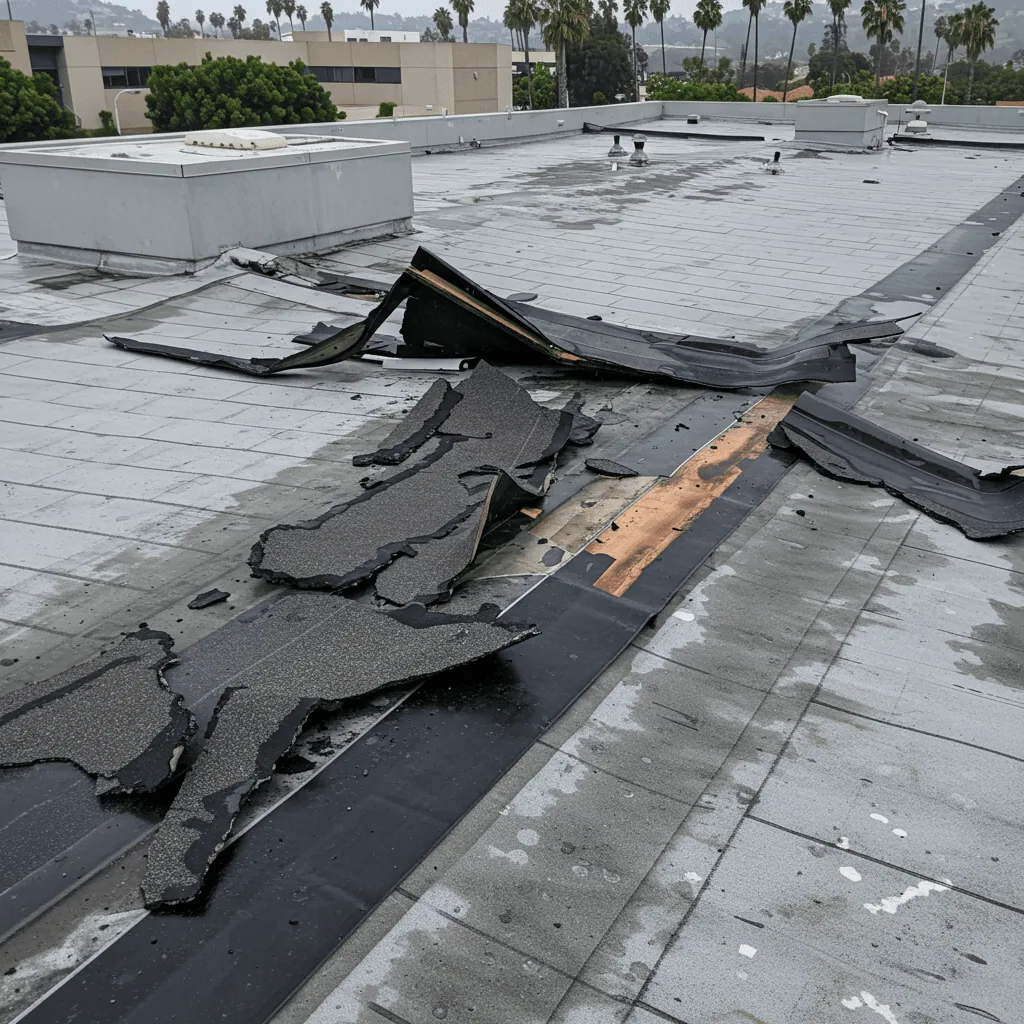
Membrane puncture repair in Chandler, AZ: we find the hole, check for wet insulation underneath and install a proper patch that matches your roof system.
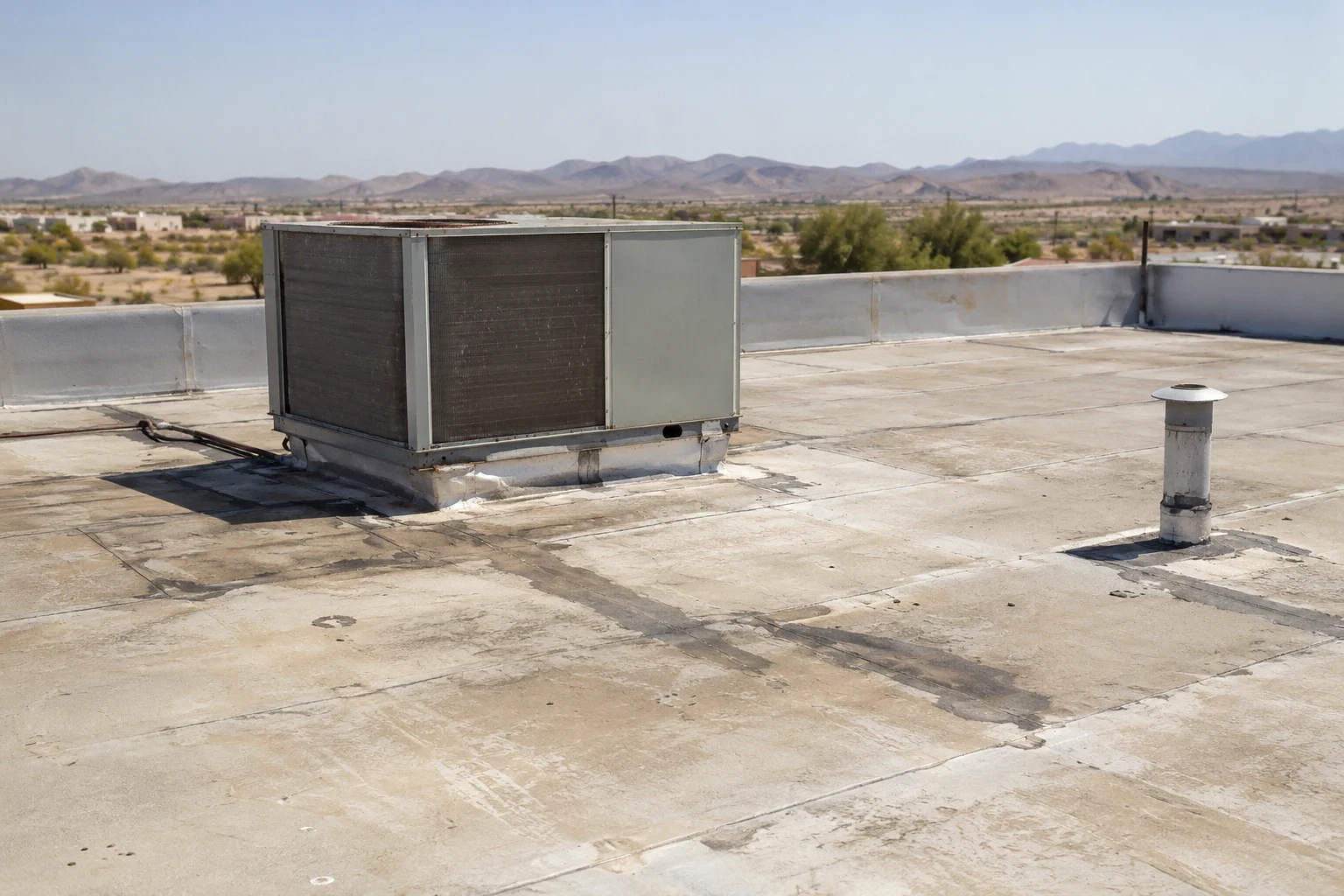
Most punctures on a commercial roof come from people and things: a dropped tool, a screw left behind by an HVAC tech, a sharp piece of debris blown in by a monsoon storm, or heavy foot traffic in the same path to a rooftop unit. On a retail building, the first sign is often a ceiling stain over the sales floor or a bucket in the stockroom. Membrane puncture repair sounds simple, and often it is. The key is making sure the patch is the right material for your roof and that water has not already soaked the insulation below.
We start with the location of the leak and any history you have. A seam failure can look like a puncture from inside the building, so we check both. Once we find the hole, we look at the membrane around it and check whether water has gotten into the insulation. The patch has to bond to clean, sound membrane. If the insulation underneath is wet, that section comes out and gets replaced along with the patch. We mark every repair on the roof plan so you can find it again and keep foot traffic away from it.
Finding the hole
Each puncture or tear is marked on a roof plan and photographed with enough surrounding roof to find it later, such as the nearest unit, drain or hatch. We also note old patches and other damage nearby. The close-up shows the hole. The wide shot shows where it is, which matters when you approve the repair and when someone checks it next year.
Our roof inspection compares the leak inside with what we find on the roof. We ask where the water showed up and when. We also check nearby seams, penetrations and drains, since a puncture may explain one leak while something else is causing another.
We ask whether anyone has been on the roof recently, but we do not blame the last contractor just because of timing. If we find punctures in several spots, we list each one and may suggest walkway pads along the paths people use to reach equipment. You get specific repair locations and practical ways to prevent the next one.
Matching the patch to the roof
A patch has to match the membrane. TPO is heat-welded with TPO, PVC with PVC, EPDM uses its own primers and tapes, and modified bitumen has its own methods. Records help, but we confirm the material on the roof itself, since color alone can fool you. The repair follows the manufacturer's requirements for your system. A patch that worked on another building is not proof it will bond to yours.
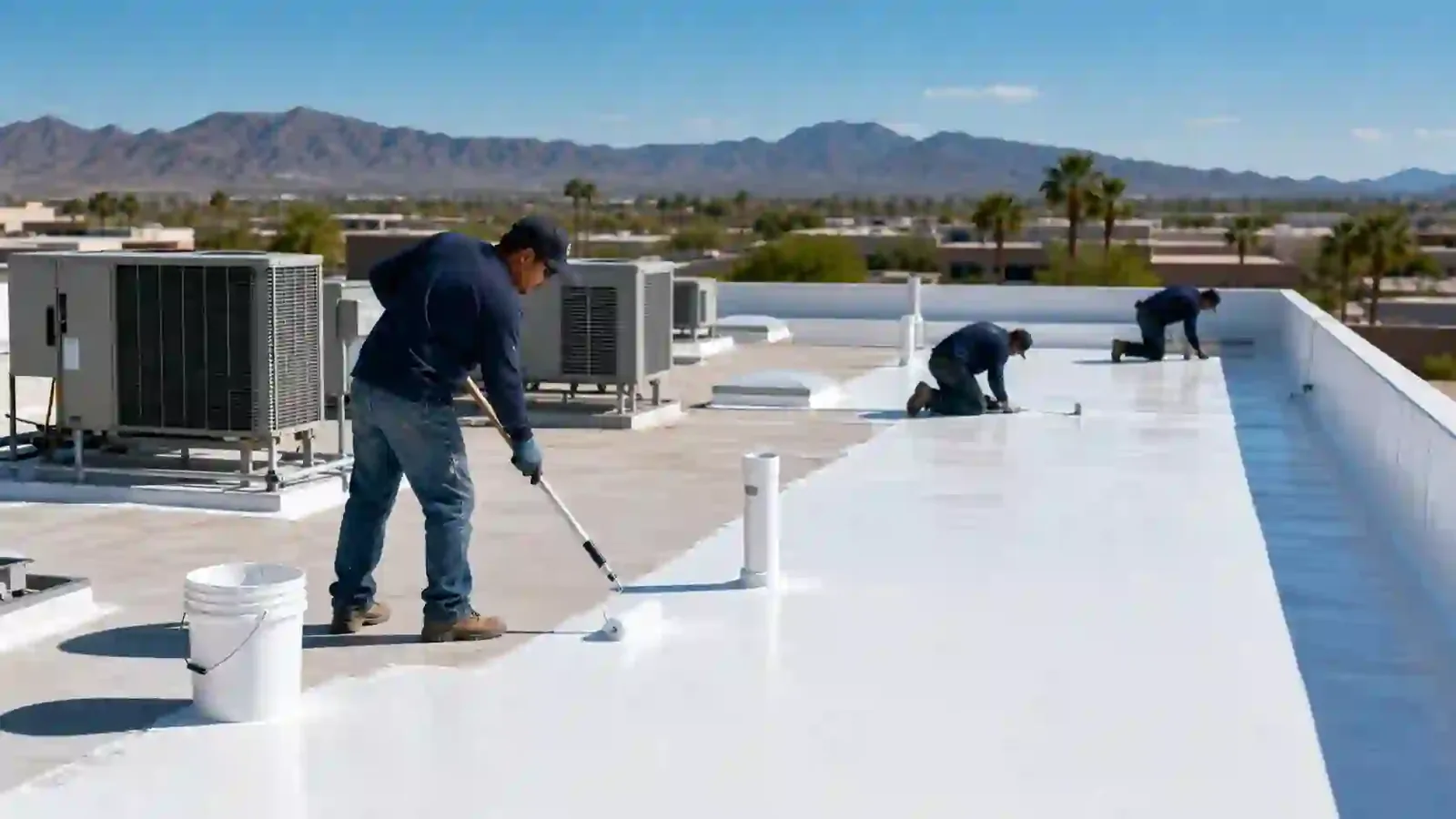
A commercial roof repair for a puncture includes cutting back to sound membrane and cleaning and priming the area around the hole. If the surrounding membrane is brittle or damaged, the patch needs to be larger, and we tell you that before we start. A patch on top does not fix wet insulation or a damaged deck underneath, so we check and list that work separately.
The scope explains what the patch fixes and what it does not. Even a small hole can need a bit of extra work if the area around it is in poor shape.
Checking underneath
The question with any puncture is how long water has been getting in. If the hole has been open through a few storms, the insulation around it may be wet. Wet insulation loses its insulating value, adds weight, and can rust a steel deck or keep leaking into the building even after the membrane is patched. We check the area around the puncture and, if needed, cut out and replace wet insulation before closing it up. A small hole on top does not tell you how big the wet area is below.
Sometimes a puncture sits in an area where water collects. Ponding water repair is a separate job. Patching the hole fixes the membrane. A clogged drain or a low spot in the deck needs its own fix. We list them separately so you know what the patch covers.
For buildings in Downtown Chandler, send us the property contact and any roof records. If we find more wet material once we open up, we photograph it and explain the extra work before asking for approval.
Punctures near curbs and walls
When a puncture is close to a curb, wall flashing or the roof edge, the repair has to tie into that detail too. Old failed patches or damaged flashing nearby may need to come out. If the HVAC contractor needs to move or service a unit, that gets scheduled before we finish the roofing, and we let you know what needs coordinating.
A flashing repair may be part of the job when a puncture runs into a wall or curb detail. A simple patch in the open field and a repair right at a curb take different amounts of prep and material, and the scope reflects that instead of pricing them the same.
We photograph the hole, the prepared area and any insulation repairs before closing up, and we note the materials used. If a leak shows up later, your team can find the repair and compare it with the new problem. Other parts of the roof still need their own inspection.
Scheduling around your business
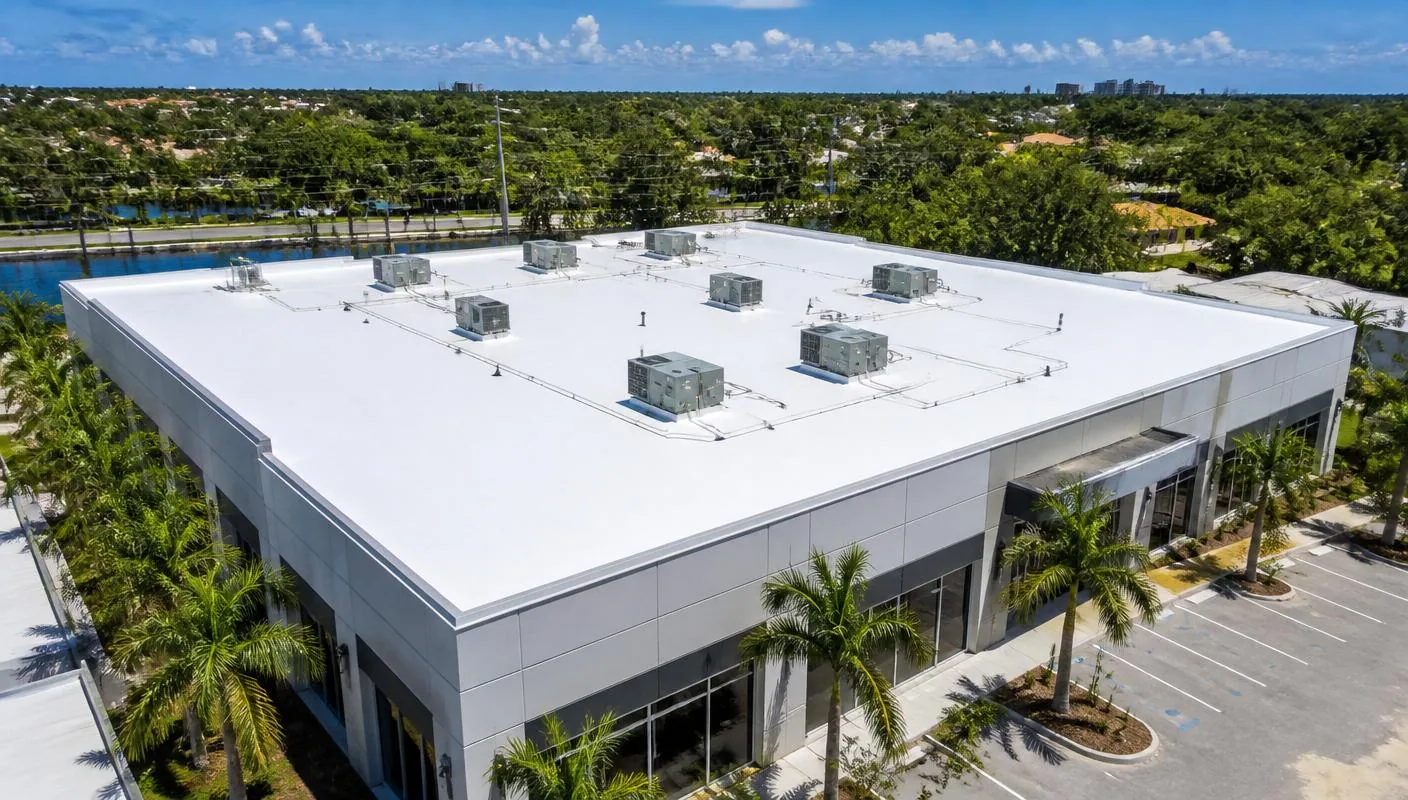
For retail buildings, we plan repair work with the store or property manager. Deliveries, customer hours and parking all affect when and how we work. Store staff decide what to protect inside, such as merchandise and displays. We plan each repair so the roof is sealed before we leave for the day.
Emergency roof repair can stop an active leak quickly, including nights and holiday weekends. We record where the temporary patch is and what still needs a permanent fix. A temporary patch does not tell you whether the insulation underneath is wet, so it stays on the open list until the permanent repair is done.
When the permanent repair is finished, we photograph the prepared area and the completed patch, along with any approved changes and why. Any related work by other trades is listed separately. The rest of the roof keeps its own inspection status.
Commercial Roofing Questions
How will I know where the puncture repair is?
We mark it on a roof plan and photograph it with nearby landmarks like units or drains. If there are several repairs close together, each one gets its own label.
Can a small puncture cause hidden damage?
Yes. Water can soak the insulation around a small hole, especially if it has been open through several storms. We check underneath and replace wet insulation before patching when needed.
Why does the roof type matter for a patch?
Patches have to match the membrane. TPO, PVC, EPDM and modified bitumen each use different materials and methods. The wrong patch will not bond and may void the warranty.
Does a puncture repair also fix drainage or equipment problems?
No. The patch fixes the hole. A clogged drain, low spot or HVAC issue is a separate repair, and we list those separately so you know what is covered.
What if you find more damage when you open the roof?
We photograph it, explain the extra work and cost, and keep the area protected until you approve the change.
Get a puncture fixed right
Call us about the leak at your Chandler building. We will find the hole, check for wet insulation and install a patch that matches your roof system.
Request a Roof AssessmentAll Roof Damage Repair