Home / Industries We Serve / Manufacturers
Chandler Manufacturer Roof Repair and Work Sequencing
Roof repair for Chandler, AZ manufacturing plants: work planned around production, dust and air-intake protection, safe material routes and phased repairs that keep the plant running.
On a manufacturing plant, roof work has to fit around production. Before we touch the roof, we need to know what is running below, which air intakes and exhaust stacks are nearby, and who on your team approves work over the production floor. A quick seam repair has a small footprint. A phased tear-off can mean dust, noise and deliveries for weeks. We compare those options with the plant manager before anything is approved, and the plant's rules go into the work plan.
Chandler is home to major manufacturing, including Intel's Ocotillo campus. For any plant, we start with the specific building and the facility contact who can authorize work and share the site rules. If deliveries go through a shipping area, we coordinate staging with the logistics team using their receiving schedule. On bigger projects, the general contractor confirms other trades are done before we close up the roof. Everyone knows who is responsible for each step.
Production approval
We show the production or facilities contact where we plan to work and how much roof we will open. We ask which equipment and processes are below that area and whether there are dust, air intake or protection requirements. We also ask what notices and approvals are needed before each phase. The plant sets the rules for its own operations. Any question still open is assigned to the person who can answer it.
A small seam repair barely affects the plant. A larger replacement means more tear-off and more debris. We ask whether the work needs to be split into shifts or weekends, and how much roof can be open at once. The plant manager sees what each option asks of production.
Our manufacturing plant roofing plans are reviewed whenever the work area changes. If we find hidden damage that makes the job bigger, we show the new area and ask whether dust protection or access needs to change before we go further.
Deliveries and material routes
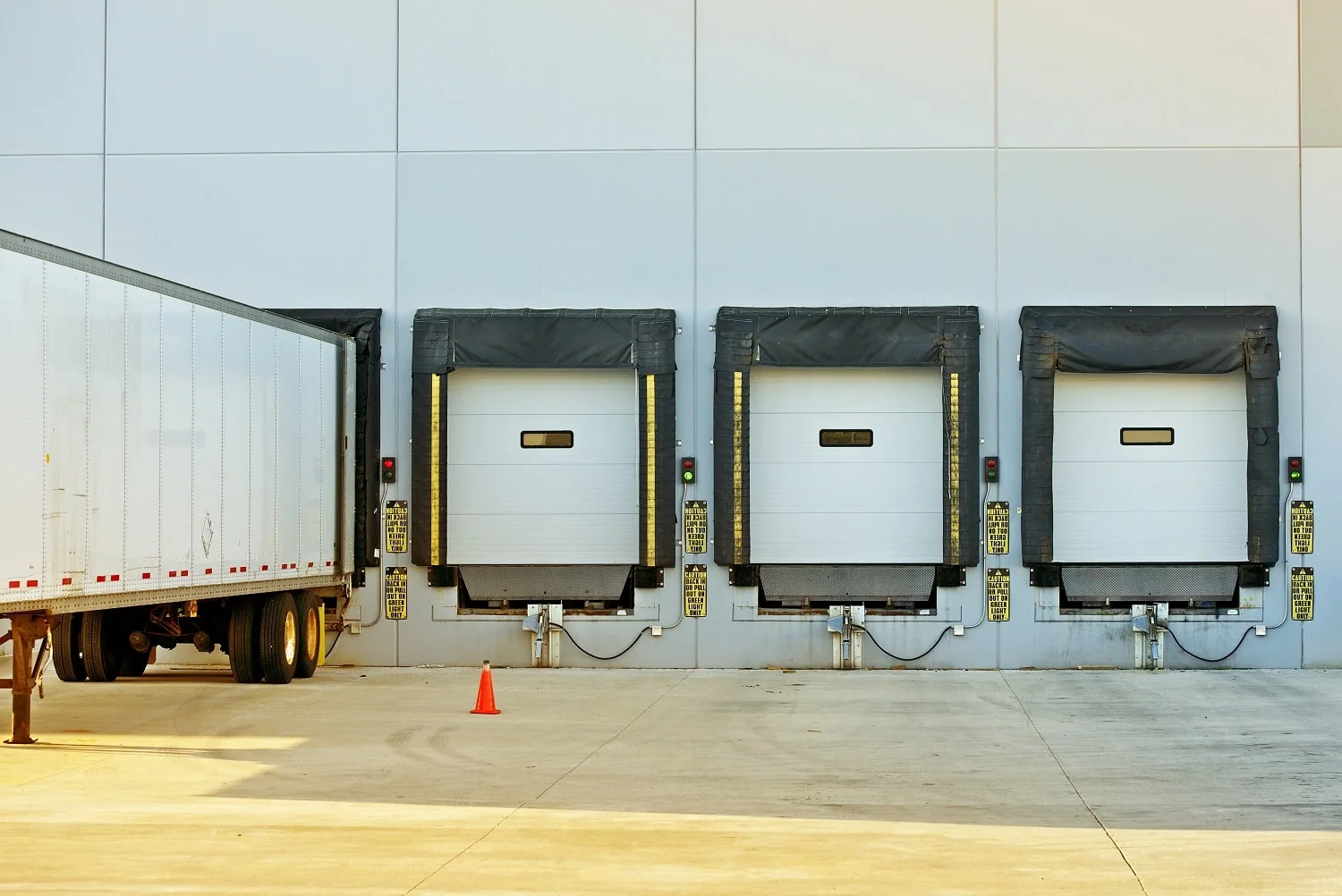
We figure out where roofing materials will be delivered, where they will be staged and how they get onto the roof. We ask the plant which loading docks or roads affect that route, and plan debris removal the same way. Each delivery has a set location and a person to receive it. Any open logistics question goes to the right contact.
For a plant along the Price Corridor, we confirm the actual entrance and roof access with the building contact. We also ask who coordinates material movement and the plant's rules for that site. Each building gets its own plan, so the plant manager can see the staging needs for each option.
Bigger projects mean more deliveries and more handling than a spot repair. We show those differences before you approve a larger phase. If the work is split into shifts or weekends, we plan debris removal and protection for each break. If another contractor needs the same access, we ask the plant to settle the schedule.
Leaks at equipment and curbs
We inspect the roof near the reported damage or leak and ask for the timing and any recent work records. Then we identify the roof system and the failure we can fix. If a process exhaust, duct or other equipment connection may be leaking, its own contractor needs to look at it. We keep that separate from our flashing work and say when more testing is needed.
A rusted curb or damaged support may need rebuilding before we can flash it. We identify who will do that work and who approves it, and ask how they will tell us it is ready. Once the curb is ready, we install the permanent flashing. We photograph the rebuilt curb before it is covered, so the plant manager knows exactly what has to finish first.
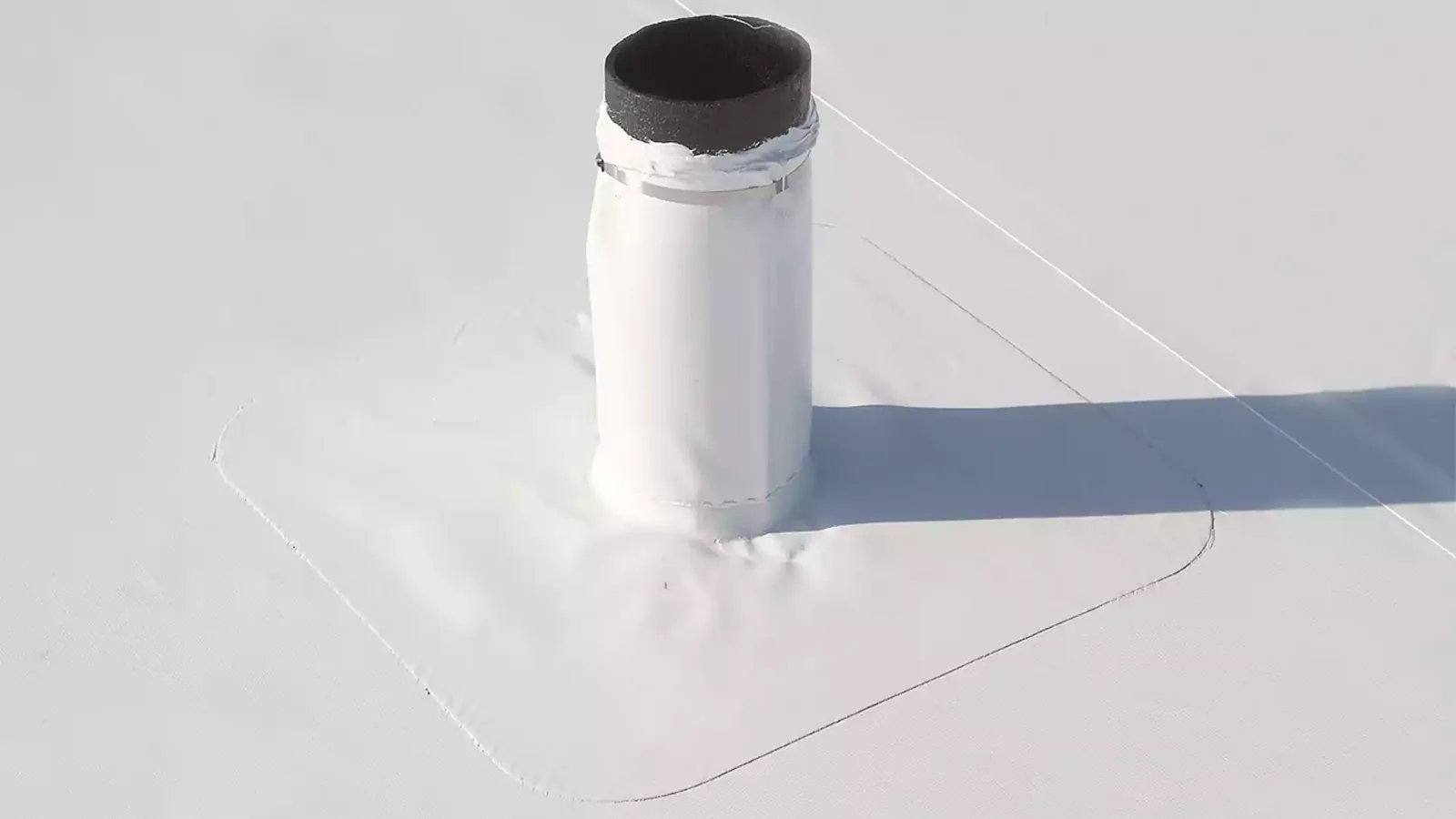
Our skylight and penetration flashing work spells out what has to happen before we flash. We check the membrane or metal panels around the penetration and remove old patches that will not bond. Seams and flashing at the damaged area get repaired. Any open equipment question is noted with the right contact.
Spot repair or phased replacement
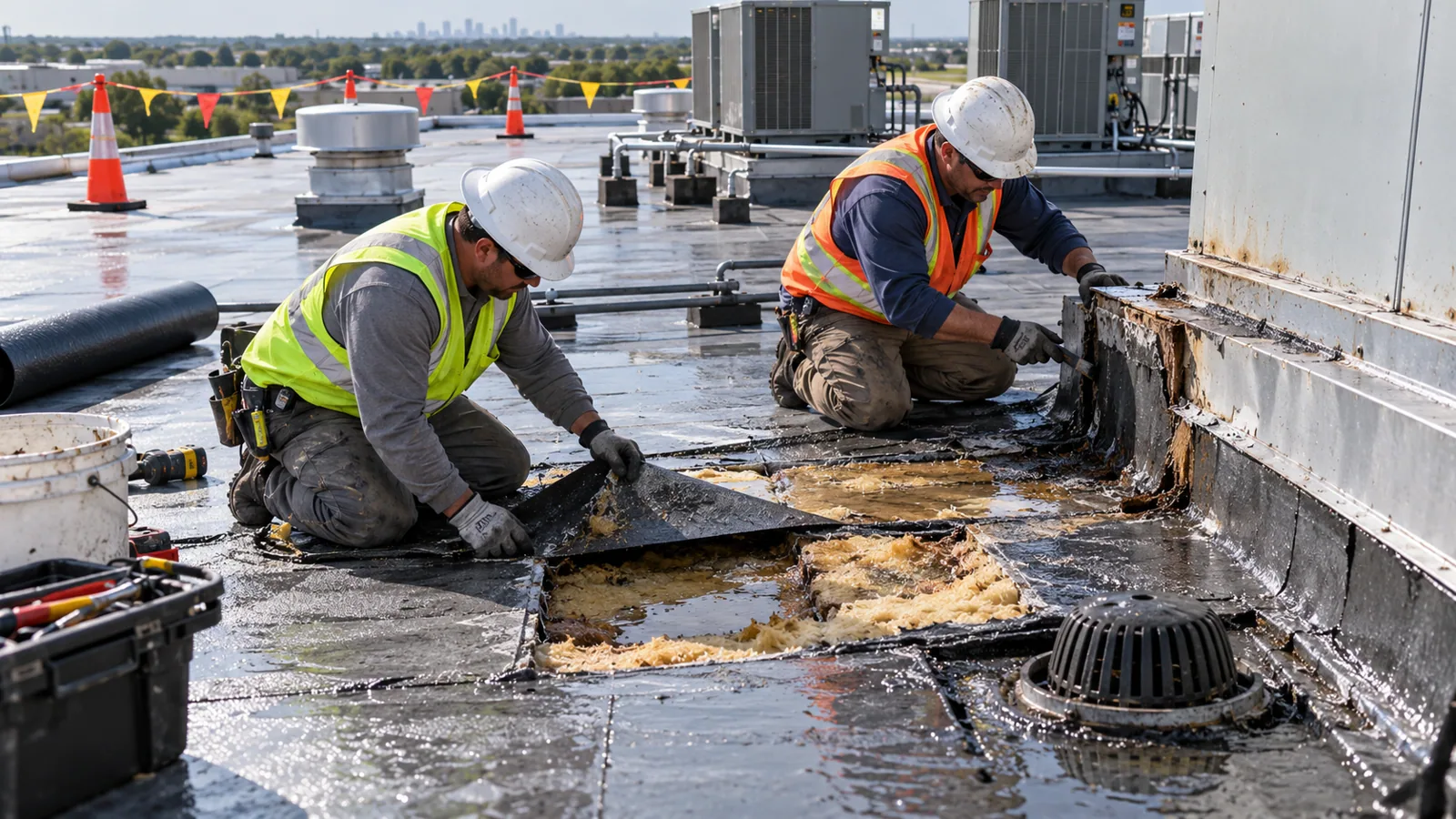
When a repair depends on the existing insulation and deck, we check them. If we suspect moisture or damage, we cut a test opening and explain what we are looking for. Damaged material is removed within the approved scope before we rebuild. If the damage goes further than planned, we stop and ask before expanding the work, and we photograph what we find.
For a larger project, we check the whole area: insulation, attachment and any detail changes. If we are not sure the existing layers can stay, we recommend testing. We compare the tear-off and rebuild work with a spot repair, and review the plant's requirements for the bigger work area. The plant manager sees both the roofing and the scheduling impact, and finance sees the full scope.
For commercial roof replacement, we compare phased work with targeted repairs before planning return visits. We list which areas will be finished in each phase and which will be temporarily protected. At each pause, we confirm who receives the roof and who schedules the next step.
Approval and turnover
Cost depends on how much repair is needed, how much deck or insulation needs rebuilding and how complex the details are. Hidden damage can add tear-off. The plant's requirements may add phases or affect how materials move. Extra debris handling and temporary protection can change the coordination needed. If the price changes, we show what changed and get approval for the added work.
A roof condition report lays out repair decisions and any open questions. Photos of the damage, hidden repairs and finished work are kept together. Equipment work outside our scope is listed separately. Approved changes are recorded with the name of the person who approved them, along with the plant rules for each phase.
When we hand back the roof, we mark finished repairs and any areas still under temporary protection, along with what is still needed at each. We name the contact for status updates and urgent calls, and any leak still under investigation is listed with its next step. The plant manager knows exactly what condition the roof is in.
Commercial Roofing Questions
Who sets the rules for roof work over production areas?
The plant's facilities or production manager. We show them where we will work and what is below, then follow their requirements for dust, intakes and access.
How do you plan material deliveries at a plant?
We work out delivery, staging and debris areas with the plant, including any loading docks or roads that affect the route.
What if a curb or support needs to be rebuilt first?
We identify who is doing that work and how they will tell us it is ready. Our permanent flashing goes on once the curb is solid.
How is a phased replacement different from a small repair?
It involves more tear-off, more deliveries and more coordination with production. Each phase is planned with the plant, and the roof is sealed between phases.
What do we get when the roof is handed back?
A list of finished repairs and areas still under temporary protection, photos of hidden work, the next step for each open item and who to contact.
Plan roof work around production
Contact us with your Chandler plant and facility contacts. We will inspect the roof, compare a targeted repair with a larger project and plan the work around your production schedule.
Request a Roof AssessmentAll Industries We Serve