Home / Property Types We Roof / Aircraft Hangar Roofing
Aircraft Hangar Roofing in Chandler, AZ
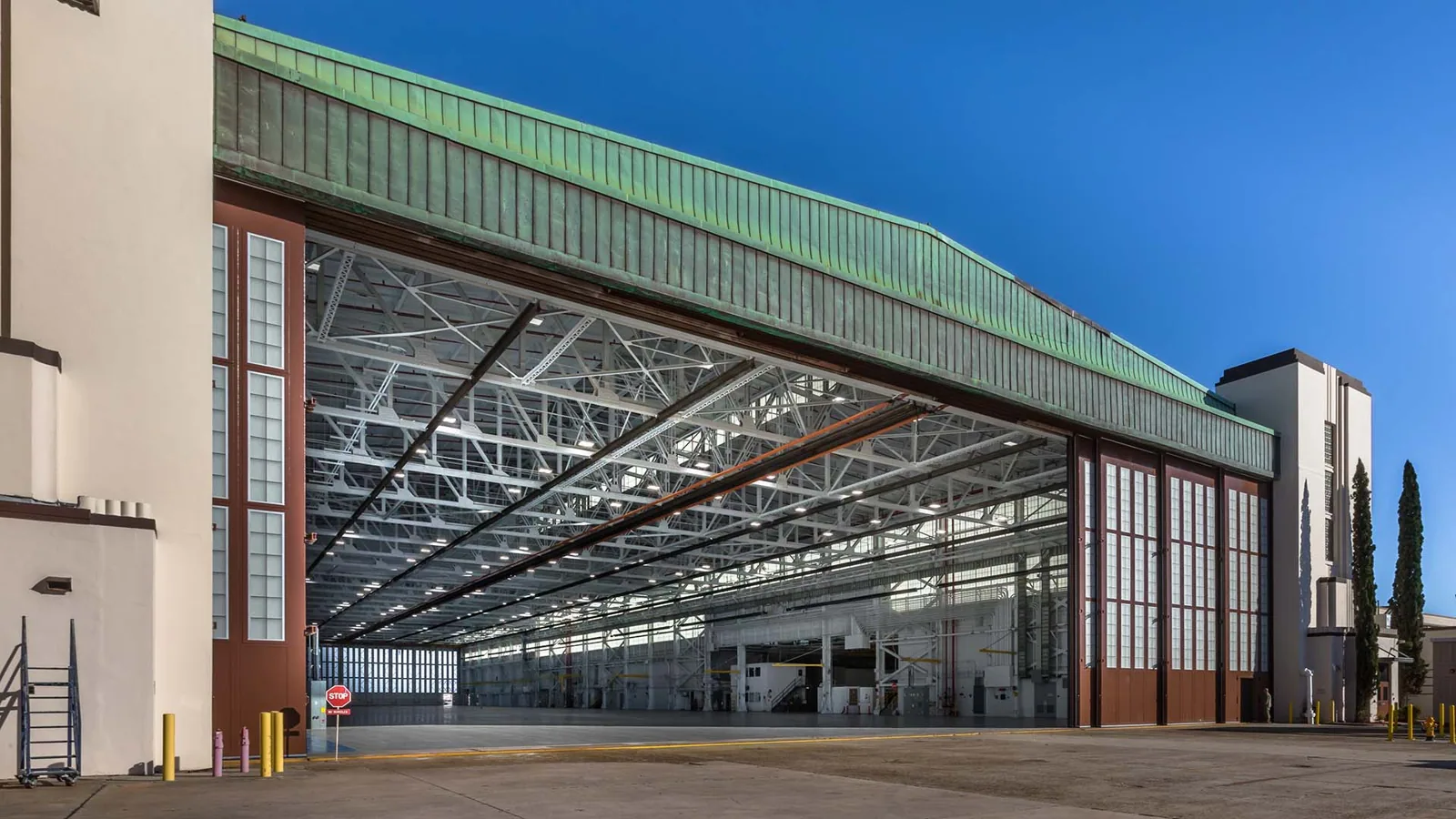
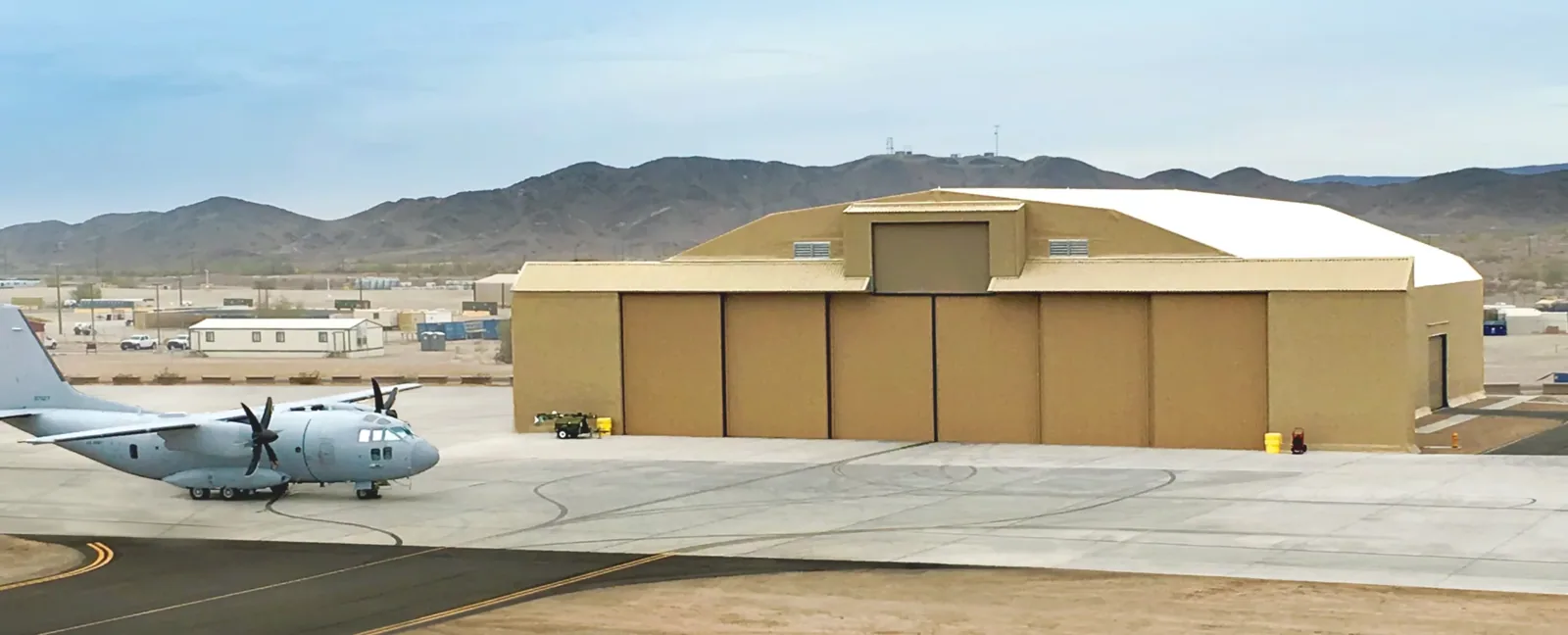
Aircraft hangar roofing in Chandler, AZ: metal and membrane roof repair, leak tracing around hangar doors, drains and skylights, and work planned to protect aircraft below.
Hangar roofs cover wide clear spans, big door openings and some of the most expensive equipment anyone owns. A drip that lands on a wing or an avionics bay is a serious problem. Aircraft hangar roofing in Chandler starts with the specific building and where water is coming in or the roof is wearing out. We inspect the roof, and the facility contact tells us the rules for getting in and working around aircraft. The scope lays out the existing roof, the proposed fix and any work by other trades, so the owner has a solid basis for planning.
For hangars at Chandler Municipal Airport, we need the building, its address and the person who can authorize the roof review. Drawings and past repair records help if you have them. In the Airpark area, we set up the inspection route with the facility before the visit. We talk through the problem, find the areas that need inspection and base every recommendation on what we find on that building.
Metal panels and transitions
Many hangars have metal roofs, and some have membrane or a mix of both. Metal and membrane need very different repairs. On metal roofs, we check the panels, fasteners and flashing. Big clear-span buildings move with heat, and that movement works on fasteners, seams and flashing over time. Where the hangar roof meets a lower roof or office wing, we check the support and flashing together. The scope explains what comes off and what stays, and we never let a surface repair cover rotted or rusted backing that the new flashing needs to fasten to.
For standing seam metal roofing, we inspect the seams, clips and details in question and confirm the panel system and its condition. Structural changes go to an engineer. If a coating is being considered, we check that the metal is a good base and what prep it needs, including rust treatment and fastener sealing. A coating does not solve a support or moisture problem. The recommendation explains the full repair you get and is based on what we find on your roof.
Hangar doors and leaks
Where the roof meets the big hangar door opening, we check the header, wall or canopy detail and the flashing that ties in there. The door and its track belong to the door contractor, and we note where their work starts and ours ends. New roof flashing cannot fix a door header that is failing. Photos show the roof problem and the door question separately, so the owner can schedule the right trade.
Our commercial roof leak repair work compares the leak inside with what we see on the roof. We check seams, fasteners, skylights, penetrations and flashing above the leak. On a wide-span roof, water can run a long way along a purlin before it drips, so we also check the drainage near the suspected spot. If the leak looks like a pipe or HVAC problem, that contractor needs to investigate. We describe the roof damage we found and how to fix it, recommend testing where hidden layers matter, and include patching any test openings.
Protecting aircraft and staff
The facility contact tells us the rules for entry and for keeping our work separated from operations. We review the roof method and the space below with the people responsible for it. We ask how aircraft and equipment below should be protected, whether by moving planes, covering them or keeping certain bays closed. Delivery and debris routes are reviewed along with the roof opening, as are walkways and any protection needed below tear-off. The work plan lists the agreed routes and contacts.
For occupied building reroofing over working hangars, we show the tear-off area and discuss noise, odors and air intakes. Maintenance and equipment staff prepare their areas before we reach them. A military hangar has its own facility rules, and a warehouse roof follows that property's arrangements. At each hangar, we follow the rules for that building. If the work area grows, we review protection and routes again.
Drains and repair options
We check the drains, scuppers and gutters and the roof around them, and trace how water gets to the problem area. Clearing debris is different from replacing flashing or fixing a drain pipe, and pipe problems go to a plumber. Standing water needs its cause found before we pick a fix. If insulation or details change, we account for how that affects drainage, and an engineer weighs in on bigger design changes. The price lists the roof work and any work that has to happen first.
For roof drains and scuppers, we check the roof around each drain before deciding what stays. If it is sound, a focused repair may be enough. Wet insulation or a bad deck calls for more testing and tear-off. A recover requires checking the existing roof and code requirements. For commercial roof replacement, we list what comes off and what goes on, including insulation, attachment and edge and penetration details. Access, disposal and coordination with other trades affect the total, and we show those differences next to the quantities.
Protection and records
Before tear-off, we plan temporary protection for any area that will be left open, and we identify edges and spots waiting on other trades. We review weather exposure, since a monsoon storm can arrive quickly. If the damage is bigger than expected, both the protection plan and the quantity change, and the facility gets the updated work area and routes. Temporary protection is clearly separated from the finished roof, and changes are recorded with the findings behind them.
Our preventive roof maintenance visits list what we check and what we cannot reach. Photos and notes show the details reviewed and repairs made. The closeout records what was installed and where any test openings were patched, along with product information and final quantities. Pending door, HVAC or plumbing work is listed with the right contact. We also respond to urgent hangar leaks nights, weekends and holidays, with the facility contact arranging access so we can discuss immediate steps and the permanent repair.
Commercial Roofing Questions
What do you need to start a hangar roof project?
The building, the person who can authorize the work and the problem you are seeing. Drawings and repair records help, and the facility's access rules need to cover the work.
Why check metal panels and flashing together?
Hangar roofs move with heat, and that movement affects how panels, fasteners and flashing hold together. We inspect them as a system before choosing a repair.
Who decides how aircraft and equipment are protected?
The facility staff. We review the work area and material routes with them and follow their requirements for each phase.
What should a repair versus replacement comparison include?
What comes off, what stays and what goes on, plus edge and penetration details, work by other trades, access, disposal and protection below.
Schedule a hangar roof inspection
Have your facility contact reach out about the Chandler hangar and the roof problem. We will inspect the roof, plan around your aircraft and recommend the right repair or replacement.
Request a Roof AssessmentAll Property Types We Roof