Home / Property Types We Roof / Apartment Roofing
Apartment Roofing in Chandler, AZ
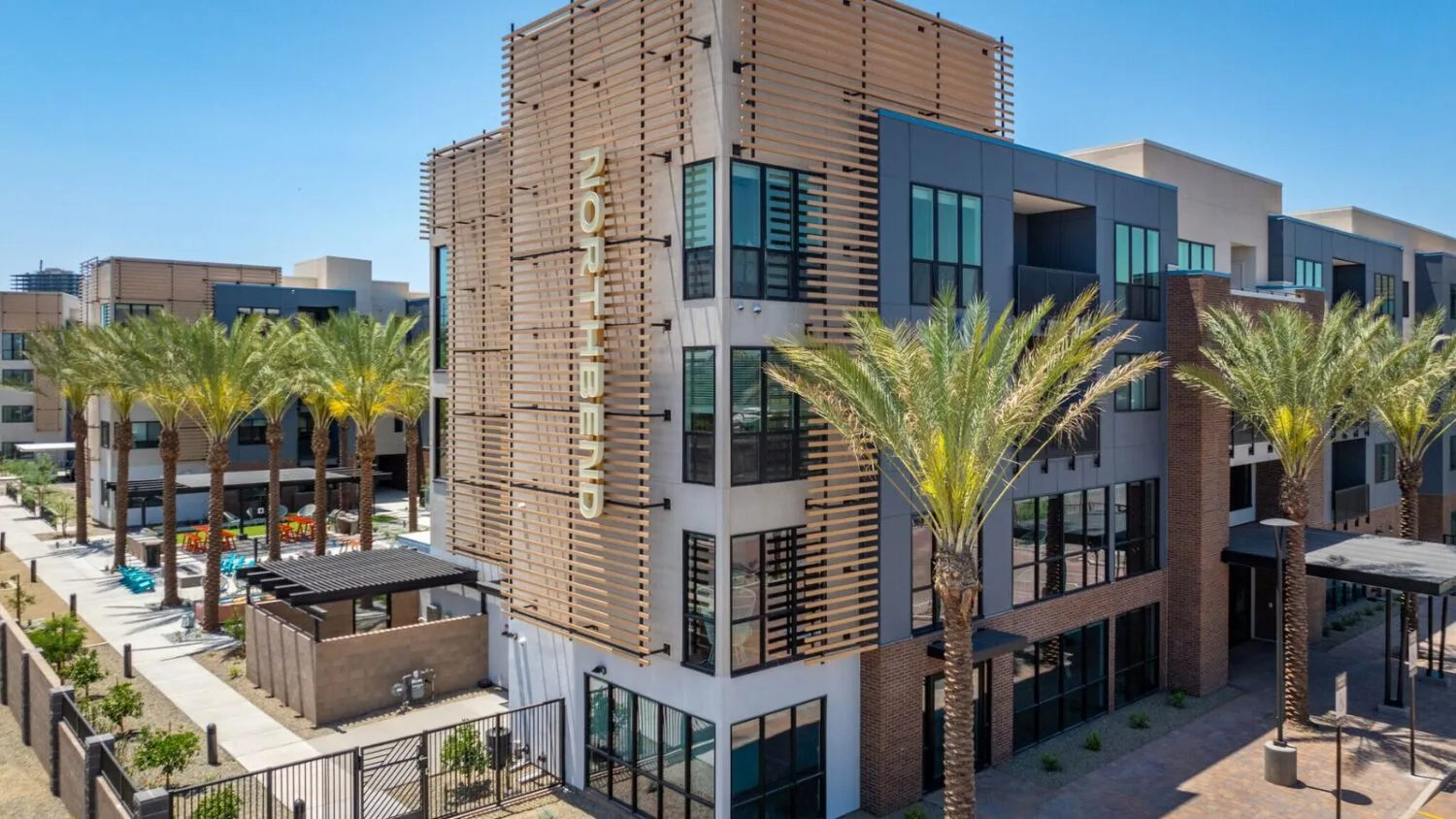
Apartment roofing in Chandler, AZ: leak tracing from unit reports, repairs at walls, drains and HVAC, and phased reroofing planned around residents.
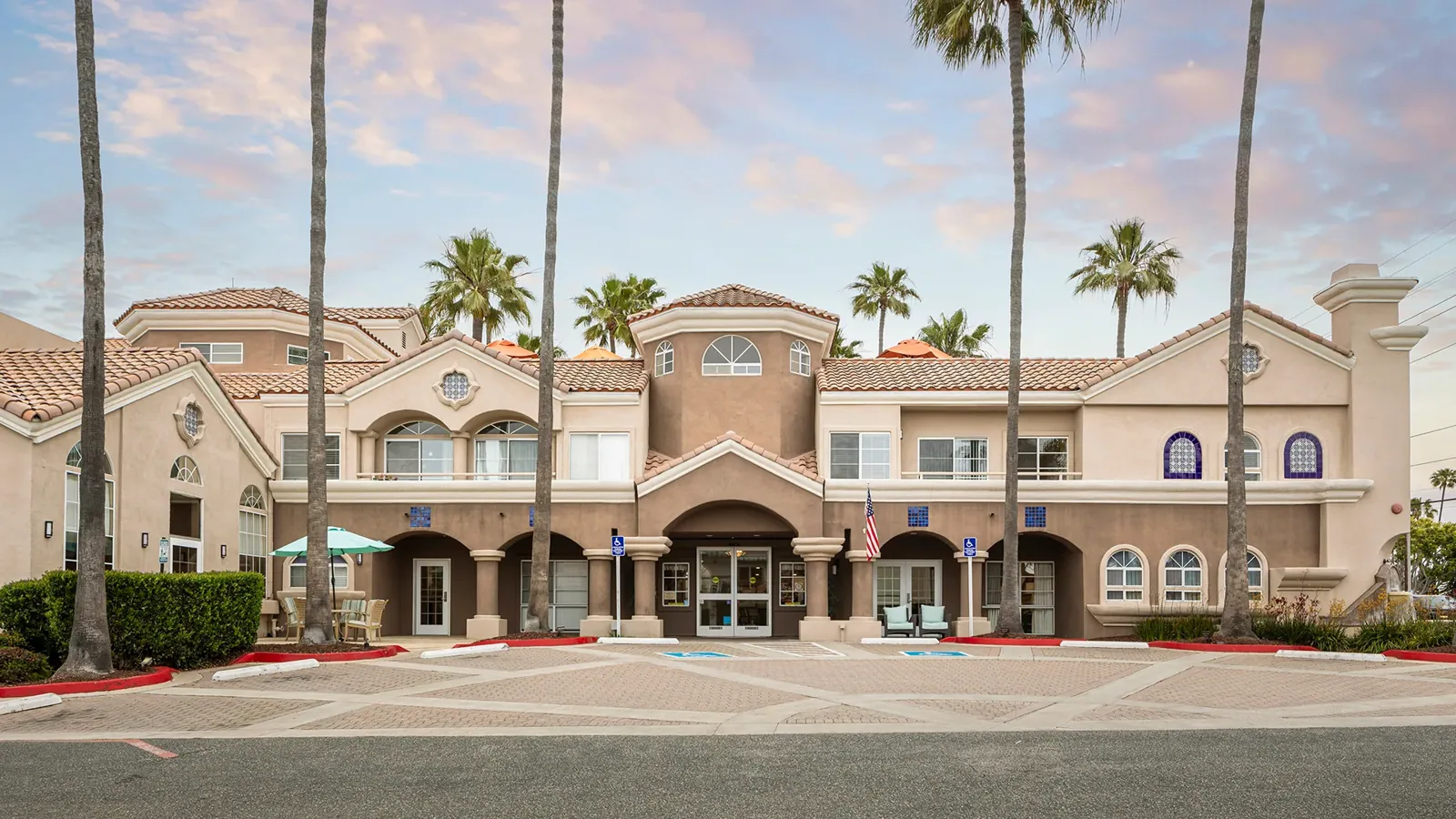
Apartment roof problems usually show up as a work order: a stain in a top-floor bedroom, a drip in a hallway, a resident calling the office after a monsoon storm. Apartment roofing in Chandler starts with that report. The property manager tells us the building and the unit, and we inspect the roof above and around it. Water often travels before it shows up inside, so we find the real entry point before recommending a fix. Past repair records help, and the manager gets a clear scope and plan before approving any work.
Send us the property's street address, the building and the unit with the leak. For communities in West Chandler and elsewhere in the city, it helps to note exactly where in the unit the water appears. Roof drawings and maintenance records are useful if you have them. Your office sets up access and any community rules. We explain what we found on the roof and anything that needs a closer look, which helps separate a simple repair from a bigger problem.
Sorting out several leaks
When a community has leaks in several buildings, each one gets its own location and photos. One general statement about the roof can hide very different problems. A single open seam needs different work than a failing wall flashing, and a leak from an HVAC condensate line belongs to the HVAC contractor. We explain the recommendation and any open questions for each spot, so the manager can approve work building by building based on what we actually found.
Our roof inspection notes the areas we could not reach. If we need to check the insulation under the membrane, we explain why, where we would cut a test opening and how it will be patched. Testing tells us how far wet material extends before we decide what can stay. Priorities are based on what we find and the community's needs, not on assumptions about roof areas nobody has looked at.
Working around residents
The property manager tells us the community's rules for access and occupied areas. We review the work area and material route with them, including protection below openings and keeping residents away from the work. We also ask about noise, odors, air intakes and whether we need to enter any units. Deliveries and dumpsters can affect parking and walkways beyond the roof itself. The work plan lists those routes and the contact for each phase, and we update it if the work area grows.
For occupied building reroofing, we explain each phase of tear-off clearly: what will be open and how it will be protected overnight. The manager needs that to notify residents. HVAC staff prepare their equipment before we reach it. A senior living community has its own rules, and a hotel follows its own manager's arrangements. On an apartment community, we follow the rules for that property, and roof access is settled before the crew arrives.
Walls, seams and penetrations
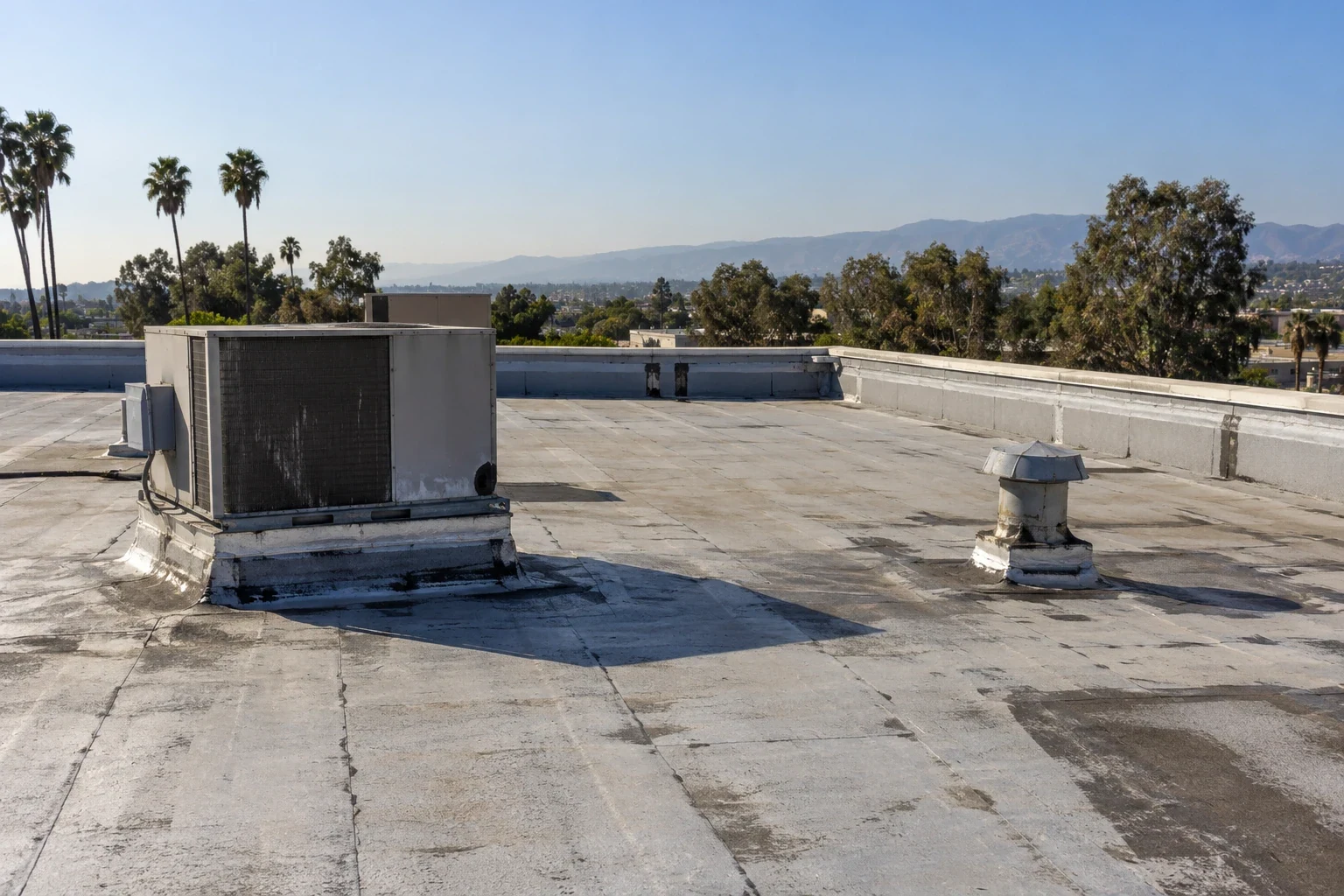
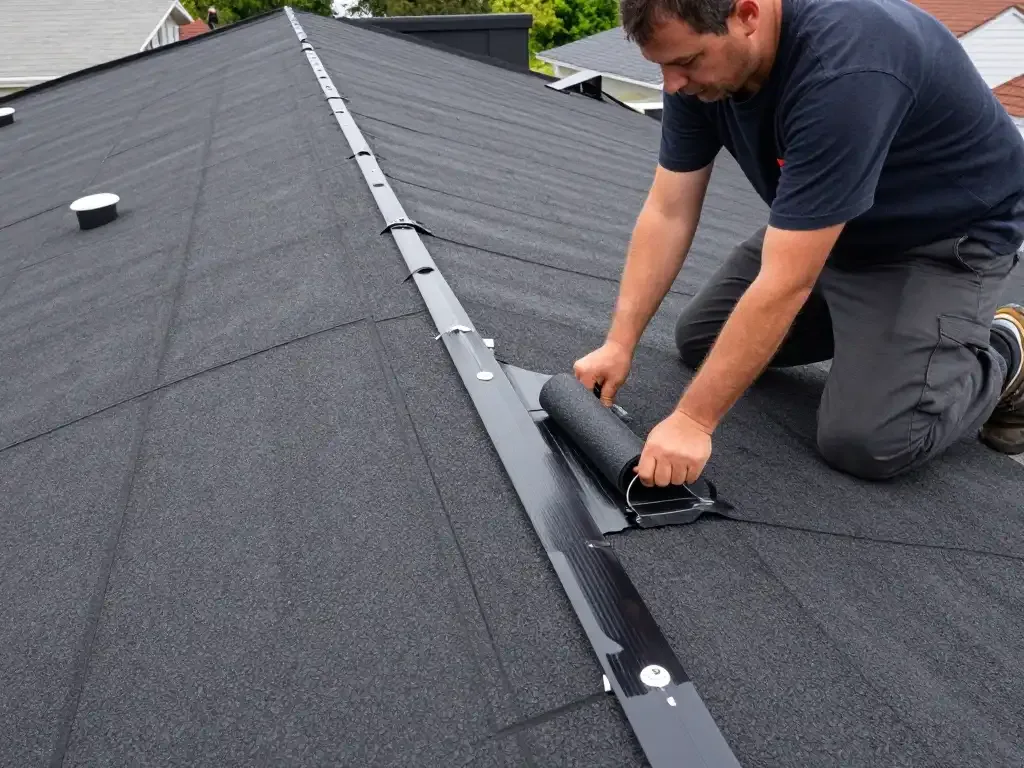
We check the roof near the reported leak: seams, pipe boots, vents and flashing. At walls, we check the backing and the wall above the flashing, since stucco cracks and failed window seals can mimic a roof leak. New flashing cannot fix rotted backing behind it. If the wall needs repair first, we say so and note who is responsible. Photos show both the problem and the planned fix.
For commercial roof leak repair, we check the membrane around the problem before deciding what stays. A good repair needs compatible materials and solid backing. Wet insulation or rotted wood can make the repair bigger, and we explain any extra work and cost if that happens. If a repair has to wait on wall work, we protect the area in the meantime. Pipe and HVAC problems go to the right contractor, and open items are listed for the manager.
Repair or replace
To compare a repair with a replacement, both need complete scopes. A repair fixes a specific problem with specific prep. A coating only makes sense on a sound roof with dry insulation, after needed repairs. A recover requires checking the existing roof and code requirements. A replacement removes the old layers and installs a new roof. We explain how our findings support each option, and the quantities follow the scope, not the other way around.
A commercial roof replacement scope identifies what stays and lists the new insulation, cover board and attachment, plus edge and penetration details. Access, disposal and HVAC coordination affect the cost. We explain how any hidden deck damage will be documented and approved, and what the community needs to do for each phase. A low price for membrane alone may describe a very different job than a full replacement.
Drains and records
For roof drains and scuppers, we trace how water moves across the roof and check each drain. Clearing debris is different from new flashing or a plumbing repair, and pipe problems go to a plumber. If insulation or details change, we check how that affects drainage. Standing water needs its cause found before we choose a fix. We list each drain included and the roof work around it, so the manager knows exactly what is covered.
Before tear-off, we plan weather protection for every opening and mark edges waiting on other trades. If we find more damage, we update the protection plan and resident notices. The closeout shows installed details and patched test openings. For preventive roof maintenance, we keep the findings, repairs and follow-up items with photos and product information. We respond to urgent leaks nights, weekends and holidays. Call us and arrange access with the office, and we will explain the temporary fix and the permanent repair.
Commercial Roofing Questions
What should a manager send with a unit leak report?
The building, the unit and where the water appears, plus dates, photos and any repair records. We compare that with what we find on the roof and any equipment nearby.
Can one roof report cover several buildings?
Each building's findings need their own location and photos. Different roofs and problems often need different fixes, so each recommendation is tied to that building.
Who coordinates work around residents?
The property manager. We review the work area, routes and protection with them and record what was agreed for each phase.
What should a repair versus replacement comparison explain?
What comes off, what stays, what new details go in and what other trades need to do, plus access, disposal and phase prep. Our findings should support each option.
Get the apartment leak fixed
Send us the property, building, unit and any repair records. We will inspect the roof, find the source of the leak and plan the repair around your residents.
Request a Roof AssessmentAll Property Types We Roof