Home / Property Types We Roof / Senior Living Roofing
Senior Living Roofing in Chandler, AZ
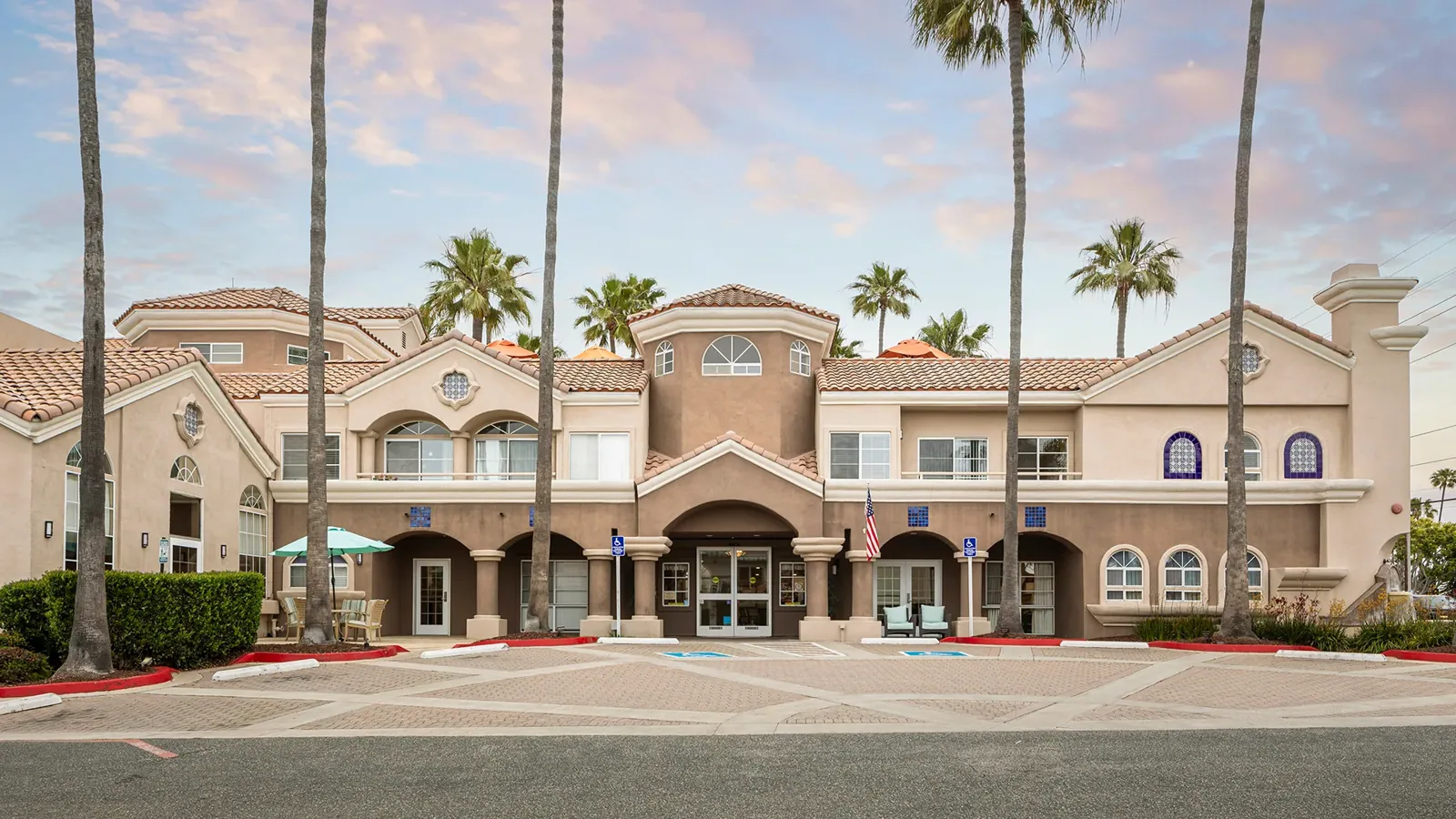
Senior living roofing in Chandler and Sun Lakes, AZ: leak repairs, curb and drain work and phased replacement planned around residents' comfort, safety and care schedules.
Senior living communities are homes first. Residents may be sensitive to noise, odors and disruptions to routine, and some need care around the clock. For senior living roofing in Chandler, AZ, we bring the executive director or maintenance director in early. Tell us the building and where water is showing up. We inspect the roof above it, explain what is causing the problem and recommend a repair or further testing. The community's own rules shape how and when the work happens.
Send us the community address, the building and room or common area affected, and any roof drawings or repair records. For a senior living roof inspection in Sun Lakes or elsewhere in the Chandler area, we coordinate with your maintenance director on access and timing. The first visit documents what we can see and flags anything that needs a closer look, like wet insulation. Then we explain the fix in plain terms so the director can share it with ownership and residents' families if needed.
Planning around residents
Before any work, we review with the community which apartments, dining areas and care spaces are under the work area. We find out when residents rest, eat and gather, and schedule noisy tear-off away from those times. Adhesive odors get special attention near HVAC intakes and open windows. The lift, dumpster and material deliveries go away from entrances, patios, walking paths and ambulance access. If memory care or skilled nursing areas are involved, we follow any added rules the staff sets.
For reroofing while residents stay in place, we work in small sections and seal each one before leaving. HVAC contractors handle unit disconnects first. An apartment roof has residents too, and a hospital roof adds clinical concerns. Senior living falls between the two, and the plan is built around residents' daily routines and safety.
Finding the source of the water
Water often travels before it drips, so a stain in one apartment may start above another. We start at the roof above the wet area and work outward, checking seams, curbs, pipe vents, wall flashing and drains. Senior living buildings often have many plumbing vents and individual HVAC units, and those are common leak points. If the source is a condensate line, a pipe or a window rather than the roof, we tell maintenance so the right contractor can fix it.
A proper commercial roof leak repair needs sound membrane and insulation around it. If insulation is wet, the repair area grows. We may take small test cuts to see how far the moisture goes and patch each one the same day. If we find more damage than expected, you get photos and an updated price before we go further. The goal is a repair that stops the leak for good, not a patch that brings us back next month.
Rooftop units and details
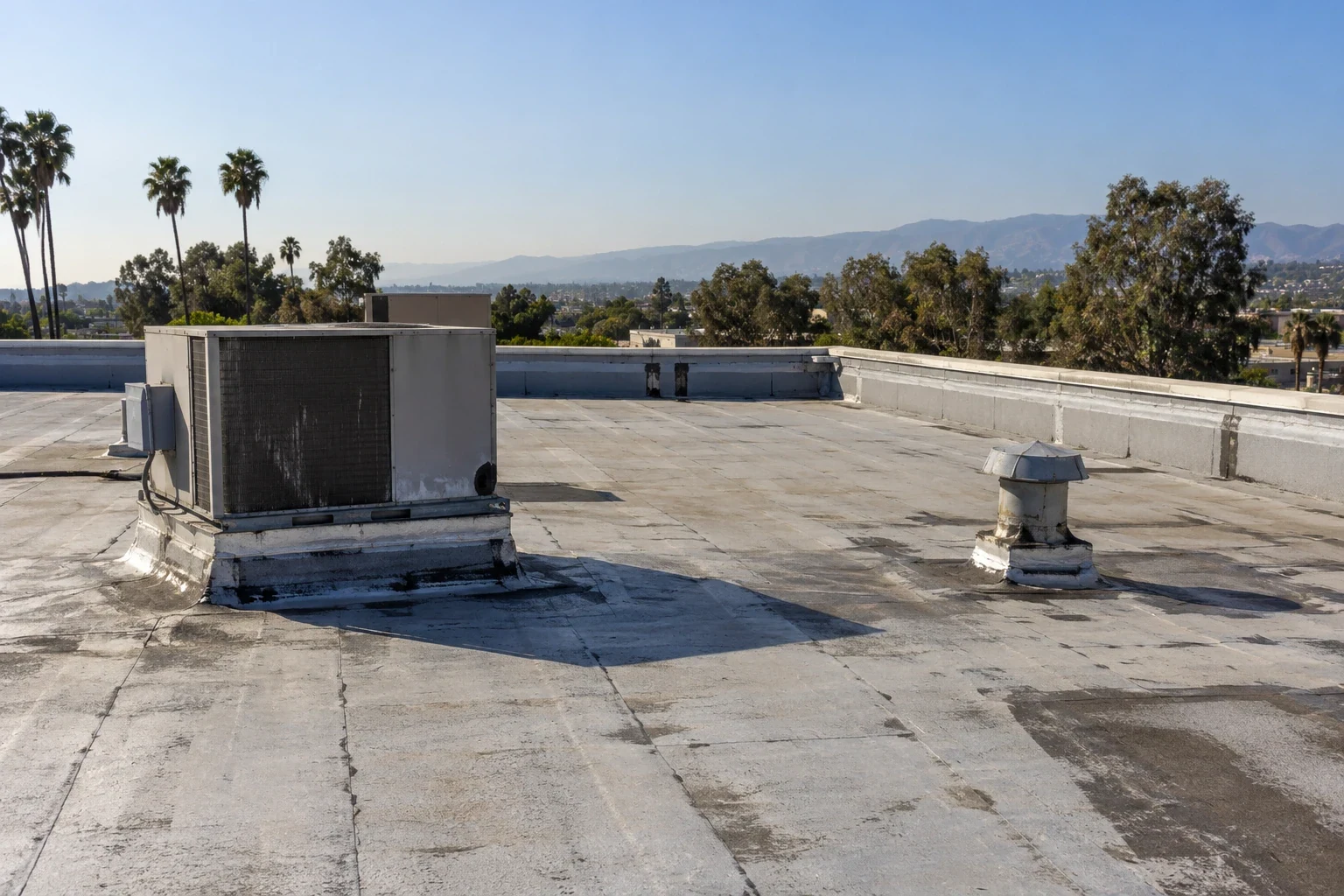
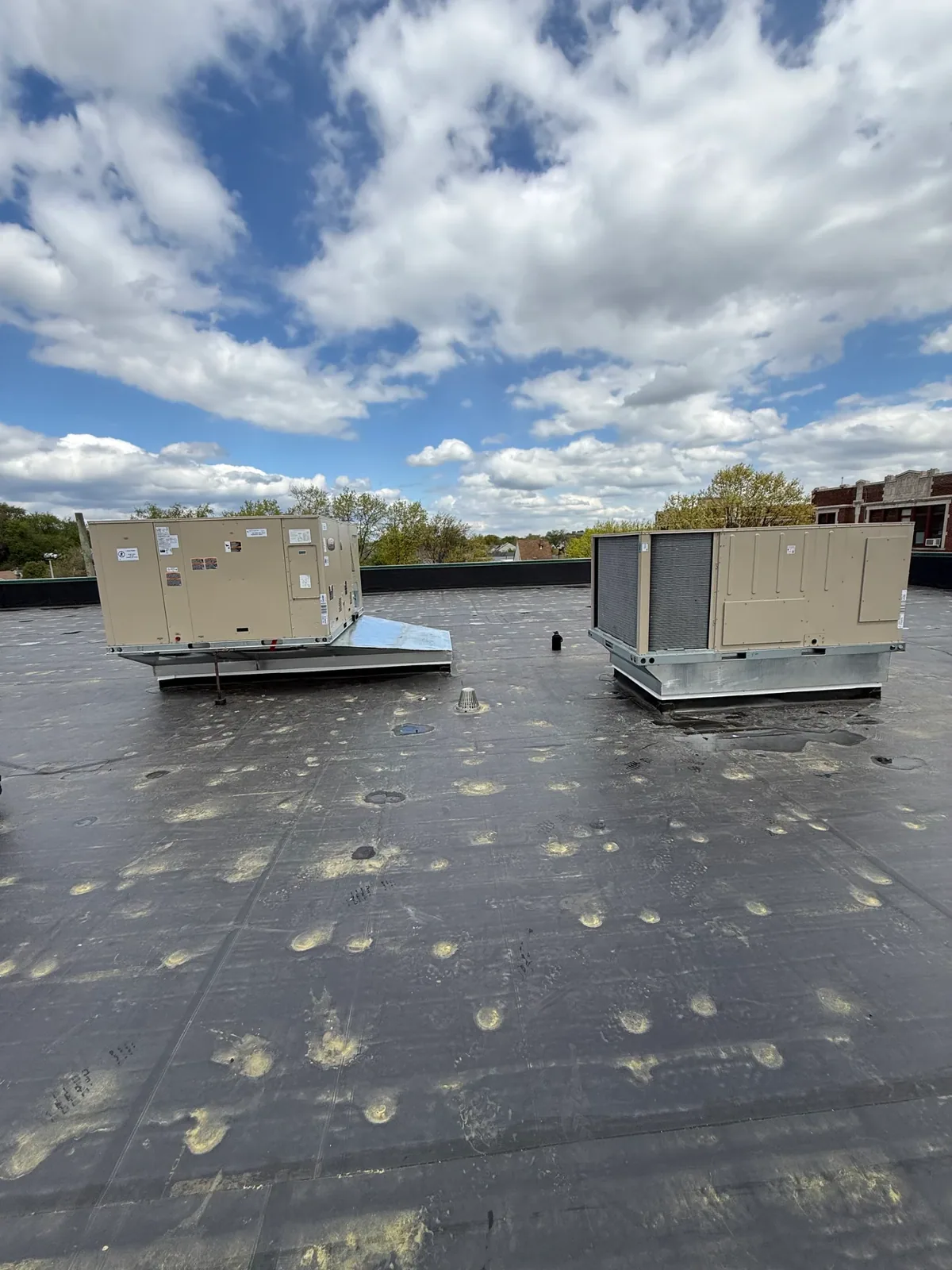
Rooftop HVAC units, exhaust fans and kitchen hoods all need curbs and flashing, and those details wear out. We check the curb flashing, the wood blocking underneath and the top of the flashing where it meets the unit. Rotted blocking is replaced before new flashing goes on. At walls and parapets, we check the counterflashing and the backing behind it.
Work on rooftop equipment curbs and supports is scheduled with the HVAC contractor. If a unit needs to be lifted or disconnected, they handle it first, and we plan that so residents are not left without cooling during a hot Chandler afternoon. Anything structural goes to an engineer. Curbs waiting on another trade get temporary protection. Hidden damage is photographed and priced before we continue.
Drains, repair and replacement
Clogged drains and scuppers are common leak sources. We check each drain and its flashing, look for ponding and clear debris. If water stands for days, we find the cause before recommending a fix, whether it is a low spot, a drain set too high or a damaged line that a plumber needs to check. A local repair makes sense when the surrounding roof is sound. A coating can extend the life of a sound roof once leaks are fixed.
When damage is widespread, a commercial roof replacement may be the better choice. The estimate lists what is removed, the insulation and cover board going back, the attachment method, the membrane and how curbs, walls and drains are finished. Access, disposal and HVAC coordination affect cost. Phasing by building or wing keeps disruption low for residents, though it can add some cost. We lay out those trade-offs clearly.
Daily protection and records
Every section is sealed before the crew leaves, especially during monsoon season. Curbs and edges waiting on another trade get temporary protection. If hidden damage expands a section, we update the director before going further, including any changes to the areas below that need protection. A section is only marked complete when new insulation, membrane and flashing are in place and other trades have finished.
With preventive roof maintenance, we check drains, seams, curbs and flashing on a schedule and report what we found and fixed. At the end of a project, you get photos of finished details and patched test cuts, material and warranty information, final quantities and a list of open items for other trades. Those records help with budgets and future inspections. If water is coming into a resident's apartment, call any time, including nights, weekends and holidays.
Commercial Roofing Questions
How do you plan roof work around residents?
We work with the community's director to learn which areas are below, when residents rest and eat, and any extra rules for memory care or skilled nursing. Noisy work is scheduled around those times.
What if the water is coming from rooftop equipment?
We inspect the roof and nearby HVAC units, condensate lines and vents. If equipment is the source, we tell maintenance so the HVAC or plumbing contractor can fix it.
What can make a small repair bigger?
Wet insulation around the leak, rotted blocking under a curb or failing seams nearby. We confirm with test cuts and show you photos and a revised price before expanding.
What should the director check when a phase is finished?
That new insulation, membrane and flashing are in place, test cuts are patched, temporary seals are listed, and any open items for other trades are on the list.
Schedule a senior living roof inspection
Have your maintenance or executive director contact us with the building and the problem. We will inspect and plan any work around your residents.
Request a Roof AssessmentAll Property Types We Roof