Home / Property Types We Roof / Grocery Store Roofing
Grocery Store Roofing in Chandler, AZ
Grocery store roofing in Chandler, AZ: telling roof leaks from refrigeration drips, curb and drain repairs, and reroofing that keeps the store open and food safe.
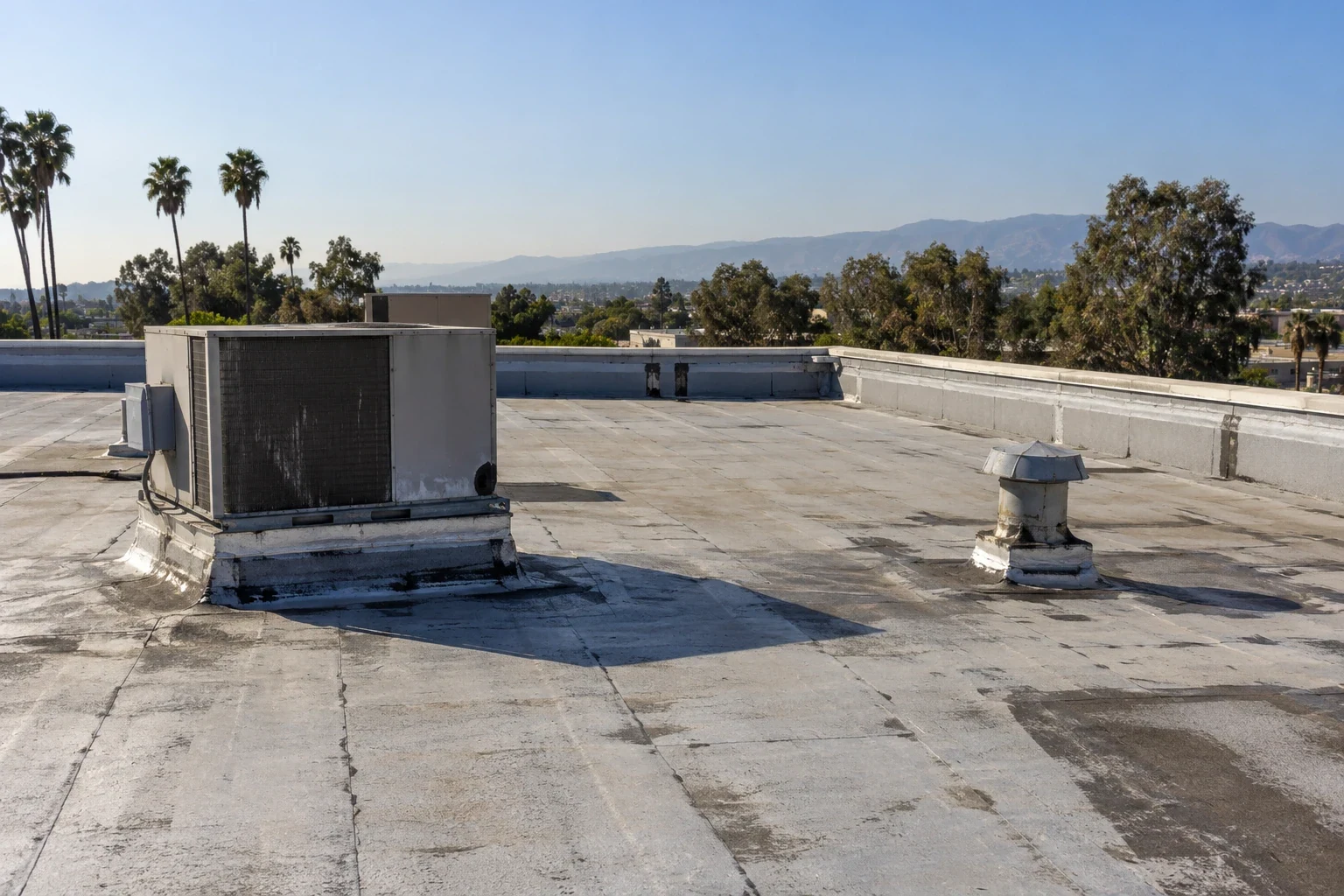
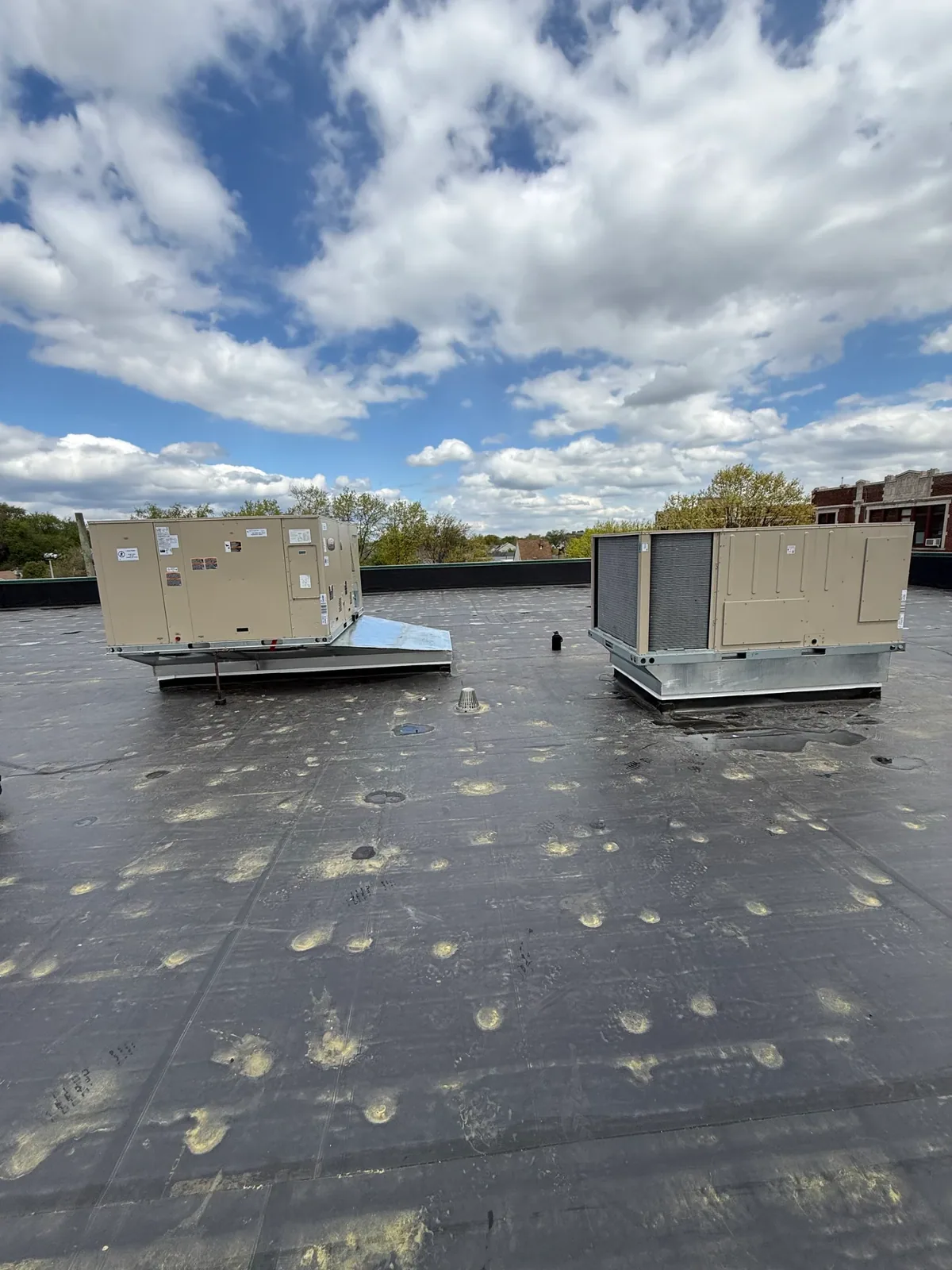
Grocery store roofs carry a lot: refrigeration condensers, HVAC units, exhaust hoods for the deli and bakery, and the lines running between them. When water drips onto an aisle, it might be the roof, or it might be a condensate line or a refrigeration rack. For grocery store roofing in Chandler, AZ, we figure out which one before recommending a fix. Your store manager tells us which areas are affected, and your refrigeration or HVAC contractor checks their equipment. Then we explain what the roof needs.
When you contact us, send the store address, where the water is showing up and any roof drawings or repair records you have. For a grocery store roof inspection in Uptown Chandler or elsewhere in town, we schedule with the store manager to stay clear of deliveries and busy shopping hours. The first visit documents visible damage and notes anything that needs a closer look, like possibly wet insulation. Only then do we talk about how much roof needs to come off, if any.
Roof leak or equipment drip?
Refrigeration and HVAC equipment create a lot of water on a grocery roof. Condensate lines clog, drain pans overflow and refrigeration lines sweat. That water can leak through roof penetrations or drip inside along piping, and it looks a lot like a roof leak. We check the seams, curbs, pipe penetrations and flashing above the wet area and look at nearby equipment for clues. If the source is equipment, we tell the store and their contractor so it gets fixed at the source.
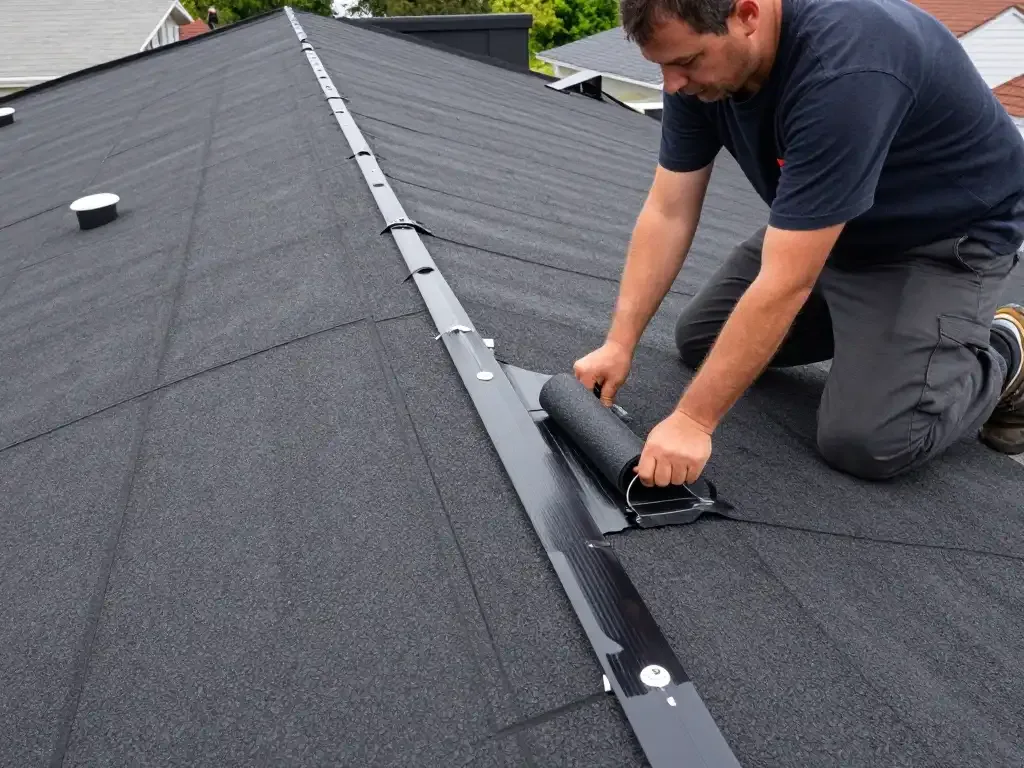
For a true commercial roof leak repair, the membrane around the problem has to be sound enough to bond to. If insulation underneath is wet, the repair area grows. We may take small test cuts to see how far the moisture goes and patch them the same day. If the damage is bigger than expected, you get photos, an explanation and an updated price before we go further. That avoids repeat leaks over the same aisle.
Keeping the store open and food safe
Groceries are open long hours, with food, customers and staff below the roof all day. Before work starts, we review which departments are under the work area, how product will be protected from dust and debris, and any food-safety rules for contractors inside the store. We plan the lift and dumpster locations away from entrances, carts and the delivery dock. Noise and adhesive odors get discussed ahead of time, and work near air intakes is timed carefully.
For reroofing while the store stays open, we work in sections and seal each one before leaving. If refrigeration or HVAC units need to be disconnected, those contractors go first. A cold storage roof adds temperature-control concerns, and a restaurant roof brings grease exhaust into the picture. A grocery store has some of both, and the plan reflects the departments under each section.
Refrigeration and HVAC on the roof
Every curb, pipe and support on a grocery roof is a potential leak point. We check the flashing, the wood blocking under the curb and the top of the flashing where it meets the unit. Refrigeration lines often run through pipe portals or pitch pockets that dry out and crack in the sun. If backing is rotted, it gets replaced before new flashing goes on. Any work inside the units or on the lines belongs to the refrigeration or HVAC contractor.
Work on rooftop equipment curbs and supports is scheduled around those contractors. If a condenser needs to be lifted so we can flash its curb properly, they handle the lift and reconnection. If equipment needs to move or new supports are needed, an engineer may need to check the structure. If a curb is waiting on another trade, we seal it temporarily. Hidden damage found during the work is photographed and priced before we continue.
Drains, insulation and replacement
Big grocery roofs depend on interior drains, and condensate from equipment adds to the water they handle. Debris and algae can slow them down. We check each drain and its flashing near the problem area and look for ponding. If water stands for days, there may be a low spot or a drain set too high, and we find the cause before recommending a fix. A plumber checks drain lines when needed.
Work on roof drains and scuppers often reveals wet insulation around them. A local repair works when the surrounding roof is dry. When moisture is widespread, a commercial roof replacement may make more sense. The estimate lists insulation, cover board, attachment, membrane and details at curbs and drains. Coatings can extend a sound roof's life once leaks are fixed. Comparing options means comparing full scopes, including access, disposal and equipment coordination, not just membrane area.
Finishing each phase
Each phase is sealed watertight before the crew leaves, especially during monsoon season when afternoon storms can roll in quickly. Curbs waiting on refrigeration or HVAC contractors get temporary protection. If hidden damage expands a section, we update the plan with the store manager, including which departments need protecting below. A phase is only finished when the new insulation, membrane and flashing are in place and other trades have done their part.
When the work is done, you get photos of the finished details and patched test cuts, material and warranty information, final quantities and a list of any open items for other trades. Regular maintenance visits check drains, seams and curbs and report what we fixed and what needs attention. Those records help the next inspection and any warranty question. If water is coming in over the sales floor or a cooler, call any time, including nights, weekends and holidays. The store arranges access and protects product, and we stop the leak.
Commercial Roofing Questions
How do you tell a roof leak from a refrigeration or HVAC drip?
We inspect the roof above the wet area and check nearby equipment, condensate lines and pipe penetrations. If equipment is the source, the store's refrigeration or HVAC contractor fixes it there; if the roof is the source, we repair it.
What do you need to know from the store before opening the roof?
Which departments are below, how product should be protected, food-safety rules for contractors, delivery times and where equipment cannot be shut off.
What can make a small grocery roof repair bigger?
Wet insulation around the leak, rotted blocking under a curb or failing seams nearby. We confirm with test cuts and show you photos and a revised price before expanding the work.
What should a replacement estimate include besides membrane?
Insulation, cover board, attachment, curb and drain details, plus coordination with refrigeration and HVAC contractors, access and disposal. Those items often drive cost more than square footage.
Get your store's roof leak checked
Tell us where water is showing up in the store. We will inspect the roof, work with your equipment contractor to find the source and recommend the right repair.
Request a Roof AssessmentAll Property Types We Roof