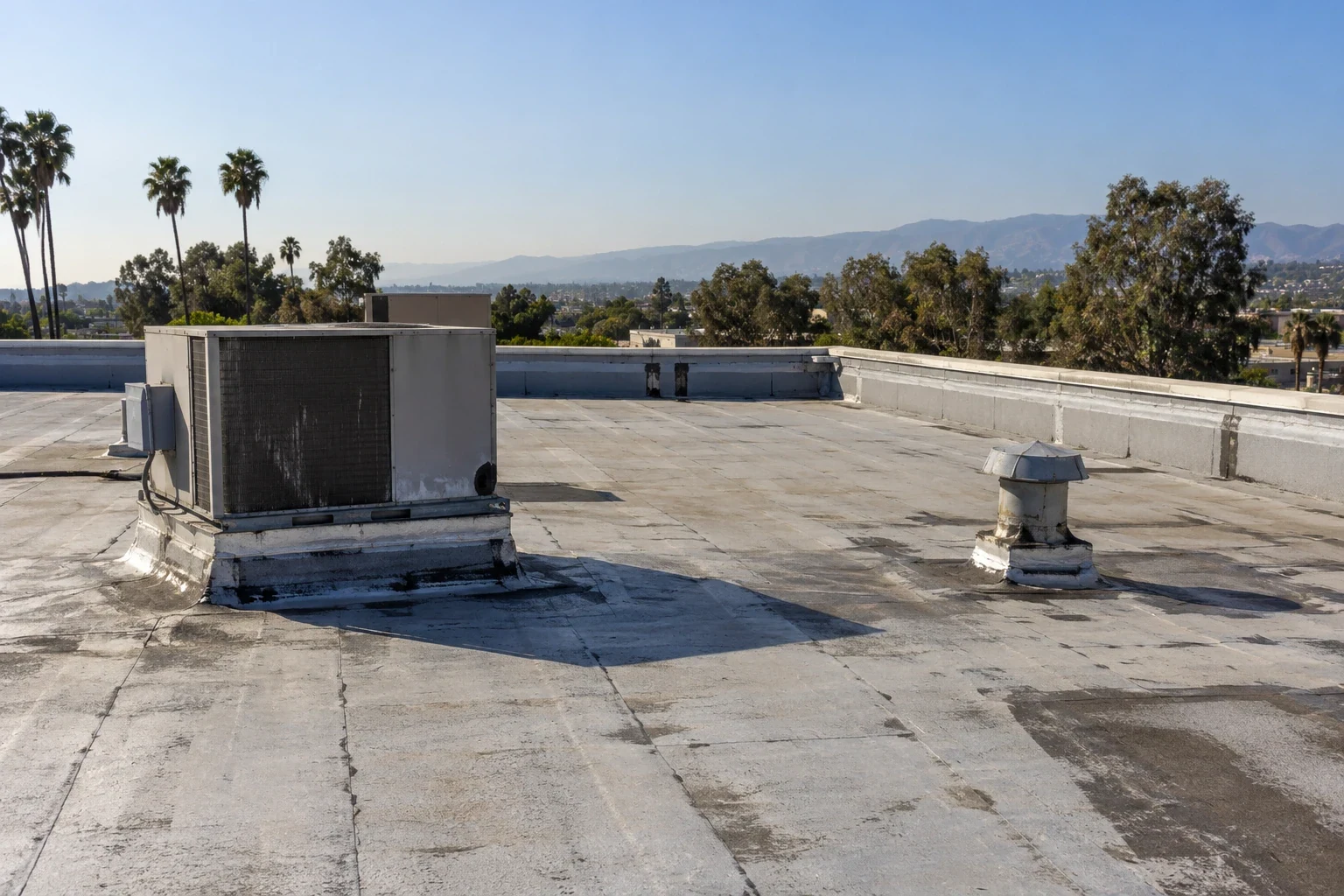
Home / Commercial Roofing Services / Edge Metal, Coping and Gutters
Edge Metal, Coping and Gutters in Chandler, AZ
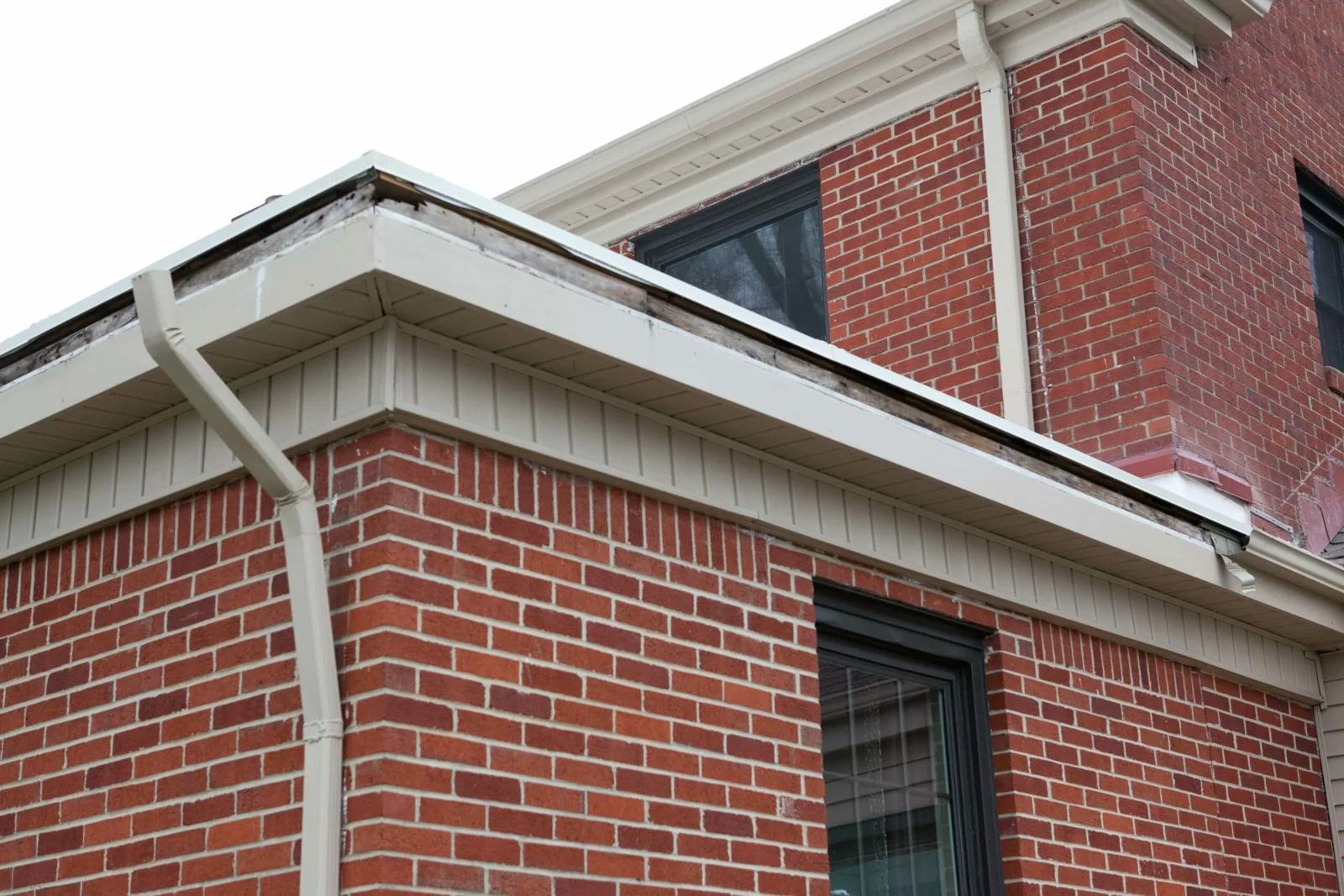
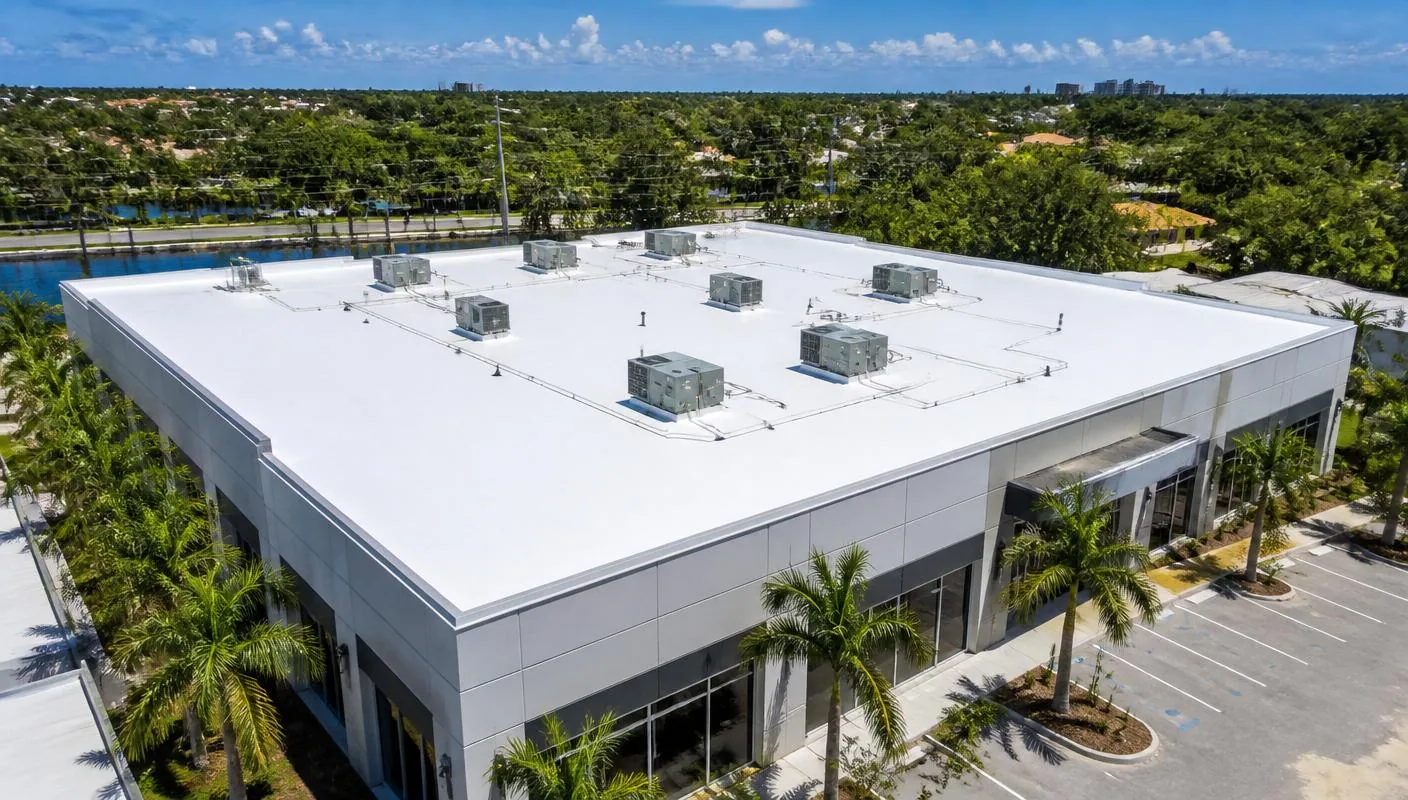
Edge metal, coping and gutter repair in Chandler, AZ: perimeter metal, wall caps and gutters installed over sound wood and flashing, with corners and joints detailed properly.
A roof's edges carry a lot of responsibility. Edge metal holds the membrane down at the perimeter, coping caps keep water out of the top of parapet walls, and gutters carry water away from the building. Each one is a different job, and each depends on what's underneath it. We inspect the metal, the wood blocking behind it and the flashing that ties it to the roof, then decide what can stay and what needs replacing. You should see how the new metal connects to the roof, not just a price per linear foot.
We repair and replace perimeter metal on retail centers, offices, warehouses and public buildings across Chandler. If another trade, such as a stucco or masonry contractor, needs to fix a wall first, we tell you up front so it doesn't hold up the job later.
Existing perimeter arrangement
We start by walking the perimeter. We look at the edge metal, coping, gutters and downspouts, and the roof membrane and flashing that meet them. A metal profile tells you what's visible; it doesn't tell you whether the wood behind it is rotted.
A roof inspection documents the metal, flashing and wood blocking at each location before anything is replaced. We measure the edges and walls, mark problem areas on a roof plan and note where we'll need to open things up to see what's underneath.
Perimeter problems vary along the same building. One wall may need only new sealant at the coping joints, while another has rotted blocking and loose metal. We keep those differences in the proposal instead of recommending the same replacement around the entire roof.
Edge metal and roof flashing
Edge metal and the roof membrane have to work together. The membrane runs up to or over the wood blocking at the edge, and the metal clamps it in place. If the metal is loose, wind can get under the membrane and peel it back. If the flashing between them has failed, water gets in at the edge.
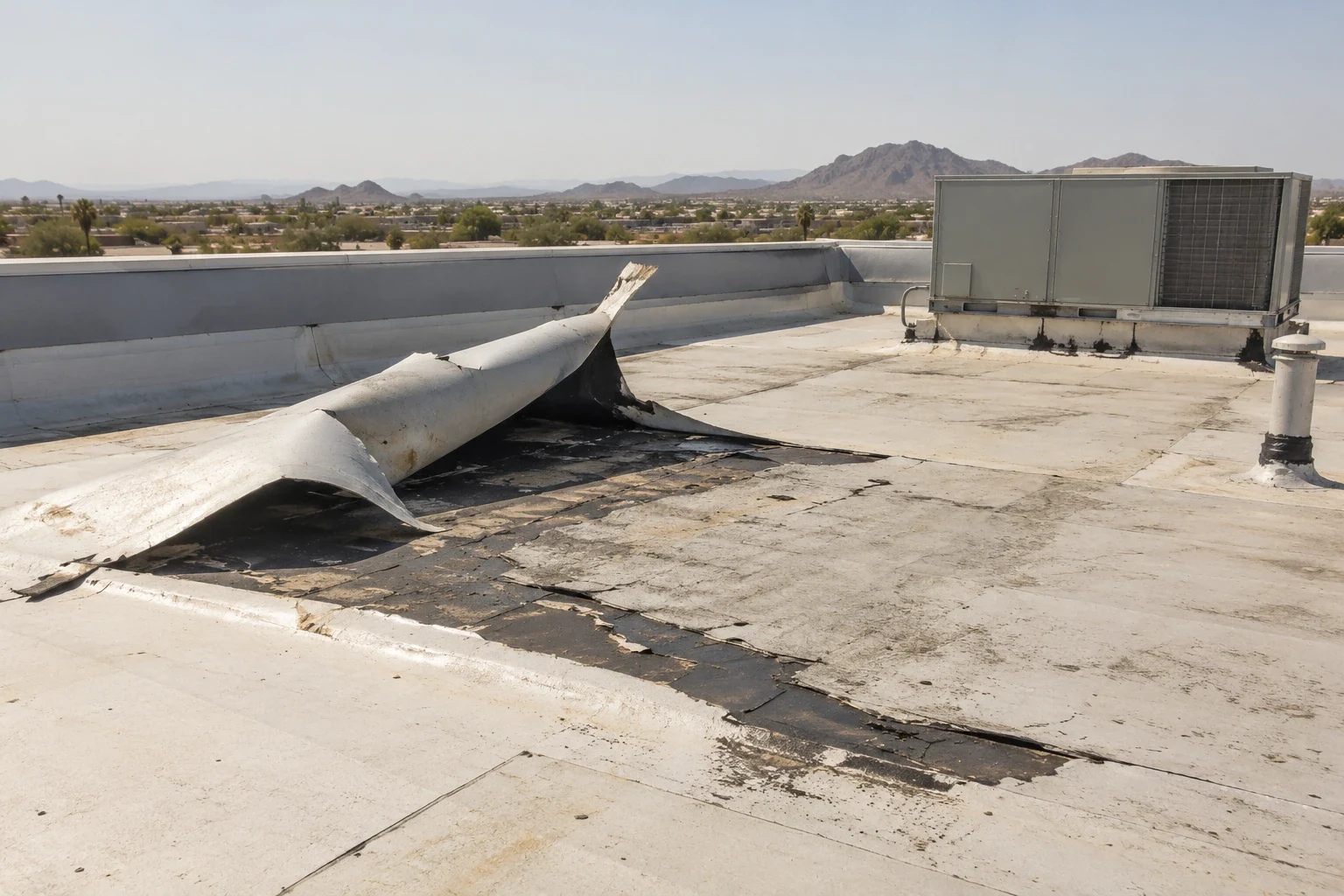
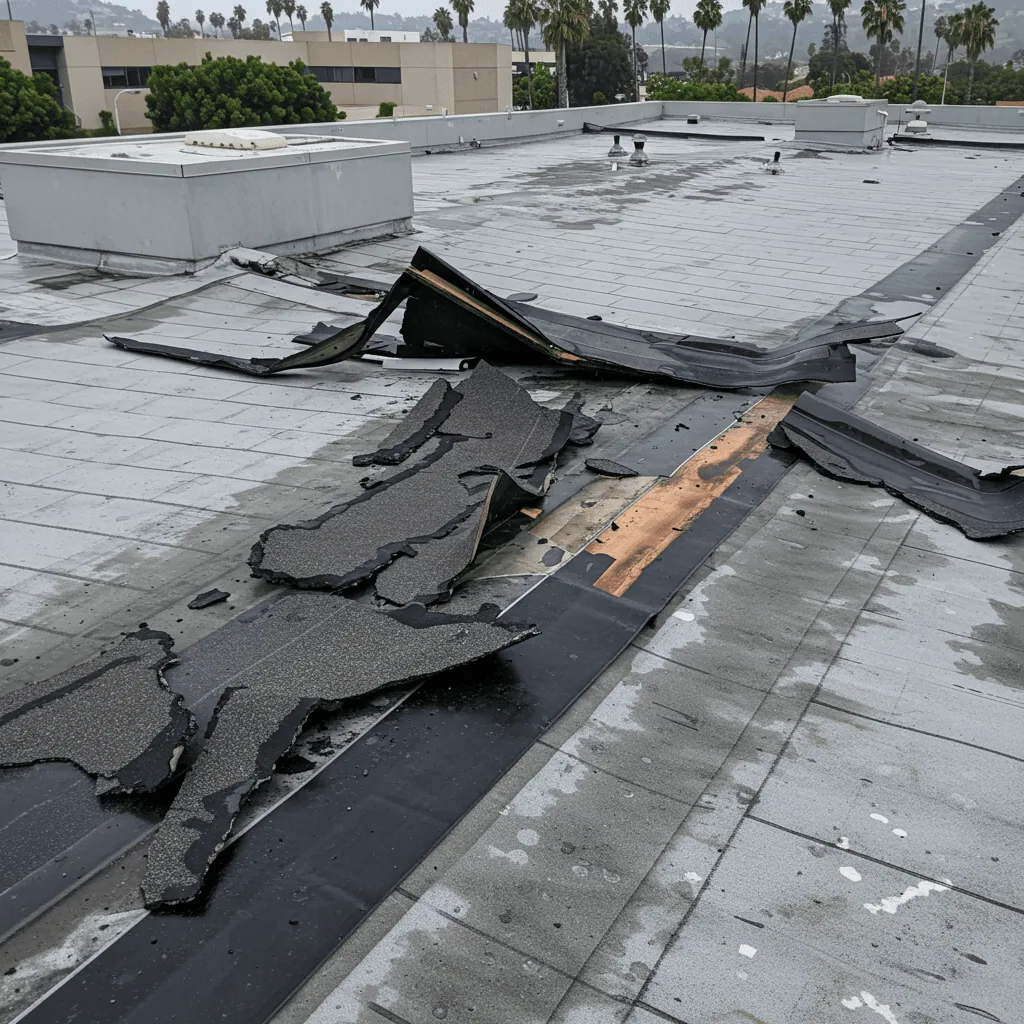
A wind damage repair often starts at the perimeter. We look for lifted or bent edge metal and damaged membrane nearby, and we report what we see rather than assuming a particular storm caused it. Damaged membrane is repaired or replaced back to sound material before new metal goes on.
New edge metal is sized to the existing blocking and fastened at the proper spacing. If a different profile or material is proposed, we check how it ties into the existing roof, since a different edge can need a different flashing detail.
Coping and wall support
Coping caps the top of a parapet wall. When it's loose, has open joints or has lost its sealant, water runs straight into the wall.
For coping and wall flashing repair, we remove the failed coping and check the wall underneath. Rotted wood is replaced, cracked masonry or stucco is noted for repair and the roof flashing on the inside of the wall is inspected. If the wall needs work from another trade, we spell out the order so the new coping isn't installed over a wall that's still being repaired.
We often can't see the condition of the wood until the coping comes off, so that part of the price may be flexible. If removal reveals more damage than expected, we photograph it, explain the added work and get approval before going further. New coping shouldn't hide a problem that's still there.
Gutter collection and outlets
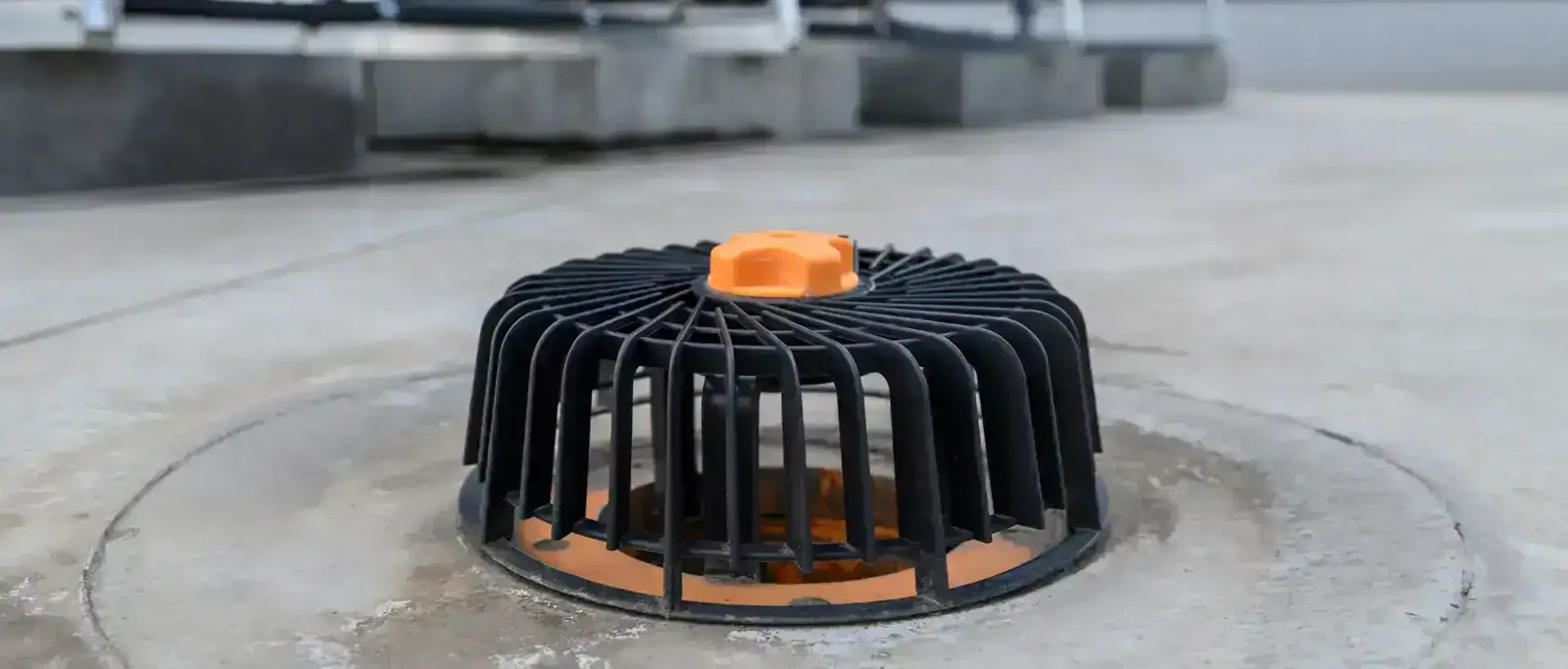
Gutters fail from clogging, rusted seams, loose hangers and undersized outlets. We start by clearing debris and noting where water has been overflowing. Then we inspect the gutter sections, seams, outlets and downspouts. Cleaning is maintenance. Replacing damaged sections or changing how water is collected is a different job, and we price them separately.
Our drain and gutter work separates what we cleaned from what we repaired. If the gutter connects to a scupper, we check the scupper and the roof flashing around it.
Where water problems continue after the gutters are clear, the cause may be bigger, such as the roof draining to the wrong spot or too little gutter capacity for the roof area. We'll tell you if that's the case and what investigation would answer it, rather than assuming the gutter work solved everything.
Corners, joints and building sequence
Corners, joints and transitions are where perimeter metal most often fails. A straight run of edge metal is simple. An outside corner, a joint between two sections or a spot where the edge meets a wall needs its own detail. We mark each of those on the plan and include them in the price, not as an afterthought.
On an occupied building, perimeter work needs a plan for access, ladders or lifts, overhead protection and coordination with other trades. We ask the building contact about deliveries, staging and entrances that need to stay open, and we confirm when any other trade will finish its part. We don't build the schedule around assumptions about business hours or another contractor's availability.
Before fabricating new metal, we confirm measurements on site. If the actual dimensions differ from the original measurements, we update the details.
Finished component record
When the job is done, you get a record of what was installed and where: the type of edge metal, coping and gutters at each location, photos of the wood blocking and flashing before they were covered, and any corners or transitions we rebuilt. If some existing metal was left in place, we note that too.
For buildings in downtown Chandler and elsewhere, that record makes future work easier. If the roof is replaced later, the next contractor knows which perimeter metal is newer. If a drainage problem comes up, they can see what was done to the gutters.
A photo of shiny new metal is nice to have, but the photos of the wood and flashing underneath are what help the next crew understand what's really there.
Commercial Roofing Questions
What should a perimeter proposal include besides the metal length?
The type of metal, the condition of the wood blocking behind it, the roof flashing that ties into it, and any removal or wood replacement needed.
How do you price coping when you can't see the wall underneath?
That part of the price stays flexible until the coping comes off. If we find rotted wood or a damaged wall, we photograph it and get approval before fixing it.
Does gutter cleaning include replacing damaged sections?
No. Cleaning is maintenance. Replacing sections, fixing seams or adding outlets is a separate repair, and we list them separately.
Why are corners and joints detailed separately?
They're where perimeter metal fails most often. Each corner, joint and transition needs its own detail, so we mark and price them individually.
What should the completion record include?
The metal installed at each location, photos of the wood and flashing before they were covered, rebuilt corners and any existing metal left in place.
Schedule a perimeter inspection
Tell us the building address and which edges, walls or gutters are giving you trouble. We'll inspect the metal and what's behind it, and give you a clear repair plan.
Request a Roof AssessmentAll Commercial Roofing Services