Home / Service Areas / Apache Junction
Apache Junction Commercial Roof Repair Planning
Commercial roof repair in Apache Junction, AZ: leak tracing, seam and flashing repairs, drain fixes, wet insulation checks and clear options for repair, recover or replacement.
When a warehouse or shop building in Apache Junction starts leaking, the first useful step is simple: show us where the water is coming in. We ask what changed before the leak appeared, whether there was a storm, a rooftop unit swap or other work on the roof, and whether you have records of earlier repairs. Then we get on the roof directly above and upslope of the problem. The goal of the first visit is a clear answer: what failed, how to fix it properly and what it will take.
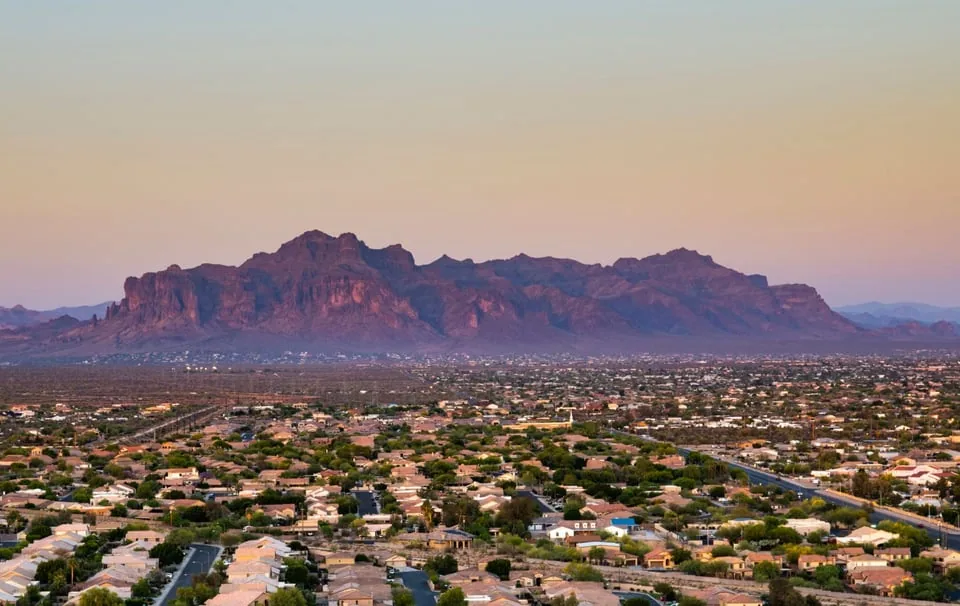
Apache Junction sits along US 60 on the east edge of the Valley, about 33 miles from downtown Phoenix. We also cover Mesa and Queen Creek, and every building gets its own inspection. If something on the roof isn't ours to fix, such as a leaking HVAC unit, we tell you who should look at it so you can line up the right people.
Water path and component investigation
We start by matching the interior stain or drip to a spot on the roof. From there we check the seams, parapet walls, drains and equipment curbs nearby. Not every old patch is the culprit, and water often travels under the membrane or along the deck before it shows up inside, so we record what we actually see instead of guessing. If the source isn't clear after the first look, we tell you what else needs testing.
Rooftop equipment is a common source. A unit that was recently replaced or serviced may have a disturbed curb, a loose panel or a condensate line dumping water on the roof. We separate roof flashing problems from equipment problems. If the mechanical contractor needs to fix the unit first, we coordinate so the flashing isn't closed up around a part that's still being worked on.
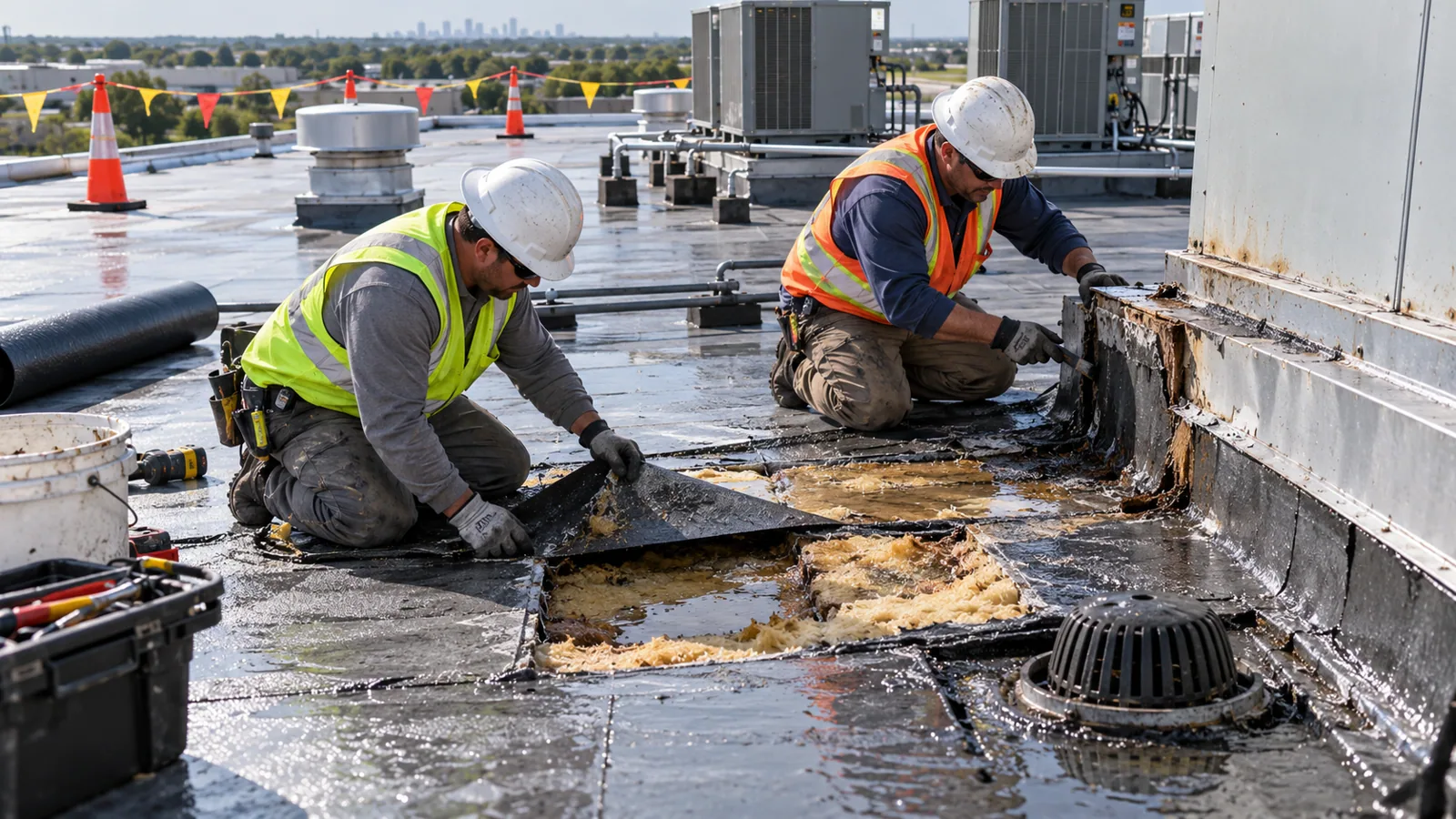
For leak repair in Apache Junction, you get photos showing the defect, where it is on the roof and how it lines up with the leak inside. We explain why the proposed repair should stop the water. If another area is still suspect, it stays on the list as a separate item so it doesn't get forgotten.
Seams, flashing and outlet correction
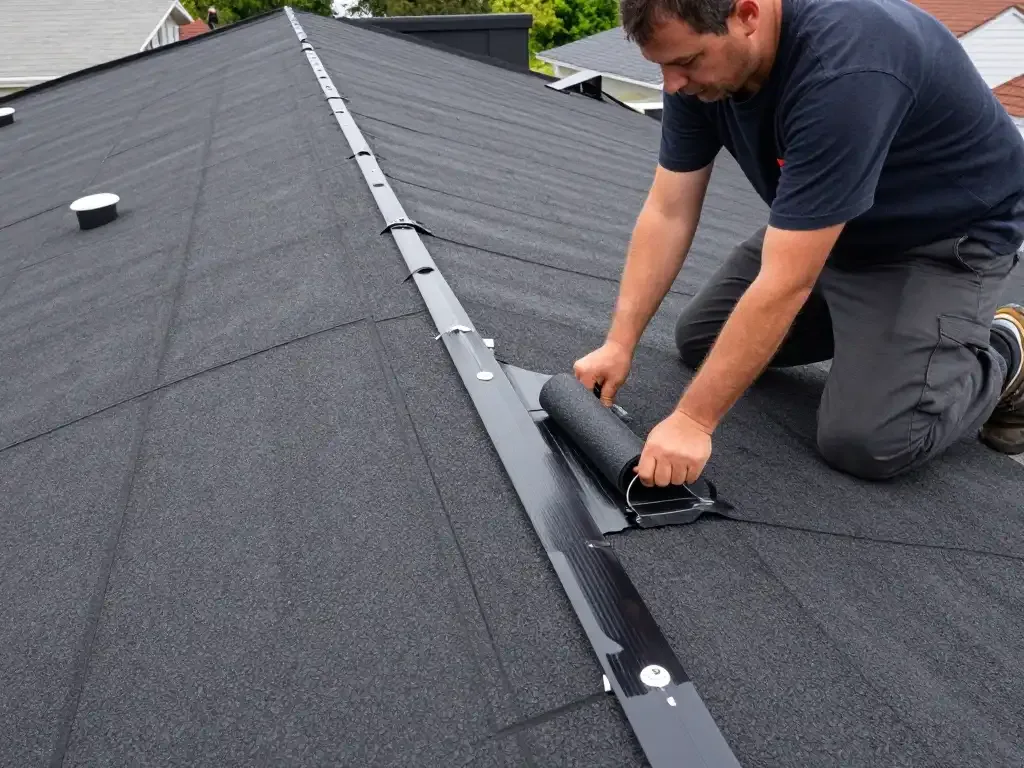
Before we repair anything, we confirm what roof is actually up there: TPO, built-up, modified bitumen, spray foam or metal panel. We check the material around the damage to find solid roofing to tie into. An open membrane seam needs a matching material and the right welding or adhesive method. An old patch that's peeling or made of the wrong product has to come off first, or the new repair won't bond.
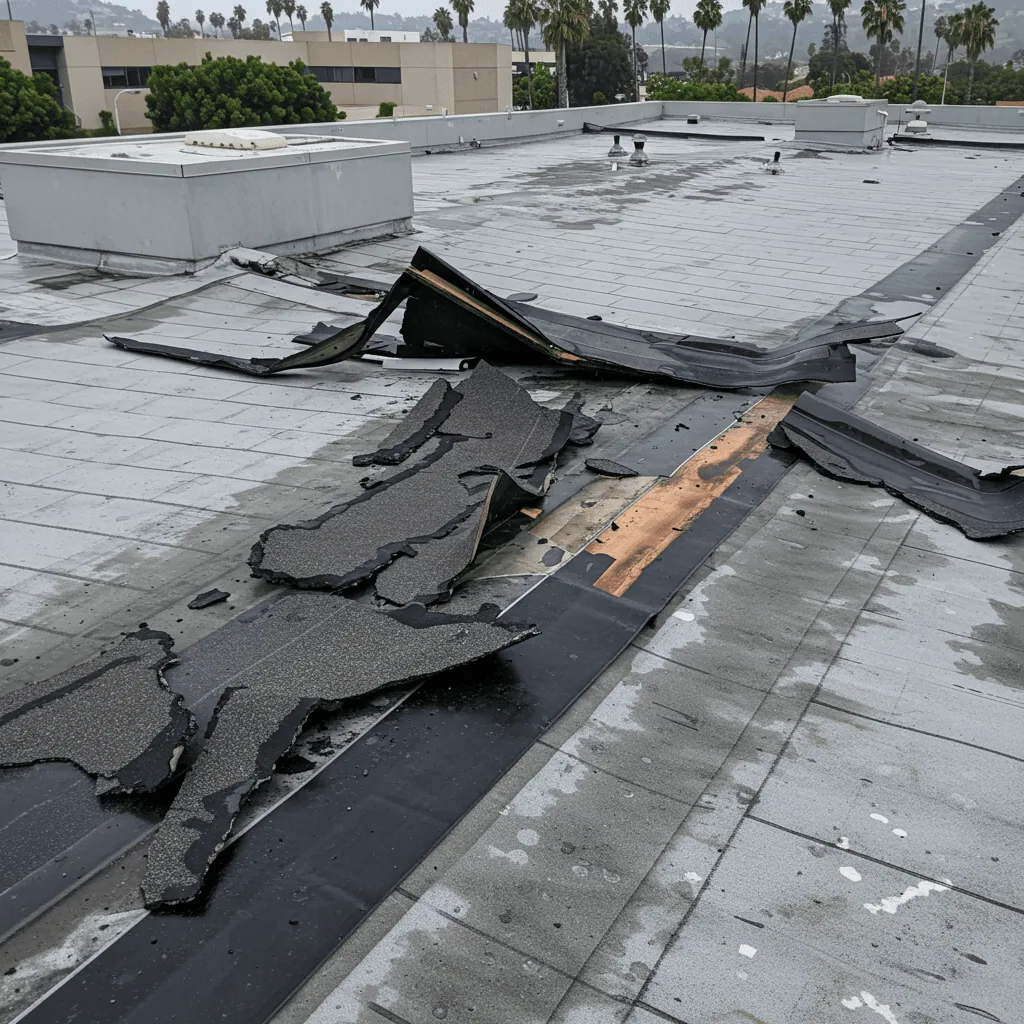
Wall flashings are a frequent problem. Where the roof meets a parapet or wall, the flashing can pull loose, crack in the sun or lose its sealant. If the wood or masonry behind it is rotted or crumbling, it has to be repaired before new flashing goes on. We price that work separately so you can see it, and we photograph it before it's covered.
Our flashing failure repair scope spells out exactly where the repair starts and ends. Drains get the same clarity. Clearing debris is one task. Fixing a torn membrane or cracked flashing around the drain is another. A broken drain body or collapsed leader may need a plumber. If water keeps ponding across a large area, that's a drainage question bigger than one patch.
Retained material and wider construction
A repair is only as good as what it's sitting on. If the insulation underneath is wet or the deck is damaged, a new patch won't hold for long. When moisture is suspected, we make a small test cut or use a moisture meter and explain why. If we open the roof and find more damage than expected, we stop, show you photos and get your approval before expanding the repair.
A recover, meaning a new roof installed over the old one, only works if the existing roof is dry and sound. That means checking more than one spot: how many layers are already there, how the roof is attached and what condition the edges and flashings are in. Wet material has to come out. One small test cut doesn't tell you the condition of a 40,000-square-foot roof, so we test enough areas to stand behind the recommendation.
If roof replacement is on the table, we show where the old roof would come off, what new insulation and membrane would go down, and how that compares with a repair or recover. Replacement brings more trucks, more debris and a longer job, so we spell out those practical differences along with the price.
Building routes and protected work stages
Before work starts, we walk the site with your property manager. We identify where we'll get onto the roof, where materials will be delivered and where the dumpster or debris trailer can go. We ask about loading docks, tenant entrances and delivery hours so we don't block your operation. You tell us the site rules; our crew follows them.
For warehouse roofing, the scale of the job changes the logistics. A flashing repair might be one truck and a few hours. A section replacement could mean a crane or lift, a debris chute and a staging area that takes over part of the lot. We show you where that will happen and ask whether certain docks or drive lanes need to stay open. We also agree on who sends notices to tenants and who signs off before each phase.
We only open as much roof as we can close or protect the same day. If a section has to stay open while we wait on a part or another trade, we seal it with temporary protection and tell you who to call. If the scope grows after we open it, we review staging and protection with you before continuing.
Proposal decisions and completed handback
A good proposal ties every line item to something we found on the roof. Membrane repairs, flashing rebuilds and any work by other trades are listed separately. Insulation or deck replacement is spelled out, not buried. If more investigation is needed before a larger decision, the proposal says so. Access, debris removal and temporary protection are included in the plan so there are no surprise charges.
Cost depends on how much damage there is and how much of the existing roof can stay. Wet insulation or a damaged deck adds work. Difficult access, like a tall building or limited room for a lift, adds labor and equipment time. Splitting the job into several visits adds setup time and temporary protection. If we find something that changes the scope, we show you the photo and explain the added cost before going ahead.
When the job is done, you get photos of the finished repairs and of anything we replaced underneath. If any area is still temporarily protected, we tell you where it is, what's next and who is responsible. Any other issue we noticed but didn't fix is listed separately, so anyone checking the roof later can find the repaired areas and see what's still open.
Commercial Roofing Questions
What helps you start the inspection quickly?
The building address, where the leak or damage shows up inside, when we can get access, and any records of earlier repairs. A contact who can let us on the roof makes the first visit much more productive.
Does clearing a clogged drain fix the problem?
Sometimes. Once the debris is out, we check the membrane and flashing around the drain. If they're torn or cracked, that's a separate repair, and a broken drain body may need a plumber.
When do you need to check under the roof surface?
When a repair depends on what's underneath. If the insulation is wet or the deck is damaged, it has to be replaced before the new roofing goes down, or the repair won't last.
How should I compare repair, recover and replacement?
Compare what's actually wrong with the roof, how much has to come off, what new system goes on, and how each option affects access, staging and time on site, along with the price.
What will I get when the work is done?
Photos of the completed repairs and any hidden damage we replaced, a list of anything still temporarily protected, what's next for it, and who to contact.
Schedule an Apache Junction roof inspection
Tell us the building address and where you're seeing the leak or damage. We'll inspect the roof, explain the permanent fix or any further testing needed, and plan access and protection around your site.
Request a Roof AssessmentAll Service Areas