Home / Service Areas / Queen Creek
Commercial Roof Repair Work for Queen Creek Properties
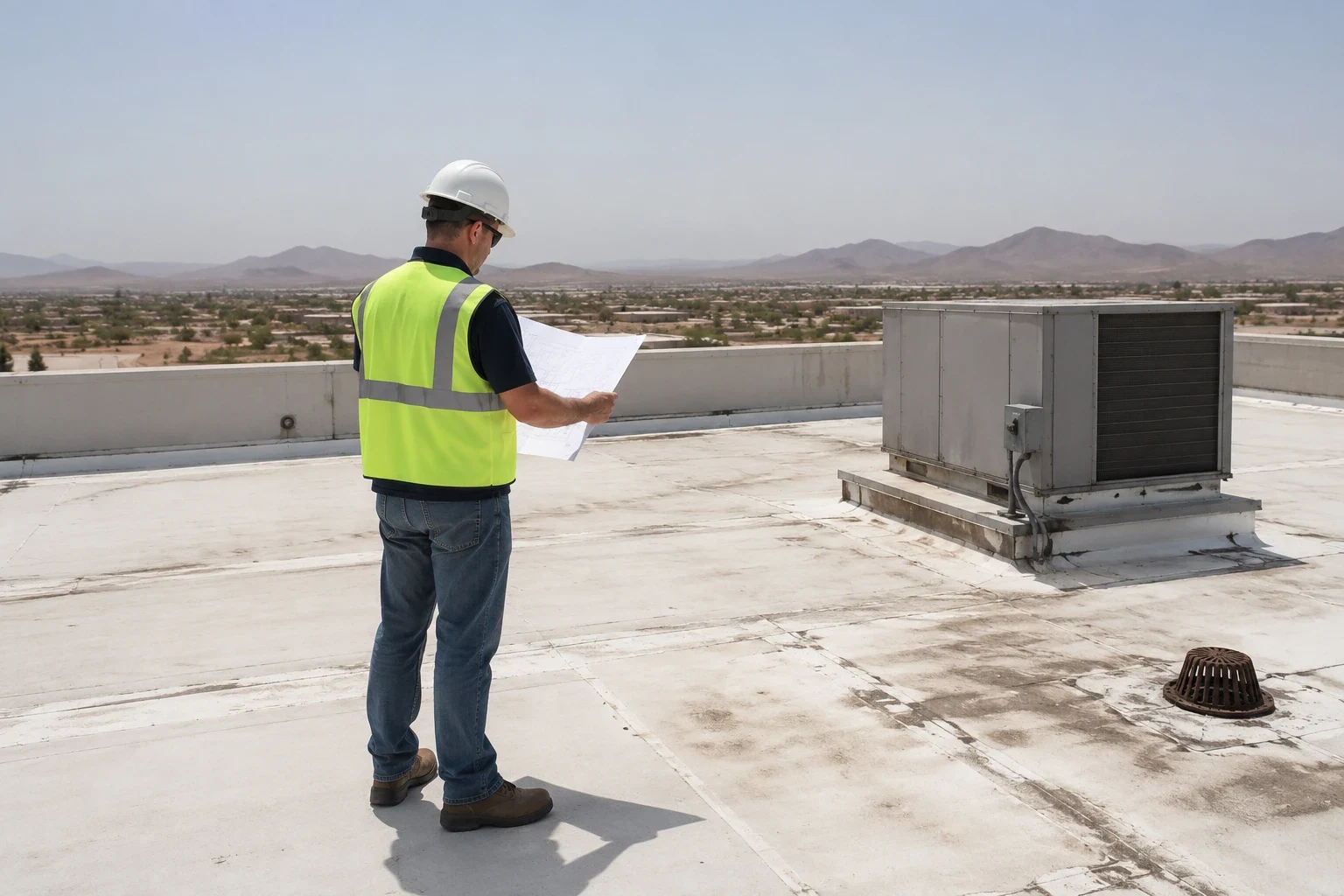
Commercial roof repair in Queen Creek, AZ: inspections, seam repair, skylight and penetration flashing and roof capital planning for civic and commercial buildings.
Roof work on a civic or public building starts with the right contact. We ask who manages the building, what problem the visit is meant to solve and who can approve repairs if we find more than expected. Then we locate the problem on the roof and figure out how to reach it. A small seam repair and a large tear-off need very different plans. We explain the work behind each option in plain terms so the building manager can schedule it and get the right approvals.
Queen Creek's Municipal Services Building on South Ellsworth Road anchors a growing mix of civic, retail and commercial properties in the town. Send us the address of the building you manage and what's going on. We also serve Gilbert and Maricopa, and each property gets its own inspection. The type of roof decides the repair method and whether we need to check what's underneath.
Assigned concern and authorized examination
The first visit should answer a specific question. Is there a leak over a particular office? Did a storm damage something? Is the roof getting old enough that someone needs to plan ahead? We start with the reported problem, inspect the roof above and around it, and note the condition of seams, flashings, drains and equipment while we're up there.
A roof inspection in Queen Creek gives you photos of each defect, marked on a roof plan, with a plain explanation of what's urgent and what can wait. A split seam over an occupied office is urgent. A faded coating or a little ponding near a drain can usually go into next year's budget.
We also note what we couldn't check, such as areas behind equipment or under standing water. If the building has repair records or drawings, we'd like to see them. Knowing what was done before helps tell a new problem from an old one coming back.
Seam repair and compatible attachment
Seams are a common failure point on flat roofs. Heat, building movement and age all work on them, and a seam can open a little at a time until water finds its way in. Once we find an open seam, we check how far the separation runs and probe the membrane on both sides.
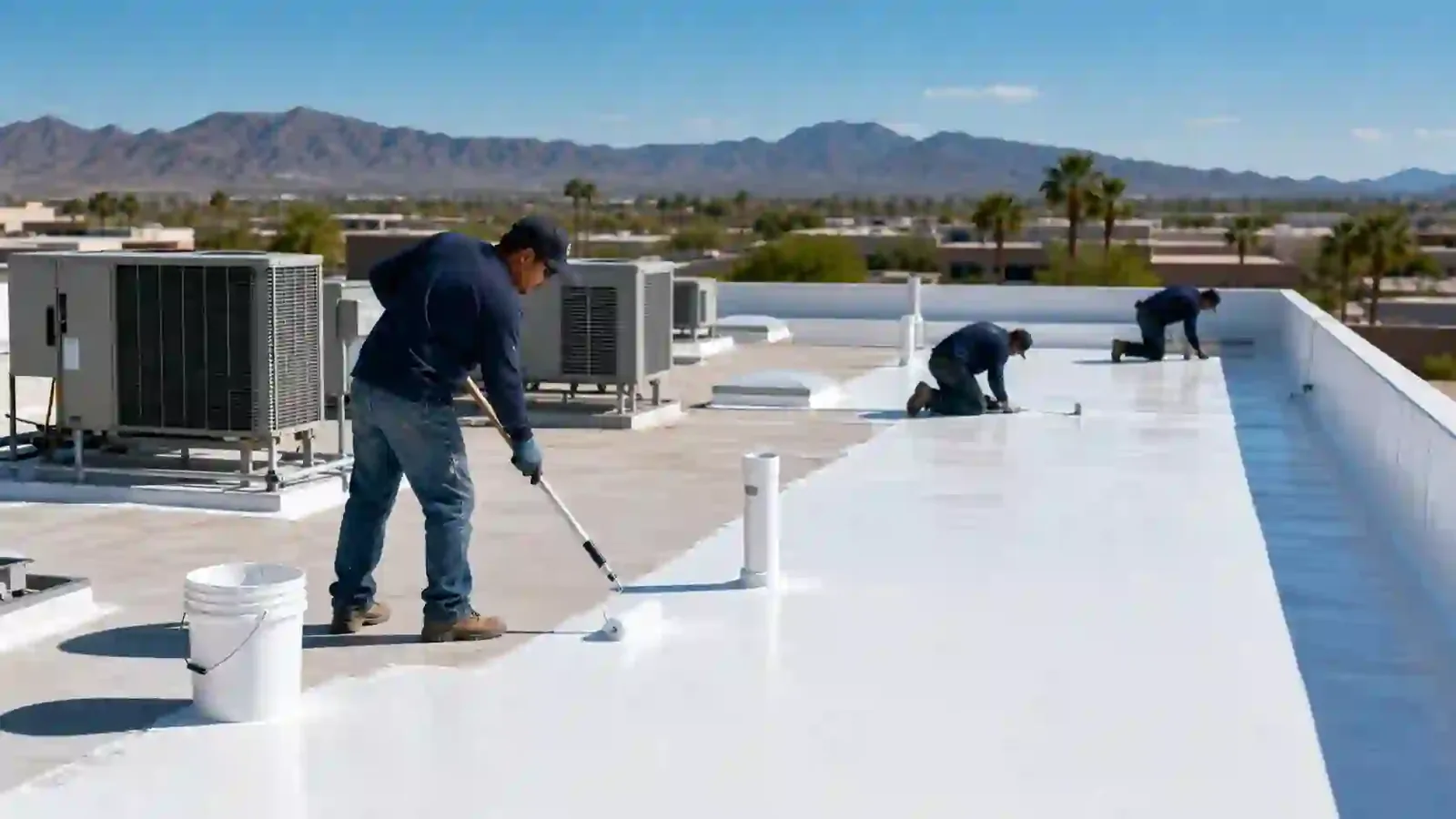
For seam repairs, the method depends on the membrane. TPO and PVC seams are cleaned and heat-welded. EPDM seams get new seam tape and primer. Modified bitumen is torched or set in adhesive. Old patches over the seam usually have to come off so the new repair bonds to sound material, not to old mastic.
We also check under the seam. If water has been getting in for a while, the insulation may be wet. Wet insulation has to be replaced before the seam is closed, or the repair sits on soggy material and fails again. We photograph it and get approval if it changes the scope.
Wall component and opening sequence
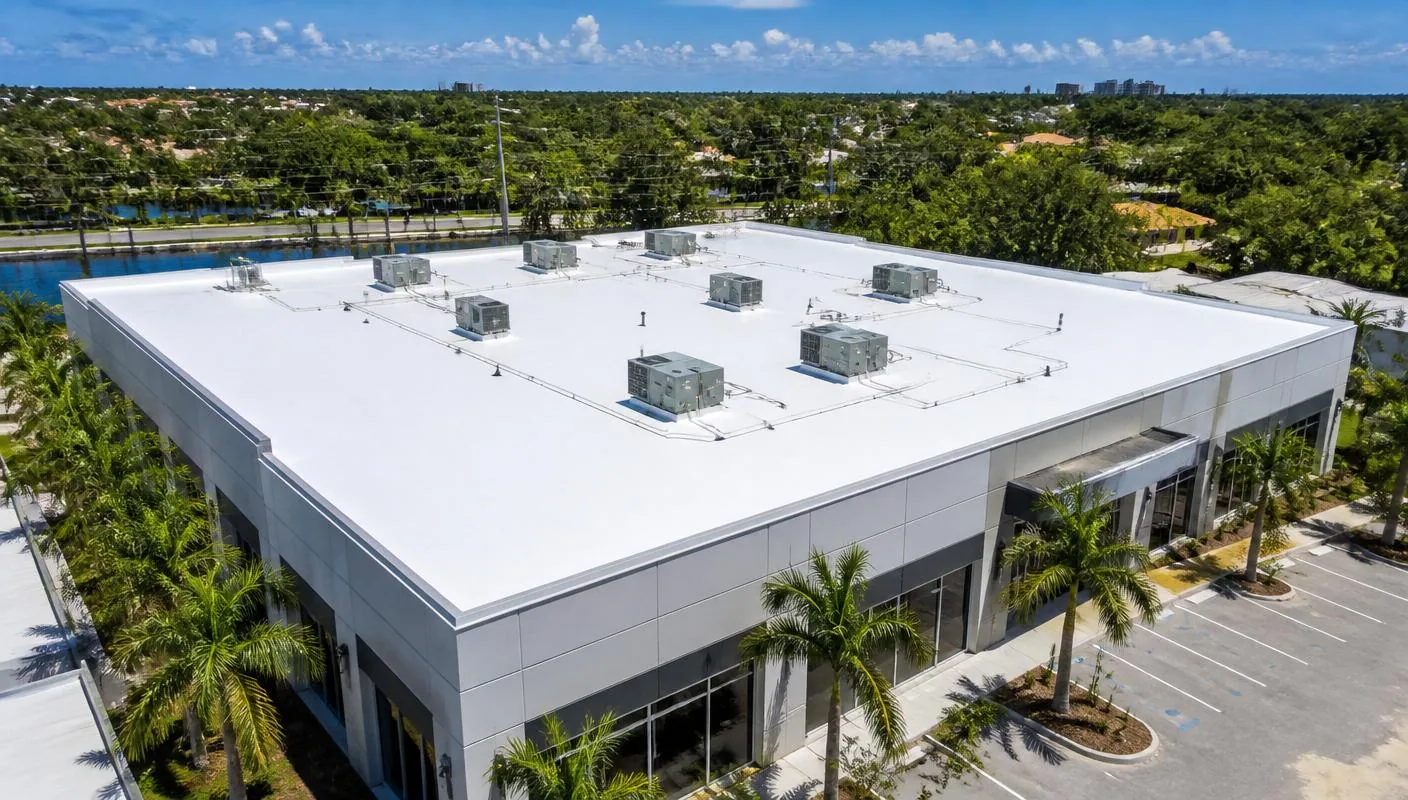
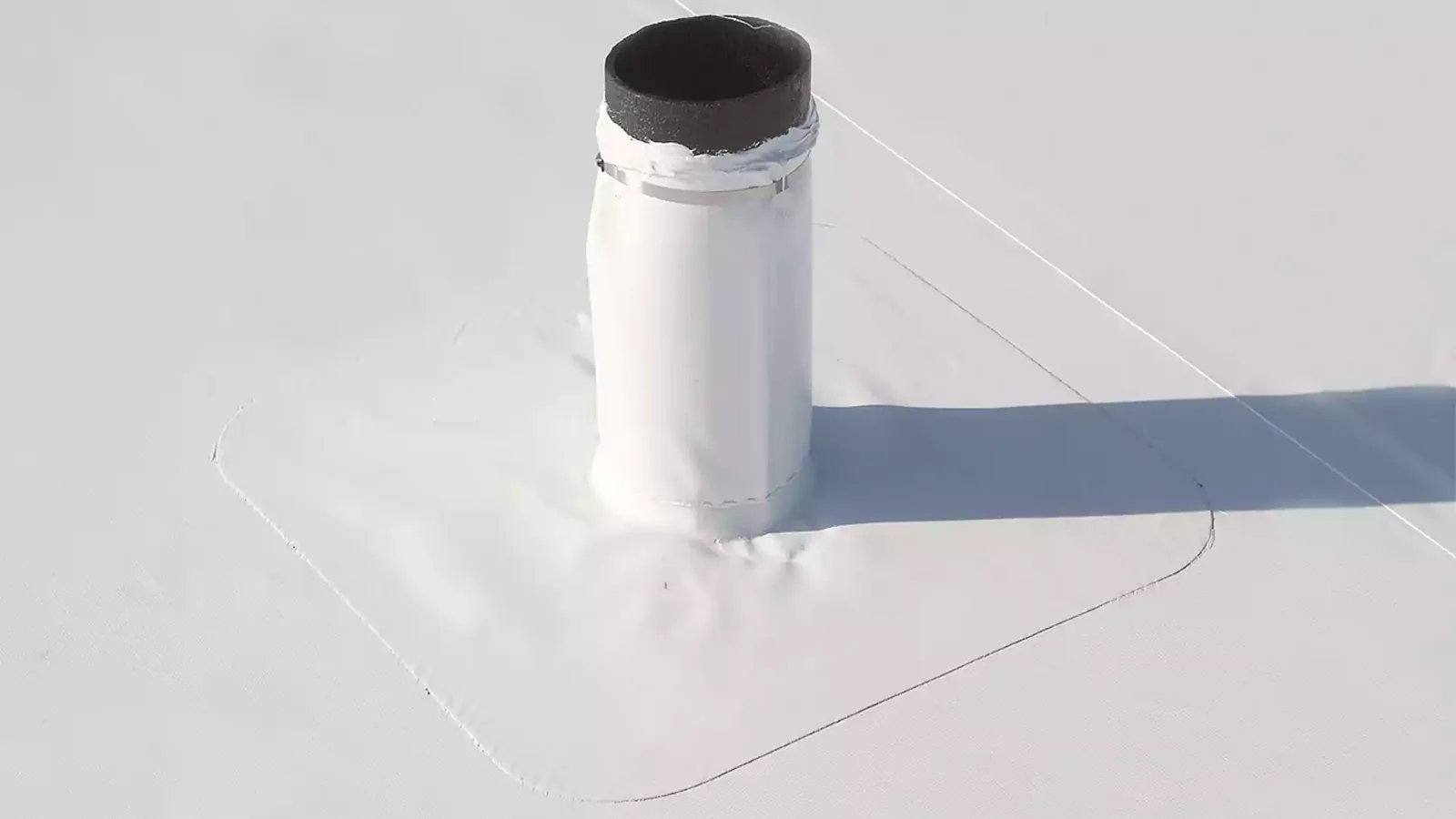
Skylights, vent pipes, exhaust fans and rooftop HVAC units all pass through the roof, and the flashing around each one ages faster than the roof around it. Sealant dries out in the sun, pipe boots crack and curbs can rot or rust. Walls work the same way: where the roof meets a parapet, flashing pulls loose and stucco above it can crack and let water in behind.
For penetration flashing work, the order of operations matters. If a skylight lens is cracked, a fan housing is rusted or a unit needs to be reset, that trade does its work first. We wait for their confirmation, then install new flashing so it isn't torn up a week later.
When the problem is the flashing itself, we remove the old material, check the curb or wall behind it and repair anything rotted or cracked. New flashing goes on with materials compatible with the existing roof, and every step is photographed for the building file.
Layer condition and larger options
When a building keeps needing repairs, it's time to look at the bigger picture. We check insulation moisture across the roof, confirm how many layers are already in place and inspect the deck where possible. That tells us whether targeted repairs are still worth it, whether a recover over the existing roof is an option, or whether replacement makes more sense.
Roof capital planning is especially useful for public owners who budget a year or more in advance. We assess each roof, estimate its remaining life in general terms and recommend a sequence of work. That lets the worst roofs be addressed first and keeps emergency spending down.
A larger project needs more information than a single repair. We may need additional test cuts or moisture readings before pricing it. We'll explain why, and how the work would affect the building and its occupants while it's underway, from staging and noise to how much roof would be open at once.
Property routes and construction account
On public buildings, access needs planning. We ask where our trucks can park, where materials can be staged and where debris can go without blocking public entrances, parking or service areas. If the building has rules for contractors, such as check-in, work hours, background checks or restricted areas, we follow them. Entrances under the work area may need overhead protection or a detour.
If a job takes more than one visit, any open area is sealed with temporary protection before the crew leaves. The building contact knows what's finished, what's temporary, who handles the next step and who to call if water appears. When hidden damage turns up, we stop, photograph it and get approval before expanding the work.
At closeout, the building receives before and after photos, documentation of hidden repairs, approved changes and a list of anything we noticed but didn't fix. On public buildings where staff and managers change over time, that record makes the next leak call, the next budget and the next inspection much easier for whoever picks it up.
Commercial Roofing Questions
Who should set up the roof inspection?
The building manager or whoever can grant roof access and approve repairs. Let us know what problem you want solved and share any repair records you have.
What makes a seam repair last?
Using the right method for the membrane, removing old patches so the repair bonds to sound material, and replacing any wet insulation under the seam first.
What if another trade needs to work on a skylight or unit first?
They do their work first and confirm when it's done. Then we install new flashing so it doesn't get disturbed afterward.
Why might a larger project need more testing?
Recover or replacement covers the whole roof, so we check moisture, existing layers and deck condition in several areas before recommending an option.
What does management get when work is done in stages?
A summary of what's finished and what's temporarily sealed, who handles the next step, who to call, and a closeout package with photos and approved changes.
Schedule a Queen Creek roof inspection
Tell us the building address and what problem you need solved. We'll inspect the roof, explain the repair and coordinate access and approvals with your team.
Request a Roof AssessmentAll Service Areas