Home / Service Areas / Chandler Regional Medical Center
Roof Repair in the Chandler Regional Medical Center Area
Commercial roof repair for medical offices near Chandler Regional Medical Center: leak tracing, membrane puncture repair, rooftop equipment coordination and long-term roof planning.
Medical office buildings and clinics need roof repairs done carefully and on a schedule that respects patients. Before we start, we ask the facility contact what's below the repair area, what rules apply to contractors and who should be notified before work begins. We also ask who to call if a section has to stay temporarily sealed overnight. A small flashing repair barely affects the building. A larger tear-off needs a plan for noise, dust and deliveries, and we lay that out with the proposal.
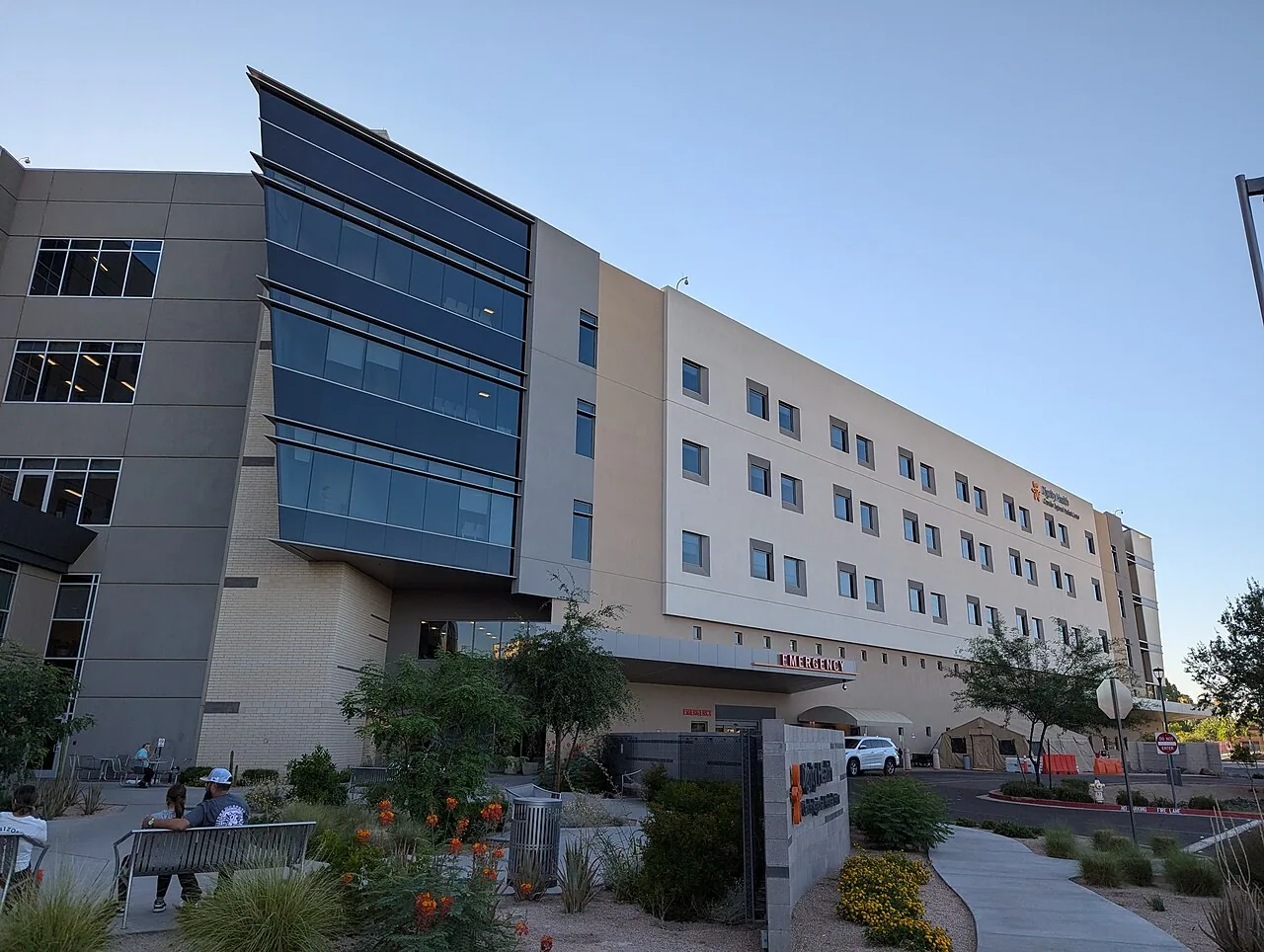
Chandler Regional Medical Center is on West Frye Road, and the surrounding blocks hold medical offices, clinics and other commercial buildings. Give us the address of your building and the facility contact, and we'll inspect the roof. We also work near Banner Ocotillo and in Downtown Chandler, and each property gets its own inspection and access plan.
Facility instructions and roof position
We start by asking the facility contact for their contractor requirements. Medical buildings often have rules about work hours, noise near exam rooms, dust control and keeping fumes away from rooftop air intakes. Some areas, such as procedure rooms, imaging suites and labs, may need extra protection or work scheduled after hours. The facility sets those rules; we build them into the job plan.
For medical office roofing, we mark the repair area on a roof plan and match it to the spaces below. That tells everyone which rooms might hear noise, which air handlers might need to be shut down briefly and where ceiling protection should go inside if water is actively coming through.
We also confirm who receives our notices and who can approve changes. If we find something unexpected once the roof is opened, we need a quick decision from someone with authority, not a message that sits in an inbox for a week while the roof stays temporarily sealed.
Reported water and component inquiry
Medical buildings have a lot of rooftop equipment: air handlers, exhaust fans, vent stacks and sometimes medical gas or generator exhaust lines. That means a lot of penetrations, and every one is a potential leak. When a leak is reported, we go up and check the flashings, curbs and seams around each unit near the problem area.
For leak repair near Chandler Regional, we separate roof leaks from equipment leaks. A rooftop unit with a clogged condensate drain or a cracked cabinet can drip water that looks like a roof leak from inside. We'll tell you which one you're dealing with and, if it's the equipment, which contractor should handle it.
If the source isn't clear on the first visit, we say so. We explain what we checked, what we ruled out and what the next step is, whether that's a water test or a coordinated visit with the HVAC contractor. Photos of every defect go into the report with its location marked.
Permanent detail and adjoining correction
Punctures are common on roofs with heavy equipment traffic. Service technicians drop tools, drag parts across the membrane or walk the same path repeatedly until the roof wears through. A small puncture can let in a lot of water, especially if it sits in a low spot.
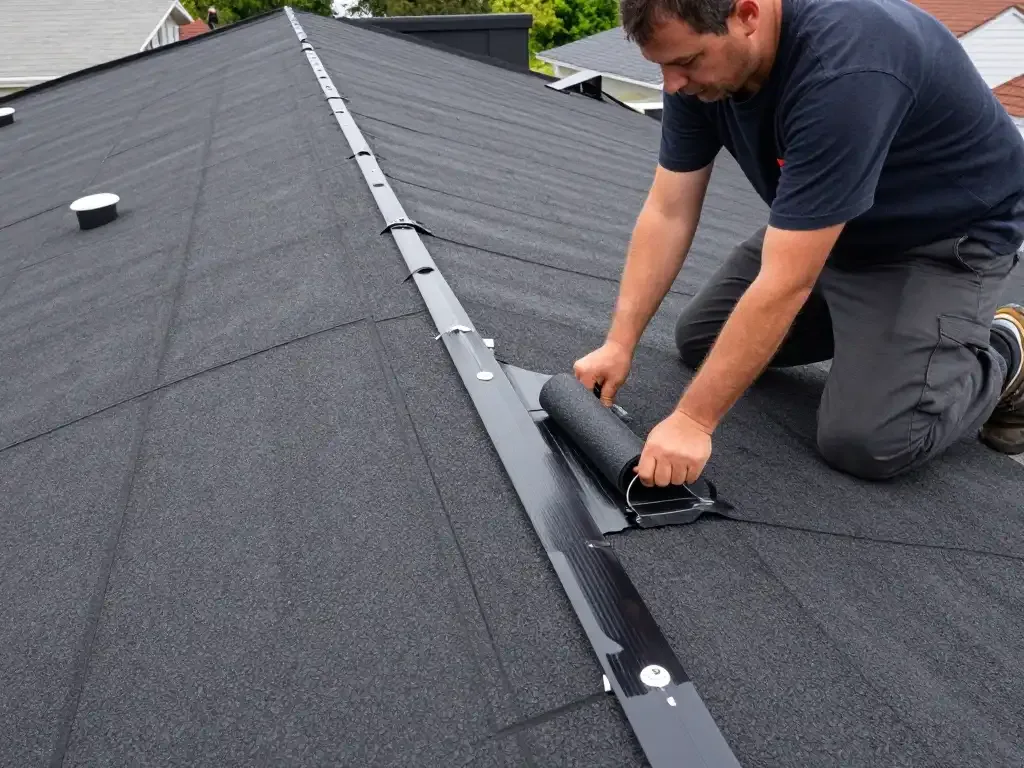
For membrane puncture repair, we first check the area around the hole. Is the membrane still flexible and well bonded, or is it brittle and shrinking? Is the insulation underneath dry? If the surrounding material is sound, we clean it, prepare the surface and install a patch made from compatible material, sized to extend well past the damage.
If the insulation is wet, it comes out first, or the patch will sit on soggy material and fail. We also look for the cause. If service techs keep walking the same path, walkway pads can prevent the next puncture. If a sharp edge on equipment is cutting the membrane, that needs to be fixed too. We'll point those out so the repair doesn't have to be done again in six months.
Retained layers and larger work
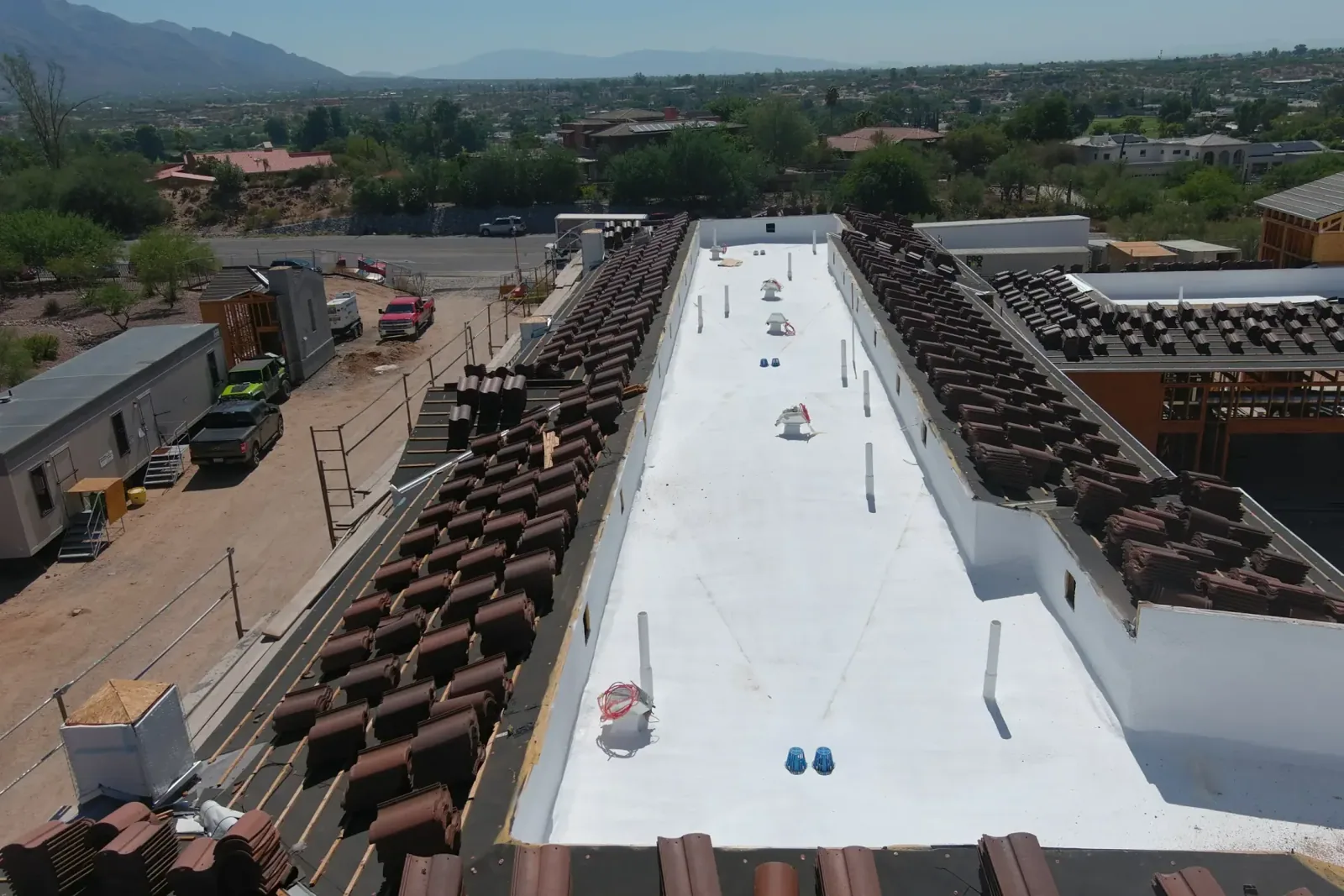
When a medical building has repeat leaks or an aging roof, it may be time to think beyond patches. We check moisture in the insulation, the condition of the deck, how the roof is attached and how many layers are already up there. That information decides whether a recover is possible or whether a full replacement is the better investment.
Roof capital planning lets facility managers budget ahead instead of reacting to emergencies. We assess the roof, estimate its remaining life in general terms and recommend a sequence: repair now, recover later, or replace on a set timeline. For buildings with sensitive operations, planning ahead also means scheduling major work during slower periods.
Larger projects need more coordination. A replacement over a medical office brings noise, odor, deliveries and a lot of foot traffic around the building. We explain how the work would be phased, which areas would be open at the same time and how the facility would be protected. That way you can weigh the options with the full picture, not just the price.
Work period and facility handback
If a repair takes more than one visit, we seal every open area before leaving. The facility contact gets a clear summary: which areas are finished, which are temporarily protected, what's left to do and who to call if water shows up. If we're waiting on an HVAC contractor or a replacement part, we explain how that affects our return date.
When hidden damage turns up, such as wet insulation, a rotted curb or a corroded deck, we stop, photograph it and explain what it would take to fix. We don't expand the work without approval. Every approved change is recorded with the reason and the photos behind it.
At closeout, the facility gets before and after photos, documentation of any hidden repairs, a list of completed work and anything we noticed but didn't fix. That record helps with budgeting, insurance questions and any future leak calls. A new facility manager should be able to pick up the file and understand exactly what was done to the roof and what still needs attention.
Commercial Roofing Questions
What should we tell you about our facility before work starts?
Your contractor rules on work hours, noise, dust and air intakes; what's below the repair area; who gets notices; and who can approve changes quickly.
How do you handle a leak that might be coming from HVAC equipment?
We inspect the roof flashings and the equipment around the leak. If the unit itself is leaking, we tell you and coordinate with your HVAC contractor.
What happens before you patch a membrane puncture?
We check that the surrounding membrane is sound and the insulation underneath is dry. Wet insulation is replaced first, then a compatible patch is installed.
Why does a larger roof project need a separate discussion?
Replacement or recover affects the whole roof and the building below. It needs more testing, phasing and a plan for noise, deliveries and protection.
Who keeps track of a roof area left temporarily sealed?
The facility contact you designate. We give them the location, what's left to do, who is doing it and who to call if water appears.
Schedule a medical office roof inspection
Tell us which building and who manages it. We'll inspect the roof, trace any leaks, explain the repair and plan the work around your facility's patients and rules.
Request a Roof AssessmentAll Service Areas