Home / Service Areas / Phoenix Sky Harbor Area
Phoenix Sky Harbor Area Commercial Roof Repair Coordination
Commercial roof repair for warehouses and commercial buildings near Phoenix Sky Harbor: leak tracing, flashing repair, phased roof replacement and access planned around busy sites.
Buildings around a major airport tend to be busy, secured and full of truck traffic. Before we schedule a roof visit, we need to know who can approve our crew coming on site and where materials can be brought in. Then we confirm which building and which part of the roof has the problem. A small flashing repair and a large tear-off need very different arrangements. Whatever the site's rules are for contractors, we follow them, and the plan we give you ties the actual roof defect to a realistic access plan.
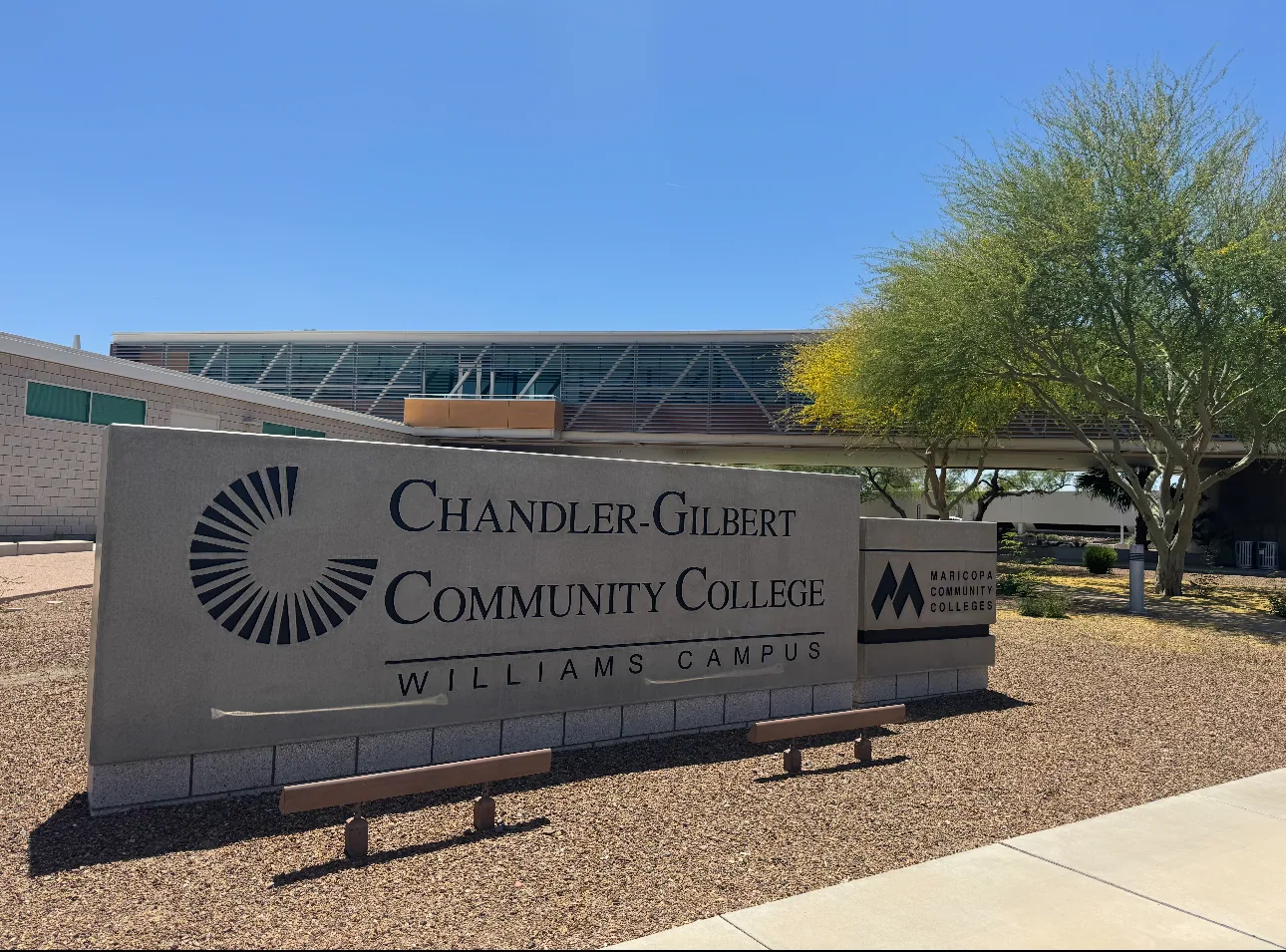
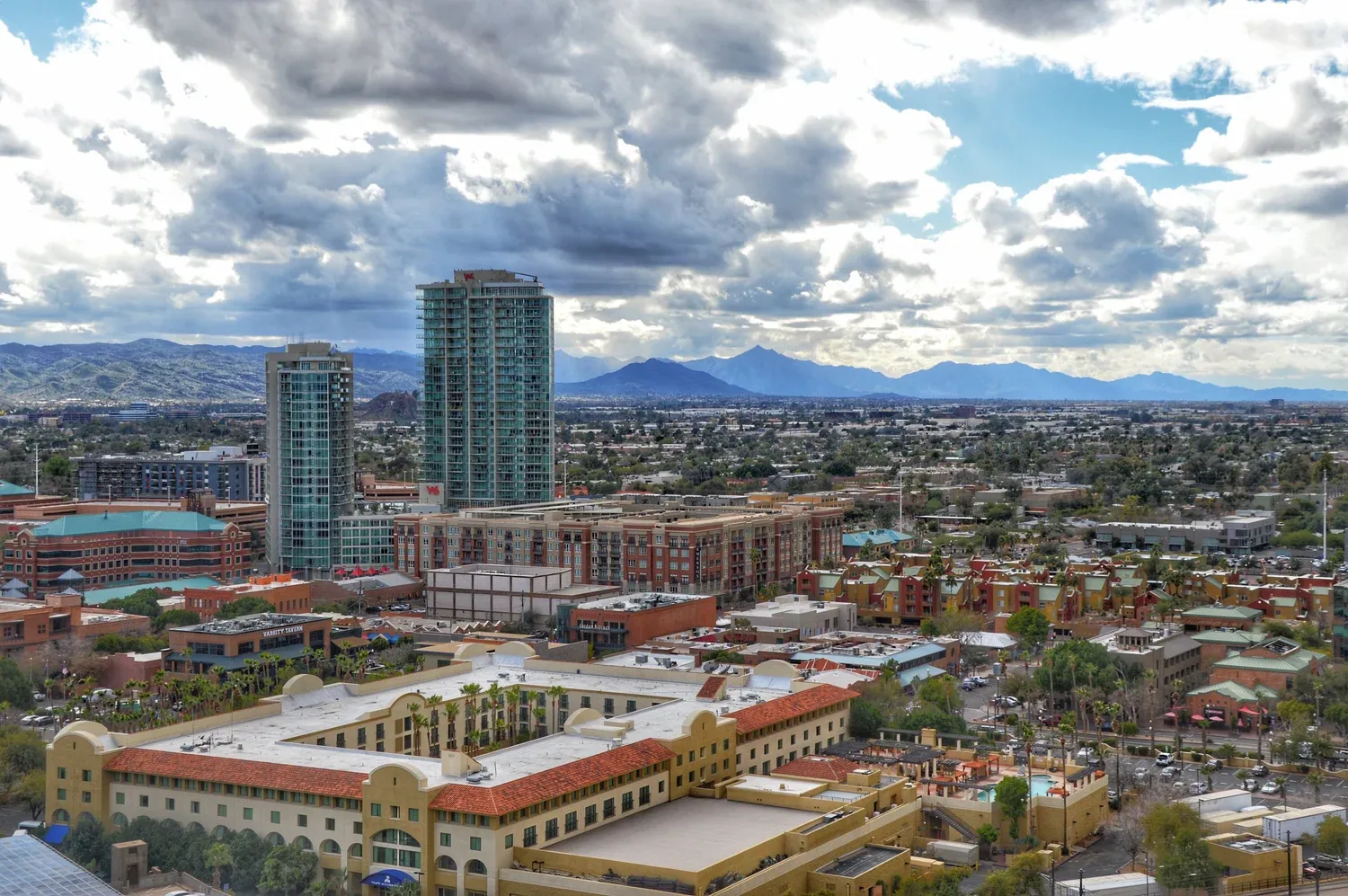
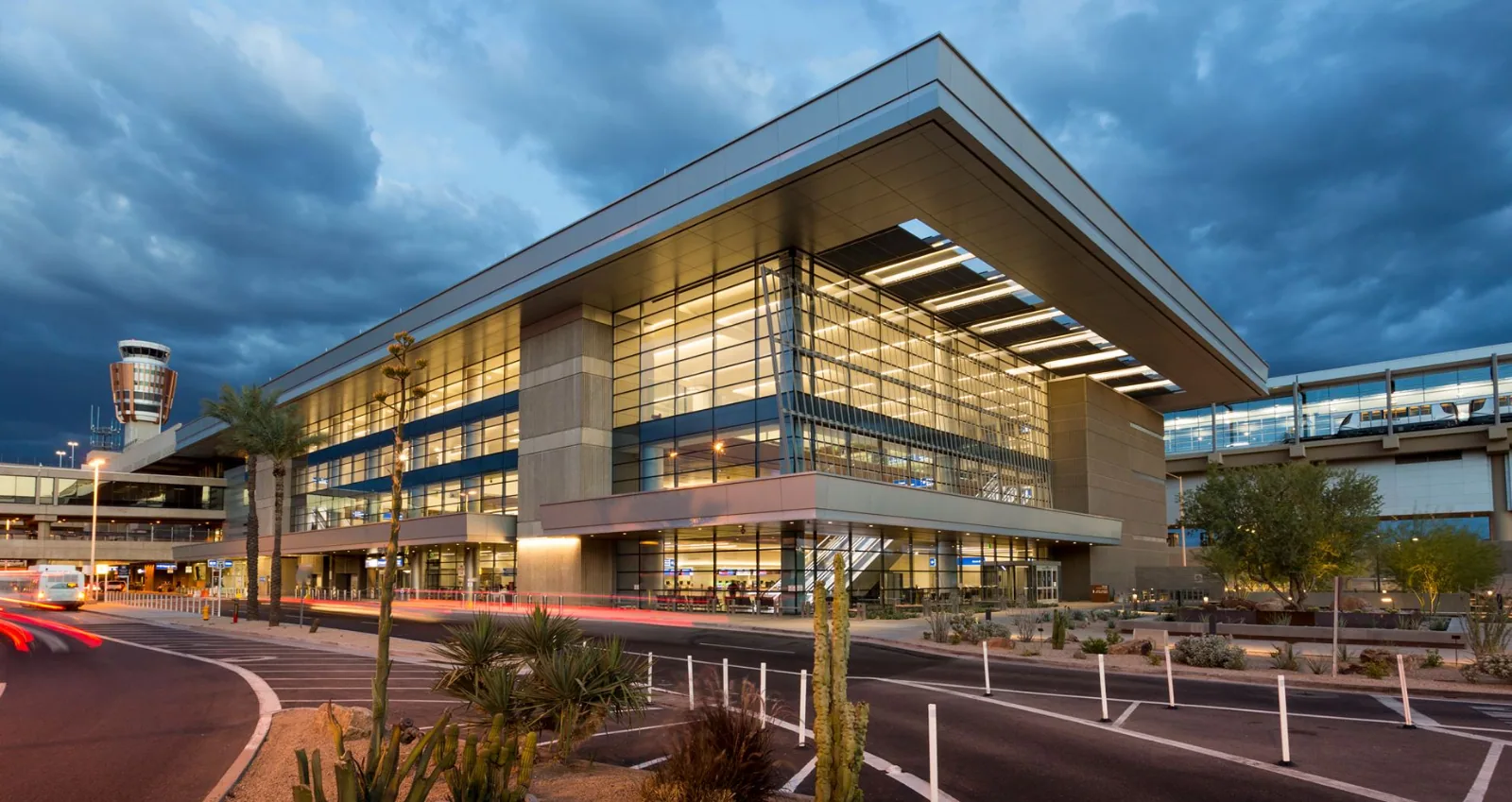
Phoenix Sky Harbor International Airport is surrounded by warehouses, logistics buildings, offices and service businesses. Send us the property address and the building contact. We also work near the Williams Campus in Mesa and across Tempe. We inspect the roof directly, explain what needs fixing and flag anything that belongs to another trade.
Entry approval and material movement
Many sites near the airport have gates, check-in procedures and restricted areas. We ask the property contact who approves contractor access, whether our crew needs badges or escorts and when deliveries are allowed. We plan truck parking, lift placement and debris removal so we don't block docks, drive lanes or tenant parking.
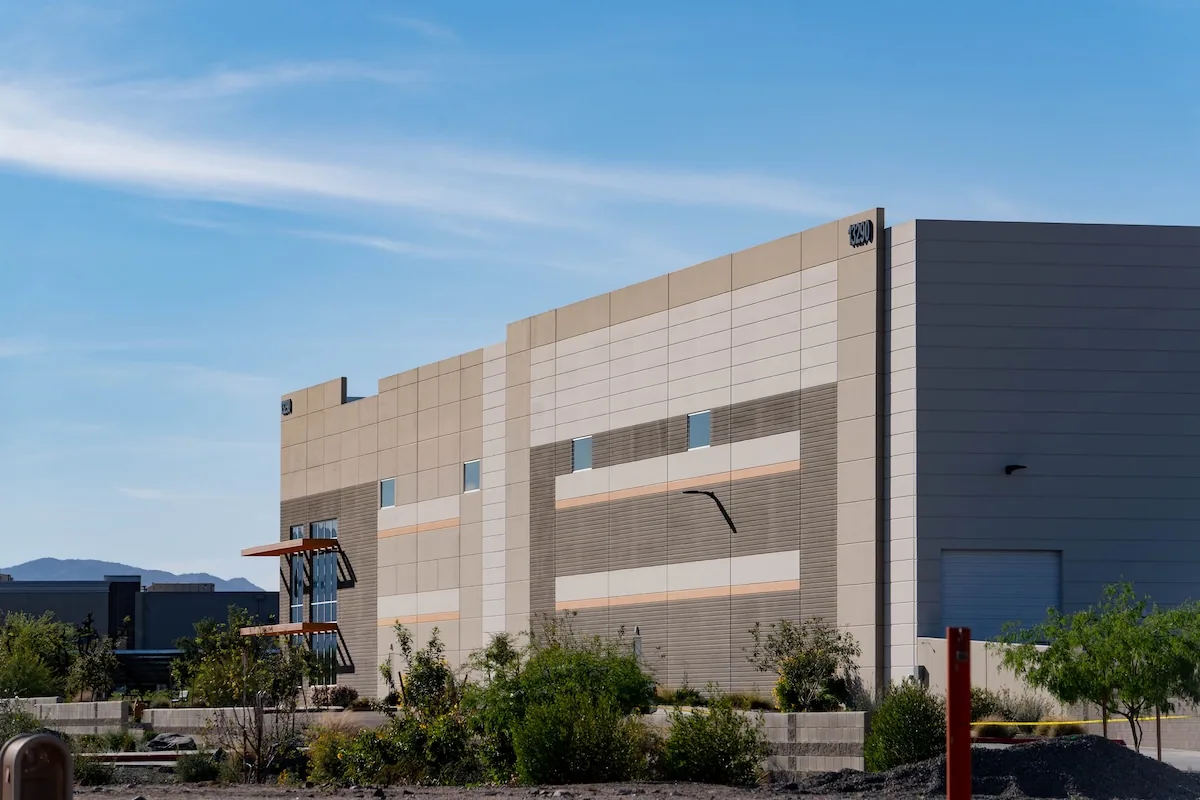
For warehouse roofing, the size of the job drives the logistics. A flashing repair might be one truck and a few hours. A section replacement could mean a crane, a debris chute and a staging area for a week or more. We show you where all of that would go and ask which docks and lanes must stay open.
We also ask what's stored below the repair area. Racked inventory, finished goods or equipment may need to be covered or moved if we're cutting into the roof or if water is already coming through. If the scope changes once we open the roof, we revisit the plan before continuing.
Water finding and adjoining component
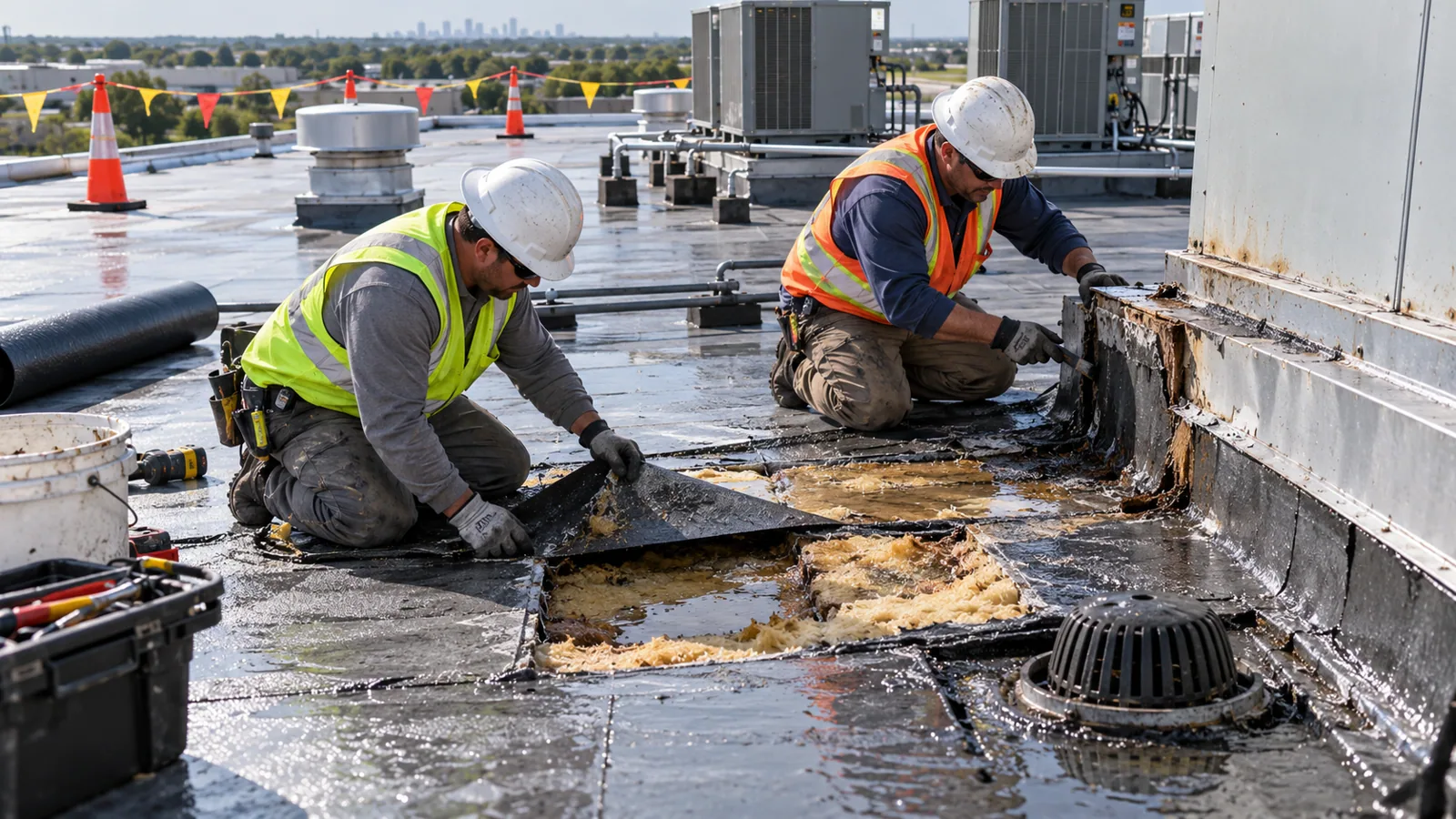
We start where the water shows up inside, then inspect the roof above and upslope: seams, wall flashings, drains, curbs and penetrations. On large warehouse roofs, water can travel a long way along the deck before it drips, so the stain may be well away from the source.
For leak repair near Sky Harbor, we separate roof problems from equipment problems. Rooftop units, exhaust fans and evaporative coolers can all leak in ways that look like roof leaks. If the equipment is the source, we tell you who should fix it. If a unit has to be repaired or reset before we can flash it properly, we coordinate the order.
Every defect is photographed and marked on a roof plan. If the first visit doesn't pin down the source, we explain what we ruled out and recommend the next step, such as a controlled water test along a specific seam or wall. You won't be paying for patches based on guesses.
Installed detail and permanent correction
Once we've found the problem, we confirm the roof type, whether TPO, PVC, built-up, modified bitumen, spray foam or metal, and use compatible repair materials. Failed patches usually have to come off first, because new material won't bond to them reliably.
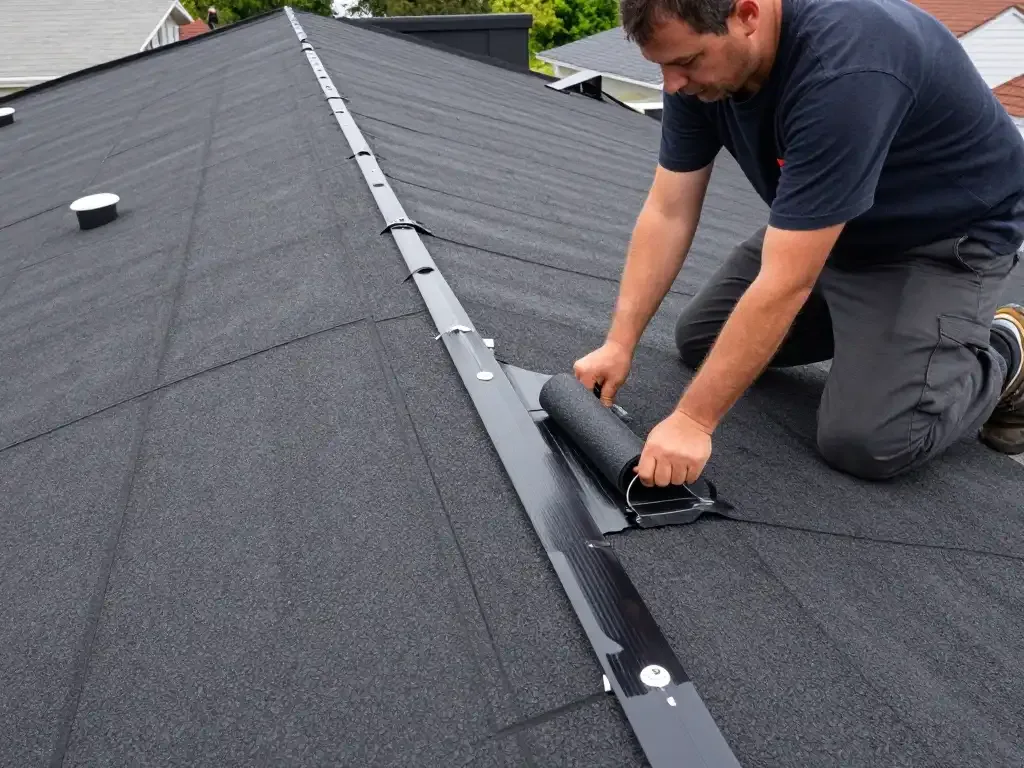
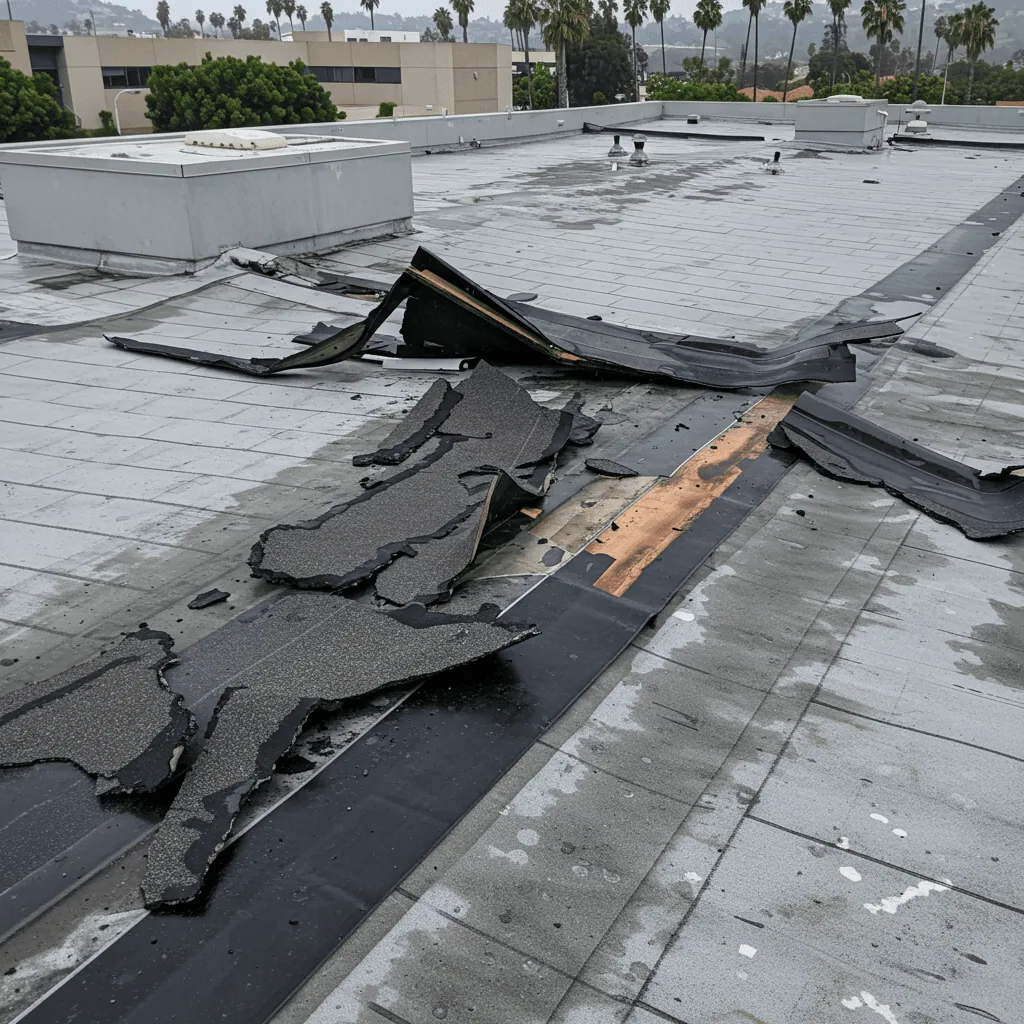
Flashings at walls, curbs and roof edges are frequent trouble spots. For flashing failure repair, we remove the failed flashing and check what's behind it. Rotted wood nailers, cracked block or loose wall panels are repaired before new flashing goes on. We photograph that hidden work before it's covered, so the building file shows what was actually done.
The scope spells out where the repair starts and ends. If something else nearby looks like it will fail soon, we note it separately so you can decide whether to address it now or budget for it later. That keeps the proposal honest and the price easy to understand.
Retained layers and protected stages
When a roof has widespread wet insulation, repeated seam failures or brittle membrane, repairs stop making sense. For commercial roof replacement, we check moisture across the roof, confirm how many layers are in place and inspect the deck. That tells us how much has to come off and what the new system needs.
On a large or busy building, replacement is usually done in phases. We tear off and re-roof one section at a time, sealing each section watertight before moving to the next. That keeps most of the building protected and limits how much of the site is tied up with staging and debris at any given time.
The proposal explains what comes off, what new insulation and membrane go on, which edges, walls and curbs get new flashing, and how the phases would be sequenced. We compare that with a repair or recover so the owner can see the difference in cost, timing and disruption.
Director decisions and construction record
The property manager makes the key calls: which option to choose, when to schedule and how to handle tenants. To make those decisions easier, every proposal ties each line item to something we found on the roof. Access, debris removal and temporary protection are included, not added later as surprises.
If a job is interrupted, whether by weather, a pending approval or another trade, any open area is sealed before the crew leaves. The contact knows what's finished, what's temporary, who's responsible for the next step and who to call if water appears. Hidden damage found during the job is photographed and approved before we expand the work.
At closeout, you get before and after photos, documentation of any hidden repairs, approved changes and a list of anything we noticed but didn't fix. That record helps with tenant questions, insurance and future budgeting.
Commercial Roofing Questions
What do you need before scheduling a visit near the airport?
The building address, who approves contractor access, any badge, escort or check-in requirements, delivery hours and where the roof problem is.
How does a larger job change site logistics?
Replacement may need a crane, debris chute and staging area for days or weeks. We show where everything would go and plan around docks and drive lanes.
Who handles a leak coming from rooftop equipment?
The mechanical contractor. We identify the problem, tell you who should fix it and coordinate so their work is done before we install new flashing.
Why check under the roof before a local repair?
Wet insulation or a damaged deck won't hold a new repair. We test for moisture and replace damaged material before closing the roof back up.
What happens if the job is interrupted partway through?
Open areas are sealed. You'll know what's done, what's temporary, who handles the next step and who to call if water shows up.
Schedule a roof inspection near Sky Harbor
Send us the property address and who manages site access. We'll inspect the roof, explain the repair or replacement options and plan the work around your operations.
Request a Roof AssessmentAll Service Areas