Home / Service Areas / Mesa Gateway Williams Campus
Williams Campus Area Roof Repair near Mesa Gateway
Commercial roof repair near Mesa Gateway and the Williams Campus: membrane and metal roof repairs, campus-style scheduling, recover assessments and long-range roof planning.
On a campus with many buildings, the first job is pinpointing which roof we're talking about. We ask the facilities contact which building, where the problem was reported and who can let us up. Then we confirm what kind of roof is there, because a membrane seam and a metal panel lap need very different repairs and materials. We show you the defect, explain any work another trade needs to handle and lay out the sequence. Once that's clear, access and temporary protection can be planned properly.
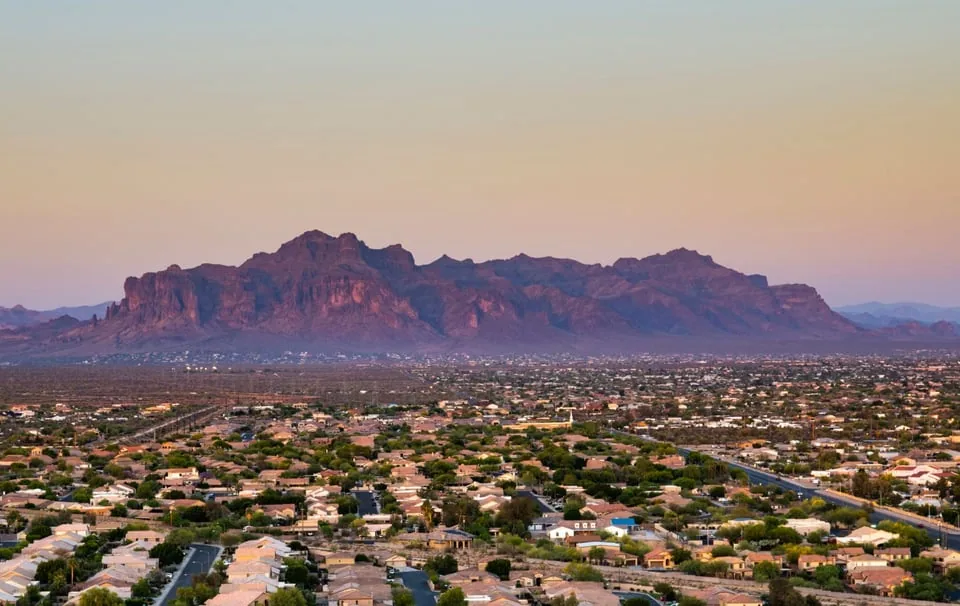
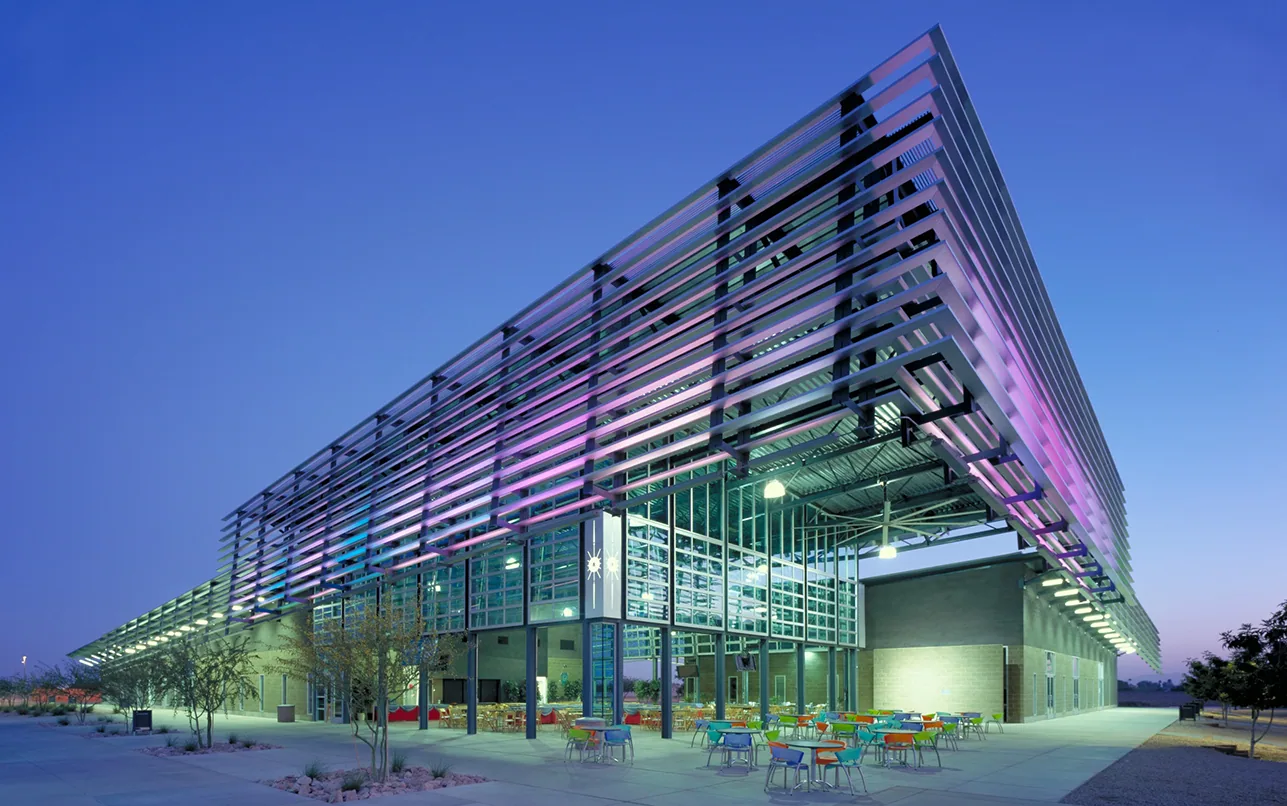
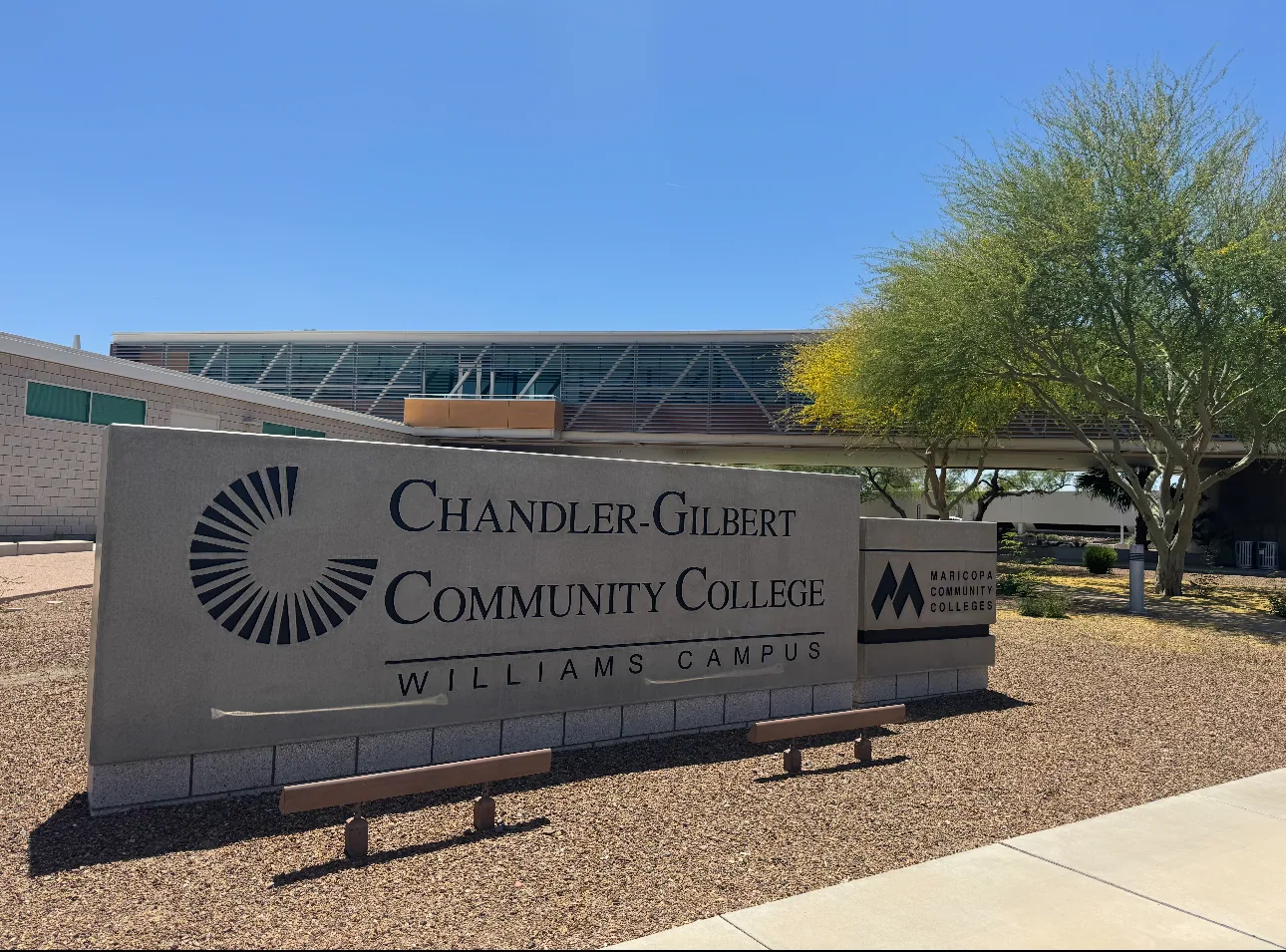
The Williams Campus sits in southeast Mesa on the former Williams Air Force Base, next to Phoenix-Mesa Gateway Airport. Its buildings range from older base-era structures to newer academic and commercial buildings. Tell us which building you manage and what's going on. We also work throughout Mesa and near the Pecos Campus, and each property gets its own inspection and access plan.
Assigned building and facilities route
Campus-style properties usually have contractor rules: where to park, where to check in, when deliveries are allowed and which areas are off limits. We ask for those up front and build the plan around them. If the building is in use, we ask what's under the repair area, whether classrooms, labs, offices or shops, and when it's busiest.
For college and university roofing, the main concerns are noise during class hours, odors reaching air intakes and keeping people away from overhead work. Loud work like tear-off can often be scheduled for evenings, weekends or breaks between terms. Building entrances under the work area may need barriers or a temporary detour.
We also confirm who sends notices to building occupants and who can approve changes. A larger project with lifts, dumpsters and daily deliveries needs a staging plan, and we show facilities exactly where everything will go before scheduling. If hidden damage enlarges the job once the roof is opened, we walk through the revised staging and timing with facilities before the crew continues.
Membrane sheet and repair assembly
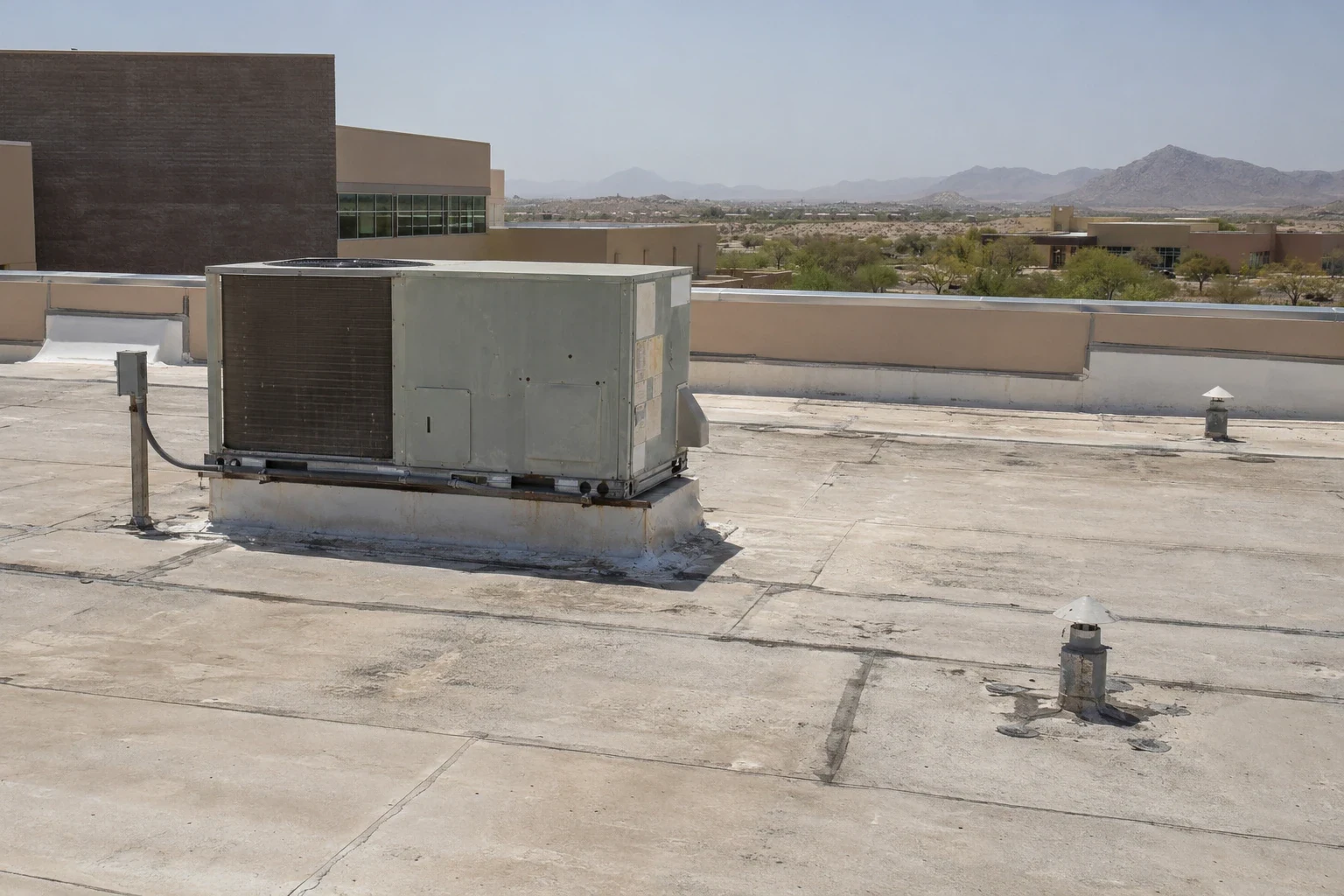
Many campus buildings have flat membrane roofs: TPO, PVC, EPDM or built-up. Punctures are common near rooftop equipment, where technicians walk, kneel and set down tools. A small hole can let in a lot of water during a monsoon storm, and the leak may show up far from the puncture.
For membrane puncture repair, we first confirm the membrane type so the patch matches. We check the material around the hole. If it's flexible and well bonded, we clean and prepare the area and install a patch that extends well past the damage. If the membrane is brittle or shrinking, a patch may hold for a while, but the surrounding roof needs attention.
We also check under the membrane. Wet insulation has to be cut out and replaced before the patch goes on. We photograph it and get approval if it makes the repair bigger. Walkway pads along common service paths can prevent the next puncture. On roofs where several contractors service equipment, it also helps to ask them to report any damage they cause rather than leaving it to show up as a ceiling stain weeks later.
Metal details and component sequence
Some older buildings in the area have metal roofs, either exposed-fastener panels or standing seam. Metal roof leaks usually come from loose fasteners, worn washers, open side laps, rusted panels or failed sealant at ridges, eaves and penetrations. Daily heating and cooling in the Arizona sun works fasteners loose over time.
We confirm the panel profile, gauge and fastener type before ordering parts. Fasteners are replaced with the right size and washer. Damaged panels are replaced, not smeared with sealant. Ridge caps, trim and flashings are refastened or replaced as needed. If a panel is rusted through, we check the panels around it and the framing underneath, since rust rarely stops at one panel.
Where equipment, vents or skylights come through a metal roof, the flashing is often the weak point. If the equipment itself needs repair or resetting, we coordinate with the mechanical contractor so their work is done before we flash it permanently. We spell out that order so nobody reflashes a curb that's about to be torn up.
Layers and wider construction options
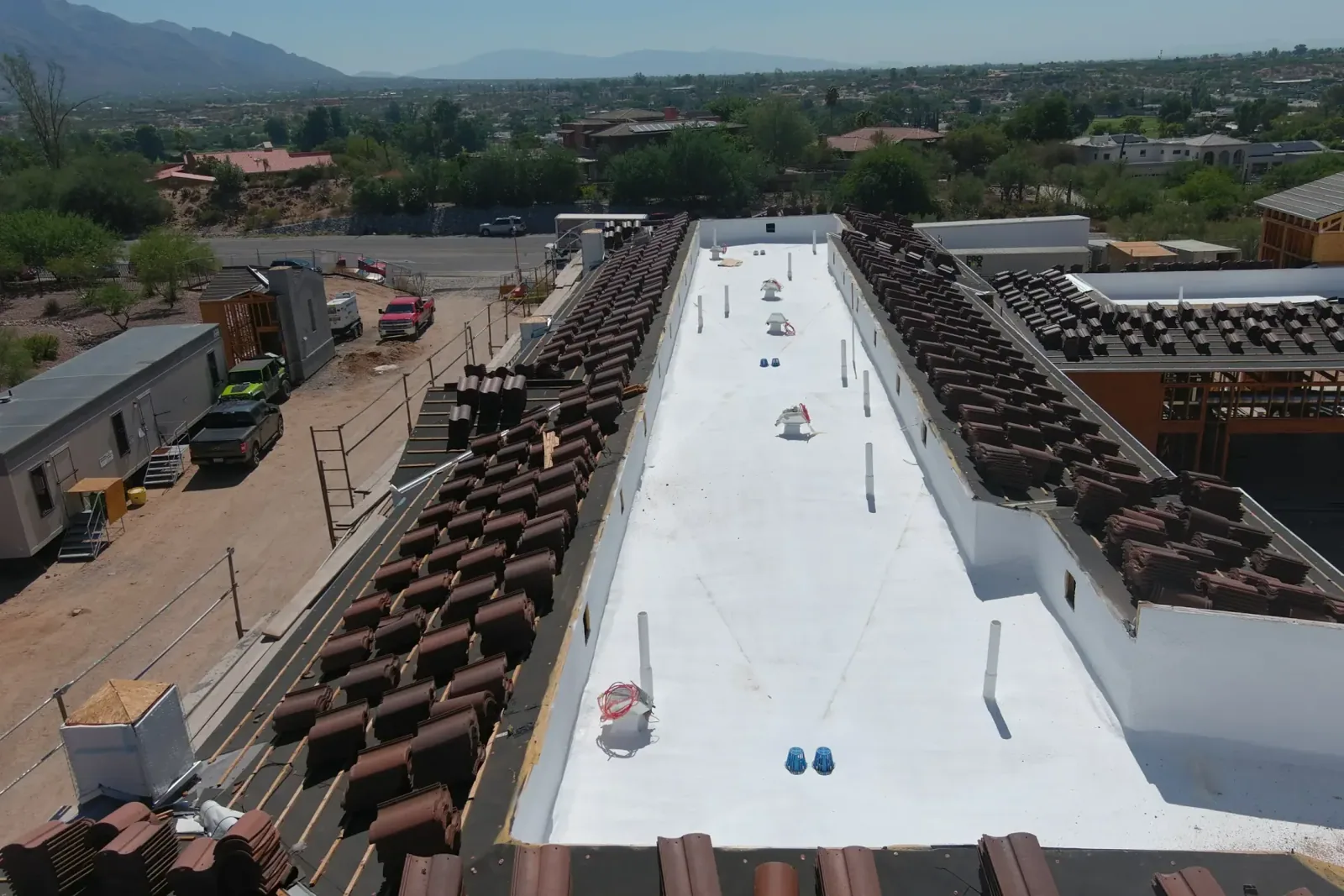
When a building has repeat leaks or an aging roof, it's time to consider larger options. Before recommending a roof recover, we check for wet insulation, confirm how many layers are already there and look at how the roof is attached. A recover over wet insulation traps moisture, and building codes generally limit how many roofs can be stacked. On metal roofs, a recover might use a retrofit framing system or a foam-and-coating system.
Roof capital planning helps campus facilities teams budget years ahead. We assess each building's roof, estimate remaining life in general terms and recommend a sequence of repairs, recovers and replacements. That lets the worst roofs get attention first and keeps emergency spending down.
A larger project needs more information than a repair. We may take additional moisture readings or test cuts before pricing it. We also explain how the work would affect building occupants, including staging, noise and how much roof would be open at once.
Protected opening and finished record
On multi-visit jobs, no roof is left open without protection. Before the crew leaves, any open area is sealed. Facilities knows what's finished, what's temporary, what comes next and who to call if a storm rolls in. That matters during monsoon season, when afternoon storms can build quickly.
If we find hidden damage, such as wet insulation, rotted wood or a corroded deck, we stop, photograph it and explain the fix before expanding the work. Approved changes are recorded with photos and the reason they were needed. If another trade has to finish something before we close up, we wait for their confirmation.
At closeout, facilities receives before and after photos, a list of completed repairs, approved changes and anything we noticed but didn't fix. That record goes into the building file. The next time a leak is reported, whoever responds can see exactly where work was done and what was already known. It also feeds directly into future roof budgets across the campus.
Commercial Roofing Questions
What should facilities tell you first?
Which building, where the problem was reported, who can grant roof access and what kind of roof it has, if you know. Any records of earlier repairs help too.
How does a membrane repair start?
We confirm the membrane type, check that the surrounding material is sound and the insulation is dry, then install a compatible patch that extends well past the damage.
What's different about repairing a metal roof?
We match the panel profile and fasteners, replace damaged panels and fasteners instead of sealing over them, and check nearby panels and framing for rust.
Why does a recover or replacement need more assessment?
It covers the whole roof, so we check moisture, existing layers and attachment in several areas before recommending it or giving a price.
What does facilities get when work happens in stages?
A clear summary of what's finished and what's temporarily sealed, what comes next, who to call, and a closeout package with photos and approved changes.
Schedule a roof inspection near the Williams Campus
Tell us which building you manage and what's wrong with the roof. We'll inspect it, explain the repair and plan the work around your schedule and contractor rules.
Request a Roof AssessmentAll Service Areas