Home / Service Areas / Stellar Airpark
Stellar Airpark Area Roof Repair in Chandler
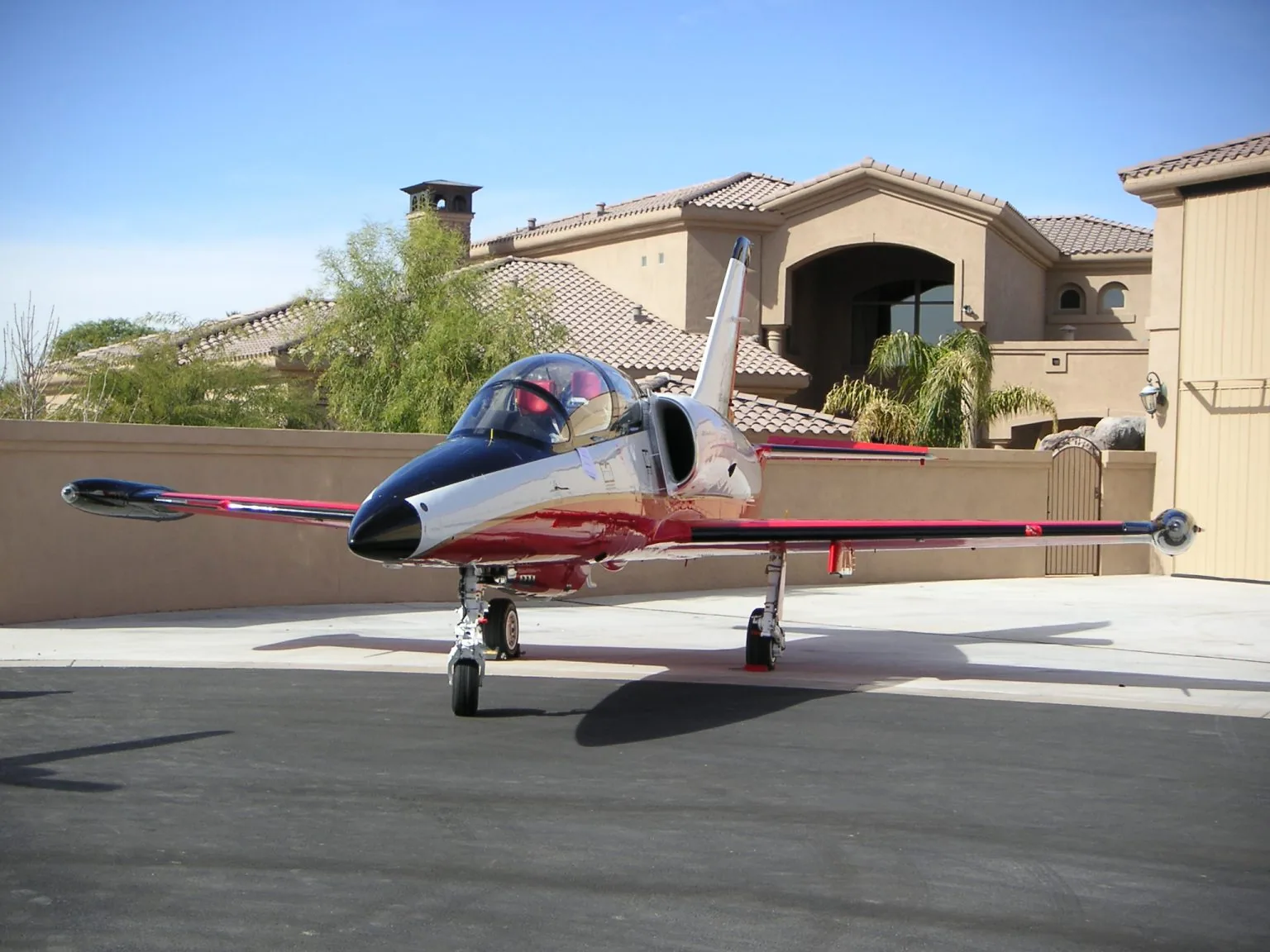
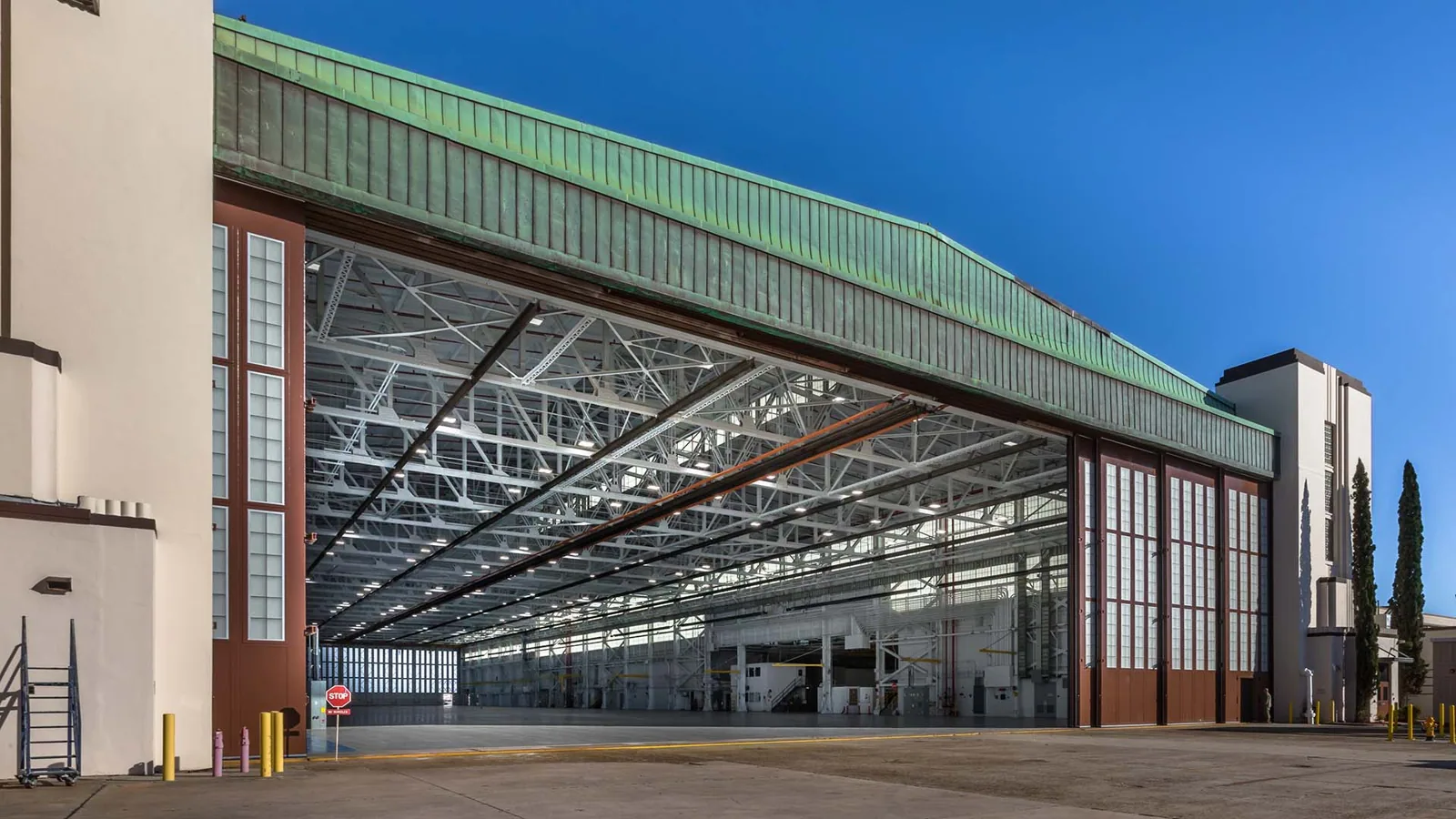
Commercial roof repair around Stellar Airpark in west Chandler: metal hangar roofs, membrane puncture repair, leak tracing and staging planned around aircraft and hangar doors.
The right repair for a hangar depends on what's actually on the roof. Some buildings around Stellar Airpark have metal panel roofs, others have flat membrane roofs, and some have both on different sections. We ask the operator where the problem is and how to get up there, then inspect before choosing parts or prep work. If another trade has to finish something first, such as resetting an exhaust fan or repairing a skylight, we tell you before we close up the roof. The operator gets a step-by-step plan they can review and schedule around.
Stellar Airpark sits in west Chandler, with hangars, shops and business buildings in the surrounding area. Send us the property address and a contact. We also work in the Chandler Airpark area around the municipal airport and throughout West Chandler. The roof type decides the repair method, and the size of the job decides how much room we need on the ground.
Installed panels and failed connections
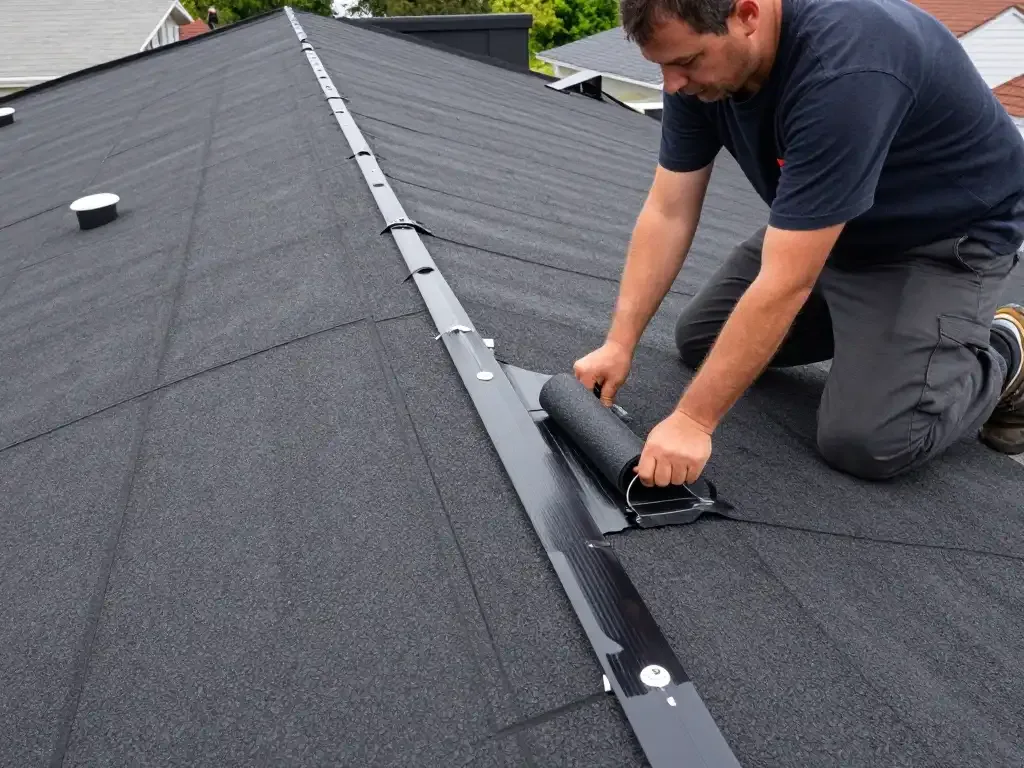
Metal hangar roofs fail in predictable spots. Exposed fasteners back out as panels expand and contract in the heat, and their rubber washers dry out and crack. Side laps and end laps open up. Ridge caps and eave trim work loose. Rust starts at cut edges, scratches and areas where water sits. Penetrations for vents and skylights are often sealed with caulk that's long past its life.
For metal roof repair, we start by confirming the panel profile, gauge and whether it's a through-fastened or standing seam system. Replacement parts have to match, or they won't seal. Fasteners are replaced with the correct size and washer. Damaged panels are swapped out instead of being smeared with sealant.
Where a panel is rusted through, we check the panels beside it and the purlins underneath. Rust rarely stays in one spot. If a coating makes sense for the rest of the roof, we'll explain it, but only after the fasteners, laps and damaged panels are fixed.
Membrane damage and supporting layers
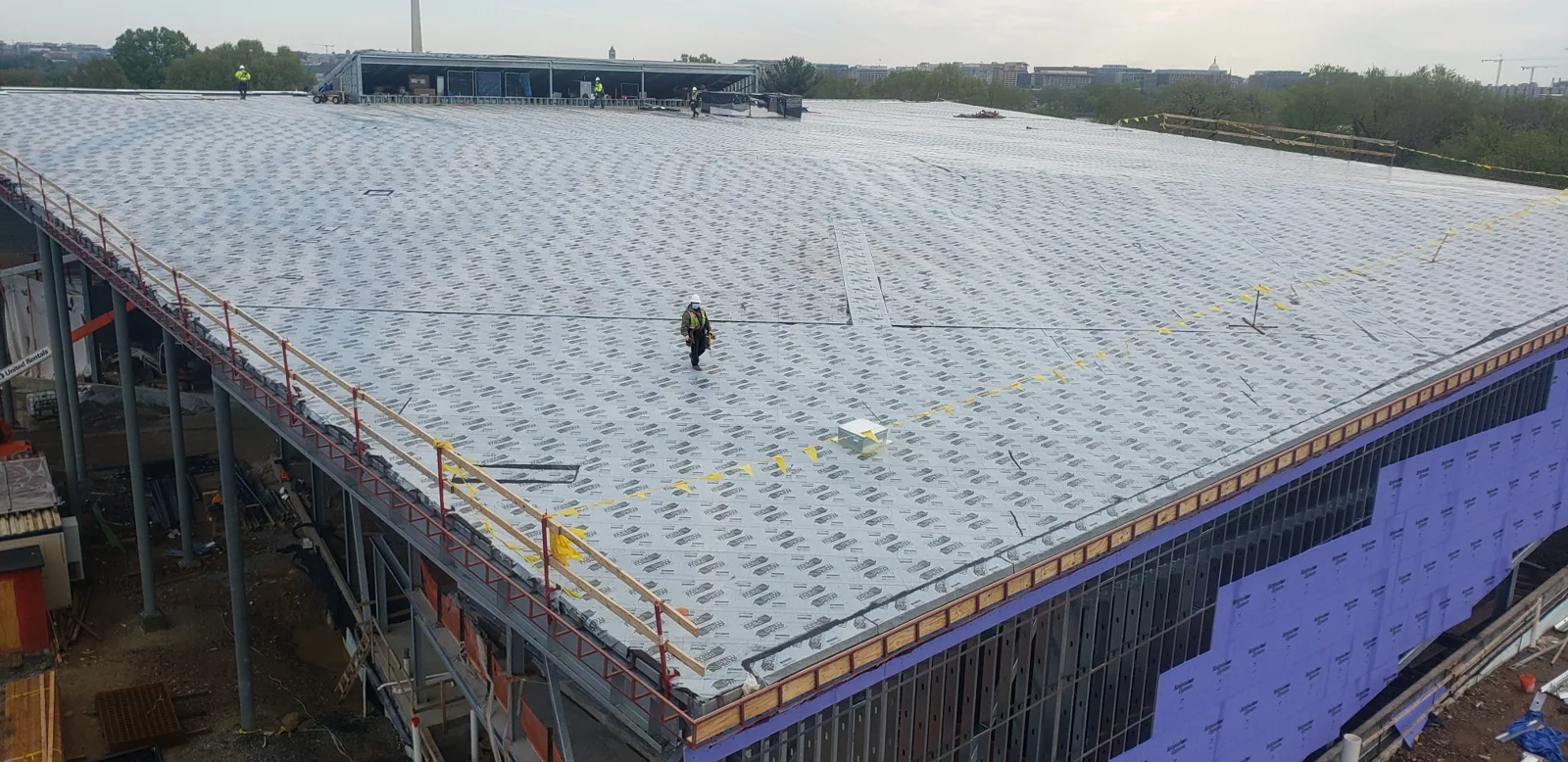
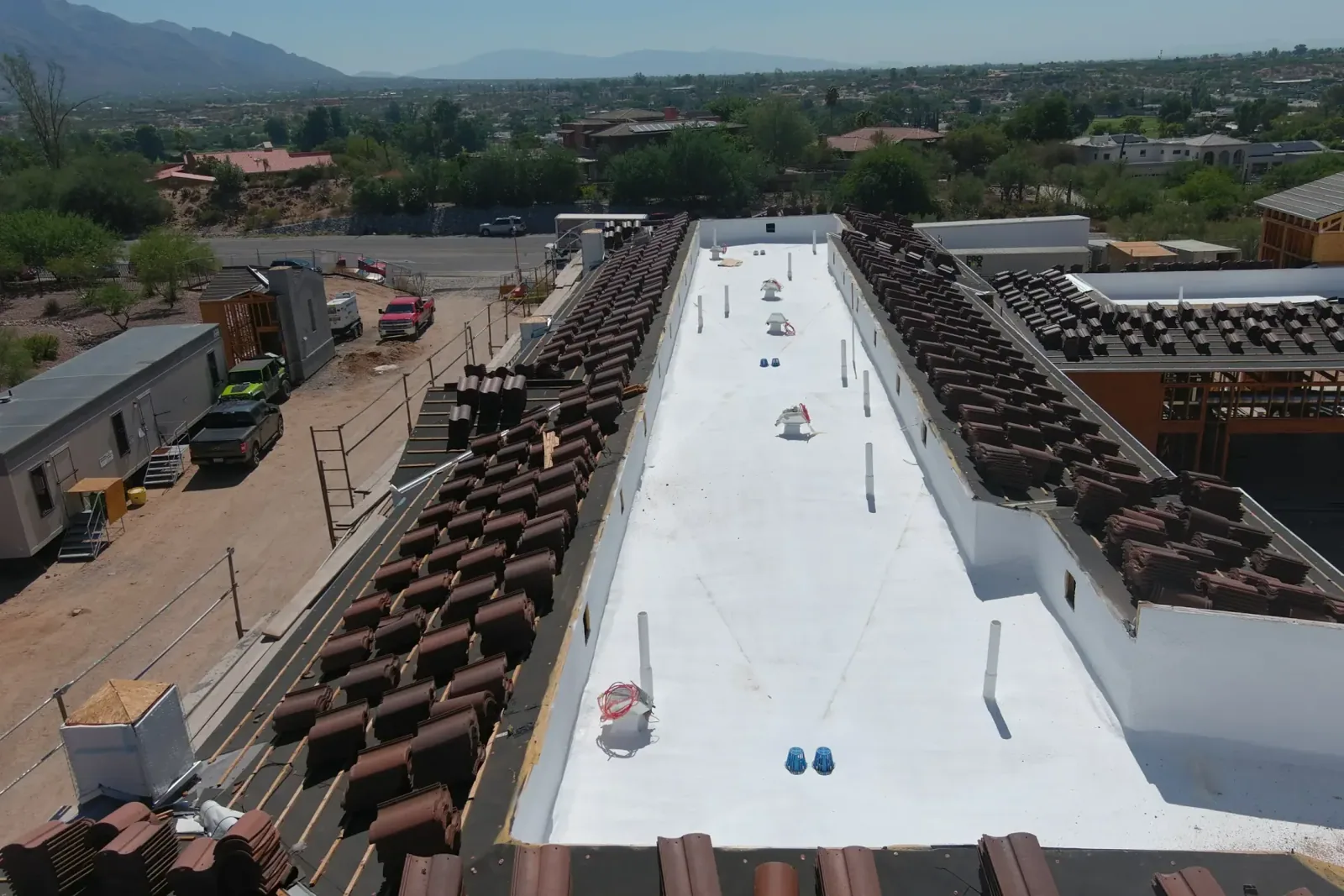
Flat sections over offices, shops and hangar additions are usually TPO, modified bitumen or built-up roofing. The most common damage is a puncture: a dropped tool, a dragged part, a heel on soft membrane during a hot afternoon. A small hole near a rooftop unit can let a lot of water into a hangar during a summer storm.
For membrane puncture repair, we check the membrane around the hole. If it's flexible and well bonded, we clean it, prepare the surface and install a patch of matching material that extends well beyond the damage. If the membrane is brittle or has shrunk away from the edges, a patch won't last long, and we'll say so.
We also check under it. Wet insulation has to be cut out and replaced, or the patch will sit on soggy material and fail. We photograph that and get approval before expanding the repair. Walkway pads along service routes are a cheap way to prevent the next puncture.
Water report and drainage inquiry
We start where the operator saw water, whether that's a drip onto a wing, a puddle on the hangar floor or a stain in an office ceiling. Then we inspect the roof above and upslope: fasteners, laps, flashings, skylights, gutters and drains. On large metal roofs, water can travel along a panel rib a long way before it drops.
For leak repair at Stellar properties, we also rule out non-roof sources. Uninsulated metal hangars can sweat on cool mornings, and condensation dripping from the underside of the panels looks a lot like a leak. Hangar door seals and wall panels can let in wind-driven rain. Clogged gutters and downspouts can back water up under the panel edges.
If the source isn't clear on the first visit, we explain what we ruled out and recommend the next step, such as a hose test along a specific lap or wall. Every finding is photographed and marked so the follow-up starts in the right place.
Operator routes and work footprint
Around an airfield, the ground plan matters as much as the roof plan. We ask the operator where our truck can park without blocking a taxiway, a neighbor's hangar or aircraft movement. We also need to know where materials can be staged, where debris can go and whether a lift can be set up safely. Loose roofing debris near aircraft is a hazard, so we keep it contained and cleaned up daily.
For hangar roofing, we also ask what's inside. An aircraft in for maintenance, a stored plane or a workshop all have different tolerance for dust and overhead work. If the hangar door needs to stay operable, we plan around its track and motor.
A small repair might take a ladder and a morning. A larger job needs a staging area for several days. We show the operator where everything would go before scheduling, and revisit it if the scope changes once we open the roof.
Larger options and completion account
If repairs keep coming back or the metal is rusting across large areas, it may be time for a bigger project: a retrofit roof over the existing panels, a foam-and-coating system or a full replacement. Before recommending one, we check more of the roof, including panel condition, fasteners, purlins and, on membrane sections, insulation moisture. One problem area doesn't tell you about the whole roof.
Each option has a different footprint on the ground: more deliveries, a bigger staging area, possibly a crane. We lay that out alongside the price so the operator can compare disruption as well as cost.
Between visits, any open area is sealed before the crew leaves. The operator knows what's finished, what's temporary and who to call if water appears. At closeout, they receive before and after photos, documentation of any hidden repairs, approved changes and a list of anything we noticed but didn't fix. That record makes the next inspection faster.
Commercial Roofing Questions
How do you choose the right repair for a metal hangar roof?
We confirm the panel profile, gauge and fastening system on site, then use matching fasteners, panels and trim so the repair actually seals.
What changes if the section is a flat membrane roof?
We identify the membrane, check the surrounding sheet and insulation, and install a compatible patch or repair. Wet insulation is replaced first.
What ground information do you need from the operator?
Where trucks can park, where materials and debris can go, which taxiways and hangar doors must stay clear and what's inside the hangar below the work.
Why might a larger project need more inspection?
A retrofit or replacement covers the whole roof, so we check panels, fasteners, framing and moisture across it before recommending an option or a price.
What should the operator know after each visit?
What's finished, what's temporarily sealed, what comes next and who to call if water shows up before we return.
Schedule a Stellar Airpark area roof inspection
Tell us which hangar or building and who manages it. We'll inspect the roof, explain the repair and plan staging around aircraft and hangar operations.
Request a Roof AssessmentAll Service Areas