Home / Commercial Roofing Services / Storm Damage Roof Repair
Storm Damage Roof Repair in Chandler, AZ
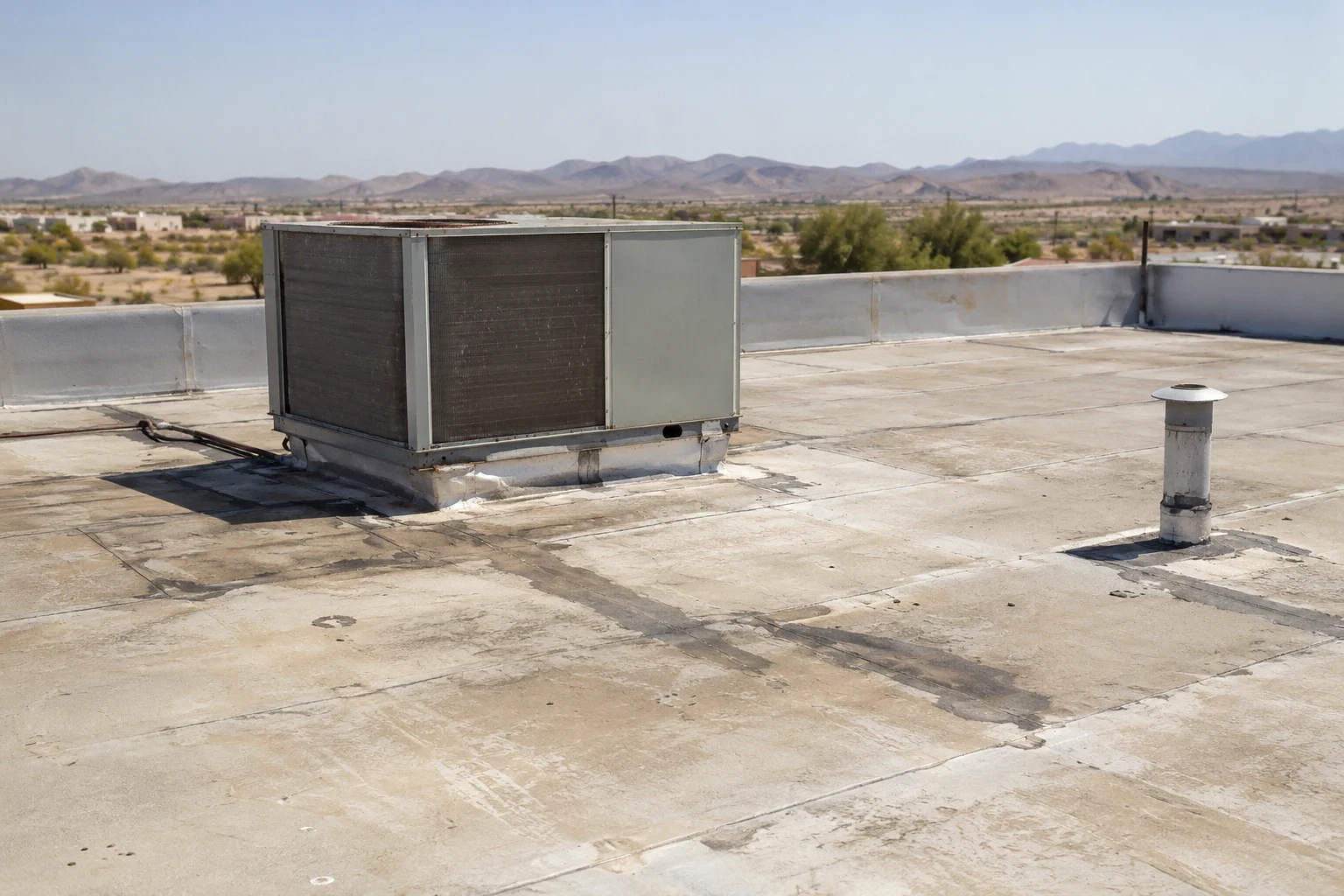
Commercial storm damage roof repair in Chandler, AZ: fast temporary protection after monsoon wind and hail, a clear damage assessment, and permanent membrane, edge and flashing repairs.
Monsoon storms in the Chandler area can bring strong wind, heavy rain and sometimes hail in a short burst. After a storm, a hangar or warehouse owner's first questions are simple: where is the roof damaged, is water getting in, and what has to happen now versus later? We find the damaged areas, separate what the storm did from older wear, and put temporary protection where it's needed. Then we plan the permanent repair.
Around Chandler Airpark, near Chandler Municipal Airport, many buildings are hangars and industrial shops with large, exposed roofs and long runs of edge metal. When we inspect after a storm, we note torn or loose membrane, lifted edges, damaged flashing and any water inside. Damage we can't fully see, like wet insulation under a torn area, gets checked before the permanent repair is priced. If another trade needs to fix something first, such as a damaged rooftop unit, we note that too.
What happened and what we found
We start with what you saw: when the storm hit, where water came in and any photos taken right after. Then we inspect the roof and note each damaged area on a roof plan with photos. A split or tear on the roof doesn't always mean the storm caused it. Some damage was already there. We keep storm damage separate from older wear so the repair plan and any insurance claim are accurate.
Our roof condition report after a storm lays out what we found, where, and what we recommend. If you have older photos or inspection reports, we compare them to tell new damage from old. We don't blame every problem on the last storm just because we inspected afterward. Old patches, worn seams and existing ponding are noted on their own, so the report holds up and the repairs make sense.
Temporary protection
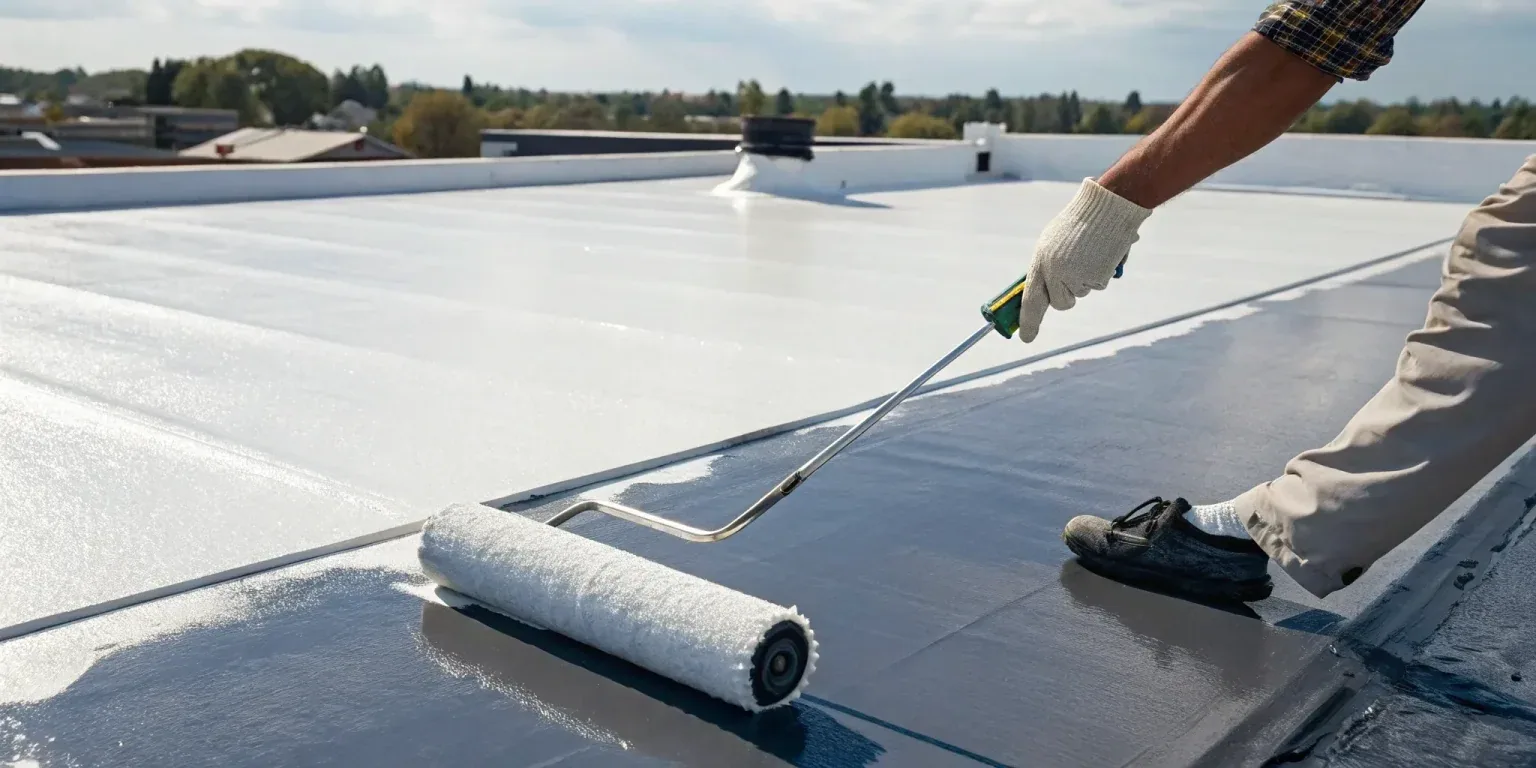
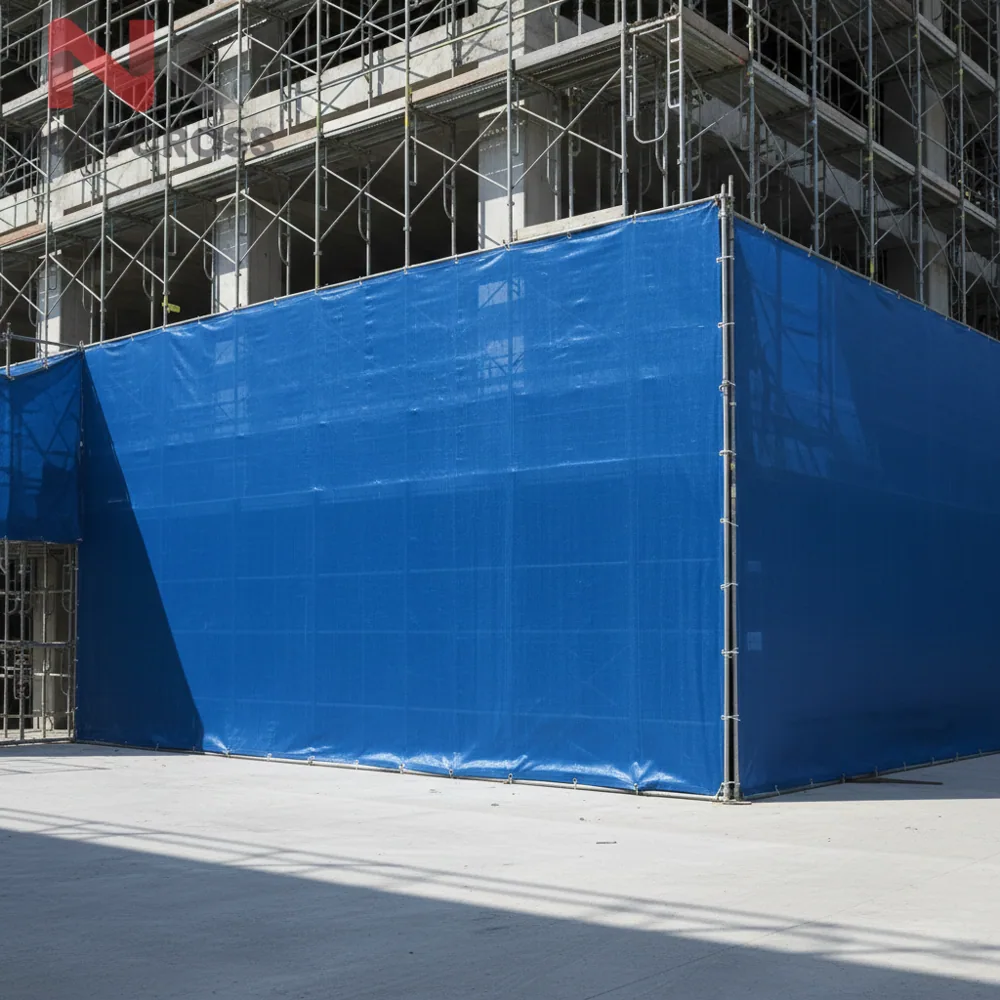
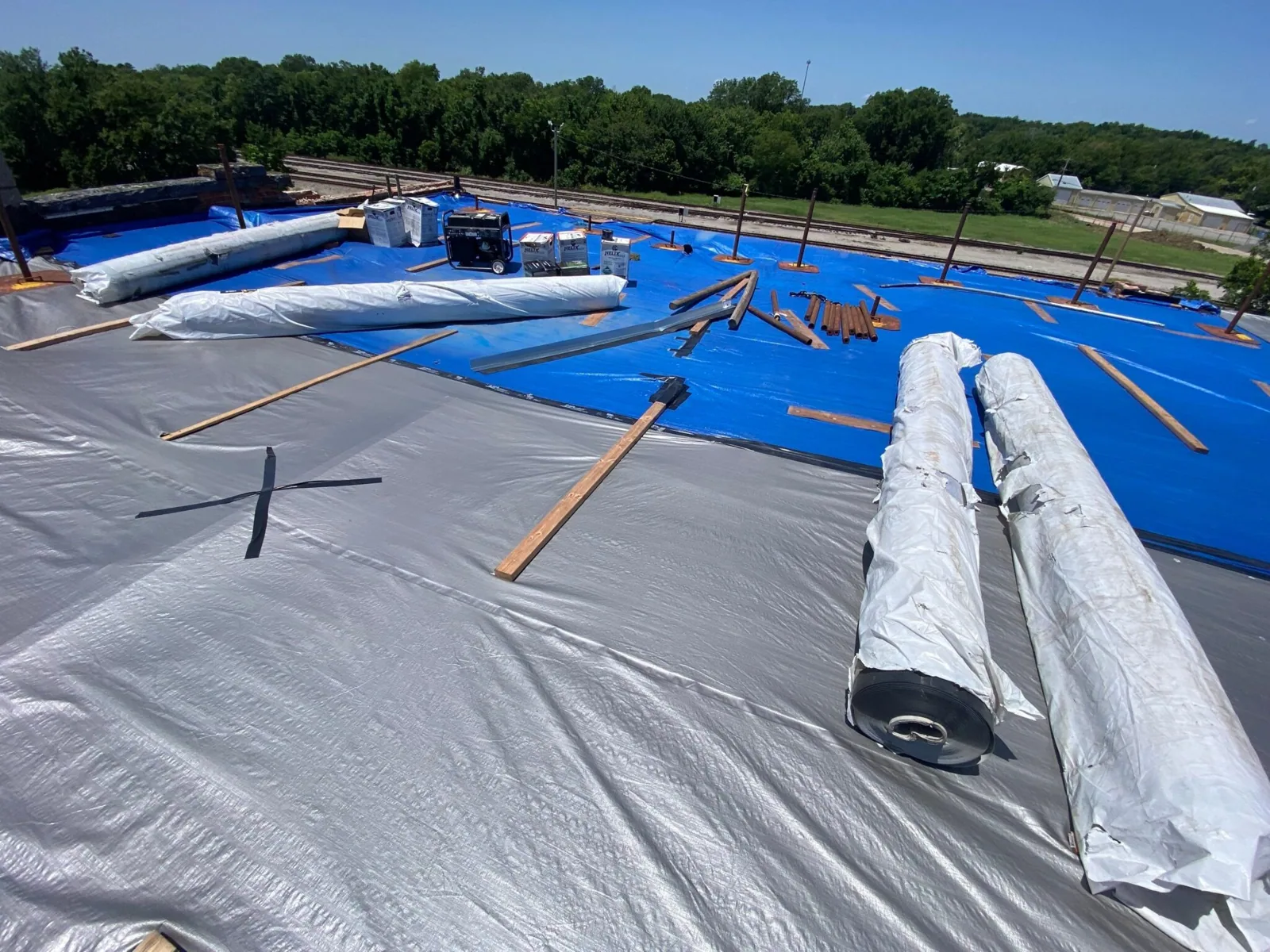
If water is getting in, the first job is to stop it. Temporary repairs might be a patch over a torn area, tarps secured over an opening, or sealing a lifted edge. We record what we put down, where, and what it's meant to cover. A temporary repair buys time. It isn't a finished fix, and the roof around it may still be exposed.
Our emergency roof repair crews document every temporary repair with photos and locations, and note any areas still at risk. We tell you when the temporary work needs to be checked or replaced, especially if more storms are expected. A temporary patch doesn't prove the insulation underneath is dry. You'll know what was done, what's still open, and what comes next before the permanent repair is scheduled.
Torn membrane and lifted edges
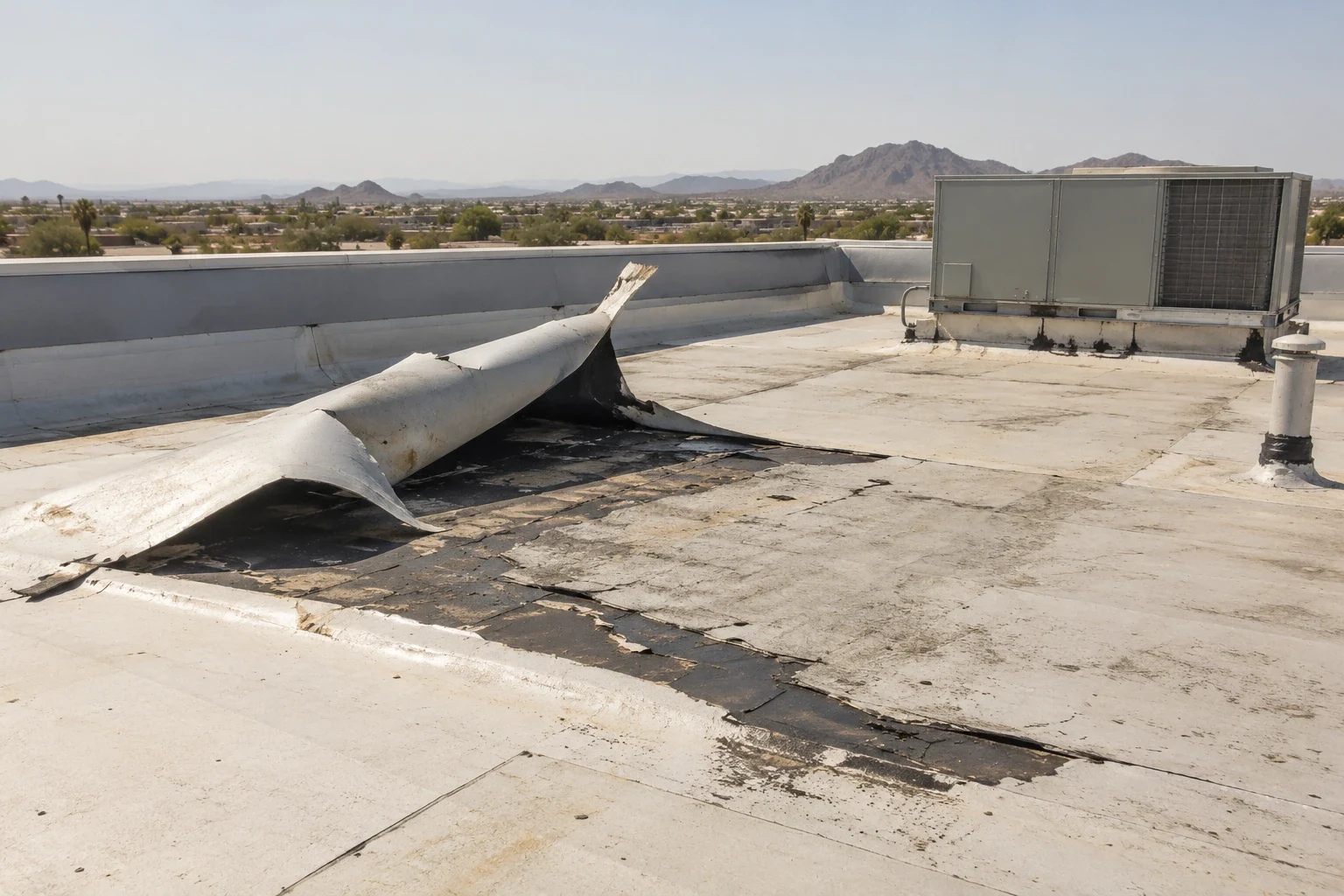
Wind damage on commercial roofs usually starts at the edges and corners, where uplift is strongest. Once edge metal lifts, wind can get under the membrane and peel it back. We inspect torn or loose membrane, the roof around it and the edge metal or coping holding it down. Fixing the membrane without fixing the edge usually means the same failure happens in the next storm.
A wind damage roof repair covers the torn membrane, any wet insulation underneath and the edge metal or flashing that let the wind in. We list how much membrane comes off, what replaces it, and what edge work is needed. If a rooftop unit or another component was damaged and needs another trade, we note that. A large damaged area may involve several different repairs, and each one appears as its own line you can see.
Hail and impact damage
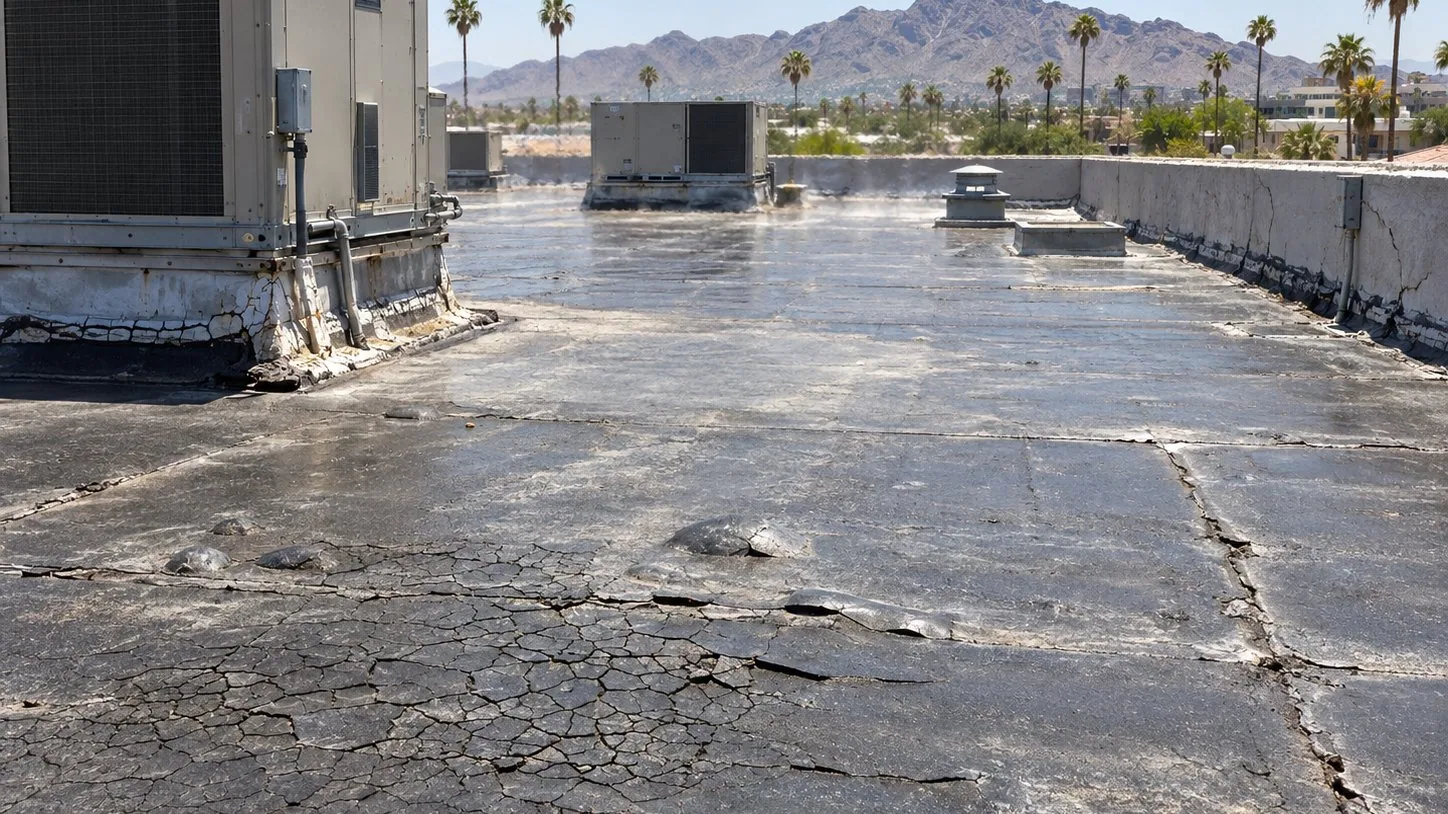
Hail and wind-blown debris can bruise, crack or puncture a roof membrane, dent metal flashing and break skylights. Not every mark is damage, though. Some are cosmetic, and some were there before the storm. We note each impact location and check whether the membrane is actually cracked or punctured. Where we can't tell from the surface, we look closer before calling it damage.
A hail damage roof repair starts with that close inspection of the membrane, flashing and rooftop equipment. Hospitals like Banner Ocotillo Medical Center and other medical buildings in the area need careful scheduling for inspections and repairs. Whatever the building, we repair the damage we can confirm and keep uncertain spots on a separate list for follow-up. We don't pad the repair quantity with marks we haven't verified.
Wet insulation and permanent repairs
A torn membrane often lets water into the insulation underneath. Even after the surface is patched, wet insulation can keep causing leaks and damage the deck. We check the insulation around each damaged area with cores or test cuts and decide how much needs to come out. Visible damage on top doesn't tell you how far the water spread underneath.
The permanent commercial roof repair spells out the tear-off, new insulation, membrane and flashing for each damaged area. Where a quantity depends on more testing, the proposal says so and tells you what we still need to check. You'll see how the permanent repair differs from the temporary work and why it costs what it does. If we find more damage once the roof is open, we show you and update the scope before going further.
Closing out the repair
When the permanent repair is done, each fixed location is marked on the roof plan. We take photos of the insulation and deck repairs before the new membrane covers them. Any changes from the original scope are recorded with the reason. Items still open, like a damaged rooftop unit waiting on the HVAC contractor, are listed separately.
For storm repairs in the Airpark area and across Chandler, that record helps with insurance follow-up and future maintenance. A future leak can be traced against the repair locations. The next roofer can see what was replaced and what was left in place. Storm damage, older wear and finished repairs stay clearly separated in the file, so nobody confuses one with another down the road.
Commercial Roofing Questions
What should a storm damage roof report for a Chandler building include?
Where the roof was damaged, what the damage looks like, photos, and which problems existed before the storm. It should also list the temporary and permanent repairs recommended.
Is a temporary storm repair the same as a permanent fix?
No. Temporary repairs stop water from getting in until the permanent repair can be done. The insulation and roof around a temporary patch still need to be checked.
Why repair the roof edge along with torn membrane?
Wind damage usually starts at lifted edge metal. If the edge isn't fixed, wind can get under the new membrane and peel it back in the next storm.
Is every hail mark on the roof damage?
No. Some marks are cosmetic or were there before. We check each one and only repair confirmed cracks or punctures, keeping uncertain spots on a follow-up list.
What if you find more damage when the roof is opened?
We show you the added damage, explain what it changes, and update the scope and price before continuing the permanent repair.
Get storm damage checked
Send us photos of the damage and tell us where water came in. We'll inspect the roof, put temporary protection where it's needed and give you a clear plan for the permanent repair.
Request a Roof AssessmentAll Commercial Roofing Services