Home / Roof Damage Repair / Heat and UV Roof Damage Repair
Heat and UV Roof Damage Repair in Chandler, AZ
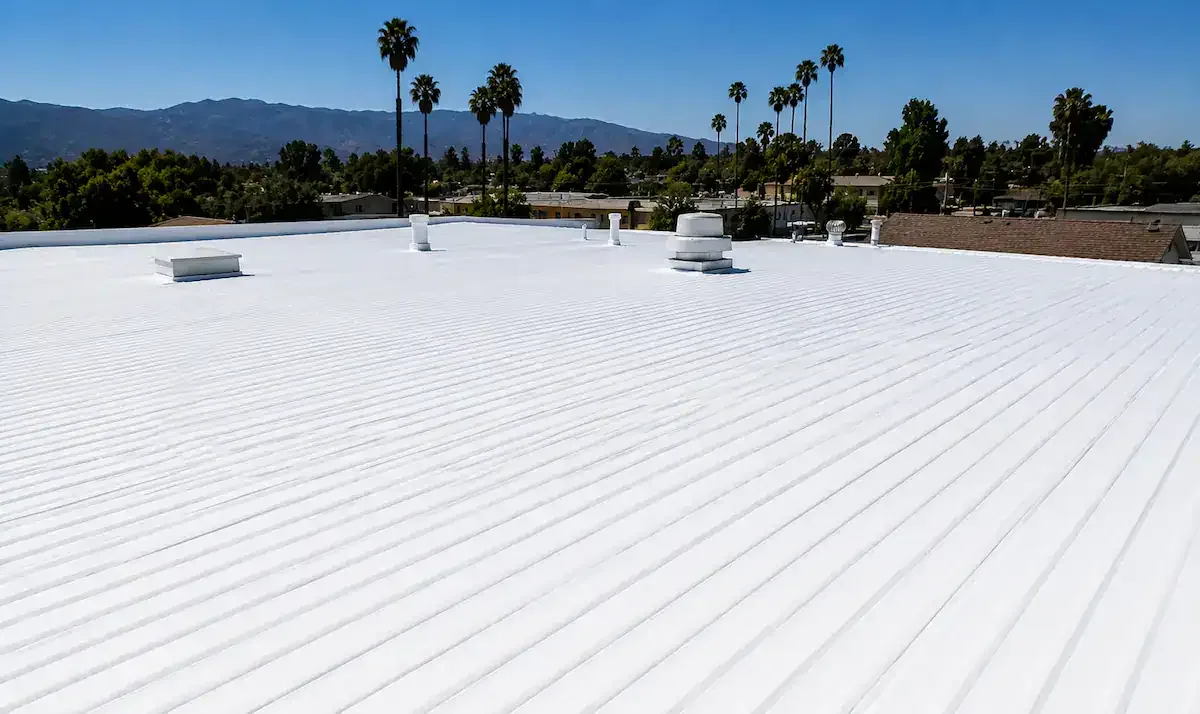
Heat and UV roof damage repair in Chandler, AZ: we check for brittle membrane, cracked coatings and failing seams, then recommend repair, recoating or replacement based on what we find.
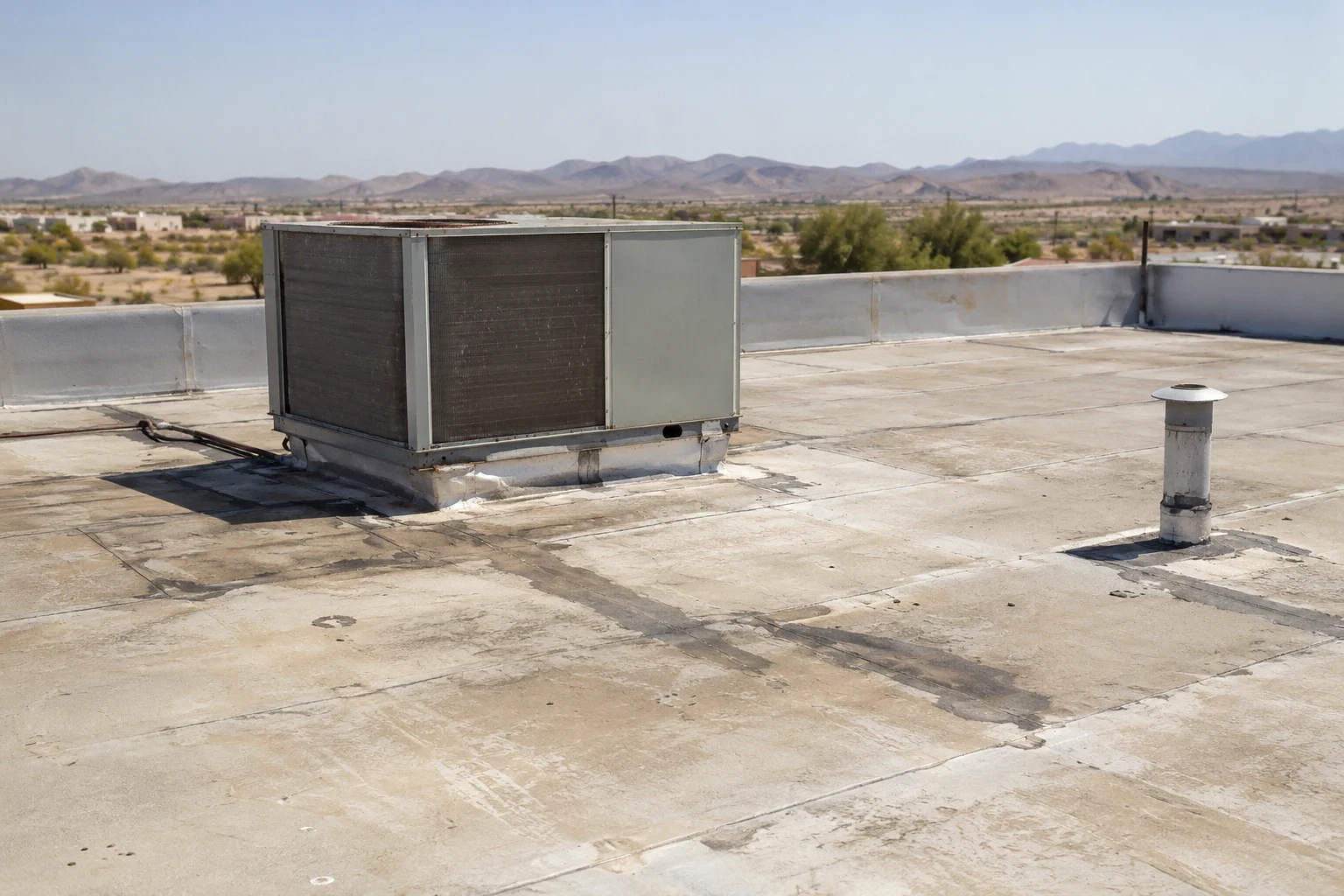
Desert sun is hard on commercial roofs. Months of triple-digit heat and strong UV dry out membranes, crack coatings, shrink flashings and bake the seams on retail buildings across Chandler. The damage usually builds slowly: a little chalking, then surface cracks, then a seam or flashing that finally lets go during a monsoon storm. Heat and UV roof damage repair starts with figuring out how far that wear has gone and whether the roof can still be repaired or recoated.
A hole in the roof is a different problem from general aging. Membrane puncture repair fixes a specific opening. Sun damage is often spread across the whole surface. We check for brittleness, cracking, crazing in coatings and seams that have started to open. A membrane that cracks when you bend a sample is not a good base for patches or a new coating. When the existing roof is too far gone for a durable repair, we tell you plainly and price the tear-off it would take.
What sun damage looks like
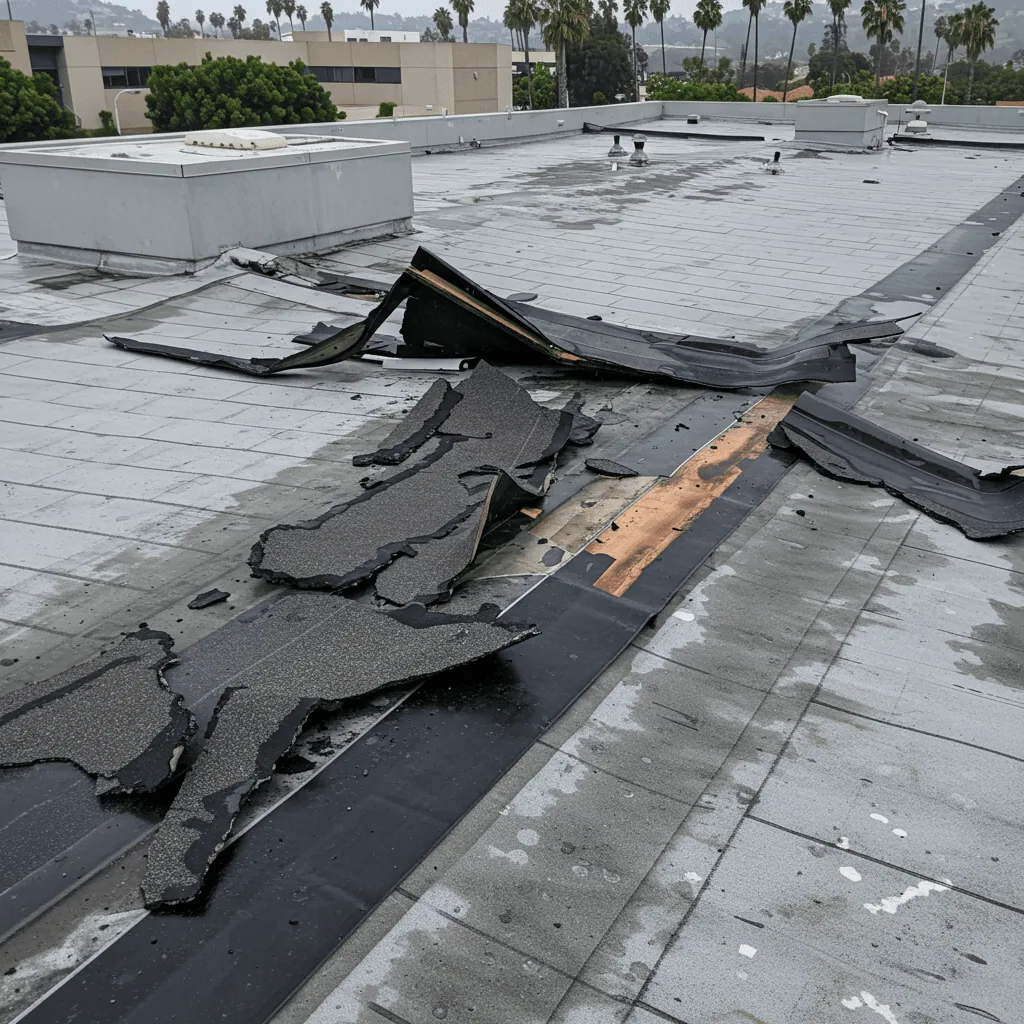
We map visible wear by roof section: surface cracks, crazed coatings, open seams, shrunken flashing pulling away from walls, and old repairs that have failed. Wide photos show whether the damage is in one spot or spread across the roof. Faded color and an open seam are very different problems, and we explain each one rather than lumping every sign of age into the same repair.
Our roof inspection compares what we see with any installation and maintenance records you have. We identify the roof system and note which areas we were able to reach. If you have an active leak, we trace it to the seam, penetration or drain where water is getting in, rather than blaming the sun just because the roof looks worn.
A single cracked spot may only need a repair. Widespread cracking across a section calls for a closer look at that whole area. If the condition of the insulation matters, we recommend testing. You get a map of the problems, what each one means and the decision you need to make.
Knowing what roof you have
Before choosing a repair, we confirm what the roof is made of. A white TPO and a white-coated modified bitumen roof can look the same from the ground but need completely different repair materials. Records help, but we check the roof itself. A repair method that worked on another building is not proof it will bond to yours.
A commercial roof repair on a sun-damaged roof starts with the condition of the material around the problem. If it is brittle or chalky, the repair area may need to grow to reach sound material, and we tell you that up front. A new coating or patch on top does not fix wet insulation or a damaged deck underneath, so those are listed separately.
We do not promise a roof has a certain number of years left without the evidence to back it up. We tell you what we found and what work it supports. If someone else gave you a remaining-life estimate, we note where it came from.
Surface prep
Any repair or coating needs a clean, sound surface to bond to. We look for chalking, old sealant, dirt and loose granules that would interfere with adhesion. Cleaning removes surface contamination, but it cannot fix a membrane that has turned brittle. If the surface is too far gone, that section has to be cut out and replaced. The scope spells out what stays and what comes off.
Our seam failure repair is handled as its own item. A seam that has baked open needs different work than surface cracking nearby. We probe the seams in the affected area rather than assuming they are fine because one looks good, and we mark each repair on the roof plan.
For buildings in Downtown Chandler, we confirm the building address, the roof section and the property contact before scheduling work.
Walls, curbs and flashing
Heat makes flashing shrink and pull at walls and curbs, and sealant at terminations dries out and cracks. When a repair runs up to a wall or rooftop unit, we check the backing behind the flashing and the surfaces it needs to seal to. HVAC contractors make the decisions about their equipment. If a support or curb needs structural changes, an engineer weighs in. Our scope shows what has to happen at each detail before the roofing can be finished.
A flashing repair covers those wall and curb details. If the backing condition is unknown, we may recommend opening it up first, with the opening patched afterward. Another contractor's appointment on the calendar does not mean the curb is ready.
If opening the roof reveals more damage than expected, we photograph it, explain the extra work and keep the area protected until you approve the change.
Repair, recoat or replace
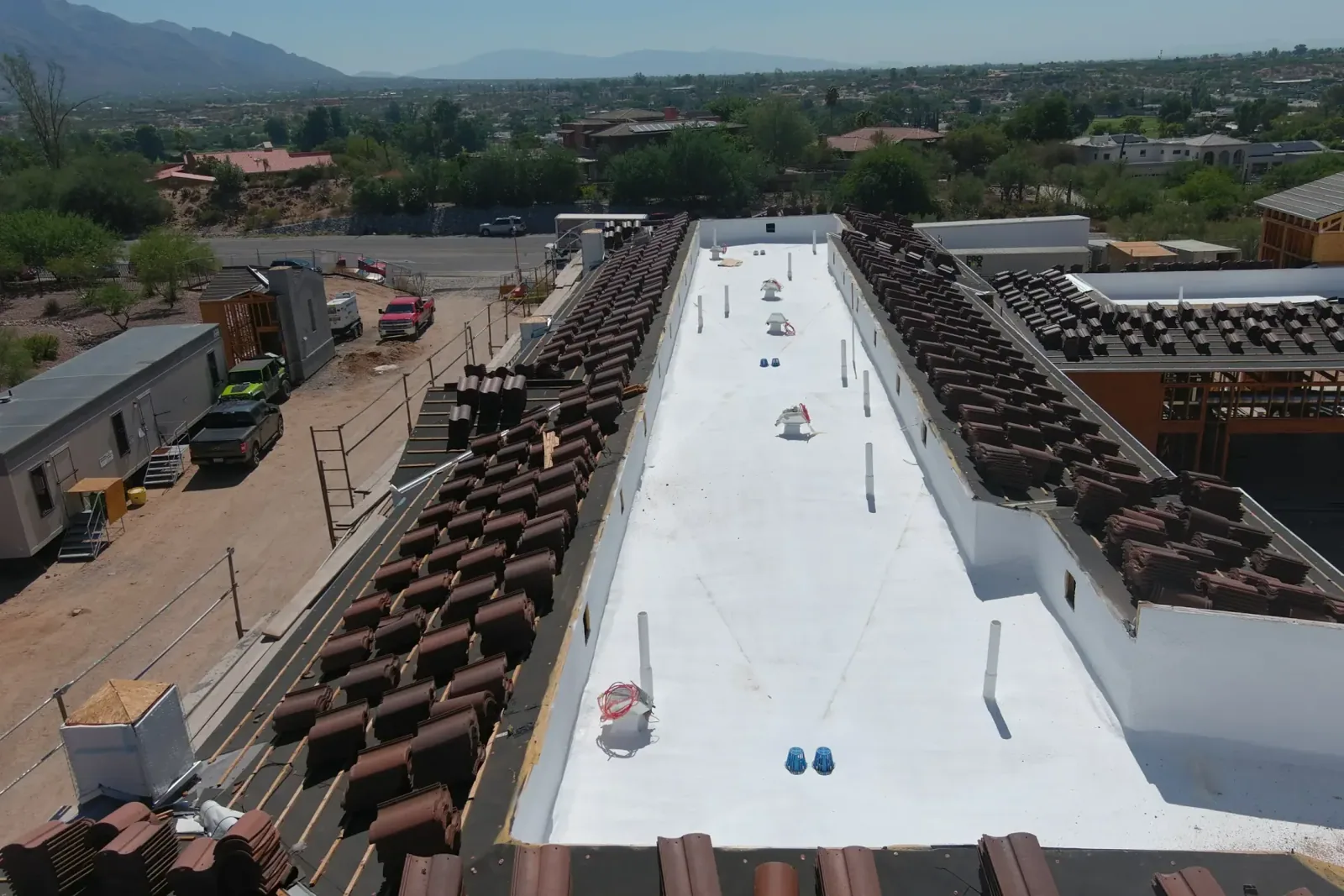
We compare three paths. Spot repairs work when the damage is limited and the surrounding membrane is still sound. A coating can extend the life of a roof that is weathered but intact, provided the membrane and insulation are in good enough shape. Replacement makes sense when the membrane is brittle across large areas and repairs will not hold. Each recommendation comes with the findings behind it and any open questions that could change the scope.
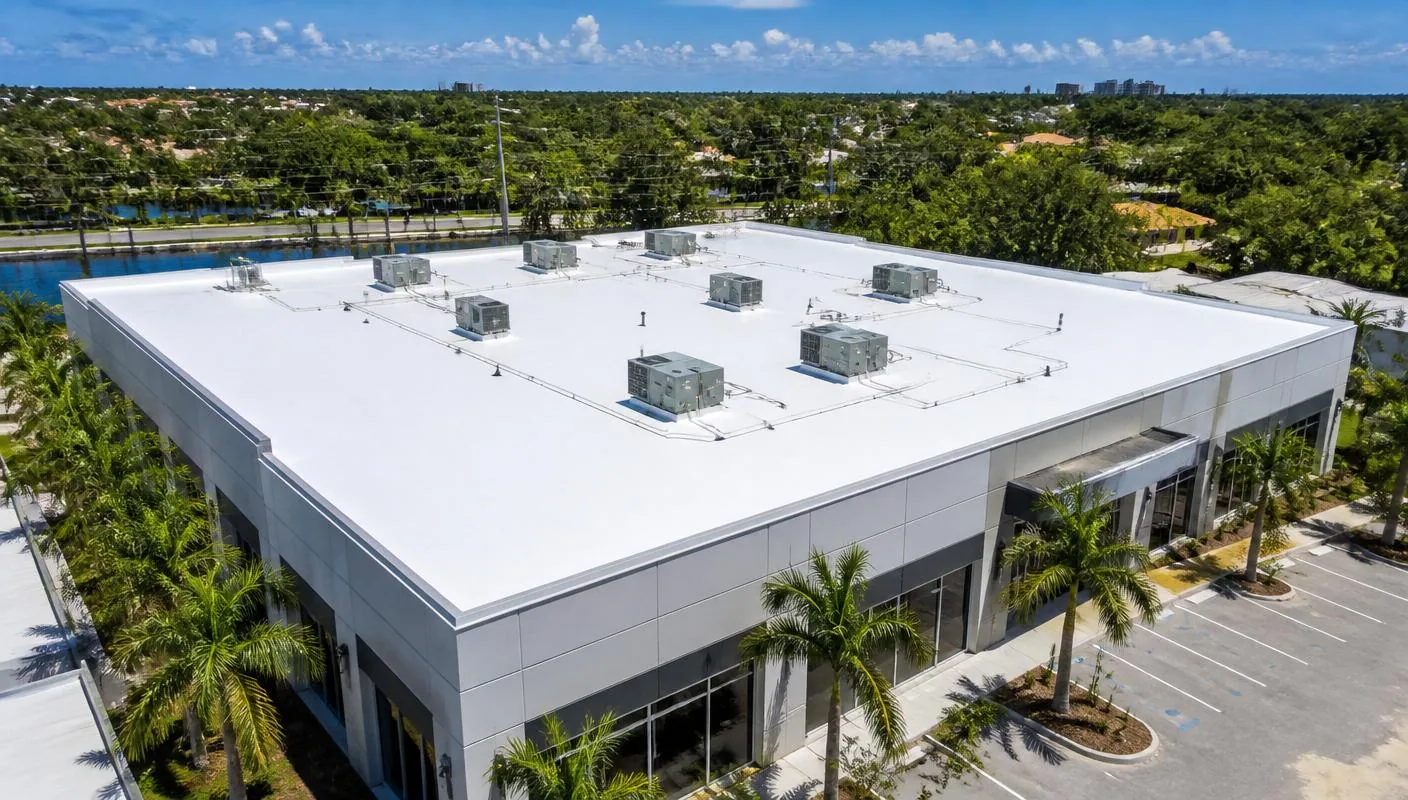
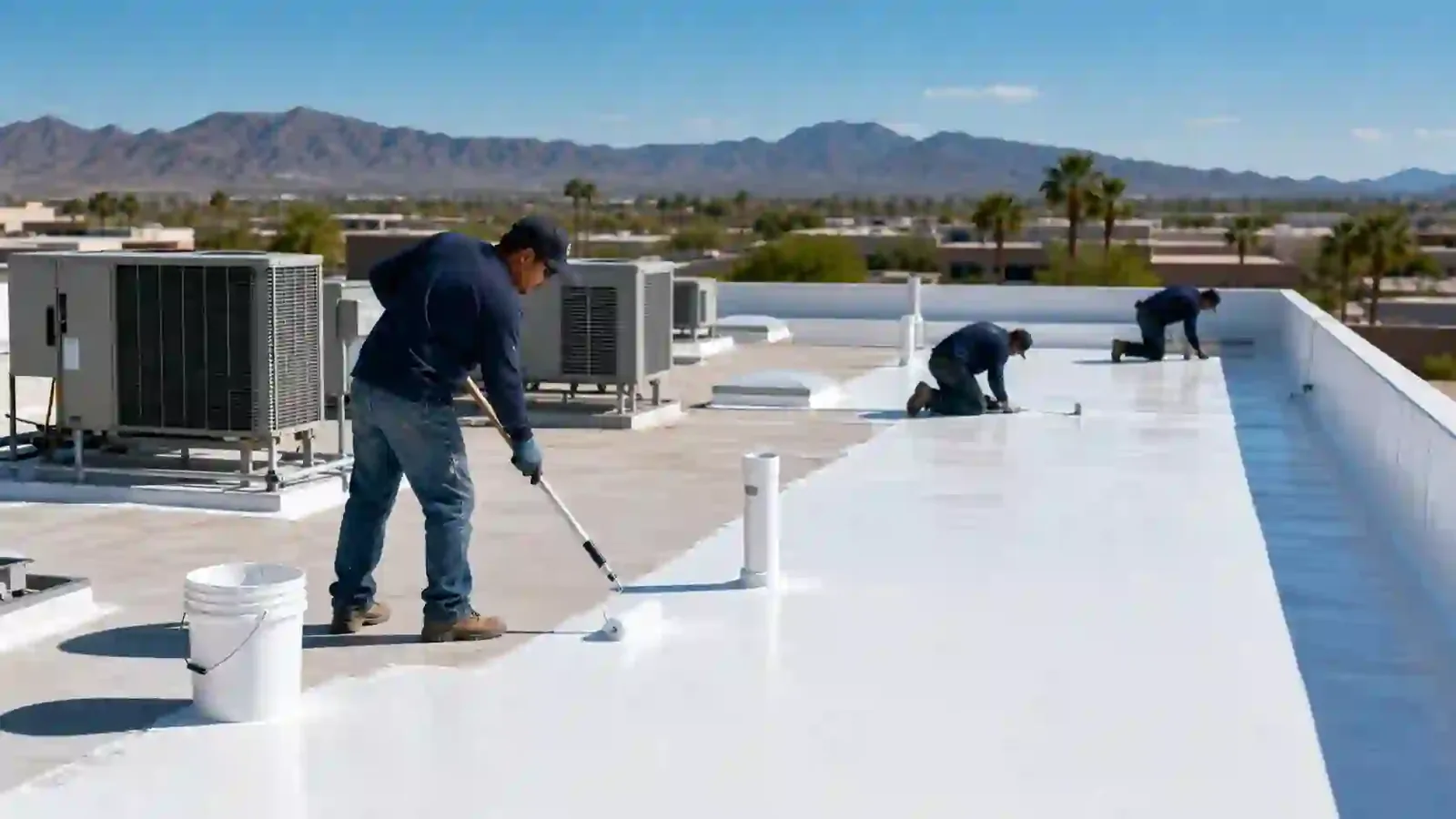
A roof coating restoration always includes the repairs that come first: open seams, failed flashing, wet insulation and damaged areas. We list that prep work, any material that has to come out, and the area to be coated. That way you can compare a full coating scope against a repair or replacement price, instead of a coating price against a vague number.
We keep product data and prep records with the job. If conditions change the quantity, we document the approved change. Access and staging are reviewed with the property manager before work is scheduled, and the final invoice ties back to the conditions found and the work completed.
Records and follow-up
We photograph the prepared surface before new material covers it and document finished repairs against the approved scope. Changes are recorded with the conditions that caused them. Any wall or equipment work still open is listed separately. Fixing one worn section does not mean the rest of the roof has been checked.
For urgent leaks, we offer night and holiday weekend service. Temporary patches are recorded with their location and purpose, and the permanent repair stays on the open list. Future inspections start from the roof as it is then, with these records as a reference.
Commercial Roofing Questions
How do you decide whether a sun-worn roof needs repair?
We look for brittle membrane, cracked coatings, open seams and pulled flashing, and map where they are. The recommendation is based on what we find on the roof, not just how old or faded it looks.
Why does the roof type matter before prep and repair?
Different membranes need different cleaners, primers and repair materials. Two white roofs can be completely different products, so we confirm the system before choosing a method.
Can cleaning fix a brittle membrane?
No. Cleaning prepares a sound surface for repair or coating. If the membrane is brittle or cracking, that section needs to be cut out and replaced.
When does a coating make sense for a sun-damaged roof?
When the membrane is weathered but still intact, the insulation is dry and the needed repairs are done first. A coating over a failing roof just hides the problem for a while.
What records do I get after the repair?
Photos of the prepared surface and finished repairs, notes on any approved changes, and a list of anything still open. That makes future inspections and warranty questions easier.
Get your sun-worn roof checked
Call us to inspect your Chandler roof. We will find the heat and UV damage, confirm the roof system and tell you whether repair, recoating or replacement makes the most sense.
Request a Roof AssessmentAll Roof Damage Repair