Home / Roof Damage Repair / Seam Failure Repair
Seam Failure Repair in Chandler, AZ
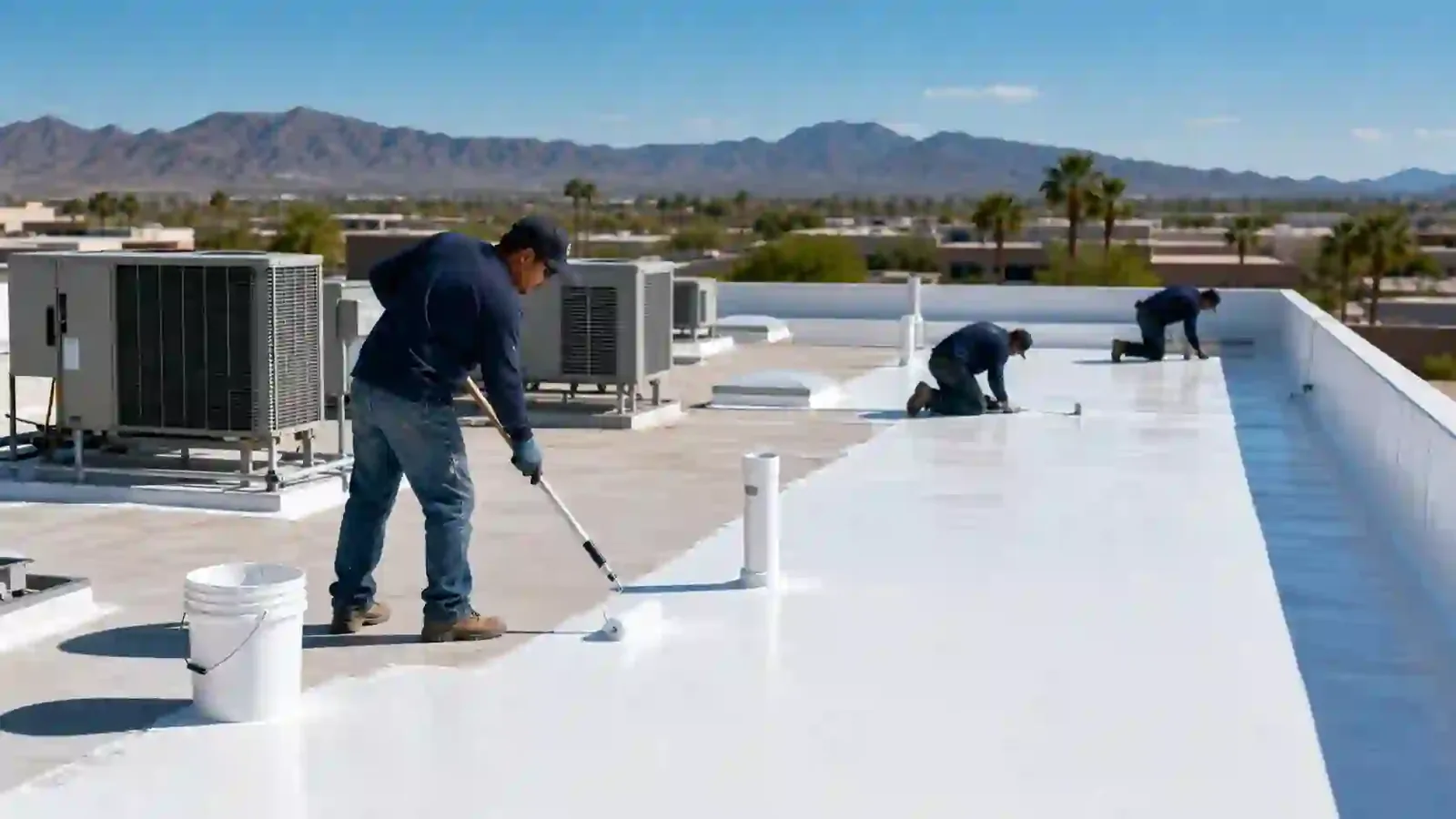
Seam failure repair in Chandler, AZ: we find open laps and failed welds, confirm your membrane type and reseal seams with the right materials so they stay closed.
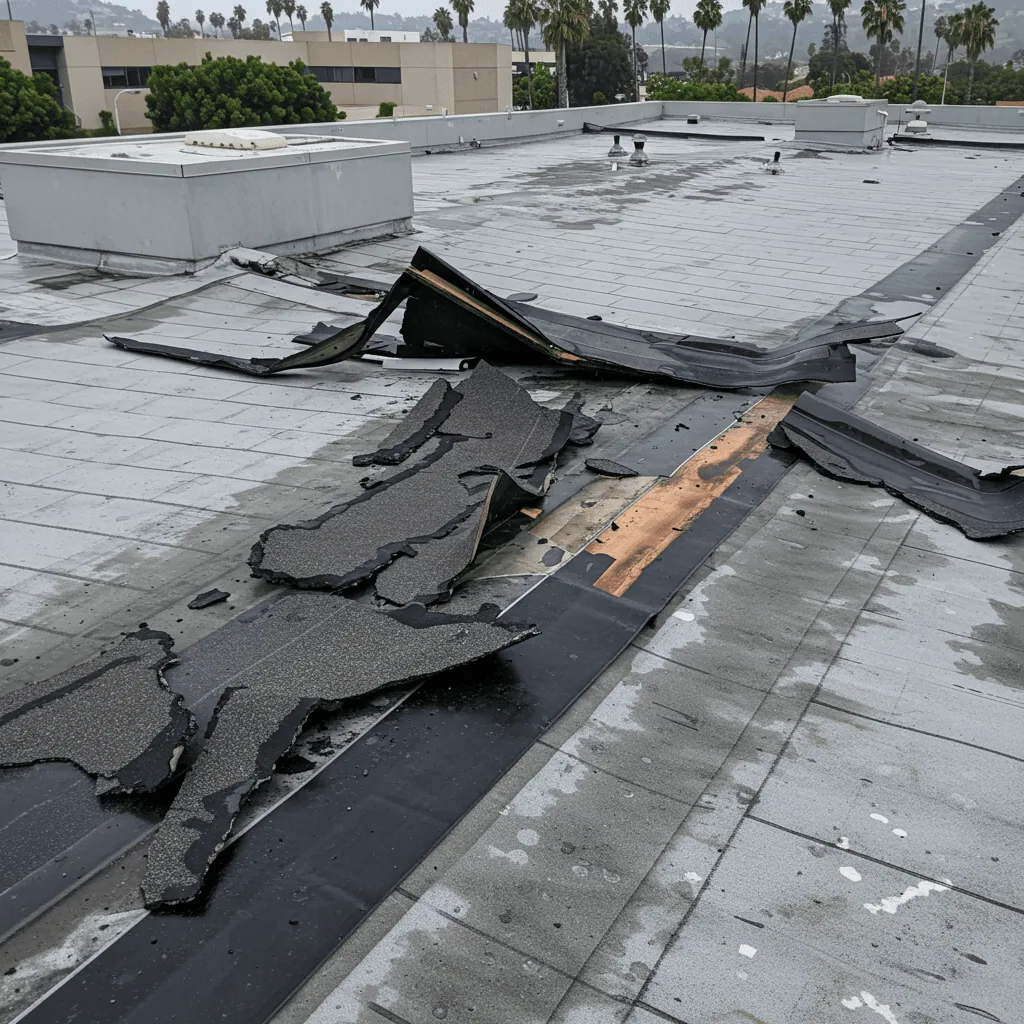
On a warehouse with a single-ply roof, there can be thousands of feet of seams, and every one is a place where water can get in. Heat, cold nights, wind uplift and age all work on them. Welded TPO and PVC seams can come apart if they were not welded well to begin with. Taped and glued EPDM seams dry out and peel. Modified bitumen laps can lift at the edges. Seam failure repair starts with finding every open seam in the problem area, confirming what type of roof you have, and resealing it the right way.
A leak in the warehouse might come from a seam or a puncture, so we check both. Membrane puncture repair is a different fix, and both can show up in the same area. Once we find the open seam, we check the membrane next to it, because a new weld or tape needs clean, sound material to bond to. If seams are failing all over the roof or the insulation underneath is wet, we tell you and explain what more testing would show. That way you can compare a spot repair against a bigger project with real information.
How far it is open
We measure how much of the seam is open and probe along it to find where the bond is still good. We photograph both ends and the surrounding roof. A short opening is a quick repair. Seams failing in many places point to a bigger problem. Each spot gets its own mark on the roof plan, along with any old patches nearby.
Our roof inspection checks seams in the leak area and compares them with where water showed up inside. An open seam may explain the leak, or water may be coming from somewhere else too. We keep those separate so you know what each repair fixes.
If we find several similar defects, we check more of the roof before quoting a lot of repairs. One open seam does not tell us about the rest, and you get a clear scope with the areas we checked.
Knowing your membrane
Before choosing a repair, we confirm the membrane and how its seams were made. TPO and PVC are heat-welded. EPDM uses seam tape or adhesive with a primer. Modified bitumen laps are torched, mopped or self-adhered. We check the roof itself along with any records, and look at old patches to see what was used before. Color alone is not enough to pick the right repair material.
A commercial roof repair for a failed seam spells out how much is open, how much membrane around it stays and how the new seam will be made. Old patches that did not hold may need to come out, and so might damaged membrane next to the seam. The price includes the prep needed to reach good material, plus any insulation testing if the area has been leaking.
We compare a spot repair with wider work based on what we find. A short open seam with good membrane around it usually needs a local repair. Seams failing across a large area mean that whole section needs a closer look. We tell you what more testing would show before recommending a big tear-off, so you do not end up treating every open seam as a replacement job.
Prepping the surface
The membrane next to the seam has to be clean and sound for a new weld or tape to hold. We check it for wear, damage and old sealant or dirt. Aged TPO, for example, sometimes will not reweld without extra prep or a cover strip. If the material is too far gone, we cut it out and replace it. The scope explains why.
Sometimes seams fail in areas where water sits. Ponding water repair is a separate fix. Resealing the seam stops that leak, but a clogged drain or low spot still needs its own repair. If a drain pipe below the roof may be blocked, that is a plumber's job. We list each item separately.
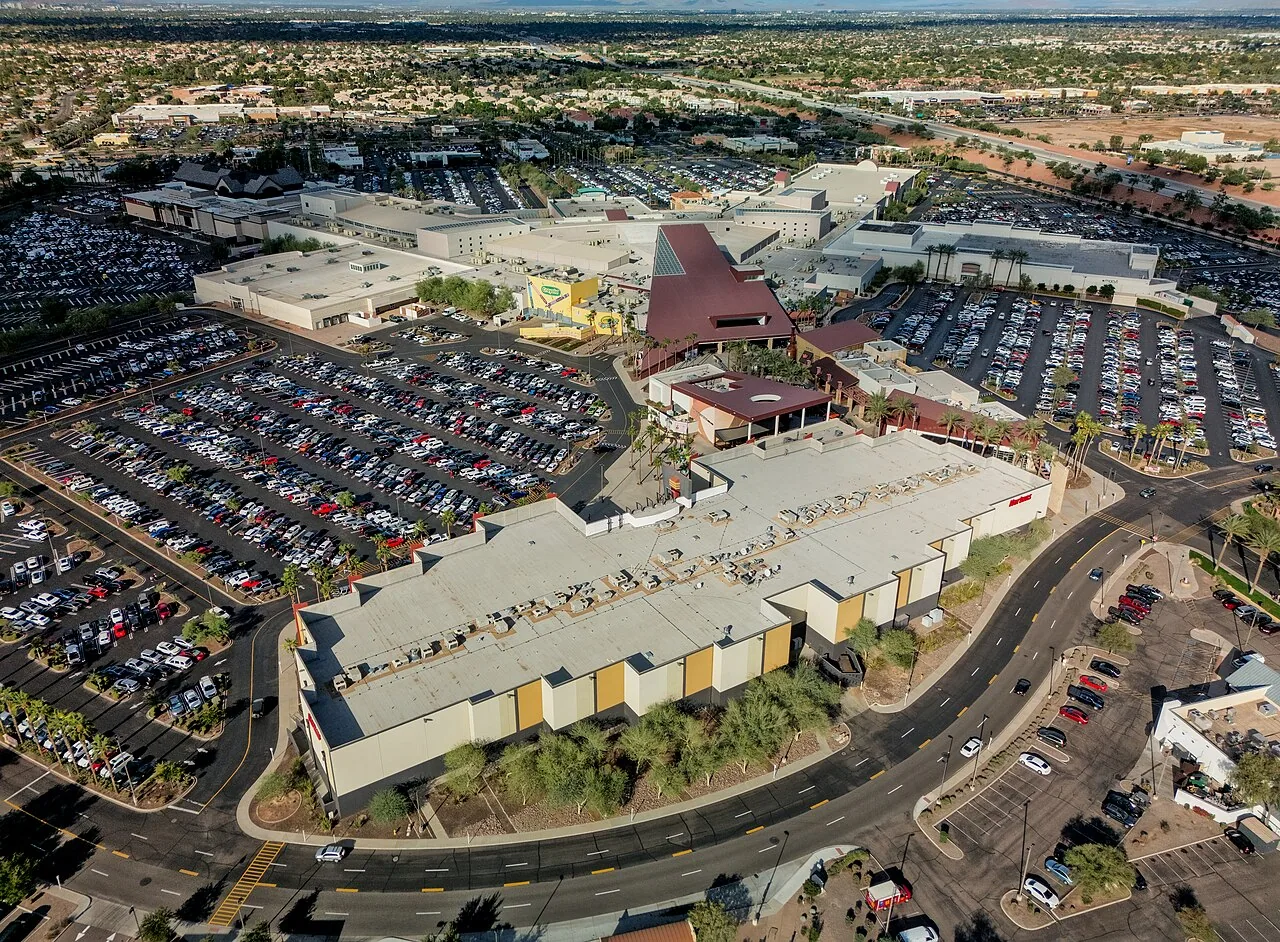
For buildings near Chandler Fashion Center, we confirm the address and roof section before scheduling, and each building's repair is based on its own roof.
Seams near walls and curbs
A failed seam can run into a wall, roof edge or equipment curb. When it does, the repair has to tie into that detail too. That may mean replacing flashing or the backing behind it. HVAC contractors handle their equipment, and if a curb or support needs structural changes, an engineer weighs in. We note what has to happen at each detail before the seam repair can be finished.
A flashing repair covers the wall and curb work. We show what material can stay and what has to be rebuilt. A scheduled HVAC visit does not mean the curb is ready for us. We confirm the curb is ready before we close it up.
If opening the seam reveals more damaged material, we mark it, explain the extra work and get your approval. The area stays protected while you decide.
Scheduling the repair
We plan seam repairs with the warehouse manager around dock schedules, forklift traffic and stored goods. Building staff decide what to cover or move inside. Every building runs differently, so we do not assume the access rules from one site apply at another. We plan each day so the roof is sealed before we leave.
Emergency roof repair can stop a leaking seam fast, including nights and holiday weekends. We record the location, the material used and why. The permanent reweld or retape stays on the open list, along with any testing still needed.
If the repair is waiting on another trade, the area stays protected until they finish. We return once that work is actually done, not just on a calendar date, and your facilities contact can schedule the next step.
After the repair
We take before and after photos of each seam and note the length repaired, the prep done and any insulation or backing work. Approved changes are recorded with the reason. The closeout keeps each repaired seam separate from the seams around it.
Welded seams are probed after repair to check the bond, following the manufacturer's method. We note any open drainage or equipment items. If a leak comes back, we record where and when, compare it with the earlier repair, and find the current source before recommending more work.
Commercial Roofing Questions
How will we find the repaired seam later?
Each seam repair is marked on a roof plan and photographed with nearby landmarks. Seams close together each get their own label.
Why confirm the membrane type before repairing a seam?
Each roof system uses different seam methods and materials. Using the wrong one means the repair will not bond and may void your warranty.
Will a seam repair fix ponding or drain problems nearby?
No. The seam repair stops water at that seam. A clogged drain, low spot or pipe problem needs its own fix, and we list those separately.
What if you find more damage once you start?
We mark the extra damage, explain the additional work and cost, and keep the area protected until you approve the change.
What is the difference between a temporary seam patch and a permanent repair?
A temporary patch stops water quickly. A permanent repair cleans and preps the seam and rewelds or retapes it properly with the right materials.
Get your seams resealed
Call us to inspect the leaking seams on your Chandler building. We will find every open lap in the problem area, confirm your membrane type and reseal them the right way.
Request a Roof AssessmentAll Roof Damage Repair