Home / Property Types We Roof / Army Installation Roofing
Army Installation Roofing in Chandler, AZ
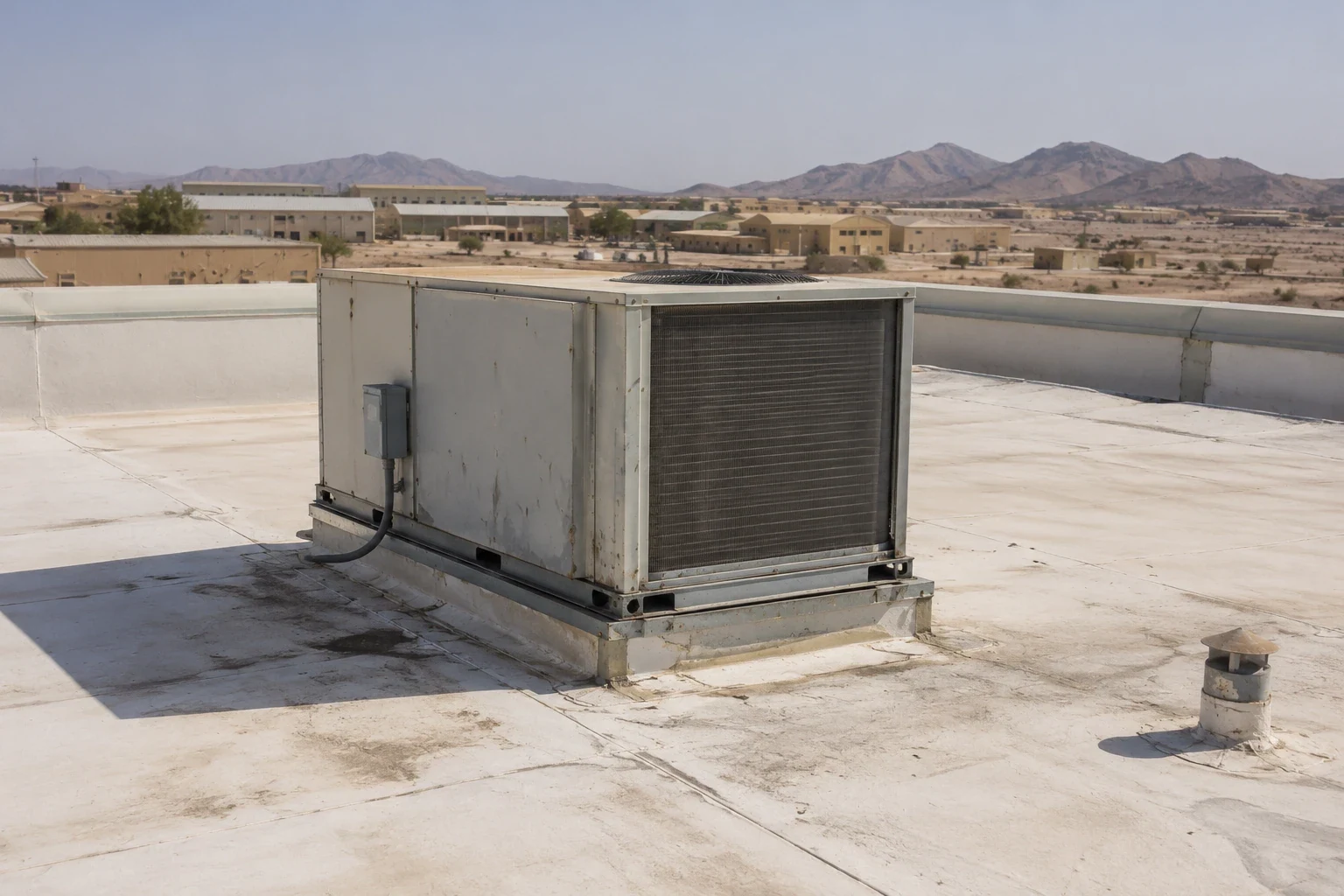
Army installation roofing for Chandler-area and Valley military buildings: leak inspections, repairs and replacements planned around base access, security and mission schedules.
Roof work on a military installation runs on the base's rules, not the contractor's. Access is controlled, crews may need escorts or badging, and some buildings cannot be disturbed during certain operations. For Army installation roofing around Chandler, AZ and the wider Valley, we start by confirming the specific building, the problem you are seeing and the person on the facility side who can approve access. From there we inspect, explain what we found and recommend a repair or a larger project.
The Valley's main Army National Guard post, Papago Park Military Reservation, sits in Phoenix, and every building on a property like that has its own history and roof system. Tell us exactly which building you mean, and send any drawings or past repair records you have. For a military or federal property near the Airpark Area, the same applies: access gets arranged through the facility contact before anyone climbs a ladder. We walk the roof with that contact when possible and agree on where we will open test cuts.
Base access and work rules
The facility office sets the ground rules: gate procedures, escort requirements, work hours, restricted areas and any building that must stay quiet during training or operations. We review the work method, the route for carrying material onto the roof and where the dumpster or debris chute will go. If people are working below, we agree on how to keep them separated from falling debris and fumes. Equipment owners shut down or protect their units before we work near them, and those steps go on the schedule ahead of our crew.
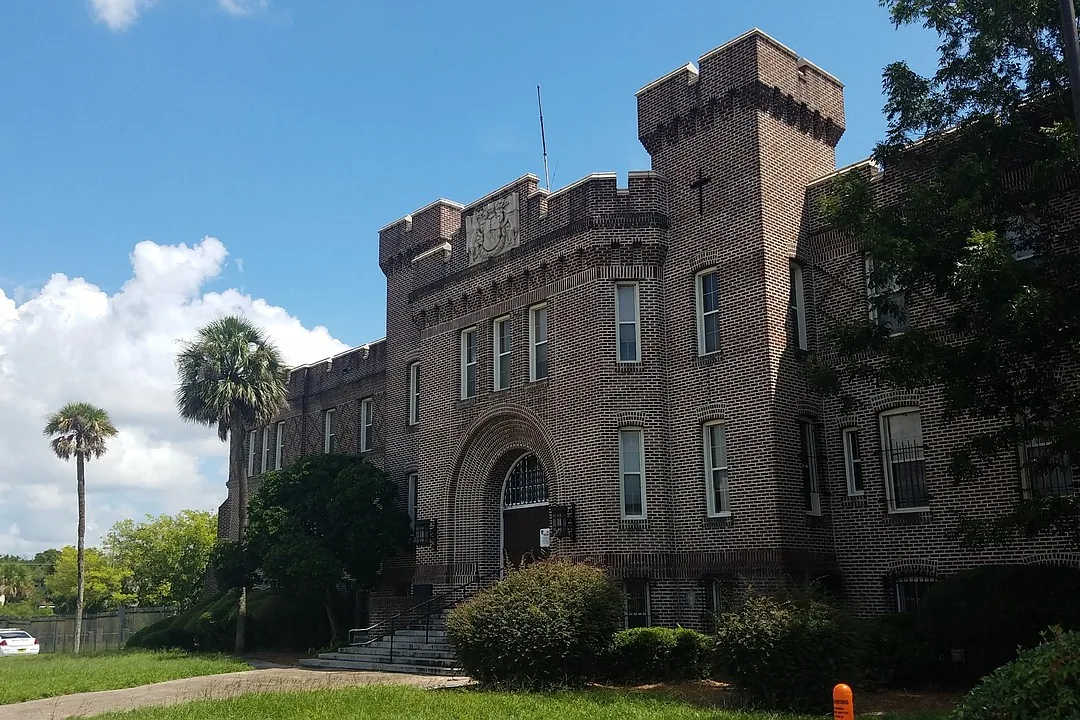
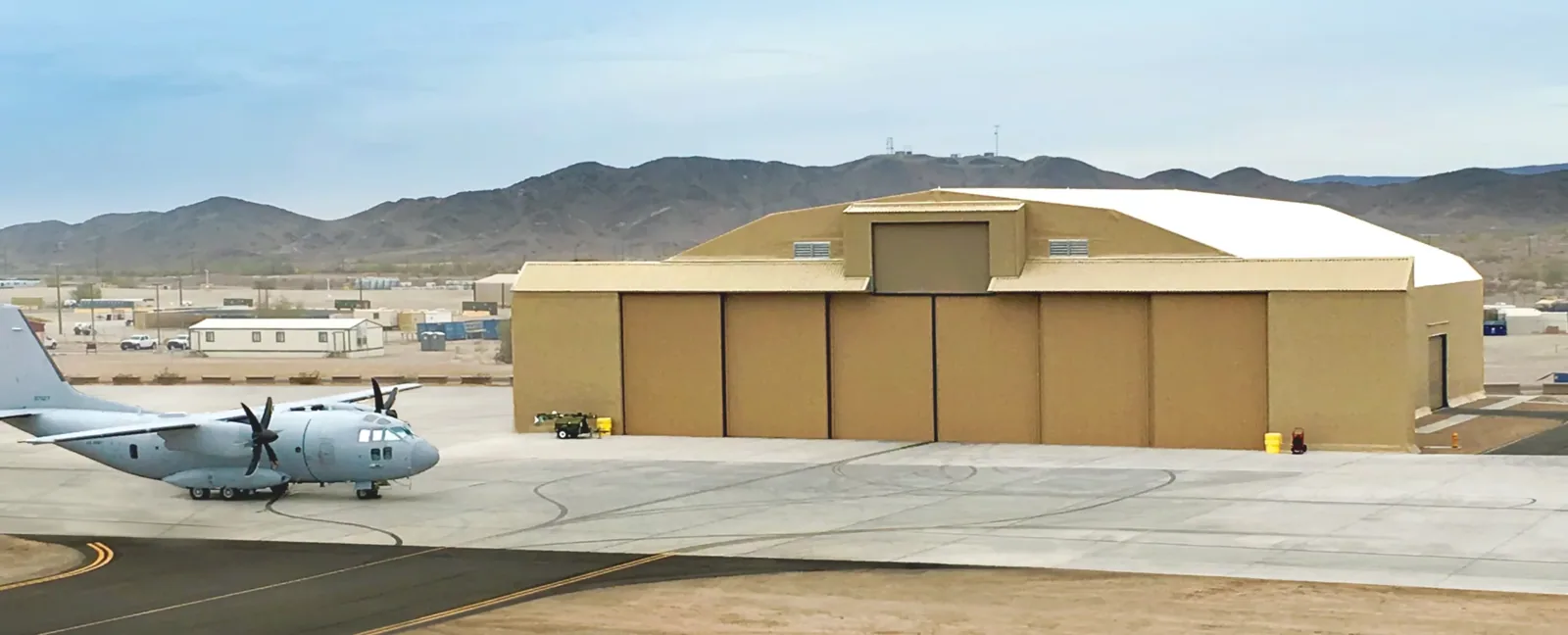
For military installation roofing projects, we mark which section opens each day and how it will be sealed overnight. Noise, odors from adhesives or hot work, and crane lifts all get discussed with the facility staff ahead of time. If the opened area grows because we find more damage, the safety setup and the estimate get updated together. A National Guard armory roof or a hangar and maintenance facility roof follows the same discipline, but each building gets its own instructions from its own facility team.
Finding the leak
We start at the seams, penetrations and wall flashing directly above the wet ceiling, then follow the slope uphill, because water often travels along the deck before it drips inside. Ponding near a drain or a clogged scupper can push water under a lap that would otherwise stay dry. If the source turns out to be a pipe, a duct or a rooftop unit, we say so and point the right trade to it. Photos tied to a roof plan show you exactly where each defect is and what we recommend.
A commercial roof inspection sometimes raises a bigger question: is the insulation under the membrane still dry? You cannot tell from the surface. We may recommend a few core cuts to check, and each one is patched the same day. What we find at those spots tells us whether the roof can be repaired and kept, or whether wet insulation has spread far enough that sections need to come off. That information lets the facility office decide what to fund next with real evidence in hand.
Connections and support
Repair materials have to match the existing roof. A modified bitumen roof gets modified bitumen patches, a single-ply membrane gets compatible membrane and seam work, and a metal roof gets proper panel and fastener repairs. At walls, we check the wood or masonry backing behind the flashing as well as the counterflashing at the top. If the backing is loose or rotted, it gets replaced before new flashing goes on, or the repair will fail again. The estimate lists what comes off and what goes back, and any wall repair outside roofing is called out separately.
Work at rooftop equipment curbs and supports is coordinated with whoever maintains the equipment. If a unit needs to be lifted or disconnected so we can flash the curb correctly, that happens first, and anything involving structural changes goes to an engineer. When a curb is waiting on another trade, we seal it temporarily so it stays dry. If we uncover more rot or damage than expected, we photograph it, explain the extra work and price it before going further.
Water routes and renewal
Drains and scuppers deserve a close look on any leak call. Sometimes the fix is just clearing debris. Other times the flashing around the drain has split or the drain body itself has a problem, and a plumber needs to look at the piping. Standing water that sits for days usually points to a deck sag, a missing cricket or a drain set too high, and we find the cause before recommending a fix. If correcting it means re-sloping insulation or adding drains, the change gets designed properly instead of guessed at.
When the roof is near the end of its life, a commercial roof replacement estimate lays out the full system: what is torn off, the insulation and cover board going back, how it is attached and how edges and penetrations are finished. A coating may work over a sound, dry roof once the defects are repaired. A recover over the existing roof depends on what core cuts show and on code limits for added layers. Access, disposal and coordination with base operations all affect cost, so we spell those out for each option.
Protection and records
Before tear-off starts, we plan how each day's work area will be sealed if weather moves in. Summer monsoon storms in the Valley can arrive quickly, so no section is left open overnight. Any edge or curb waiting on another trade gets temporary protection. If damage grows the work area, we revise the protection plan with the facility office. Our daily notes show what was finished, what is temporary, and what is still waiting on someone else, so the facility contact always knows where the job stands.
With preventive roof maintenance, we agree on the checklist up front: drains, seams, flashing, penetrations and the areas technicians walk most. The report lists what we looked at, what we repaired and what needs a closer look. At the end of any project, you get photos of the finished details, the locations of patched test cuts, material information and final quantities. Open items for mechanical, plumbing or wall work are listed with the trade that owns them. That record makes the next inspection quicker and helps with warranty questions. For an active leak, call us any time, including nights, weekends and holidays. Once the facility office arranges access, we stop the water and explain the permanent fix.
Commercial Roofing Questions
What do you need to start a roof request on an installation?
The specific building, a description of the leak or damage, and a facility contact who can arrange access. Drawings and past repair records help us focus the inspection.
Who sets the safety and access rules for the work?
The installation's facility staff. We review our work area, material route and schedule with them, and their requirements go into the daily plan for each section.
How do you know if the insulation under the roof is still good?
You cannot tell from the surface. We take a few small core cuts where the condition matters, patch them the same day, and use what we find to decide whether the roof can be repaired or sections need replacing.
What records do we get when the job is finished?
Photos of the finished work, locations of patched test cuts, material information and final quantities, plus a list of any open items for other trades and any temporary repairs still in place.
Request an installation roof inspection
Have your facility contact reach out with the building and the problem you are seeing. We will coordinate access, inspect the roof and explain the repair or replacement options.
Request a Roof AssessmentAll Property Types We Roof