Home / Service Areas / Coolidge
Coolidge Commercial Roof Repair and Material Review
Commercial roof repair in Coolidge, AZ: metal panel and membrane repairs, seam failures, drain and scupper fixes, recover assessments and work planned around production schedules.
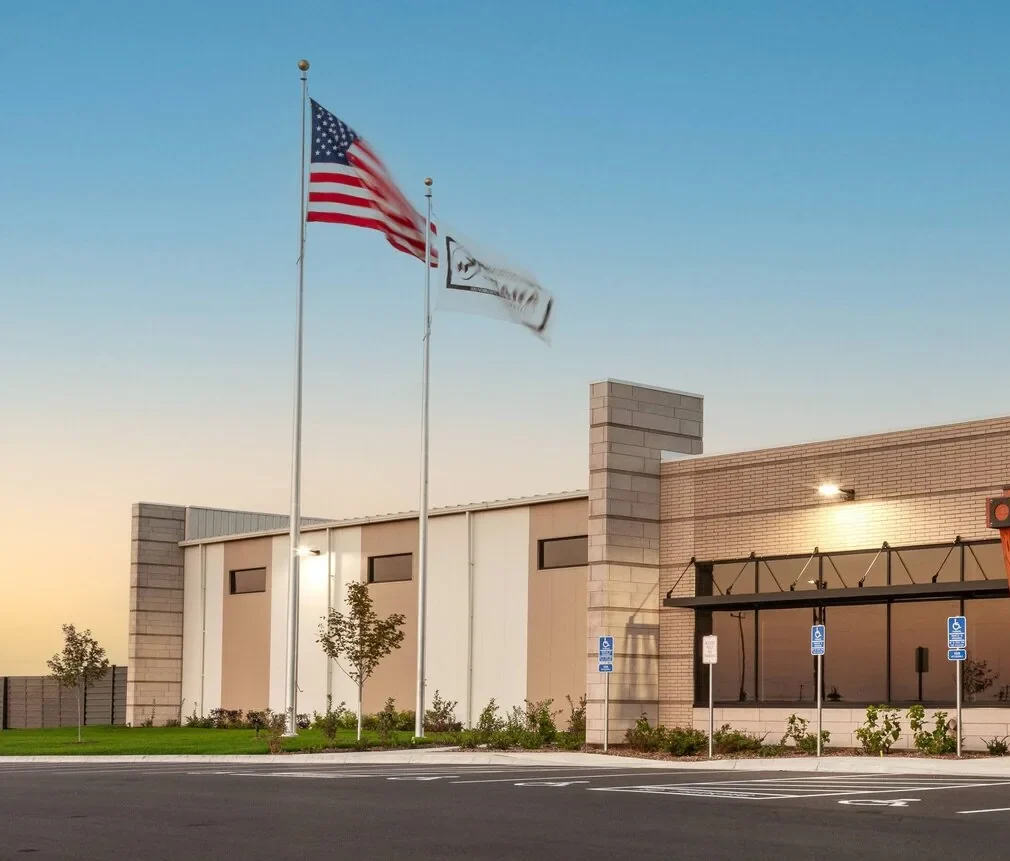
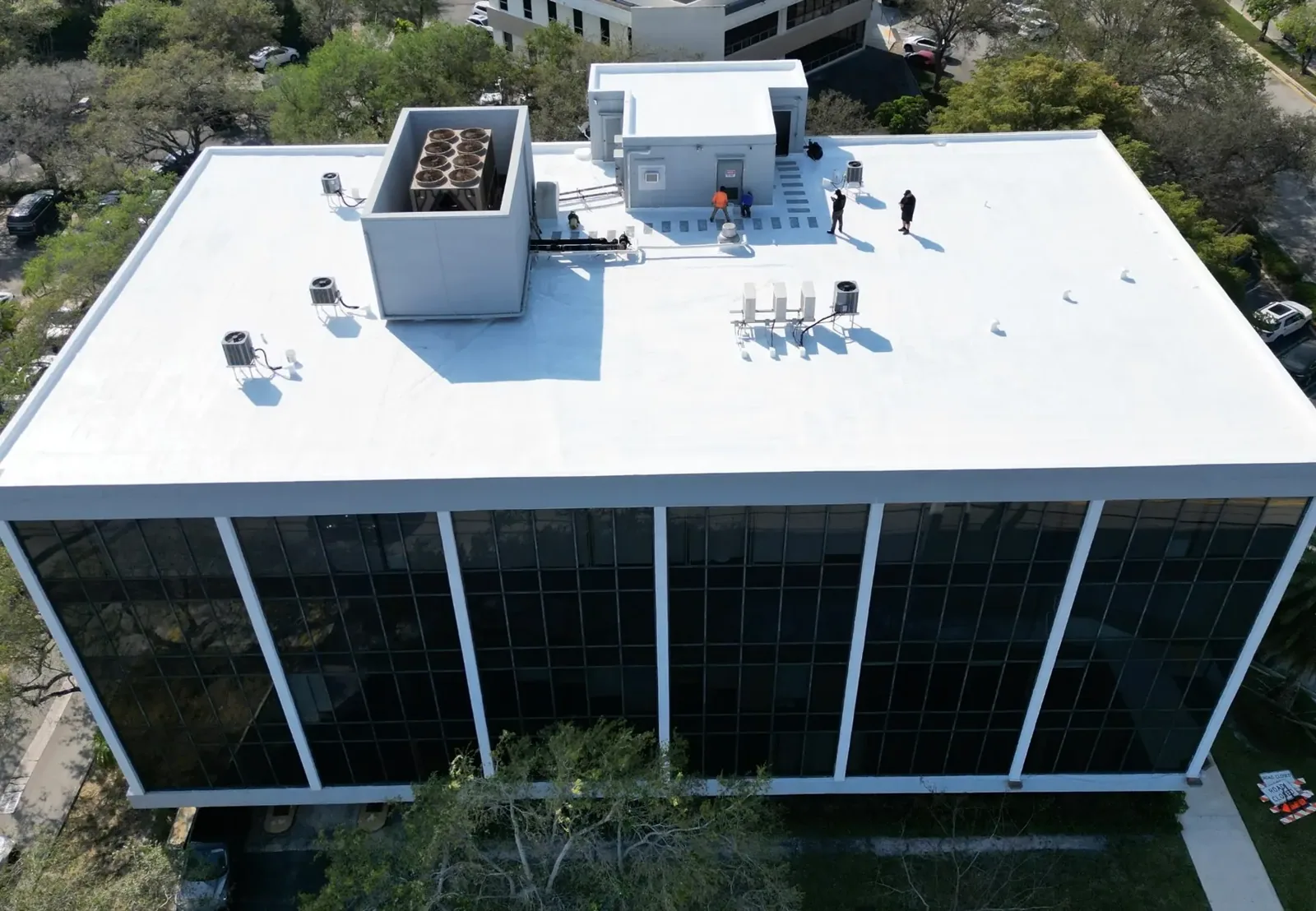
Manufacturing and industrial buildings in Coolidge often have metal panel roofs, flat membrane roofs or a mix of both across different additions. The first step on any repair is confirming what's actually on the roof where the leak is. That decides the repair method, the materials and the price. We find the damaged seam or flashing, look at earlier patches nearby and check whether the material underneath is still solid. We also talk with the plant manager about deliveries and access at the same visit, because a repair plan that disrupts production isn't much of a plan.
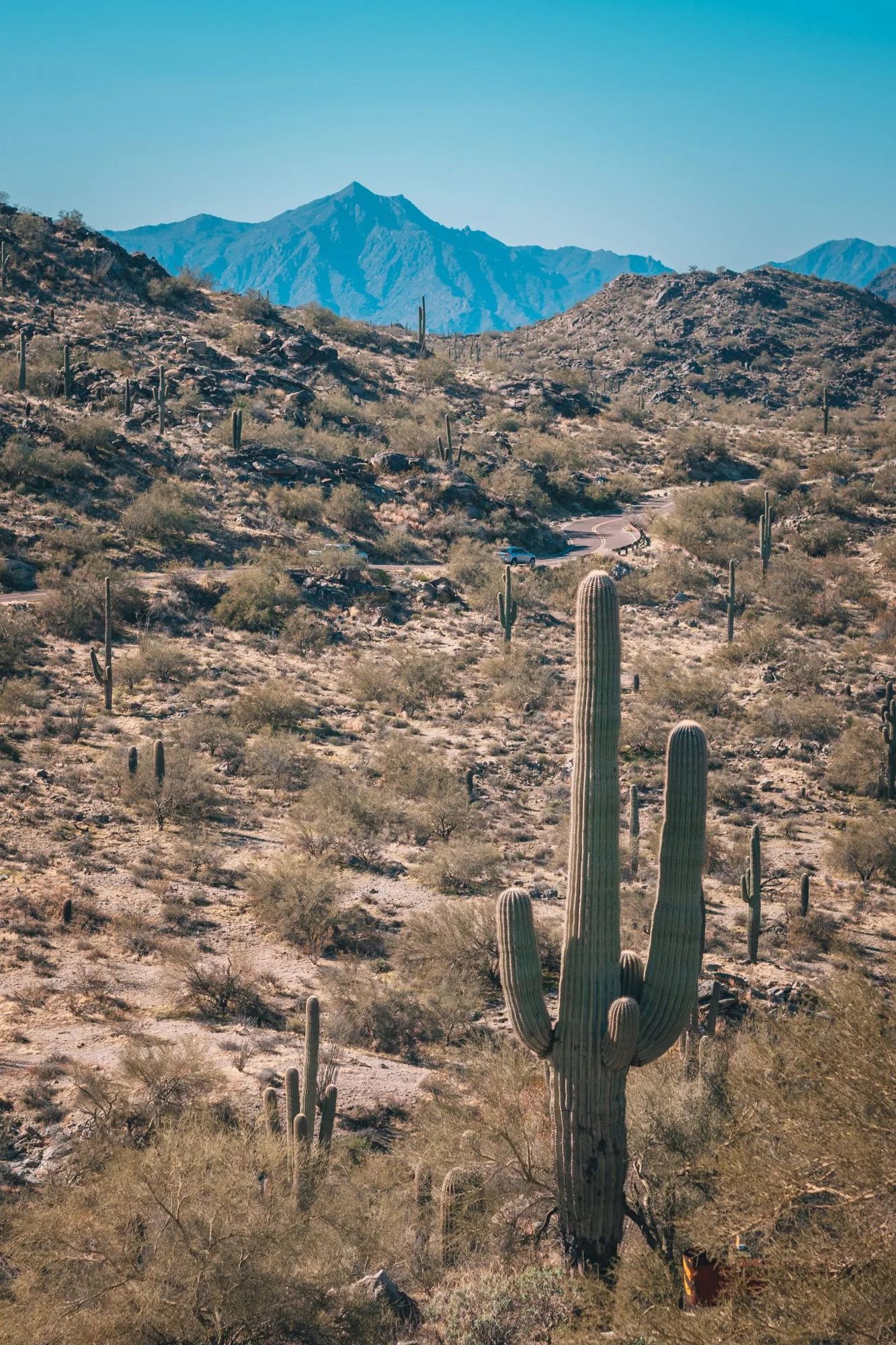
Coolidge is in Pinal County, about 56 miles southeast of Phoenix. Send us the building address, a contact and where you're seeing the problem. We also work in Casa Grande and Florence. We inspect each roof directly and explain what needs to be fixed.
Metal connections and membrane details
Metal and membrane roofs fail in different ways. On metal roofs, leaks usually come from loose or backed-out fasteners, worn rubber washers, open side laps, rusted panels or failed sealant at trim and flashings. Heat cycling in the Arizona sun makes panels expand and contract every day, which works fasteners loose over time.
On membrane roofs, seams are the weak point. A seam failure repair starts with identifying the membrane, whether TPO, PVC, EPDM or modified bitumen, because each one is repaired differently. TPO and PVC seams can be heat-welded. EPDM uses tape and primer. Modified bitumen is torched or set in adhesive. Using the wrong method or material is a common reason repairs fail.
Before repairing either type, we check the condition of the surrounding roof. If the panel is rusted through or the membrane is brittle and cracking, a patch won't last. We'll tell you that directly and show you the photos, so you can decide whether to repair the spot or address a larger section.
Water investigation and drainage correction
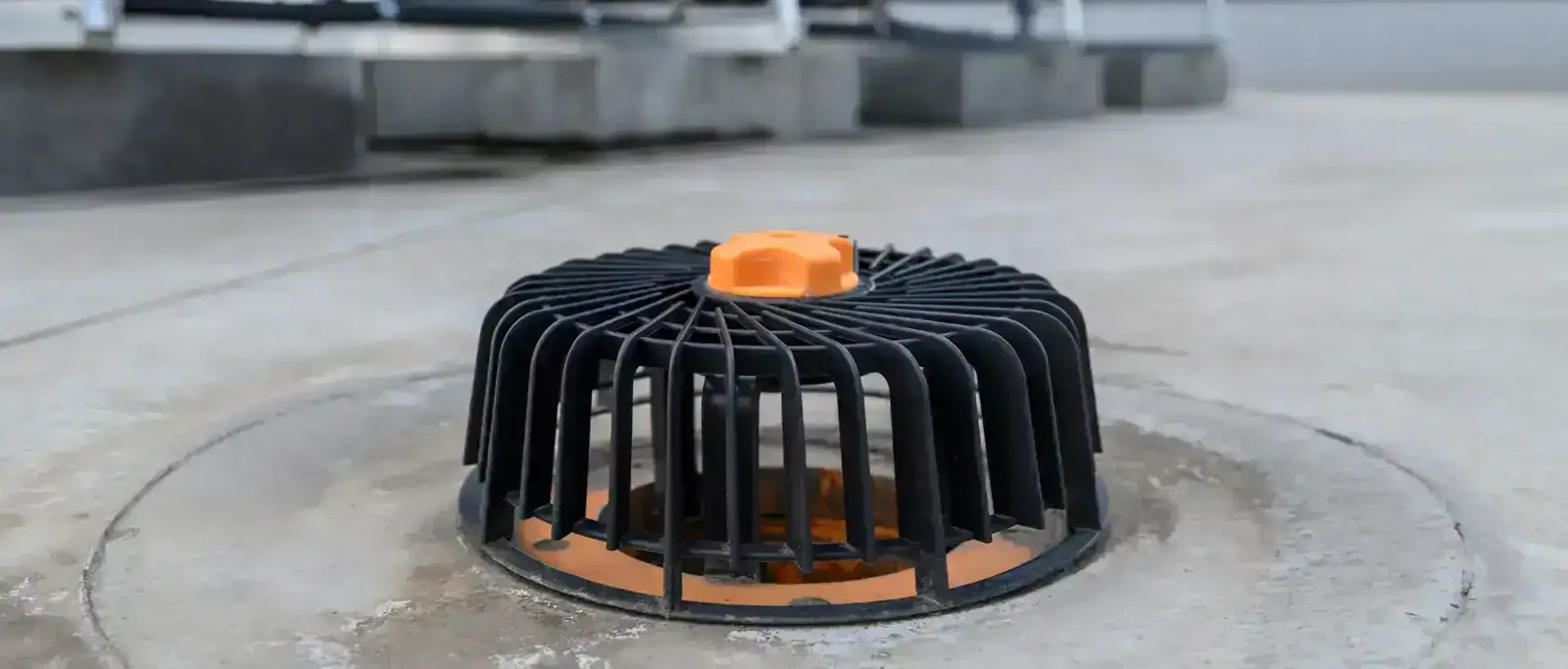
Industrial roofs often have large areas draining to a handful of drains or scuppers. When one clogs, water backs up fast. We start by clearing debris from drains, gutters and scuppers, then inspect the roofing around each one. Clearing is maintenance. If the membrane or flashing around a drain is torn, that's a repair. A cracked drain pipe or broken downspout below the roof may need a plumber or sheet metal contractor.
For roof drain and scupper repair, we price each of those pieces separately so you can see what's included. If water still ponds across a wide area after the drains are clear, the roof may have sagging deck sections or poor slope. That's worth knowing before you spend more on patches.
Leaks near drains are especially tricky because water collects there. A small opening in the flashing under standing water can leak steadily. We check those areas carefully and recommend a permanent fix rather than another layer of sealant.
Production contact and roof movement
Production schedules come first at a manufacturing plant, so we plan around them. We ask the plant manager where our trucks can park, where materials can be staged and where debris can go without blocking forklifts, shipping docks or employee parking. If the roof is over active production, we find out what's directly below, such as equipment, finished goods or clean areas that can't tolerate dust.
For manufacturing plant roofing, the plant decides when and where we can work. Some plants want roof work only on weekends or during scheduled shutdowns. Others are fine with weekday work as long as we stay clear of certain areas. We also ask about rooftop exhaust from process equipment, since some of it can be hot or corrosive.
Small repairs barely affect operations. Larger tear-offs mean more deliveries, a crane or lift, and possibly protection inside the building. We lay out the plan for each option before anything is scheduled, and revisit it if the scope changes once we open the roof.
Support assessment and assembly choices
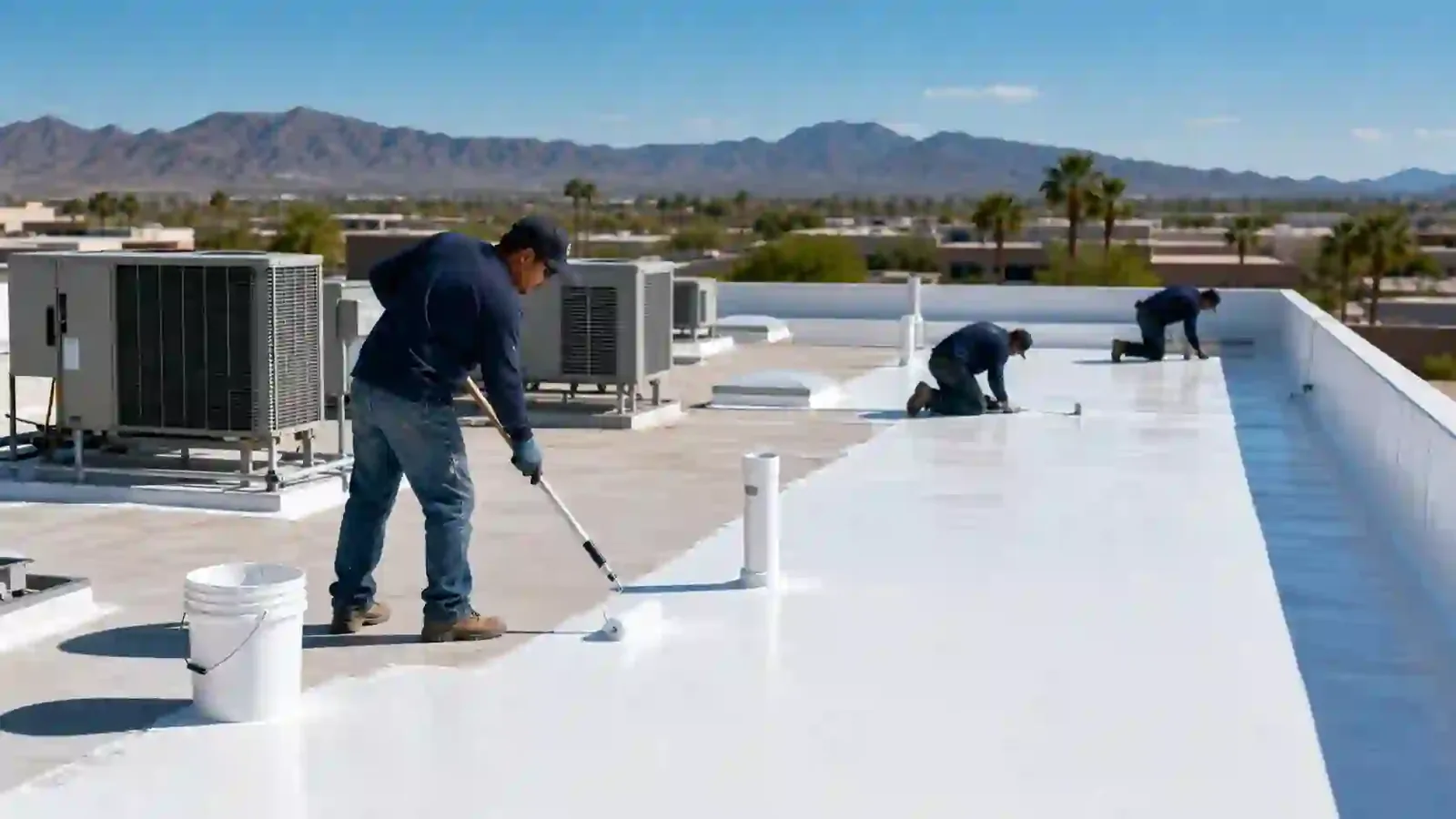
A roof recover installs a new roof over the existing one. On a large industrial building it can save significant cost compared with full tear-off, but only if the existing roof is a good candidate. We check for moisture in the insulation, confirm how many layers are already in place and look at how the existing roof is attached. On metal roofs, a recover may involve a new retrofit framing system or a foam and coating system over the panels.
Wet insulation has to be removed. Building codes generally don't allow a new roof over a wet one, and trapped moisture rots decks and corrodes fasteners. If moisture is scattered across the roof, those areas need to be replaced before a recover, and that cost belongs in the comparison.
Edges, walls and penetrations usually need new flashing as part of a recover. We spell out which details get rebuilt and why, so the comparison between repair, recover and replacement is based on real conditions, not guesswork.
Amount drivers and finished roof record
Cost on an industrial roof is driven by size, access and condition. A large roof with good access and dry insulation costs less per square foot to work on than a smaller roof with wet insulation, heavy equipment and limited lift access. Hidden damage, such as a rusted deck or rotted wood nailers at the edge, adds cost once it's found. When that happens, we stop, show you the photos and get approval before going further.
Working around production schedules can also affect cost. Weekend or shutdown work may need more crews to finish in a shorter window. Splitting a job into several phases adds setup and temporary protection. We explain those factors up front so the price makes sense.
At the end of the job, you get before and after photos, pictures of any hidden damage we repaired, a list of what was done and any issue we noticed but didn't address. That record helps with maintenance planning, insurance questions and future budgeting. It also gives the next roofer a clear starting point if a leak is reported somewhere else on the building.
Commercial Roofing Questions
Why does it matter what type of roof is on the building?
Metal, TPO, PVC, EPDM and modified bitumen are all repaired with different materials and methods. Using the wrong one is a common reason repairs fail.
Does clearing a clogged drain count as a repair?
Clearing is maintenance. If the membrane or flashing around the drain is damaged, that's a separate repair, and a broken pipe below may need a plumber.
Who decides when you can work over production areas?
The plant manager. We ask about shutdowns, shift schedules, areas to avoid and what's below the roof, then plan around those requirements.
Why might a small repair turn into a bigger one?
Once the roof is open, we may find wet insulation, a rusted deck or rotted wood. We photograph it and get your approval before expanding the work.
What will be in the final report?
Before and after photos, pictures of any hidden damage we fixed, a summary of the work and a list of anything we noticed but didn't repair.
Schedule a Coolidge roof inspection
Send us the building address and where you're seeing the leak or damage. We'll confirm the roof type, explain the repair and plan the work around your production schedule.
Request a Roof AssessmentAll Service Areas