Home / Service Areas / Elliot Road Technology Corridor
Commercial Roof Repair near the Elliot Road Technology Corridor
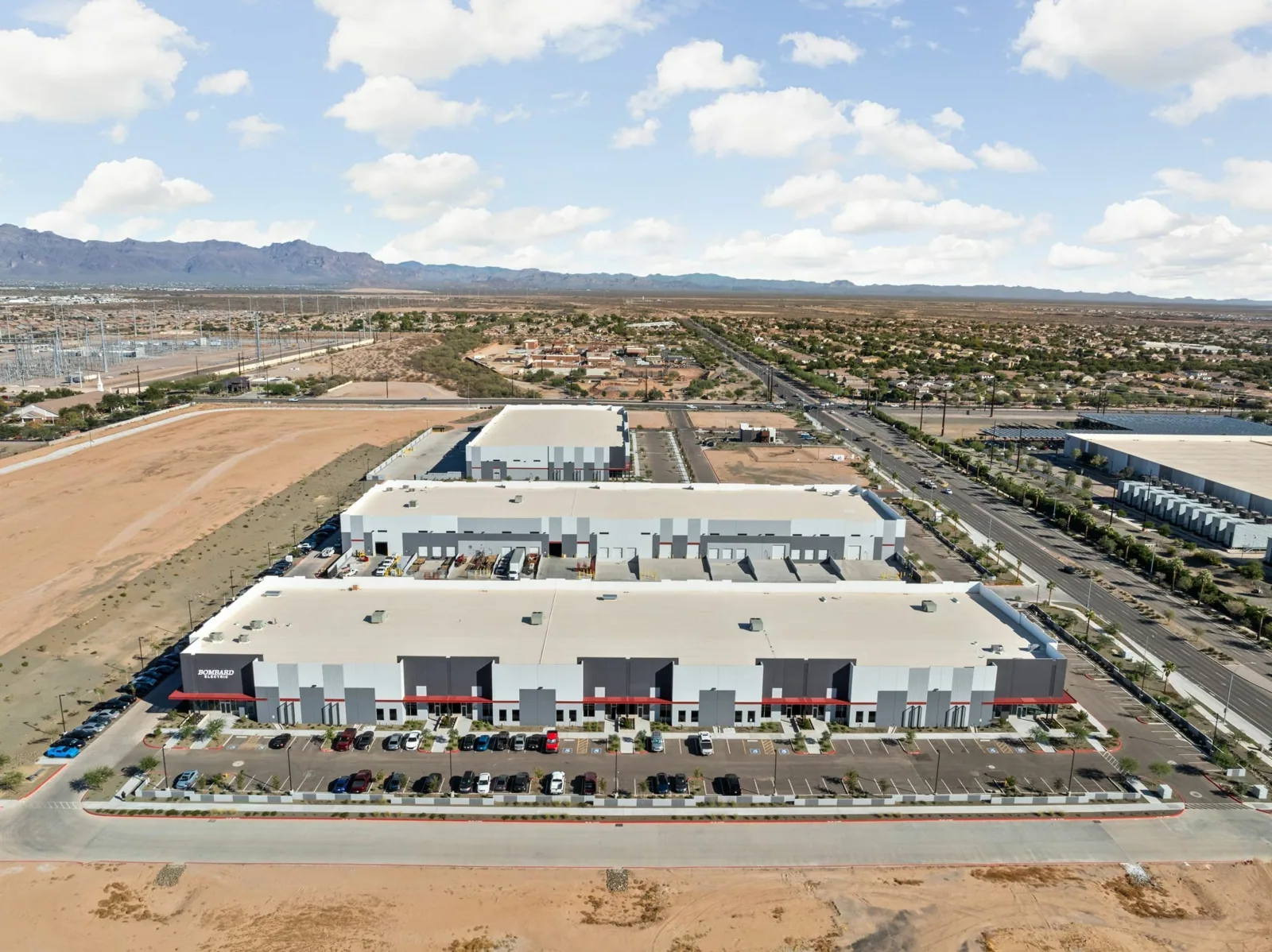
Commercial roof repair near Mesa's Elliot Road Technology Corridor: data center and tech-facility roofs, equipment curb flashing, leak tracing and long-range roof planning.
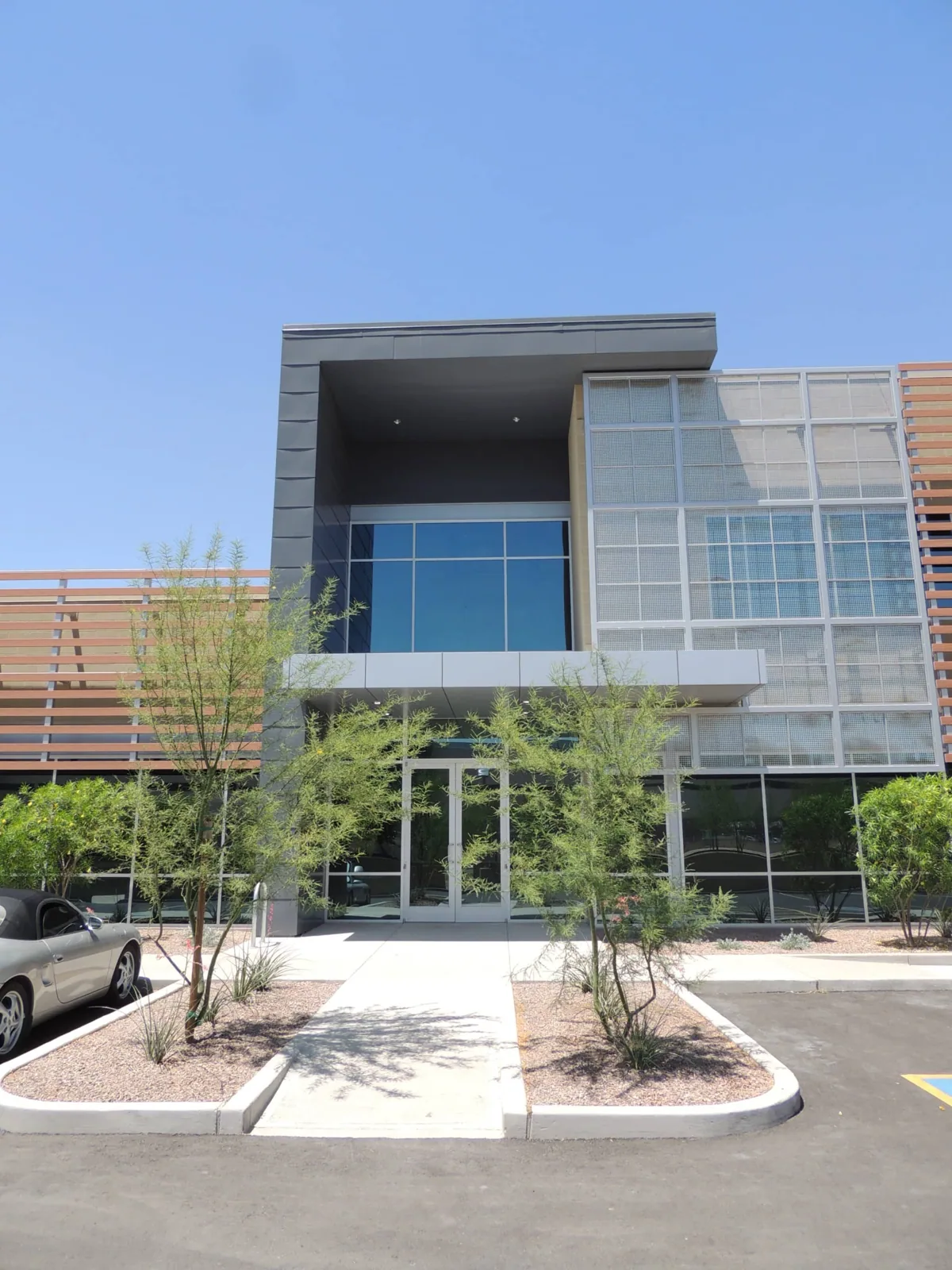
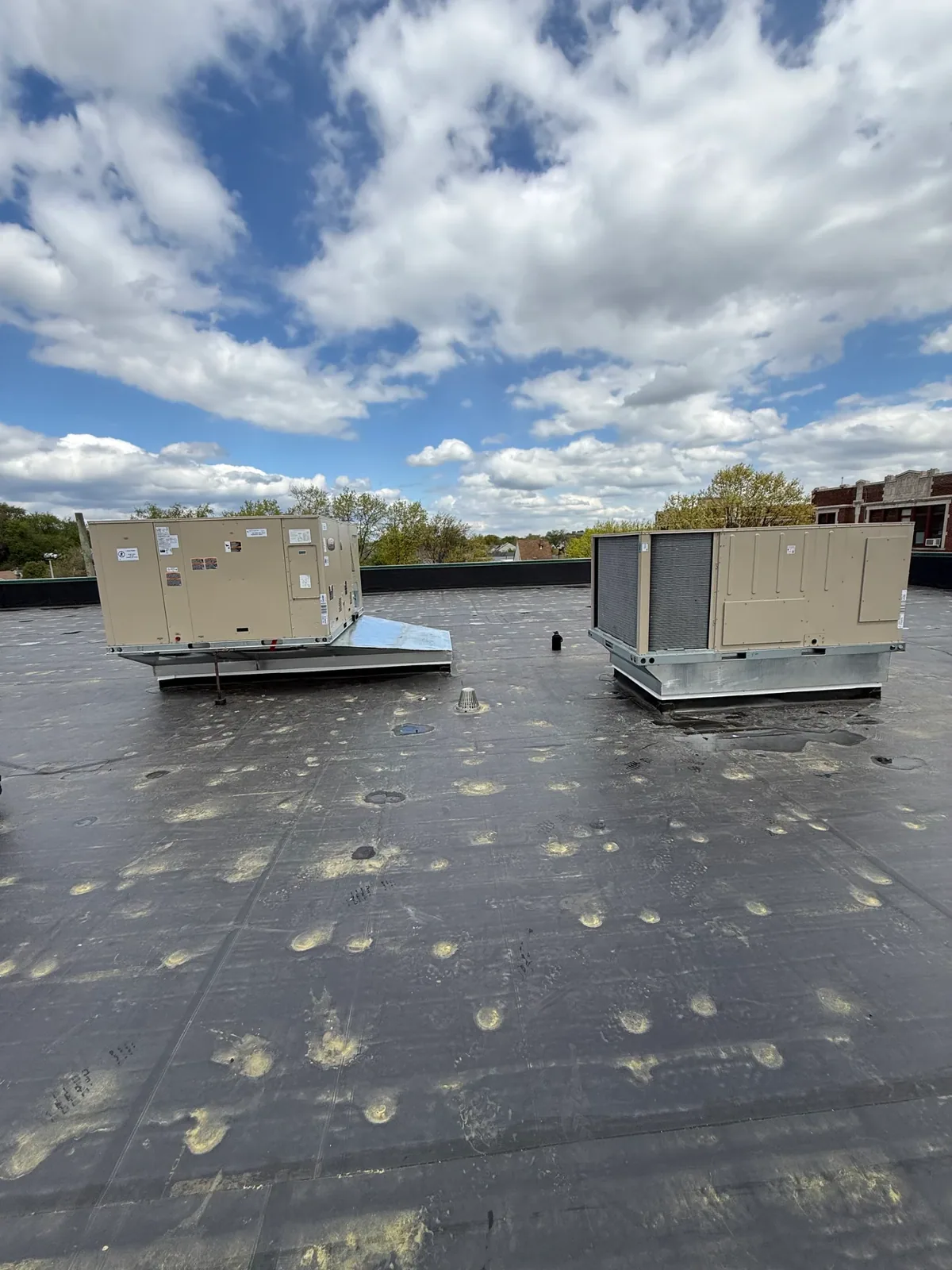
Technology and data facilities pack a lot of equipment onto the roof: cooling units, exhaust fans, conduit, pipe supports and sometimes antennas. Every one of those is a hole in the roof that has to stay watertight. When a leak shows up, we find out which detail is failing, what equipment sits near it and which air intakes could pull in dust or fumes from the work. The facility operator sets the rules for working near that equipment, and we follow them. A curb flashing repair and a full roof replacement need very different plans, and we lay out both clearly.
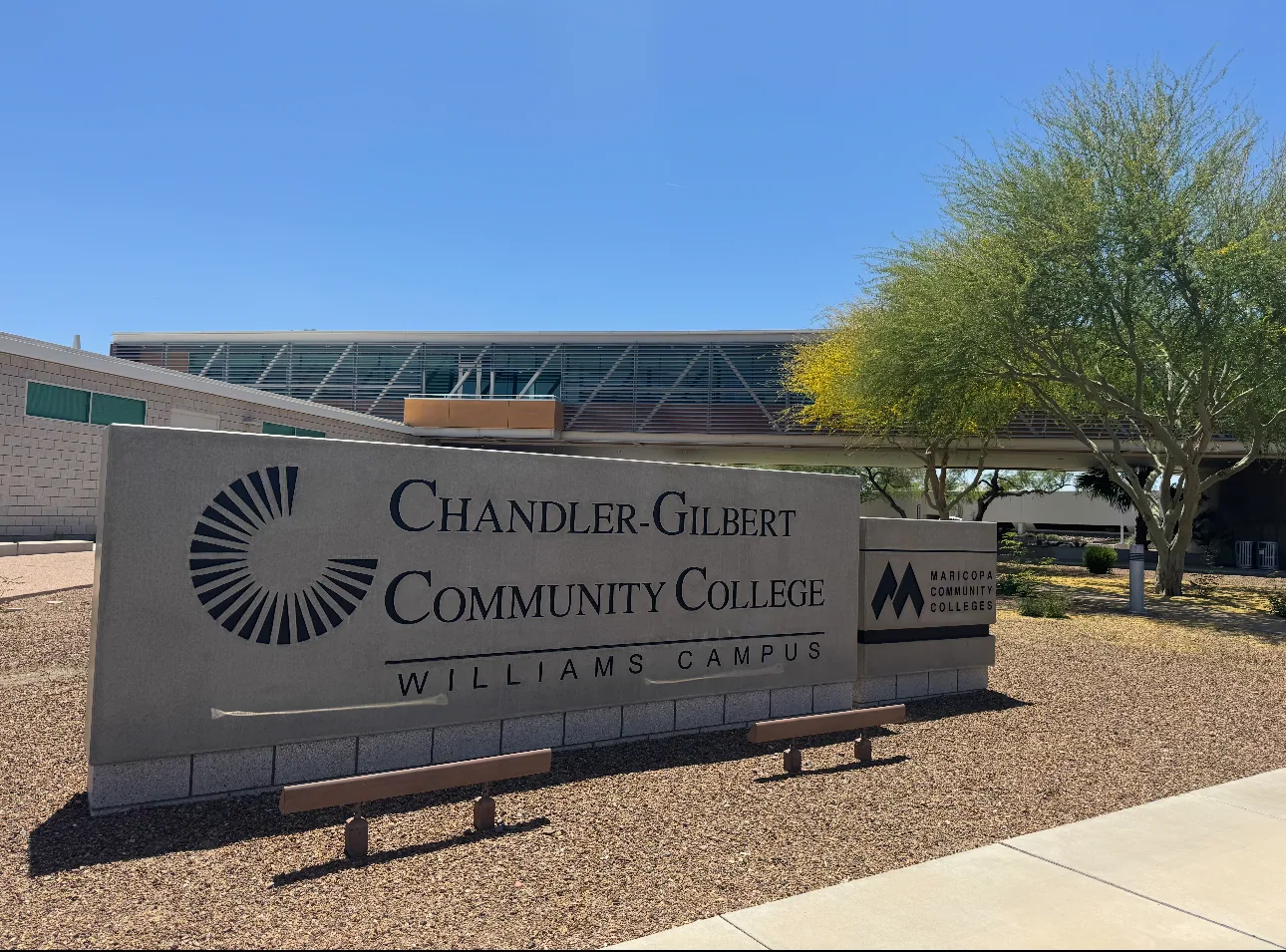
The Elliot Road Technology Corridor runs through southeast Mesa. Give us the address and the facility contact, and we'll inspect the roof. We also work around the Williams Campus and throughout Gilbert. What's on the roof and what's leaking decide how deep the investigation needs to go.
Equipment interfaces and operator instructions
Before we step on the roof, we ask the operator for their requirements. Data and tech facilities usually have rules about which equipment can't be touched, which intakes must be protected from dust and odors, how much notice they need before work begins and whether any work requires an escort. Some equipment can't be shut down, so we work around it rather than asking for an outage.
For data center roofing, we map the repair area against the equipment layout. If adhesives or primers could be drawn into an air intake, we discuss timing, temporary intake covers or low-odor products. If materials have to be moved past live equipment, we plan the route with the operator in advance.
Communication matters on these sites. We confirm who gets daily updates, who can approve changes and who to call immediately if something unexpected happens. The operator should never be surprised by what's happening above their equipment.
Water symptom and exterior detail
A leak over a server room or electrical room is urgent. We start inside with the facility team, mark exactly where water appeared and when, and then check the roof directly above and upslope. Equipment curbs, conduit penetrations, pipe supports and seams near rooftop units are the most common sources on these buildings.
For leak investigation along Elliot Road, we separate roof leaks from equipment leaks. Rooftop cooling units can leak from condensate lines, cracked pans or damaged cabinets, and that water can look exactly like a roof leak from inside. If it's the equipment, we tell the operator which contractor should handle it.
Water also travels. It can enter at a curb, run along the deck or a conduit and drip several feet away. If the source isn't clear on the first visit, we explain what we ruled out and recommend the next step, such as a controlled water test or opening a small area. Every finding is photographed and its location marked on a roof plan.
Sheet attachment and component rebuilding
Equipment curbs and supports are where most problems start on tech facility roofs. Curbs that are too short don't allow proper flashing height. Supports set directly on the membrane without protection can wear through it. Vibrating equipment slowly works sealant and fasteners loose. And when equipment gets replaced, the new unit doesn't always match the old curb.
For equipment curb and support repair, we inspect each curb, check its height and condition and look at how the membrane and flashing are attached. If the curb is rotted, rusted or too short, it may need to be rebuilt or raised. That often means coordinating with the mechanical contractor to lift or temporarily disconnect the unit, so we plan the sequence together.
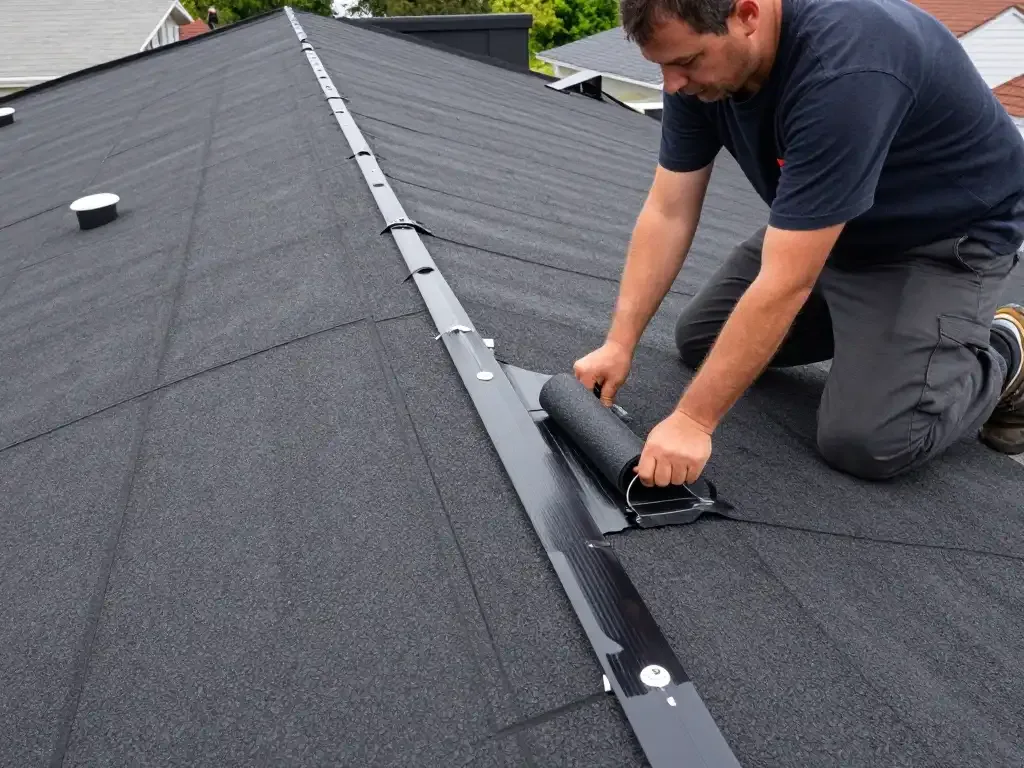
Once the curb is sound, new flashing is installed and sealed with materials compatible with the existing membrane. Pipe and conduit supports get proper bases so they don't cut into the roof. We photograph each step so the operator has a record of what's under the finished work.
Supporting material and wider assessment
When repairs keep coming back or the roof is aging out, it's time to look at the bigger picture. We check insulation for moisture, inspect the deck where we can and confirm how many roof layers are already in place. That tells us whether a recover is possible or whether a full replacement makes more sense.
Roof capital planning is especially useful for tech facilities, where a roof failure can cost far more than the roof. We assess condition, estimate remaining life in general terms and recommend a sequence of repairs and replacements. That lets the operator plan major work during low-risk periods instead of reacting to a leak over critical equipment.
A replacement on a building full of rooftop equipment is complicated. Units may need to be lifted, curbs rebuilt and the work phased so cooling capacity is never lost. Before pricing a larger option, we may need more test cuts or moisture readings across the roof. We explain why, and how the larger project would be staged around the equipment.
Routes and returned condition
Getting materials onto a tech facility roof takes planning. We ask where trucks can park, where a lift or crane can be set up, where materials can be staged and how debris will come down. Secure facilities may have gates, check-in procedures and escort requirements, and we build those into the schedule.
If a job takes more than one visit, every open area is sealed with temporary protection before the crew leaves. The operator knows which areas are finished, which are temporary, what's left to do and who to call. If we're waiting on the mechanical contractor to reset a unit, we explain how that affects our return.
When hidden damage turns up, such as wet insulation or a rusted curb, we stop and show the operator before expanding the work. At closeout, the facility receives before and after photos, documentation of hidden repairs, any approved changes and a list of issues we noticed but didn't address. That record helps with future maintenance, insurance and capital planning. It also gives the next contractor a clear picture of what's already been done.
Commercial Roofing Questions
What equipment information should the operator give you?
Which units can't be shut down or touched, where the air intakes are, any escort or check-in rules, and how much notice you need before work begins.
How do you trace a leak over a server or electrical room?
We mark where water appeared inside, then inspect curbs, conduit penetrations and seams above and upslope. We also check whether a cooling unit is the real source.
What has to happen before an equipment curb is reflashed?
The curb must be sound and tall enough. Rotted or short curbs are rebuilt first, often with the mechanical contractor lifting or disconnecting the unit.
Why might a replacement quote need more investigation?
A full roof covers far more area than a repair. We check moisture and deck condition in more places and plan how to phase work around rooftop equipment.
What does the facility get between work stages?
A clear summary of what's finished, what's temporarily sealed, what's next, who is doing it and who to call if water shows up.
Schedule a roof inspection near Elliot Road
Tell us the facility address and who manages it. We'll inspect the roof and equipment details, trace any leaks, and plan the repair around your operating requirements.
Request a Roof AssessmentAll Service Areas