Home / Service Areas / Falcon Field
Commercial Roof Repair for Falcon Field Area Properties
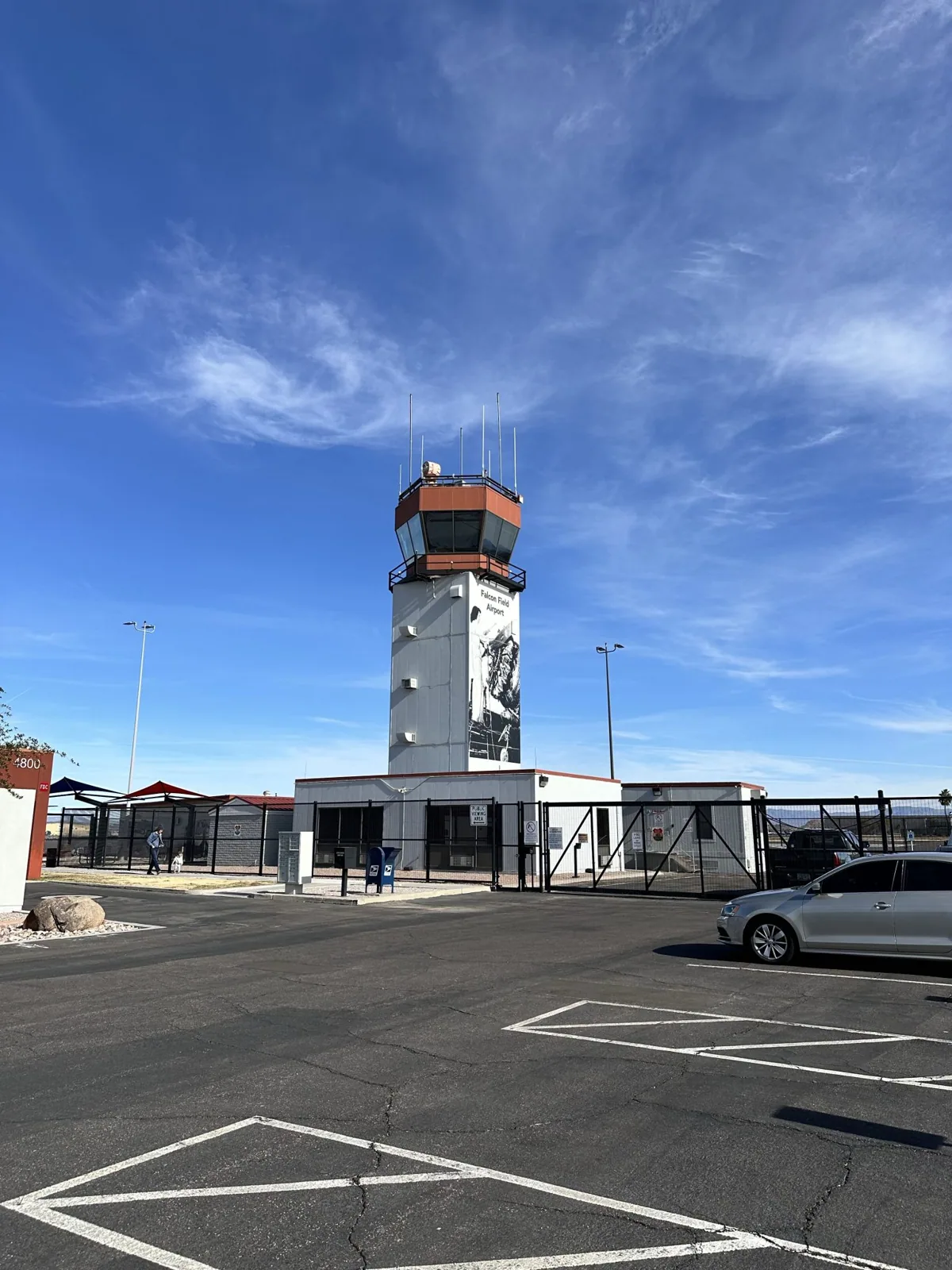
Commercial roof repair for hangars and buildings around Falcon Field in Mesa: metal panel and membrane repairs, leak tracing and work planned around aircraft and hangar doors.
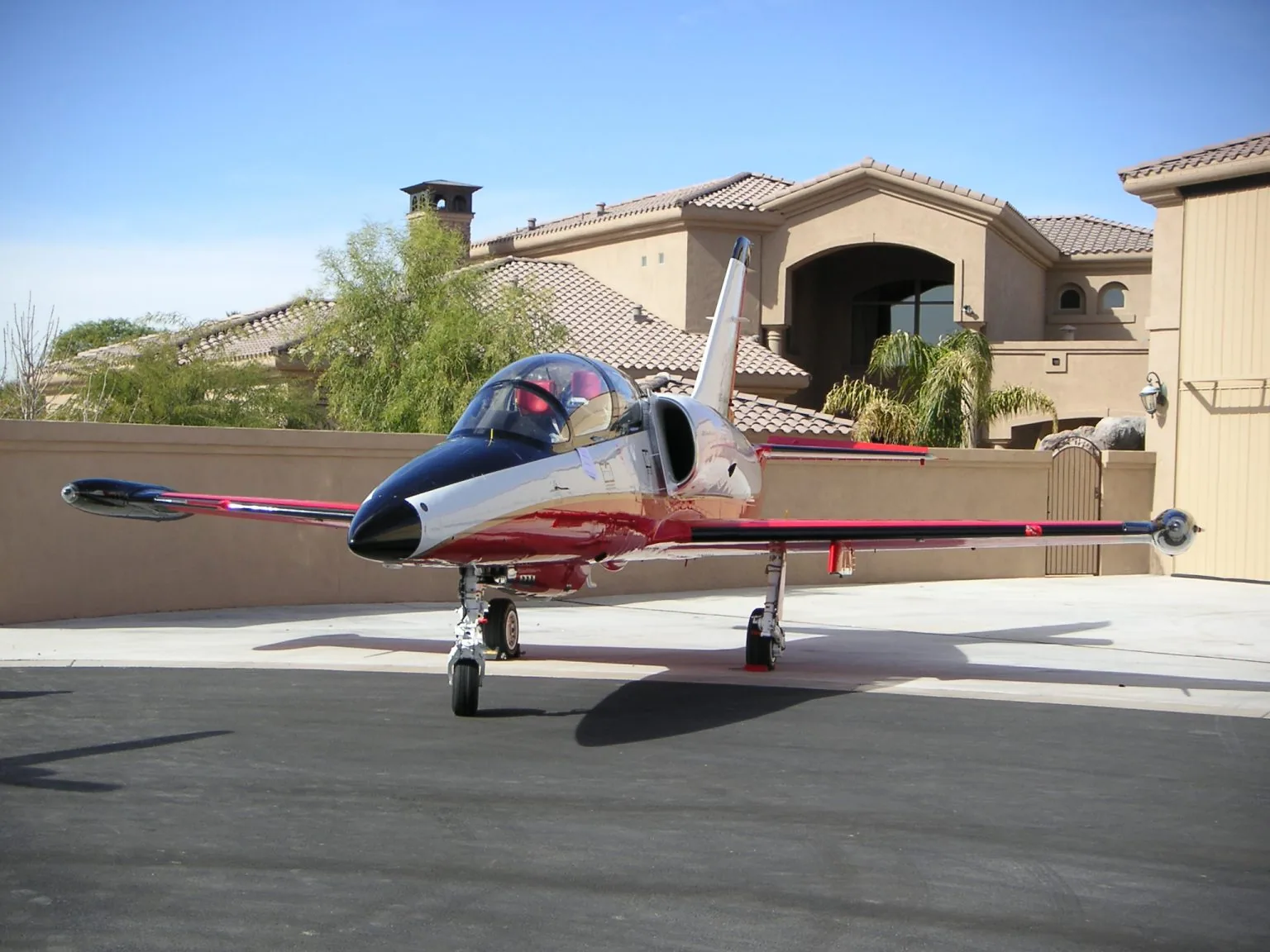
Hangar roof work around an airport is as much about the ground as the roof. Before we schedule anything, we show the operator where our truck will park, where materials will be dropped and where debris will go. We ask which hangar doors, taxi lanes and equipment paths have to stay clear. Then we find the exact roof detail that's failing. A quick panel repair and a full tear-off need very different plans, so the operator sees both before choosing a date.
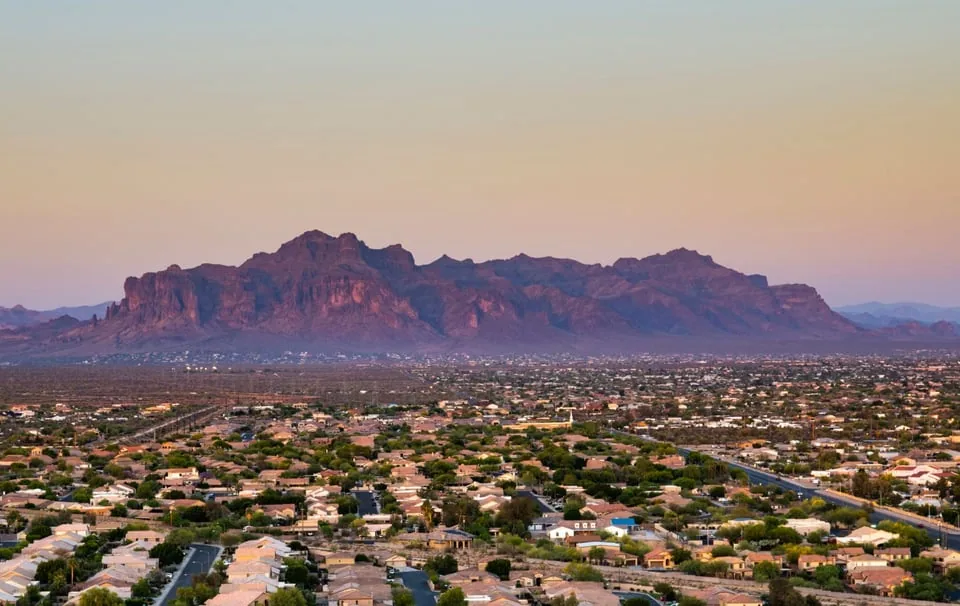
Falcon Field is a city-owned airport in northeast Mesa with two runways, surrounded by hangars, aviation shops and industrial buildings. Tell us which property and who manages it, and we'll inspect the roof and explain what the permanent repair involves. We also work across Mesa and at Stellar Airpark, and each property gets its own inspection and access plan. The roof type decides the repair, and we confirm it before quoting.
Delivery position and operator movement
At an airfield, a misplaced truck or lift can block an aircraft or a neighbor's hangar. We plan deliveries with the operator: where vehicles can stop, which areas are airside and need an escort or approval, and when aircraft movements make certain spots off limits. Debris has to be contained too. Loose roofing scraps near a ramp are a real hazard, not just a mess.
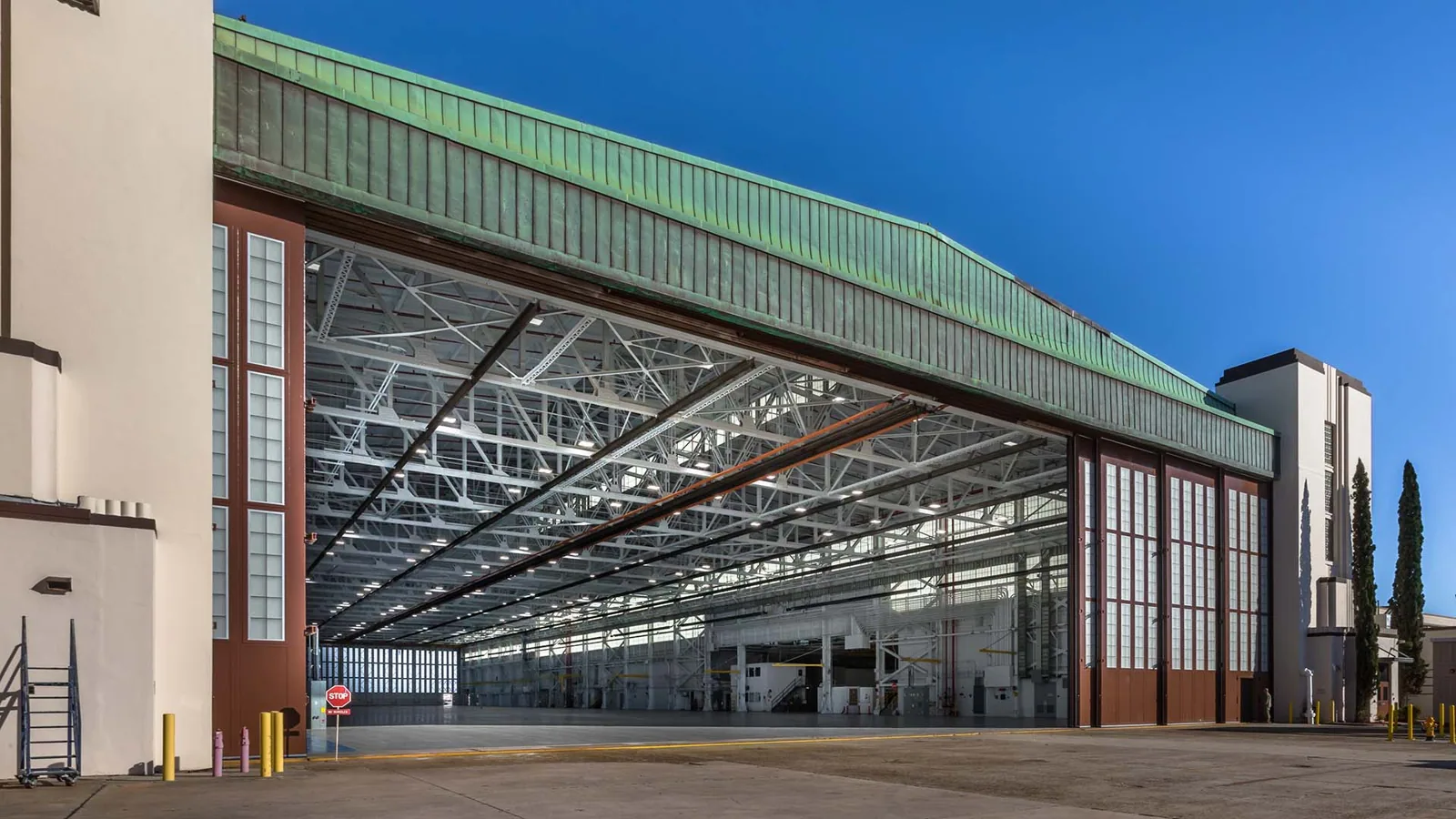
For hangar roofing, we also find out what's inside. A maintenance shop with aircraft under repair, a storage hangar and an office annex all have different tolerance for dust, noise and overhead work. If hangar doors must stay operable during the job, we plan around their tracks and motors.
We mark the repair area on a photo or roof sketch so the operator can see exactly where the crew will be. Small repairs might need only a ladder and a few hours. A larger job needs staging space for days, and we show where that will be before anything is booked.
Metal connection and permanent parts
Many hangars have metal roofs, either exposed-fastener panels or standing seam. Leaks usually come from loose fasteners, worn washers, open laps, rusted panels or failed sealant at ridge caps, eaves and penetrations. Hangar roofs also cover large spans, so panels expand and contract a lot in the summer heat, which loosens fasteners over time.
For metal roof repair, we first confirm the panel profile, gauge and clip system so replacement parts actually fit. Fasteners are replaced with the correct size and washer type. Damaged panels are replaced instead of being smeared with sealant. Trim and flashings are refastened or replaced as needed.
If a panel is rusted through, the surrounding panels and the purlins underneath need a look too. Rust rarely stops at one panel. We photograph what we find and explain whether a targeted repair will hold or whether a larger section needs attention. A coating can be a good option for a sound metal roof, but it won't fix missing fasteners or holes.
Membrane detail and supporting material
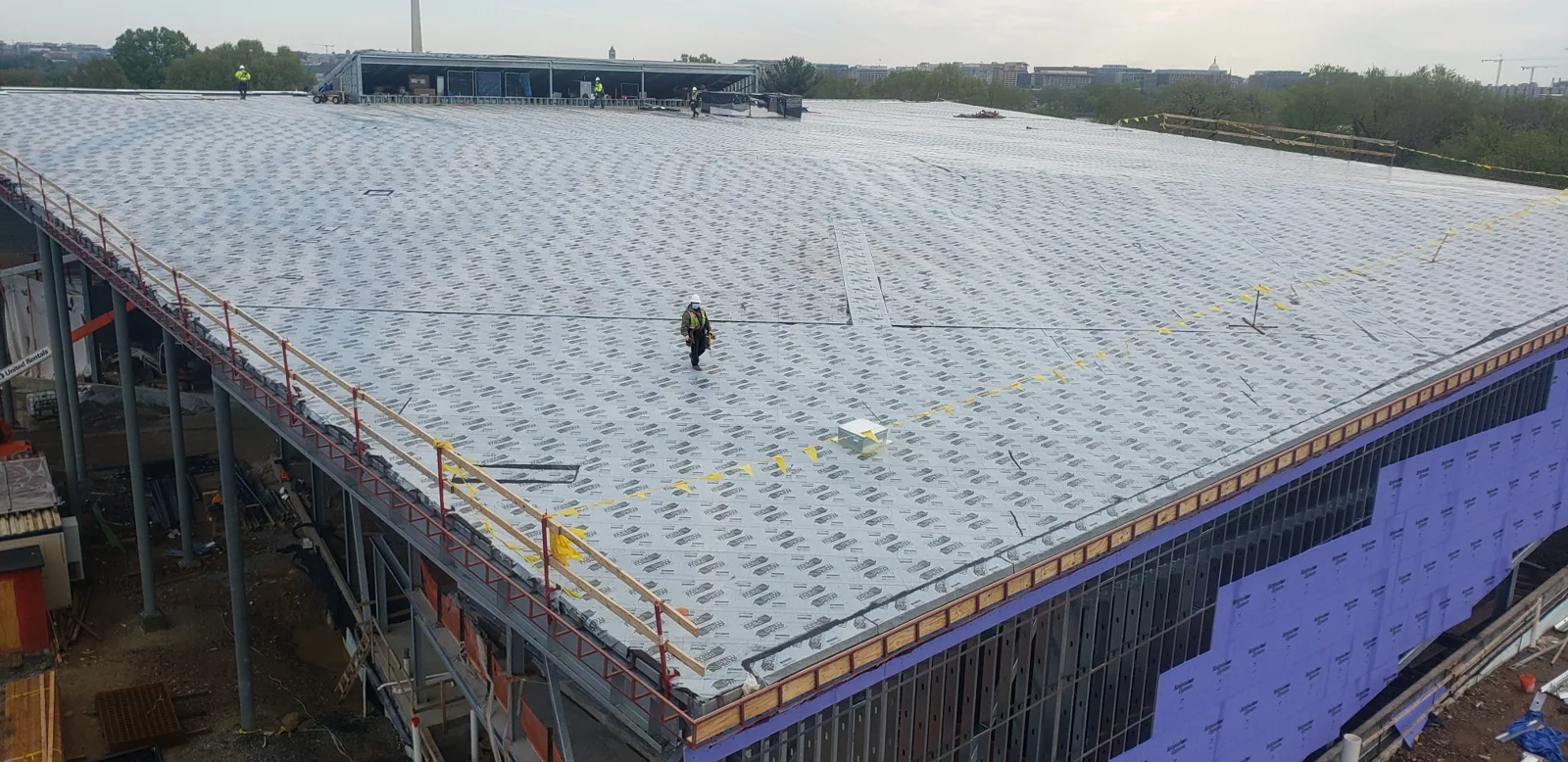
Offices, shops and newer additions around the airfield often have flat membrane roofs: TPO, built-up or modified bitumen. Punctures are common, especially near rooftop units where technicians walk and set down tools. A small hole can let in a lot of water during a monsoon storm.
For membrane puncture repair, we check the membrane around the hole first. If it's still flexible and well bonded, we clean and prep the area and install a patch of matching material that extends well past the damage. If the membrane is brittle or the insulation underneath is wet, a patch alone won't last.
Wet insulation has to be cut out and replaced before the roof is closed up. We photograph it, explain the added work and get approval before going ahead. If punctures keep happening along the same path, walkway pads are a cheap way to prevent the next one, and we'll recommend them where they make sense.
Water report and another component
Every leak investigation starts with the location inside. We match it to the roof above and check seams, fasteners, flashings, skylights and penetrations. Hangars often have large skylight panels or translucent strips, and those age faster than the metal around them. Cracked or loose skylights are a common leak source.
For commercial roof leak repair, we separate roofing problems from everything else. Condensation inside an uninsulated hangar can drip like a leak. Water can also come in through hangar door seals or wall panels rather than the roof. If the source isn't the roof, we'll say so.
If we can't confirm the source on the first visit, we explain what we ruled out and what to test next. A leak that only shows up in wind-driven rain, for example, may need a hose test along a specific wall or ridge. You get photos and a marked roof plan either way.
Wider footprint and returned condition
Larger projects such as a recover, coating or full replacement change the footprint on the ground. More deliveries, a bigger staging area, a crane or lift and more debris all affect operations around the hangar. We lay that out against a targeted repair so the operator can compare the disruption, not just the price.
If work spans more than one visit, open areas are sealed with temporary protection before the crew leaves. The operator knows what's finished, what's temporary, what's next and who to call if water shows up. That matters with aircraft parked inside, especially during monsoon season when storms can build quickly in the afternoon.
At the end of the job, the operator receives before and after photos, pictures of any hidden damage we repaired, approved changes and a list of anything we noticed but didn't fix. If there's still an unresolved leak somewhere else, it's listed separately so it doesn't get lost. That record makes the next inspection faster and gives the owner something solid for maintenance budgeting.
Commercial Roofing Questions
What should the airport operator tell you before work starts?
Where trucks can park, which areas are airside or need an escort, which hangar doors and taxi lanes must stay clear, and when aircraft movements limit access.
How do you choose replacement parts for a metal hangar roof?
We confirm the panel profile, gauge, clip system and fastener type on site, then use matching parts so the repair fits and seals properly.
What makes a membrane patch last?
Sound, flexible membrane around the damage, dry insulation underneath, a clean prepared surface and a patch of compatible material that extends well past the hole.
Why might you need a second leak investigation?
Some leaks only appear in certain conditions, like wind-driven rain, or come from skylights, door seals or condensation. A targeted water test may be needed to confirm the source.
What happens if the job isn't finished in one visit?
Open areas are sealed before we leave. You'll know what's done, what's temporary, what comes next and who to call if water appears.
Schedule a Falcon Field area roof inspection
Tell us which hangar or building and who manages it. We'll inspect the roof, explain the repair and plan deliveries and staging around aircraft and hangar operations.
Request a Roof AssessmentAll Service Areas